7 Unusual Fruits Virginia Gardeners Can Grow
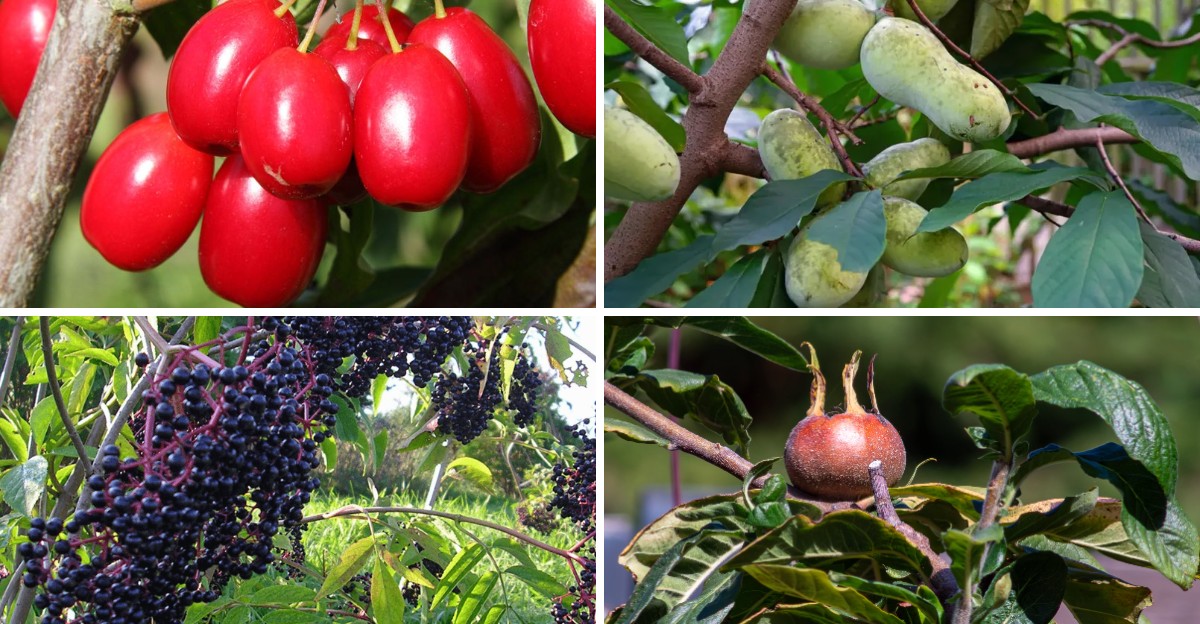
One fruit on this list tastes best only after it sits on your counter and turns brown. Another blooms bright yellow in late winter, usually before the forsythia along the roadsides even thinks about opening.
I have to admit those odd quirks hooked me long before I tasted a single homegrown bite myself. Some of these plants grew wild in eastern woods for centuries, yet most grocery stores still skip them.
You might notice that several of these fruits shrug off Virginia’s heavy clay and sticky humid summers with ease. A few even feed early bees and hungry songbirds while you wait patiently for your own harvest.
As for me, I love serving guests something they cannot name, then watching their faces light up after one bite. So which of these odd little treasures deserves a sunny spot in your own backyard next spring?
1. Pawpaw
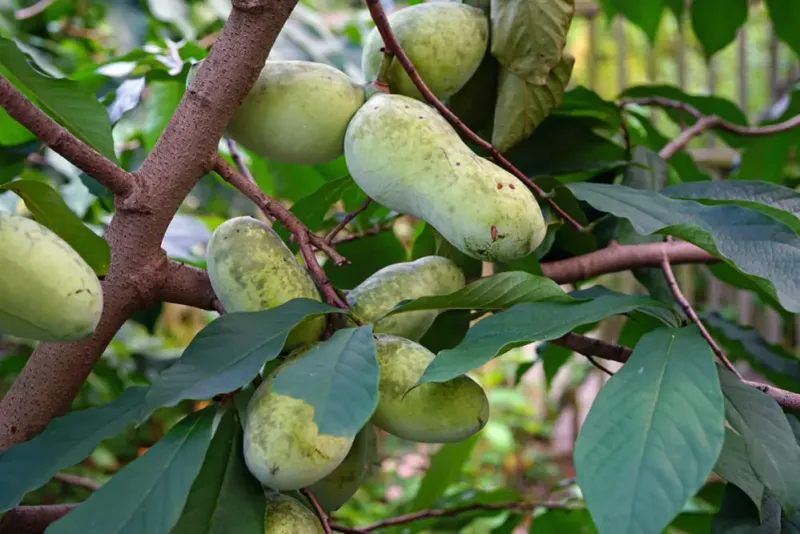
North America’s largest native edible fruit hides in shady creek bottoms, and most people walk right past it. One bite of the custardy yellow pulp tastes like banana and mango had a very friendly meeting.
Pawpaw, or Asimina triloba, grows wild in Virginia and usually reaches about fifteen to thirty feet tall at maturity. Its long, droopy leaves give the tree a tropical look that feels surprising in an ordinary backyard.
Young seedlings appreciate some shade for their first year or two, since strong sun can scorch them. Older trees fruit much better in full sun, so plan their permanent spot with future growth in mind.
You will need two genetically different trees, because most pawpaws cannot pollinate their own flowers well. Grafted named varieties like ‘Shenandoah’ or ‘Susquehanna’ give more reliable fruit than random seedlings from a nursery.
The maroon spring flowers smell faintly yeasty and attract flies and beetles instead of busy honeybees. I find that hand pollinating with a small paintbrush can boost fruit set when insects seem lazy.
Fruits ripen from late August into early October, turning soft and giving off a sweet, fruity smell. Ripe pawpaws bruise easily and last only a few days, which explains their absence from grocery shelves.
Scoop out the pulp with a spoon and skip the large seeds and skin, which can upset stomachs. Deep, moist, slightly acidic soil with good drainage keeps these understory natives happy for many decades.
2. Medlar
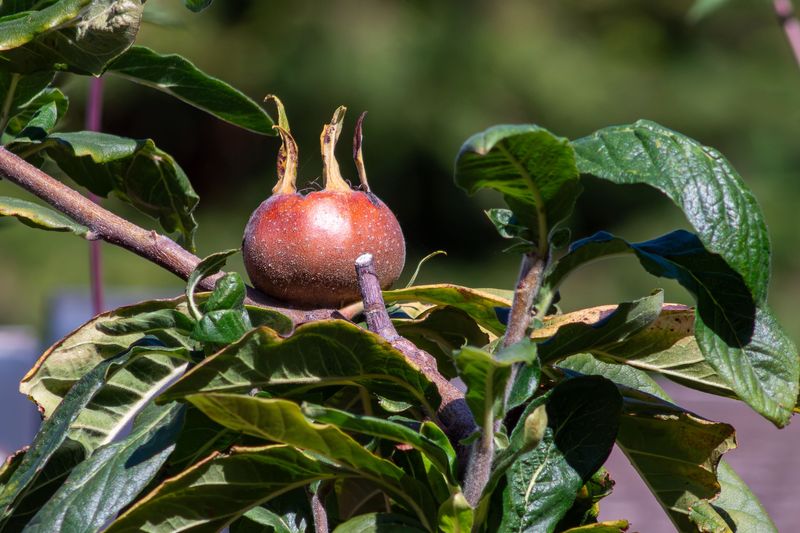
Medieval cooks happily ate a fruit that looks like a russet apple with an open, whiskery bottom. Medlar, or Mespilus germanica, remains a delightful oddball, and I grin every time a visitor spots one.
This small tree usually stays around eight to twenty feet tall in gardens, with twisted branches and fuzzy leaves. Large white spring blossoms sit at the tips of the branches and look a bit like wild roses.
Medlars are self-fertile, so one tree can produce a full crop without any partner nearby to help. Most nurseries sell them grafted, and many begin bearing fruit within three or four years of planting.
Give your tree full sun or light shade and well-drained soil that does not stay soggy after rain. Young trees need regular watering, but established ones handle short dry spells better than many fruit trees.
The strange part arrives at harvest, because freshly picked medlars feel rock hard and taste unpleasantly sour. Pick them in late fall, then set them in a cool spot until they soften and turn brown.
Gardeners call this softening process bletting, and it usually takes one to three weeks indoors on a tray. The brown pulp tastes like spiced applesauce mixed with dates, and it spreads nicely on toast.
Medlar jelly is a classic treat, and its warm color looks lovely in a clear glass jar. If your friends wrinkle their noses at the brown fruit, just hand them a spoon and wait.
3. Cornelian Cherry
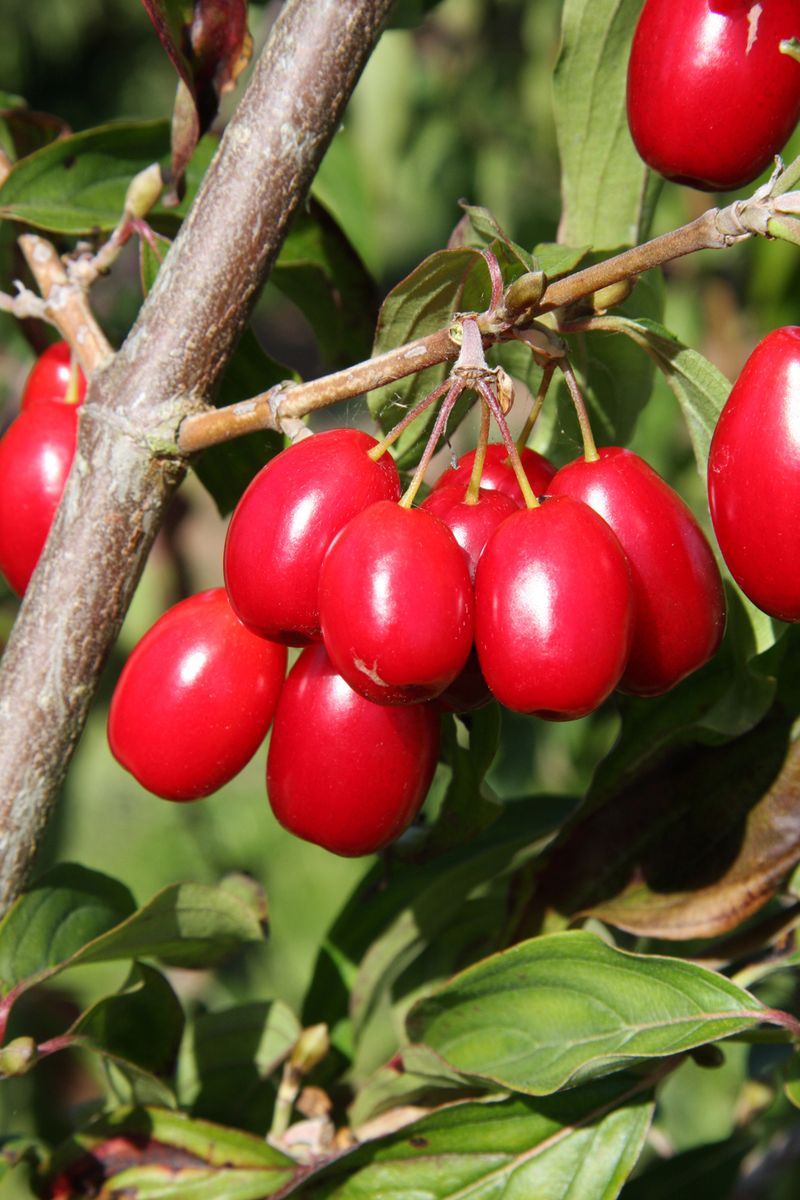
Late winter feels a lot brighter when a tree covered in tiny yellow flower clusters lights up your yard. Cornelian cherry, or Cornus mas, belongs to the dogwood family, even though its fruit resembles a glossy cherry.
Blooms usually open in February or March, often before forsythia, giving early bees a welcome snack. I love seeing that cheerful glow from my kitchen window while everything else still looks gray.
This tough plant grows as a large shrub or small tree, usually reaching fifteen to twenty-five feet. Its flaking bark adds winter interest, and pests rarely cause serious trouble for healthy plants in home gardens.
Plant it in full sun or partial shade, using moist, well-drained soil for the best growth. It handles clay better than many fruit trees, which makes life easier in heavy Virginia soil.
Planting two different cultivars improves pollination and usually leads to bigger and more dependable harvests over time. Fruiting varieties such as ‘Elegant’ and ‘Pioneer’ were selected for larger, sweeter fruit than ordinary ornamental types.
The oval red fruits ripen in mid to late summer and taste very tart when first picked. Many growers let ripe fruit drop onto a sheet, since fallen cherries tend to taste softer and sweeter.
Each fruit holds one large pit, so work around it when cooking up jam or syrup. Personally, I think the tangy flavor is a fun twist on sour cherries, especially stirred into yogurt.
4. Nanking Cherry
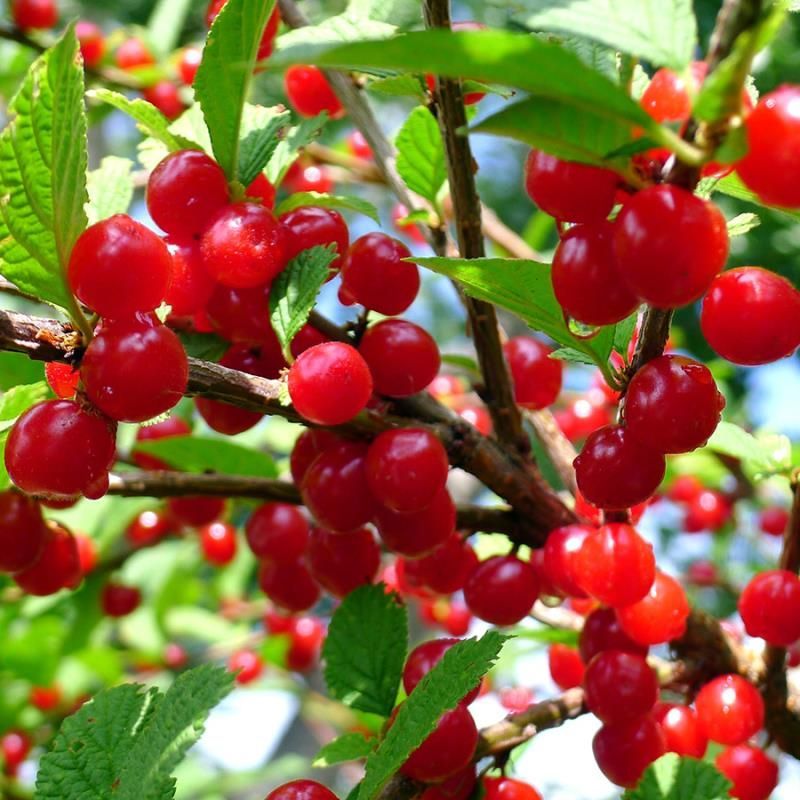
Cherries on a bush you can pick without a ladder sound like a gardener’s daydream come true. Nanking cherry, or Prunus tomentosa, makes that happen with a dense shrub that rarely tops ten feet.
Fuzzy leaves give this plant its species name, since tomentosa refers to the soft hairs covering them. In early spring, pale pink buds open into white flowers that smother every branch before leaves fill in.
Those blossoms appear early, so a hard late frost occasionally reduces the crop in some years. Planting on a gentle slope helps cold air drain away, which gives the flowers a better chance.
You will want at least two seedling plants, because Nanking cherries need a partner for good fruit set. Space them several feet apart, and they can form a lovely informal hedge along a property line.
Full sun and well-drained soil keep these shrubs productive, while soggy ground often leads to root problems. Originally from cold regions of Asia, they tend to grow best in the cooler western and northern parts of Virginia.
The bright red fruits measure about half an inch across and usually ripen in early summer. Their flavor lands somewhere between sweet and tart, a lot like a tiny version of a pie cherry.
Honestly, most handfuls in my yard disappear straight off the branch before anyone reaches the kitchen. Birds love them too, so lightweight netting helps if you plan to make juice or jam.
5. American Elderberry
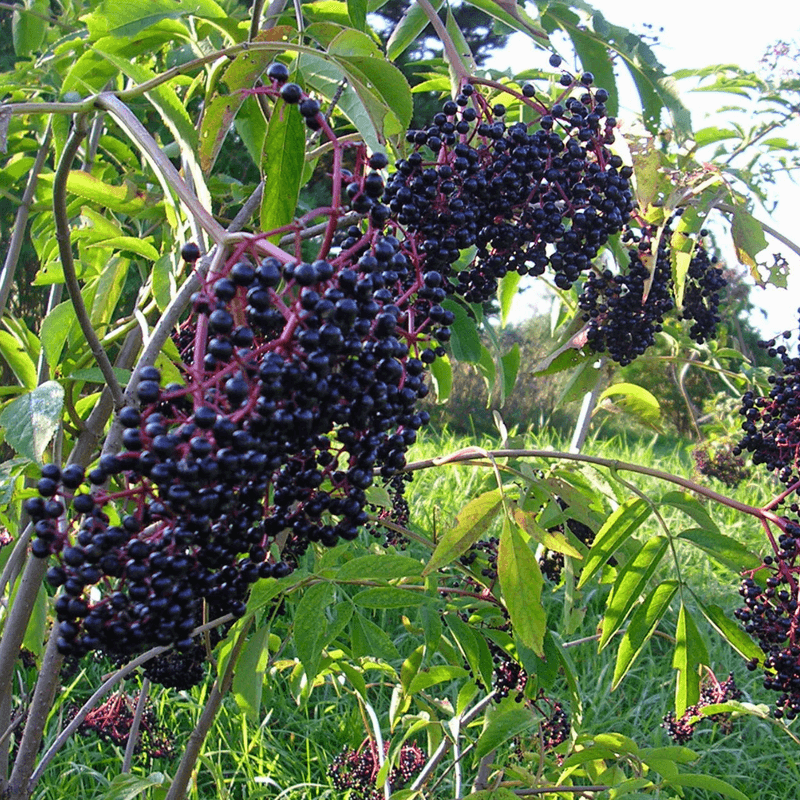
Lacy white flower heads the size of dinner plates make this native shrub impossible to miss in early summer. American elderberry, Sambucus canadensis, grows wild along ditches and woodland edges across much of the eastern United States.
Botanists now often list it as Sambucus nigra subspecies canadensis, so you may spot both names on nursery tags. Either way, it grows fast, often reaching eight to twelve feet tall with arching, multi-stemmed branches.
Elderberries tolerate damp soil better than most fruit plants, so that low soggy corner might suit them nicely. Full sun gives the heaviest crops, though plants still bloom in partial shade with fewer berry clusters.
Cultivars like ‘Adams’ and ‘York’ produce larger clusters than wild plants and fruit within a few years. Pairing two different cultivars helps with pollination and tends to fill your baskets more generously each summer.
Expect suckers popping up around the base, which you can dig out or let fill a wild hedge. Prune out the oldest canes in late winter, since younger stems tend to bear better fruit.
The tiny purple-black berries ripen from late July into September, and birds will race you for them. Raw berries, leaves, stems, and unripe fruit contain compounds that can upset your stomach quite badly.
Cooking the ripe berries makes them safe, so I turn mine into syrup or jam every fall. Remove every little stem before cooking, and a dinner fork pulls the berries off the clusters quickly.
6. Serviceberry
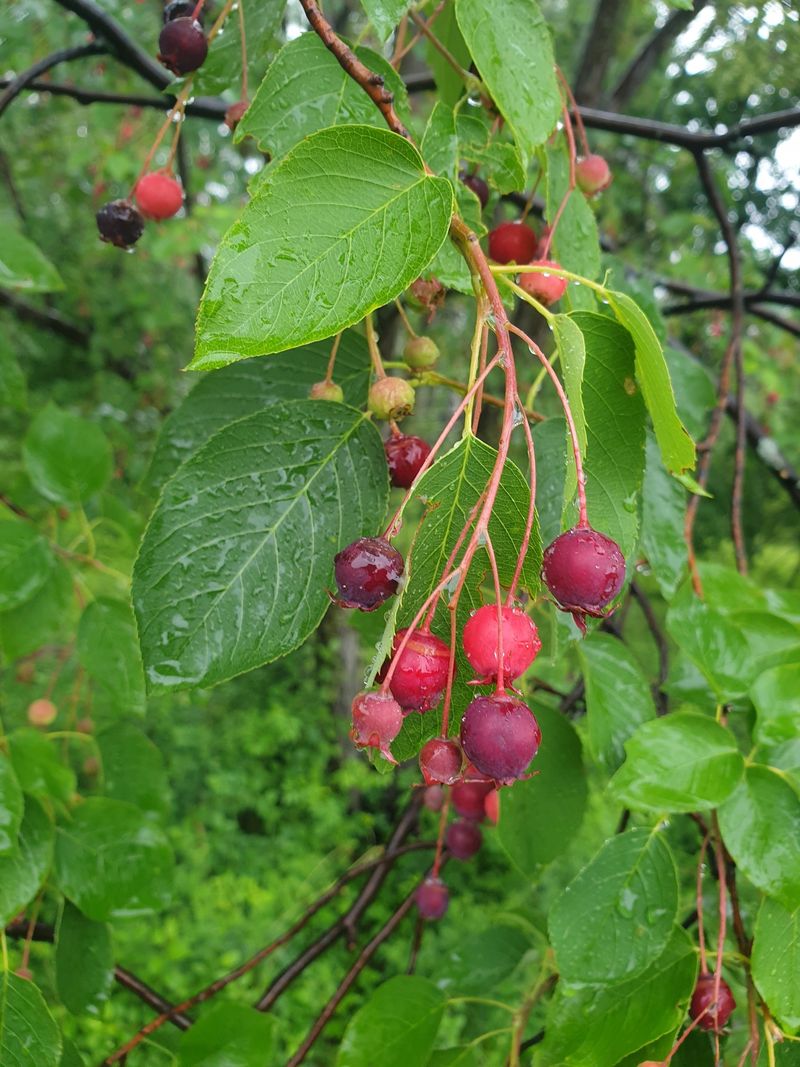
Long before blueberries showed up in grocery stores, families across the East picked a sweeter native berry each June. Serviceberry, also called juneberry or shadbush, belongs to the genus Amelanchier and grows wild in Virginia forests.
Its flavor reminds me of a blueberry with a hint of almond from the tiny soft seeds. Most people seem shocked that such a tasty fruit grows on a tree often sold as an ornamental.
White star-shaped flowers open in early spring, usually in March or April, before many trees leaf out. Those blooms feed early native bees, and the leaves later blaze orange and red in autumn.
Depending on the species, plants range from shrubby six-foot clumps to small trees around twenty-five feet tall. Downy serviceberry and Allegheny serviceberry are both native here, while hybrids like ‘Autumn Brilliance’ are widely sold.
Most serviceberries produce fruit on their own, although a second plant nearby can improve your harvest. Choose a spot with full sun or light shade and moist, well-drained, slightly acidic soil for best results.
The berries ripen from red to deep purple in late spring and early summer, depending on elevation. Robins and cedar waxwings know the schedule well, so check your trees every day once color appears.
Cover a small tree with bird netting if you hope to bake an actual pie this year. Leftover handfuls freeze nicely and add a fun surprise to pancakes on chilly winter weekend mornings.
7. Hardy Fig
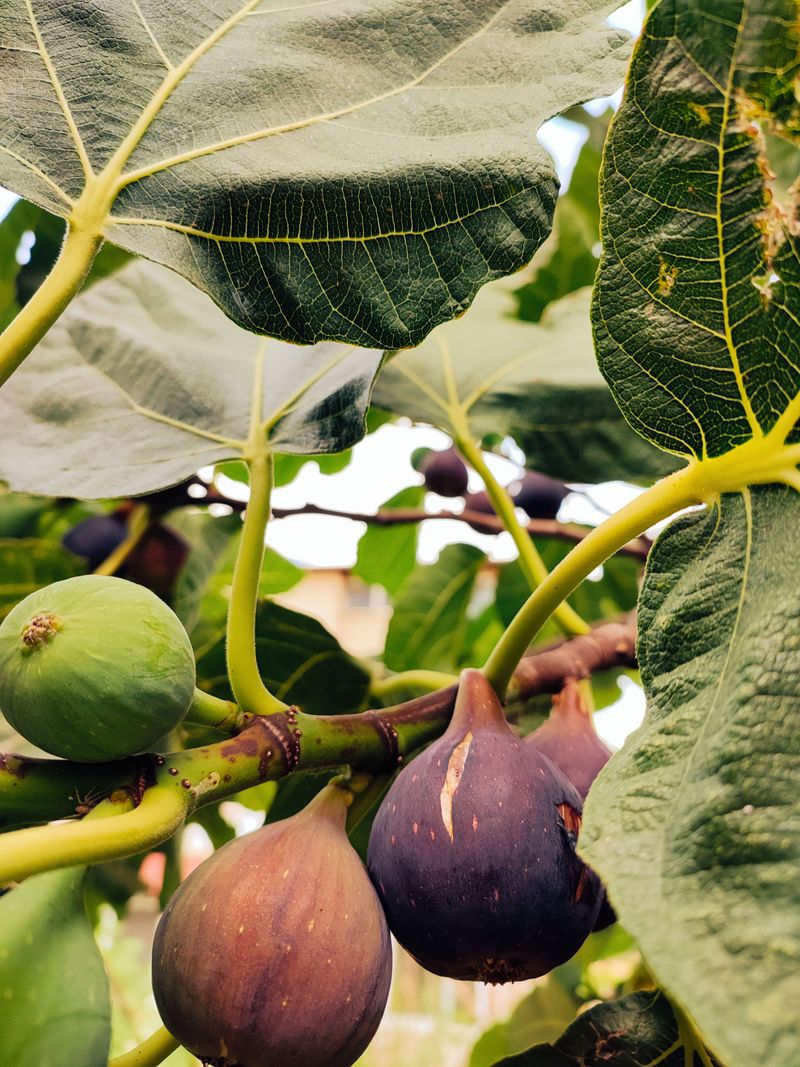
Plump figs dripping with honey-sweet syrup might sound like something from a Mediterranean vacation, not your backyard. Common fig, or Ficus carica, grows surprisingly well in much of Virginia, especially near the warm coast.
In colder valleys and mountains, cold-tolerant cultivars like ‘Chicago Hardy’ and ‘Celeste’ give you the best odds. Even when winter freezes the tops, ‘Chicago Hardy’ often regrows from its roots and still fruits that summer.
Most common figs set fruit without pollination, so one plant is enough for a generous crop. Fresh figs spoil fast, which is a big reason homegrown ones taste so much better than store-bought.
Plant figs in full sun, ideally against a south-facing wall that soaks up heat and blocks winter wind. Keep them a good distance from foundations and pipes, since their vigorous roots spread wider than you expect.
Water regularly while the plant settles in, aiming for about an inch each week during dry stretches. Mulching around the base in late fall adds extra protection for the roots through cold snaps.
Some plants produce a small early crop called the breba crop, followed by the main crop in late summer. Ripe figs droop on their stems and feel soft, and that is the moment to pick.
Wear gloves while pruning, because the milky sap can irritate skin, especially on sunny days. I can’t think of a better reward than eating a warm fig straight off the branch.