8 Common Fungal Diseases That Affect Florida Gardens After Heavy Rain
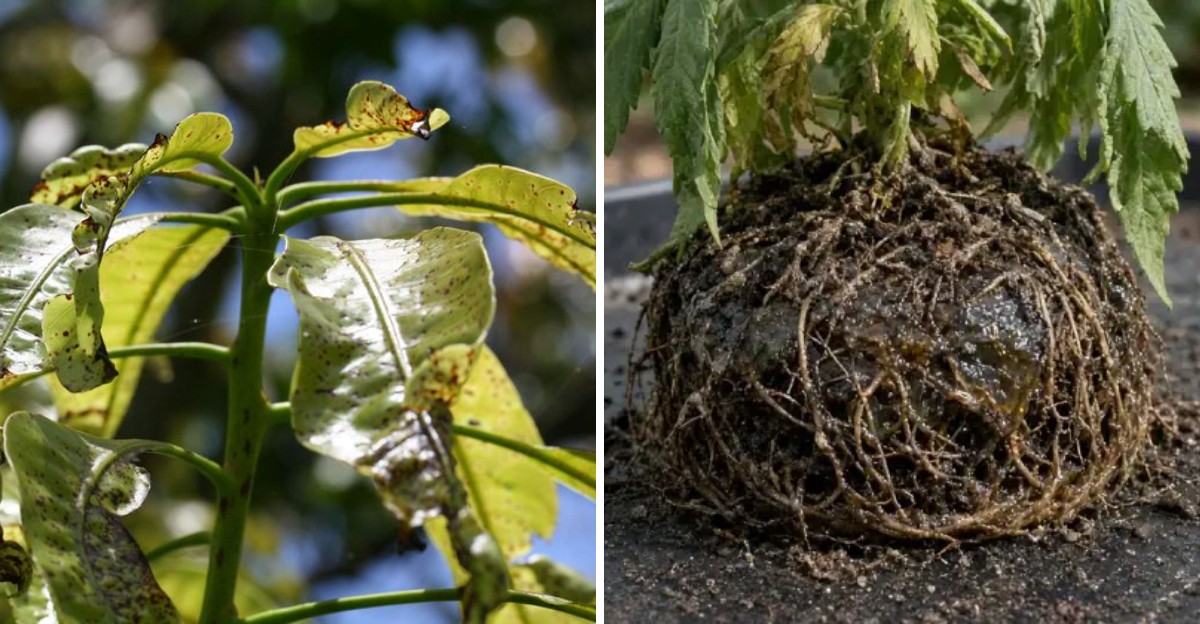
One raindrop can turn into a tiny cannon. When it smacks an infected leaf, it launches microscopic spores onto healthy plants a foot or more away.
Rude, right? Those freeloaders need a film of water and a few warm hours to get growing.
Florida gets most of its rain between June and September, usually in afternoon downpours. Add steamy nights that hang out in the seventies, and your plants stay damp for half the day.
It’s a spa weekend for fungus.
I learned this the hard way when my tomatoes broke out in spots after one soggy week. Heartbreaking.
The good news? Most of these troublemakers leave clear clues before things get ugly.
Let’s play garden detective and see who’s been crashing your beds and lawn since the last storm.
1. Gray Leaf Spot Freckles St. Augustinegrass Lawns
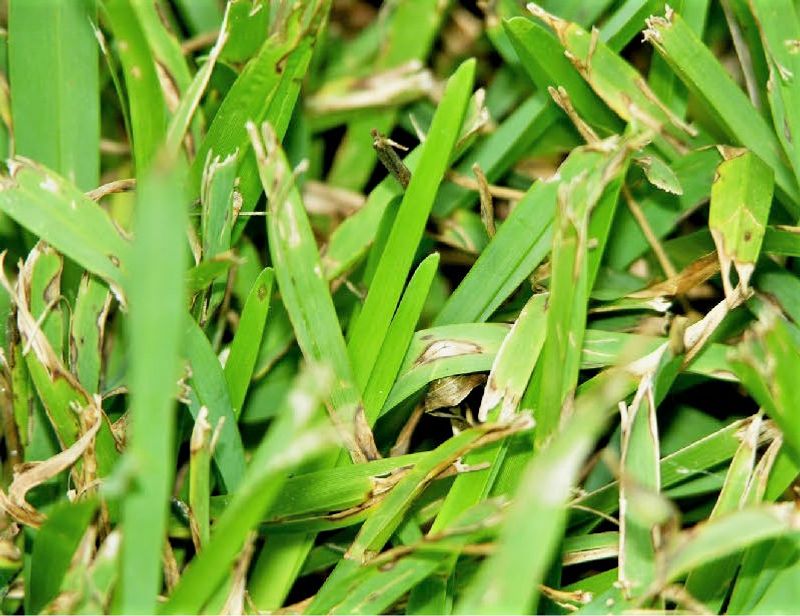
My lawn once looked like someone sprinkled it with tiny gray footballs after a stormy stretch in July. Those oval spots with brown borders are the calling card of gray leaf spot, caused by Pyricularia grisea.
St. Augustinegrass is the favorite target, especially newly laid sod and lawns pushed hard with nitrogen fertilizer. Warm, humid weather with long periods of leaf wetness gives this fungus everything it wants during summer.
When the spots merge, whole patches of grass can look scorched, as if a blowtorch passed over them. I could be wrong, but many folks mistake this for drought stress and water even more.
That extra water makes things worse, so check a few blades closely before reaching for the hose. Drought-stressed grass folds its blades, while infected grass shows distinct, slightly sunken spots with grayish centers and dark edges.
University of Florida experts suggest watering only in the early morning so blades dry quickly by midday. Evening irrigation stacks extra wet hours onto nights that are already muggy, giving spores a head start.
Go easy on quick-release nitrogen during the rainy season, since tender, lush growth is easier to infect. Slow-release products feed the lawn more steadily without creating that soft, tempting buffet of brand new leaves.
Some newer St. Augustinegrass cultivars show better resistance, so ask your local extension office to compare options before resodding. Fungicides can help in severe cases, but cultural fixes usually solve most of the problem for home lawns.
2. Early Blight Rings Climb Up Tomato Leaves
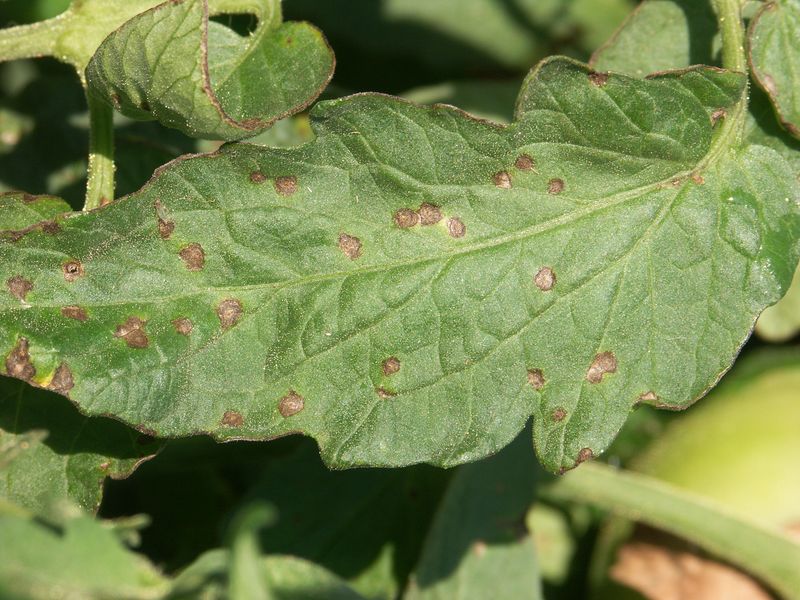
Bullseye targets on the lowest tomato leaves are the first sign I hunt for after a week of storms. Early blight, caused by Alternaria species, paints dark brown spots with neat concentric rings, often wrapped in yellow.
The fungus overwinters in old plant debris and soil, then hitches a ride upward on splashing raindrops. That explains why the trouble usually starts low and slowly marches toward the top of the plant.
Potatoes and eggplants can catch it too, so rotate these crops to a fresh spot each season. Since most Florida gardeners grow tomatoes in fall and spring, those wet spells near planting time matter most.
My favorite trick is a thick layer of straw or pine straw mulch spread under every plant. Mulch acts like a shield, stopping soil from bouncing onto leaves when a downpour hits the garden.
Pinch off the lowest leaves once plants are about a foot tall, keeping foliage well above the ground. Toss infected leaves in the trash rather than the compost pile, since home piles rarely get hot enough.
Staking or caging plants lifts them into the breeze, which helps leaves dry faster between afternoon showers. Give each plant elbow room too, because crowded tomatoes trap humid air like a tiny greenhouse.
Fungicides containing chlorothalonil or copper can protect healthy leaves, but they work best before symptoms spread. Read the label carefully, and reapply after heavy rain because downpours wash protective coatings off leaves.
3. Downy Mildew Turns Cucumber Leaves Yellow And Fuzzy
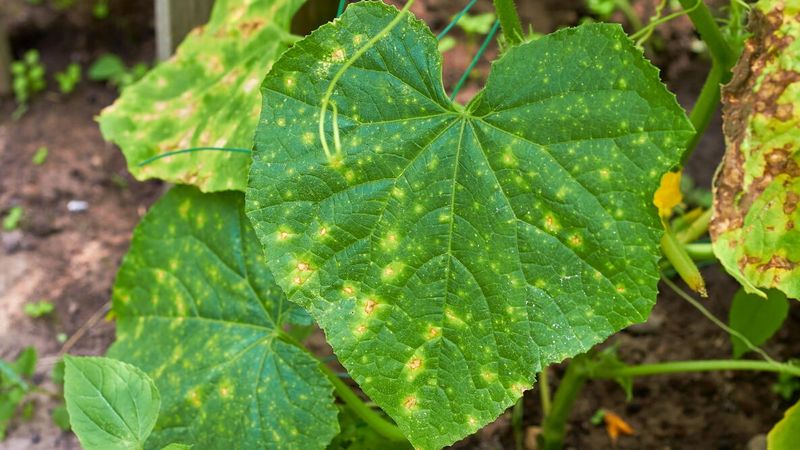
Technically, downy mildew is not a true fungus, though it behaves so much like one that gardeners lump them together. Scientists call Pseudoperonospora cubensis a water mold, and rainy, humid weather is exactly its happy place in the garden.
On cucumbers, look for yellow, angular patches on top of leaves, boxed in neatly by the leaf veins. Flip a leaf over on a damp morning, and you may spot grayish purple fuzz underneath.
I’m still surprised by how quickly it moves, sometimes browning a healthy vine within a week or two. Spores travel long distances on wind, so your patch can catch it even if nobody nearby grows squash.
Melons and squash can be hit too, though cucumbers are often the first to show trouble in many gardens. Choosing resistant cucumber varieties is one of the smartest moves you can make before planting season arrives.
Water at the base of plants with drip lines or soaker hoses instead of overhead sprinklers. Every hour leaves stay dry is an hour this water mold cannot use to infect new tissue.
Trellising cucumbers gets vines off the soggy ground and lets breezes sweep through the leaves more freely. Planting in full sun also helps, since morning light burns off dew faster than shade does.
Protective fungicides labeled for downy mildew work best when you apply them before symptoms appear, not after. Pull badly infected vines at the end of the season, and bag them instead of composting them.
4. Anthracnose Leaves Black Spots On Ripening Mangoes
Nothing stings quite like slicing a gorgeous homegrown mango and finding sunken black blotches under the skin. Anthracnose, caused by Colletotrichum gloeosporioides, is considered the most important mango disease in the state by UF researchers.
The fungus loves rain during bloom, turning flower clusters black and causing young fruit to drop early. Infected fruit that survives may look fine on the tree, then develop dark spots as it ripens.
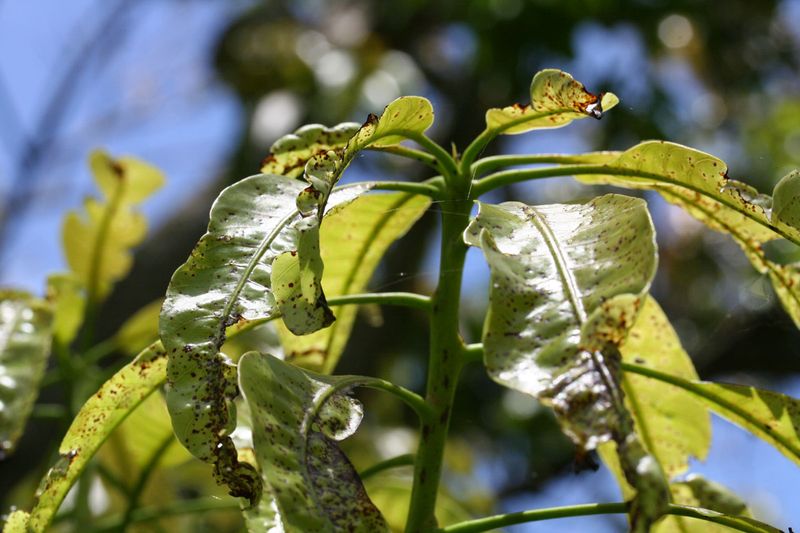
Leaves show irregular brown spots, and summer rains splash spores from old lesions onto fresh, tender growth. What I find interesting is that related Colletotrichum fungi also trouble avocados and plenty of ornamental plants.
Variety choice matters a lot here, and some cultivars handle the humidity much better than others do. Keitt and Tommy Atkins are often listed as more tolerant, while Haden tends to struggle in wet years.
Prune the canopy after harvest so sunlight and wind can reach the interior branches more easily. A more open tree dries faster after storms, which cuts down on infection time for hungry, waiting spores.
Rake up fallen leaves and mummified fruit, since those leftovers can harbor spores for the next season. Copper fungicides applied from bloom through early fruit set are a common protective option for backyard growers.
Pick fruit at the mature green stage and let it ripen indoors, then eat any spotted ones quickly. Shallow spots can often be trimmed away, leaving plenty of sweet, juicy flesh underneath to enjoy.
5. Southern Blight Wraps Stems In White Threads
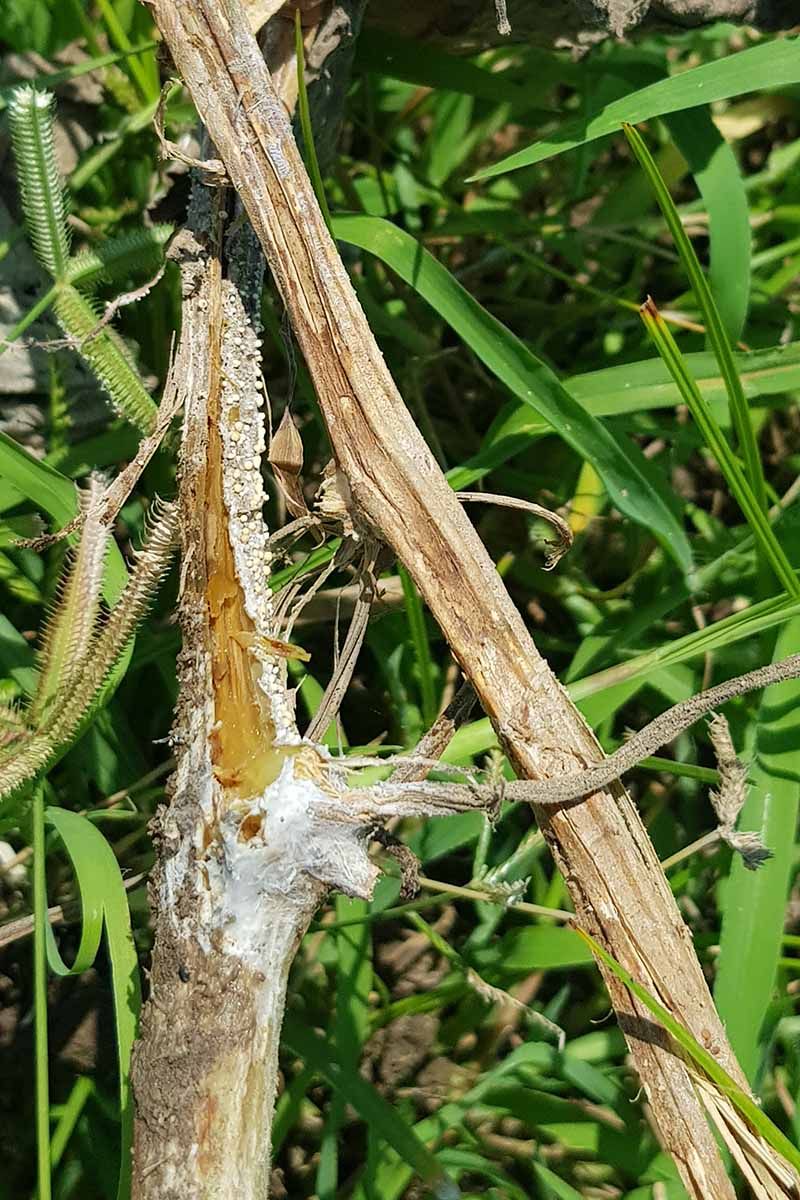
Ever spotted tiny tan balls, about the size of mustard seeds, sitting at the base of a wilting pepper? Those little beads are sclerotia, the survival pods of Athelia rolfsii, better known as southern blight.
Right before those balls form, you’ll usually see fluffy white threads fanning across the soil and lower stem. The fungus rots the stem right at the soil line, and the whole plant can wilt suddenly.
Hot temperatures paired with wet soil send this pathogen into high gear, which makes summer storms ideal. It attacks hundreds of plant species, and tomatoes and peppers are frequent victims in home vegetable beds.
You might find it hard to believe, but those sclerotia can survive in soil for several years. That staying power makes cleanup more important than any spray you might buy at the garden center.
Pull infected plants along with a scoop of the surrounding soil, then bag them for the trash. Avoid tossing them into compost, since the sclerotia can easily ride along into next year’s beds.
Deep plowing or turning the soil buries sclerotia deeper, where they struggle to reach new plant stems. Keep mulch pulled back a few inches from stems so the soil line can dry out between rains.
Soil solarization with clear plastic during the hottest weeks can help reduce sclerotia in the top layer. In my experience, rotating to corn or other grasses for a season also gives a troubled bed some relief.
6. Black Spot Strips The Leaves Off Garden Roses
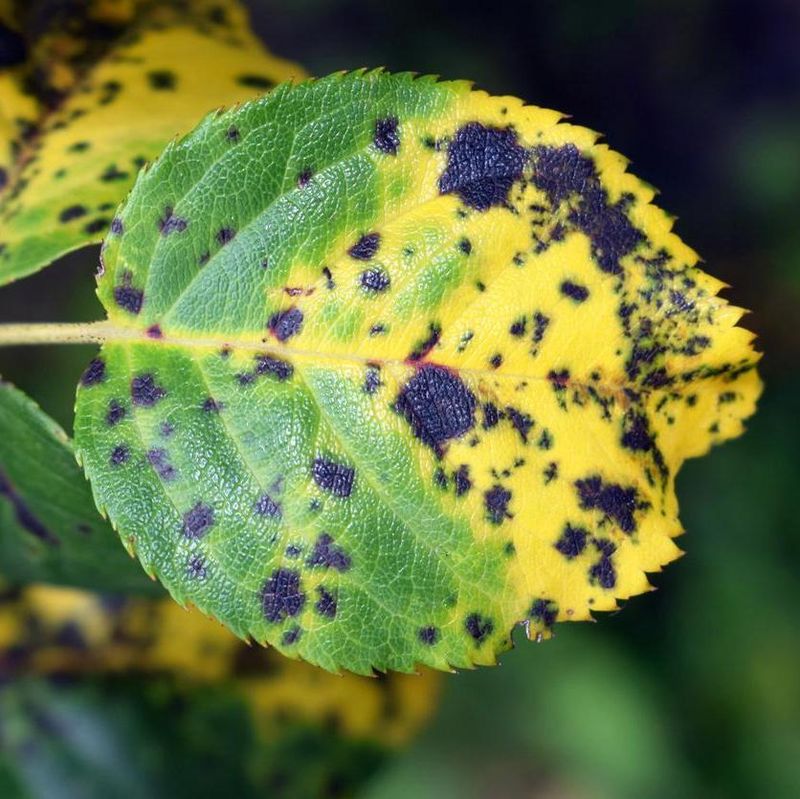
Roses in humid gardens can lose half their leaves in a few weeks once black spot settles in. Caused by Diplocarpon rosae, it creates round black spots with feathery edges, ringed by yellowing leaf tissue.
Spores need about seven hours of continuous leaf wetness to infect, so rainy evenings are a gift to them. In Florida, the disease can show up nearly year-round, though the summer rainy season pushes it hardest.
I can see why gardeners love showy hybrid teas, but many of them are true magnets for this fungus. Some old garden types, like many tea and China roses, tend to cope better with sticky southern weather.
Plant roses where they catch at least six hours of sun, with space for air to move around them. Morning sun is especially helpful because it dries overnight moisture before spores can get comfortable on the leaves.
Pick off spotted leaves as soon as you notice them, and gather fallen ones from the ground too. A fresh layer of mulch under the bush helps block spores from splashing back up during storms.
Many gardeners rely on regular fungicide sprays through the wet months to keep susceptible roses looking decent. Rotate between products with different active ingredients, since this fungus can adapt to repeated use of one.
If you prefer less work, look for shrub roses bred for disease resistance and tested in warm climates. Honestly, a rose that keeps its leaves through August beats a fussy beauty that sulks bare all summer.
7. Greasy Spot Smudges Citrus Leaves In Summer
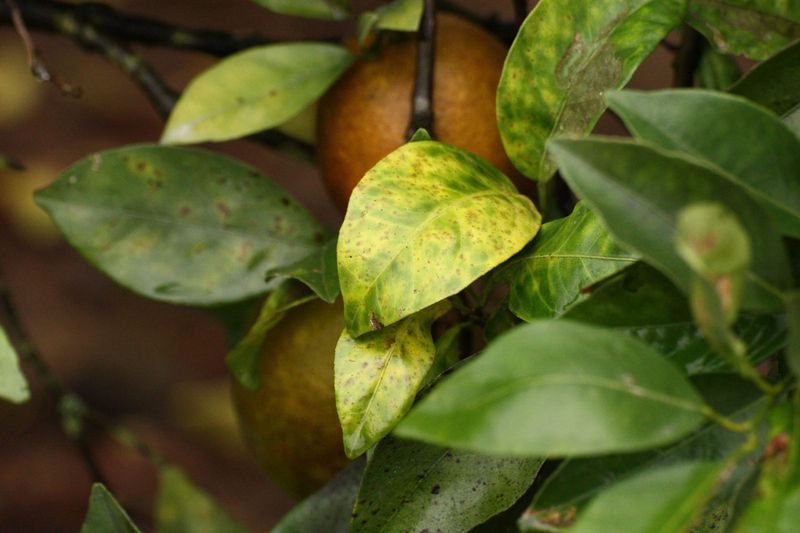
Flip a citrus leaf over in late summer, and you might see yellowish blisters that look oddly oily. Those smudges come from greasy spot, a fungal disease caused by Zasmidium citri-griseum, formerly called Mycosphaerella citri.
Spores launch from decaying fallen leaves mostly in late spring and early summer, right as the rains return. Symptoms take months to appear, so trouble that shows in fall often started much earlier in the year.
Grapefruit and tangelos tend to suffer most, though oranges and other citrus can show plenty of spots too. Heavily infected trees drop leaves early, which weakens them and can noticeably shrink next year’s fruit harvest.
I’m a big fan of the simplest fix here, which is raking up fallen citrus leaves regularly. Fewer soggy leaves under the canopy means fewer spores waiting to float up after a summer storm.
Backyard growers often rely on copper or a horticultural oil spray applied in early to mid summer. Oil sprays should go on when temperatures are below about 94 degrees to avoid scorching the leaves.
Citrus in home landscapes also face greening disease, so healthy leaves matter more than ever for overall vigor. Every leaf a tree keeps is another little solar panel feeding fruit and roots through the year.
Keep up with balanced fertilizing and steady watering, since stressed trees tend to show disease damage more quickly. Check with your county extension office for current spray timing, because local recommendations shift with weather patterns.
8. Pythium Root Rot Lurks In Waterlogged Garden Beds
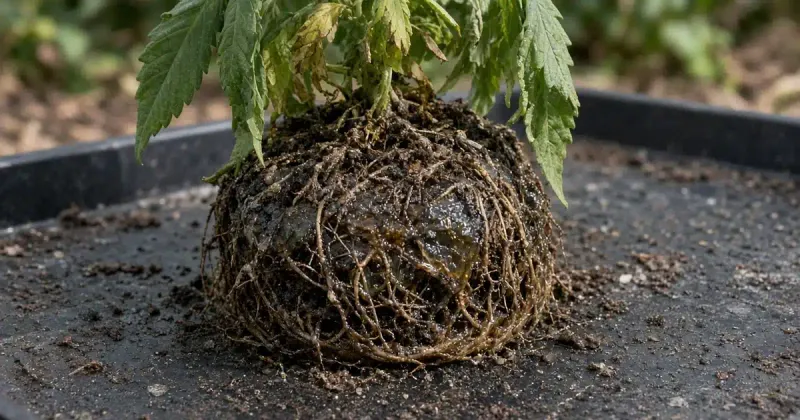
Waterlogged soil can make a plant wilt even while it sits in a puddle, which feels wildly unfair. Pythium root rot is often to blame, and its swimming spores move easily through saturated ground.
Like downy mildew, Pythium is a water mold rather than a true fungus, but gardeners treat it similarly. Its zoospores have tiny tails that let them swim toward roots through water-filled pockets in the soil.
Gently slide a struggling plant out of the ground and check the roots for brown, mushy tips. Healthy roots look white and firm, while rotted ones often peel apart and leave the inner core exposed.
Seedlings are especially vulnerable, and Pythium is a major cause of damping-off, where young sprouts topple suddenly. Don’t be surprised if a tray of healthy seedlings slumps overnight after you overwater during a rainy stretch.
Raised beds are one of the best defenses, because they lift roots above the soggiest soil layers. Mixing in compost improves drainage in heavy spots and helps sandy soils hold moisture more evenly.
Container plants need pots with drainage holes, and saucers should be emptied after every summer storm. Turn off irrigation timers during rainy weeks, since automatic sprinklers often keep running whether plants need water or not.
Use fresh potting mix for seedlings, and wash reused trays with soapy water before starting new seeds. Once roots rot badly, recovery is unlikely, so focusing on drainage beats any rescue spray on the market.