Your Ohio Christmas Cactus Needs These November Tweaks to Be Covered in Blooms by Christmas
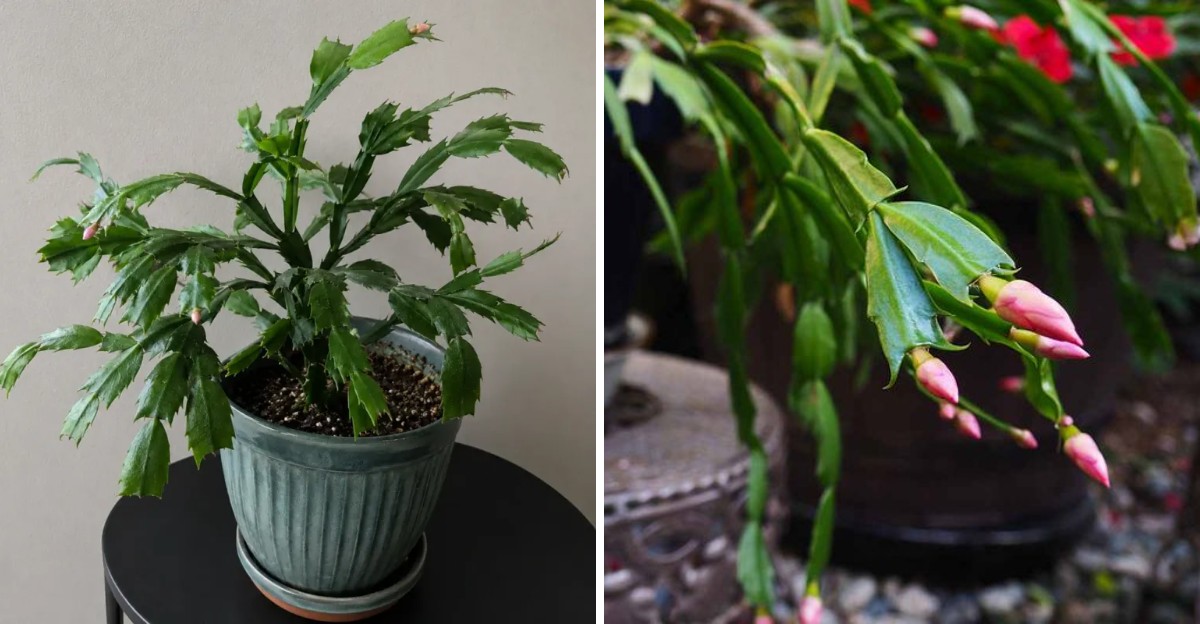
A single flick of a lamp switch at 9 p.m. can quietly cancel a whole season of holiday flowers. That still amazes me, because this plant sits on countless windowsills and often gets blamed for being stubborn.
Its wild relatives grow in cool, misty mountain forests in southeastern Brazil, where they perch on tree branches rather than sandy desert floors. That backstory explains almost every quirk your plant shows on a living room shelf.
Here in Ohio, November brings long nights, chilly windows, and furnaces running nonstop. Some of those changes help your plant, while others quietly work against it.
The good news is that it responds beautifully to a few small adjustments.
What does it need from you over the next few weeks? The answers are easier than you might expect, and a few may surprise you.
1. Those Stubborn Christmas Cactus Buds Are Waiting for a Signal
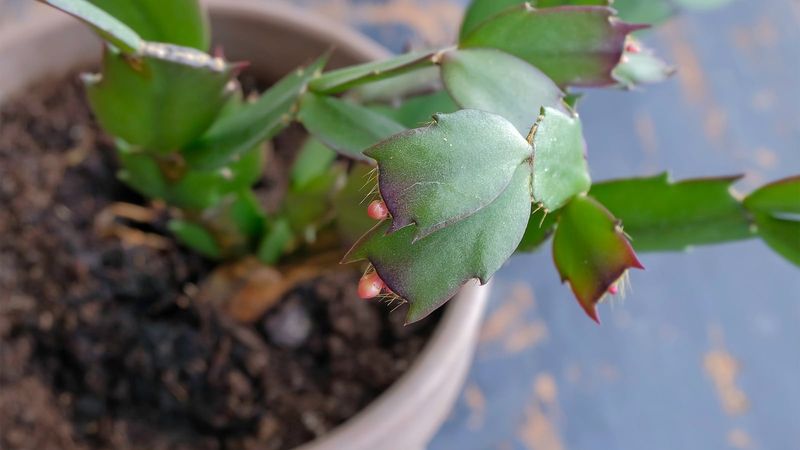
Plenty of Ohio gardeners stare at a lush, green plant every November and wonder why nothing is happening. The stems look healthy, the pot looks fine, yet no flowers show up.
Christmas cactus, known to botanists as Schlumbergera, is a short-day plant. That means it sets flower buds in response to long nights and cool temperatures, not because of a calendar date.
University extension services, including Ohio State and Penn State, point to these two cues as the main triggers.
Our homes make things tricky. We turn on lamps after dark, watch TV until bedtime, and keep the thermostat warm and steady.
To your plant, that cozy setup can feel like endless late summer.
Many plants will set buds with either long nights or cool temps alone. Research summarized by extension experts shows that nights around 55 to 60°F can trigger buds even with some light.
Warmer rooms, though, make darkness much more important.
So the plant usually is not being stubborn at all. It is simply waiting for the right message.
Once you understand that, every tweak in this list makes much more sense, and you can start sending the right signals tonight.
2. Give Your Christmas Cactus 12 to 14 Hours of Real Darkness
Darkness is the closest thing to a magic switch for this plant. Aim for 12 to 14 hours of uninterrupted darkness every night for about six weeks.
In Ohio, natural November nights already run long, since sunset comes before 5:30 p.m. in many towns after daylight saving time ends. The problem is the artificial light we add.
A reading lamp, a bright hallway fixture, or even headlights sweeping through a window can interrupt the night.
Here is a simple routine I like. Move the plant into a spare bedroom, unused office, or closet around 5 p.m.
Bring it back to a bright spot around 8 a.m.
If moving it daily sounds like a chore, try covering it with a cardboard box or a dark cloth that does not touch the stems. Just remember to uncover it each morning so it still gets daytime light.
Consistency matters more than perfection. A few slipups usually will not ruin the season, but nightly interruptions can delay or prevent bud set.
Start now, and many plants show tiny buds within three to six weeks.
3. Cool Nights Near a Chilly Window Can Wake Up Flower Buds
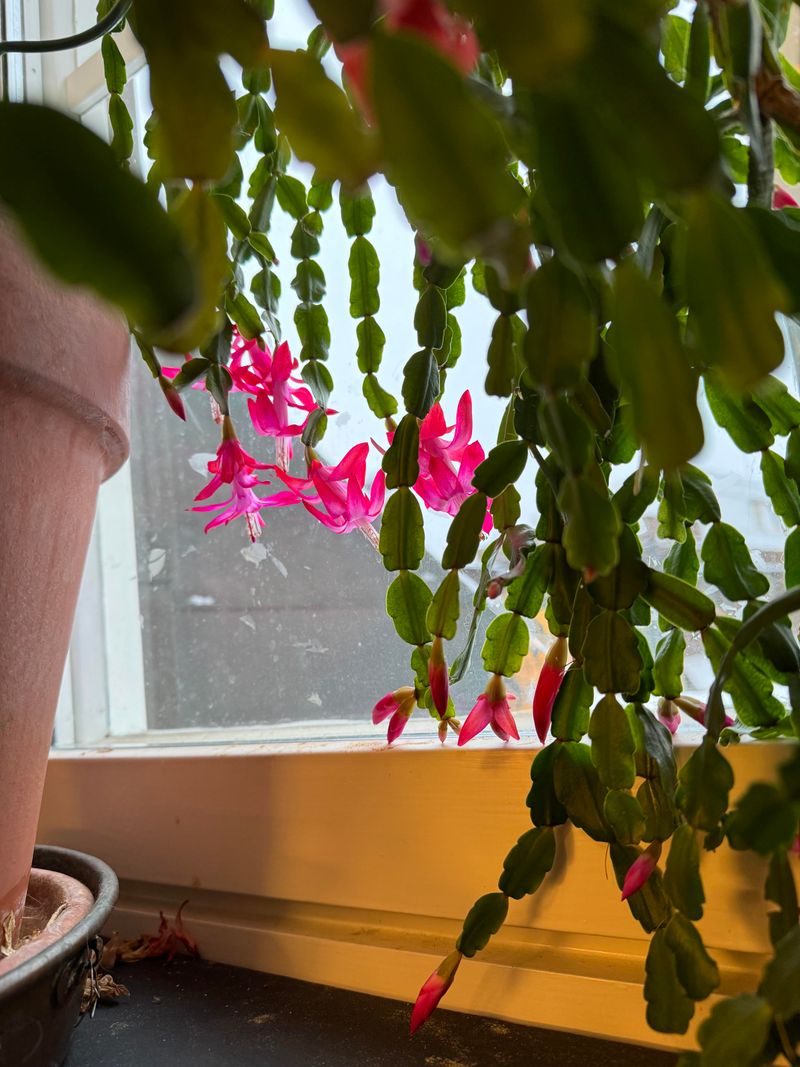
Your chilliest room might be the best friend your plant has this month. Christmas cactus forms buds best when nighttime temperatures stay roughly between 50 and 60°F.
Daytime temperatures around 65 to 70°F work well. That small swing from day to night mimics the cool mountain air of its native Brazilian forests.
Many Ohio homes have a perfect spot already. Think of a guest room with the vent partly closed, an enclosed porch that stays above freezing, or a bright windowsill that cools off after sunset.
Be careful with extremes, though. Temperatures below about 45°F can stress the plant, and frost will damage it.
If your sunroom dips close to freezing on January-style nights, bring the plant in.
A cheap indoor thermometer helps a lot here. Set it beside the pot for a few nights and you will know exactly what your plant experiences.
Keep stems from touching icy glass, which can scar the tissue. A gap of a few inches does the trick.
Cool and steady is the goal, and your plant will reward that patience.
4. Ease Up on the Watering Can Before Buds Appear
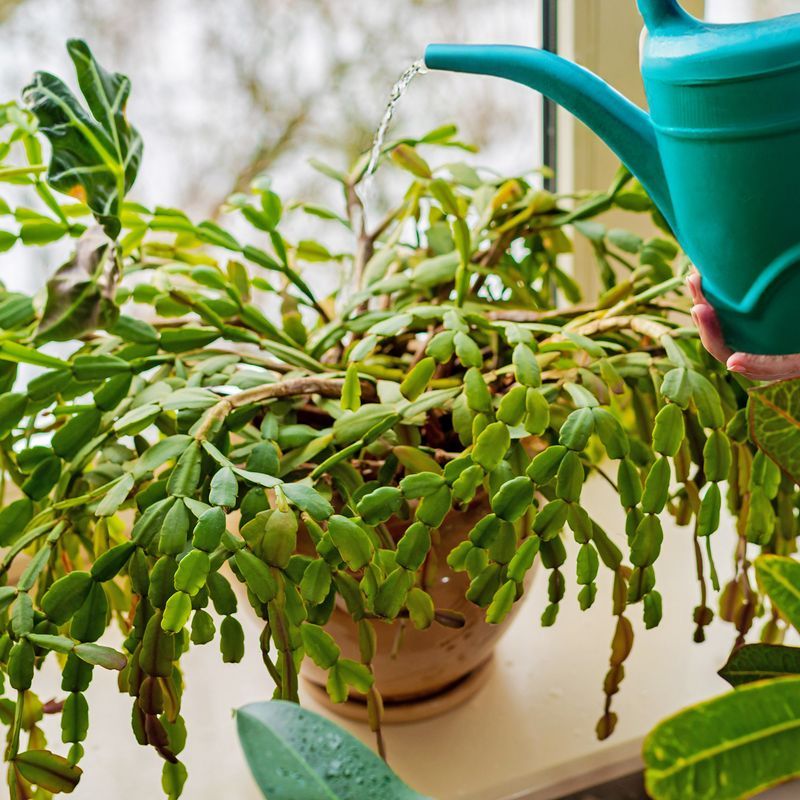
Watering is where good intentions often go sideways. This plant comes from a rainforest, so it likes more moisture than a desert cactus, but it hates sitting in soggy soil.
Before buds form, let the top inch or so of soil dry out between drinks. That slight dip in moisture, paired with long nights and cool air, helps nudge the plant toward flowering.
Once buds show up, shift gears. Keep the soil evenly moist but never waterlogged.
Buds that run dry often shrivel and drop, which is heartbreaking after weeks of waiting.
My favorite test is simple. Push a finger into the soil, and if it feels dry at the first knuckle, water slowly until it drains from the bottom.
Empty the saucer within about 15 minutes. Standing water invites root rot, one of the most common problems extension specialists see in this plant.
A pot with drainage holes is a must. If yours sits in a decorative cover, lift it out to water.
A little attention here keeps roots healthy and buds plump.
5. Heat Vents and Drafty Doors Are Bad News for Christmas Cactus
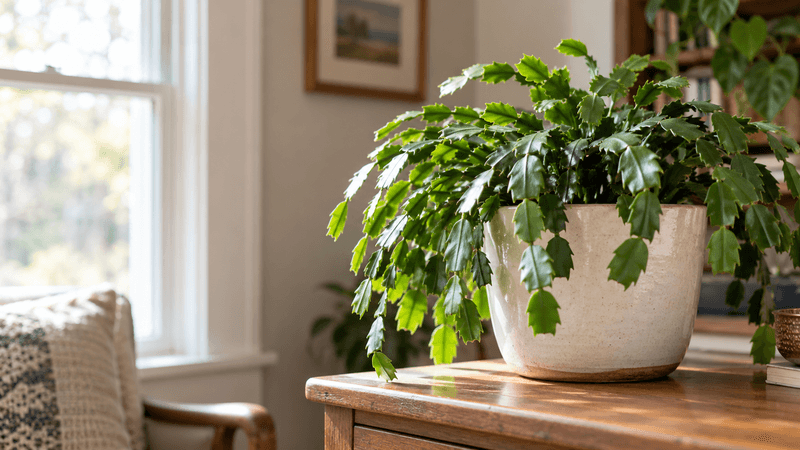
Furnace season changes everything inside an Ohio house. Warm, dry air blasts from vents, and cold drafts sneak in every time someone opens the front door.
Christmas cactus does not enjoy those sudden swings. Rapid temperature changes are one of the top reasons buds drop before opening.
So pick a spot away from heat registers, fireplaces, space heaters, and busy entryways.
Bright, indirect light during the day keeps the plant energized. An east-facing window is a lovely choice, while a south or west window may need a sheer curtain to soften harsh sun.
Humidity is the other hidden issue. Winter heating can drop indoor humidity far below what this forest plant prefers.
A few easy fixes help. Set the pot on a tray of pebbles with water below the pot base, or group it with other houseplants to create a slightly moister pocket of air.
Skip daily misting, since it does little for humidity and can leave stems damp. A steady spot with gentle light and moderate moisture does far more for those delicate buds.
6. Put the Fertilizer Bottle Away Until Christmas Cactus Flowers Fade
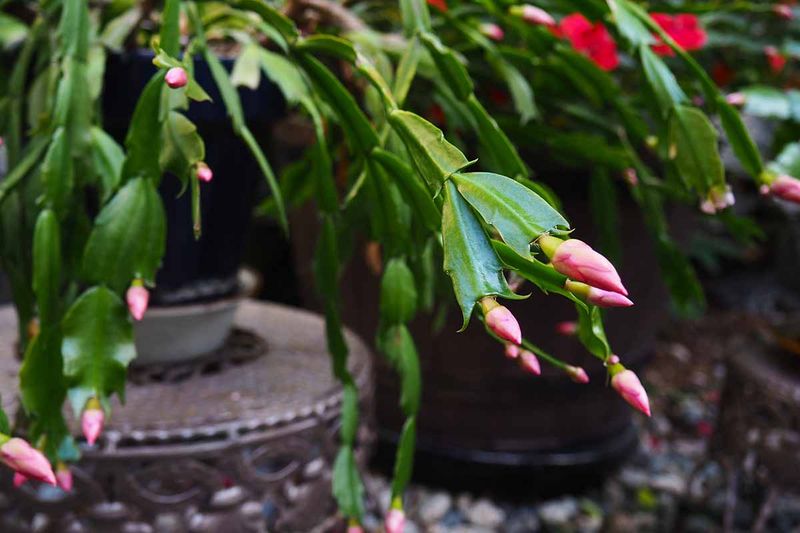
Feeding a plant feels like a kind gesture. In November, though, extra fertilizer can work against your holiday goals.
Most extension guides suggest stopping fertilizer in late summer or early fall. By now, the plant should be putting energy into buds, not pushing out fresh green stem segments.
If you are still feeding, simply stop. There is no need to flush the soil or panic.
The plant will settle into its flowering rhythm as long as light and temperature cues are right.
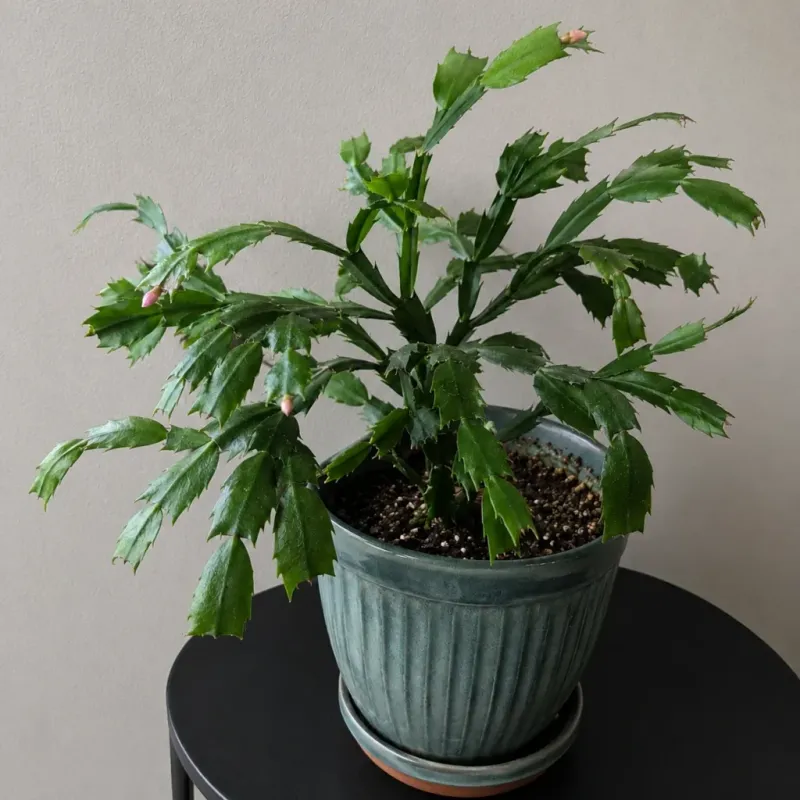
Here is a fun bit of trivia. Many plants sold as Christmas cactus are actually Thanksgiving cactus, Schlumbergera truncata, which has pointed, claw-like teeth on its stem edges.
True Christmas cactus has rounder, scalloped edges and often blooms a bit later.
Either type follows the same no-fertilizer rule during bud set. Once flowers fade and new growth appears in spring, return to a balanced houseplant fertilizer about once a month through summer.
Think of this as a short rest period for your feeding routine. Less really is more right now.
7. Tiny Pink Buds on the Stem Tips Mean It Is Working
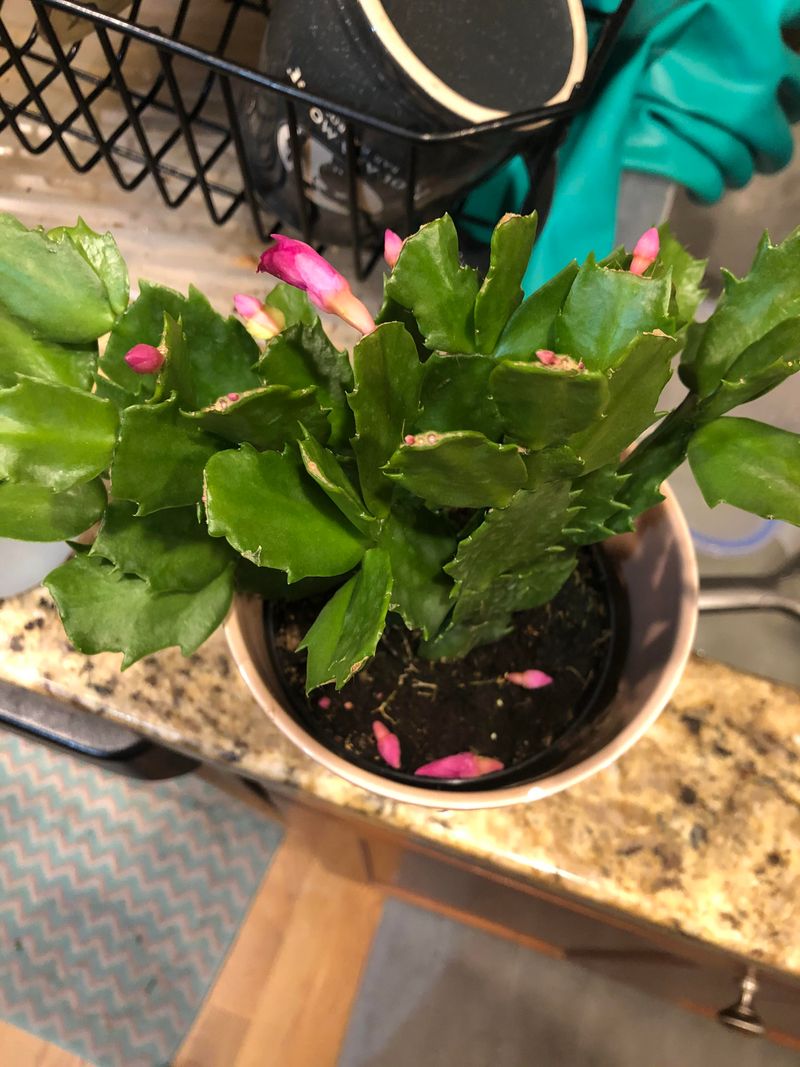
Few houseplant moments beat spotting that first little bump. Check the very tips of the stem segments every few days as November rolls along.
Early buds look like tiny nubs, often pink, red, purple, or even pale green or white depending on the variety. At first they are easy to mistake for new leaf segments, but flower buds are rounder and more colorful.
Once buds reach roughly a quarter inch long, you can relax the strict darkness routine. Move the plant to the spot where you want to enjoy it for the holidays.
Keep that new spot bright and steady. Big jumps in light or temperature can still cause bud drop, so avoid placing it right beside the fireplace for the family photos.
Try not to rotate or move the pot too often once buds are well along. Buds tend to orient toward light, and frequent changes may stress them.
Then enjoy the show. Each flower can last several days, and a healthy plant often keeps blooming for weeks, bringing bright color to gray Ohio skies.
8. A Christmas Cactus in Full Bloom Can Return Year After Year
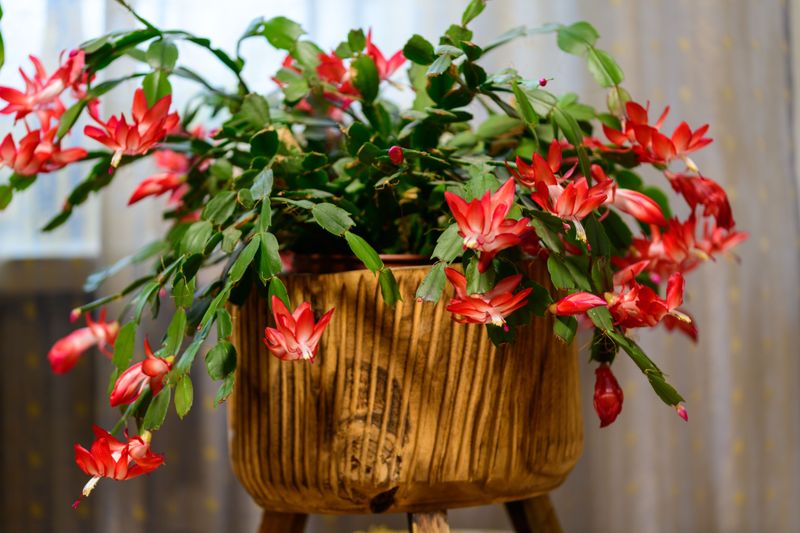
Some families pass these plants down for generations. It is not unusual to hear about a Christmas cactus that belonged to someone’s grandmother and still blooms every winter.
That kind of longevity comes from a simple yearly rhythm. After blooming, give the plant a short rest with slightly less water for about a month.
In spring, resume regular watering and feeding. Late spring is also a fine time to pinch back a few stem segments, which encourages branching and more flowering tips next season.
Repotting is rarely urgent. This plant actually blooms well when slightly snug in its pot, so move up just one size every few years using a fast-draining mix.
Many Ohio gardeners set their plants outdoors in summer under a shady tree or porch. Just bring them inside before nights fall below about 50°F in early fall, and watch for hitchhiking pests.
Then the cycle starts again with long nights and cool air. Mark your calendar for early October next year, and you may find your plant covered in blooms right on schedule.