The Fast-Growing Arizona Trees That Turn Into Expensive Problems Within Ten Years
Some shade trees sold in Arizona nurseries can add six feet of height in a single growing season. That speed feels like magic during your first scorching summer, when every scrap of afternoon shade matters.
Underground, a quieter story unfolds as thirsty roots chase every leaky pipe and irrigation line they find. Within a decade, repair bills for plumbing and cracked concrete can easily climb into the thousands of dollars.
I have to admit that quick shade tempted me too, back when I planted my very first desert yard. You might notice the warning signs early, like lifted pavers or mysterious seedlings popping up along the fence.
Several of these trees are invasive, and a few have even been restricted by Arizona cities and counties. So which fast growers deserve a serious second thought before you dig that planting hole this fall?
1. Sissoo Tree
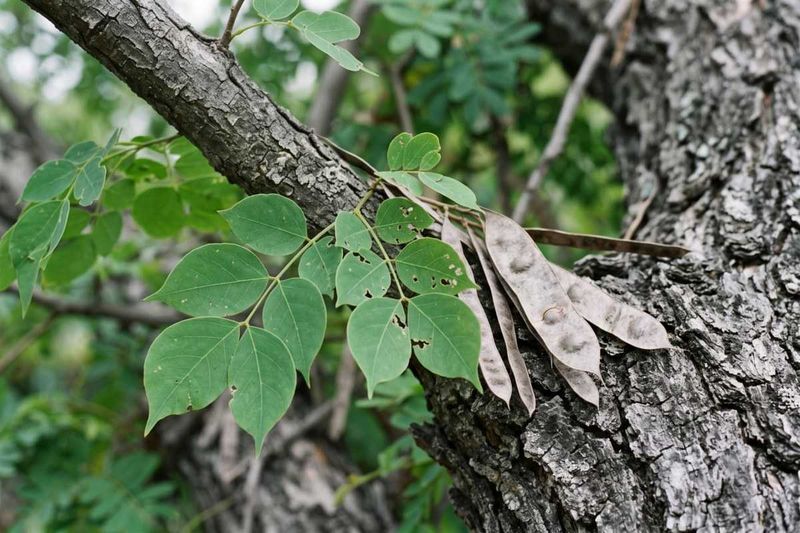
Bright green leaves flutter like little coins on a sissoo, and I understand why so many Phoenix yards adopted one. Nurseries loved selling it because a skinny sapling can become a respectable shade tree in just a few summers.
Below that cheerful canopy, the roots run shallow and wide, searching for any source of moisture they can grab. Homeowners report cracked pool decks, heaved sidewalks, and roots threading straight into irrigation lines within roughly ten years.
Removal gets tricky too, because cut stumps and leftover roots often send up a crowd of stubborn new sprouts. Grinding the stump and watching for suckers over the following year helps keep a comeback under control.
Personally, I would keep any existing sissoo at least twenty feet from pools, foundations, and buried water lines. Deep, slow watering at the edge of the canopy encourages roots downward instead of across your hardscape.
October is a smart month to plan a replacement, since cooler soil helps new trees settle in nicely. Native desert willow or blue palo verde offers lovely shade, feeds pollinators, and stays far more polite underground.
2. Indian Laurel Fig
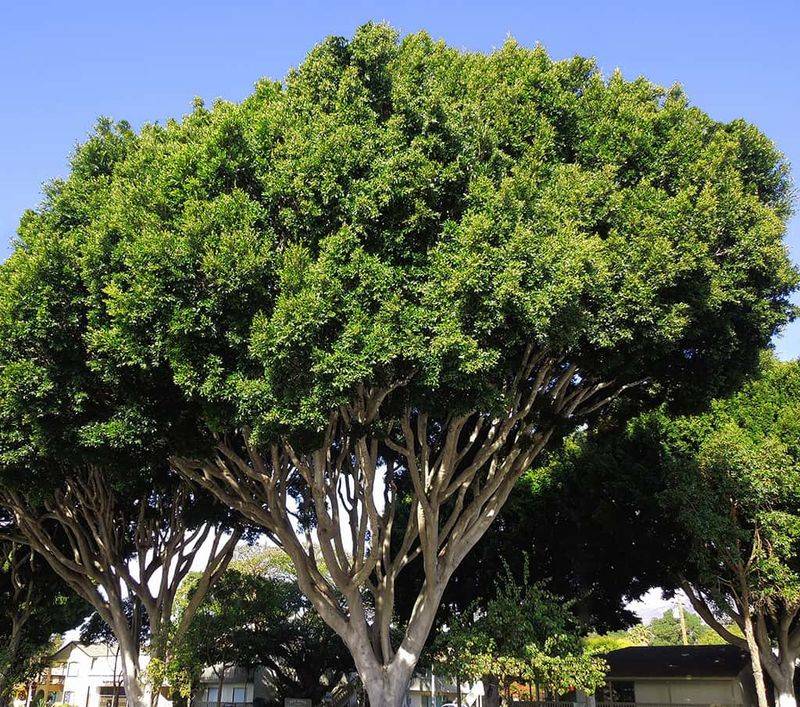
Glossy leaves and a perfectly rounded crown make the Indian laurel fig look like it belongs in a resort brochure. Walk around one long enough, though, and you start spotting buckled sidewalks along with suspicious bumps in the driveway.
Its roots are famous for traveling well beyond the canopy, sometimes reaching thirty feet or more from the trunk. Sewer lines, pool plumbing, and slab edges all become targets once those roots discover a little hidden moisture.
I can’t imagine planting one beside a home today, especially knowing how big a mature specimen can get. Trunks thicken quickly, and the canopy can easily stretch wider than a two-car garage in good conditions.
Frost also bothers this tree, so cold snaps in higher-elevation towns can scorch the foliage badly overnight. In low-desert cities it survives fine, which unfortunately gives those roots plenty of years to expand.
If you already own one, schedule a plumber camera inspection before small leaks turn into major repair projects. Root barriers installed near hardscape help a bit, though giving the tree generous open space works much better.
3. African Sumac
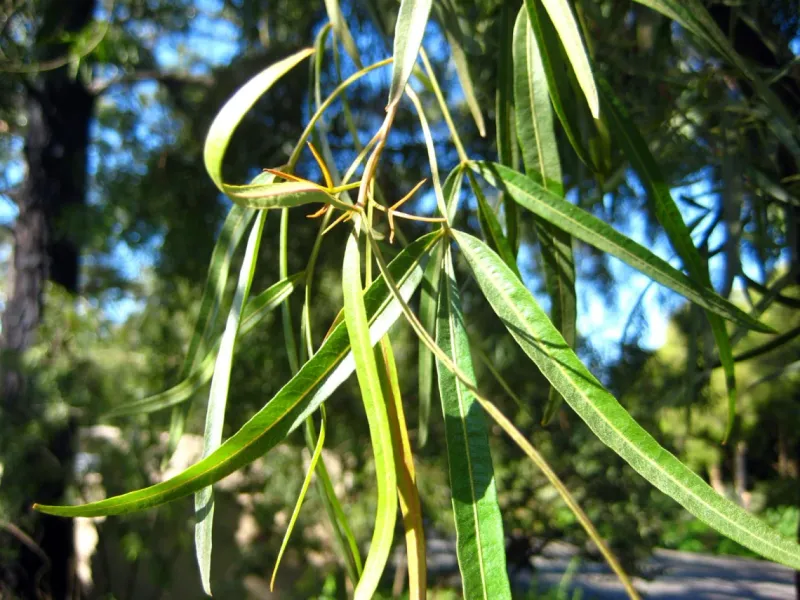
Weeping, willowy leaves give African sumac a soft look that many desert gardeners find surprisingly charming at first. That grace fades a little once you start sweeping its litter off the patio nearly every single week.
Female trees produce small fruits that birds happily eat, then scatter as seedlings across yards and nearby washes. Pima County has restricted new plantings in the past because of its heavy pollen, which bothers many allergy sufferers.
Dense branches also act like a sail during summer storms, and monsoon gusts frequently snap limbs or tip trees. I have seen whole canopies leaning against fences after one rough evening, which means another expensive cleanup bill.
Thinning the crown carefully in early spring reduces wind resistance, though topping creates weak sprouts and future trouble. Pulling seedlings while they are tiny in fall saves you from wrestling woody saplings next year.
Honestly, a native alternative works harder for your yard and supports the local wildlife you actually want around. Velvet mesquite attracts native bees, and its seedpods feed quail, which also happen to snack on garden insects.
4. Tree Of Heaven
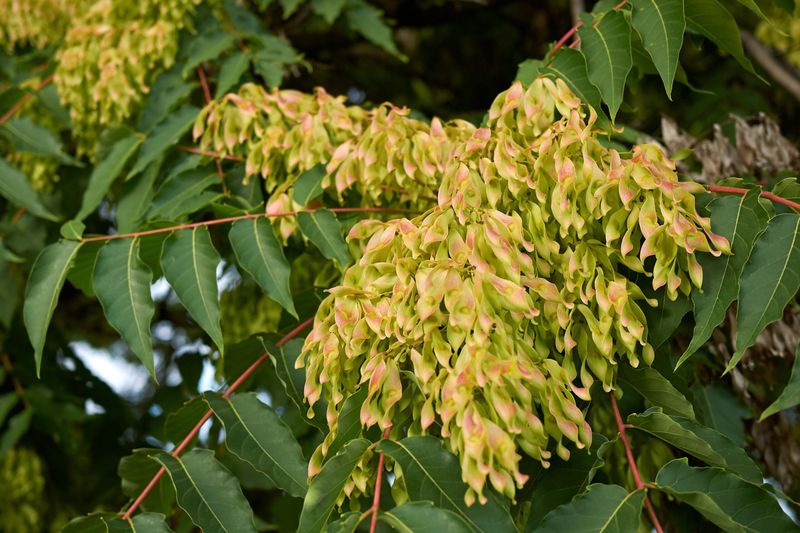
Crush a leaf from a tree of heaven, and you will catch an odor some people compare to rancid peanut butter. That smell is my favorite clue, because the plant easily passes for harmless native sumac at a glance.
Growth is shocking, with young sprouts sometimes shooting up several feet in one season along fences and alleys. A large female tree can release hundreds of thousands of winged seeds each year, which drift across neighborhoods.
Roots add another headache, since cutting the trunk usually triggers an eruption of suckers nearby within weeks. The tree also releases chemicals that suppress neighboring plants, so your vegetable bed may struggle beside one.
Extension experts often recommend targeted herbicide treatment in late summer or early fall for better control results. October timing works well because the tree is moving sugars down to its roots before cooler weather.
Wear gloves when handling it, because the sap irritates skin for some gardeners after heavy pruning sessions. Please report big infestations near washes to your county, since this invader spreads quickly into natural desert areas.
5. Tamarisk
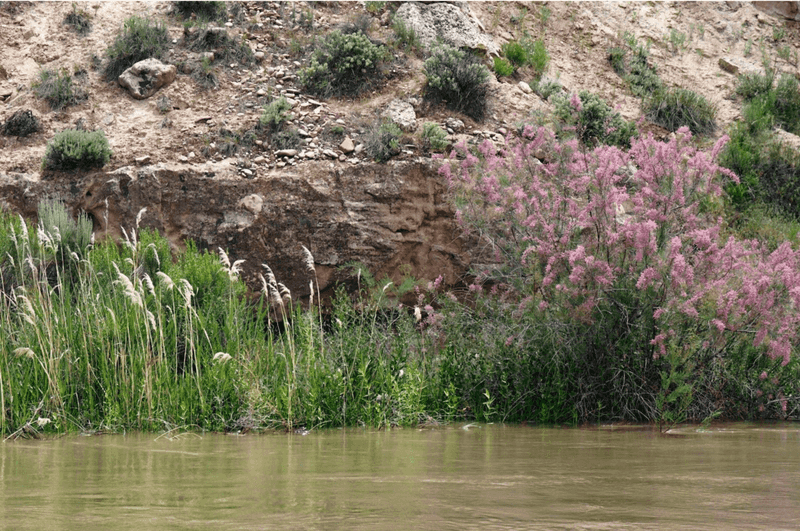
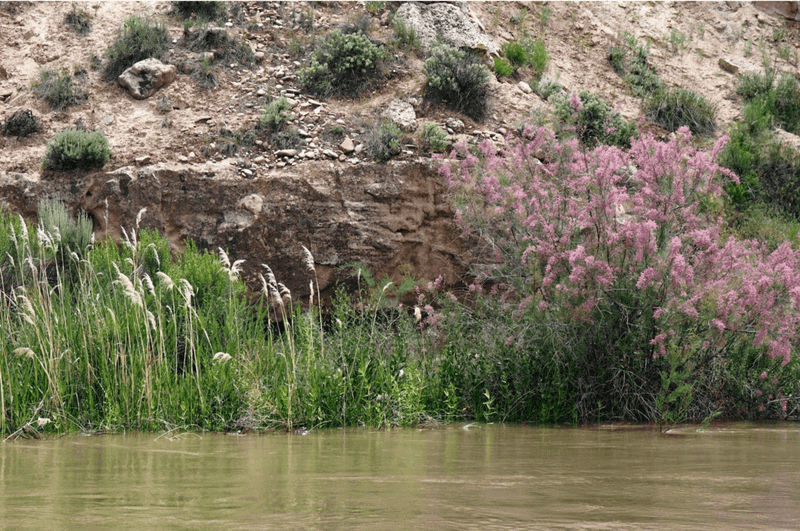
Feathery pink plumes made tamarisk a popular ornamental and erosion fix more than a century ago in the Southwest. Today, those same airy branches crowd riverbanks where cottonwoods and willows once shaded wildlife and cooled the water.
Also called salt cedar, this plant draws heavily on groundwater and deposits salty leaf litter beneath its tangled stems. That salty layer makes it much harder for native seedlings to sprout, which reshapes entire stream corridors over time.
I love how land managers fight back with a tiny tamarisk beetle that chews the foliage and weakens stands. Results vary by location, so mechanical removal and replanting natives remain important parts of most restoration projects.
Backyard tamarisk is less common now, yet older properties near rivers still carry big, thirsty thickets surprisingly often. Removing mature clumps can require heavy equipment, and resprouting from the root crown means follow-up treatments for years.
Fall is a great time to replace it with native seepwillow or desert broom near drainage areas and washes. Both handle tough soils, attract beneficial insects, and offer cover for lizards that happily munch on pesky bugs.
6. Silver Poplar
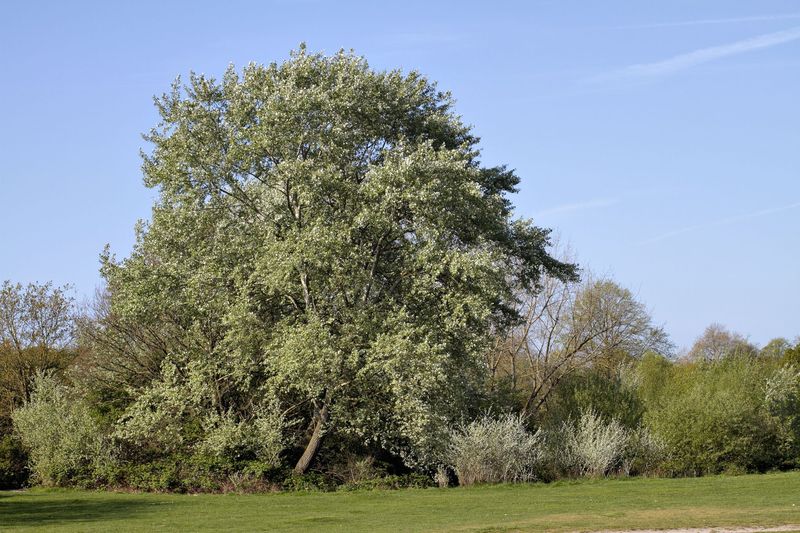
A breezy afternoon flips silver poplar leaves over to flash their snowy undersides, and honestly the effect is mesmerizing. Sadly, the show above ground hides a root system that behaves like an uninvited houseguest who refuses to leave.
Those wide-ranging roots send up suckers through lawns, gravel, and flowerbeds many feet away from the original trunk. Mowing or cutting them back often encourages even more shoots, so a single tree can slowly become a grove.
Poplars also chase water aggressively, which makes septic systems and older clay sewer pipes especially vulnerable to intrusion. Their wood is relatively soft and brittle, so limbs break more easily during windy storms or after heavy pruning.
Many states list this species as invasive, and it struggles with intense desert heat compared with native options. You might notice sunscald or scorched leaf edges by late summer, especially when irrigation runs short in dry spells.
Native Fremont cottonwood fits large rural lots near water, though it still needs plenty of space from buildings. For typical city yards, I prefer smaller natives like netleaf hackberry, which feeds birds and butterflies all season.
7. Arizona Ash
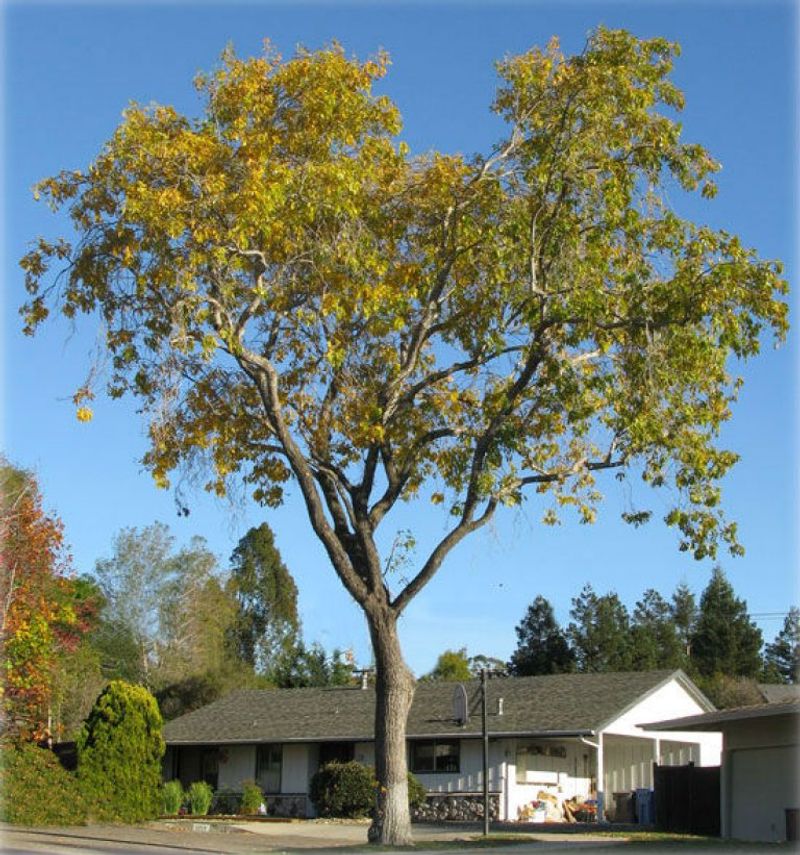
Plenty of people assume a native tree is automatically trouble-free, and Arizona ash proves the situation is more complicated. Velvet ash grows naturally along canyon streams, so it expects reliable moisture rather than tight suburban planting strips.
Planted near driveways with shallow sprinklers, its roots spread close to the surface and can lift concrete within years. Fast growth also tends to produce weaker branch unions, which split more easily when strong monsoon winds arrive.
I believe smart pruning makes a huge difference, especially training a single strong leader while the tree is young. Late fall or winter dormancy is the ideal time for structural cuts, so October makes a good planning month.
Watch for leaf scorch, mistletoe, and borers, which often target trees stressed by heat or inconsistent irrigation. Deep watering every few weeks during dry stretches keeps roots deeper and the canopy noticeably healthier through autumn.
Honestly, this tree belongs on bigger lots with room to roam, far from slabs and buried pipes. Placed thoughtfully, it shelters songbirds and even bats, which help trim mosquito numbers around your evening patio.
8. Chilean Mesquite
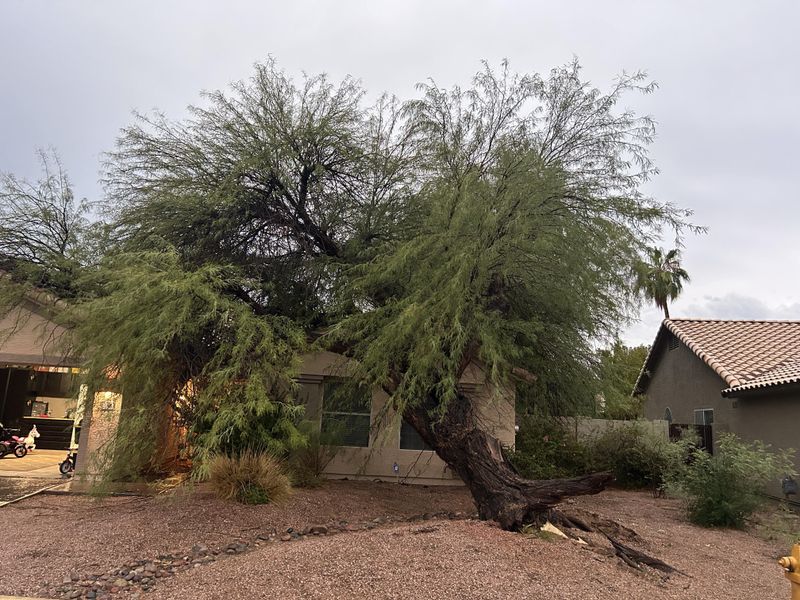
Every monsoon season, local news crews seem to film the same scene of mesquites flipped over across front yards. Many of those toppled giants are hybrid Chilean mesquites, which were planted widely because they grow remarkably fast.
Frequent shallow watering is the hidden culprit, because it encourages a thin root plate that cannot anchor heavy canopies. Add dense foliage that catches wind like a parachute, and the whole tree may tip during one storm.
What surprises me most is how quickly a young tree reaches roof height with generous irrigation and fertilizer. That speedy growth looks impressive, yet it often produces top-heavy trees that need costly crown thinning every year.
Fall is an excellent time to adjust your watering, soaking the soil deeply but much less frequently than before. Water near the canopy edge rather than the trunk, which encourages wider roots and stronger anchoring over time.
If you want a mesquite, consider native velvet mesquite instead, which tends to grow slower and sturdier overall. Its flowers draw native bees, while its pods feed wildlife that keeps your yard buzzing with helpful activity.
9. Fruitless Mulberry
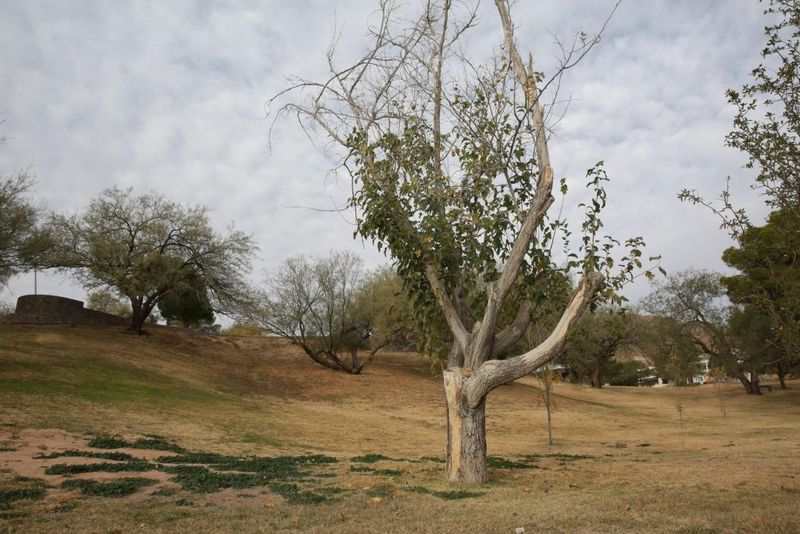
Huge heart-shaped leaves once made fruitless mulberry the go-to shade tree for many desert subdivisions built decades ago. Those broad canopies cooled houses beautifully, but they came with a sneezy surprise that residents still remember today.
Male mulberries release enormous clouds of pollen each spring, and that pollen ranks among the toughest allergens around. Pima County restricted new plantings in the 1980s, and several valley cities later adopted similar limits for health reasons.
Roots bring their own drama, often raising sidewalks and crowding pool plumbing as trees mature in compact lots. Heavy leaf drop in late fall can also clog gutters, so plan a few raking sessions starting this month.
Older trees are frequently topped to control size, which unfortunately triggers weak regrowth and expensive repeat pruning visits. A certified arborist can thin branches properly, reducing storm risk while keeping valuable shade over your home.
When replacing one, I like native options such as palo verde or ironwood, especially in hot western exposures. Desert ironwood hosts many pollinators and shelters birds, giving your yard life without filling the air with pollen.
10. River Red Gum Eucalyptus
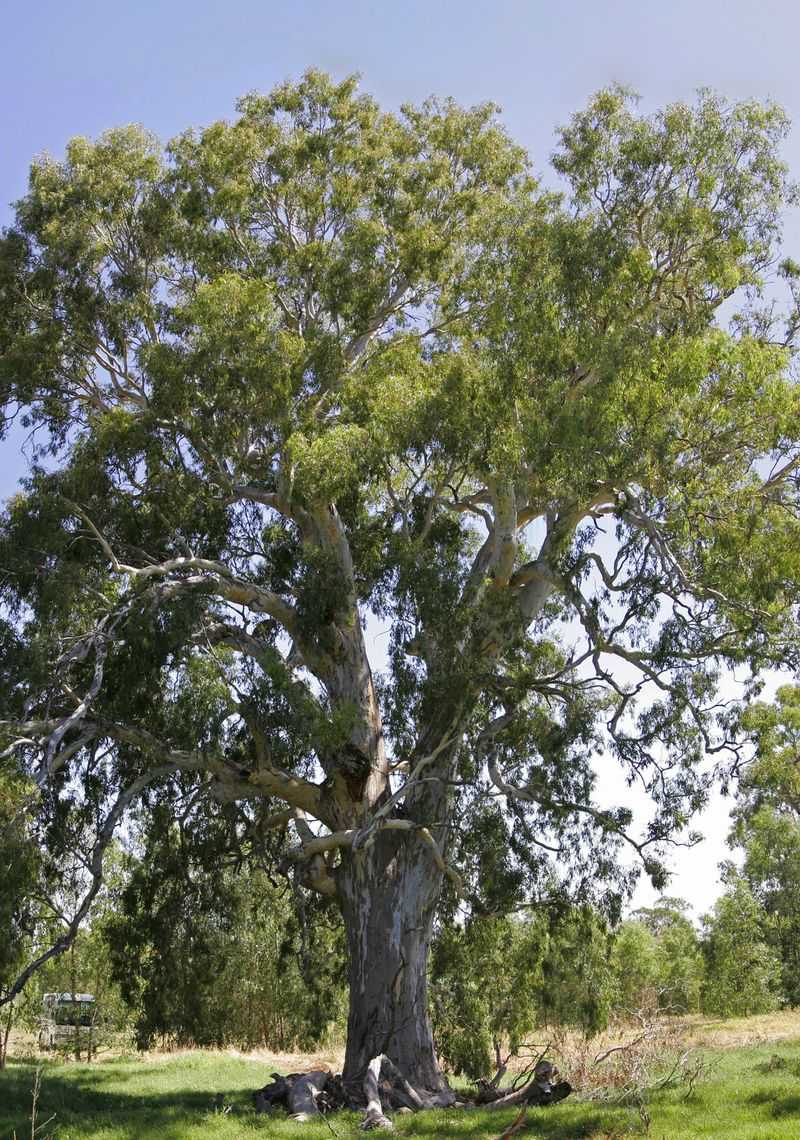
Peeling bark curls off river red gum trunks in long ribbons, revealing smooth patches that look freshly painted. I adore the scent after rain, yet this towering eucalyptus can outgrow a typical yard faster than expected.
Mature trees may exceed eighty feet, and large limbs sometimes drop suddenly on calm, hot days without warning. Arborists call this summer branch drop, and it makes planting near patios, play areas, or parked cars risky.
Shedding bark and oily leaves pile up underneath, creating litter that burns easily during dry, windy stretches. Clearing that debris every fall helps reduce fire risk, especially for homes bordering open desert or brush.
Roots stretch widely in search of water, so irrigation lines and pool plumbing nearby can suffer over time. Removal of a giant specimen often requires cranes and specialized crews, which pushes costs well into the thousands.
You need to measure your space honestly before falling for any eucalyptus at a fall plant sale. Smaller natives such as desert willow give dappled shade, attract hummingbirds, and keep your future repair budget pleasantly modest.