Support Healthy Snake Plant Growth and Propagate Pups in Arizona
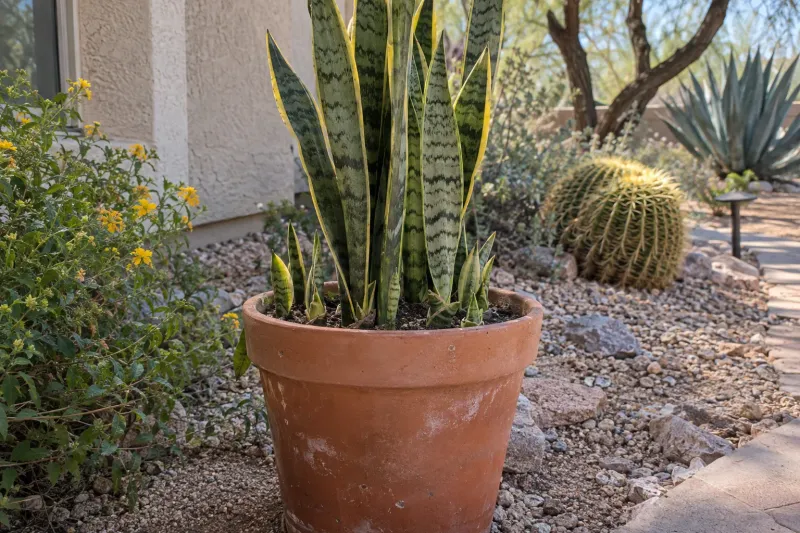
A snake plant can sit in one pot for years and then suddenly send up a new leaf cluster beside the parent. That surprise is called a pup, and many Arizona growers wish they could make it happen on command.
The truth is simpler and kinder to your plant: good care helps it thrive, and you divide pups when they show up.
Support Growth; Don’t Promise To Force Pups
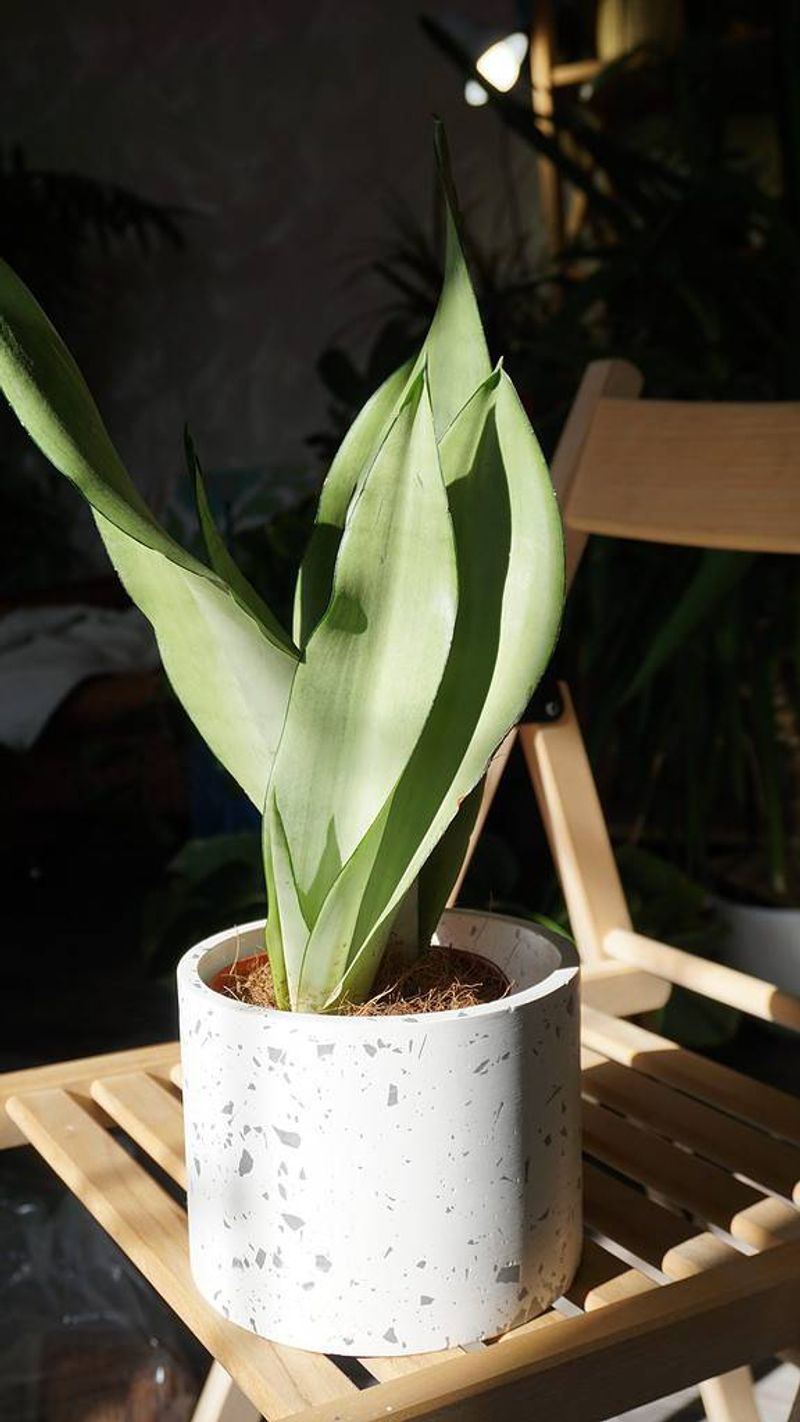
Let’s clear something up right away: nobody has found a reliable way to force a snake plant to make pups. The guidance reviewed for this article explains how to care for the plant and how to propagate offsets once they appear.
It does not give a trick that makes new ones show up on demand.
So the goal is a healthy parent plant, not a stress treatment. NC State’s plant guide describes a tough houseplant that tolerates low humidity and low light, and that toughness is good news for Arizona homes.
Your job is to give it steady, sensible conditions.
When an offset does appear, you have a clear next step. Iowa State Extension lists snake plant as a good candidate for division, and later sections walk through how to do it.
Skip the myths about starving, crowding, or scaring your plant into producing pups. They are not backed by the sources reviewed, and they can put the parent at risk.
What Pups Are—and What Propagation Does
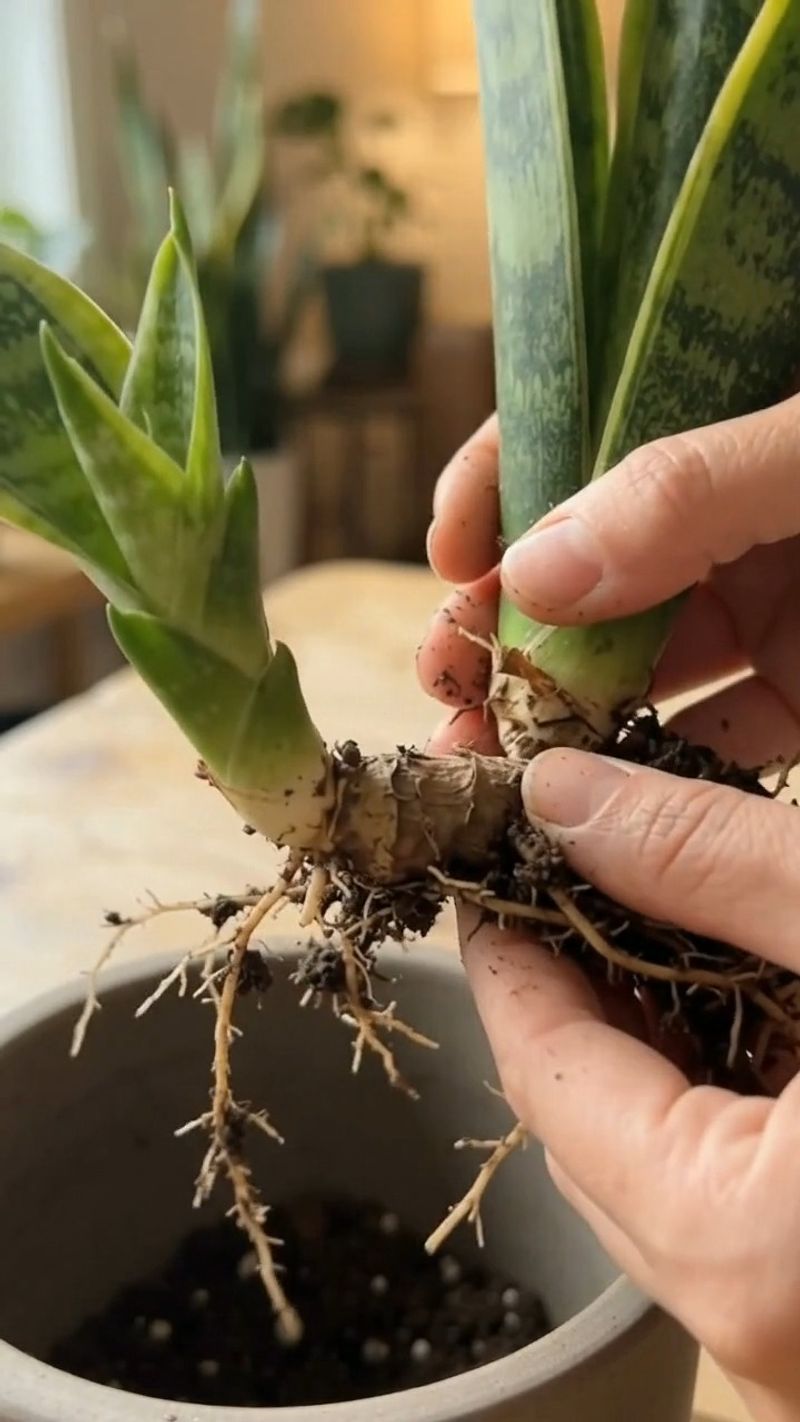
A pup is a small offset that grows from the parent plant. Snake plants spread as clumps through underground stems called rhizomes, so new shoots pop up near the base.
Gardeners call them pups because they look like little copies of the parent.
Division is how you propagate a pup that already exists. You separate it from the parent so it can grow as its own plant.
As Iowa State Extension explains, this works for plants that make offsets. Dividing a pup does not make the parent produce more of them.
Leaf cuttings are another way to make new plants, but they do not answer the question of how to get the parent to make pups either. If you are shopping for labels, the accepted name is Dracaena trifasciata, and Sansevieria trifasciata is still a widely used older name.
The Royal Horticultural Society lists suckers and division among its propagation methods.
Choose Suitable Light for Healthy Indoor Growth
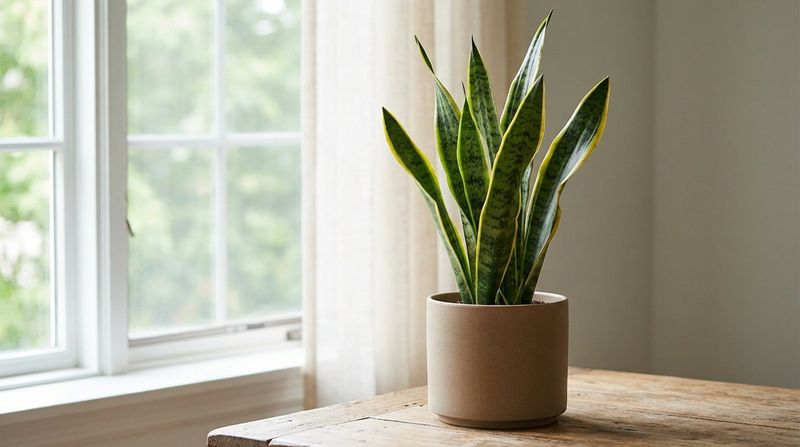
Snake plants are famous for surviving dim corners. That tolerance is real, but putting up with low light is not the same as thriving in it.
For active, healthy growth, bright light that is filtered or indirect is a better choice.
In an Arizona home, that might mean a spot near a window with a sheer curtain, or a few feet back from a bright pane. Skip the direct summer sun pouring through glass.
The Royal Horticultural Society cautions against full summer sun indoors, and strong light behind a window can scorch leaves.
Better light supports a healthy plant, but it does not trigger pups. Think of it as giving the plant what it needs to grow well, nothing more.
If your plant has been in a dark hallway and looks fine, you can move it gradually toward brighter light. Details on tolerance are in NC State’s snake plant profile.
Arizona’s Dry Air Does Not Require Humidity Tricks
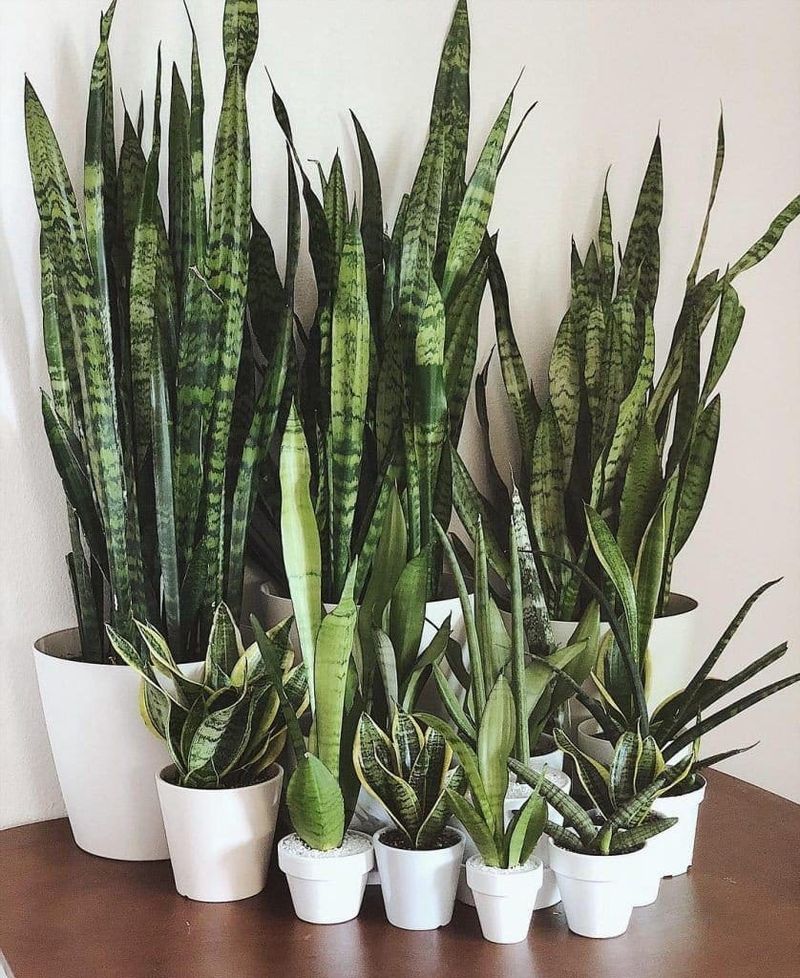
Dry air makes plenty of Arizona growers nervous, but snake plants are not fussy about it. NC State notes that the plant tolerates low humidity.
That means dry indoor air alone is not a reason to mist or buy a humidifier for it.
The University of Arizona Cooperative Extension lists snake plant among low-light indoor options and says succulents can suit very low humidity. It also points out that Arizona homes and cooling systems can create different indoor conditions.
Check your own spots for hot vents and cold drafts rather than assuming every room is the same. Find the guide at University of Arizona Extension.
Misting only helps for a moment and does not replace proper root watering. Dry air does not stop pups, and extra humidity does not create them.
Save your effort for light, drainage, and a sensible watering routine.
Water According to Soil and Provide Drainage
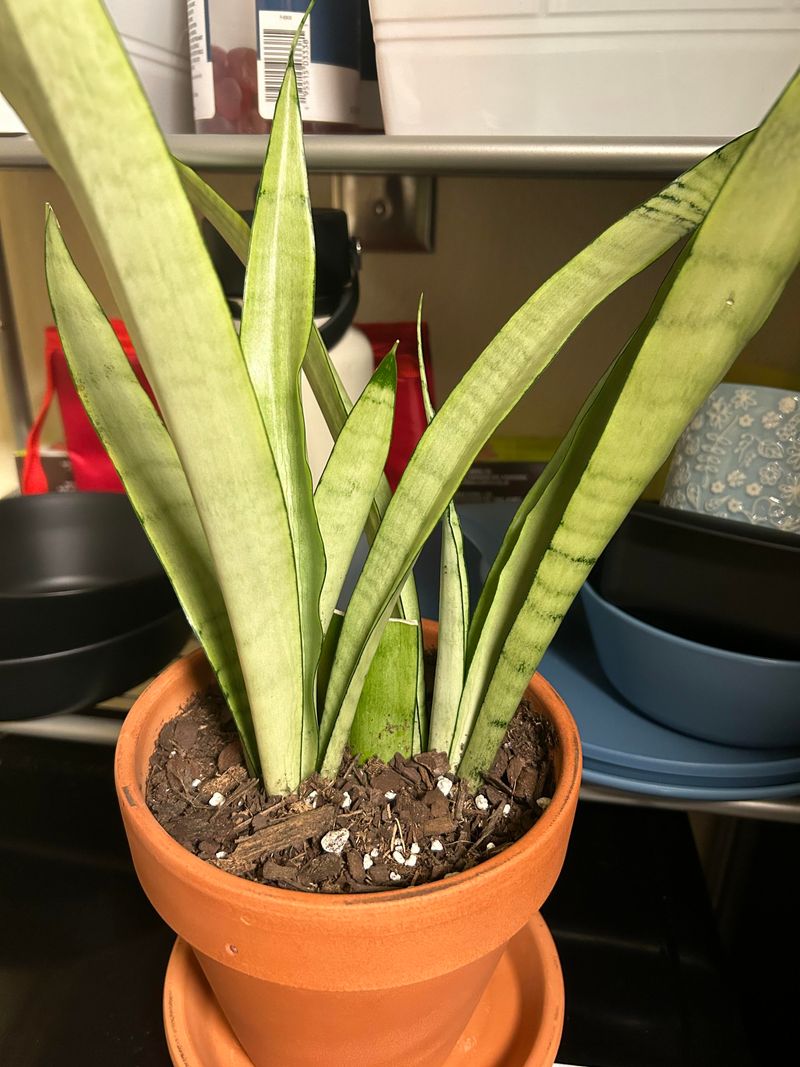
Forget the weekly watering calendar. From spring through autumn, let the soil dry out between waterings, then water thoroughly.
In winter, water less, since the plant is growing more slowly. These are the basics from NC State Extension.
Poke a finger into the mix before you reach for the watering can. If it still feels damp, wait.
Dry Arizona air may dry the surface faster, but the deeper soil can stay wet, so check below the top layer.
Choose a pot with drainage holes and let excess water escape. Virginia Tech Extension explains that overly frequent watering and oversized pots can keep roots too wet.
Pick a container that fits the plant, not one far bigger to speed growth. Extra water will not coax out pups, and constantly wet soil puts the roots at risk.
Divide a Healthy Offset When It Appears
Once a pup shows up, you can divide it to make a new plant. Wait until the offset has healthy leaves and roots of its own.
Gently ease the plant from its pot and loosen the soil so you can see where the pup connects.
Separate the portion so it keeps healthy leaves and roots, as Iowa State Extension recommends. Replant it in an appropriately sized pot with drainage, then water to settle the mix.
Place it in bright, indirect light.
Larger divisions are expected to recover faster, so a bigger, well-rooted pup is a safer bet than a tiny one. No timeline is promised, so be patient.
Dividing a pup gives you a new plant, but it does not make the parent produce more pups. Keep caring for both plants as usual.
Keep Expectations Steady Through Fall and Winter
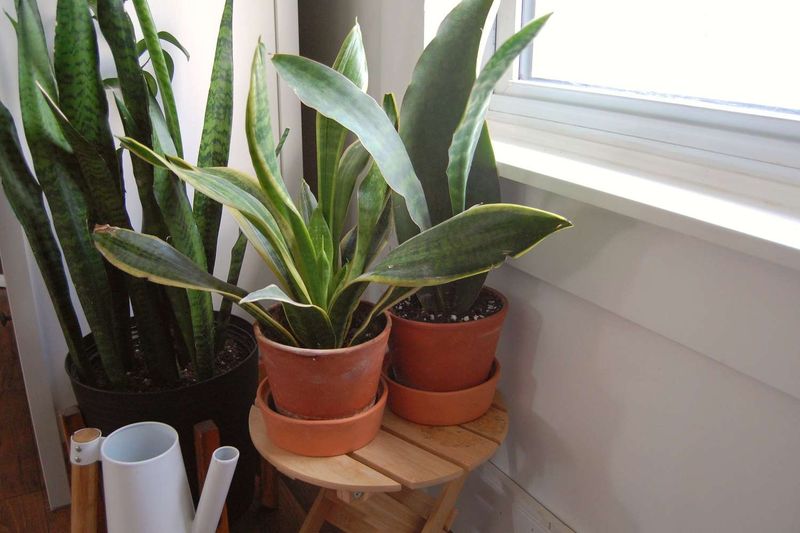
Steady care supports a snake plant, but it cannot put pups on a schedule. October is not a promise of rapid growth either.
The University of Arizona notes that many indoor plants slow or rest in short-day winter conditions, so a quiet plant may simply be resting. See the guide at University of Arizona Extension.
As days shorten, water less, and keep checking that the soil has dried before you water again. Keep the plant in bright, indirect light and away from hot or cold blasts from vents.
A plant that looks unchanged for weeks is not necessarily in trouble.
If a pup appears, divide it with healthy leaves and roots as covered earlier. If none appears, the plant is still doing its job as a tough, handsome houseplant.
Patience beats every pup-forcing trick.