Yellowjacket Nests Can Still Be Active Around Georgia Homes Well Into November
A single nest hidden under a Georgia lawn can hold thousands of stinging residents by late fall. Some southern colonies even survive winter and grow into giant nests the size of a car tire.
I used to think cool October mornings meant my garden was safe again. Then I nudged a quiet patch of ground with my rake and learned otherwise in about two seconds.
You probably notice the buzz around your trash can or soda cup more now than in June. That timing is no accident, and the reason has a lot to do with what is happening deep inside the colony.
Autumn colonies are at their biggest, their food supply is changing, and their workers have one last job before cold weather arrives.
Knowing where these hidden nests are most likely to be can help you avoid a painful surprise while raking leaves or planting this fall.
1. That Busy Hole In Your Fall Lawn Is Probably At Its Busiest
Late fall is when yellowjacket colonies are biggest, not smallest. A nest that started with one queen in spring can hold thousands of workers by October in Georgia.
Each colony is built from scratch every year. The queen begins alone in spring, chewing wood into paper and raising her first small group of workers.
From there, the population climbs all summer long.
By autumn, the colony shifts gears. It starts raising new queens and males instead of more workers.
Those new queens mate, leave the nest, and tuck themselves into logs, bark, or leaf piles to spend the winter.
The workers and the old queen usually decline once hard freezes arrive. In much of Georgia, that first freeze lands in early to mid November, and it often comes later along the coast and in the southern counties.
So the calendar can fool you. A cool morning does not mean the colony has quit, and warm afternoons keep workers flying and guarding.
I like to treat the whole season as active until a few solid freezes have passed. That simple mindset has saved me from more than one surprise while weeding or raking near the edges of my yard.
2. Sweet Drinks And Fallen Fruit Pull Yellowjackets Right To You
Ever wonder why your apple cider suddenly has company? Fall yellowjackets have changed their menu, and sugar is now the main attraction.
During summer, workers hunt caterpillars, flies, and other insects to feed protein to the growing larvae. In return, the larvae give the adults a sugary liquid.
As fall arrives and fewer larvae remain, the adults lose that sweet reward.
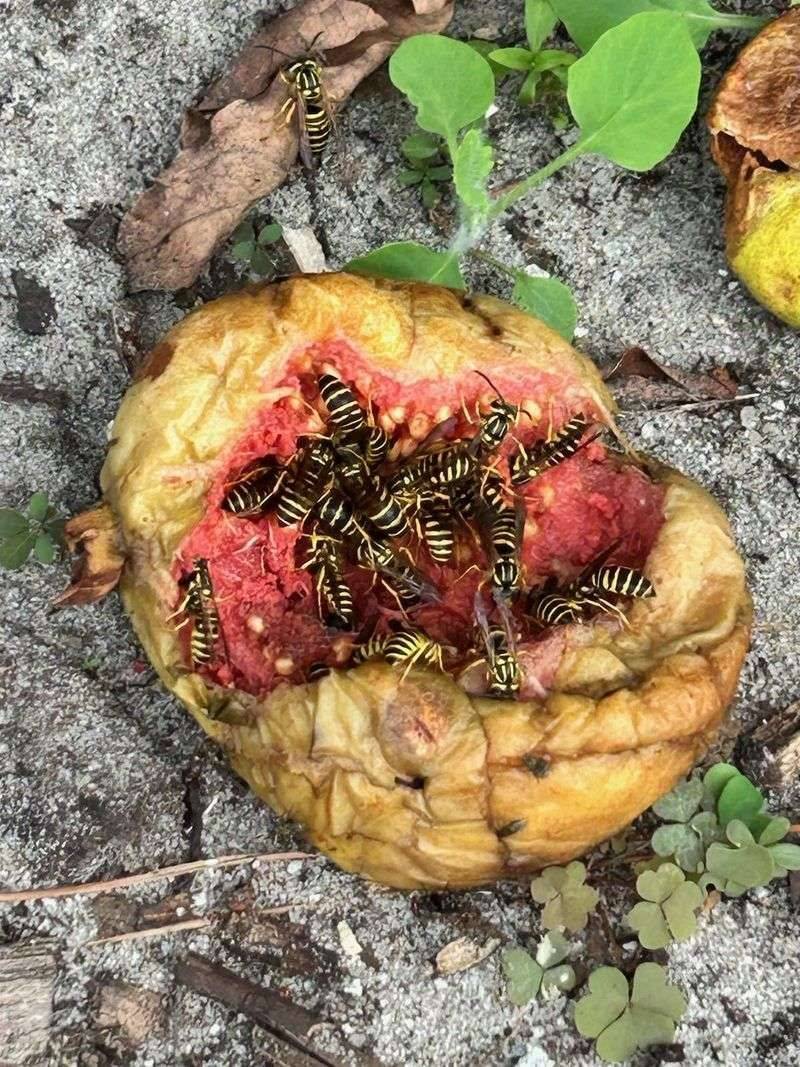
The result is a crowd of hungry workers searching for sugar on their own. Rotting figs, fallen pears, muscadine grapes, open soda cans, and trash bins become magnets.
Experts point out that each wasp is not necessarily meaner in fall. There are simply far more of them foraging, and they are working hard around the same spots people use.
Here are quick fixes I lean on:
Pick up dropped fruit every day or two. Pour drinks into cups with lids instead of open cans.
Keep garbage and recycling bins sealed and rinse sticky containers.
A tidy patio sends foragers elsewhere. You will notice the difference within a few days, especially during those warm, sunny November afternoons when cookouts are tempting.
3. Underground Burrows And Wall Voids Hide The Sneakiest Nests
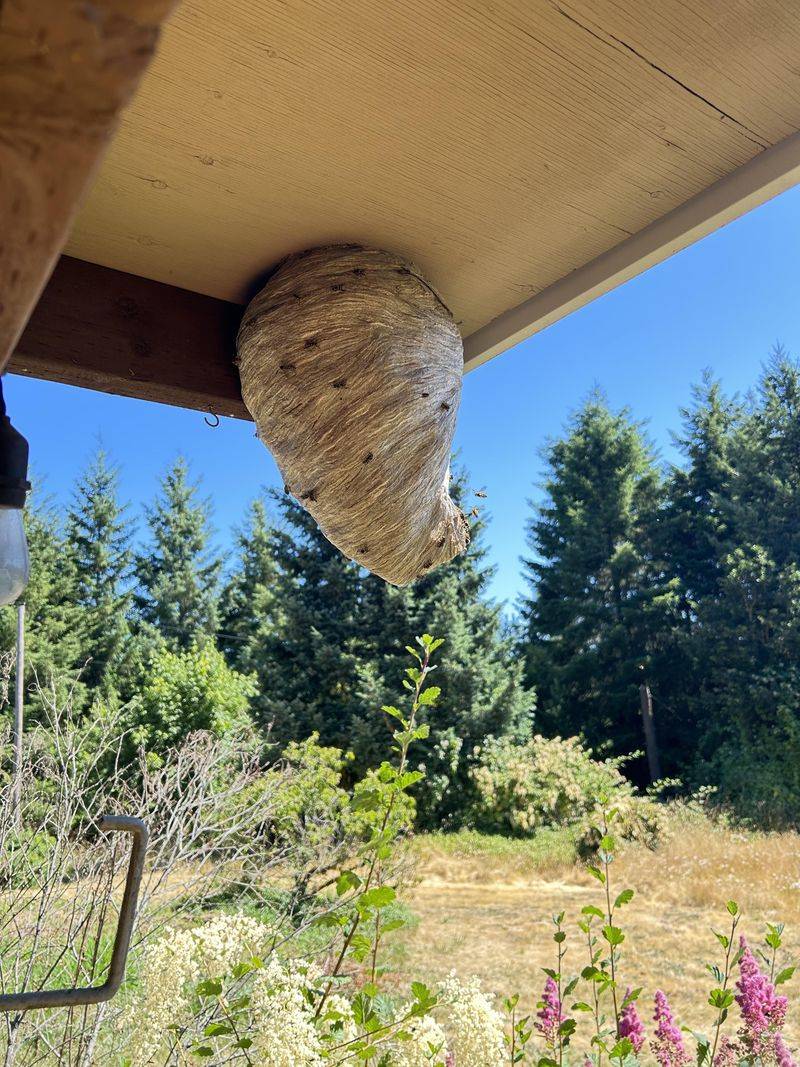
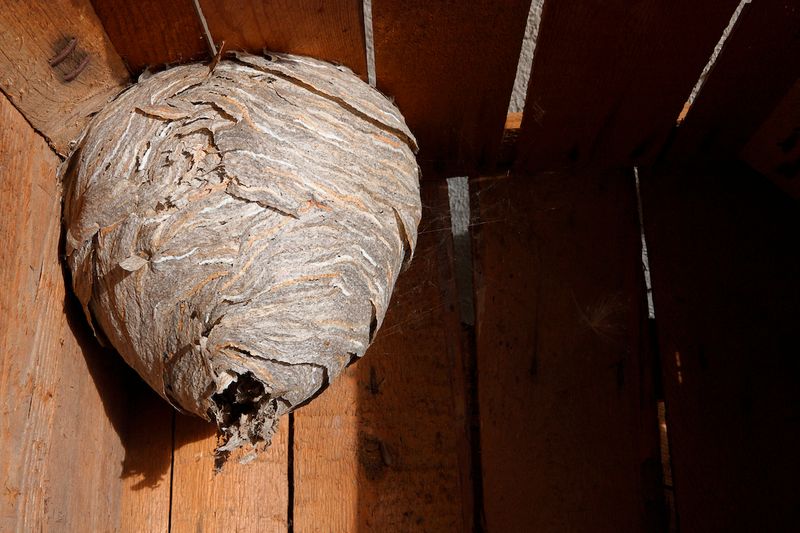
Most folks picture a gray paper ball hanging from a tree.
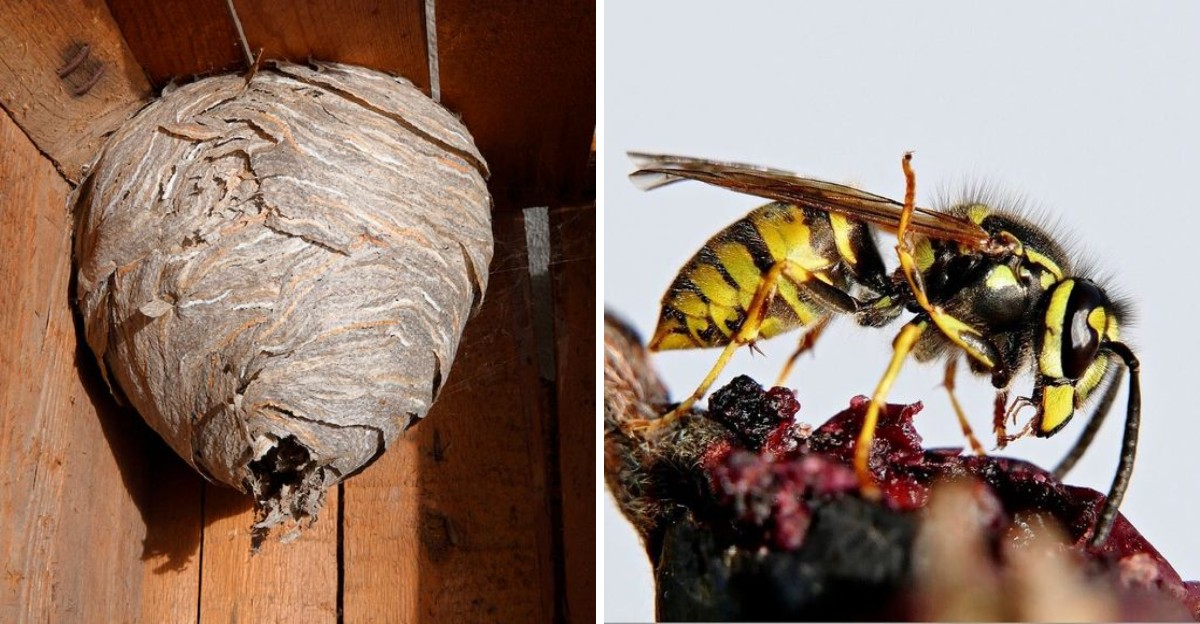
That is usually a bald-faced hornet nest, which belongs to the same wasp genus as yellowjackets but is commonly called a hornet, while eastern yellowjackets in Georgia typically nest in concealed locations.
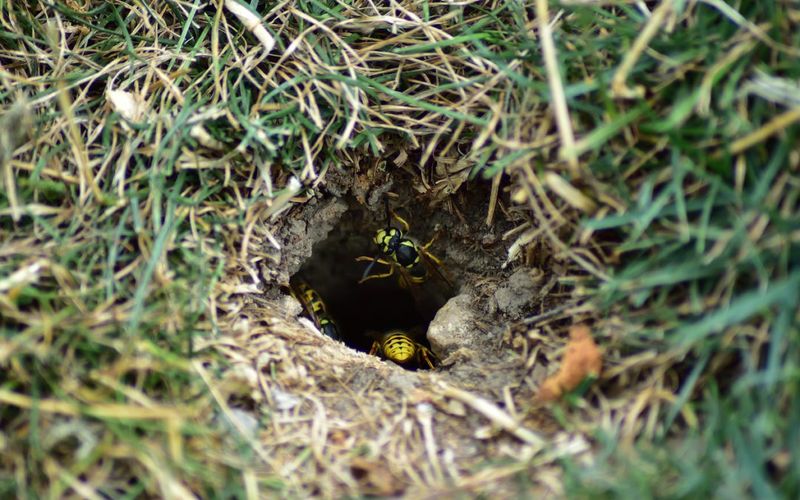
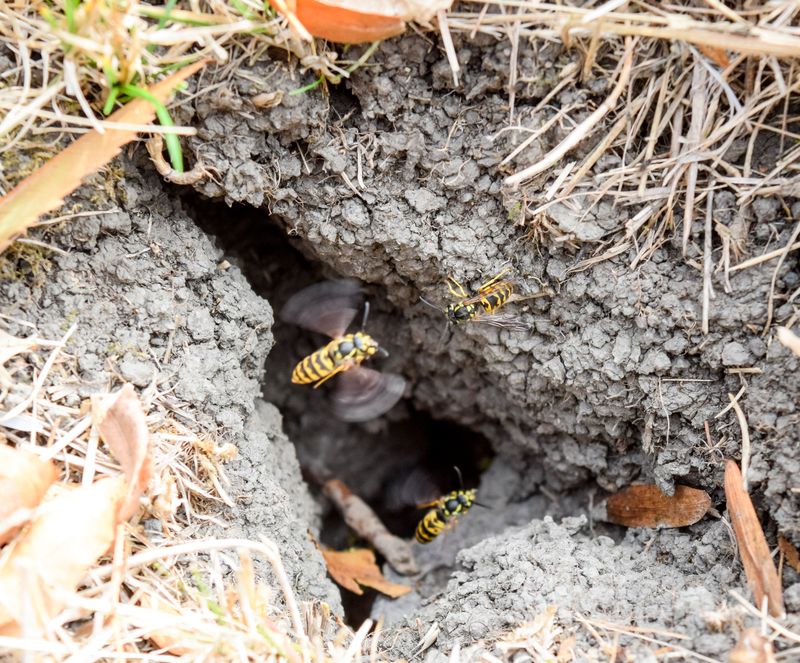
Old rodent burrows are a favorite. The queen moves into the empty tunnel, and workers dig it larger as the colony grows.
Dense shrubs, mulch beds, and the base of tree stumps are also common hideouts.
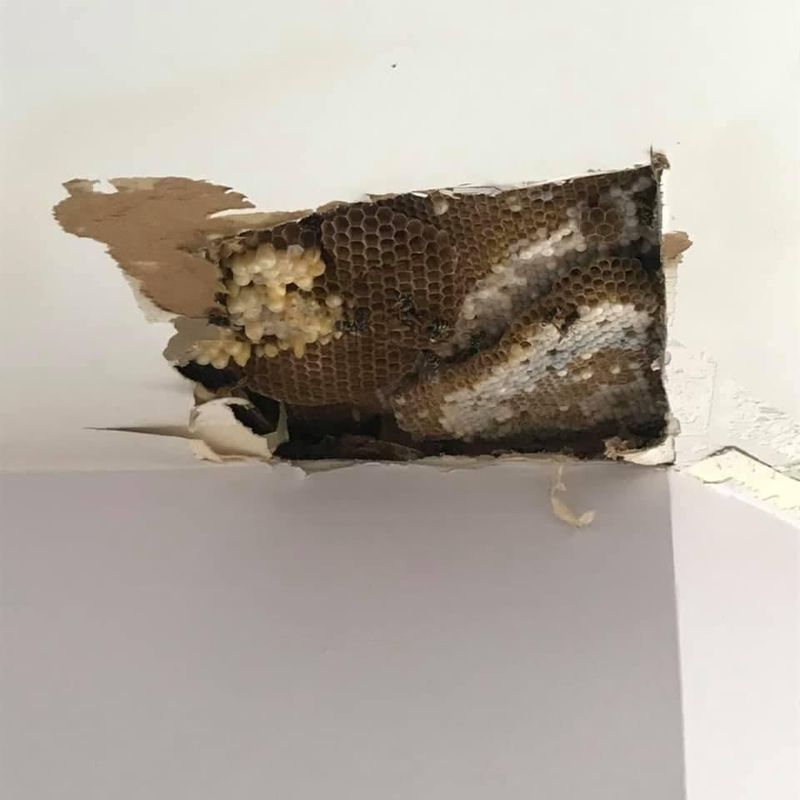
Homes offer plenty of options too. Wall voids, attics, crawl spaces, gaps in siding, and spaces under decks or porch steps can all hide a nest.
A wall nest needs extra caution. If you seal the outside hole, workers may chew through drywall and come inside, which is a scary way to spend an evening.
Personally, I do a slow walk around the house on a sunny afternoon each fall. I stand back and watch the foundation, the eaves, and the deck edges for a steady traffic pattern.
Write down any spots that seem busy. That little map becomes very handy before you mow, trim shrubs, or plan any outdoor projects.
4. Watch For A Steady Stream Of Wasps At One Small Opening
Spotting a nest is mostly about patience. Yellowjackets fly in a fast, straight line to and from the entrance, almost like cars on a tiny highway.
Look for a hole about the size of a quarter or smaller in the ground or in a structure. Workers will zip in and out every few seconds on warm days.
Bare soil around the opening is another clue.
Some nests reveal themselves through behavior instead. If wasps bump you or circle your head each time you pass a certain bush, you are likely near their front door.
Keep a safe space while watching, at least 10 to 15 feet away. Avoid standing directly in the flight path, and skip bright floral scents that seem to draw curious foragers.
Mornings are slower, so midday gives the clearest view. Binoculars are a fun trick here, and they let you study the traffic without stepping closer.
Once you find a nest, flag it with a stake or bright tape. Let everyone in the family know about the spot, including kids and anyone who mows.
Pets should stay clear too.
5. A Bumped Yellowjacket Nest Defends Itself Fast
Lawn mower vibrations are one of the most common ways people stir up a hidden nest. I learned that lesson with a string trimmer, and my ankles remembered it for days.
Yellowjackets guard their colony hard, especially in fall when the nest holds so much. Unlike honey bees, each wasp can sting more than once because its stinger is not barbed.
When a worker feels threatened, it releases an alarm scent. That chemical signal calls nestmates to join in, so one sting can quickly turn into many.
For most people, stings bring sharp pain, redness, and swelling that fade over a few days. Ice and an antihistamine often help.
People with insect sting allergies face much more serious reactions and need emergency care right away if they have trouble breathing or swelling of the face or throat.
If you do disturb a nest, walk or run away quickly and keep going. Cover your face, and skip swatting, which can invite more attention.
Jumping into water is a myth that tends to backfire, since the wasps often wait for you to surface. Head indoors or into a car instead.
6. Pest Pros Handle Hidden Wasp Nests At Dusk
Calling a licensed pest professional is the safest choice for most active nests. That goes double for nests in walls, attics, or high-traffic parts of the yard.
Professionals come with full protective suits and products labeled for yellowjackets. They often use insecticidal dusts placed right into the entrance, which workers carry deeper into the nest.
Timing matters too. Many technicians work at dusk or after dark, when nearly all the foragers are home and moving slowly.
Wall nests are tricky. A pro can treat the void without sealing the hole too early, so workers do not chew inward toward your living space.
If you choose to tackle a small, exposed ground nest yourself, follow the product label carefully. University of Georgia Extension materials stress label directions every time.
Please skip gasoline and fire. Pouring fuel into a nest is dangerous, illegal in many places, and harmful to soil and groundwater.
Honestly, the cost of a service call feels small next to a trip to urgent care. I sleep better knowing a nest near the back steps is handled by someone in a proper suit.
7. Mild Southern Winters Can Keep Some Colonies Buzzing
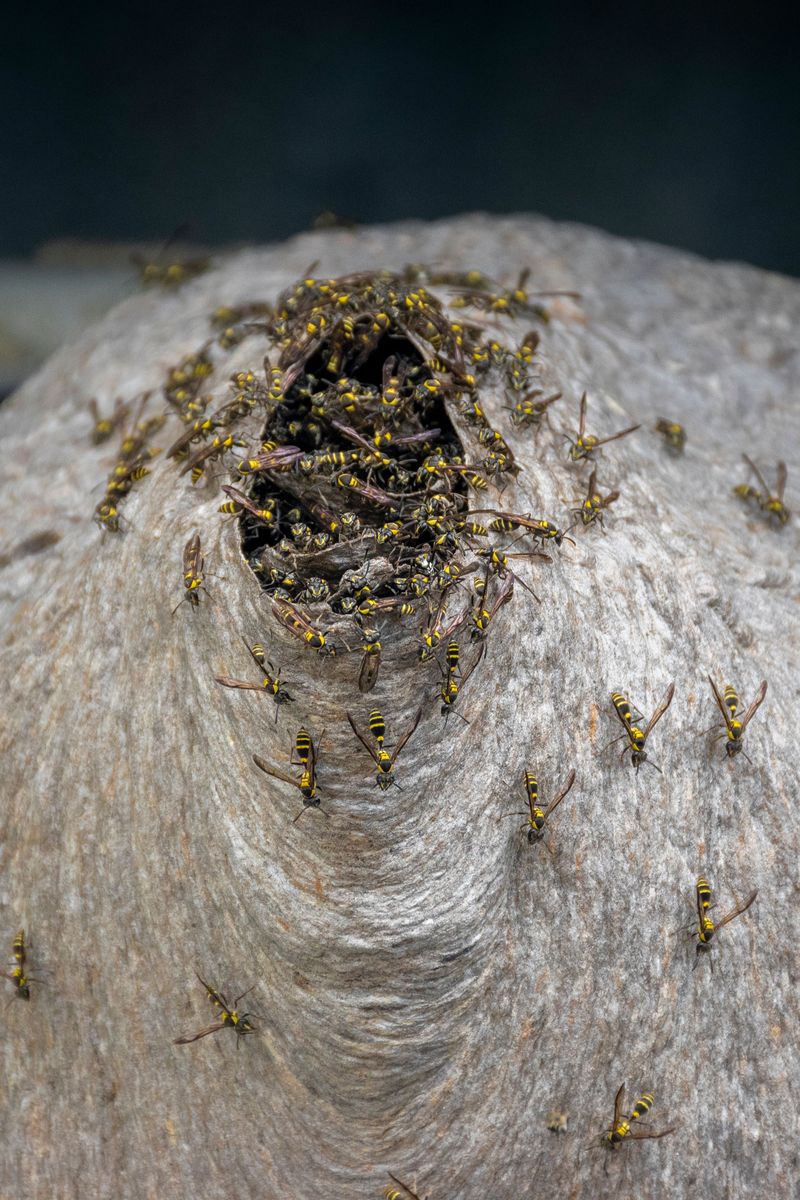
Fun fact for the curious gardener: in parts of the Southeast, some yellowjacket colonies skip the usual winter shutdown. These rare perennial nests can keep growing for a second year.
Alabama made headlines for this in 2006, when dozens of giant nests turned up, some packed with thousands of workers. Georgia has recorded perennial nests as well, mostly in the warmer southern part of the state.
Scientists think mild winters and plenty of food help colonies survive. Some nests even end up with multiple queens laying eggs side by side.
These monster nests remain uncommon, so there is no reason to panic. Most Georgia colonies still fade after several hard freezes, usually by December.
Still, the pattern explains why activity can linger past Thanksgiving. Coastal yards and areas near the Florida line often stay warm enough for workers to fly on sunny days.
If you find a nest that looks unusually huge in winter or spring, leave it alone. Snap a photo from far away and contact a pest professional or your county Extension office for advice.
Reports like yours help researchers track these strange southern giants.
8. Spring Queen Traps And Tidy Yards Keep Next Year Calmer
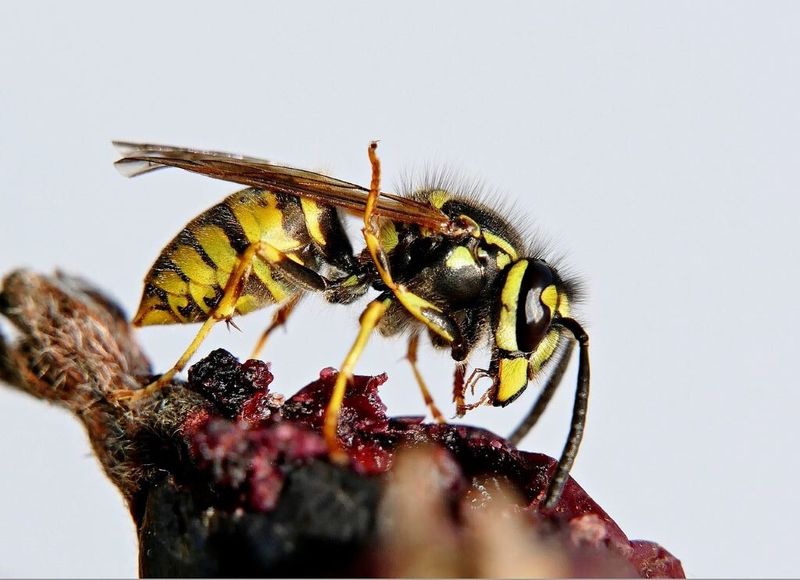
Next season starts sooner than you think. Every new colony begins with one queen who survived the winter, so small steps now can mean fewer nests later.
Fill old rodent holes and low spots in the lawn during late winter. Seal gaps in siding, soffits, and vents once you are sure no active nest is inside.
Commercial yellowjacket traps can help in early spring, when queens are out searching for nest sites. Hang them away from patios so they draw wasps away from people, not toward them.
Keep up the fall habits too. Clean grills, covered trash, and fruit pickup all make your yard less inviting.
One kind word for these wasps before you go. Yellowjackets eat many caterpillars and flies, and that pest control helps vegetable gardens all summer.
Nests far from paths can often stay put until frost handles the job naturally. I save removal for nests near doors, play areas, and garden beds.
Until a few hard freezes pass in your corner of Georgia, keep watching that busy hole. A careful eye in November keeps fall gardening fun.