Plant These 8 Native Georgia Shrubs In November For Stronger Growth Next Spring
Roots on a freshly planted shrub can keep stretching underground long after the branches look sound asleep for winter. University extension experts note that this quiet growth continues whenever soil temperatures stay above roughly forty degrees.
Across most of Georgia, November soil often stays warm enough for that hidden root work to carry on for weeks. Cool air also means less stress, so new plants lose less water than in a July heat wave.
I have to admit that fall planting felt backwards to me until I watched my shrubs leap ahead in April. You get to skip the spring rush at the nursery while your plants quietly settle into their new beds.
Native shrubs handle this timing especially well because they evolved right here with our mild winters and summer storms.
These eight local favorites can take advantage of November’s growing conditions and settle in before the busy holiday season arrives.
1. Oakleaf Hydrangea
Leaves shaped like giant oak leaves turn deep burgundy in fall, and they often hang on well into winter.
I love how the peeling cinnamon bark shows up once those leaves finally drop, giving bare branches real character.
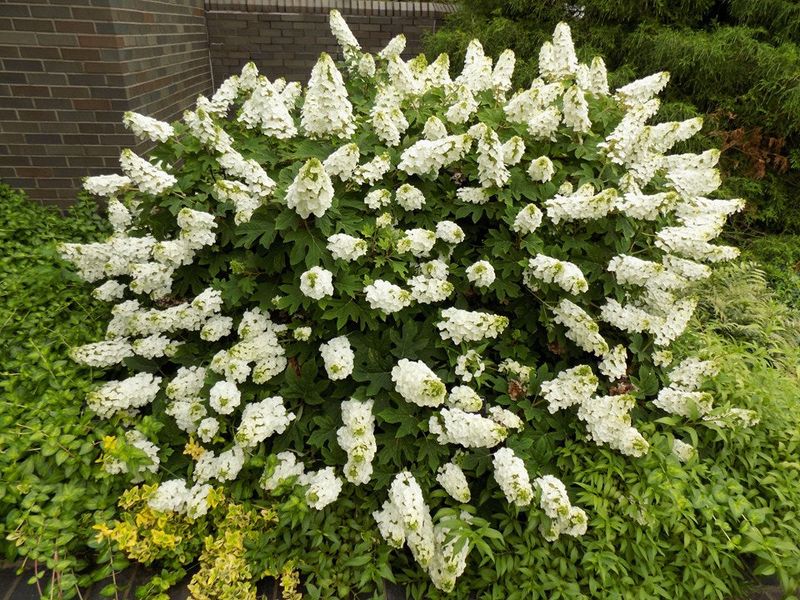
Big cone-shaped clusters of white flowers open in late spring and slowly blush pink as summer goes along.
Many gardeners leave the dried flower heads on the shrub because they look lovely through the colder months.
Expect a mature plant to reach six to eight feet tall, with an equal or wider spread over time. Give it plenty of elbow room so you can skip constant pruning and enjoy its natural shape.
Morning sun with afternoon shade keeps the leaves happy, especially during the hot, sticky stretch of late summer. Good drainage matters a lot, because soggy roots can quickly lead to rot and a weak plant.
November planting lets roots spread into cool soil before spring growth demands more water from the shrub. Dig a hole about twice as wide as the root ball, but keep the top level with the ground.
Spread two or three inches of shredded bark or pine straw around the base, leaving a gap near the stems. Water deeply after planting, then check the soil every week or so whenever winter rain stays scarce.
Bees and beetles visit the flowers, while the sturdy stems give small birds a sheltered place to rest. Personally, I think every shady Georgia yard deserves at least one of these handsome native shrubs.
2. Fothergilla
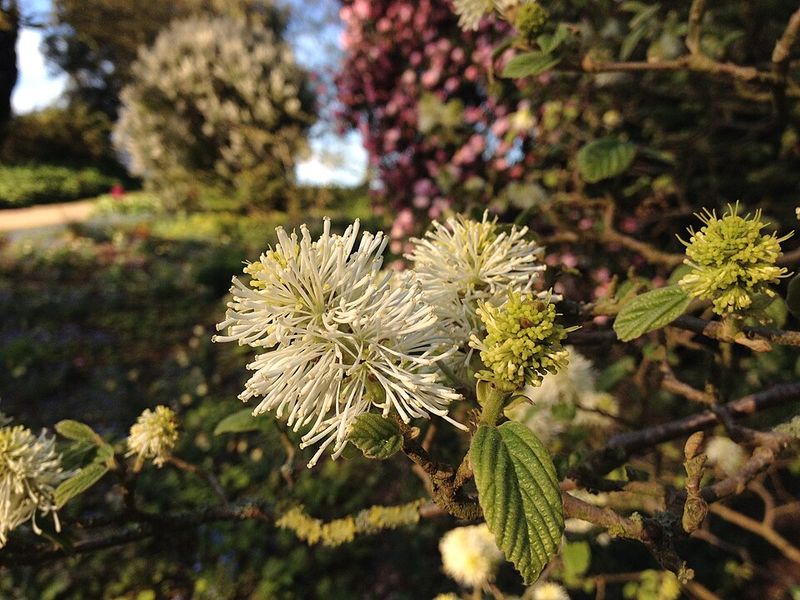
Fuzzy white flowers that look like tiny bottle brushes pop open in early spring, often before a single leaf appears. Lean in close and you will catch a sweet, honey-like scent that early bees seem to adore.
Fall brings an even bigger show, with gold and scarlet leaves often mixed together on the very same branch.
I have watched one shrub glow like a campfire on a gray November afternoon, and it stopped me cold.
Two native species grow in the Southeast, and dwarf fothergilla stays around three feet tall in most yards. Large fothergilla can reach six to ten feet, so read the tag carefully before choosing your planting spot.
Full sun produces the brightest fall color, though partial shade works fine if you want more modest growth. Acidic, moist soil with good drainage suits it best, which makes it a natural fit for many Southern gardens.
Heavy clay can hold too much water, so mix in compost or plant on a slight mound for safety. Avoid adding lime, because this shrub prefers soil on the acidic side and may yellow in sweeter ground.
Fall planting gives the roots a calm season to settle in before those early flowers pull on stored energy.
Keep the soil lightly moist through winter dry spells, but do not let water pool around the crown.
Pests rarely bother it, and pruning is mostly unnecessary because the natural shape already looks tidy and full. You can tuck dwarf types into foundation beds where bigger shrubs would quickly outgrow their welcome.
3. Virginia Sweetspire
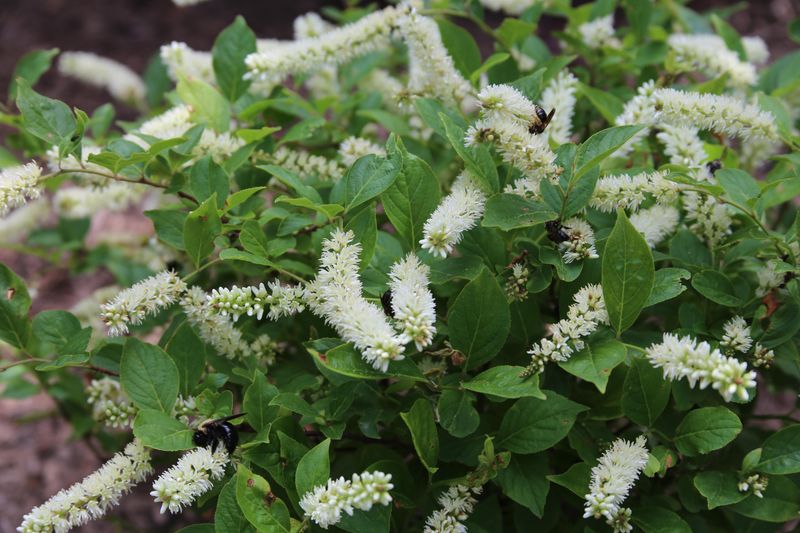
Drooping wands of white flowers fill the late spring air with a soft perfume that drifts across the yard. Butterflies and bees crowd those blooms, and I can rarely walk past without stopping for a quick sniff.
Fall color is the real surprise, as green leaves shift to ruby red and deep purple shades.
In mild Southern winters, many leaves cling to the stems for months, so the color lasts well past Thanksgiving.
Wet feet do not scare this shrub, which naturally grows along stream banks and swampy woodland edges. That makes it a smart pick for rain gardens or soggy corners where other shrubs tend to sulk.
Most plants reach three to five feet tall and spread wider as underground runners send up new stems. Use that spreading habit on purpose to hold soil on gentle slopes or fill a wide empty bed.
Sun brings the richest fall color, though it handles partial shade with only a slight drop in brilliance. The popular variety Henry’s Garnet traces back to a wild plant collected in the Southeast many decades ago.
November planting suits sweetspire well, since steady winter rain helps roots knit into the surrounding soil quickly.
Set the plant at the same depth it grew in the pot, then water slowly until the ground feels soaked.
Snip a few of the oldest stems at ground level after flowering if the clump starts looking crowded. Otherwise, you can mostly leave it alone and enjoy one of the easiest native shrubs around.
4. Serviceberry
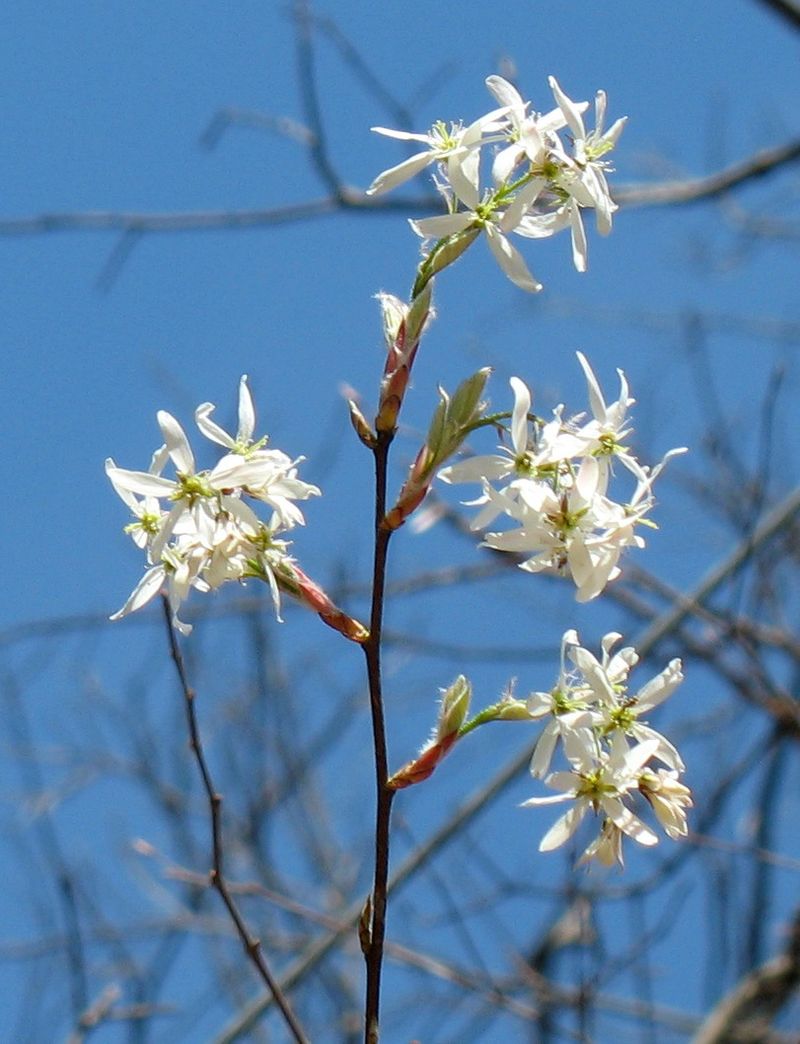
Old folklore says serviceberry earned its name by blooming just as mountain roads thawed enough for traveling preachers.
Whether that story holds up or not, those clouds of white petals in early spring feel like a celebration.
Small berries ripen by early summer, which explains another common name, Juneberry, used in many regions. They taste a bit like blueberries with a hint of almond, if you can beat the birds to them.
Robins and cedar waxwings often strip a loaded shrub in just a few busy days, so pick quickly. I usually let the birds win, because watching them feast is half the fun of growing this plant.
Downy serviceberry, the species most common in Georgia, can grow into a small tree around twenty feet tall. Canadian serviceberry stays shrubbier with several stems, making it handy for smaller yards and mixed borders.
Plant in full sun or light shade, in soil that drains well but holds some moisture between rains. Fall color arrives in warm shades of orange and red, adding one more reason to give it room.
Getting it in the ground this month helps roots grow before those early flowers demand stored energy.
Water every week or two during dry winter stretches, and keep mulch a few inches away from the trunk.
Prune only to remove crossing branches or suckers you do not want, ideally in late winter. One shrub gives you spring flowers plus summer fruit, which feels like a pretty generous deal for any yard.
5. American Beautyberry
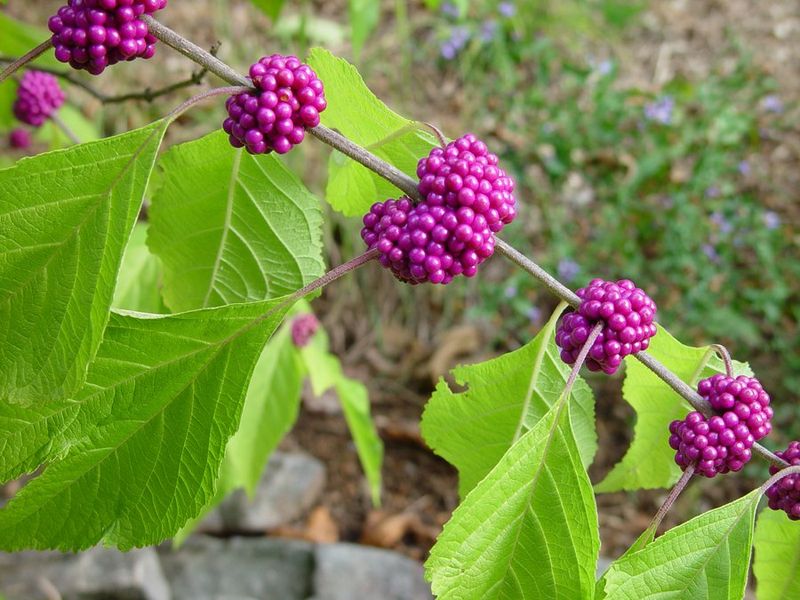
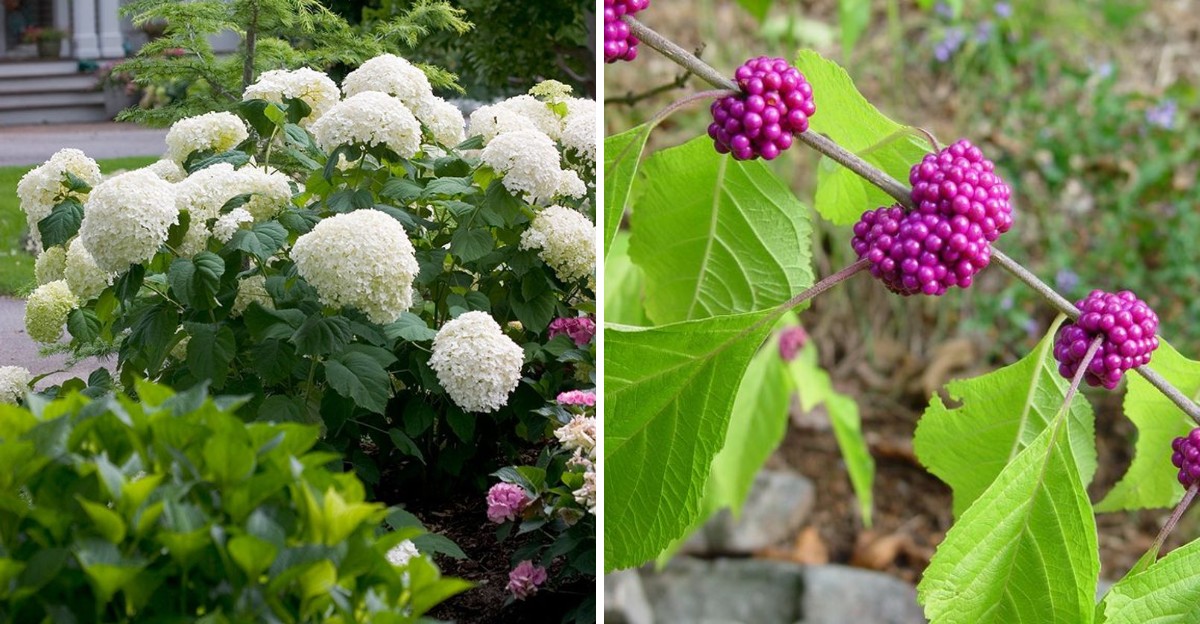
Glossy purple berries wrap around the stems in tight clusters, looking almost too bright to be real in autumn.
Friends who visit my yard in October usually ask whether someone painted those berries with a marker.
Tiny pink flowers appear along the stems in late spring and summer, but most people barely notice them. The real payoff comes later, when berries ripen from late summer into fall and feed hungry birds.
Mockingbirds and brown thrashers gobble the fruit, especially as other food sources get scarce in colder weather. Deer also nibble the leaves, so expect some browsing if they roam through your neighborhood regularly.
Folks in the South once rubbed crushed leaves on their skin to keep biting insects away. USDA researchers later identified compounds in the leaves that repel mosquitoes, which backs up the old tradition nicely.
Most shrubs grow four to six feet tall and wide, with long arching branches that sway in the breeze.
Partial shade works, but more sun means a heavier berry crop and a fuller, denser shape.
Since flowers form on new growth, you can cut stems back hard in late winter without losing next year’s berries. Many gardeners trim it to about a foot tall, and it bounces back quickly by early summer.
November planting lets roots settle in before that vigorous spring growth begins, giving you sturdier stems. Average, well-drained soil suits it fine, and it handles dry spells once roots are well established.
6. Smooth Hydrangea
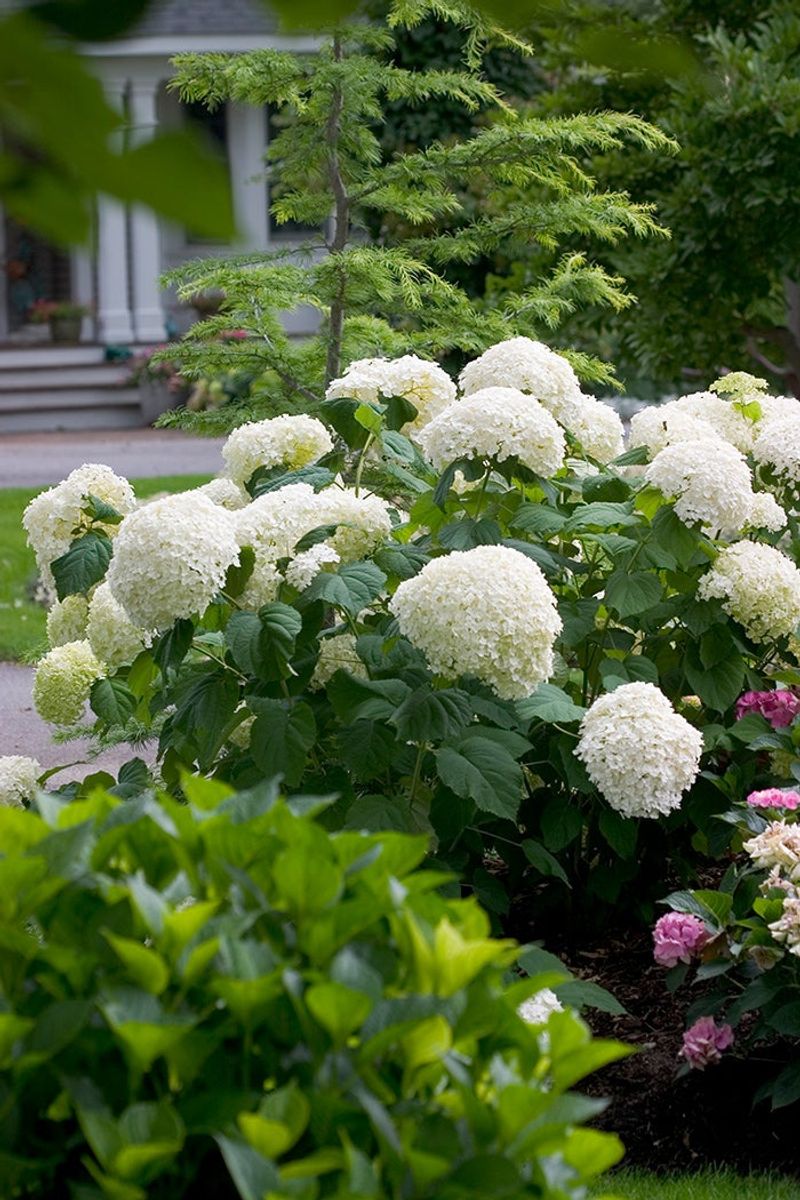
Shady corners finally get some sparkle when smooth hydrangea opens its big, rounded clusters of creamy white flowers. I like how those blooms fade to soft green as summer goes on, so the show lasts for weeks.
Wild plants grow on shaded slopes and stream banks throughout much of the state’s mountains and Piedmont.
Annabelle, the famous cultivar with huge snowball blooms, was found growing wild near the town of Anna, Illinois.
Flower color stays white no matter your soil pH, so there is no fussing with additives here. Most plants reach three to five feet tall, forming a rounded mound that spreads slowly by suckers.
Morning sun with afternoon shade works best, since harsh afternoon heat can make the leaves wilt quickly. Rich, moist soil keeps it happy, and a thick layer of mulch helps hold water during summer.
Flowers form on new wood, so you can cut stems down to a foot or so in late winter.
That simple haircut encourages fresh growth and often leads to more flowers than you had the year before.
Fall planting gives roots extra time to grow, which helps the plant handle its first hot summer more easily. Water new shrubs deeply once a week if winter rain stays light, especially in the first few months.
Bees and small beetles visit the lacy fertile flowers, especially on wild types with mixed flower heads. Floppy stems can sag after heavy rain, so look for sturdier varieties if that bothers you.
7. Strawberry Bush
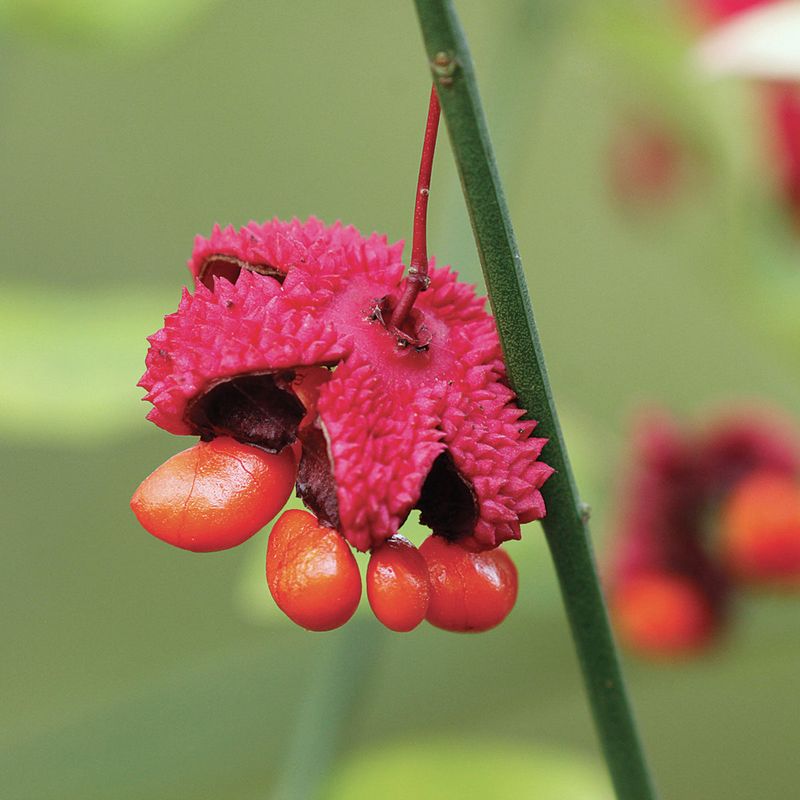
Hearts-a-bustin’ might be the most fun plant nickname in the Southern woods, and it fits perfectly. Warty pinkish-red capsules split open in fall to reveal bright orange seeds that dangle like little jewels.
The flowers in late spring are small and greenish, so most folks walk right past them without noticing.
Patience pays off, though, because the autumn fruit display stops people in their tracks along shady trails.
Green stems are another handy clue, staying colorful even in winter after the leaves have fallen. That green bark gives the shrub a cheerful look during months when most of the woods turn brown.
Expect an airy, open shrub around four to six feet tall that suits woodland gardens and shady borders. Partial to full shade works well, and moist soil rich in leaf litter mimics its natural forest home.
Deer love this plant, sometimes browsing it so heavily that it struggles to grow in unprotected yards. Wrap young shrubs with wire cages through the winter if deer often wander through your property.
Birds and wild turkeys eat the seeds, but strawberry bush fruits and seeds are poisonous to humans and should never be eaten. Keep children and pets away from them.
Plant it where you can enjoy the show from a path or window instead of a play area.
November planting works nicely, since cool weather lets roots settle before warm spring days push out new leaves.
Water during dry weeks and add a layer of shredded leaves to keep the soil cool and spongy.
8. Inkberry Holly
Bees visiting inkberry flowers produce gallberry honey, a prized light honey sold along the Southeastern coast. I had no idea this tidy evergreen played such a sweet role until a local beekeeper mentioned it.
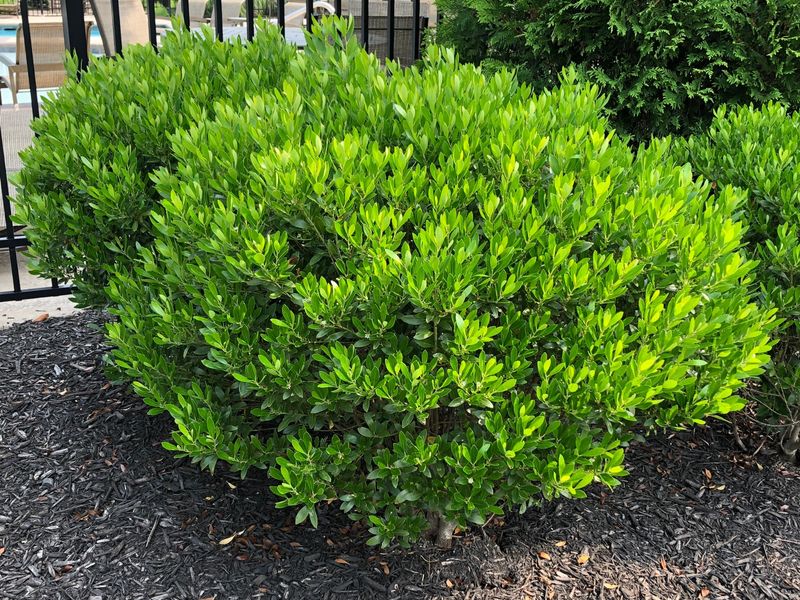
Small, glossy leaves stay green all year, giving your garden structure when deciduous shrubs go bare.
It makes a wonderful native swap for boxwood in hedges and foundation plantings around your home.
Female plants produce black berries in fall that often hang on through winter for hungry birds. You need a male plant nearby for good fruit, so ask your nursery which type you are buying.
Wild plants can reach six to eight feet and spread by suckers, forming dense colonies over time. Compact cultivars like Shamrock stay smaller, which makes trimming much easier in tight spaces near walkways.
Moist, acidic soil suits it best, and it even tolerates wet spots that would drown many other shrubs. Full sun keeps the lower branches leafy, while heavy shade can make the plant look thin and leggy.
Fall planting is ideal in Georgia, since evergreens benefit from establishing roots before summer heat arrives.
Keep the root zone moist through winter, because evergreen leaves still lose water on sunny, windy days.
Pinch or shear new growth in late winter or early spring to keep the shape dense and full. Honestly, few native shrubs give you this much year-round greenery with so little fuss in return.