The November Mowing Mistake Georgia Homeowners Should Avoid With Tall Fescue
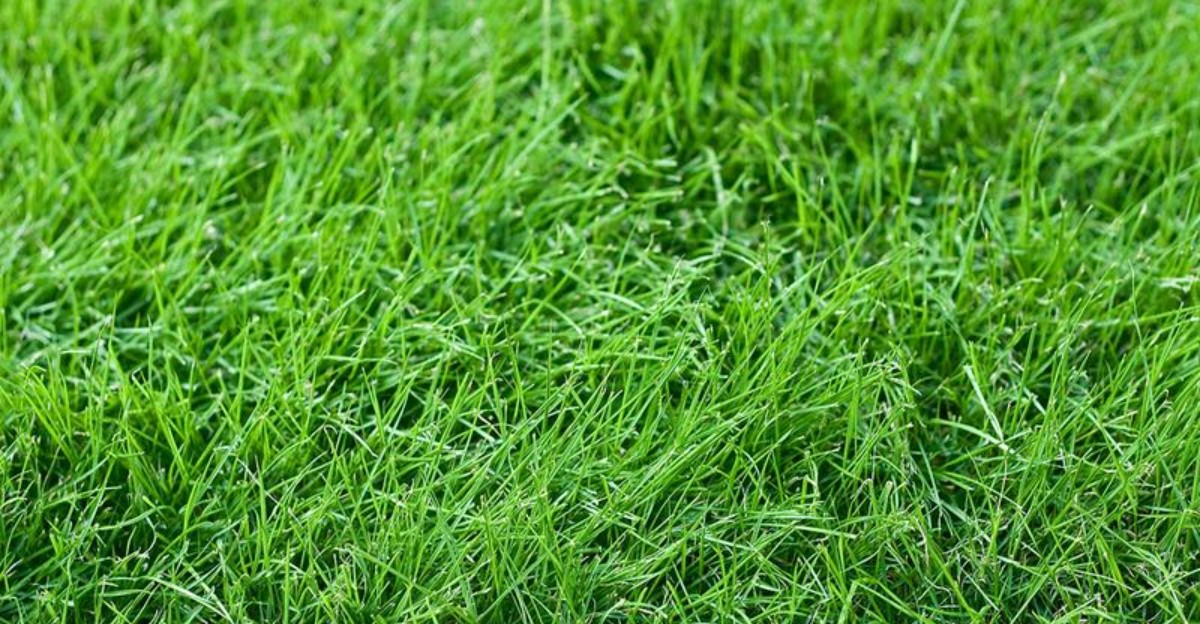
Half the lawns on a Georgia street turn the color of toast in November, while the other half look greener than they did all summer. That green bunch is no fluke.
It belongs to a cool-season grass that loves crisp days and keeps growing long after its warm-season neighbors take a nap. I find that switch delightful every single year.
Morning frost sparkles on the blades, the mower smells like fresh salad, and yard work finally feels easy again. Still, one tiny habit can undo months of fall seeding, feeding, and watering.
It usually happens on a sunny Saturday, with the best intentions, and the lawn pays for it well into spring. You probably know someone who does it, and you might even do it yourself.
The trouble starts with one common mowing mistake that can leave even a lush lawn thin and weedy by March.
1. Your Fescue Lawn Is Still Growing While the Bermuda Next Door Sleeps
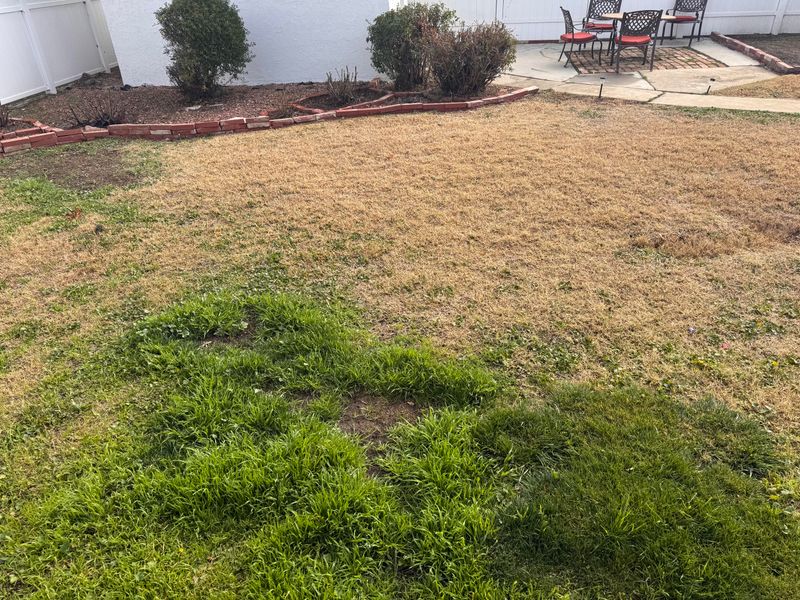
Walk down almost any suburban street in north Georgia this month and you will spot a funny contrast. Bermuda and zoysia yards have gone straw-colored, while tall fescue lawns look like they just got back from vacation.
That difference matters more than most people realize. Warm-season grasses shut down when soil cools, so mowing them in November is mostly about tidying up.
Tall fescue is a cool-season grass, and it grows best when air temperatures sit roughly between 60 and 75 degrees.
In other words, fall is fescue’s favorite season. The blades are still making food, and the roots are busy rebuilding after a hot, stressful summer.
Many homeowners seeded or overseeded in September or October, so young grass is also trying to settle in before winter.
I love this part of the year for that reason. Your lawn is working hard while the neighbors’ yards rest.
The catch is simple. When you treat a growing grass like a sleeping one, trouble follows.
The mowing habits that suit a dormant Bermuda lawn can quietly weaken fescue at the exact moment it needs its energy most. Knowing which grass you have is the first step to mowing it the right way.
2. Scalping Tall Fescue Before Winter Is the Big Mistake
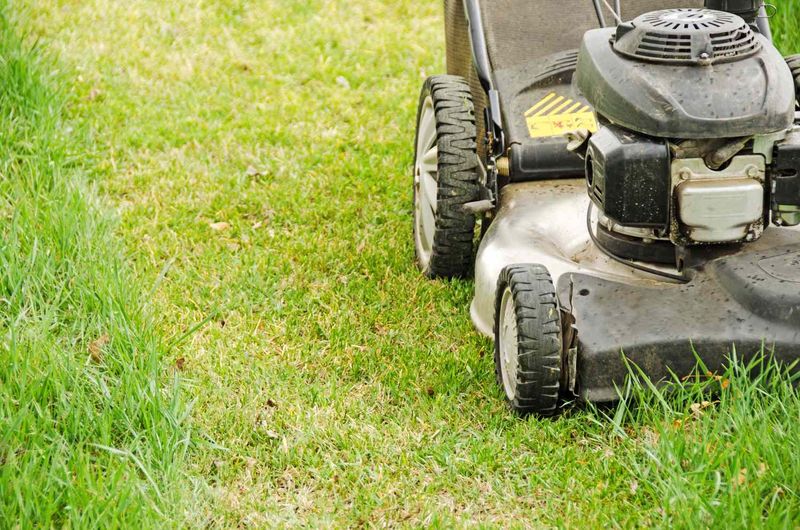
Here it is, plain and simple. The November mistake is cutting tall fescue too short, often with one final low pass meant to make the yard look neat for the holidays.
Lawn pros call this scalping. The mower deck drops a notch or two, the clippings fly, and the yard looks crisp for about a day.
Underneath, the grass just lost a big chunk of the leaf tissue it uses to make food.
University of Georgia turf specialists warn against mowing tall fescue below its recommended height. A scalped fescue lawn has fewer blades to capture sunlight, weaker roots, and more bare soil showing.
That open soil is an invitation for winter weeds like annual bluegrass, chickweed, and henbit.
Some folks borrow the habit from warm-season lawns. Low mowing in late winter or spring can make sense for Bermuda, but fescue does not play by those rules.
I get the appeal of a fresh, short cut. It feels like closing the books on lawn season.
For fescue, though, the season is not over, and a buzz cut now can mean thin, patchy turf when spring arrives. Keeping the deck up is the single best favor you can do for your yard this month.
3. Set Your Mower Deck Between 2 and 3 Inches for Fescue
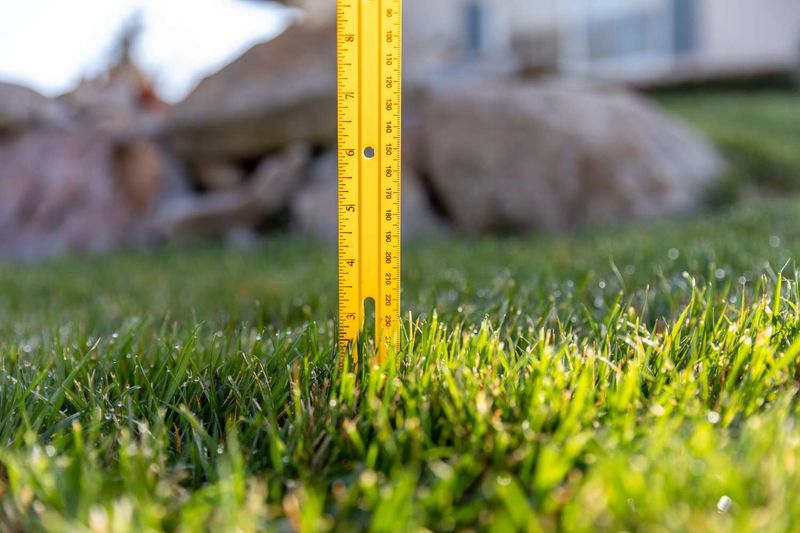
Grab a ruler before you grab the mower. It sounds fussy, but checking the actual cutting height takes two minutes and saves a lot of guessing.
The University of Georgia generally recommends mowing tall fescue at 2 to 3 inches, with taller heights around 3 inches or slightly more often preferred during periods of stress.
Either way, the message is the same: stay out of the low range.
Mower settings can fool you. A lever marked 3 may cut closer to 2 inches on bumpy ground, so measure a freshly mowed spot from soil to blade tip.
Set the deck on a flat driveway first and check all four wheels.
Personally, I keep a cheap tape measure in the garage just for this job. One quick check each fall keeps me honest.
If your yard is mixed, with fescue in the shade and Bermuda in the sun, mow the whole thing at fescue height. The Bermuda is dormant anyway and will not mind.
Your fescue patches will thank you with thicker, greener growth all season long.
4. Taller Fescue Blades Quietly Feed the Roots All Winter
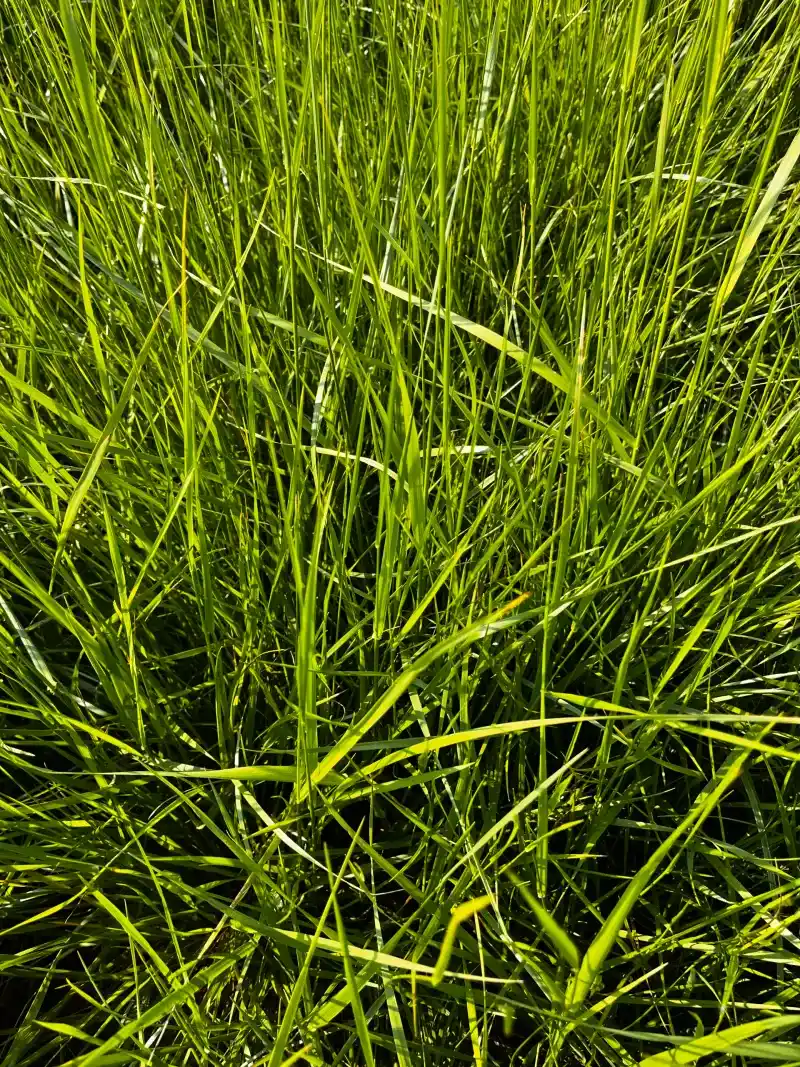
Grass blades are tiny solar panels. Every extra half inch of green gives tall fescue more surface to catch sunlight, and that matters when November days get short.
Fescue turns sunlight into sugars, then sends much of that energy downward in fall. Those stored reserves help roots grow, recover from summer heat, and survive cold snaps.
Cut away too much leaf, and the plant has less fuel to work with.
Height helps in other ways too. A taller canopy shades the soil, which slows evaporation and keeps roots from drying out on windy winter days.
It also crowds out sunlight that weed seeds need to sprout, so fewer winter weeds take hold.
Disease pressure plays a part as well. Stressed, thin grass tends to struggle more with fungal problems once the weather turns wet and mild in late winter and spring.
I like to think of it as packing a lunch for the lawn. You would not send a hiker out for a long winter trek with an empty backpack.
Leaving your fescue tall in November gives it a full pantry for the cold months ahead, and the roots get to keep growing whenever the soil stays above freezing.
5. Stick to the One-Third Rule Every Time You Mow Fescue
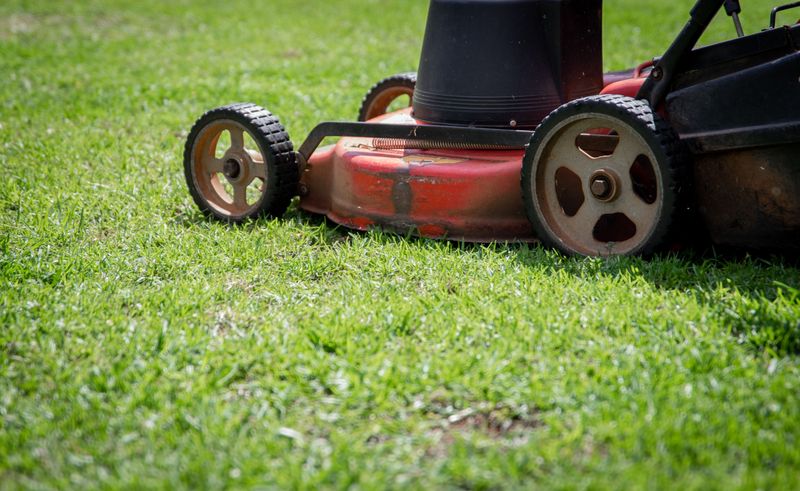
Rainy weeks and busy weekends happen. Suddenly your fescue is five inches tall, and the temptation is to whack it down in one go.
Turf experts follow a simple guideline called the one-third rule. Remove no more than one-third of the blade length in a single mowing.
If you want to keep grass at 3 inches, mow it once it reaches about 4.5 inches.
Cutting more than that shocks the plant. Growth slows, roots stop expanding for a while, and the lawn can look yellow or stemmy afterward.
A big cut also leaves heavy clumps of clippings that can smother the turf underneath.
So what do you do with an overgrown yard? Raise the deck to its highest setting and mow.
Wait several days, then lower it a notch and mow again until you reach your target height.
Fescue growth slows as November rolls on, so you may mow every 7 to 10 days early in the month and less often by Thanksgiving. Let the grass set the schedule rather than the calendar.
Fine clippings can stay on the lawn, too. They break down quickly and return nutrients to the soil, which is a nice little bonus for zero extra work.
6. Sharp Mower Blades Keep Fescue Tips From Turning Ragged and Brown
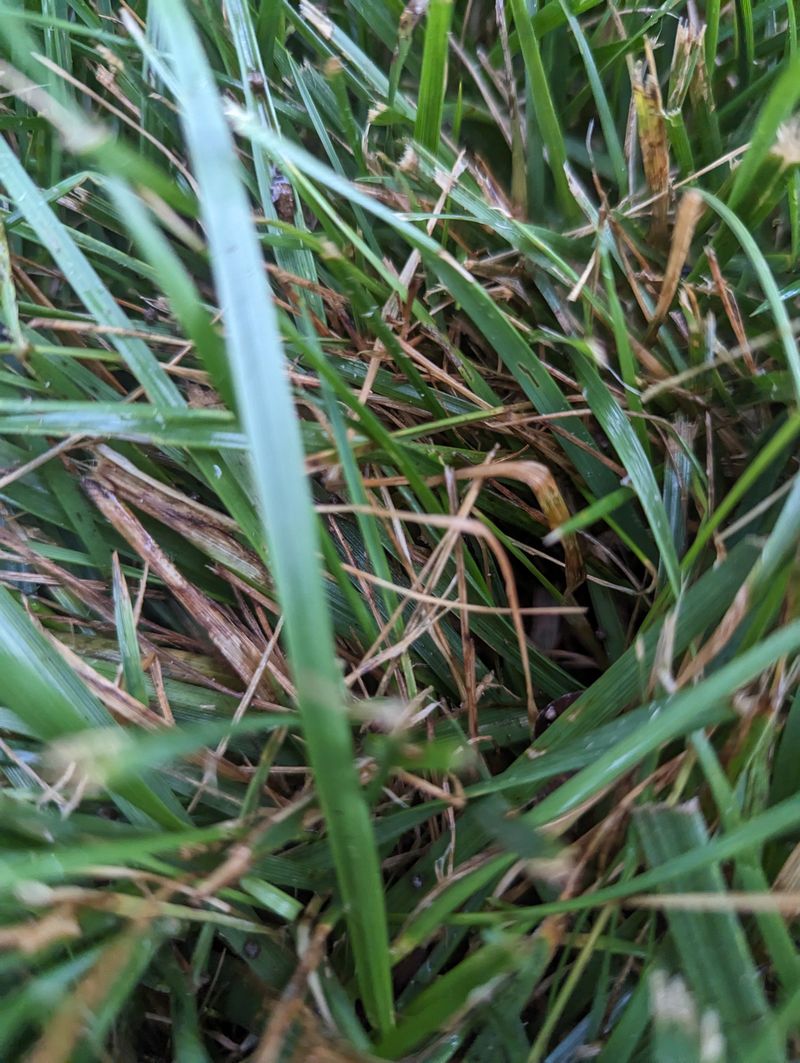
Take a close look at a grass tip after you mow. If it looks frayed, like a split piece of string, your blade is overdue for some attention.
Tall fescue has thick, tough leaves, and dull blades tear them instead of slicing cleanly. Those shredded tips turn brown within a few days, giving the whole yard a dull, grayish cast.
Torn tissue also loses more moisture and gives fungal problems an easy way in.
Most homeowners do fine sharpening blades once or twice a year. If you mow sandy soil or hit sticks often, check them more frequently.
A hardware store or small-engine shop can handle it if you would rather not do it yourself.
Safety first, of course. Disconnect the spark plug wire or remove the battery before you touch the blade, and wear sturdy gloves.
A few other habits help too. Mow when the grass is dry, since wet fescue clumps and tears.
Skip mowing when frost coats the lawn, because frozen blades crush and bruise under wheels and feet. Wait until the sun melts it off, usually by late morning, then head out for a clean, easy cut.
7. Fallen Oak Leaves on Your Fescue Lawn Need Mulching Right Away
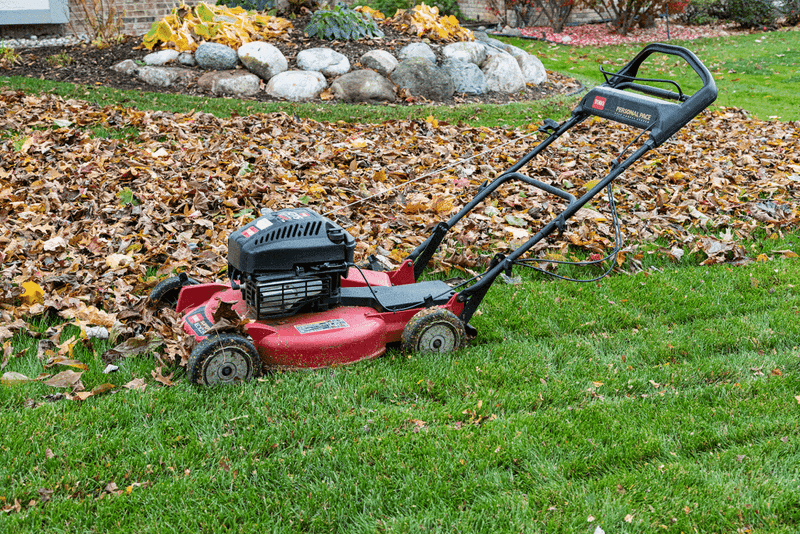
Oaks, maples, and sweetgums put on a big show across north Georgia in November. Then they drop everything right on top of your green lawn.
A thick leaf blanket blocks sunlight from fescue at the moment it most needs it. Wet, matted leaves also trap moisture against the grass, which can lead to thinning and fungal trouble.
A week or two of heavy cover can leave yellow patches behind.
Your mower is the easiest fix. Mulching leaves into small pieces lets them slip down between the grass blades, where they break down and feed the soil.
Michigan State and other university turf programs have found that mulched leaves can work nicely in lawns when shredded finely.
Keep the deck at your normal fescue height while you do this. Lowering it to suck up leaves is one of the sneakiest ways homeowners end up scalping their grass by accident.
If the layer is too deep to mulch, rake or bag some of it first. Extra leaves make great compost or garden bed mulch.
I keep a pile behind the shed, and by spring it turns into dark, crumbly material my vegetable beds adore.
8. A Taller Tall Fescue Lawn Pays You Back Come Spring
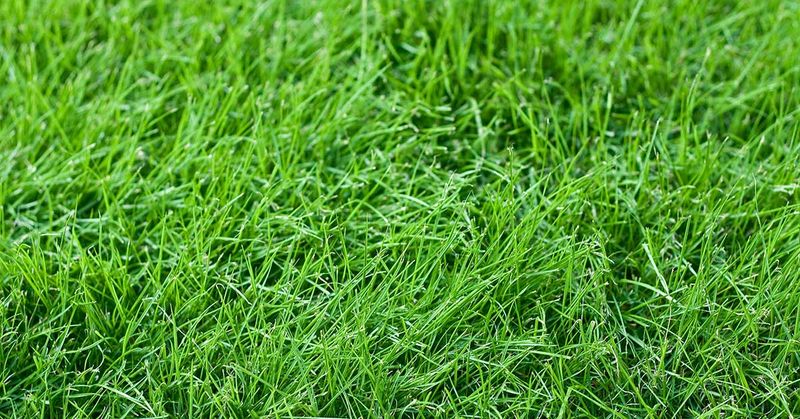
Patience in November turns into bragging rights in April. A fescue lawn that heads into winter tall, healthy, and well fed tends to green up thicker and with fewer weeds.
To build on that, pair smart mowing with a few next steps. UGA Extension recommends fertilizing tall fescue mainly in fall, with feedings in September and again in October or November.
Get a soil test through your county Extension office so you apply only what the lawn needs.
Keep an eye on winter weeds too. If annual bluegrass was a problem last year, a preemergent applied in early fall would have been ideal, so jot a reminder on next year’s calendar.
Spot-treat broadleaf weeds on mild days, following label directions carefully, especially on newly seeded areas.
As December arrives, growth slows way down. You may only mow a couple of times all winter, mostly to tidy up and catch leaves.
My favorite takeaway is how small this change really is. Raise the deck, measure once, keep blades sharp, and resist that final low cut.
Your neighbors may wonder what secret product you used when your yard glows bright green next spring, and you can just smile and point at the mower.