9 Things In Your Garage That Protect Arizona Plants Better Than Store-Bought Frost Cloth
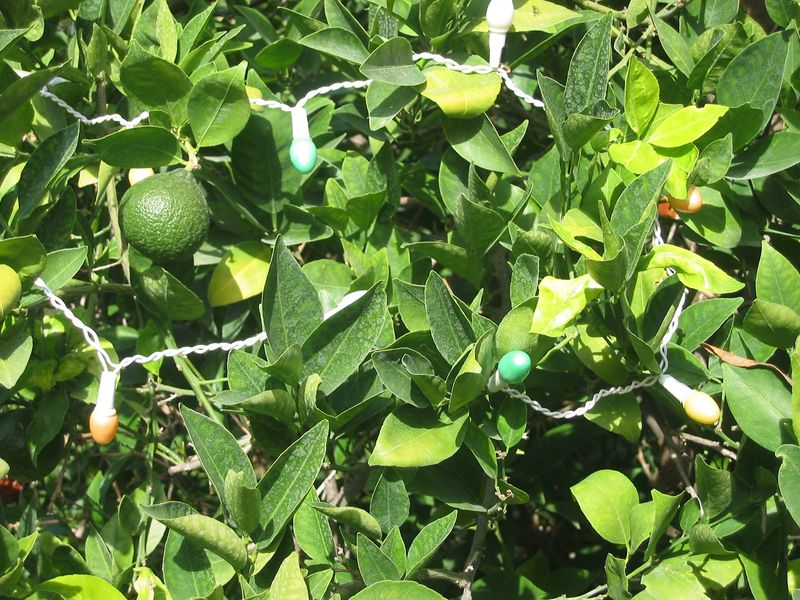
An old-fashioned C9 holiday bulb burns about seven watts, and most of that energy leaves as gentle heat. That forgotten box of lights in your garage might rescue more plants than you expect this winter.
Desert nights can drop below freezing even after scorching Arizona afternoons, because dry air lets warmth escape quickly. Clear skies make that heat loss even faster, so tender plants can suffer by sunrise.
I have to admit that I once bought fancy covers and still ended up raiding my own garage shelves. You might notice the best tools for chilly nights are already sitting there, collecting dust beside the paint cans.
October is the perfect month to gather these supplies, long before the first cold snap reaches Arizona yards. So which forgotten treasure in your garage deserves a promotion to plant bodyguard this season?
1. Old Blankets And Quilts
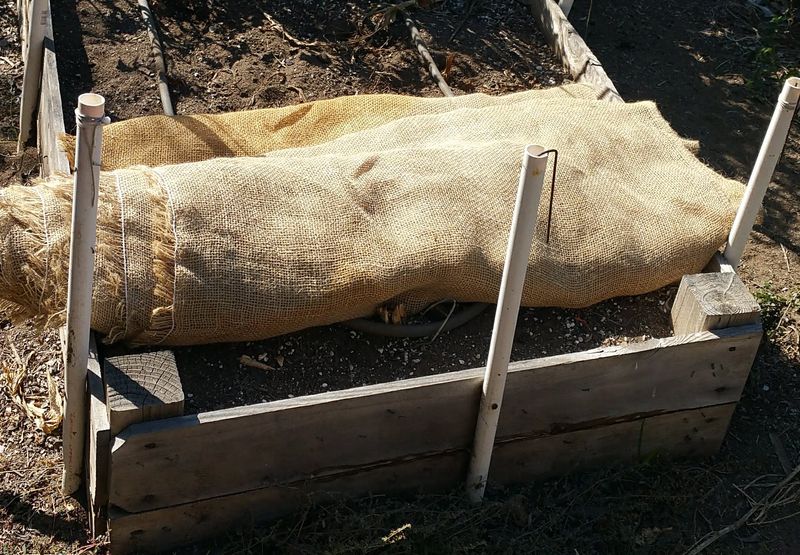
That faded quilt from your college dorm has one more job left, and honestly it handles the role beautifully. Soil soaks up sunshine all day, then releases that stored warmth slowly once the desert sun disappears.
A thick blanket catches that rising warmth and holds it around leaves, often adding a few precious degrees overnight. I love how something so ordinary can make the difference between crisp leaves and happy green growth.
The trick is letting the fabric reach the ground on every side, so warmth cannot sneak out underneath. Think of it like a tent, not a scarf, because a wrapped trunk alone leaves the soil heat unused.
Set a few stakes or tomato cages first, since fabric resting on leaves can pass cold straight through. Wet blankets also get heavy and chilly, so check the forecast for rain before you cover anything.
Remove the quilt each morning once temperatures climb above freezing, ideally before the sun warms things up much. Leaving it on too long can overheat plants and nudge them into soft new growth that frost loves.
Store-bought frost cloth may handle harder freezes, but a free blanket covers most mild desert nights surprisingly well.
2. Cardboard Boxes
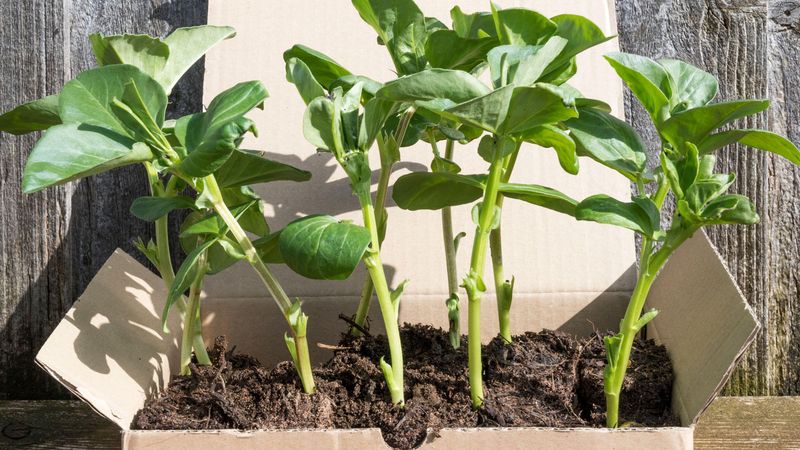
Those leftover shipping boxes stacked by your recycling bin are secretly tiny insulated houses for small plants. Corrugated cardboard traps pockets of air between its layers, and still air slows heat loss nicely.
Personally, I keep a few flattened boxes tucked behind the garage door from October through early spring. They pop open in seconds when a surprise cold night shows up on the evening weather report.
Flip a dry box over seedlings, young peppers, or small succulents before sunset while the ground still feels warm. Place a rock or brick on top, because desert breezes can toss an empty box across the yard.
Size matters here, so pick a box that leaves some breathing room above the tallest leaves inside. Cramped plants pressed against cardboard walls can still get nipped where they touch the cold surface.
Pull the boxes off by sunrise so moisture does not collect and plants get their full share of light. Soggy cardboard loses strength quickly, so swap in fresh boxes after any damp night or light drizzle.
When the season ends, the boxes head into your compost pile and become food for hungry soil.
3. Plastic Milk Jugs And Foam Cups
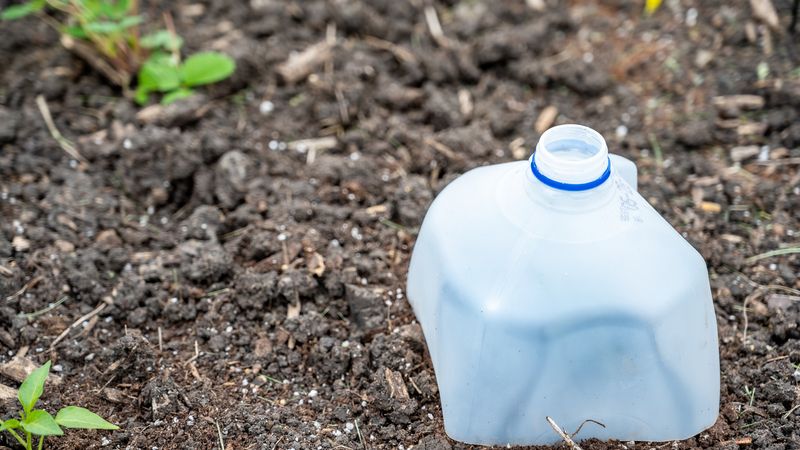
Few things make me grin like a row of cut milk jugs standing guard over baby lettuce. Each jug works as a mini cloche, a little dome that holds warmth around one small plant.
Cut off the bottom, keep the cap handy, and press the jug gently into the soil around your seedling. Buckets, old nursery pots, and storage bins work the same way for slightly larger plants in the yard.
Columnar cacti get their own clever trick, borrowed from longtime desert gardeners and local extension advice. Foam cups placed over the tender growing tips help shield the spot where new growth starts each spring.
You need to secure tall cups with a bit of tape or a loose rubber band during windy evenings. Otherwise, you might find them scattered across the neighborhood like confetti after a lively party.
Every covering should come off in the morning, since trapped sunshine under plastic can cook leaves fast. Unscrewing jug caps during mild afternoons also lets extra moisture escape without removing the whole shelter.
Rinse and stack the jugs after winter, because they nest neatly together on a garage shelf until next year.
4. Burlap Sacks

Burlap has a rugged farmhouse charm, but its real superpower is the loose weave that lets plants breathe. Air slips through those gaps, so moisture does not build up the way it does under plastic sheeting.
I believe old coffee sacks or feed bags are some of the most underrated items hiding in any garage. They handle rough desert weather, shrug off thorns, and stay useful season after season with very little care.
Young citrus trunks benefit most, because thin bark on new trees struggles when temperatures dip below freezing. Wrap several loose layers from the soil line up to the first branches for steady protection all winter.
That trunk wrap can stay in place through the cold months, which saves you from nightly wrestling matches. Many desert gardeners leave it on from mid-November until mid-February, then remove it once frost danger passes.
For shrubs, drape burlap over stakes so it stays off the leaves and reaches all the way down. Pairing it with a blanket on colder nights adds extra insulation without blocking the airflow plants appreciate.
Shake out spiders and dust before using stored sacks, since garage corners often host a few uninvited tenants.
5. Incandescent Holiday Lights
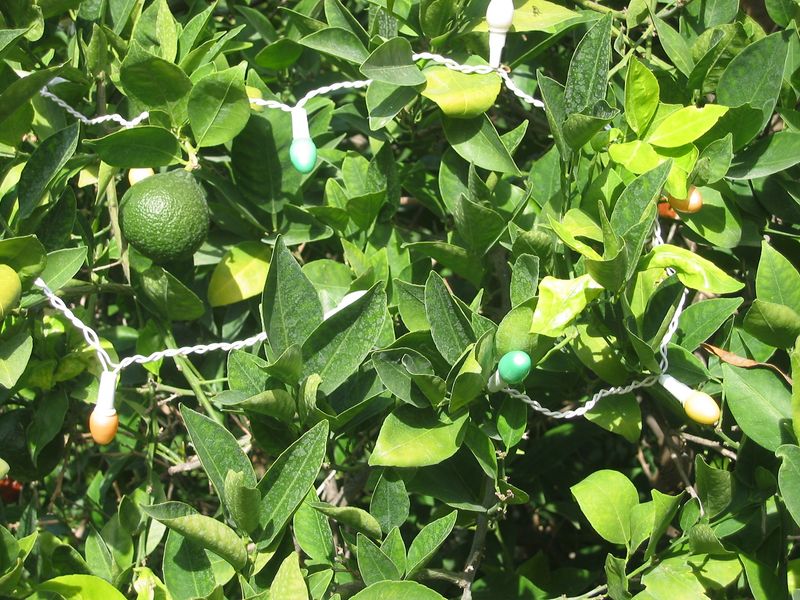
Modern LED strands sip power and stay cool, which is exactly why the old bulbs win this contest. Classic incandescent holiday lights waste energy as heat, and your shivering lemon tree will happily accept it.
String those warm bulbs loosely through the branches, then cover the plant with a blanket or burlap. The trapped glow builds a cozy pocket that insulation alone struggles to match on colder nights.
Honestly, this is where garage supplies can outperform plain frost cloth, because fabric only holds heat already there. Bulbs actually add new warmth, which matters most when temperatures sink into the low twenties overnight.
Safety comes first, so use strands rated for outdoor use and plug them into a protected outdoor outlet. Keep bulbs from pressing directly against fabric, and inspect cords for cracks before the season begins.
October is an ideal time to test old strands and replace any burnt bulbs before you need them. You might be surprised how many tangled boxes of these lights are sitting forgotten behind holiday decorations.
Bonus points come in December, when your citrus doubles as a glowing holiday display for passing neighbors.
6. Stacks Of Old Newspapers

Somewhere in your garage, a dusty pile of newspapers is waiting for a purpose beyond packing fragile dishes. Paper fibers trap tiny pockets of air, which makes newspaper a modest but handy insulator for small plants.
I have to admit it is not the strongest option on this list, and frost cloth beats it during harder freezes. Still, a few loose layers can buy a couple of degrees on a mild night when nothing else is handy.
Crumple some sheets loosely around the base of tender plants, then drape flat pages over the tiniest seedlings. Loose layers hold more air than tight wrapping, so resist the urge to pack everything down firmly.
Weigh the edges with rocks or a scoop of soil, since even gentle breezes love chasing loose paper. Wet newspaper turns soggy and cold, so skip it on rainy evenings and grab something sturdier instead.
Morning removal keeps sunlight flowing, and the used paper can head straight into your compost bin afterward. Black and white pages break down easily, while glossy inserts are better sent to regular recycling.
Think of newspaper as your emergency backup, the friend who shows up when better covers are already in use.
7. Foam Pipe Insulation
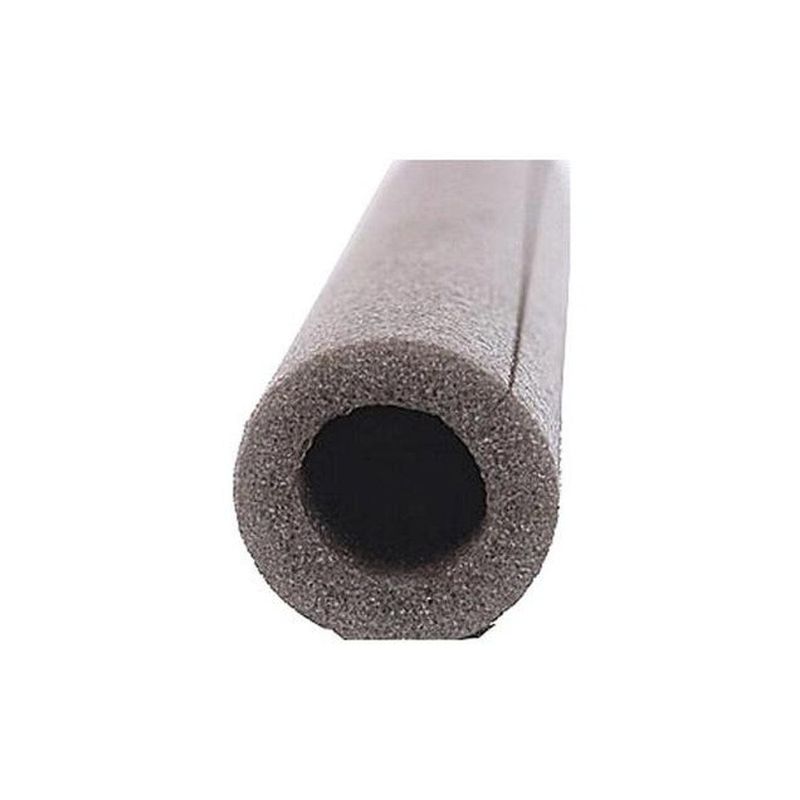
Leftover foam tubes from a plumbing project might be the smartest gift you ever give a young citrus tree. Gray pipe insulation slips around skinny trunks and guards bark that has not yet thickened with age.
Protecting the trunk matters because the graft union sits low, and harm there can ruin the grafted variety. If the rootstock survives alone, you might end up with sour fruit instead of the sweet oranges you planted.
Fit the foam from the soil line up to the first main branches, keeping it snug but not squeezing. Slit tubes open easily, and a little tape or twine holds the seam closed through windy desert nights.
What surprises me most is how little effort this takes compared with nightly blanket duty during long cold spells. Once installed, the wrap can stay on through winter, then come off when warm spring days return.
Check underneath occasionally for ants or trapped moisture, especially after rare winter rains soak the yard. A quick peek keeps bark healthy and lets you catch any problems before they quietly spread.
Save the tubes afterward, because they last for several seasons when stored out of the sun.
8. Incandescent Work Lights
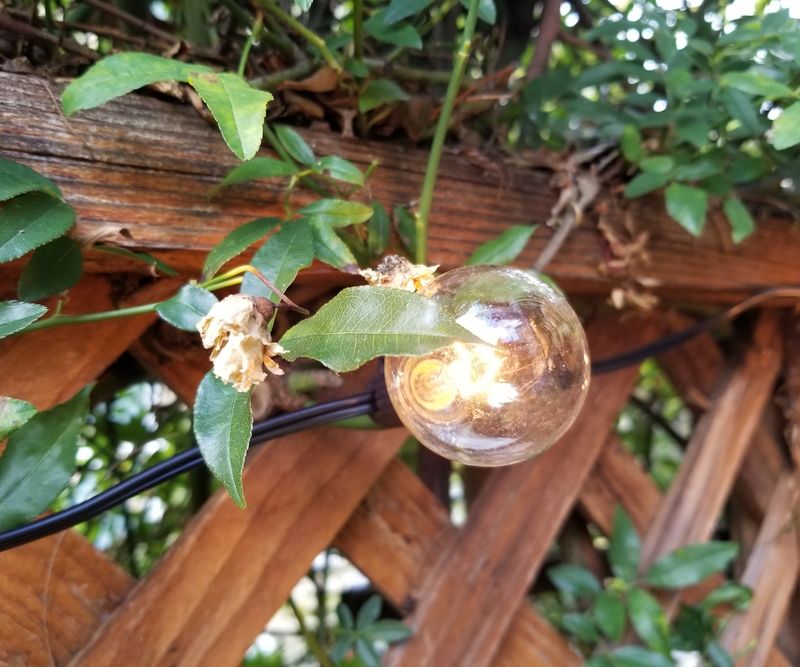
That caged trouble light hanging on a garage hook was built for mechanics, yet plants appreciate it too. An old incandescent work light glows warm enough to lift temperatures under a cover on frosty nights.
Hang the light from a stake or branch inside a blanket tent, keeping it well away from the fabric. I like how one bulb can warm a whole bougainvillea pocket better than insulation working alone.
Unlike holiday strands, a single work light delivers concentrated heat, which suits one prized plant rather than a hedge. Choose a lower wattage bulb for small spaces, since too much warmth under fabric creates its own problems.
Safety deserves real attention here, so use outdoor-rated extension cords and keep connections off damp ground. Many gardeners add a simple outdoor timer, letting the light switch on during the coldest predawn hours.
Coldest temperatures usually arrive just before sunrise, so that late window matters more than early evening. Planning ahead in October gives you time to find bulbs, since incandescent options are harder to buy now.
Turn the light off and lift the cover each morning, then let your plant soak up the sunshine.
9. Heavy Old Curtains
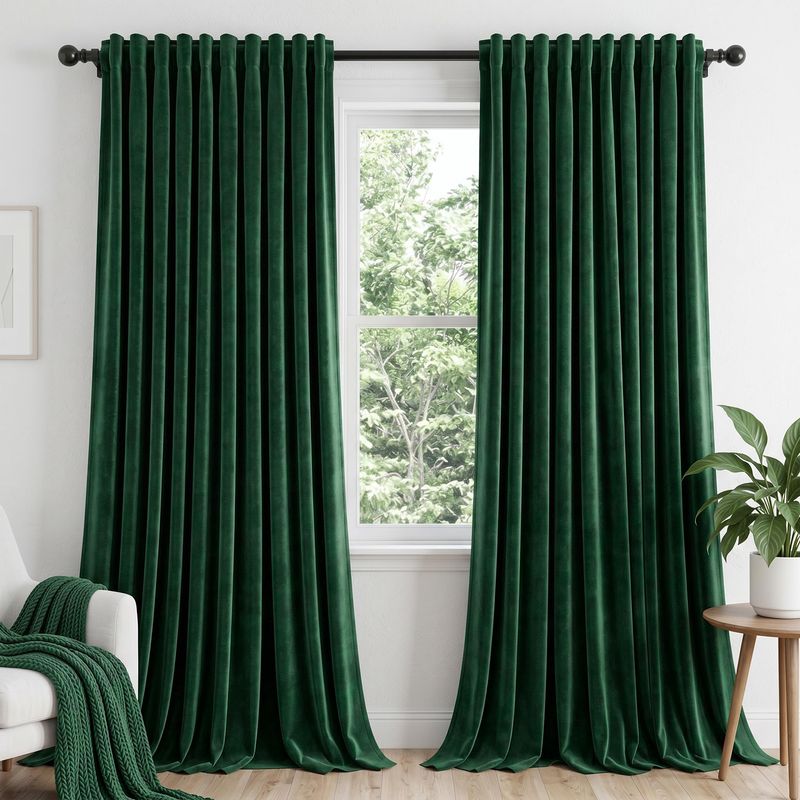
Those heavy velvet drapes from an old living room makeover were made to block chilly drafts, so let them. Dense curtain fabric holds warmth better than thin bedsheets, making it great for bigger shrubs on cold nights.
Personally, I find blackout curtains especially handy, because their thick backing traps ground heat like a cozy lid. Larger panels can cover an entire lantana or hibiscus without needing several smaller pieces pinned together.
Build a simple frame from stakes, PVC pipe, or patio chairs so the weight stays off delicate branches. Heavy fabric pressing down can snap stems, which undoes all the good work your cover was meant to do.
Let the edges drape all the way down to the soil, then pin them with bricks or garden staples. Gaps near the ground let warmth escape, and that defeats the whole purpose of using dense material.
Morning removal matters even more here, since thick curtains heat up quickly once the sun climbs higher. Plants also need daylight to keep growing, so fold the panels away until the next chilly forecast arrives.
Thrift stores sell old drapes cheaply too, which makes stocking up an easy October errand for savvy gardeners.