What Standard Michigan Soil Tests Can Miss When Plants Suddenly Wilt Overnight
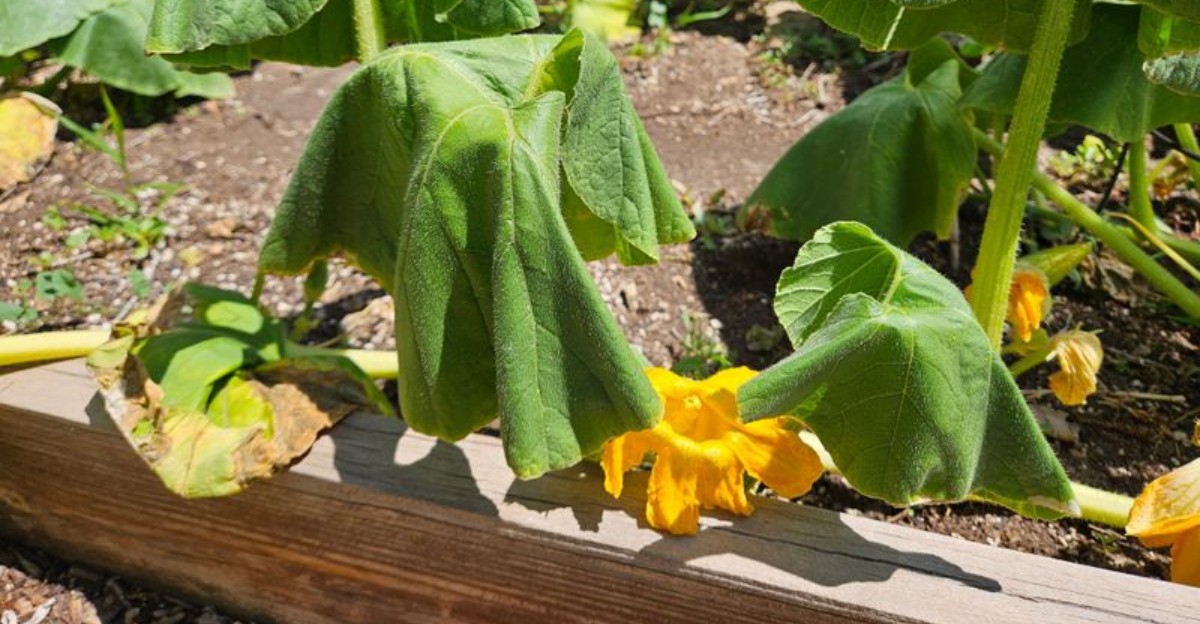
A plant can sit in perfectly moist soil and still wilt like it has not seen water in weeks. That strange sight puzzles plenty of gardeners, and I have stared at a few droopy tomatoes myself with total confusion.
A basic soil test from Michigan State University Extension is a fantastic tool. It reports pH, phosphorus, potassium, calcium, magnesium, and organic matter.
What it does not look for are fungi, bacteria, root-chewing insects, or stray weed sprays drifting over the fence.
I know how frustrating it can be when a healthy plant flops by breakfast. The real question is what changed so fast.
Slow nutrient problems rarely cause overnight collapse, so the answer usually sits somewhere a soil report cannot see. So where do you look when the numbers say fine but the leaves say otherwise?
1. Tomato Stems Can Hide A Clog You Cannot See From Outside
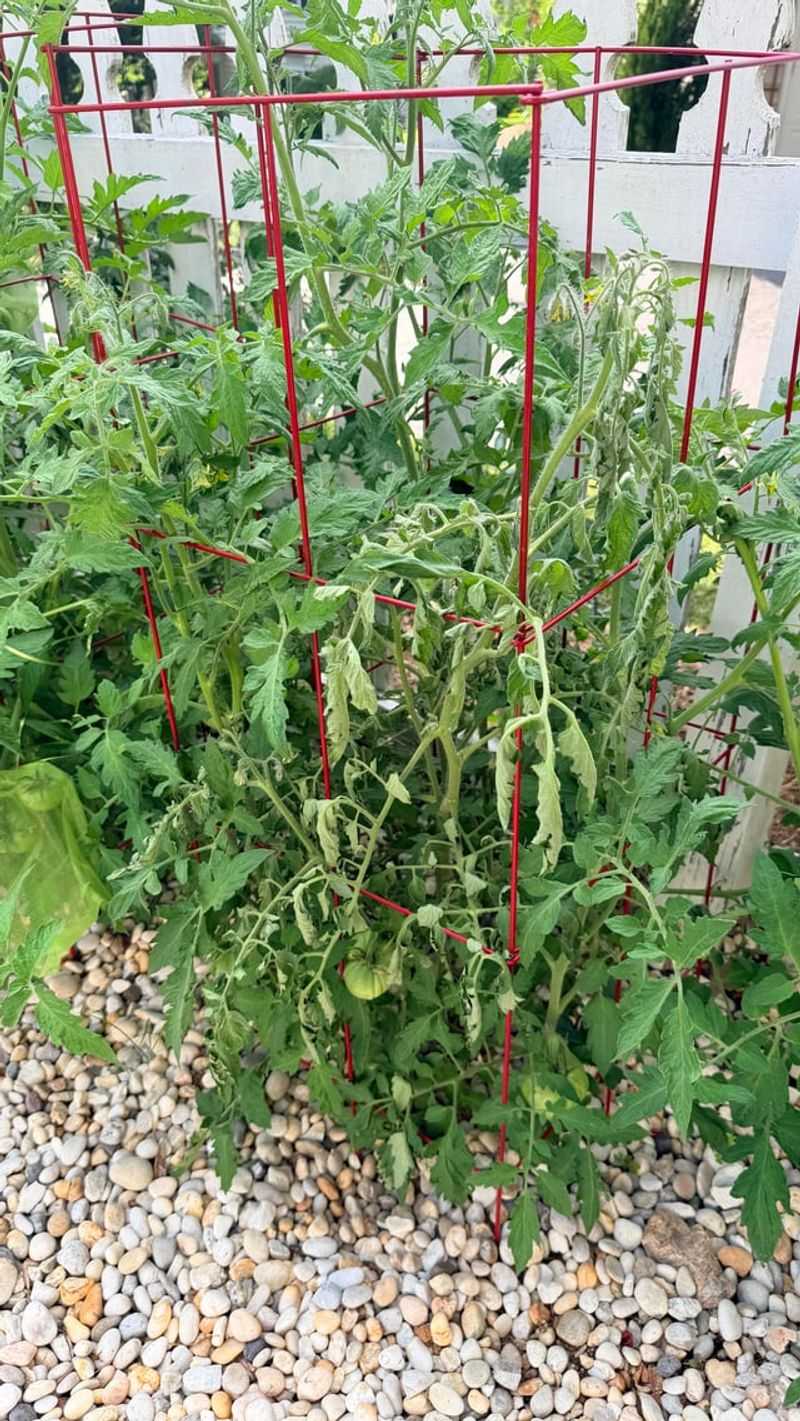
Slice a wilted tomato stem near the soil line, and you might spot thin brown streaks running through the pale inner tissue. Those streaks are often the calling card of a vascular wilt disease.
Fungi and bacteria in this group move into the plant’s water-carrying tubes and plug them up. Water sits right there in the soil, yet the plant cannot pull it upward. It works a lot like sipping through a straw packed with gunk.
Verticillium wilt is one of the best-known examples in the Great Lakes region. The fungus lives in soil for many years, enters through roots, and frequently causes wilting on just one side of a plant or one branch at a time.
Maples, redbuds, roses, potatoes, eggplants, and tomatoes are common hosts. A standard nutrient test does not screen for any of this. The soil can look balanced on paper while the pathogen quietly waits for its next host.
Watch for leaves that wilt in afternoon heat and perk up at night, then slowly stop recovering. Pull off yellowing leaves, avoid replanting the same crop family in that spot, and pick resistant tomato varieties labeled with a V on the seed packet.
2. Mushy Brown Roots Tell A Story That Soggy Soil Started
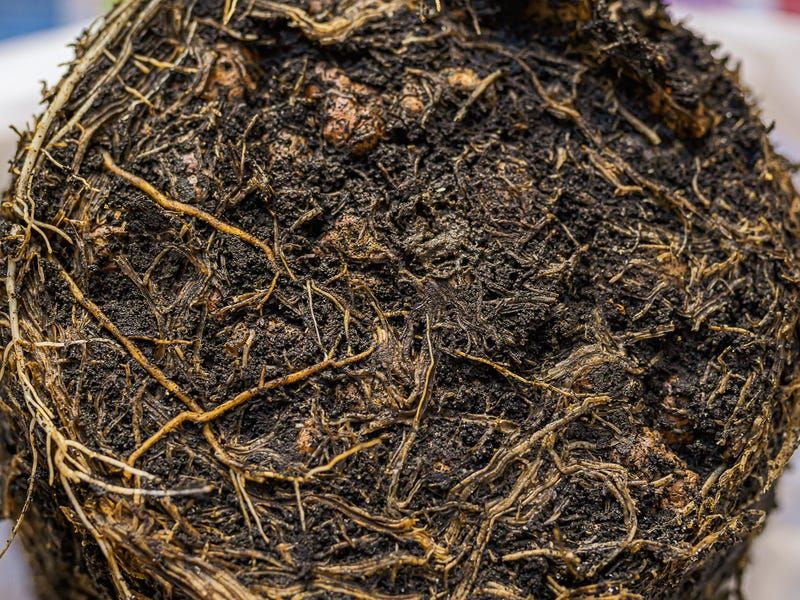
Here’s something that surprises a lot of folks. Too much water can make a plant wilt just as dramatically as too little.
When soil stays soaked, roots run short on oxygen and start to struggle. Water molds such as Pythium and Phytophthora love those conditions and attack weakened roots fast.
Healthy roots look white or tan and firm, while rotted ones turn brown, dark, and soft enough to slip apart in your fingers.
Michigan has plenty of heavy clay, especially across parts of the Lower Peninsula, and spring rains can leave beds waterlogged for days. Raised beds and containers without drainage holes can cause the same trouble on a smaller scale.
A soil fertility test will report organic matter and nutrients, but it will not flag poor drainage or root-rotting organisms. You have to check that yourself.
Gently ease a struggling plant out of the ground or pot and look closely at the roots. If they smell sour and feel slimy, cut back on watering and improve drainage with compost or raised planting areas.
For valuable shrubs or perennials, a sample of the roots sent to a diagnostic lab can confirm exactly which organism is involved.
3. Squash Vine Borers Love Hollowing Out Healthy Stems
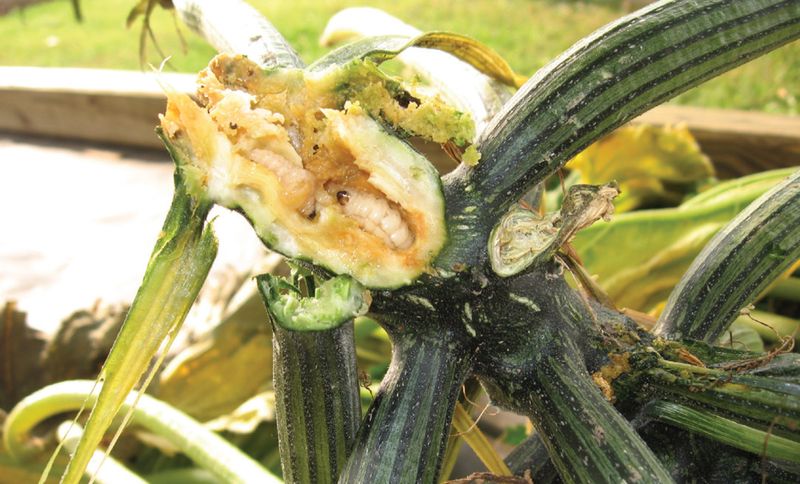
One sunny July morning, a zucchini can look magnificent. By the next afternoon, the whole vine may be flat on the ground.
A common culprit in Michigan gardens is the squash vine borer. The adult is a day-flying moth with orange and black markings that looks a bit like a wasp.
It lays eggs near the base of squash and pumpkin plants, and the hatching larvae tunnel straight into the stems.
Inside, the fat white caterpillars chew through the tissue that carries water. The plant wilts quickly even when the soil is damp. Look for small holes near the base and a pile of yellowish, sawdust-like material called frass.
Soil tests do not detect insects, so this one comes down to your own detective work. Check the lower stem every few days in early summer.
If you find a borer, some gardeners carefully slit the stem lengthwise, remove the larva, and bury the wounded section in moist soil so it can root again.
Floating row covers placed early in the season can keep moths away, as long as you lift them when flowers need pollinators.
4. Cucumber Beetles Can Carry A Wilt Straight Into Your Garden
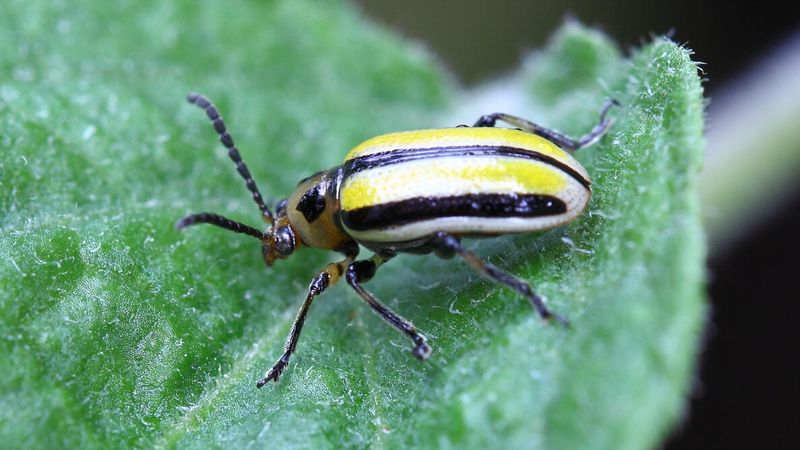
Small, striped, and sneaky, cucumber beetles do more than nibble leaves. They can deliver a bacterial disease that makes cucumbers and melons wilt shockingly fast.
Bacterial wilt spreads when beetles feed on infected plants and then move to healthy ones. The bacteria multiply inside the plant’s water tubes and block the flow. Leaves droop on one vine at first, and soon the entire plant may collapse.
A handy home trick can help you check. Cut a wilted stem, press the two cut ends together, then slowly pull them apart. Sticky, stringy strands that stretch between the pieces often point to bacterial wilt, though a lab can confirm it.
Since the disease lives in the beetle, not your soil chemistry, a soil test has no way of catching it. Infected plants do not recover, so pulling them promptly helps reduce spread.
Prevention works best. Scout for yellow and black striped or spotted beetles as seedlings emerge. Row covers on young plants, yellow sticky traps, and handpicking beetles in the cool morning hours can make a real difference.
Some cucumber varieties also show better tolerance, so check seed catalogs before next season.
5. Curled Leaves After A Breezy Day Might Mean Herbicide Drift
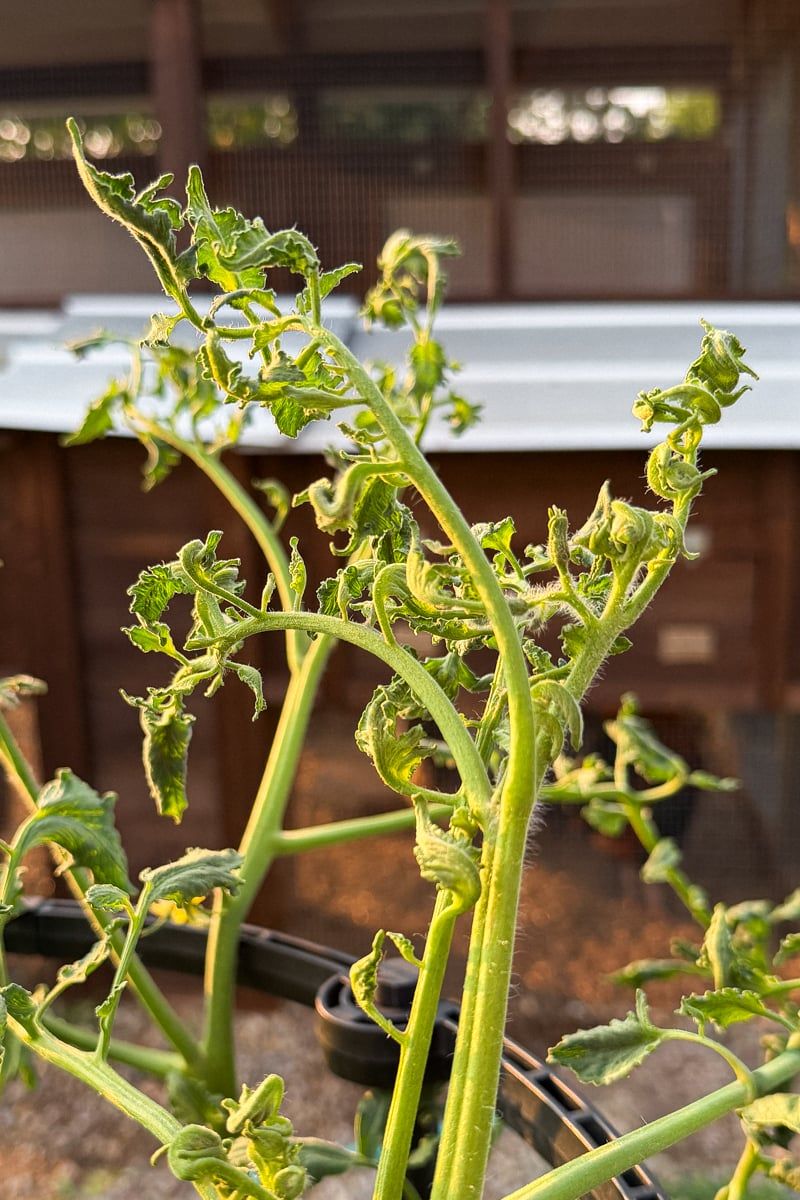
Your neighbor sprays dandelions on a windy Saturday. By Monday, your tomato leaves are twisted, cupped, and drooping in an eerie way. Herbicide drift happens when weed control spray floats beyond its target as tiny droplets or vapor.
Tomatoes, grapes, beans, and redbuds are especially sensitive to growth-regulator herbicides like 2,4-D and dicamba. Symptoms include curled leaves, odd twisting stems, and sometimes sudden drooping.
Another sneaky source is contaminated compost or manure. Certain long-lasting herbicides can pass through grazing animals and still affect garden plants months later.
Standard soil tests do not check for these chemicals at all. Specialized residue testing exists, but it costs more and needs a specific lab.
So what can you do? Note the date, weather, and any spraying you noticed nearby. Take clear photos as symptoms develop, because damage patterns help experts identify the cause.
Keep plants watered and give them time, since mildly affected plants often push out normal new growth later.
For future seasons, ask suppliers whether their compost or manure was tested. A simple bean bioassay, planting a few seeds in the material first, can reveal trouble before you spread it.
6. Road Salt Near Your Driveway Can Pull Water Out Of Roots

Michigan winters bring a whole lot of road salt. Come spring, plants along driveways, sidewalks, and streets sometimes pay the price.
Salt in the soil makes it harder for roots to take up water. Even in moist ground, plants can act thirsty, with wilting, browned leaf edges, and weak growth. Salt spray from passing traffic can also brown the side of evergreens facing the road.
Standard fertility tests from MSU Extension do not routinely measure soluble salts, though some labs offer it as an add-on. If your problem sits right next to pavement, asking for a soluble salt test makes good sense.
I tend to think this one gets overlooked because the damage shows up weeks after the salt went down. The timing throws people off.
Flushing the area with deep, slow watering in spring can help move salt below the root zone, provided the soil drains well. Shoveling snow before it turns to ice cuts down on how much deicer you need.
For planting spots near busy roads, choose salt-tolerant options like native little bluestem or common ninebark, and redirect salty snow piles away from beds.
7. Hot Afternoon Sun Can Make Big Leaves Droop For A While
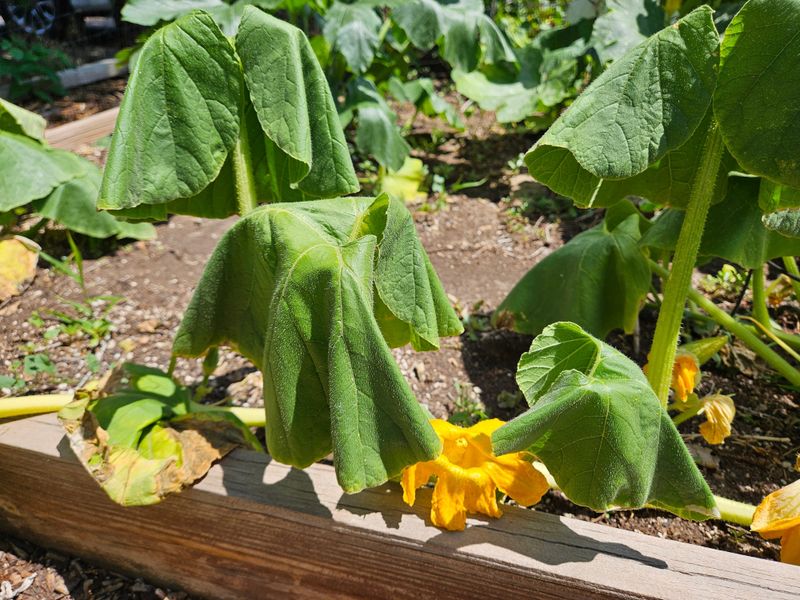
Sometimes the scariest wilt turns out to be the most harmless. Big-leaved plants like squash, hydrangeas, and hostas often droop on hot afternoons even with plenty of water nearby.
On a scorching day, leaves can lose moisture faster than roots can replace it. The plant relaxes its leaves to reduce stress, and they usually perk back up by evening or early morning.
Gardeners call this temporary wilting, and it is pretty common during summer heat waves. The trick is checking at the right time. Look at the plant early the next morning. If it stands tall again, heat was likely the main issue.
If it still sags at sunrise, something more serious is going on, such as root damage, borers, or a vascular disease from earlier sections.
A soil test cannot tell you about daily temperature swings, sudden heat spikes, or a late cold snap that damages tender tissue. Your eyes and a thermometer do a better job here.
Deep watering in the morning, a layer of shredded bark or straw mulch, and a bit of afternoon shade for tender transplants can ease midday stress. Avoid watering again just because leaves droop in the heat, since soggy soil creates new trouble.
8. Sending A Wilted Plant Sample To MSU Gets You Real Answers
Guessing gets old fast. When a plant wilts and you cannot spot the cause, the smartest move is often handing the mystery to the experts.
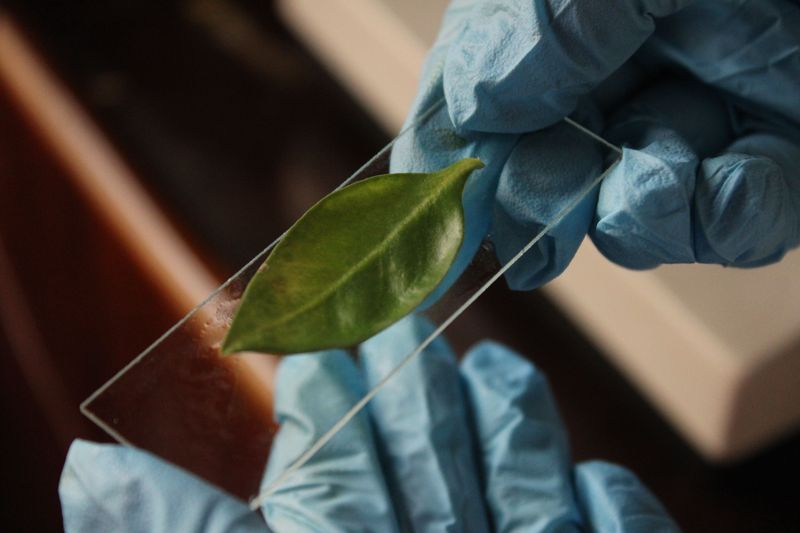
Michigan State University Plant and Pest Diagnostics examines actual plant tissue, not just soil. That matters because vascular wilts, root rots, and many insect problems only show up in stems, roots, and leaves.
The lab can culture samples and identify specific organisms. Before mailing anything, check the lab’s website for current fees and packing instructions.
In general, they want a plant showing a range of symptoms, from mild to severe, rather than a fully collapsed one. Wrap roots and a bit of soil in a sealed plastic bag, keeping the leafy top dry. Ship early in the week so samples do not sit over a weekend.
Photos help a lot too. Include close shots of the leaves, stem base, and the whole plant in its spot.
Keep using your regular soil test every few years for fertility and pH. Think of it as one tool in the kit. Paired with root checks, pest scouting, and a lab sample when needed, it can help you catch problems before they spread.