The Underused Texas Native Grass That Makes a Fall Yard Look Beautiful
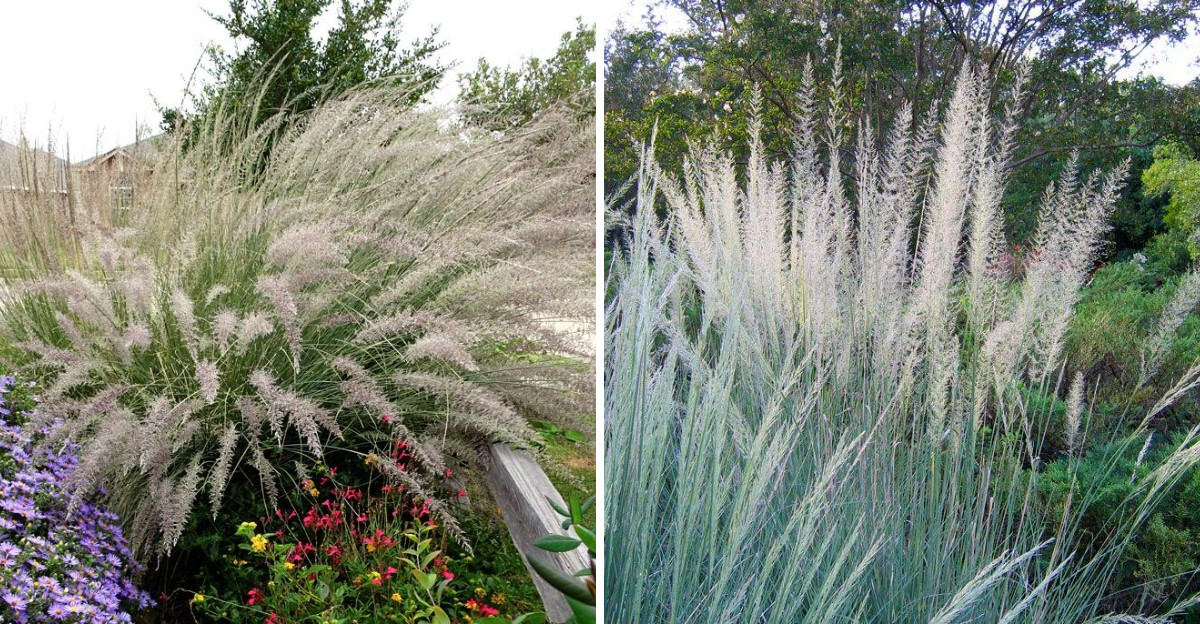
A wild grass from the Edwards Plateau earned the same Texas Superstar title usually handed to tough, tested garden plants. That honor comes from Texas A&M AgriLife after years of field trials.
What caught my attention is the color change. The flower plumes open with a purple blush in early fall, then fade to silvery gray as the weeks roll on.
I’m a big fan of plants that look better when everything else looks tired. This one stands about five feet tall in bloom and barely asks for water once its roots settle in. Deer usually walk right past it, too.
You might be surprised how rarely it shows up in neighborhood yards. Most people still reach for imported grasses from far away.
So why does a homegrown beauty like this stay hidden in plain sight?
1. Those Silvery Grass Plumes Glowing at Sunset Have a Story
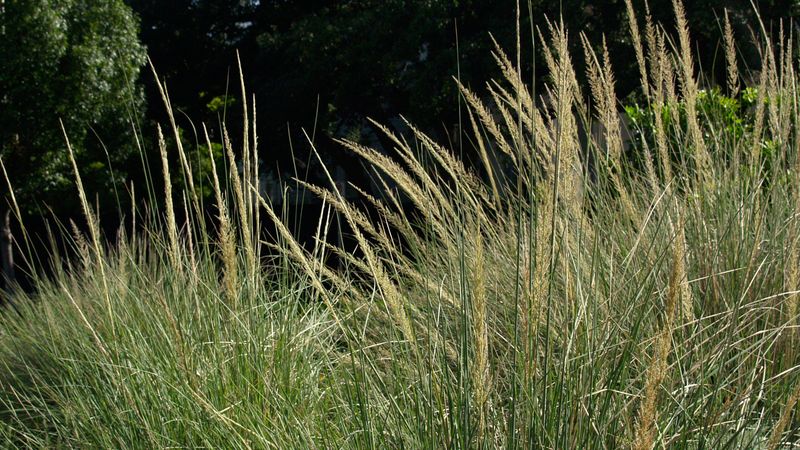
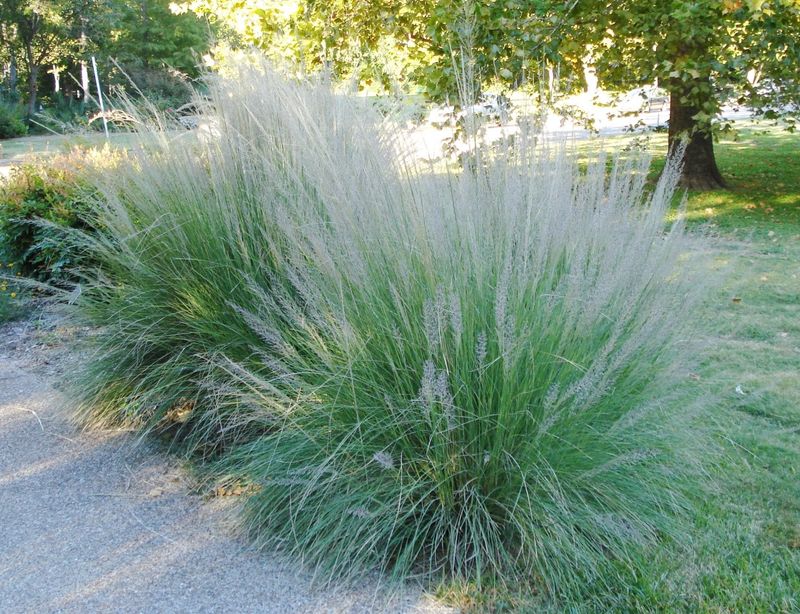
Late afternoon is when the show really starts. Low autumn sun hits those tall, feathery flower spikes from behind, and the whole clump seems to light up like a soft lamp.
The plumes rise above the leaves starting around September or October in most of the state. At first they carry a pinkish or purple tint.
Over a few weeks they shift to a silver-gray or gray-white shade that holds on well into winter.
I find it fascinating how much movement one grass adds. A light breeze makes the narrow spikes sway and bend, so the yard looks alive even on a quiet day.
That shimmer is one big reason gardeners who try it rarely go back. Flowers on many perennials fade by late October, but these plumes keep their shape for months.
You get a long season of interest from a single planting.
Placement makes a huge difference. Put the clump where it catches west light, such as along a back fence or near a patio where you sit in the evening.
A dark background, like cedar fence boards or evergreen shrubs, makes the silvery tones pop even more.
2. Lindheimer Muhly Is the Blue-Green Grass Worth Knowing by Name
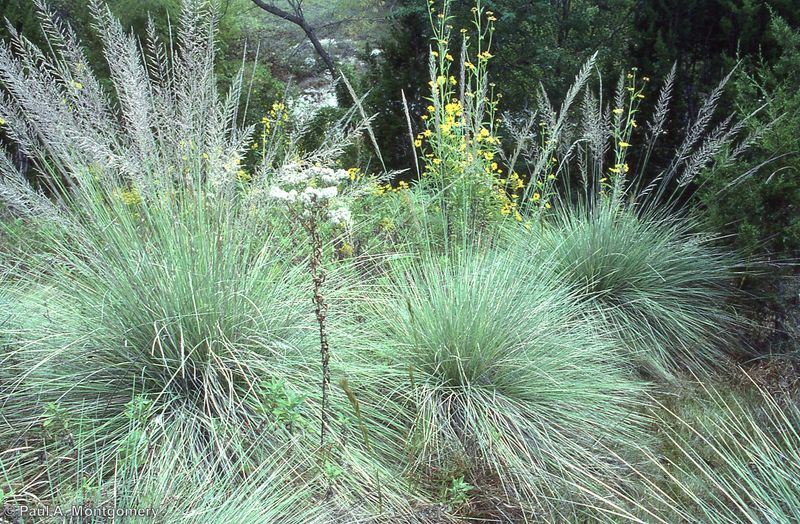
Meet the plant by its full name, Muhlenbergia lindheimeri. Some nurseries also sell it as big muhly or blue muhly, so check labels carefully when shopping.
Its name honors Ferdinand Lindheimer, a German-born botanist who collected plants around New Braunfels in the 1800s. He is often called the father of Texas botany, which makes this grass a fun bit of local history.
The plant is a warm-season perennial bunchgrass native to central Texas and northern Mexico. It forms a rounded fountain of narrow leaves in a cool blue-green to gray-green color.
The foliage mound usually reaches two to three feet wide, while the bloom stalks can climb to five or six feet.
Here’s something worth knowing before you buy. Gulf muhly, the pink cloud grass many people love, is a different species with a shorter, fluffier look.
Lindheimer muhly is taller and more upright, with a calmer silver tone.
Both are natives, but they fill different roles. If you want a bold vertical accent rather than a low pink haze, Lindheimer is your pick.
Ask local native plant nurseries, since big box stores sometimes skip it.
3. Swap Out Pampas Grass for This Texas Superstar Muhly
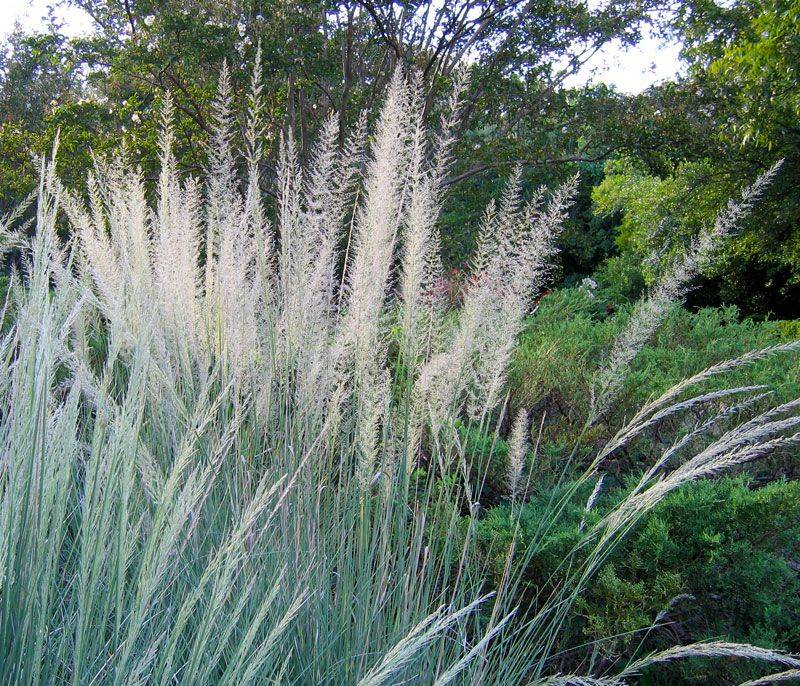
Plenty of yards still feature pampas grass or Chinese silver grass. They look dramatic, but they come with baggage.
Texas A&M AgriLife named Lindheimer muhly a Texas Superstar after trials showed it performs well across many parts of the state. That program recommends it as an alternative to pampas grass, and I can see why.
You get the same tall, airy look without razor-edged leaves or a plant that grows into a monster.
Chinese silver grass, also called miscanthus, can spread by seed into natural areas in some regions. Choosing a native means you skip that risk.
It also means the plant already fits local rainfall, heat, and soil.
Size is another win. Pampas grass can swallow a corner of the yard, reaching ten feet or more.
Lindheimer muhly stays in a tidy clump that suits smaller beds and front walks.
Handling it is friendlier too. The leaves are soft enough to brush past without scratches.
Kids playing nearby and dogs running by won’t come away with cuts.
If you already have pampas grass, removing it in late winter and planting this native in spring is a smart upgrade.
4. Plant Your Muhly Clumps in Full Sun With Fast-Draining Soil
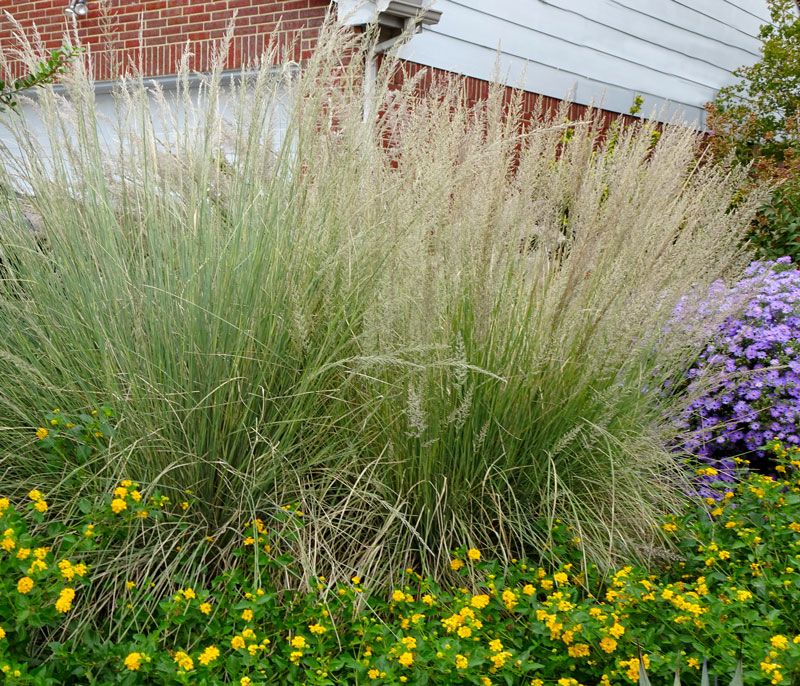
Sunshine is the main ingredient. Give this grass at least six hours of direct sun for the strongest plumes, though it handles a little afternoon shade.
Soil type matters less than drainage. Lindheimer muhly grows in rocky limestone, sandy spots, and clay loam.
What it dislikes is water sitting around its crown for days.
If your yard has heavy clay, plant on a slight mound or in a raised bed. Mixing in some decomposed granite or expanded shale also helps water move along.
Fall is a great planting time across much of the state. Roots grow while the air cools, so plants head into summer with a stronger base.
Spring planting works well too, especially in the Panhandle where winters run colder.
Space clumps about four to five feet apart. That sounds generous for a small pot, but a mature plant spreads wide.
Water every few days for the first several weeks, then taper off. Once established, usually after the first year, it needs only a deep soak during long dry spells.
Skip heavy fertilizer, since rich feeding can make the leaves floppy.
5. A Quick Late-Winter Trim Keeps Big Muhly Looking Fresh
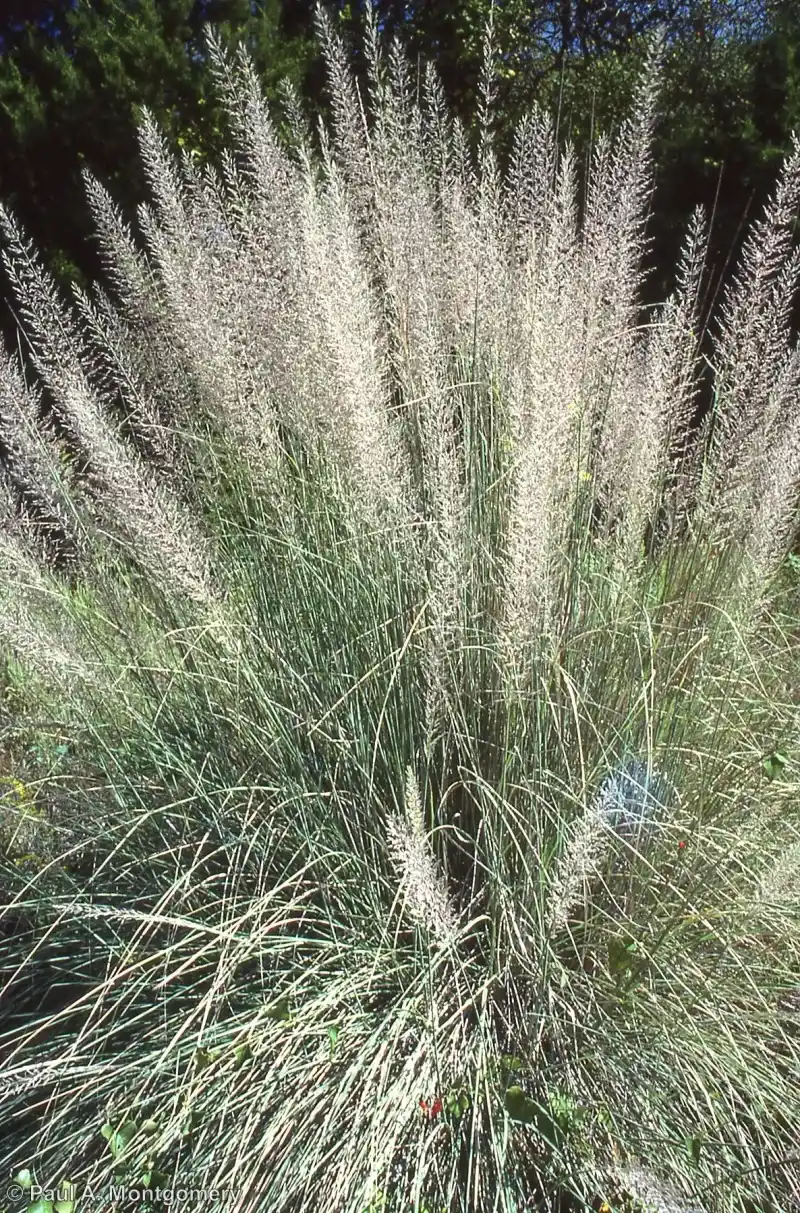
Honestly, this might be the easiest chore in your garden calendar. Once a year is plenty.
Leave the plumes standing through fall and winter. They look lovely with frost on them, and they give the bed structure while other plants rest.
In late winter, before new green shoots appear, it’s time to tidy up. Many gardeners pull on sturdy gloves and comb through the clump with their fingers.
Old leaves and spent stalks slide right out, leaving the healthy center behind.
A leaf rake works the same way on bigger plantings. If you prefer a clean slate, cut the whole clump back to a few inches above the ground with hedge shears.
Just finish before spring growth starts so you don’t clip fresh blades.
Deer usually leave this grass alone, which is a real relief in Hill Country neighborhoods. Pests and diseases are rare too.
After many years a clump may thin in the middle. Dig it up in early spring, divide it into a few pieces with a sharp spade, and replant.
You’ll end up with free plants to share with friends.
6. Songbirds and Small Critters Find Shelter in Muhly Grass Clumps
Watch a patch of native grass on a chilly morning and you may spot sparrows hopping in and out. Those dense clumps work like tiny shelters.
The thick base gives birds, lizards, and small critters a spot to hide from hawks and cold wind. In spring, some birds pull dry blades for nest material.
The small seeds also offer a snack for seed-eating birds in fall and winter. That’s one more reason to leave plumes standing instead of cutting them early.
Native grasses also host certain butterfly and skipper caterpillars. Many skippers lay eggs on grasses, so a mixed planting supports more life than a plain lawn.
Below ground, the fibrous roots hold soil in place on slopes. They also help rainwater soak in rather than rushing off toward the street.
Pair the grass with fall bloomers like Gregg’s mistflower, frostweed, or aromatic aster. Pollinators visit those flowers while the grass adds height and texture behind them.
Together they turn a corner of the yard into a lively little habitat. You might be amazed by how many visitors show up within one season.
7. Use Lindheimer Muhly as a Fountain-Shaped Focal Point All Year
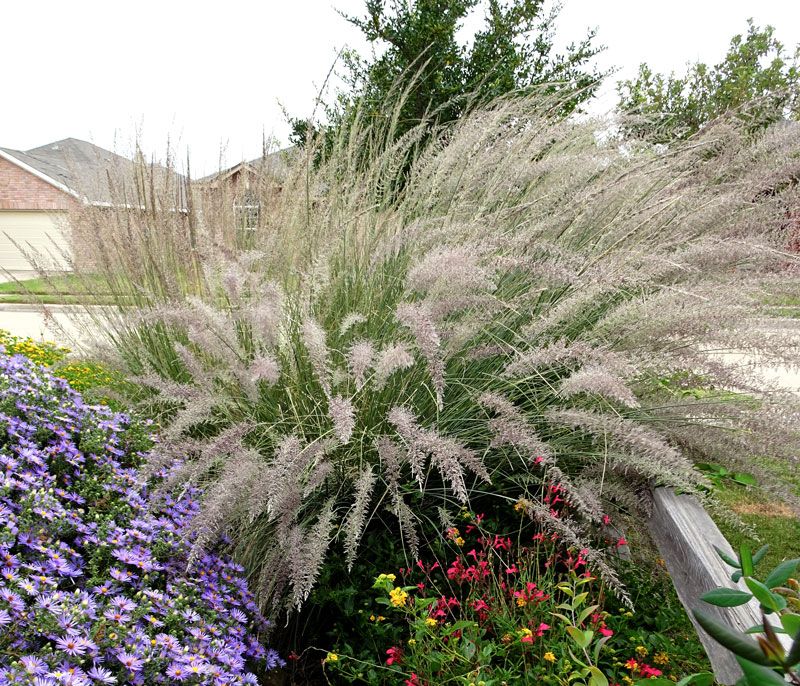
A good design plant earns its spot in every season. This grass checks that box better than most.
In mild parts of the state, like Austin and San Antonio, the blue-green leaves stay semi-evergreen through much of winter. Farther north, the foliage turns tan after hard freezes, which still looks neat against bare soil or mulch.
Try one clump as a focal point at the corner of a bed. Its fountain shape softens hard edges like walls, steps, and driveways.
Planted in a row, it becomes a soft seasonal screen that hides an air conditioner or compost bin. Group three or five together for a bold sweep in a larger space.
The fine texture pairs well with chunky plants. Agave, yucca, and sotol look sharp next to those flowing leaves in a modern xeriscape.
For a cottage feel, mix it with salvias, black-eyed Susans, and purple coneflower.
My takeaway is simple. Add one plant this fall, watch how it handles a full year, and then decide where more could go.
Chances are you’ll want a few more by next autumn.
8. Pair Lindheimer Muhly With Fall Bloomers for a Bigger Wow
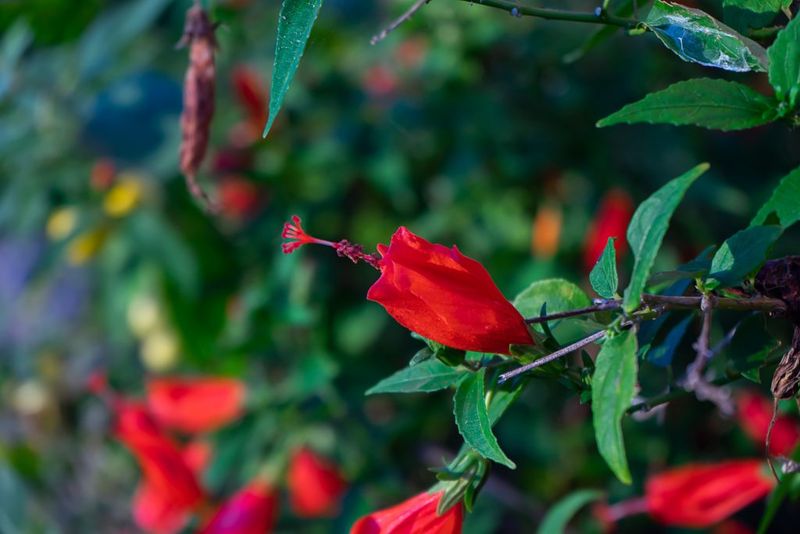
Silver plumes look even better with bright purple and gold flowers tucked right at their feet. That combo turns an ordinary bed into a standout autumn display.
Gregg’s mistflower is a great partner, since its fuzzy lavender blooms pull in clouds of butterflies. Mexican mint marigold adds sunny yellow, and Turk’s cap brings little red pops that hummingbirds adore.
All three are Texas tough and need about the same amount of water as the grass once established.
Timing makes this trio even more useful. Texas sits right in the path of the fall monarch migration, and October is when many of those butterflies pass through on their way to Mexico.
Gregg’s mistflower gives them a much-needed nectar stop.
Mexican mint marigold has a fun bonus too. Its leaves taste a lot like tarragon, so many Texas cooks use it as a stand-in for the herb, which struggles in our summer heat.
Turk’s cap is a true Texas native that handles more shade than most bloomers, making it handy where a tree casts afternoon shadows.
Aromatic aster, another Texas native, adds even more fall color with small lavender daisies in October and November.
Plant the shorter flowers in front so the muhly stands tall in the back. Then enjoy the color every October.