Virginia’s Drought Isn’t Over for Your Evergreens. Why November Watering Could Save Them
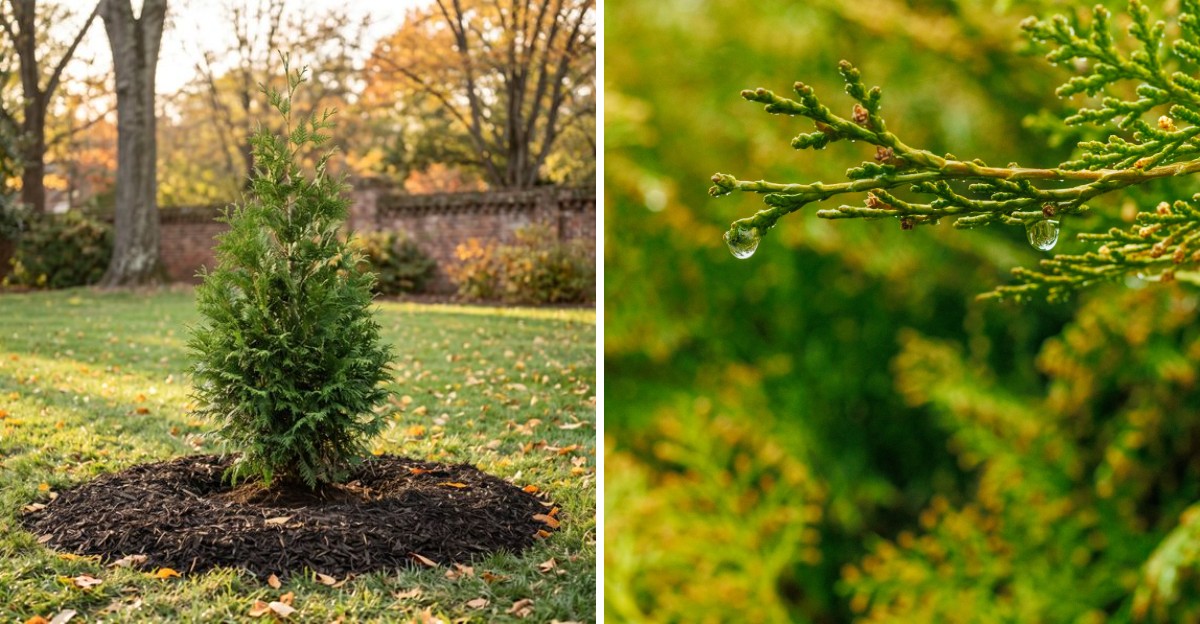
Pine needles can lose water on a sunny January afternoon while the soil underneath sits frozen solid. That plant is basically sipping through a straw stuck in an ice cube.
I got a harsh lesson after a beautiful holly turned crispy one March. Nothing looked wrong in fall, and the damage showed up months later.
Much of Virginia has dealt with dry spells and drought watches this year, and a few rainy days rarely refill deep soil. You probably rolled up the hose weeks ago. I can’t blame you, because cold weather makes watering feel pointless.
Your green shrubs and trees still have plenty going on, though. They keep their leaves all winter, and those leaves keep giving off moisture. So what happens when the underground reserve tank is already running low?
Those Green Needles Keep Losing Water All Winter Long
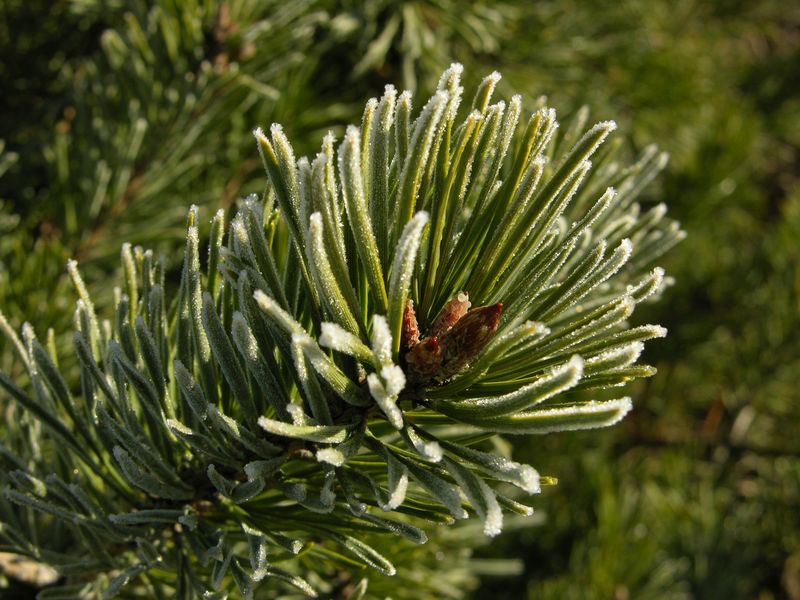
Maples drop their leaves and rest. Pines, hollies, boxwoods, and arborvitae keep theirs, and that choice comes with a cost.
Those needles and broad leaves stay alive through the cold months. They still release water vapor through tiny pores, a process called transpiration.
It slows down in winter, but it does not stop. Sunny days and steady wind speed it right back up.
Roots are supposed to replace that lost water. Trouble starts when the soil is dry, or when the top layer freezes and locks moisture away.
The plant keeps spending water it cannot earn back.
Picturing it like a bank account helps me. Fall rain makes the deposits.
Winter sun and wind make the withdrawals. If the account starts low, the plant runs short long before spring.
Extension specialists, including those at Virginia Tech, point to this as a main reason evergreens look rough after a dry autumn. The leaves get scorched from the inside out because water simply ran out.
Broadleaf evergreens such as rhododendron, holly, and cherry laurel show it fast. Their big leaves have more surface to lose moisture.
Needled conifers handle it a little better, but they still struggle when drought lingers.
Once you see your evergreens as active plants, November watering makes a lot more sense. They are thirsty, and they are still drinking.
A Slow, Deep Soak Around The Drip Line Does The Real Work
Quick sprinkles feel helpful, but they barely wet the top inch. Evergreen roots need water much deeper than that.
Aim to moisten the soil 12 to 18 inches down, where most feeder roots live. A slow trickle from a hose works great.
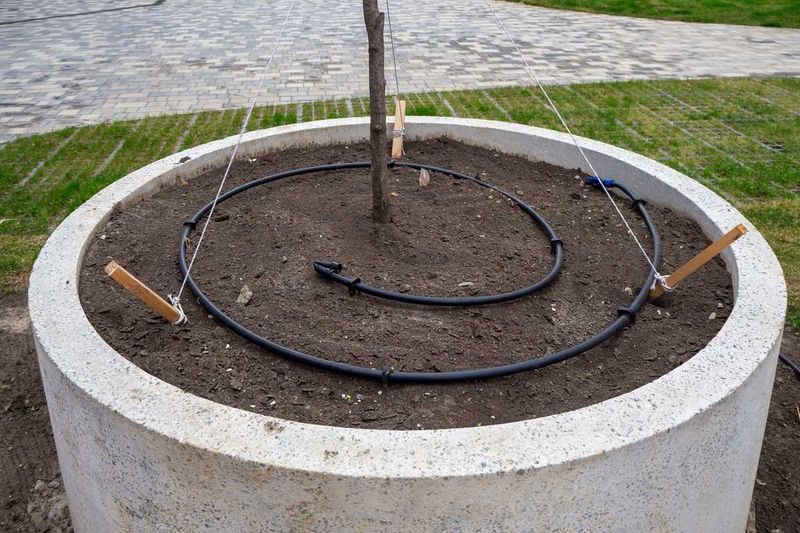
So does a soaker hose snaked in a circle under the branches.
Focus on the drip line, which is the outer edge of the branches. Many of the roots that absorb water spread out there and even past it.
Watering only against the trunk misses most of them.
For a rough guide, many arborists suggest about 10 gallons for each inch of trunk width. A small shrub might need just a few gallons.
A big established spruce may need much more, spread out over a long soak.
Not sure if you watered enough? Push a long screwdriver or soil probe into the ground a few hours later.
If it slides in easily to around a foot deep, you did well.
Repeat every week or two in November when rain is scarce. One soaking inch of rain can count as a turn, so check a rain gauge before dragging out the hose.
Keep going until the ground freezes or steady rain returns. In much of the state, that window stays open well into late fall.
Water Your Arborvitae On Mild Days Above 40 Degrees
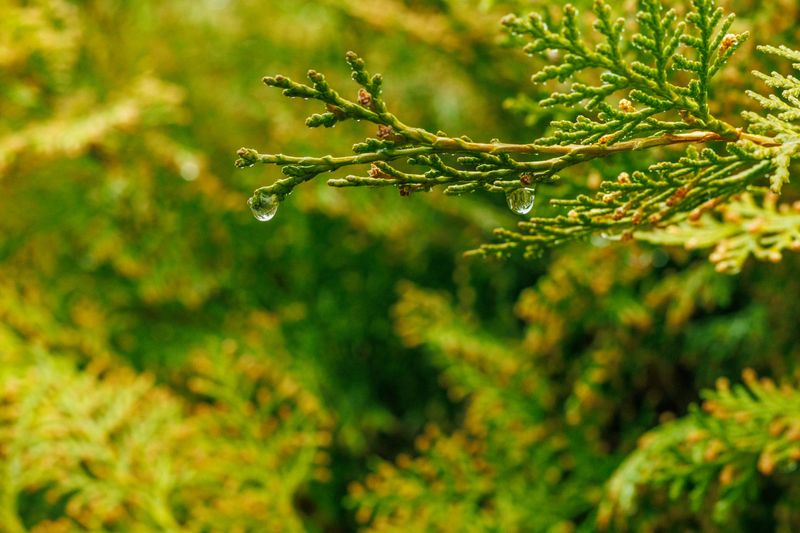
Timing is half the trick. Cold days make watering harder on you and less useful for the plant.
Pick days when the air sits above about 40 degrees Fahrenheit and the ground is not frozen. Thawed soil lets water sink down instead of running off or forming ice on the surface.
I like to water in the morning or around midday. That gives moisture several hours to soak in before temperatures drop at night.
Late evening watering on a chilly day can leave a slick, icy patch by sunrise.
Virginia winters change a lot by region. Coastal areas and Hampton Roads often stay mild enough for watering into December.
The Shenandoah Valley and the western mountains freeze up sooner, so get your soaking done earlier there.
Skip watering when snow or ice already covers the ground. Melting snow will add moisture slowly on its own anyway.
After each session, drain your hoses and bring them inside or coil them in a sunny spot. A frozen hose split is a frustrating way to learn that lesson.
Outdoor spigots need care too. Disconnect hoses when nights dip below freezing so pipes inside the wall stay safe.
Frost-free spigots help, but they only work when nothing is attached.
Rain Showers Rarely Refill Dry Soil Under Big Pine Trees
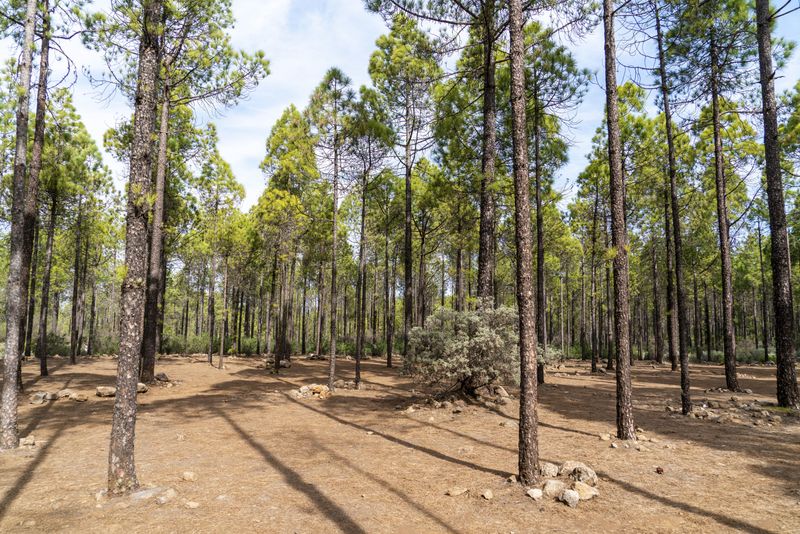
A soggy weekend can make anyone think the drought is solved. Sadly, the ground often tells a different story.
Months of below-normal rain create deep soil moisture deficits. A light or even moderate storm mostly wets the surface.
Much of that water runs off or evaporates before reaching the root zone.
The U.S. Drought Monitor tracks these conditions week by week.
Parts of the state have seen abnormally dry to severe drought, and Northern Virginia had a drought watch tied to lasting deficits. Checking drought.gov for your county takes about a minute.
Big evergreens add another twist. Their thick canopies act like umbrellas.
Rain can drip off the edges while the soil near the trunk stays surprisingly dusty.
Grab a trowel and dig a small hole under your tree after the next rain. If the soil is dry just a few inches down, your evergreen still needs help.
Competition matters too. Lawn grass, nearby trees, and shrub beds all pull from the same soil.
A pine sitting in a crowded yard may be thirstier than one growing alone.
So trust the shovel more than the weather report. A quick dig shows what your plants actually have to work with heading into winter.
Browned Holly And Boxwood Leaves Often Show Up In Spring
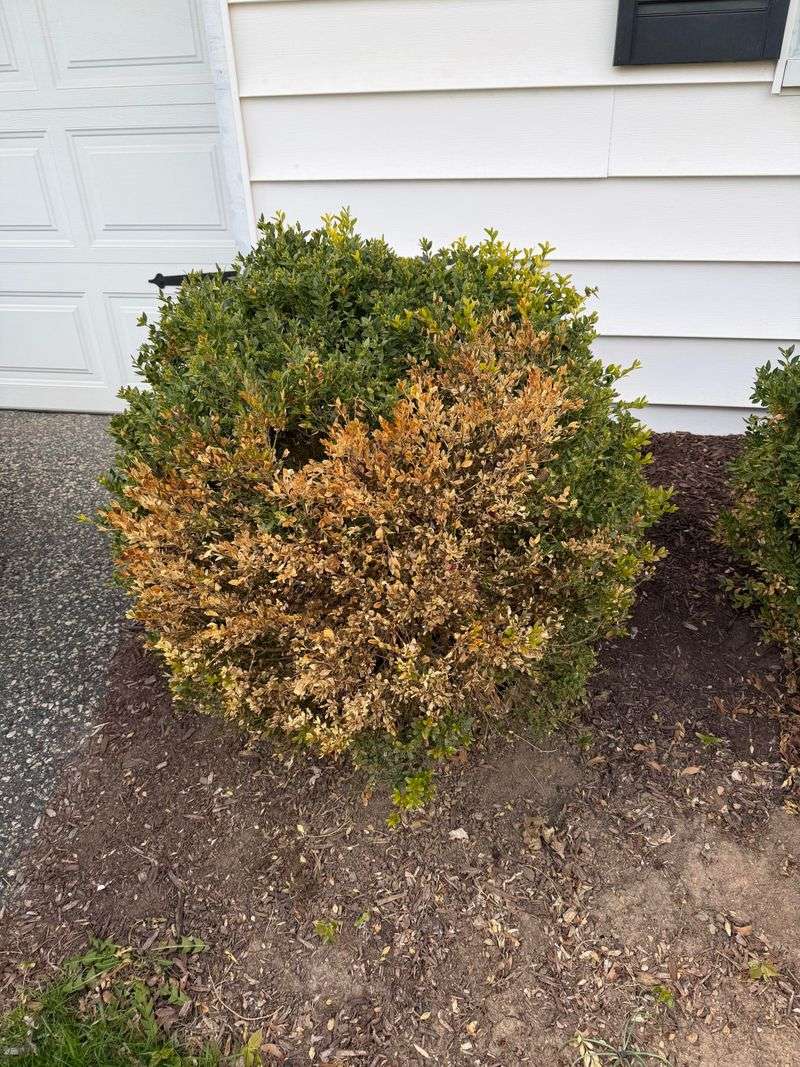
My crispy holly looked perfectly fine in December. By March, half of it was tan and sad.
Winter burn and drought stress often hide for weeks. Damage happens during cold, windy, sunny spells, but the browning shows later as temperatures rise.
That delay fools a lot of gardeners.
Watch for these signs:
Needle tips turning brown or rusty, often on the side facing wind or afternoon sun.
Broadleaf evergreens like holly, boxwood, and rhododendron with scorched edges or curled leaves.
Extra needle drop from the inner branches, beyond normal fall shedding.
Some browning has other causes, so do not panic. Pines and arborvitae shed older inner needles each autumn, and that is normal.
Root rot, pests, and diseases can also cause discoloration, so a local extension office can help sort it out.
When winter burn strikes, wait before reaching for pruners. Buds may still be healthy even if leaves look rough.
Scratch a twig lightly with a fingernail and look for green tissue underneath.
Give damaged plants until late spring to push new growth. Then trim away only the bare, brittle parts.
Prevention beats repair every time. Fall watering lowers the odds of seeing this mess when the daffodils bloom.
Newly Planted Spruce And Cypress Need The Most Help

Young evergreens are like new kids at school. They have not found their way around yet, and they need extra support.
Anything planted within the last year or two has a small root system. Most roots still sit in the original root ball.
That ball can dry out fast, even when the surrounding soil feels damp.
Fall is a popular planting season, which means plenty of new trees are going into winter thirsty. Many guides suggest about an inch of water a week for young trees, or roughly 10 to 15 gallons, whenever rain falls short.
Water directly over the root ball first. Then wet the soil just beyond it so new roots have a reason to stretch outward.
Tree watering bags are handy helpers. They zip around the trunk and release water slowly over several hours.
Just remove or empty them before a hard freeze.
Shrubs from containers deserve the same care. Potting mix inside the root ball dries much faster than garden soil.
Choosing tough native evergreens helps for future plantings. Eastern red cedar, American holly, and inkberry handle Virginia conditions well once settled in.
Give your newcomers steady drinks this season. That first winter often decides whether they thrive or limp along for years.
A Ring Of Mulch Around Your Evergreen Locks In Moisture
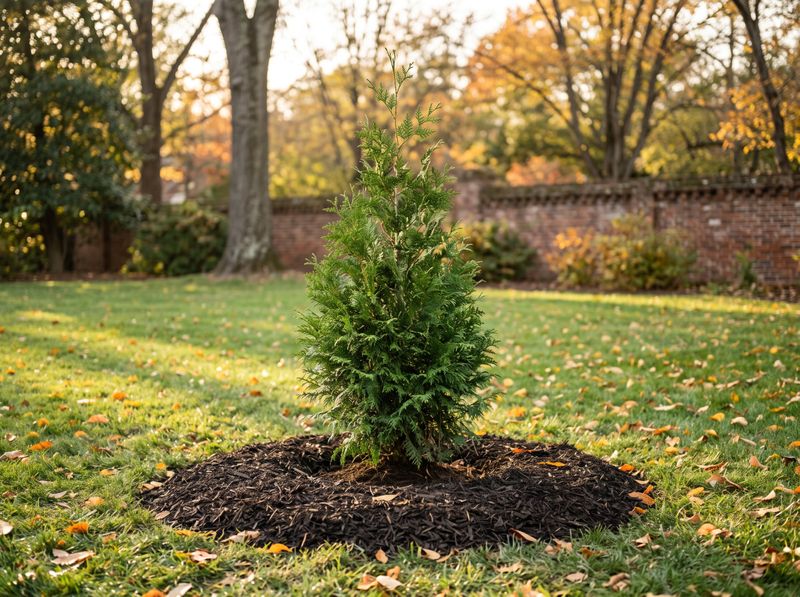
After all that watering, why let the sun and wind steal it back? Mulch is the easiest way to protect your hard work.
Spread 2 to 3 inches of shredded bark, wood chips, or pine straw over the root zone. Extend it toward the drip line if you can.
Wider rings help more than tall piles.
Mulch slows evaporation and keeps soil temperatures steadier. It also reduces the freeze and thaw cycles that can heave young roots out of place.
Keep a few inches of bare space around the trunk. Mulch piled against bark traps moisture and can invite rot, insects, and nibbling rodents.
Those tall mulch volcanoes look tidy but cause real problems.
Pine straw is a favorite across much of the state. It stays loose, lets water pass through, and looks natural under hollies and pines.
A few other smart steps round out your winter plan. Skip fertilizer now, since it can push tender growth.
Hold off on heavy pruning until late winter.
Personally, I keep a little notebook of which plants struggled each spring. It helps me plan better watering next fall.
Water deeply, mulch well, and watch the weather. Your evergreens will thank you with rich green color when spring rolls around.