How to Grow Hellebore, the Christmas Rose, in North Carolina Gardens
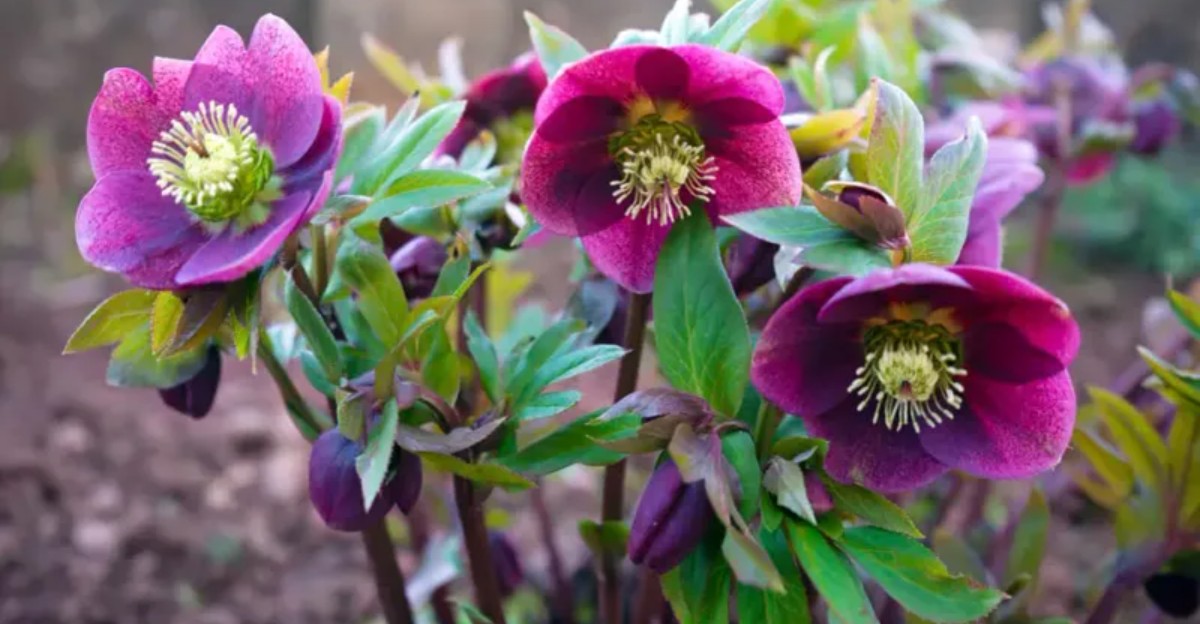
The pretty white ‘petals’ on my favorite winter flower are not petals at all. They are sepals, the tough outer layer that once wrapped the bud, which is why they can hang on for weeks in freezing weather.
That toughness explains a lot. This plant can open blossoms in December, nod politely at a dusting of snow, and shrug off deer that devour almost everything else in the yard.
I tend to think winter gardens get unfair treatment. Most of us give up on color after Thanksgiving, but North Carolina gardeners have a sneaky advantage with mild spells, shady oak woods, and long cool seasons that suit cold-loving bloomers.
The catch is that the true holiday bloomer is a little pickier than its popular cousin. So which one belongs in your shady corner, and how do you keep it happy for years?
1. That Snow-White Christmas Rose Isn’t the Hellebore Most Neighbors Grow
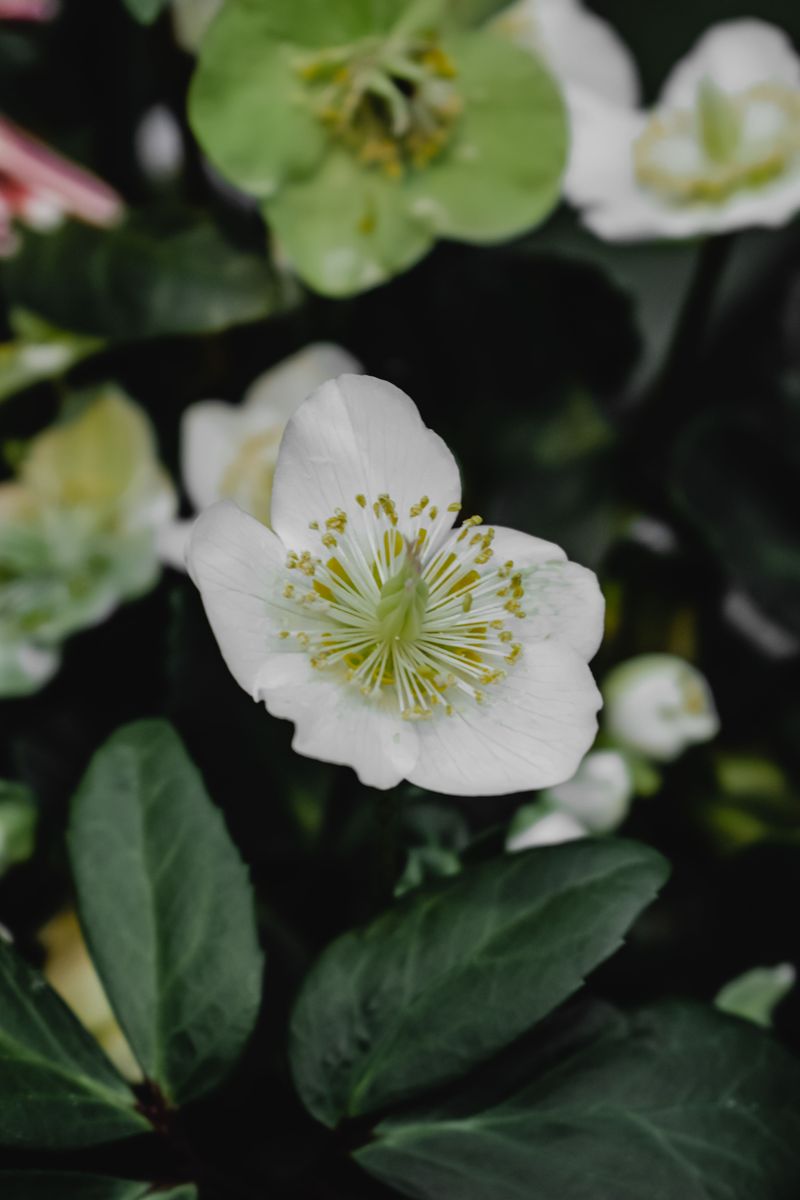
Plenty of gardeners buy a ‘Christmas rose’ and actually bring home a Lenten rose. Both are hellebores, but they are different plants with slightly different needs.
The true Christmas rose is Helleborus niger. It has pure white, outward-facing flowers that often fade to pink as they age, and it can bloom anywhere from December to March.
The Lenten rose, Helleborus x hybridus, flowers a bit later and comes in plum, pink, cream, speckled, and even near-black shades.
Here in the Southeast, the difference matters. NC State Extension notes the Christmas rose can sulk in hot, humid summers and likes soil closer to neutral. Lenten roses handle our heat and slightly acidic soil with far less fuss.
My honest advice? Grow both if you can. Mountain and cooler Piedmont gardens in zones 6 and 7 give Helleborus niger its best shot, while Lenten roses thrive from the mountains to much of the coastal plain.
Newer hybrids like the Helleborus Gold Collection and ‘Ivory Prince’ blend Christmas rose looks with tougher genes. They are a smart pick if you want that holiday white without the drama.
Fun fact: neither one is related to real roses at all. They belong to the buttercup family.
2. Shady Spots Under Deciduous Trees Make Hellebores Happiest
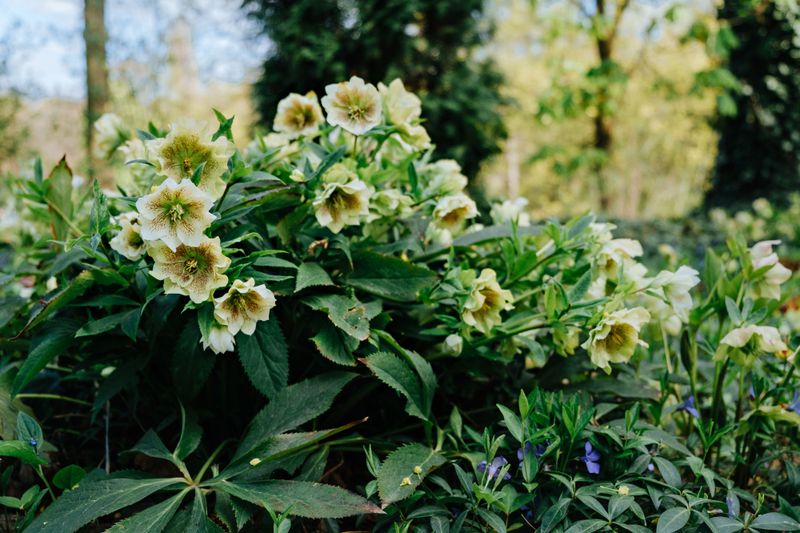
Walk any older Raleigh or Asheville neighborhood in February and you’ll spot hellebores tucked under oaks and maples. Gardeners there figured out the secret long ago.
Deciduous trees give these plants the best of both seasons. In winter, bare branches let sunshine reach the blooms and leaves. By summer, a leafy canopy throws cool, dappled shade right when hellebores need relief.
Aim for light to moderate shade with protection from harsh afternoon sun. A spot on the north or east side of your house can work well too. Full sun in a hot Piedmont or coastal summer often leads to scorched, crispy leaves.
Deep shade isn’t ideal either. Plants under thick evergreens or dense magnolias may live, but they usually flower poorly.
Shelter from cold winter wind is another bonus. Buildings, fences, or shrubs can block gusts that shred foliage and bruise open flowers.
One more tip I love: plant them near a path, a doorway, or slightly up a slope. The flowers often nod downward, so a raised bed or hillside lets you look up into their faces instead of staring at their backs.
3. Hellebore Roots Hate Soggy Red Clay
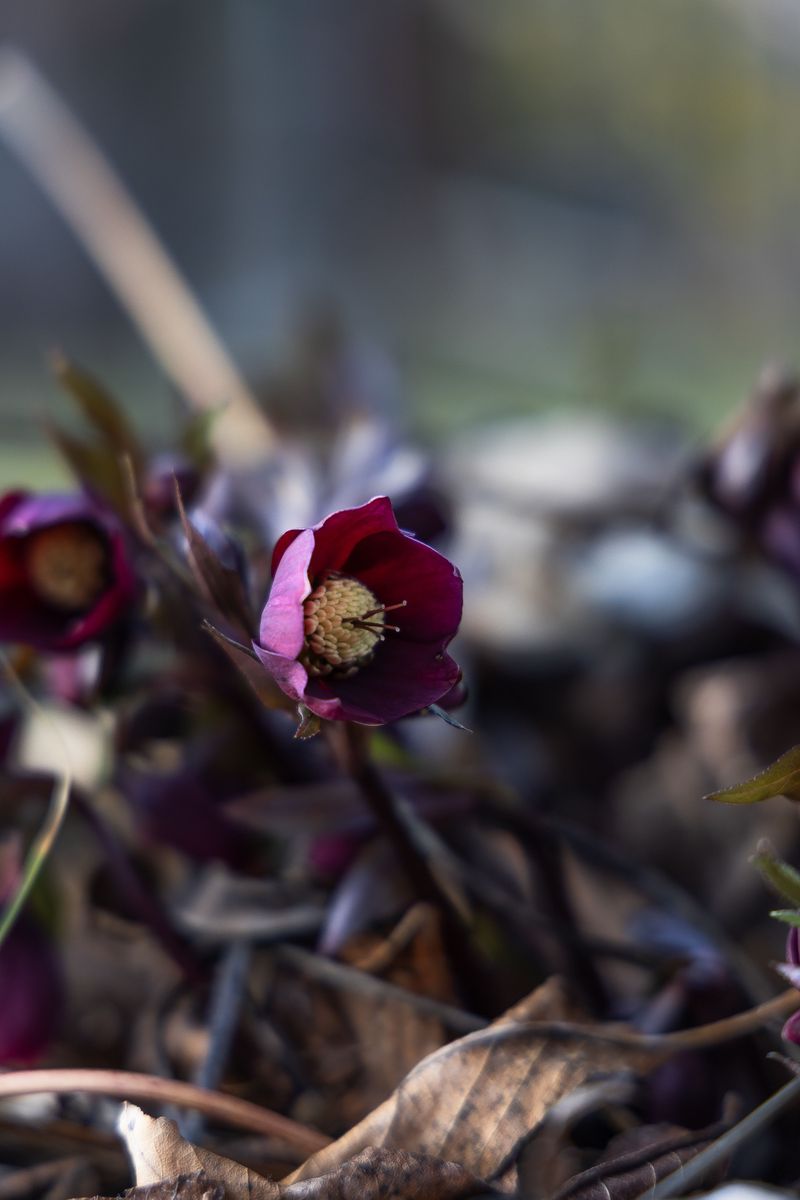
Red clay is practically a state symbol in much of the Piedmont. Sadly, hellebores aren’t fans of it in its raw, sticky form.
These plants want rich, loose soil that holds moisture but drains freely. When water sits around the crown after a heavy winter rain, rot can set in quickly. Most hellebore failures I’ve seen trace back to soggy ground rather than cold weather.
Fixing clay is easier than it sounds. Work a few inches of compost, shredded leaves, or aged pine bark fines into a wide area, not just the planting hole. A small hole of fluffy soil surrounded by clay can act like a bathtub and trap water.
Raised beds or gentle slopes also help. On sandy coastal plain soils, the problem flips, so add compost to help hold moisture during dry spells.
Soil pH deserves a quick check. Lenten roses tolerate slightly acidic conditions, while the Christmas rose prefers something closer to neutral or mildly alkaline.
A soil test from the North Carolina Department of Agriculture is free for much of the year and tells you whether lime would help.
4. Fall Is Prime Time to Plant Hellebore Crowns
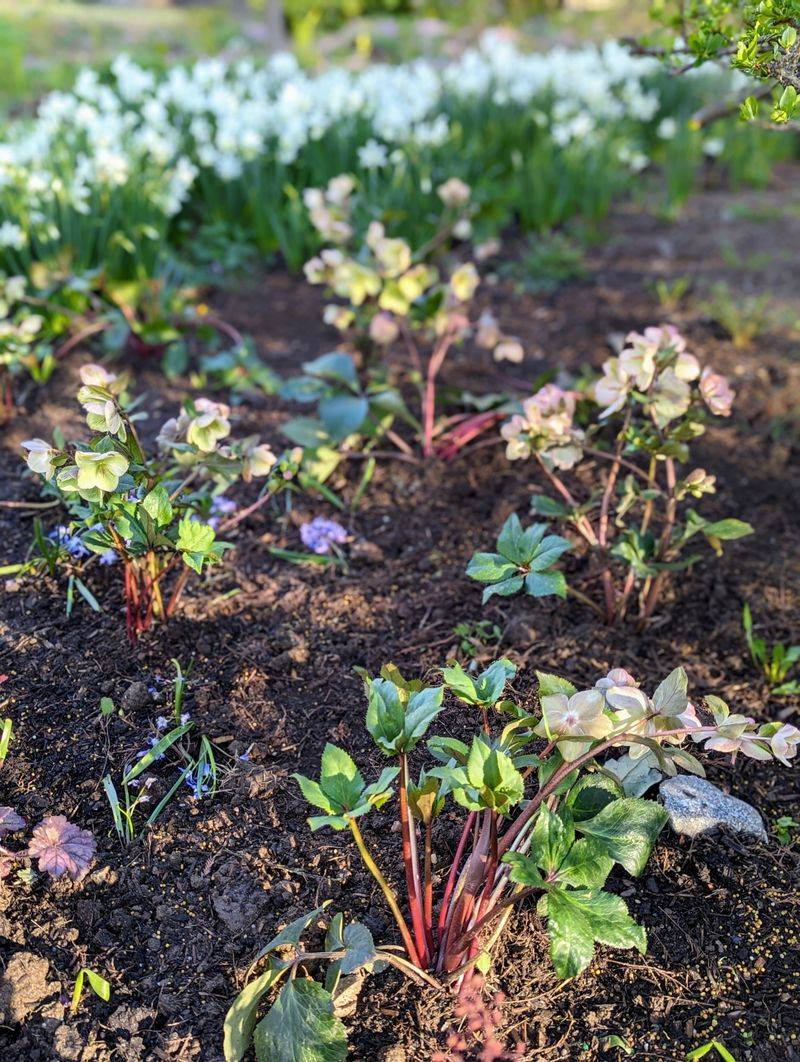
Autumn might seem like an odd time to start a winter bloomer. Yet October and November are some of the best months to get hellebores in the ground across most of the state.
Cool air and still-warm soil encourage roots to grow without the stress of summer heat. By the time flower buds push up in winter, the plant has settled in. Early spring planting works too, especially in the mountains where ground freezes harder.
Dig a hole about twice as wide as the pot and just as deep. Set the crown level with the soil surface, since burying it too deep invites rot and can reduce flowering.
Space plants roughly 18 to 24 inches apart. A mature clump often reaches about a foot and a half tall and wide, and crowding cuts down on airflow.
Water well after planting and keep the soil evenly moist for the first year. After that, established hellebores handle short dry spells nicely.
Finish with a thin layer of shredded leaves or pine straw. Keep mulch pulled back a little from the crown so it doesn’t stay wet against the stems.
5. Trimming Ragged Hellebore Leaves Lets the Flowers Shine
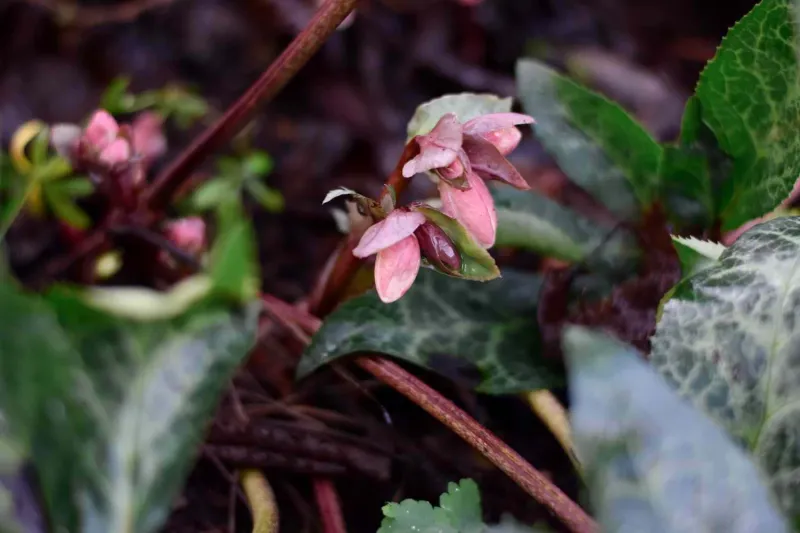
Old hellebore leaves can look pretty sad by January. Freezing nights, winter wind, and leaf spot leave them brown at the edges and flopping over the new buds.
A quick haircut solves that. Many gardeners, me included, snip last year’s leaves at the base in mid to late winter, just as fresh flower stalks start rising. The blooms suddenly stand out instead of hiding under a tangle of tired foliage.
Timing is flexible. In mild coastal gardens, leaves may stay green and healthy all winter, so you might only remove the worst ones. In colder mountain spots, a full cleanup is often worthwhile.
Be careful around the crown. New buds can sit right at soil level, and a careless snip can remove a whole flower stalk.
Bag up any spotted leaves rather than composting them. That simple habit reduces fungal leaf spot coming back next year.
Feeding is easy too. A topdressing of compost in fall or a light slow-release fertilizer in early spring is plenty. Too much nitrogen gives you lush leaves and fewer flowers, which isn’t much of a bargain.
6. Slugs and Aphids Love Hellebore Blooms Too
Deer and rabbits mostly leave hellebores alone, thanks to the plant’s bitter, toxic chemistry. Smaller visitors are a different story.
Slugs and snails adore the same cool, damp shade hellebores do. Ragged holes and silvery trails on flowers are the giveaway. Hand-pick them on a damp evening with a flashlight, set out shallow traps, or use an iron phosphate bait, which is labeled for home gardens.
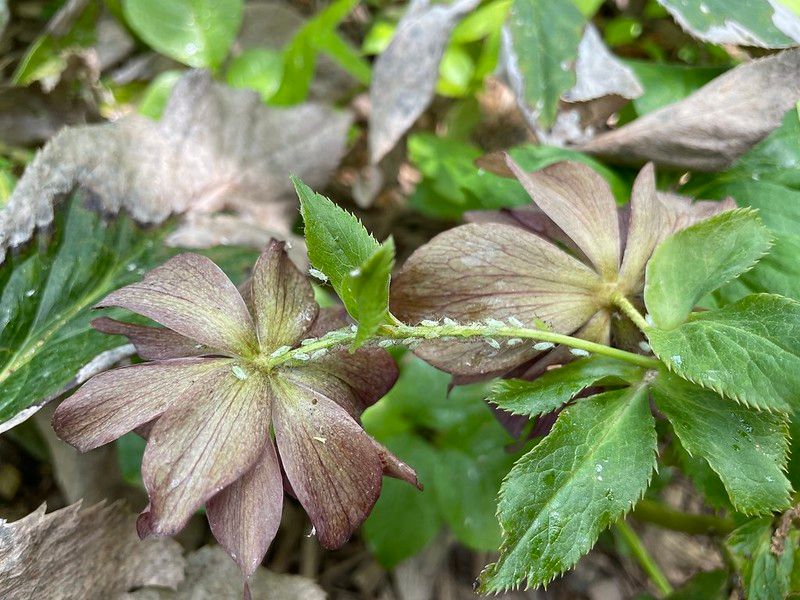
Aphids show up on new growth and flower stems in late winter and spring. They leave sticky honeydew behind and can twist young leaves. A firm spray of water knocks many off, and insecticidal soap handles stubborn groups.
Fungal leaf spot causes dark, round blotches, especially during wet winters. Remove affected leaves and give plants room to breathe.
There is also a serious virus called Helleborus net necrosis virus. It causes black streaks and netting on leaves and twisted, stunted growth. No cure exists, so dig up and discard infected plants, then wash your tools.
Healthy soil, decent spacing, and good drainage go a long way. Strong plants shrug off most problems before they get out of hand.
7. Those Hellebore Seedlings Popping Up Are Free Plants
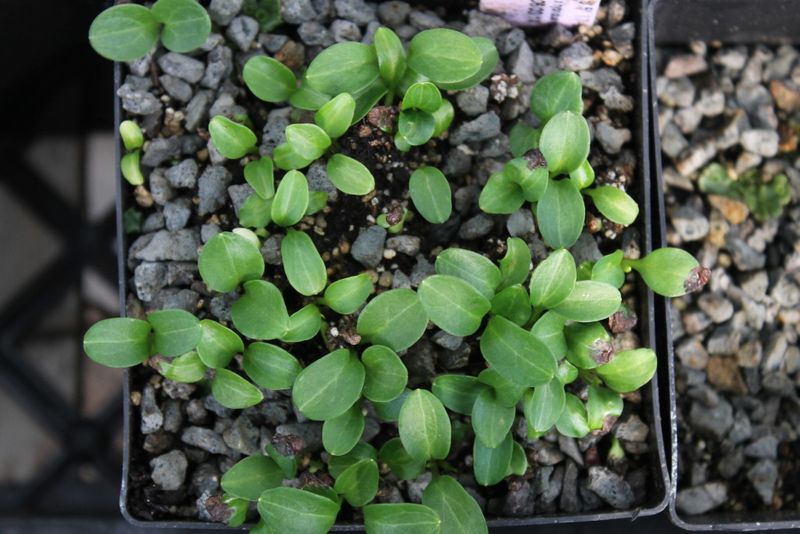
Spring weeding gets a lot more fun once you recognize baby hellebores. Those tiny seedlings with jagged little leaves near the mother plant are basically free gifts.
Lenten roses self-sow readily in happy spots. Because most are hybrids, the babies may not match the parent, so a plum flower could produce speckled pink or creamy offspring. I think of it as a small garden lottery that takes two or three years to pay off.
Dig seedlings in spring or early fall once they have a few true leaves. Move them gently with plenty of soil and keep them watered while they settle.
Division is the other option. Hellebores generally dislike being disturbed, but large, crowded clumps can be split in early fall. Use a sharp spade or knife and keep several growth buds with each piece.
Christmas roses are slower and fussier, so I’d leave established clumps alone unless they truly need it.
Don’t expect divisions to bloom heavily the first winter. Give them a season to rebuild roots, and they usually bounce back looking fuller than before.
8. Wear Gloves When You Handle Hellebore Sap
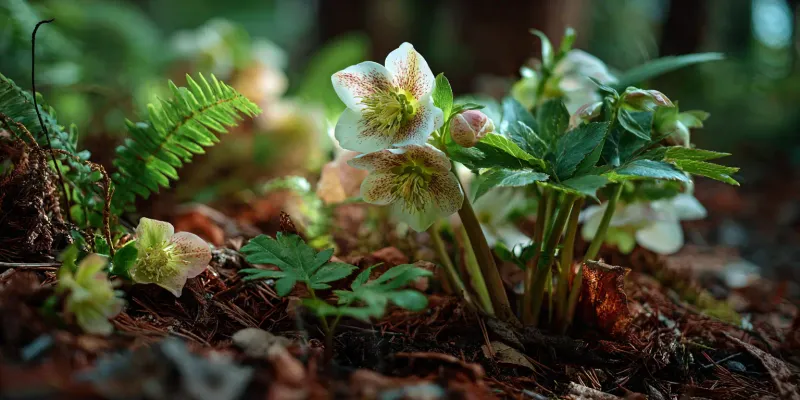
Those lovely nodding flowers come with a warning label. Every part of a hellebore is poisonous if eaten, which is exactly why deer tend to walk right past.
Eating any part can cause drooling, stomach pain, vomiting, and other unpleasant symptoms in people and pets.
If your dog likes to chew plants, place hellebores where it can’t reach them easily. Call your vet or Poison Control if you suspect someone took a bite.
The sap can also irritate skin in some people. Gloves are a smart choice when trimming leaves, dividing clumps, or moving seedlings. Wash your hands and tools afterward, and avoid touching your eyes while working.
History buffs will enjoy this one. Hellebores were famous in ancient Greek medicine, and the plant shows up in old stories and remedies, though nobody should try those today.
So what’s the takeaway? Choose Lenten roses for easy success statewide, try Christmas roses in cooler gardens, and give both shade, rich drained soil, and a little winter tidying.
Plant a few this fall, and next winter you’ll have flowers when your neighbors have bare dirt.