Wild Garlic Is Showing Up In Georgia Lawns This November And Early Treatment Matters
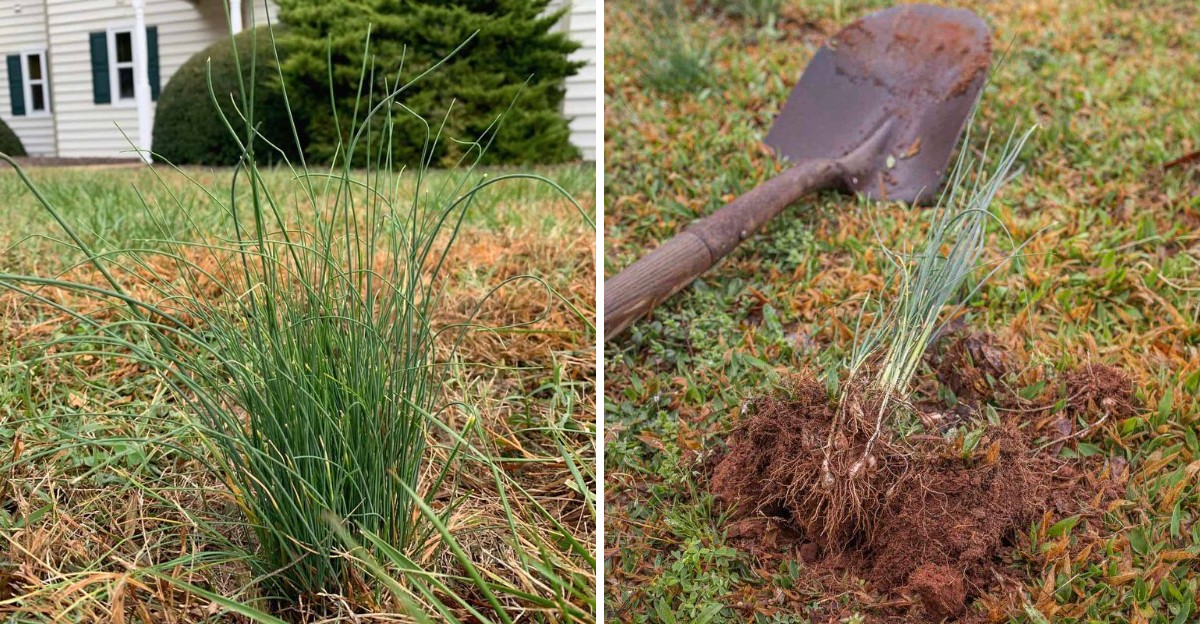
A single clump of one sneaky lawn weed can hide several kinds of bulbs underground, and some can sit quietly in the soil for years. I still find that a little unsettling.
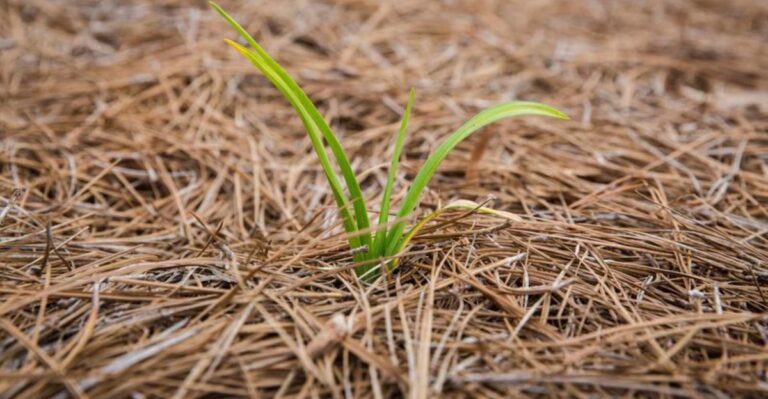
Right now, thin green shoots are popping up across Georgia yards while warm-season grass fades to tan. They grow faster than the turf around them, so they stick out like a bad haircut.
Mow over them and the whole yard smells like a kitchen.
I used to think these shoots were just a spring problem. That was a mistake, because the plant starts its yearly cycle in fall and builds strength all winter.
You get the best shot at control while it is young and busy growing.
That smelly green growth is already getting established, and waiting until March could make it much harder to control.
1. Those Skinny Green Clumps Popping Up Over Your Tan Bermudagrass Have a Story
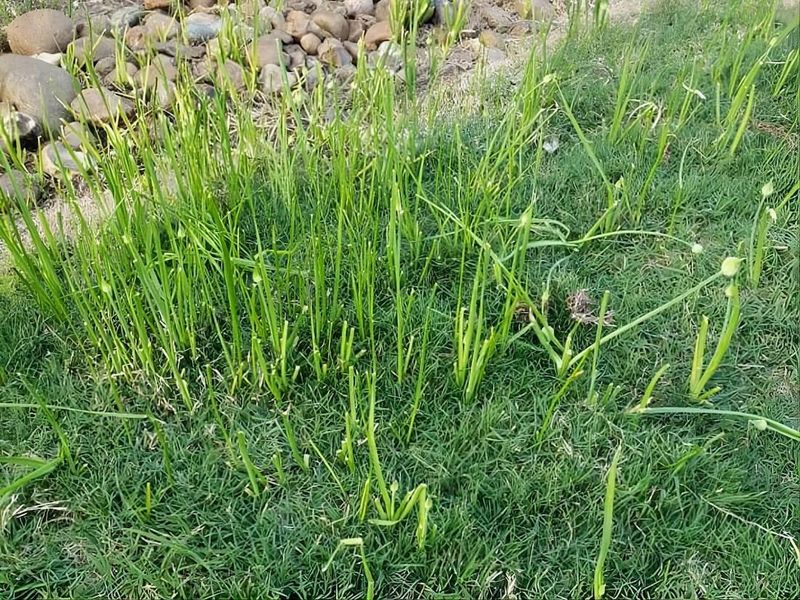
Your lawn is going to sleep, but something in it just woke up. Wild garlic, known to botanists as Allium vineale, is a cool-season perennial that sprouts from underground bulbs in fall.
Most Georgia homeowners grow warm-season grasses like Bermudagrass, zoysiagrass, centipedegrass, or St. Augustinegrass. Those grasses slow down and turn tan once nights get chilly.
Wild garlic does the opposite, so its bright green tufts suddenly look obvious.
Is wild garlic actually spreading more this year? There is no verified evidence of a special outbreak.
What you are seeing is a normal yearly pattern that becomes easy to spot when the turf around it goes dormant.
That timing is useful, not just annoying. The plant grows through winter and into spring, storing energy in new bulbs before it fades in summer heat.
By June, the leaves vanish and you might forget it was ever there.
Out of sight is not out of the yard, though. The bulbs wait in the soil and return next fall, often with extra company.
Spotting those clumps now gives you a head start that spring gardeners miss.
Consider this your early heads-up from the lawn itself.
2. Round Hollow Wild Garlic Leaves Give the Weed Away
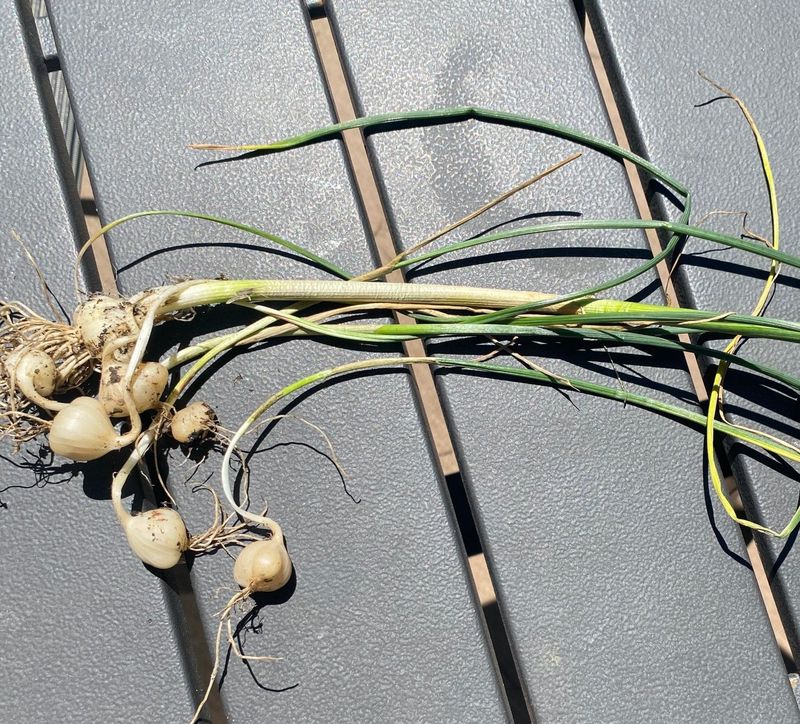
Grab a leaf, snap it in half, and take a sniff. That quick test tells you most of what you need to know.
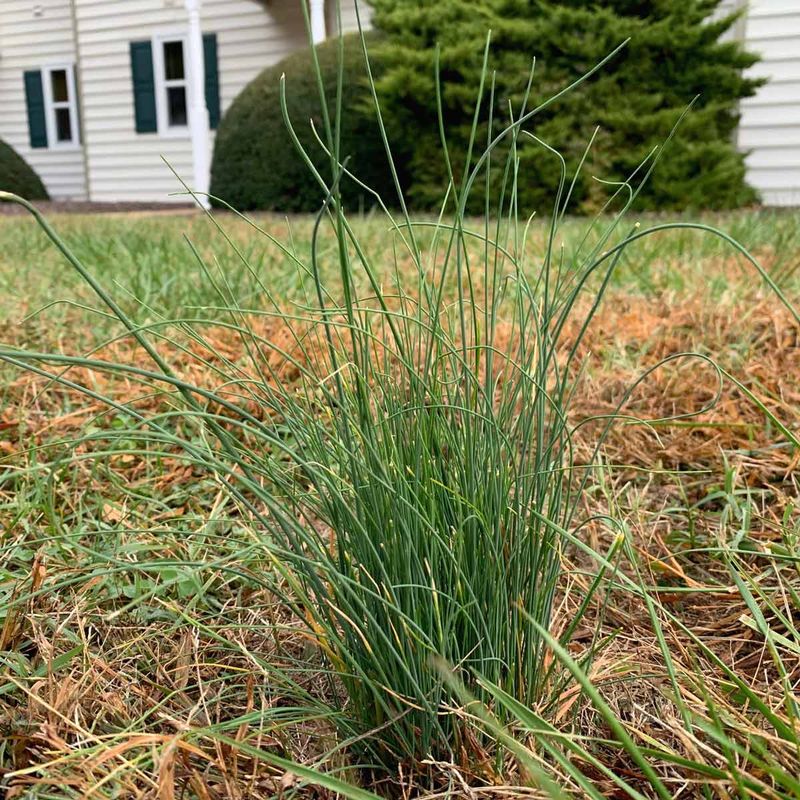
Wild garlic leaves are thin, waxy, dark green, and round. Break one and you will see it is hollow inside, a lot like a chive.
They usually grow in tight clumps that rise above the grass blades.
The smell seals the deal. Crushed or mowed leaves give off a strong garlic or onion scent that hangs around after you finish the yard.
Wild onion, Allium canadense, is a close cousin that shows up in Georgia lawns too. Its leaves are flat and solid instead of round and hollow.
Both smell similar, so checking the leaf shape is the better clue.
Telling them apart matters a little for planning. Both respond to similar herbicides, but wild garlic is often considered more stubborn because of its many bulb types.
One more lookalike deserves a warning. Star-of-Bethlehem has grassy leaves with a white stripe and no garlic odor, and it can be toxic if eaten.
When in doubt, confirm the plant’s identity before treating it, and never taste an unidentified plant.
3. Treating Wild Garlic in November Hits It While It Is Most Vulnerable
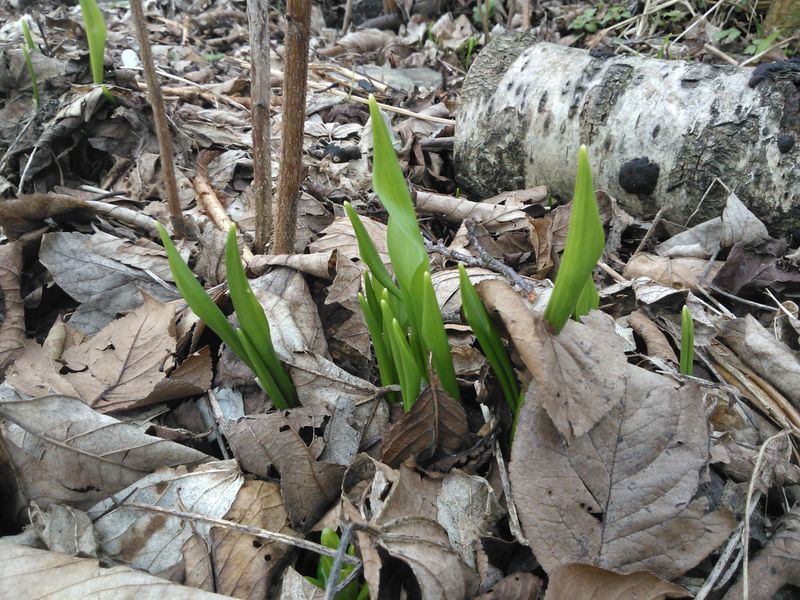
Timing is the secret weapon here, and November hands it to you. University of Georgia Extension and other land-grant schools point to fall and early spring as the best windows for control.
Young wild garlic is actively growing right now. Its leaves are pulling in sunlight and sending food down to the bulbs.
Herbicides travel along that same path, so a treatment applied now has a better chance of reaching the roots.
Wait until late spring and the story changes. By then the plant has already formed new underground bulbs and may push up flower stalks topped with tiny aerial bulblets.
Each one is a future plant.
I like to think of it as catching a leak before the ceiling stains. A small fall effort can save you a much bigger spring headache.
No pre-emergent product reliably stops wild garlic, since it grows from bulbs instead of seeds. That means your treatment has to happen after you can see the leaves.
Pick a mild day when the plants look healthy and green. Weeds under stress from drought or a hard freeze take up less product, so a calm, moderate stretch of weather works best.
4. Spraying Wild Garlic Works Better With the Right Herbicide and a Sticker
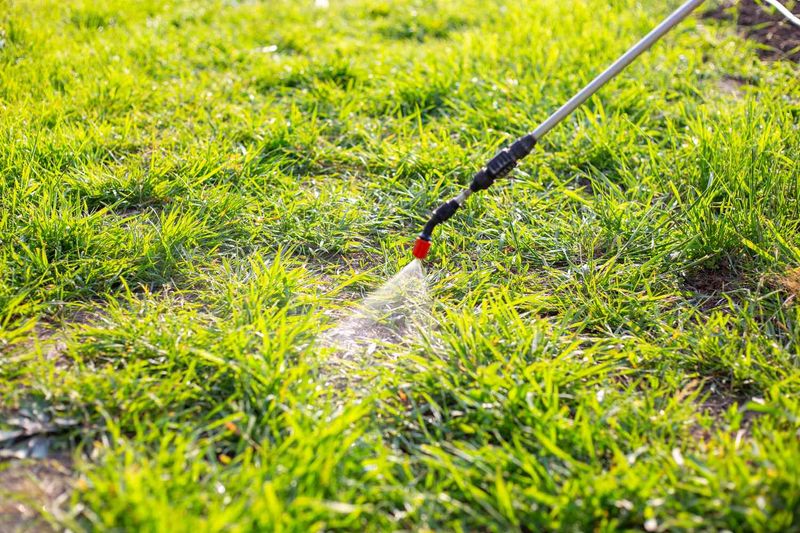
Spray bottles are not all created equal, especially against a waxy weed. Wild garlic leaves shed liquid easily, so product choice and coverage matter.
For most lawns, extension specialists recommend three-way broadleaf herbicides containing 2,4-D, dicamba, and mecoprop (MCPP). These are widely sold for home turf.
Other options include products with metsulfuron, often sold for warm-season grasses, and imazaquin, which has been used on Bermudagrass, zoysiagrass, and centipedegrass. Availability changes, so check what your local garden center carries.
Reading the label is not optional. Some herbicides can injure St. Augustinegrass, centipedegrass, or tall fescue at certain rates or temperatures.
The label tells you which grasses are safe and how much to use.
A non-ionic surfactant helps the spray cling to those slick leaves. Some products already include one, so check before adding more.
Plan on a second round in late winter or early spring, usually February or March in Georgia. Spot-spraying individual clumps saves money and keeps chemicals off healthy grass.
Keep kids and pets off treated areas until the spray dries, and avoid spraying near garden beds or on windy days.
5. Digging Out Wild Garlic Bulbs Works for a Few Stray Clumps
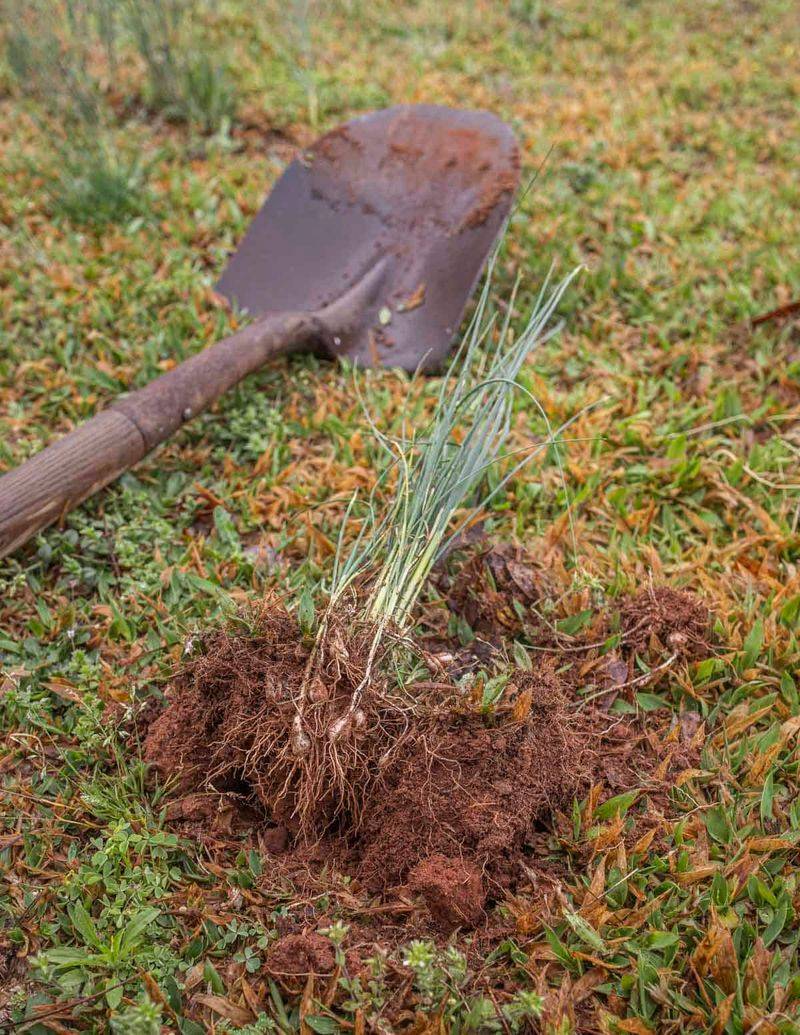
Got only a handful of clumps? A narrow trowel and a little patience might be all you need.
Pulling the leaves by hand rarely works. The tops snap off and the bulbs stay behind, ready to sprout again.
You need to get under the clump and lift the whole thing out.
Moist soil makes the job much easier. I like to dig a day after a good rain, when the ground is soft and the bulbs slide out instead of breaking apart.
Slide the trowel straight down beside the clump, a few inches deep. Gently pry up and lift the soil and bulbs together.
Then sift through the loose dirt for any small bulbs that fell off.
Toss everything in the trash, not the compost pile. Bulbs can survive and sprout in compost that does not get hot enough.
Fill the hole with a little soil so grass can creep back in. Expect a few returners, since some bulbs hide deep or break loose.
A quick follow-up dig in late winter usually catches them. For a large patch, though, this method can turn into a long afternoon on your knees.
6. Mowing Over Wild Garlic Can Help or Hurt Depending on Timing
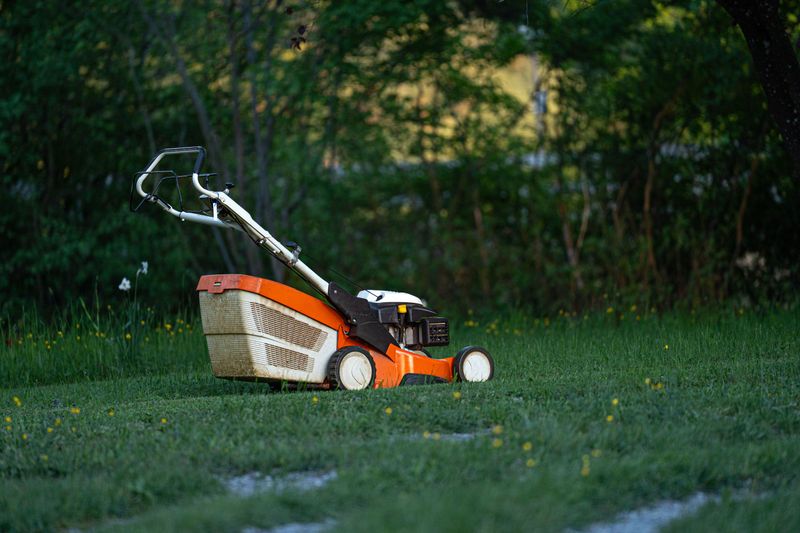
Ever notice your yard smelling like a pizza shop after mowing? Those trimmed wild garlic leaves are releasing their oils.
Mowing by itself will not remove this weed. The bulbs stay safe underground and push up fresh leaves again.
Still, your mower has a useful supporting role.
Regular mowing in spring stops flower stalks before they form aerial bulblets. Those little clusters at the top of the stalk drop into the lawn and start new plants, so cutting them early slows the spread.
Around herbicide treatments, timing gets trickier. Many labels and extension guides suggest waiting a couple of days after mowing before you spray, so the plant has fresh leaf surface to absorb the product.
Some research has found that mowing right before treatment may help with uptake, so follow your specific label.
After spraying, give the weed time. Most guides recommend skipping mowing for about two weeks so the herbicide can move down into the bulbs.
Your dormant warm-season grass barely needs cutting in winter anyway. That makes it easy to leave the mower parked while the treatment does its work.
7. Wild Garlic Bulbs Underground Explain Why One Spray Is Rarely Enough
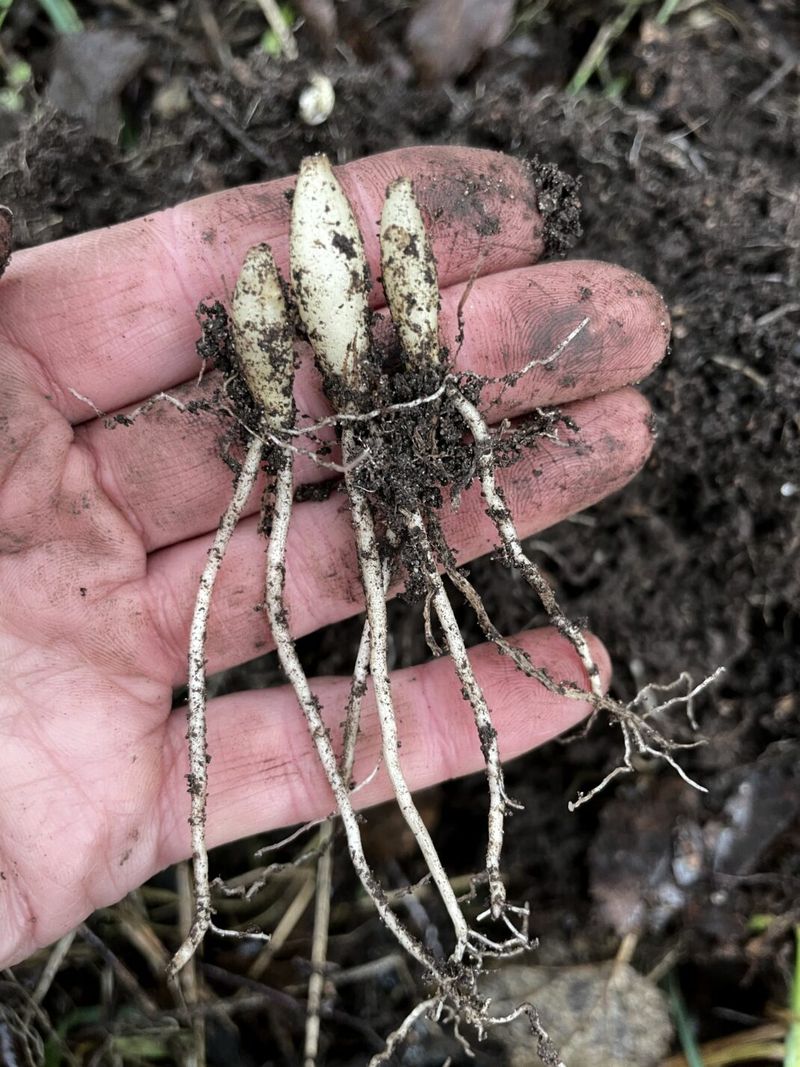
Patience is part of the plan, and the bulbs explain why. Wild garlic builds several kinds of them, each with its own schedule.
Soft offset bulbs usually sprout in fall, soon after they form. Hard offset bulbs have tougher coats and can wait in the soil for a year or more before growing.
Aerial bulblets form on flower stalks and drop into the lawn.
Herbicides work on plants with leaves showing. A hard bulb resting in the dirt has no leaves to spray, so it skips your treatment and sprouts later.
That is why extension specialists commonly recommend treating in fall and again in late winter or spring for at least two years. Heavy patches can take three seasons to bring under control.
Seeing new shoots next November does not mean you failed. It means a new batch of bulbs finally woke up, and you are chipping away at the supply.
Keeping simple notes helps. Snap a photo of problem spots each fall and compare year to year.
Watching those clumps shrink from a big patch to a few strays is honestly pretty satisfying.
8. A Thick Healthy Lawn Leaves Little Room for Wild Garlic
My favorite weed control tool costs nothing extra. It is simply thick, healthy grass that leaves weeds little space and sunlight.
Wild garlic loves thin spots, bare patches, and stressed turf. Strengthening your lawn during its growing season makes it harder for new bulbs to settle in.
In Georgia, most warm-season grasses should be fertilized in late spring and summer, not in November. Feeding them now can encourage tender growth right before cold weather.
A soil test through your county UGA Extension office tells you exactly what your lawn needs.
Mow at the right height for your grass type. Centipedegrass and Bermudagrass like it shorter, while St. Augustinegrass and tall fescue prefer a taller cut.
Scalping weakens turf and invites weeds.
Water deeply but less often during dry spells, since soggy ground helps weeds more than grass. Core aeration in late spring or early summer loosens compacted soil for warm-season lawns.
Rake fallen leaves so they do not smother the turf.
None of this replaces treatment for an existing patch. Paired together, though, a smart fall spray and a stronger lawn give you the best shot at a garlic-free yard next year.