How North Carolina Gardeners Get a Thanksgiving Cactus in Full Bloom by the Holiday
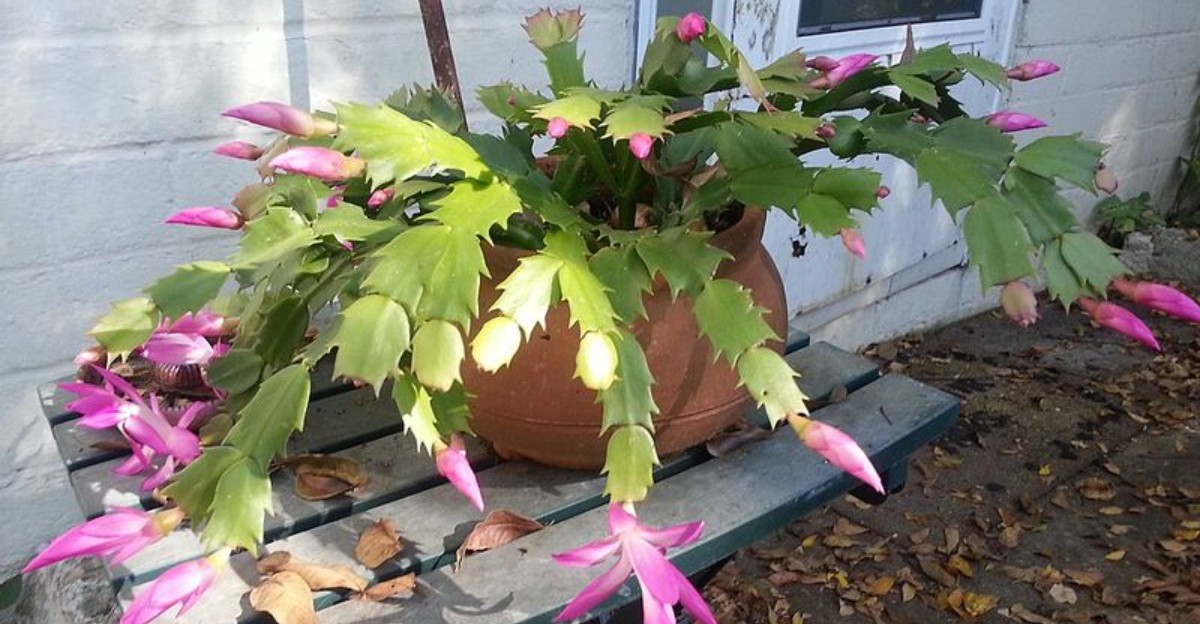
A tropical plant from the cloud forests of Brazil can tell time by counting the hours of darkness. It does not need a calendar. It reads the night sky through your window.
One thing I love about this houseplant is how it hangs its flowers like tiny paper lanterns. The blooms come in pink, red, white, orange, and even purple. Each flower can last several days, and a healthy plant opens dozens over a few weeks.
I know how frustrating it can be when a plant sits green and stubborn all fall. Many of us in North Carolina blame ourselves, our water, or our soil. Most of the time, the real issue is a lamp, a warm room, or simple timing. The fix is easier than most people expect.
1. Those Thanksgiving Cactus Buds Are Waiting on a Signal From the Night
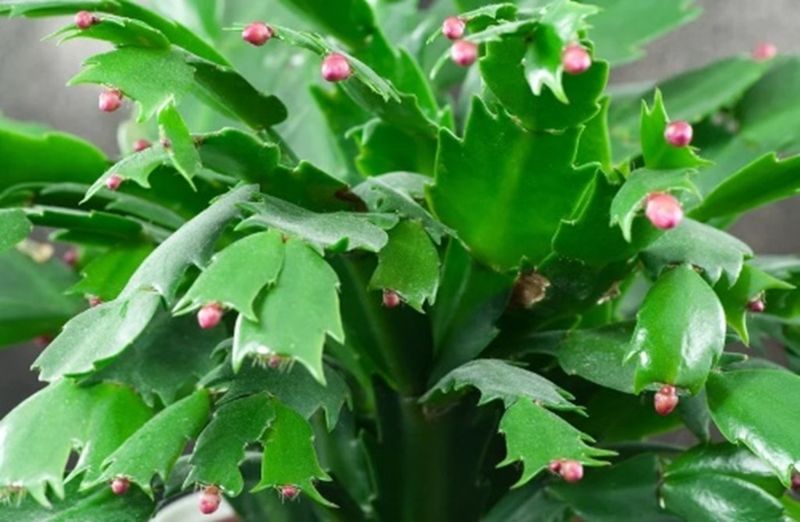
Plants can read the calendar better than most of us. A Thanksgiving cactus pays close attention to how long the nights last and how cool they feel.
Scientists call this a short-day plant. When nights stretch past about 12 hours, the plant gets a message that it is time to make flowers instead of new stems. Cool temperatures send the same message, and the two signals together work best.
In the wild, this plant grows in the mountain forests of southeastern Brazil. Nights there are cool and fall days get shorter, so the plant learned to bloom on that schedule. Your living room, with its bright lamps and steady heat, can scramble those clues.
Here is the part that surprises many gardeners. The plant does not need special food or a fancy trick. It simply needs nights that feel like real autumn nights.
Once you understand that, the whole process makes sense. Every step in getting holiday flowers comes back to these two cues, darkness and cool air. Give the plant both for several weeks, and it usually rewards you with buds.
Miss them, and you may see only green growth until winter. The good part is that you control both cues.
2. Give Your Holiday Cactus Long Dark Nights Starting in Late September
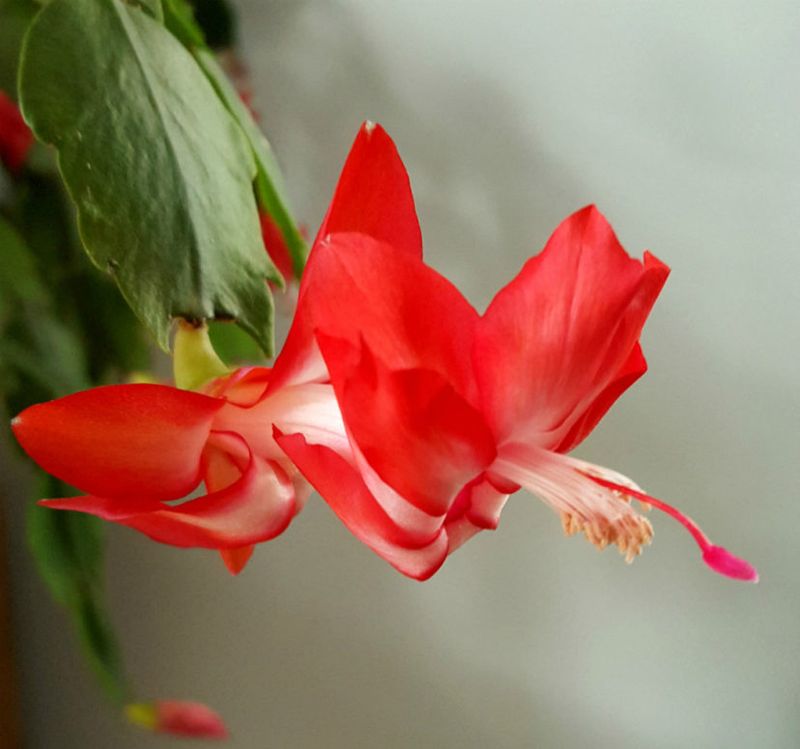
Count backward from the holiday, and the plan becomes clear. A Thanksgiving cactus usually needs about six to eight weeks of long nights before buds are ready to open.
That means late September is a smart time to start. Give the plant roughly 12 to 14 hours of steady darkness each night. Many gardeners move the pot to a spare room, a guest bath, or a corner that stays dark after sunset.
Even a short burst of light can reset the clock. A porch light shining through the glass, a hallway lamp, or a glowing TV may be enough to delay flowering.
If you lack a dark room, slip a cardboard box over the plant in the early evening and lift it off in the morning.
Daytime still matters too. The plant needs bright, indirect light during the day to fuel all that flower making, so do not leave it in a closet around the clock.
Set a phone reminder if the box routine slips your mind. After about a week, it starts to feel like part of your evening chores. Once you see buds the size of a grain of rice, you can relax the strict darkness routine.
3. Cool Fall Nights Help Thanksgiving Cactus Set Flower Buds
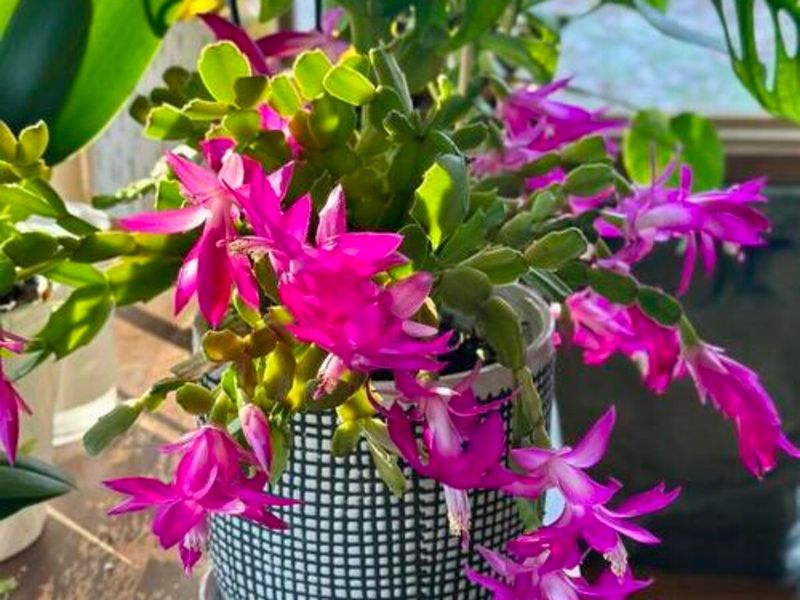
Chilly evenings are a real gift for this plant. When nights drop to roughly 50 to 60 degrees, a Thanksgiving cactus starts setting buds with much less fuss.
Some experts note that steady cool temperatures in the mid-50s can trigger blooms even without perfect darkness.
That makes North Carolina a pretty friendly place to grow one. Many of us can leave the plant on a shaded porch or patio through September and much of October.
Timing depends on where you live. Mountain gardeners may see frost by early to mid-October, while Piedmont and coastal gardeners often get a few more weeks.
Bring the pot inside before nights fall below about 45 degrees, since cold snaps can harm the stems. Once indoors, look for the coolest bright room you have. An unheated sunroom or a room with the vent closed can work well.
Keep the plant away from fireplaces, space heaters, and heat registers. Warm, dry air can stall buds or make them fall off. Watch your weather app in October and treat that first chilly forecast as your cue to haul the pot inside.
4. Ease Up on the Watering Can While Buds Are Forming
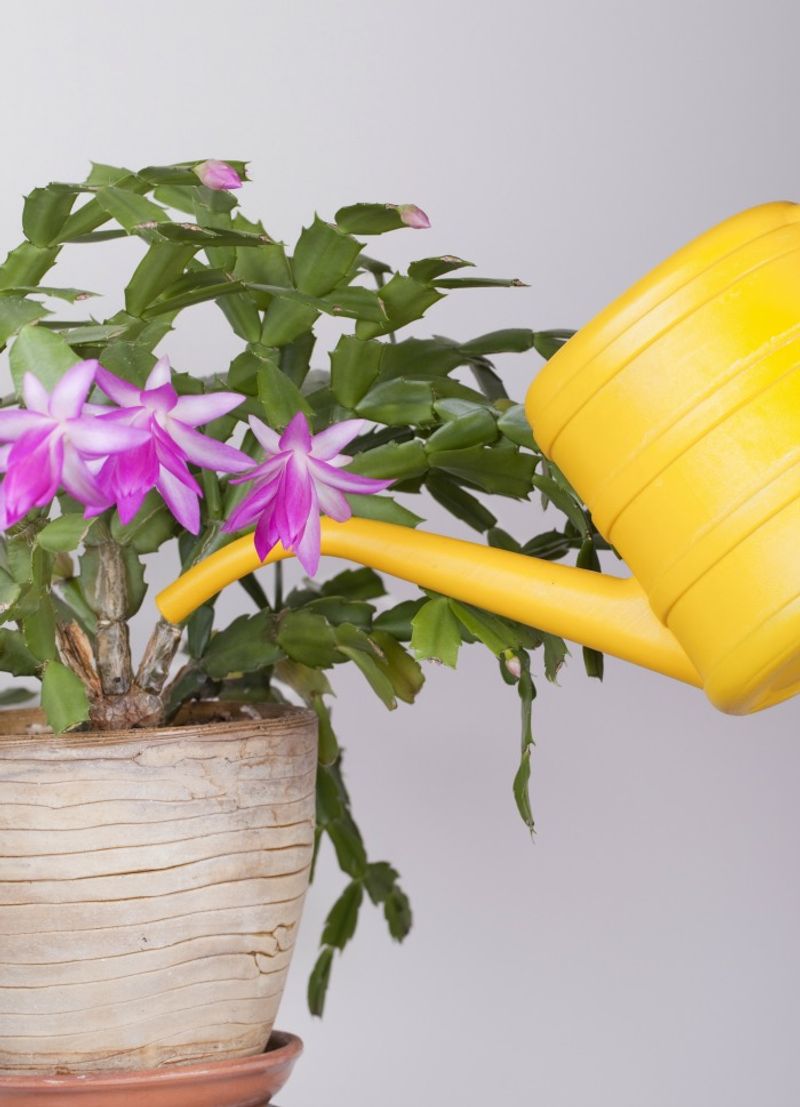
My first holiday cactus nearly drowned because I loved it a little too much. I learned that this plant prefers a lighter touch, especially in fall.
During the bud-setting weeks, let the top inch of soil dry before you water again. Press a finger into the mix to check. If it feels damp, wait a few more days.
Many growers cut back on water in early fall to help encourage flowering. That does not mean letting the plant shrivel. Limp, wrinkled stems tell you it needs a drink.
When you do water, soak the pot well and let the extra drain out the bottom. Empty the saucer within 30 minutes. Roots sitting in water can rot, and root rot is one of the most common reasons these plants decline.
Once buds appear, keep watering more steady and even. Big swings between bone dry and soggy can make buds drop.
Room temperature water is kinder than icy tap water. A pot with a drainage hole matters more than any watering schedule, so check yours before fall arrives. A pretty pot without a hole can still hold a plain nursery pot inside it.
5. Why Those Little Pink Thanksgiving Cactus Buds Sometimes Fall Off
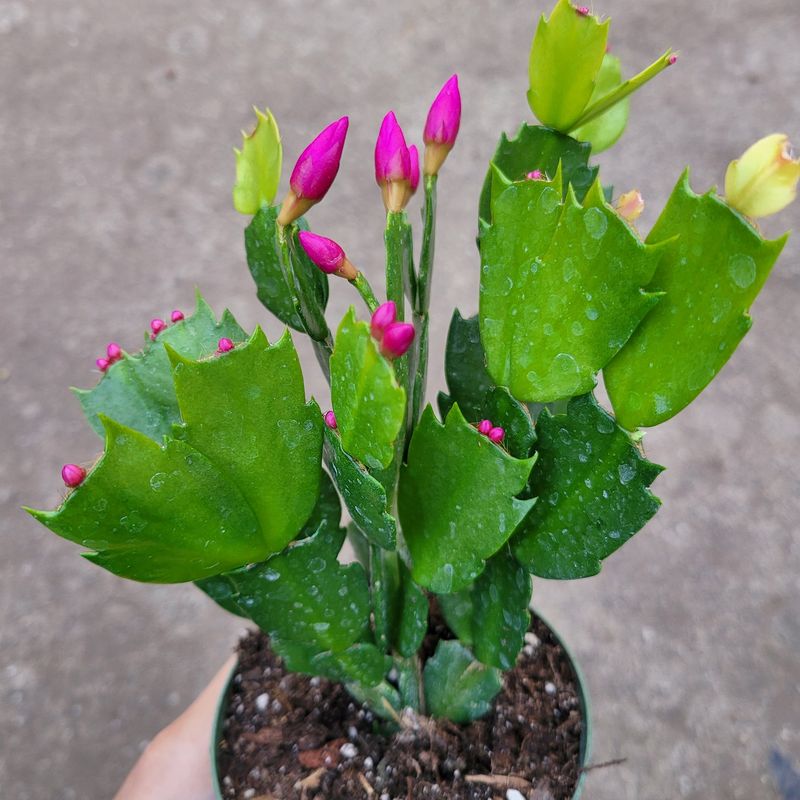
Nothing stings quite like finding tiny buds scattered on the table. Gardeners call this bud drop, and a Thanksgiving cactus is famous for it.
The usual cause is sudden change. A plant moved from a cool porch to a warm, dry living room may react by shedding buds. Drafts from doors, heat vents, or chilly windows can do the same thing.
Watering swings play a role as well. Too much water, too little water, or a big switch between the two can stress the plant. Low humidity from indoor heating adds to the problem.
Try to pick a spot and stick with it once buds form. Turning the pot or carrying it room to room can upset it. Many growers suggest waiting until flowers open before moving the plant to your holiday table.
If your air feels dry, set the pot on a tray of pebbles with a little water below the pot base. That small bump in moisture often helps.
A few lost buds are normal, so do not panic. If most of them fall, look for a draft or a heater nearby and fix the spot.
6. Pause the Fertilizer Before Your Thanksgiving Cactus Starts Budding
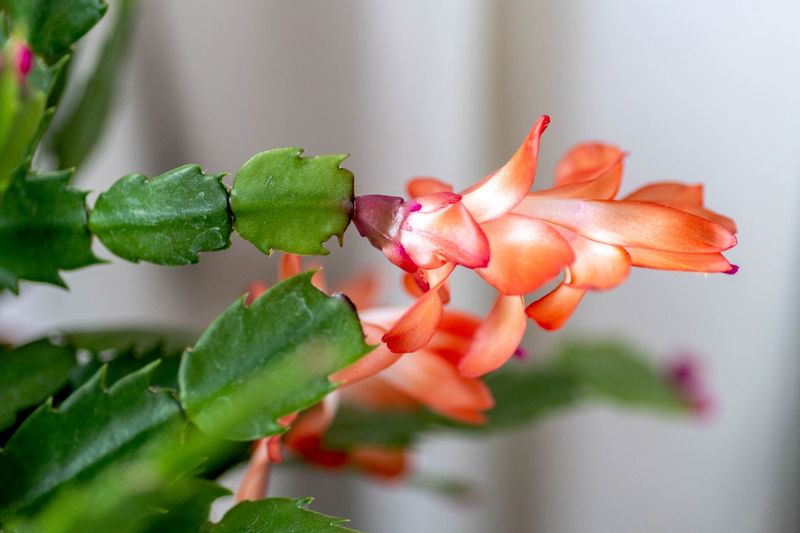
Feeding time follows the seasons, much like your garden outside. A Thanksgiving cactus grows the most in spring and summer, and that is when it wants regular meals.
From about April through August, use a balanced houseplant fertilizer mixed at half strength every few weeks. This builds strong stem segments, and more stem tips mean more places for flowers to form.
Things change as late summer winds down. Stop feeding by late August or early September. Steady fertilizer in fall can push leafy growth when you want the plant thinking about blooms.
Some growers like to give the plant a light dose of magnesium in summer, often with Epsom salt. Research support for this is limited, so a good balanced fertilizer is enough for most homes.
Skip feeding while the plant is in full flower. It does not need extra nutrients then, and too much can burn tender roots.
After blooms fade, let the plant rest for a few weeks. When fresh green segments appear in late winter or early spring, start the routine again. Mark the dates on a calendar so you remember next year.
7. Snug Pots and Airy Soil Keep a Thanksgiving Cactus Happy
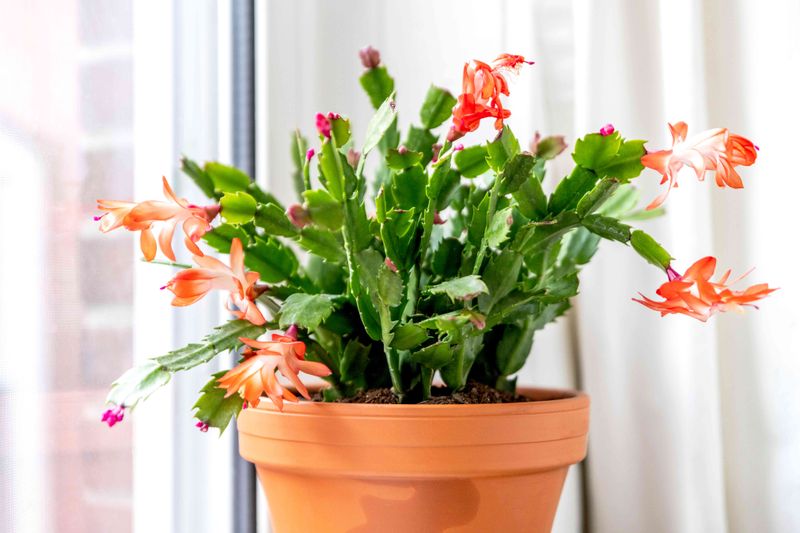
Out in the Brazilian forest, this plant does not grow in the ground at all. It perches on tree branches and rocks, tucking its roots into moss and leaf litter.
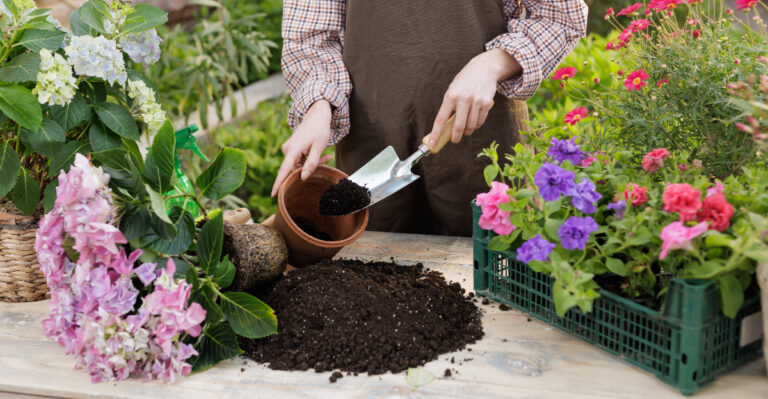
That lifestyle explains what it likes in a pot. Choose a loose, fast-draining mix rather than heavy garden soil. A blend of potting soil with perlite or orchid bark works nicely, and many gardeners use a cactus mix with added bark.
Here is a quirky fact. These plants often bloom best when their roots feel a bit crowded. Repotting every two to three years is plenty, and only move up one pot size at a time.
Spring is the best season for repotting. Doing it in fall can disturb the plant right when it should be setting buds.
Light needs are gentle too. Bright, indirect light from an east window works well indoors. In summer, a shady porch suits it, but hot afternoon sun in a Carolina July can bleach the stems red or yellow.
Decent humidity helps as well. Grouping a few houseplants together can raise the moisture around them a little.
8. Check the Pointed Stem Edges to Know Which Holiday Cactus You Have
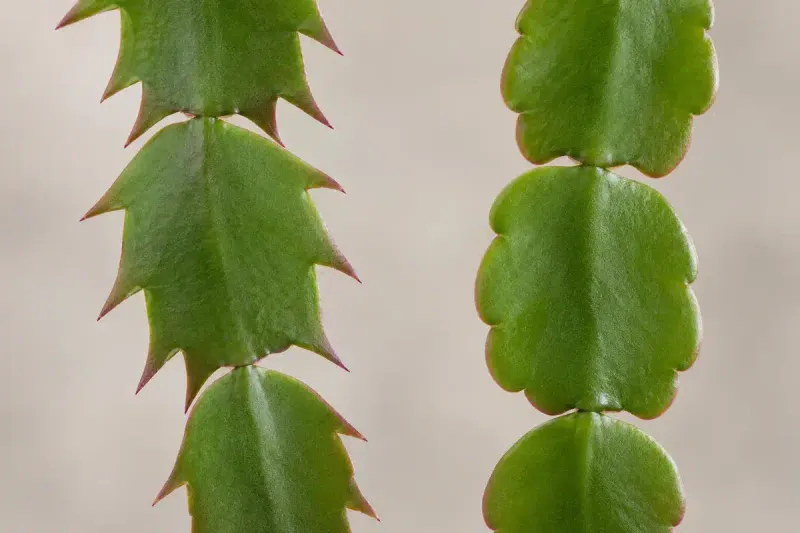
Take a close look at the leaf-like pads on your plant. Those flat green pieces are really stem segments, and their edges reveal its true name.
A Thanksgiving cactus, Schlumbergera truncata, has sharp, pointed teeth along each segment, almost like little claws.
A true Christmas cactus has rounder, scalloped edges. Most holiday cacti sold in stores are actually the Thanksgiving type, even when the tag says Christmas.
That small detail matters for timing. Thanksgiving types usually bloom from November into early December, while Christmas types tend to flower a few weeks later. If your plant blooms in late December, it may simply be the other species.
The care routine is mostly the same for both. Long nights, cool temperatures, and careful watering trigger flowers on each one.
Once your blooms fade, keep the plant growing through winter and spring. Pinch or twist off a segment or two in late spring to make the plant fuller, since more tips mean more flowers next fall.
Those pinched pieces root easily in damp mix. They make wonderful gifts, and maybe a friend will show off holiday blooms next year too.