Maryland Homeowners Have Until November 15 To Fertilize Their Lawns, And The Rule Isn’t Just For Pros
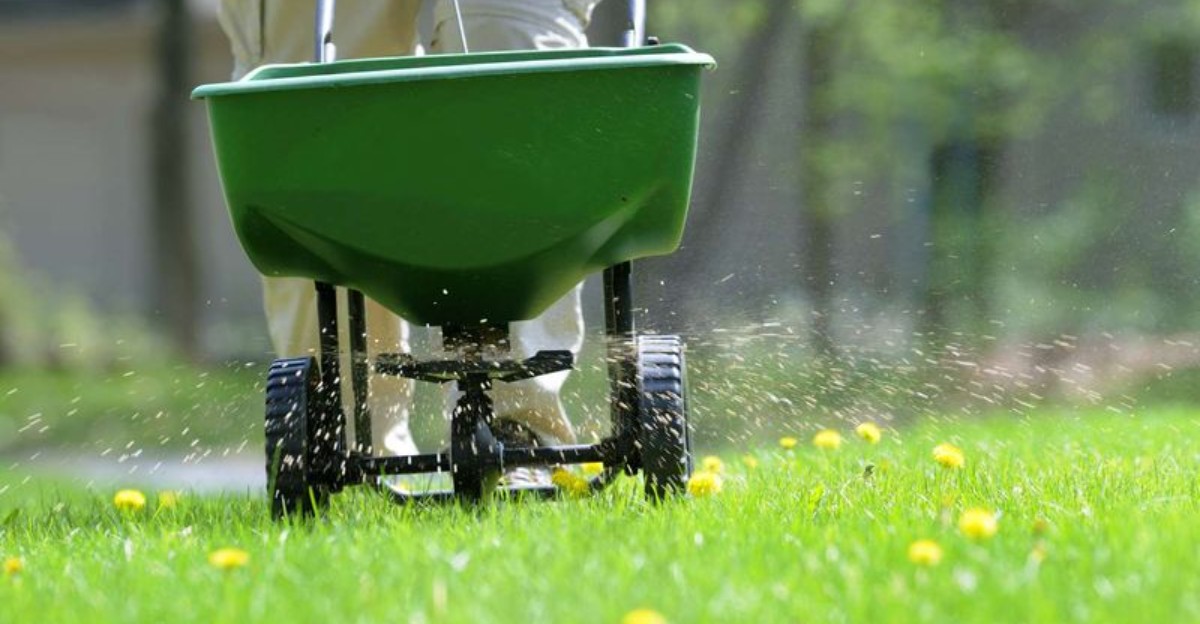
A bag sitting in your garage could land you on the wrong side of state law after mid-November. Not a chemical drum, not a pesticide jug, just the same striped sack you grab every fall. Wait, really?
Maryland passed this rule in 2011, and it took full effect in 2013. It covers anyone pushing a spreader, from crews with a fleet of trucks to a retiree tending a quarter-acre lot.
I’ll admit it, I used to treat autumn yard chores like a loose to-do list. Some years I wandered out with a scoop of pellets in late November, feeling pretty proud. It turns out my timing was feeding the creek down the street more than my grass.
So why does one calendar date matter so much to a patch of sleepy turf? And what exactly can you still get away with before the clock runs out?
That Lawn Spreader Has A Hard Stop On The Calendar
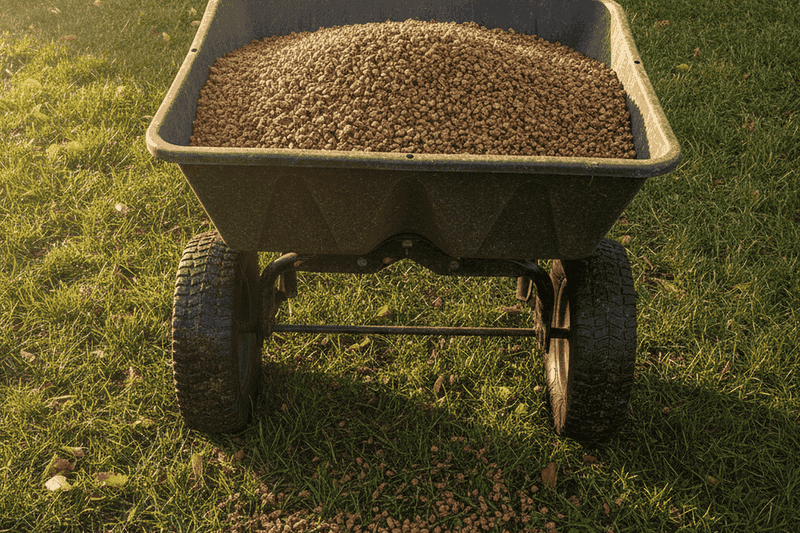
Mark November 15 on the fridge calendar in big letters. After that date, applying any lawn product containing nitrogen or phosphorus is off the table until March 1.
That stretch covers the coldest, wettest part of the year, when the ground is often soggy, frozen, or covered in snow. Lawn food spread during those months mostly sits on the surface waiting for the next storm. State officials decided it made more sense to keep the spreader parked.
The rule comes from the Fertilizer Use Act of 2011, which the Maryland Department of Agriculture enforces. It applies statewide, so it doesn’t matter whether you live in a Baltimore rowhouse with a postage-stamp yard or on a big lot out in Frederick County.
What about products with no nitrogen or phosphorus at all? Plain lime, for example, isn’t part of this blackout, and plenty of folks spread it in late fall or winter to adjust soil pH. Just base that decision on a soil test instead of a hunch.
I keep a sticky note on my spreader handle with the date written on it. It sounds silly, but it saved me from a late-season urge for one more round last year, and my lawn looked fine come spring.
Homeowners Pushing Their Own Fertilizer Spreader Follow The Same Rule
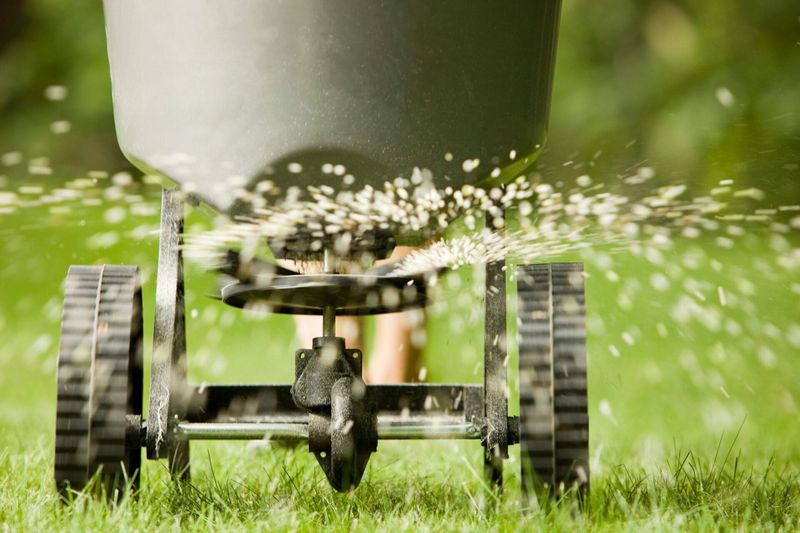
Plenty of people assume lawn laws target the trucks with company logos on the doors. Not this one. Homeowners are held to the same nitrogen and phosphorus rules as the companies that mow half the neighborhood.
In fact, do-it-yourselfers get a little less wiggle room. Certified professionals have a short extension into late fall, while homeowners must wrap up by November 15, period.
The law also expects homeowners to follow University of Maryland Extension recommendations for how much to apply. That means reading the bag, measuring your lawn, and calibrating your spreader instead of eyeballing it. A quick walk around the yard with a tape measure takes about ten minutes.
Why include regular folks at all? Turfgrass ranks among the biggest land covers in the developed parts of the Chesapeake Bay watershed. Thousands of small bags add up to a big pile of nutrients.
Most outreach to homeowners focuses on education rather than ticket books, but that’s no reason to shrug it off. Treat the deadline like recycling day. It’s simply part of being a good neighbor to the streams downhill from your yard, and a habit that pays off for everyone sharing that water.
Dormant Fall Grass Can’t Soak Up Late Nitrogen
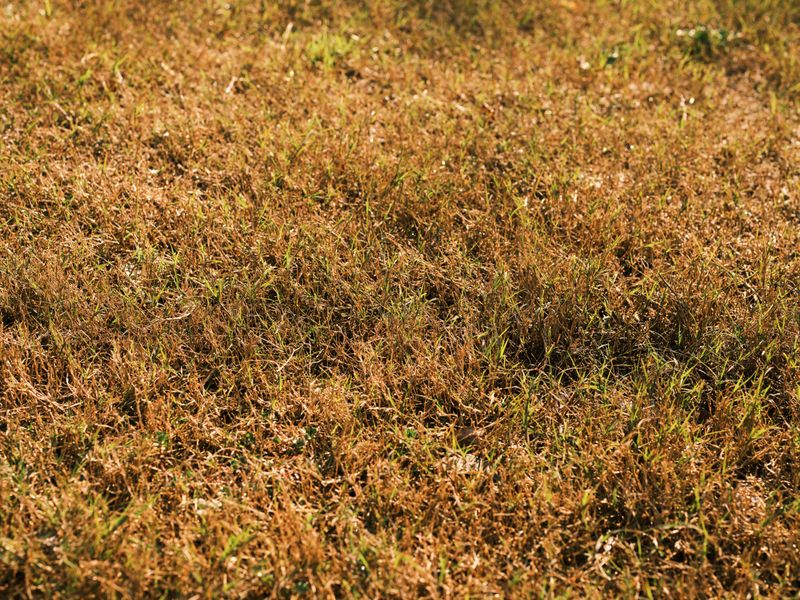
Cool-season grass slows way down once soil temperatures slide into the 40s. Roots keep working for a while in mild weather, but by late November most lawns are winding down for winter.
Grass that isn’t actively growing can’t pull much nitrogen out of the soil. The extra nutrients stay put until rain or melting snow carries them off the lawn, into storm drains, and toward local streams.
From there, the trip ends in the Chesapeake Bay. Excess nitrogen and phosphorus feed algae blooms that cloud the water and block sunlight from underwater grasses. When those blooms break down, the process uses up oxygen, leaving low-oxygen zones where crabs, fish, and oysters struggle.
Lawns aren’t the biggest source of nutrient pollution in the Bay. Farms, wastewater plants, and air pollution all play larger roles. Still, urban and suburban runoff is one of the few sources that keeps growing as neighborhoods expand.
I find that strangely encouraging. It means a homeowner with a spreader and a little patience can make a real difference. Skipping a pointless late feeding costs you nothing and helps keep that water clear for the blue crabs we all love on a summer table.
September Beats November For Feeding Tall Fescue
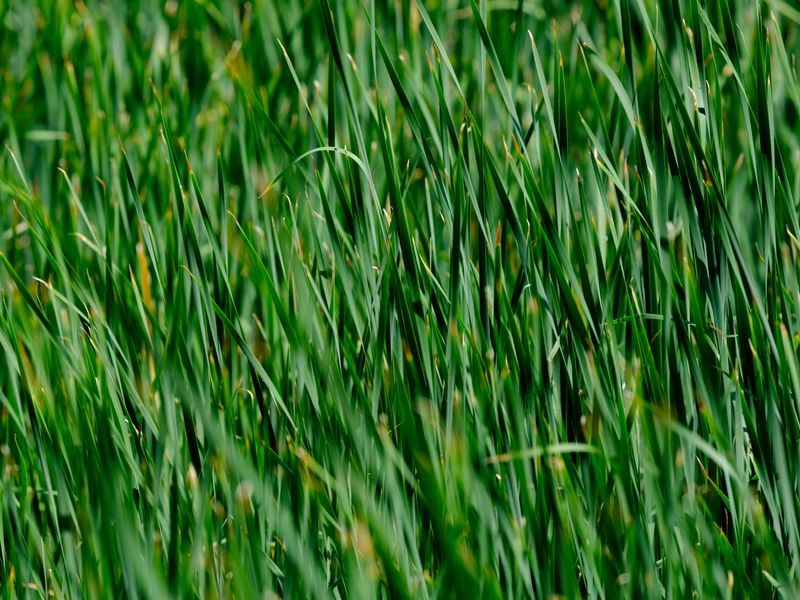
Ask a local extension turf specialist about the best month to feed a cool-season lawn, and you’ll probably hear September. Tall fescue and Kentucky bluegrass bounce back from summer stress in early fall, and they put that nitrogen to work right away.
A typical plan calls for most of the year’s nitrogen to go down in fall, split between September and October, with an optional light feeding in early November. Anything planned for that last round needs to happen by November 15.
Each application can’t go over 0.9 pounds of total nitrogen per 1,000 square feet, and no more than 0.7 pounds of that can be the fast-acting, water-soluble kind. Slow-release products help you stay within those limits while feeding the grass more gradually.
Warm-season lawns play by different rules. Zoysia and bermudagrass, found in warmer parts of the state, go brown and dormant in fall, so feeding them then mostly helps winter weeds. Their main feeding season is late spring and summer.
Guilty as charged, I once fed my fescue in late November because the weather felt mild. The grass barely responded. Now I save my energy for a solid September feeding and enjoy watching the lawn thicken up while the maples turn color.
Read The Three Numbers On That Fertilizer Bag Before You Buy
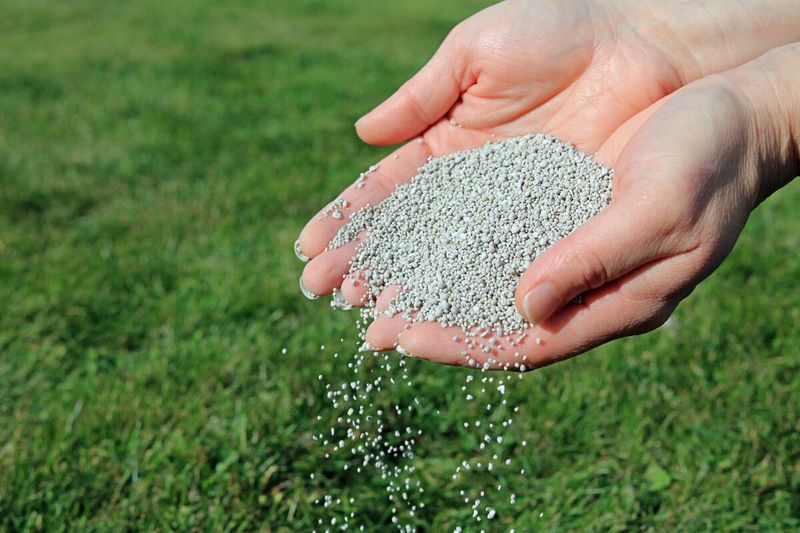
Flip over any bag of lawn food, and you’ll spot three numbers like 24-0-6. Those stand for nitrogen, phosphorus, and potassium, in that order, as a percentage of the bag’s weight.
The middle number deserves your attention. Lawn products sold in stores here are generally phosphorus-free, and homeowners can apply phosphorus only when a soil test shows the lawn needs it or when establishing, patching, or repairing turf.
Most established lawns already have plenty of phosphorus in the soil. Adding more doesn’t green things up, but it does raise the risk of runoff. Starter fertilizers with a higher middle number are meant for new seed or sod, not a mature yard.
The first number matters for the November deadline, too. Anything containing nitrogen or phosphorus falls under the winter blackout, and that includes organic products, since they still release nitrogen as they break down.
Not going to lie, I used to grab whichever bag had the greenest lawn on the front. Now I bring a soil test report to the garden center. Your county Extension office can point you to affordable soil labs, and one test can guide your choices for about three years.
Keep Fertilizer Pellets Off The Driveway And Away From The Creek
Timing is only half the story. The law also spells out where lawn food can and can’t land, and some of those rules catch people by surprise.
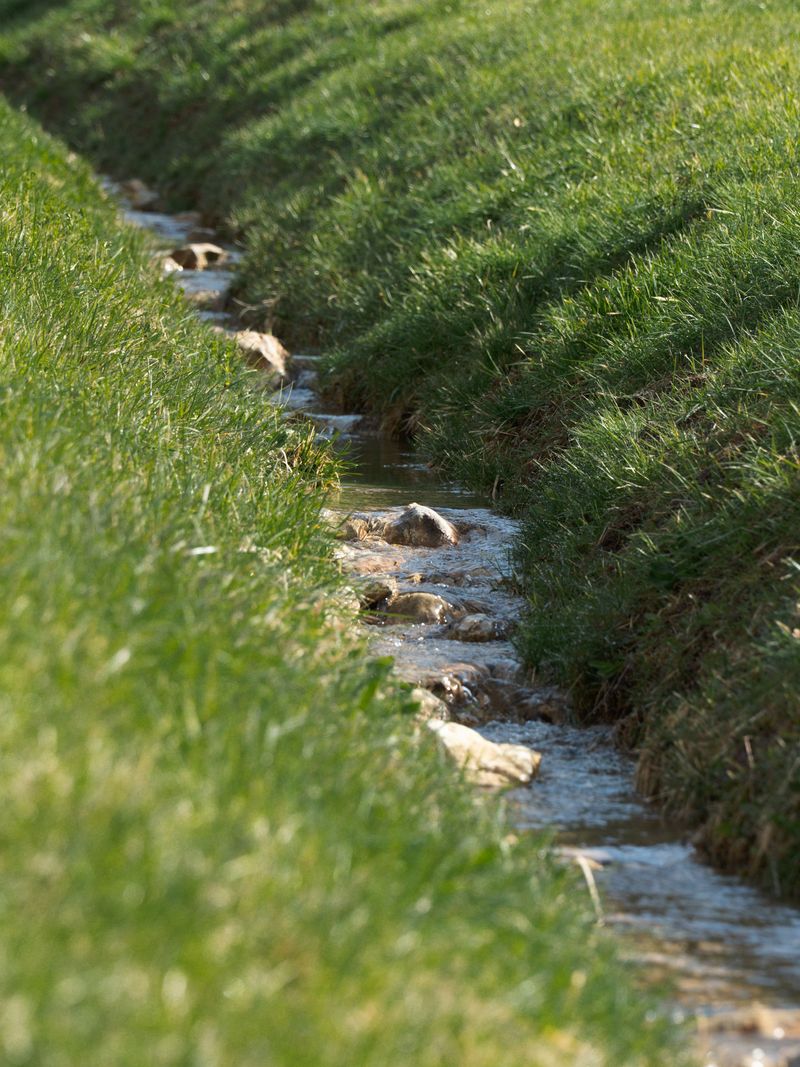
Granules that bounce onto driveways, sidewalks, or streets have to be swept back onto the grass or picked up. Pavement is basically a slide straight into the storm drain, and many drains lead directly to a stream without any treatment.
Water bodies get a buffer zone as well. Homeowners need to stay at least 15 feet from streams, ponds, and other waterways, or 10 feet when using a drop spreader, a targeted liquid spray, or a spreader with a deflector shield.
Weather matters, too. Spreading on frozen ground is off-limits, and so is applying when heavy rain is in the forecast. A light shower afterward can help granules settle in, but a downpour just washes your money away.
Don’t laugh, but some people still toss lawn food on icy steps in winter, hoping it will melt the ice. The law also bars applying lawn fertilizer to pavement, which rules out tossing it on icy steps. It works poorly anyway and sends a pulse of nutrients straight into the gutter.
A cheap push broom by the garage door has become my favorite lawn tool for this reason.
Certified Lawn Care Pros Get A Short Extension Into December
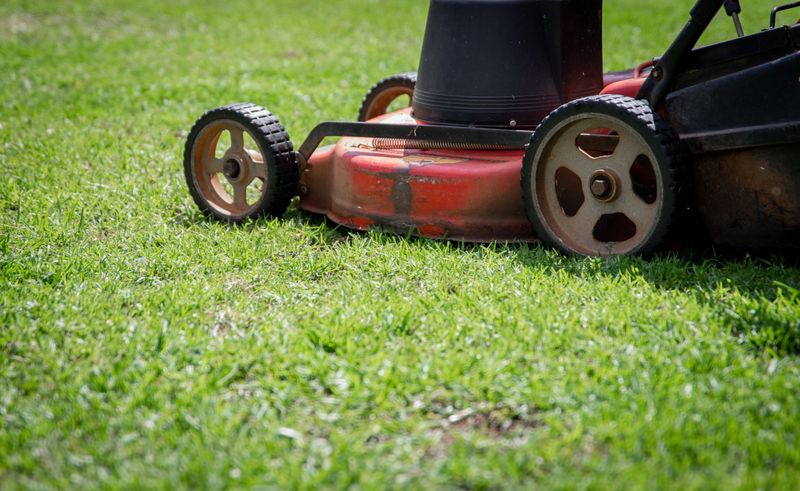
One wrinkle surprises plenty of homeowners. Professionals certified by the Maryland Department of Agriculture can keep working a little longer than everyone else.
Between November 16 and December 1, certified applicators may apply a reduced amount of nitrogen, no more than 0.5 pounds of nitrogen per 1,000 square feet. Phosphorus stays off-limits during that window. After December 1, the full blackout covers them too, right up to March 1.
That exception exists because trained pros are expected to read soil and weather conditions carefully. They also follow tighter record-keeping rules and complete training on how nutrients move through soil and water.
If you hire a lawn service, ask whether its technicians are certified or working under a certified professional. Companies applying lawn products for hire need to be licensed and trained through the state program. A legitimate business will answer that question without hesitation.
It’s also smart to ask what’s going into your yard and when. A good company can explain its fall schedule, the products it uses, and whether a soil test guided its choices.
Fair warning, the extension applies to the professional, not to your property. If you’re spreading the bag yourself, November 15 is still your last day.
Raked Leaves And A Final Mow Set Your Lawn Up For Spring

Once the spreader is put away, your lawn still has a few needs before winter. Most of them involve a rake, a mower, and a little patience.
Thick mats of fallen leaves can smother grass and invite disease. Running the mower over a light layer chops leaves into small pieces that break down and return organic matter to the soil. Heavier piles should be raked up and composted or used as mulch in garden beds.
Keep mowing as long as the grass is growing. For tall fescue, a height of about 3 to 4 inches helps roots stay strong through cold weather. Scalping the lawn short in late fall leaves it more exposed to winter stress.
Leave grass clippings on the lawn after each mow. They break down quickly and recycle nutrients, which means you need less purchased lawn food next year.
Winter is also a great time to plan. Order a soil test, sharpen the mower blade, and check how your spreader is calibrated before spring arrives.
I’m a sucker for a tidy plan, and this one works. Feed in September, finish by November 15, then let the lawn rest until March. Your grass, your wallet, and the Chesapeake Bay all come out ahead.