What It Really Means When a Snowy Owl Turns Up Near Your Michigan Home
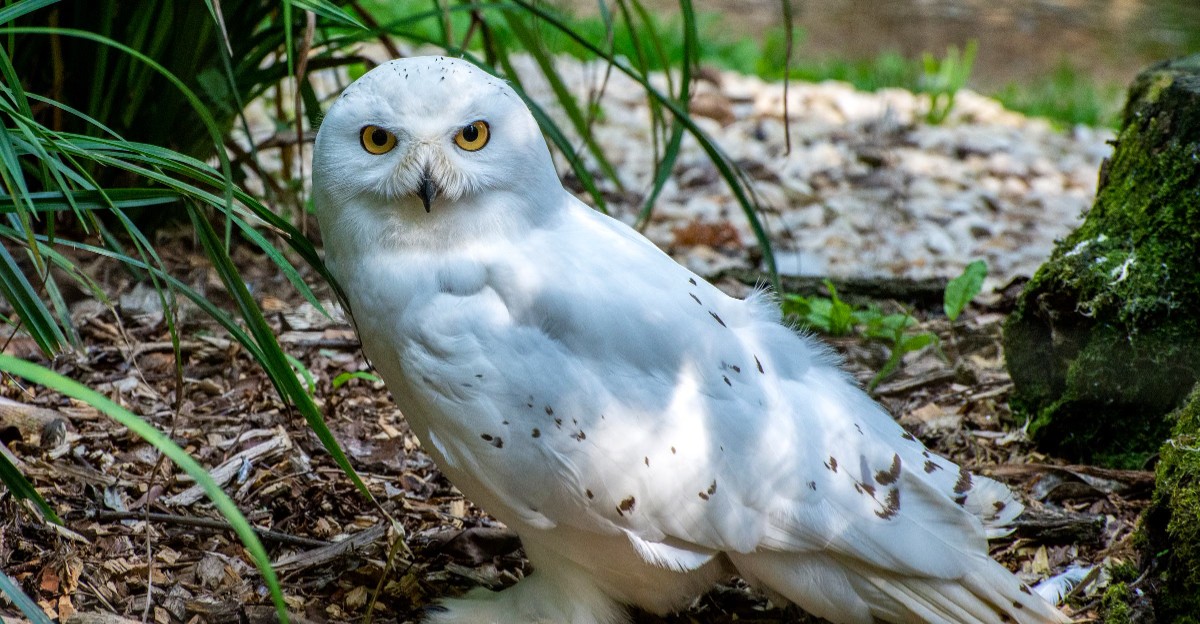
Some of the white birds sitting on Michigan fence posts this winter hatched on the Arctic tundra just months ago. They flew more than a thousand miles, and many have never seen a human before.
That explains why they sometimes sit so calmly while cars roll past. I can’t help but grin every time one shows up in a farm field or on a frozen shoreline.
Here’s something you might not expect from a winter visitor like this. It hunts in broad daylight, stands nearly two feet tall, and has feathers on its toes like fuzzy slippers.
If you spot one sitting silently in a snowbank, don’t assume it’s lost. Whether these magnificent birds show up in your town, and how long they stay, is largely shaped by a tiny tundra rodent you’ll likely never see.
1. That White Owl On Your Fence Post Has Traveled A Long Way
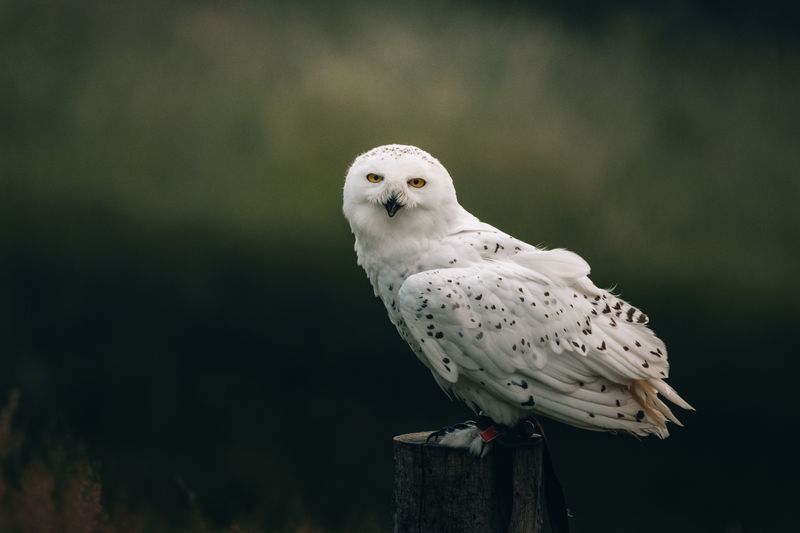
A snowy owl near your home is mostly a sign of good news from the Arctic, not trouble here. Most of the owls that reach Michigan are young birds born the summer before.
These owls nest on open tundra in northern Canada, Alaska, and Greenland. Each fall and winter, some move south. In certain years, many more come than usual, and birders call that an irruption.
Your visitor is probably not lost. It is doing what young snowy owls often do, which is searching for a quiet winter hunting spot away from older, stronger owls. Many people worry that a snowy owl far from home must be starving.
Researchers with Project SNOWstorm, a group that tracks these owls with small GPS units, found that most wintering owls are in fair to good body condition. Some even gain weight while they stay south.
So instead of fretting, enjoy the moment. You are seeing a bird that may have hatched on a patch of tundra a thousand miles or more away.
Seeing one also tells you something about your area. Owls choose spots with open ground and plenty of prey, so your neighborhood offers what they need right now.
2. Lemmings On The Tundra Help Explain Big Snowy Owl Years
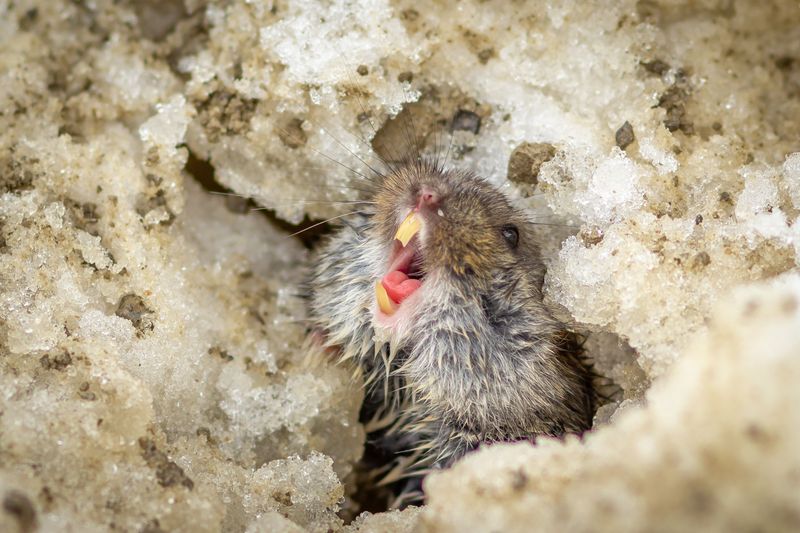
Blame it on the lemming. These small, round rodents are the main food of snowy owls during the Arctic nesting season.
Lemming numbers rise and fall in cycles, often every few years. When lemmings are plentiful, snowy owls can raise large broods, sometimes seven or more chicks in a single nest.
All those extra young owls need room to hunt once winter arrives. Adults, especially females, tend to hold the best northern spots, so many youngsters head south.
That is why big irruption years in Michigan often follow a strong breeding season up north. The famous winter of 2013 to 2014 brought record numbers of snowy owls to the Great Lakes region and the East Coast.
For years, people believed owls came south because they were starving. Scientists now think a lemming boom and a crowd of young birds matter more than a food crash.
Food still plays a part, and the full picture is complex. Weather, snow cover, and prey in other areas can also shape how far owls travel.
Either way, the owl in your neighborhood is a small clue to what happened on the tundra last summer. That’s a pretty amazing message to receive by air.
3. Wide Open Fields And Frozen Shorelines Draw Snowy Owls In
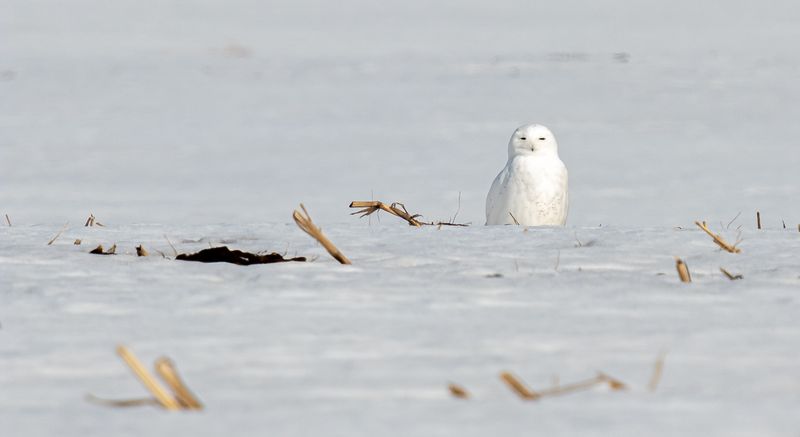
Flat, treeless land reminds a snowy owl of home. If your house sits near farm fields, a shoreline, or an airport, you have the kind of space these birds love.
In Michigan, sightings often come from Great Lakes beaches, Saginaw Bay, the Thumb region, and big agricultural fields. Ice-covered harbors and breakwalls attract them too.
Airports are a surprise hot spot. Their wide grassy areas look a lot like tundra, and they hold plenty of mice and voles.
Wooded backyards rarely draw them. Snowy owls prefer to see danger and prey coming from far away, so dense trees feel wrong to them.
Watch for perches that stick up a little from flat ground. Fence posts, hay bales, rooftops, light poles, dunes, and even plowed dirt clods make good lookout spots.
A white bump in a field can easily be a plastic bag or a chunk of snow. Bring binoculars and look for a round head and yellow eyes before getting excited.
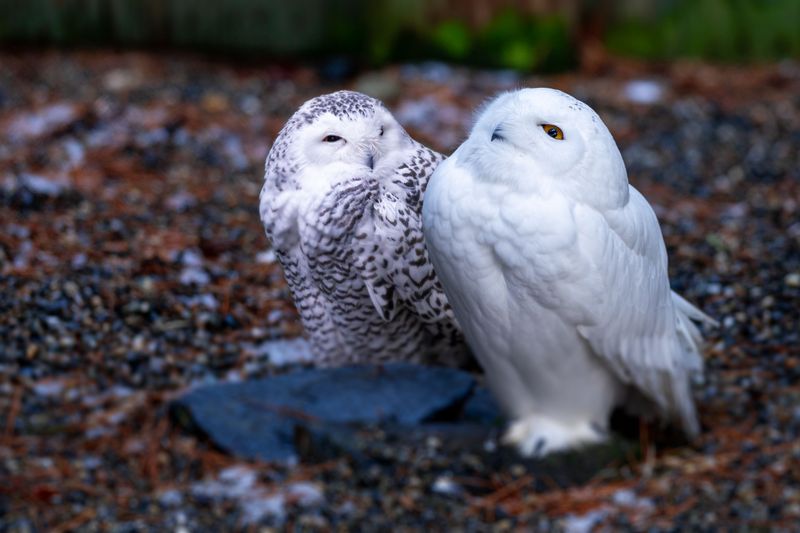
Males often look nearly pure white. Females and young birds carry more dark bars, so a heavily speckled owl is likely a youngster or a female.
4. Voles And Ducks Make The Snowy Owl Menu In Michigan
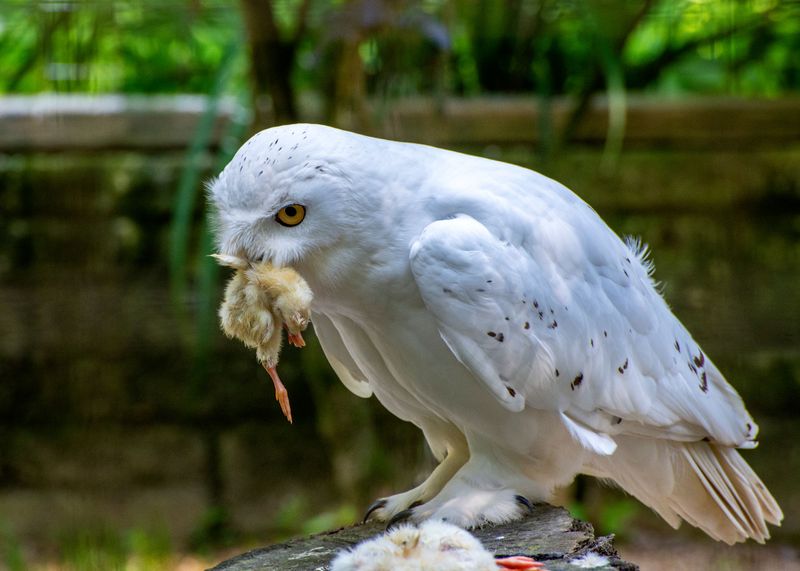
Daytime hunting is one of the coolest things about these owls. Up north, summer daylight lasts around the clock, so snowy owls are used to hunting whenever food appears.
Once they reach Michigan, their menu gets more varied. Voles, mice, rats, and rabbits are common meals in farm country.
Along the Great Lakes, some owls switch to birds. They may catch ducks, grebes, and gulls near open water, which surprises many people watching a shoreline.
Hunting often starts with patience. The owl sits still, turns its head, and listens for tiny movements under the snow before swooping down.
If you garden, that habit may work in your favor. An owl that stays near your yard or field may help keep vole numbers in check.
Voles chew bark on fruit trees and shrubs in winter, so having fewer of them around is welcome news. Still, the owl is a visitor, not a pest control service you can count on.
Please avoid putting out rodenticides near areas where owls hunt. Poisoned mice can pass the toxins on to raptors, and that is one simple way to protect them.
5. Give That Snowy Owl Plenty Of Room To Rest
Every flight costs a snowy owl precious energy. In cold weather, an owl that keeps getting flushed may struggle to stay warm and fed.
That is why the best gift you can give is space. Many wildlife groups suggest staying at least 50 to 100 yards away, or farther if the bird reacts.
Snowy owls are protected under the federal Migratory Bird Treaty Act. Harassing, capturing, or keeping one is against the law, and Michigan wildlife rules protect them too.
Binoculars and a spotting scope make watching easy from a distance. A car can also work as a handy blind, since many owls stay calm around vehicles.
Watch the owl’s body language closely. If it stares at you, bobs its head, raises its feathers, or shifts to fly, you are too close.
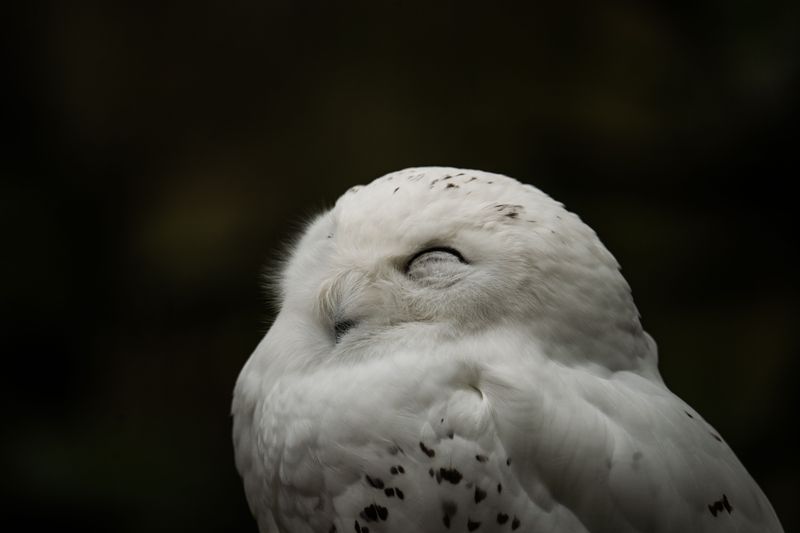
Back away slowly and let it settle down. A relaxed owl may look sleepy with half-closed eyes, which is exactly what you want to see.
Keep dogs leashed and kids at a calm distance too. Good manners help these birds and keep the viewing spot open for the next person.
6. Skip The Pet Store Mice And Owl Calls
Some photographers toss live mice to get an action shot of a snowy owl. Please don’t follow that example, even if the photos look amazing online.
Baiting teaches owls to fly toward people and cars. That can lead them into roads, where vehicle strikes are a real risk for these low-flying hunters.
Playing recorded owl calls is another bad idea. It adds stress and wastes the energy a wintering bird needs.
Be careful about sharing exact locations online too. A post with a pin on a map can bring crowds within hours, especially near homes and quiet farm roads.
Private property is another concern. Neighbors may not want strangers parked along their fields, so share sightings kindly and thoughtfully.
You can still help science, though. Reporting your sighting to eBird adds useful data about where owls spend winter, and you can hide sensitive locations if needed.
Simple rules make it easy. Stay back, stay quiet, keep food away, and let the owl choose how close it wants to be. Sometimes, the best owl memory is the one where it never knew you were there.
7. A Snowy Owl On The Ground For Days Might Need Help
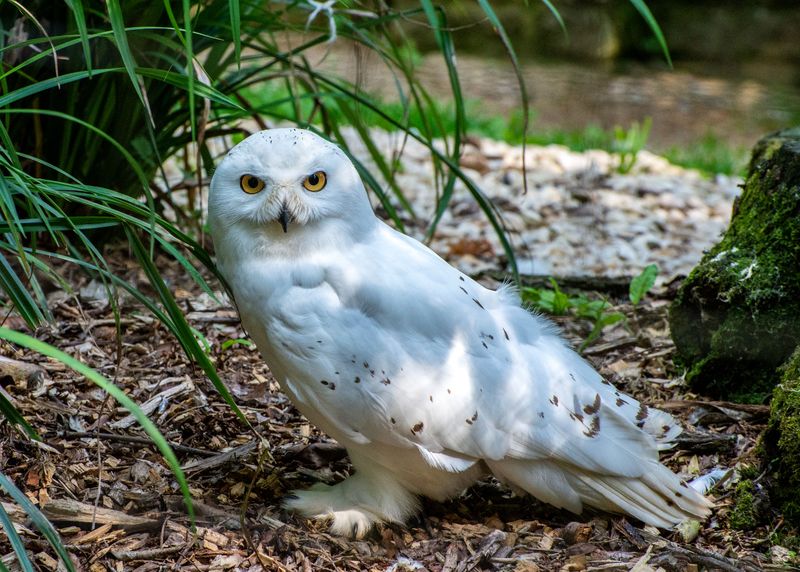
Most snowy owls sitting still are simply resting. They can stay in one spot for hours, which often worries kind-hearted homeowners.
Some signs do point to trouble, though. An owl that lets you walk right up, can’t fly, drags a wing, or sits near a roadside for days may be hurt or sick.
Vehicle collisions, power lines, and airport hazards are common problems. Bird flu has also affected some raptors in recent years, so avoid touching any wild bird.
Instead of picking it up, call for help. The Michigan Department of Natural Resources keeps a list of licensed wildlife rehabilitators who can advise you.
Write down where the owl is and what you noticed. Photos taken from a safe distance can help experts decide what to do.
Keep pets and people away while you wait. A frightened owl has sharp talons and can injure someone trying to help.
Rehab centers in Michigan have treated and released snowy owls before. Your quick phone call might give one the second chance it needs to fly north again in spring.
8. Your Snowy Owl Sighting Connects You To The Arctic
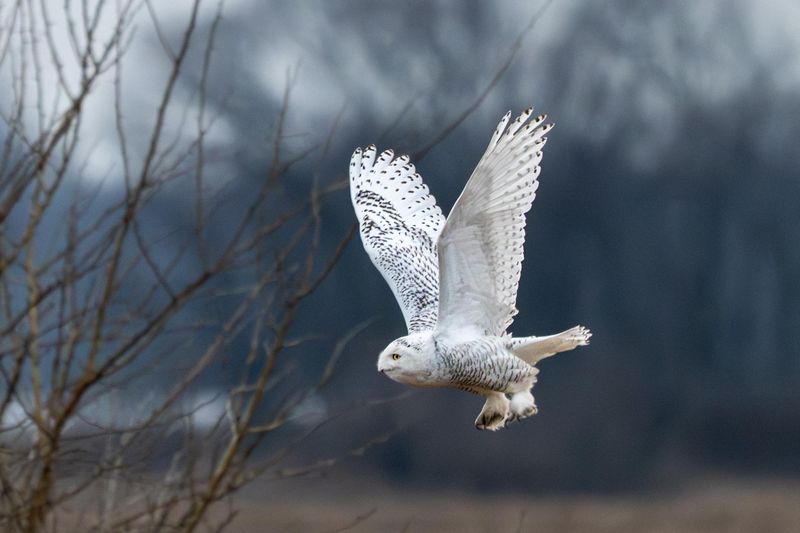
A snowy owl stop in your area is short and sweet. Most wintering owls head north again by March or April, ready for another tundra summer.
Their future deserves attention. The IUCN lists the snowy owl as Vulnerable, mainly due to estimated population declines and a warming Arctic that may change lemming cycles.
Scientists still have big questions about their numbers. That makes your sightings and photos more useful than you might think.
So what does it really mean when one turns up near your home? It means the tundra had a busy season, a young owl found good hunting near you, and you got a rare front-row seat.
Make the most of it this winter. Keep a notebook, log your sighting, and teach kids about giving wildlife space.
Around your own yard, leave some open grassy edges and skip rodent poisons. Those small choices help many raptors, from snowy owls to red-tailed hawks.
Snowy owls may not come back next year, and that is normal. When they do, you will know their story and greet them like old friends passing through.