Here’s What It Means When You Notice Fewer Earthworms In Your Michigan Garden Soil This Summer
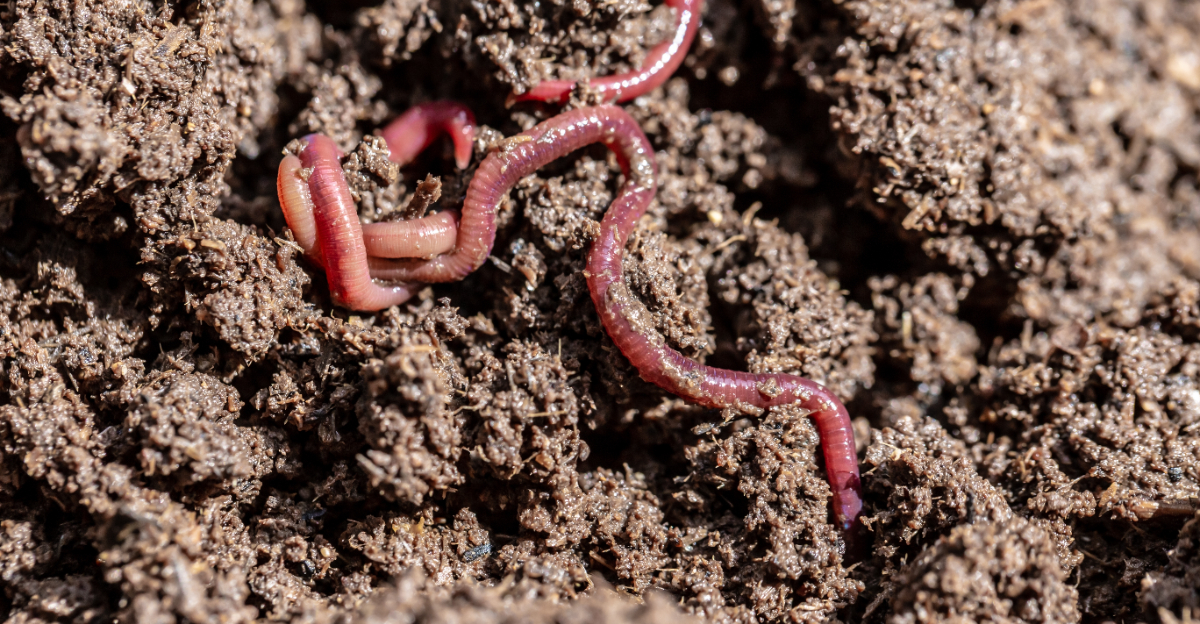
Earthworm counts are not something most Michigan gardeners track deliberately, which means a real decline often goes unnoticed until something more obvious goes wrong first.
Fewer earthworms in the soil this summer compared to previous seasons is rarely a coincidence.
It usually points to specific shifts in moisture, soil chemistry, or compaction that are affecting more than just the worm population.
Earthworms respond to these changes faster and more visibly than most other soil indicators, which makes their numbers a genuinely useful early signal.
Learning to notice and interpret that signal gives Michigan gardeners a heads up on problems before they show up anywhere else in the garden.
1. The Soil Surface May Be Too Dry
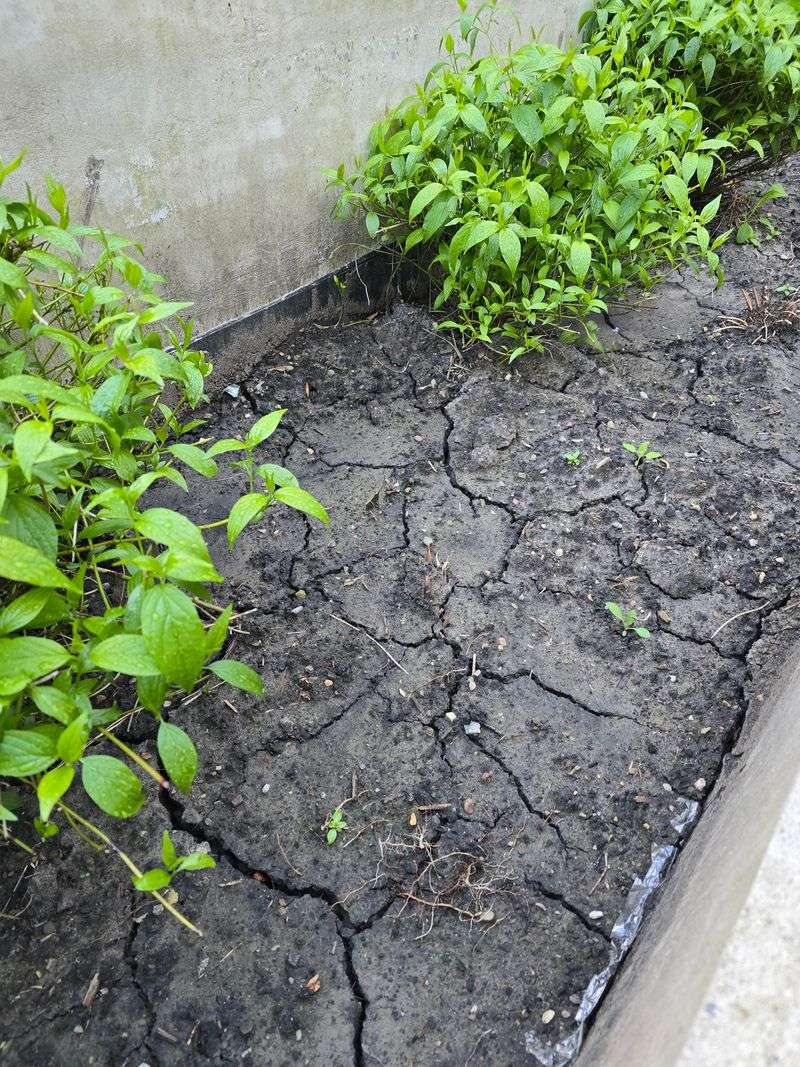
Cracked, powdery soil at the top of your garden bed is one of the most common reasons earthworms seem to vanish during Michigan summers.
When the top few inches dry out quickly, earthworms move away from the surface and head deeper where the soil stays cooler and holds on to moisture a little longer.
That movement is completely natural, and it does not mean something is seriously wrong with your garden. Earthworms breathe through their skin, so they need moisture to survive.
When the surface layer gets too dry, staying near the top becomes uncomfortable for them, and they respond by going lower in the soil profile.
You might not see them at all when you dig a few inches down with a trowel, but they could still be active much deeper below.
A simple way to check is to water your garden bed thoroughly and wait a day or two. After a good soaking, earthworms often move closer to the surface again where food and air are more available.
Covering bare soil with a layer of mulch also helps slow down evaporation, which keeps the top few inches from drying out as fast.
Straw, shredded leaves, or wood chips all work well for this purpose. Fewer visible earthworms near the surface during a dry stretch is rarely a sign of a bigger problem.
Give the soil some steady moisture, protect the surface, and you will likely notice them returning before long.
2. They May Be Hiding Deeper During Hot Weather
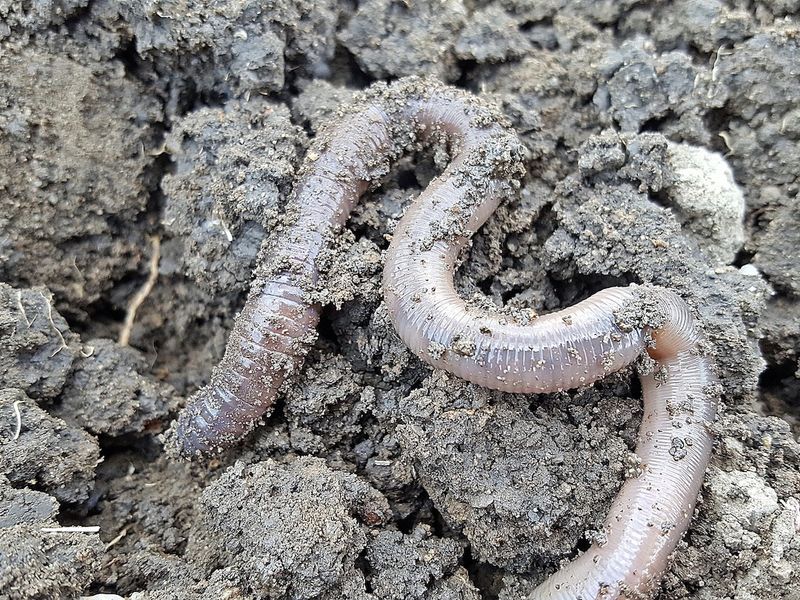
Summer heat in Michigan can push temperatures into the high eighties and even beyond, and that warmth travels into the soil faster than many gardeners expect.
Earthworms are sensitive to temperature, and when conditions near the surface get too warm, they naturally migrate deeper into the ground where it stays cooler.
The problem is that most gardeners check only the top few inches, which can make it look like the worms have completely disappeared.
Checking for earthworms right after a dry or hot stretch will almost always give you a misleading picture. The best time to look is after a slow, soaking rain that has had time to cool and moisten the soil.
Within a day or two of that kind of rain, earthworms often move back toward the surface to feed on organic matter and breathe more easily near the top of the bed.
Your Michigan Garden Changes Every Week. Your Plan Should Too.
Gardening in Michigan changes quickly throughout the season. Every Friday you’ll receive a simple weekly plan showing exactly what to plant, prune, fertilize, harvest, and protect so you never miss the right timing.
Another smart trick is to look under a thick layer of mulch or a piece of cardboard that has been sitting on the soil for a while.
Those spots stay cooler and hold moisture longer, which makes them prime hiding spots for earthworms during hot weather.
Gardeners in Michigan are often surprised to find a healthy cluster of worms right beneath a mulched path or a shaded corner of the bed. Hot weather does not necessarily mean fewer worms overall.
It usually just means they have moved somewhere more comfortable, and a little patience along with some consistent moisture will bring them back up where you can see them.
3. The Bed May Need More Organic Matter
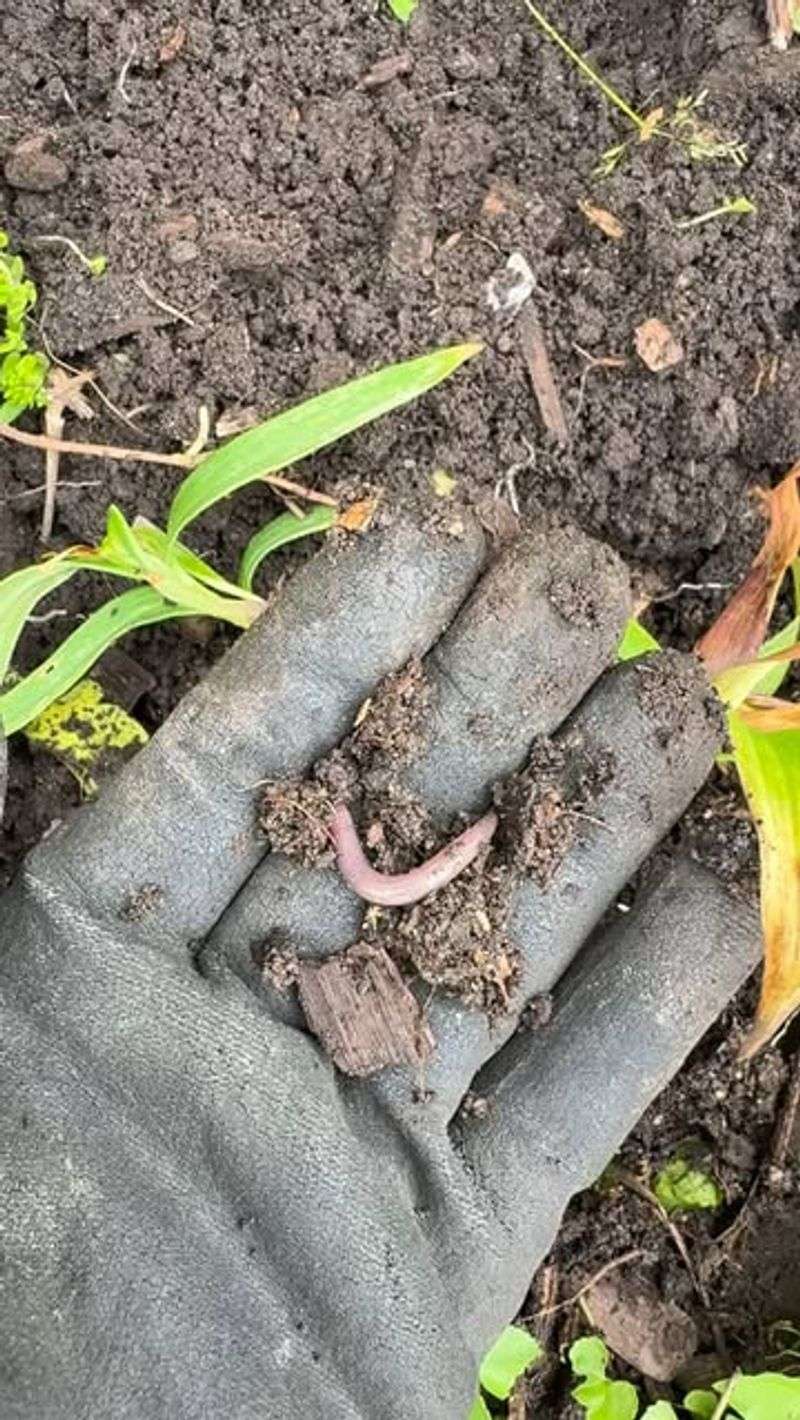
Earthworms are not random visitors in a garden. They show up and stick around where there is something good to eat, and their favorite food is decomposing organic matter.
Compost, aged leaves, rotting plant material, and slowly breaking-down mulch all attract earthworms and keep them active near the surface.
When a garden bed runs low on that kind of food, worm populations tend to shrink or move on to better spots.
Michigan gardeners who have been working the same beds for several years without adding fresh organic material often notice a gradual drop in worm activity.
The soil might still look okay on the surface, but underneath, it can become less biologically active over time.
Adding a two to three inch layer of finished compost on top of the bed is one of the most effective ways to bring that life back without disrupting plant roots. You do not need to dig the compost in deeply.
Spreading it on the surface and letting rain and worm activity pull it down naturally is actually better for the soil structure in most cases.
Leaf mold, which is simply decomposed leaves, is another excellent option that Michigan gardeners can make at home using fall leaves from the yard.
Worm castings, which are the nutrient-rich material worms leave behind after eating, improve soil texture and fertility in ways that are hard to replicate with synthetic fertilizers.
Feeding the soil with organic matter is genuinely one of the best long-term investments a gardener can make for a thriving, worm-friendly bed.
4. Bare Soil May Be Getting Too Hot
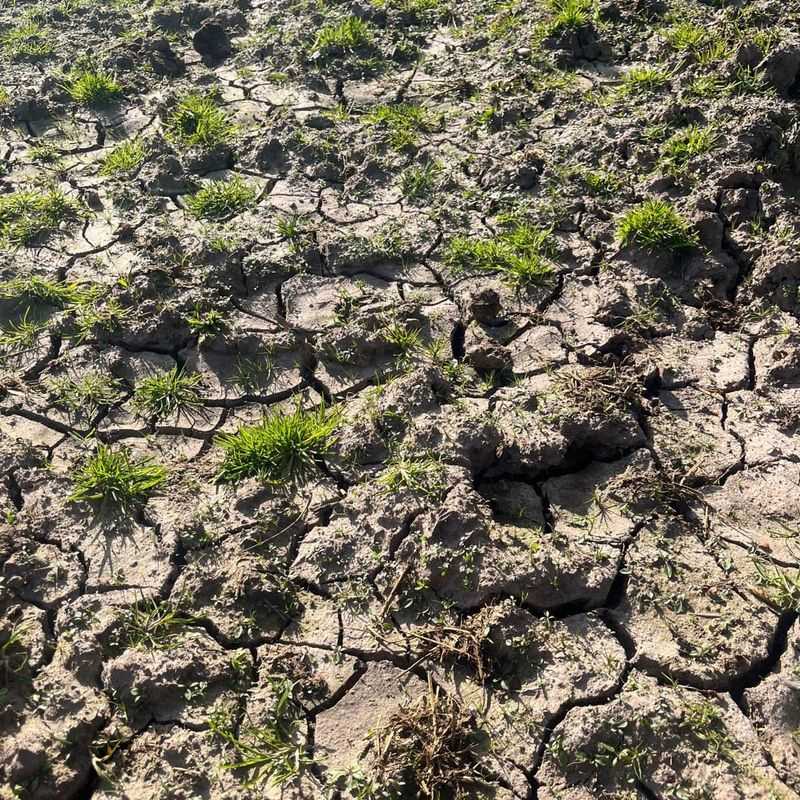
Bare soil in a Michigan summer garden can heat up surprisingly fast. On a warm, sunny afternoon, the surface temperature of uncovered soil can climb high enough to make it uncomfortable for earthworms and other beneficial soil organisms.
Without any protection on top, the soil also dries out much faster between rain events, which pushes worms deeper or toward shadier, cooler areas of the yard. There is another issue with bare soil that many gardeners overlook.
When heavy summer rain hits an unprotected surface, the impact breaks up soil particles and causes them to settle into a dense, crusty layer that makes it harder for air and water to move through.
Earthworms need both air and moisture to move freely and feed near the surface, so that hard crust can act as a barrier that keeps them away from where you want them.
Covering the soil with a clean organic mulch is one of the most practical things a Michigan gardener can do in summer.
Straw works well in vegetable gardens and breaks down slowly over the season. Shredded leaves are free, widely available, and excellent for flower beds.
Pine needles work nicely around blueberries and acid-loving plants. Even a thin layer of compost spread across the surface helps moderate temperature and hold moisture.
Once the soil surface stays cooler and holds moisture more steadily, earthworms tend to move back up and become active in the upper layers again.
Mulching is a small step that makes a genuinely big difference for soil health throughout the whole growing season.
5. Compacted Soil May Be Slowing Soil Life
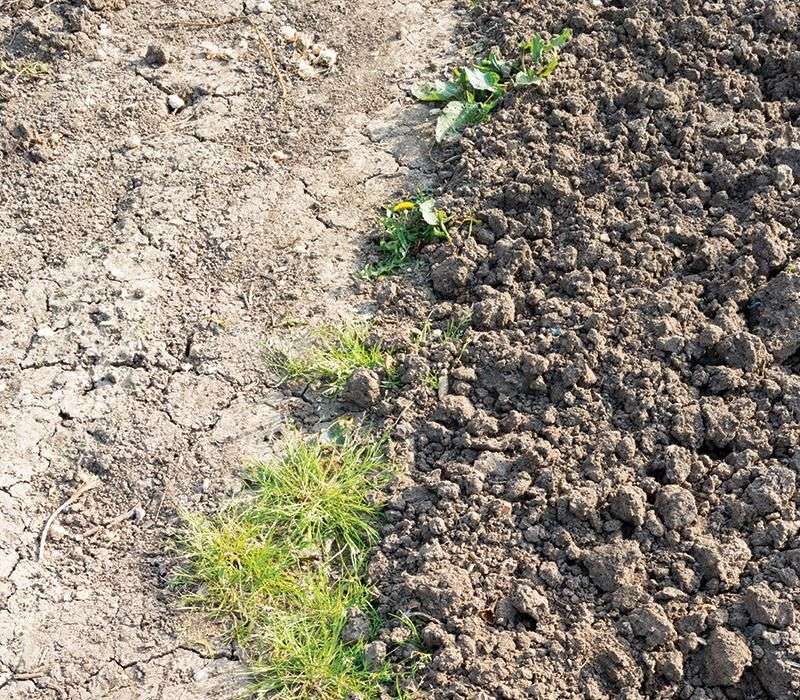
Soil compaction is one of those problems that sneaks up on gardeners gradually.
Every time someone walks across a garden bed, sits heavy equipment on it, or works the soil when it is too wet, the particles get pressed closer together.
Over time, that reduces the tiny air pockets and water channels that earthworms and plant roots depend on to move and breathe.
A compacted bed can look perfectly normal from above but feel like concrete just a few inches down.
Foot traffic is the most common cause of compaction in home gardens, especially in Michigan vegetable beds where people tend to reach in from all sides during planting and harvesting.
Rain can also compact bare soil, especially after a heavy summer storm. Working soil when it is still soggy from rain is another common mistake that squeezes out the structure that makes good soil so valuable.
Setting up permanent garden paths or placing stepping stones inside large beds helps a lot by keeping foot traffic off the growing areas.
Adding compost each season gradually loosens compacted soil by introducing organic matter that holds space open and feeds the organisms that keep soil aerated naturally.
Earthworms themselves are excellent at loosening soil as they move, but they need at least some initial air and space to get started. Mulching on top of the bed also buffers the impact of rain and foot pressure on the surface.
Over one or two seasons of careful management, even a heavily compacted bed can recover and become a welcoming environment for earthworms and other soil life again.
6. Recent Digging May Have Disturbed The Bed
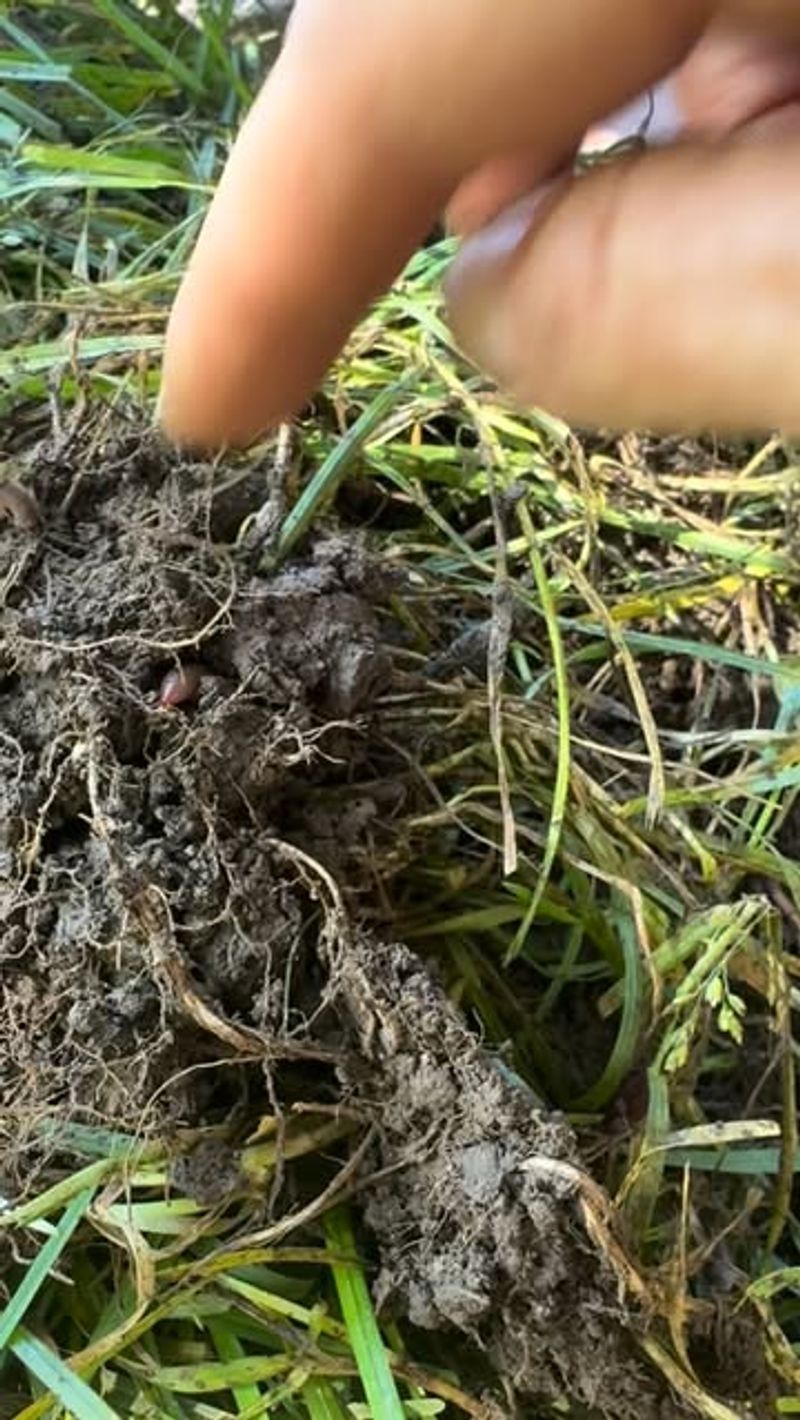
Heavy digging and repeated tilling can shake up an entire garden bed in ways that take time to settle back down.
Earthworms build tunnels, feeding zones, and egg clusters throughout the soil over weeks and months.
When the bed gets turned over aggressively, those carefully built structures get scrambled, and worm populations may drop noticeably in the weeks that follow.
This is especially common after a big spring cleanup or a major bed renovation in early summer.
Many gardeners assume that turning soil over frequently improves it, but research has shown that less disturbance is often better for soil biology.
Earthworms, fungi, bacteria, and other beneficial organisms all thrive in stable conditions where the soil layers stay relatively undisturbed.
Once a vegetable or flower bed is planted and growing, the best approach is usually to let the soil rest and focus on feeding it from the surface rather than turning it repeatedly.
Top-dressing with compost, adding mulch, and watering steadily does far more for long-term soil health than aggressive tilling ever could.
If you have recently done a lot of digging or major cleanup work in a Michigan garden bed, give the soil a few weeks to stabilize before worrying about low worm counts.
Worms from deeper in the soil and from surrounding areas will naturally move back in as conditions settle and organic matter accumulates again.
Keeping a no-dig or low-till approach going forward is one of the best habits a gardener can build. Soil life rewards patience and consistency more than almost anything else.
7. Sandy Soil May Need Extra Moisture Support
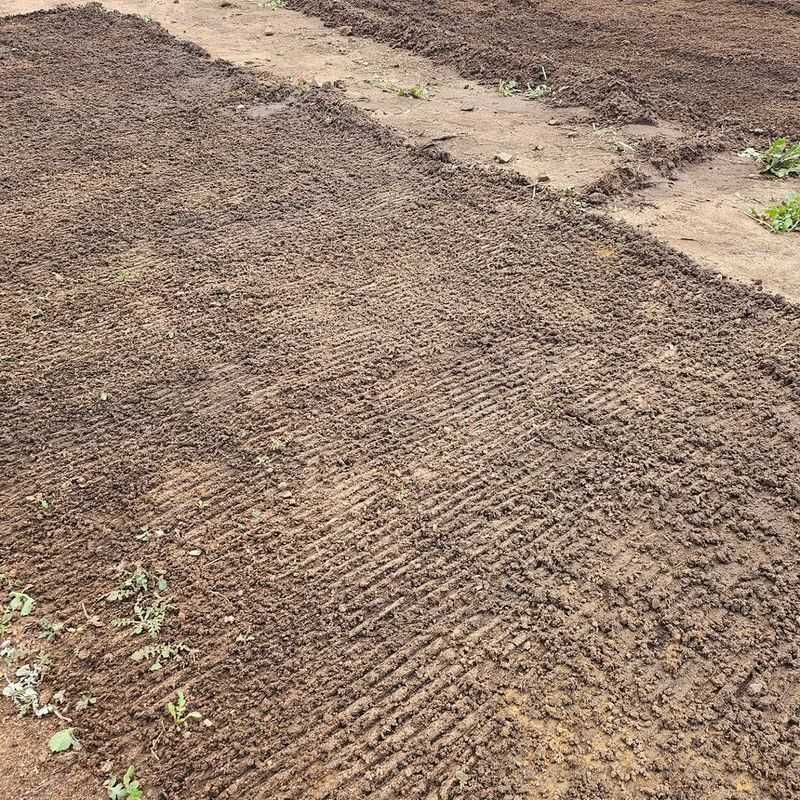
Michigan has a wide range of soil types, and sandy soil is extremely common across much of the Lower Peninsula and along the western side of the state.
Sandy soil is wonderful in some ways because it drains well and warms up fast in spring. The downside is that it loses moisture quickly, which makes it harder for earthworms to stay active near the surface during summer dry spells.
In a sandy bed, the top layer can go from moist to bone dry within just a day or two of hot weather.
Earthworms in sandy soil often have to work harder to find consistent moisture, and during extended dry periods, they may move deeper or become less active overall.
Gardeners with sandy soil sometimes assume they have fewer worms than gardeners with heavier clay-based soil, but the real issue is often just moisture availability rather than an actual shortage of worms in the area.
Building up the organic matter content in sandy soil is the single best long-term solution.
Compost improves sandy soil dramatically by helping it hold water longer between rain events and watering sessions.
Mulching the surface also slows evaporation significantly, keeping the top few inches from drying out as fast.
Consistent, deep watering once or twice a week is more effective than frequent shallow watering, because it encourages earthworms and plant roots to go deeper rather than staying near the surface where conditions change rapidly.
Buying bags of worms and releasing them rarely solves the problem long-term.
Building better soil is the fix that actually sticks and creates conditions where worms naturally thrive on their own.
8. The Best Fix Is Better Soil Habitat
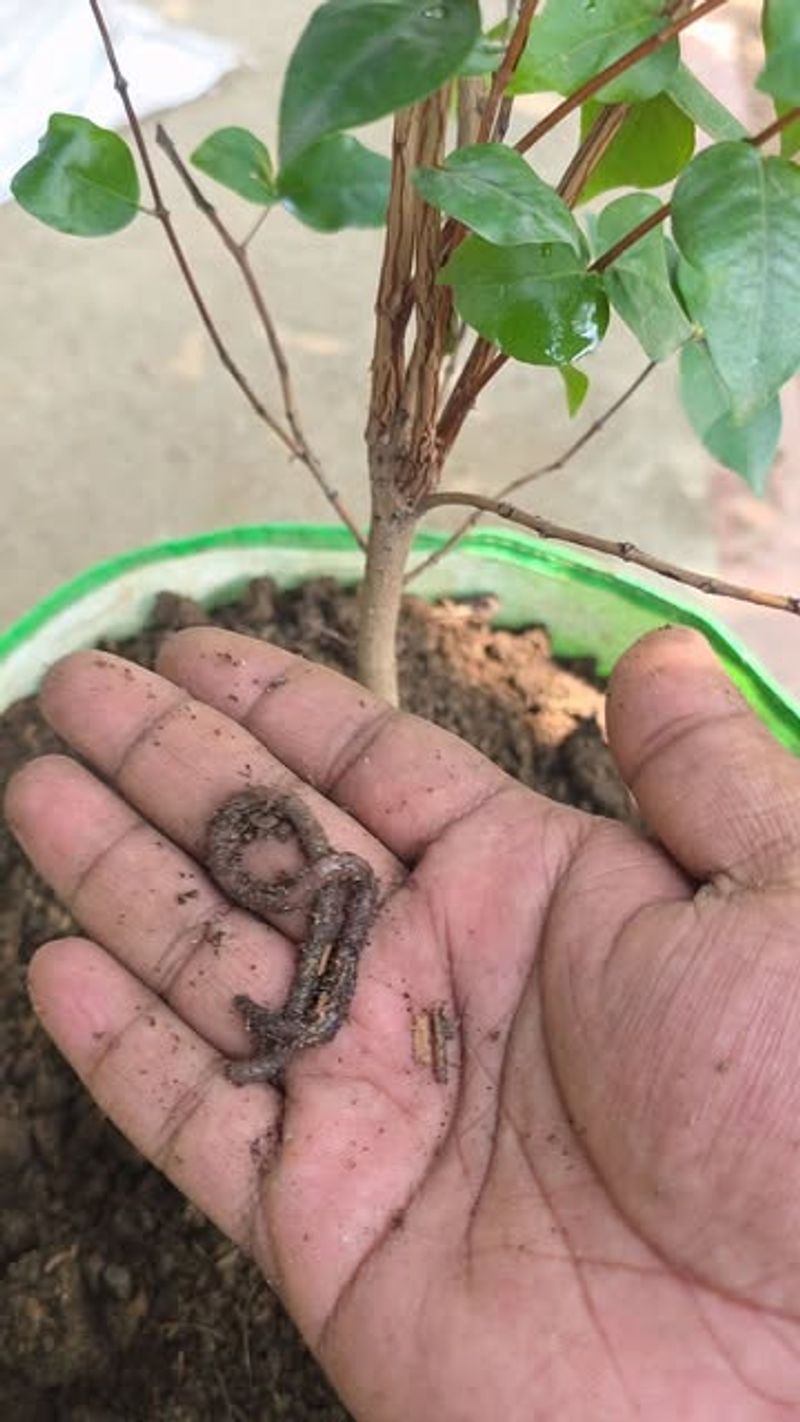
When you notice fewer earthworms in your Michigan garden this summer, the most helpful thing you can do is take a close look at the overall soil habitat rather than focusing only on the worm count.
Earthworms are a reflection of what is happening in the soil around them.
When conditions are right, with steady moisture, plenty of organic matter, minimal compaction, and limited chemical sprays, worm populations tend to build up naturally without any extra help from the gardener.
The best approach combines several simple habits practiced consistently over time. Adding a fresh layer of compost each season feeds the soil food web from the top down.
Keeping the surface covered with mulch regulates temperature and moisture while also giving worms something to eat as it slowly breaks down.
Avoiding unnecessary chemical treatments, including some synthetic fertilizers and pesticides, protects the soil organisms that make the whole system work together.
Reducing compaction by sticking to permanent paths and avoiding working wet soil makes a surprisingly big difference over just one or two seasons.
Gentle, consistent care adds up faster than most gardeners expect, and a bed that seemed lifeless in June can look completely different by August if the right habits are in place.
You almost never need to purchase earthworms and add them to a garden bed.
When the habitat improves, worms from surrounding soil move in on their own, and the ones already present become more active and visible.
Healthy soil grows healthy worms, and healthy worms grow a healthier garden. Building that foundation is the most rewarding work any Michigan gardener can do.