How to Dig and Store Elephant Ears and Caladiums in Ohio for Next Year
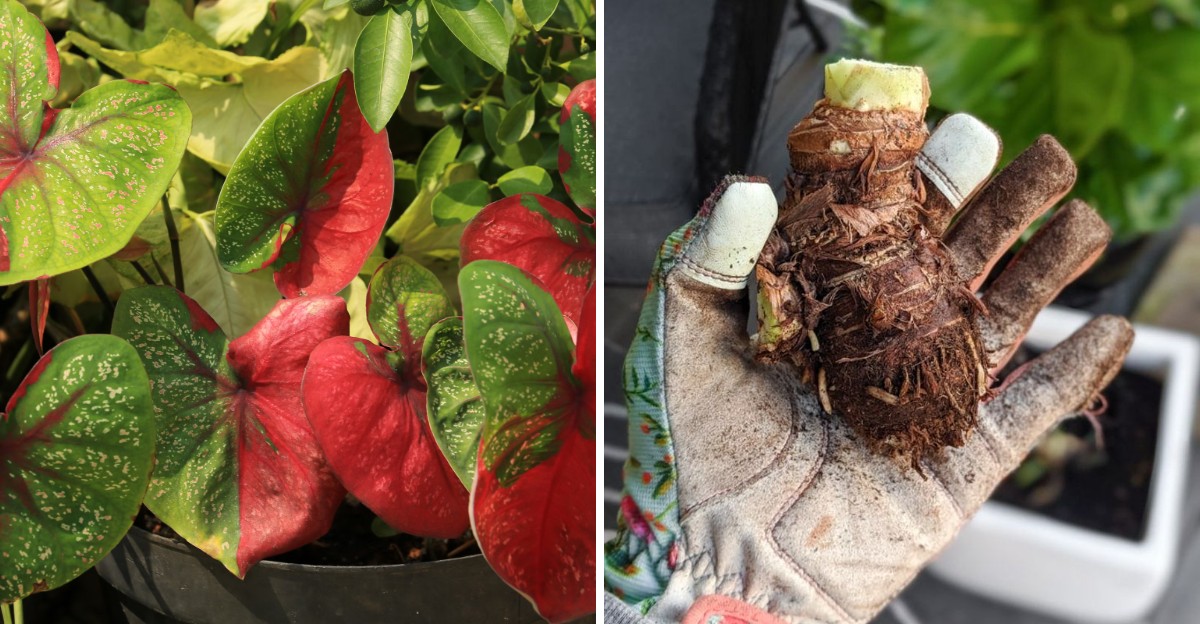
A single leaf on some of these tropical giants can stretch longer than a kitchen table. Yet one hard freeze in October can turn that jungle into mush overnight.
I still remember walking outside one chilly morning and finding my whole bed slumped like wet laundry.
The secret to bringing them back sits right under the soil. Those knobby underground storage organs hold enough energy to rebuild every leaf next summer. Personally, I think that is one of the coolest tricks in the plant world.
Here in Ohio, our winters are far too cold for these warm-weather plants to stay in the ground. You need to step in before the cold does.
A shovel, a few cardboard boxes, and a cool corner of the house can save you real money each spring. Putting a tropical giant to bed for five months turns out to be easier than it sounds.
1. The Calendar Matters Less Than Your Caladium Leaves Do
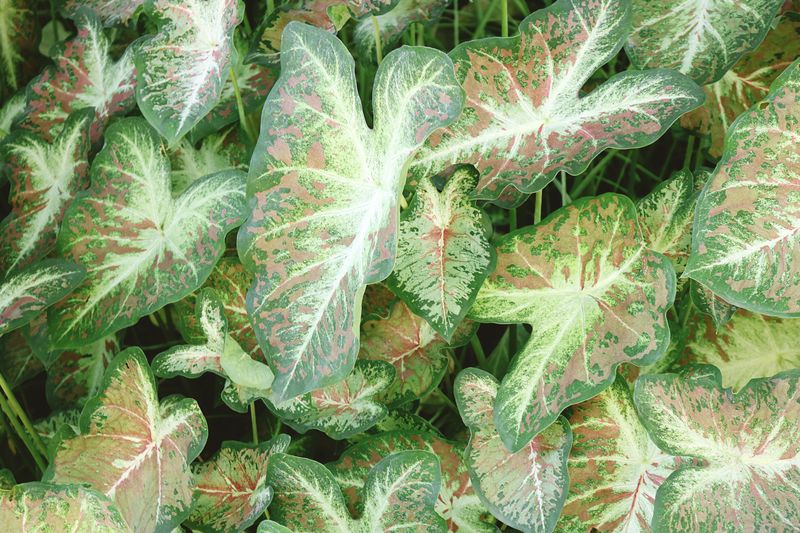
Caladiums are the drama queens of the shade garden, and they let you know early when they are done. Once nights start slipping below 60 degrees, their colorful leaves begin to yellow and flop.
That is your signal to grab a shovel.
For caladiums, waiting for frost is a mistake. These plants come from tropical South America, and cool soil can damage the corms even before ice forms.
In much of Ohio, that cooldown usually arrives in September, a bit earlier up north near Lake Erie and a bit later along the Ohio River.
Elephant ears give you more wiggle room. A light frost that blackens the leaves is fine and actually helps tell the plant to rest.
Just try to dig within a day or two after that first frost, before the ground gets truly cold or a hard freeze hits.
I like to keep a weather app handy in early fall and watch the overnight lows. When the forecast shows a string of chilly nights, I plan a digging weekend.
Dry weather makes the job easier, since soggy soil clings to tubers and slows down the drying step that comes next.
2. Grab a Garden Fork and Lift Those Elephant Ear Tubers With Care
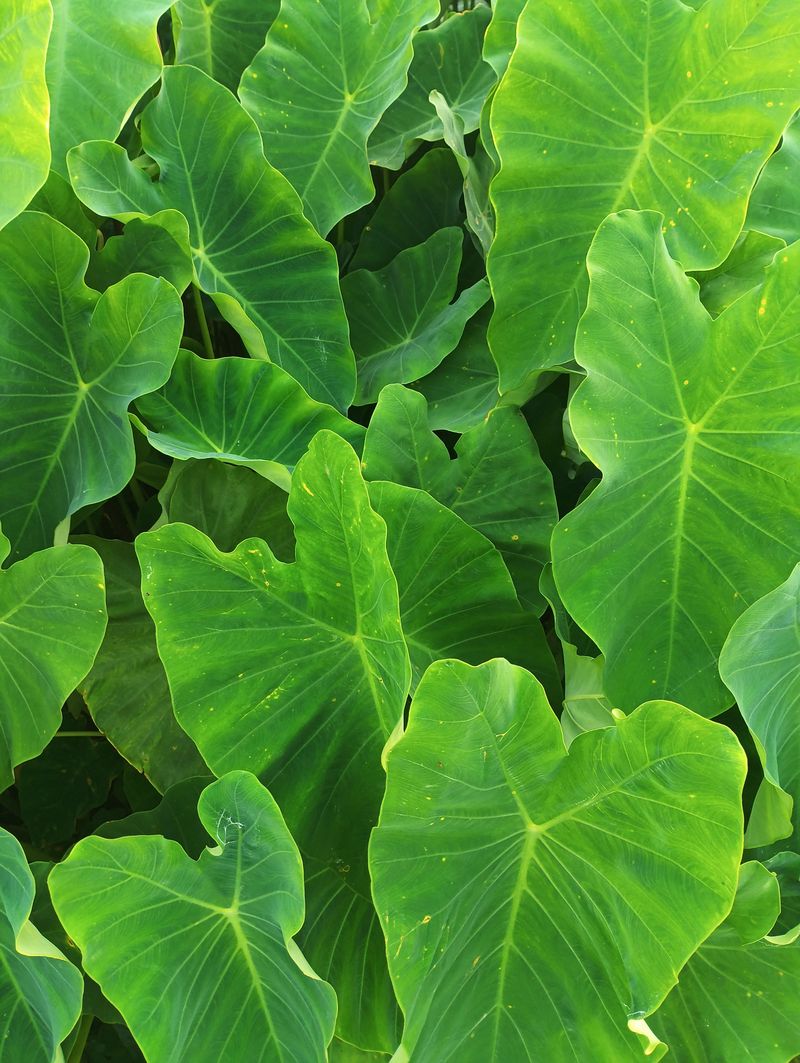
Digging up an elephant ear feels a little like pulling a giant potato out of the earth. Some tubers grow as big as a softball, or even bigger after a great summer.
A slip of the shovel can slice right through one, so slow and steady wins here.
Start by cutting the stems back to about six inches tall. That stub gives you a handle and keeps the mess down.
For caladiums, trim the leaves to about an inch above the corm, or dig with the foliage still on and let it wither later.
Next, push a garden fork into the soil about a foot away from the plant. Work your way around in a circle, then gently pry upward from below.
Forks are kinder than spades because the tines slide past tubers instead of cutting them.
Once the clump is out, shake or brush off the loose soil with your hands. Skip the hose for elephant ears, since extra water invites rot later on.
If you spot any small offsets clinging to the main tuber, keep them. Those little babies can grow into brand new plants next year, which feels like getting free bonus plants.
3. Freshly Dug Tubers Need a Week or Two to Cure
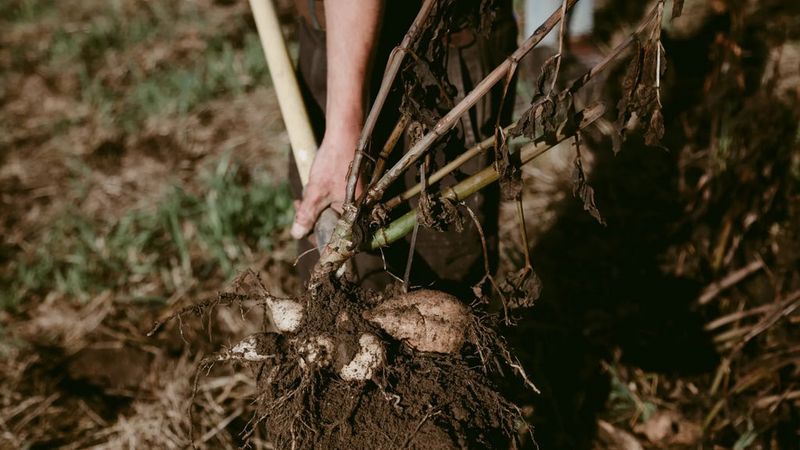
Patience is the secret ingredient most beginners skip. Right after digging, tubers and corms are full of moisture and covered in tiny scrapes.
Pack them away too soon, and you may open a box of mush in January.
Curing simply means letting them dry out in a warm, airy spot. Aim for a room around 60 to 70 degrees, out of direct sunlight.
A garage shelf, a covered porch, or a spare room with a fan works nicely.
Spread elephant ear tubers on newspaper or a screen in a single layer. Turn them every day or so for one to two weeks.
Caladiums need about a week or more, until the old leaves are brown and crispy and pull away easily.
During this time, the little nicks and cuts form a dry, protective skin. It works a lot like a scab on your knee.
Once everything feels dry to the touch, brush off the last bits of dirt and remove the shriveled foliage.
Some gardeners dust their tubers with a sulfur-based fungicide at this stage for extra protection. That step is optional, but it can help if your basement tends to run a little damp.
4. A Cardboard Box of Peat Moss Makes Elephant Ears Feel Right at Home
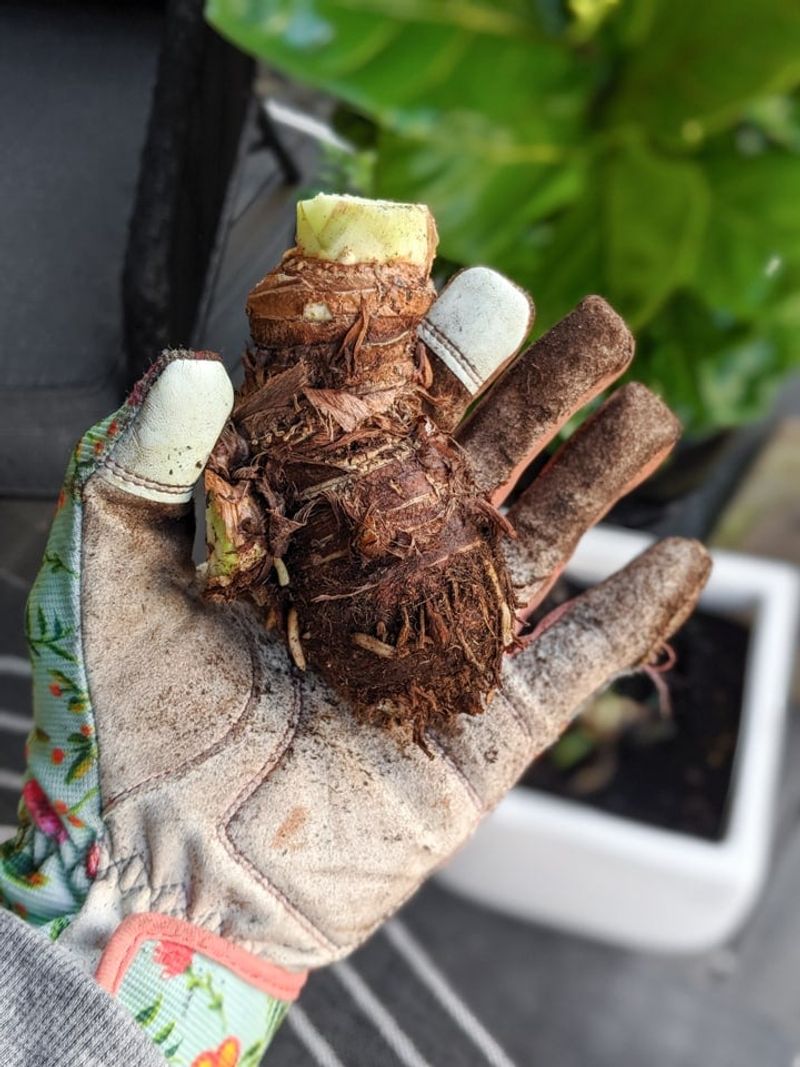
Cool, dark, and dry sounds like a boring vacation, but sleeping elephant ears love it. Their ideal winter hangout stays between about 45 and 55 degrees, though anywhere from 40 to 60 usually works.
An unheated basement or an attached garage that does not freeze fits the bill in many Ohio homes.
Nestle the tubers in a cardboard box or paper bag filled with peat moss, vermiculite, dry sand, or wood shavings. The packing material keeps them from touching each other and soaks up stray moisture.
Leave a little space between each one so air can move around.
Plastic bags and sealed tubs are the big no-no here. They trap humidity, and trapped humidity turns firm tubers soft and smelly.
Breathable containers let them stay dry while still keeping out light.
Watch out for the cold side of the garage, too. If your garage dips below freezing during a January cold snap, move the boxes indoors to an inside wall or a cooler closet.
One handy habit I picked up is labeling each box with the plant variety and the date. Come spring, you will thank yourself for that tiny bit of planning.
5. Caladium Corms Prefer a Warmer Winter Than You Expect
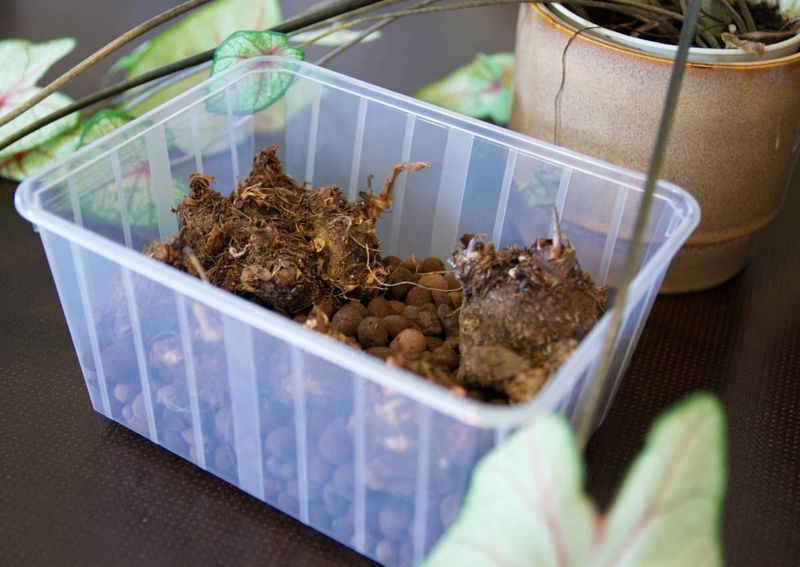
Caladiums and elephant ears may look like cousins, but their winter wishes differ quite a bit. Caladiums aren’t fans of the chill.
Storing them below about 50 degrees can damage the growing points, even if the corms look fine on the outside.
Aim for a spot that stays between 60 and 70 degrees all winter. A closet in a heated part of the house, a spare bedroom, or a shelf away from outside walls usually works best.
Basements and garages are often too cold for these tropical natives.
Pack the dry corms in peat moss, vermiculite, or sawdust inside a mesh bag, paper bag, or open box. Keep them from touching each other, and give the container room to breathe.
Fresh air matters because stuffy, crowded storage can encourage mold.
Fun fact for your next garden club chat. Most caladium corms sold in the United States come from fields around Lake Placid, Florida, which calls itself the Caladium Capital of the World.
Keep them away from ripening fruit, too. Apples and bananas release ethylene gas, and some growers report that it can affect bulb sprouting.
A separate shelf avoids any risk.
6. Squeeze Your Stored Tubers Once a Month for Soft Spots
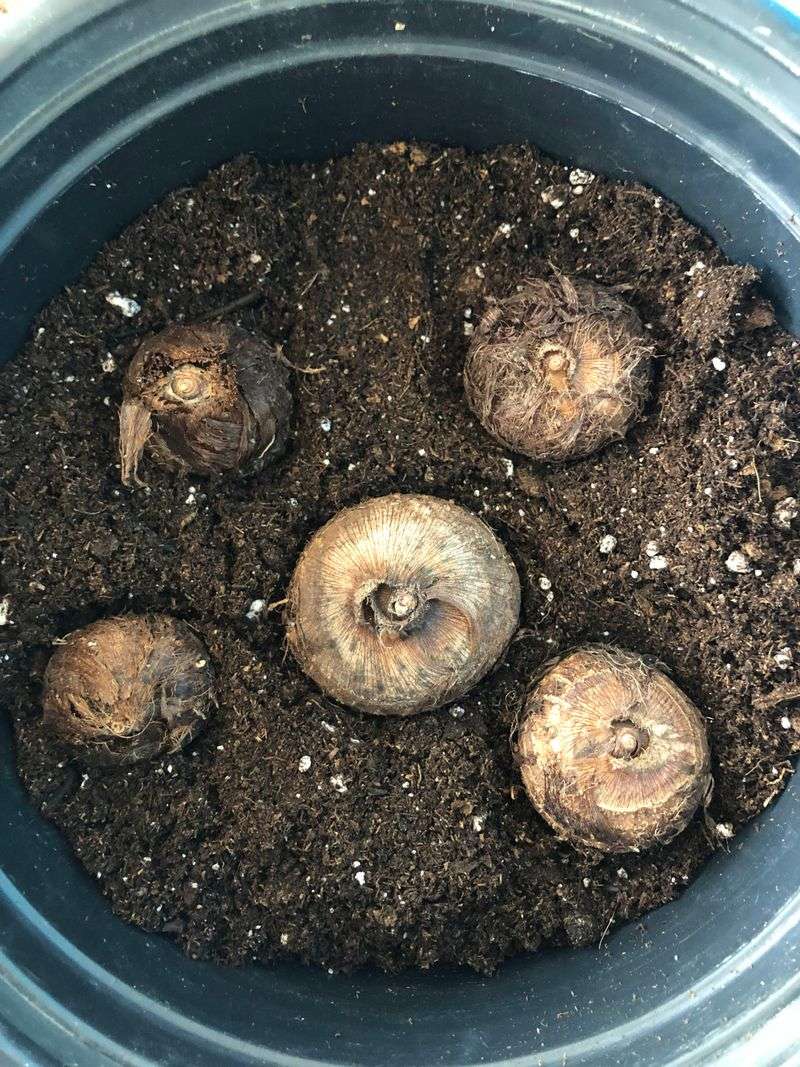
Out of sight should not mean out of mind. A quick monthly check can save the rest of your collection from one bad apple.
It takes about five minutes, and I like doing it on the first weekend of each winter month.
Open the boxes and give each tuber or corm a gentle squeeze. Healthy ones feel firm, a lot like a fresh potato.
Any that feel mushy, smell sour, or show fuzzy mold should be tossed right away so the problem does not spread.
Shriveling is the opposite issue. If tubers look wrinkly and lightweight, the air may be too dry.
Lightly mist the packing material, not the tubers themselves, and check again in a couple of weeks.
Small spots of surface mold can sometimes be wiped off with a dry cloth. If the flesh underneath is still firm, let it air out for a day before tucking it back in.
Losing one or two along the way is normal, so do not feel bad. Even experienced gardeners see a few fail each year.
A good monthly habit simply means more healthy plants waiting for you when the weather warms.
7. Warm Soil Will Wake Your Elephant Ears and Caladiums Next Spring
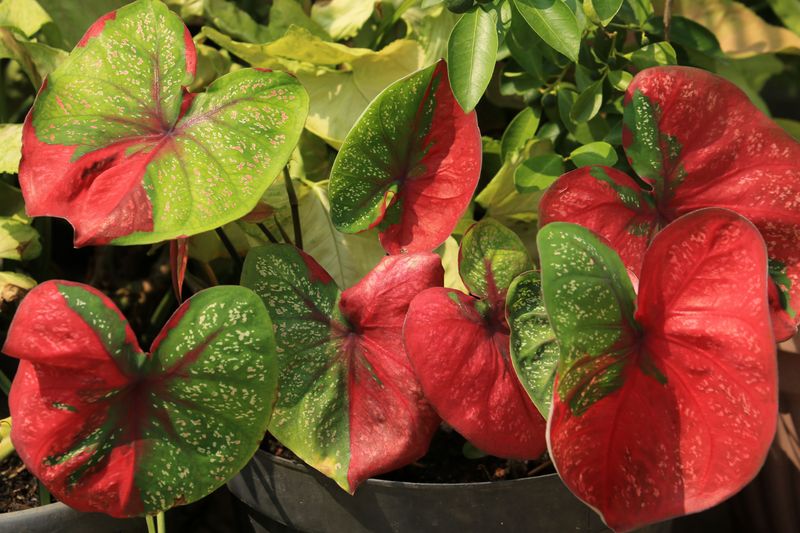
Spring fever hits hard by March, but these tropical sleepers want real warmth before they budge. Planting too early into cold Ohio soil often leads to rot instead of leaves.
The wait pays off, I promise.
Outdoors, aim for late May or early June, after your last frost date has passed. Elephant ears like nights staying above 50 degrees, while caladiums prefer soil around 65 to 70 degrees.
A cheap soil thermometer takes the guesswork out of it.
Want a head start? Pot them up indoors about four to six weeks before planting time.
Use moist potting mix, set them in a warm, bright spot, and water lightly until the first shoots appear.
Caladiums planted knobby side up usually sprout faster. Elephant ears go in with the pointed tip facing the sky, about two to four inches deep.
Once those first leaves unfurl, you will feel like you pulled off a magic trick. Every tuber you saved is a plant you did not have to buy.
Keep a few notes on what worked this winter, and next fall the whole routine will feel easy.