7 Strong Scents That Draw Foxes To Your Texas Yard
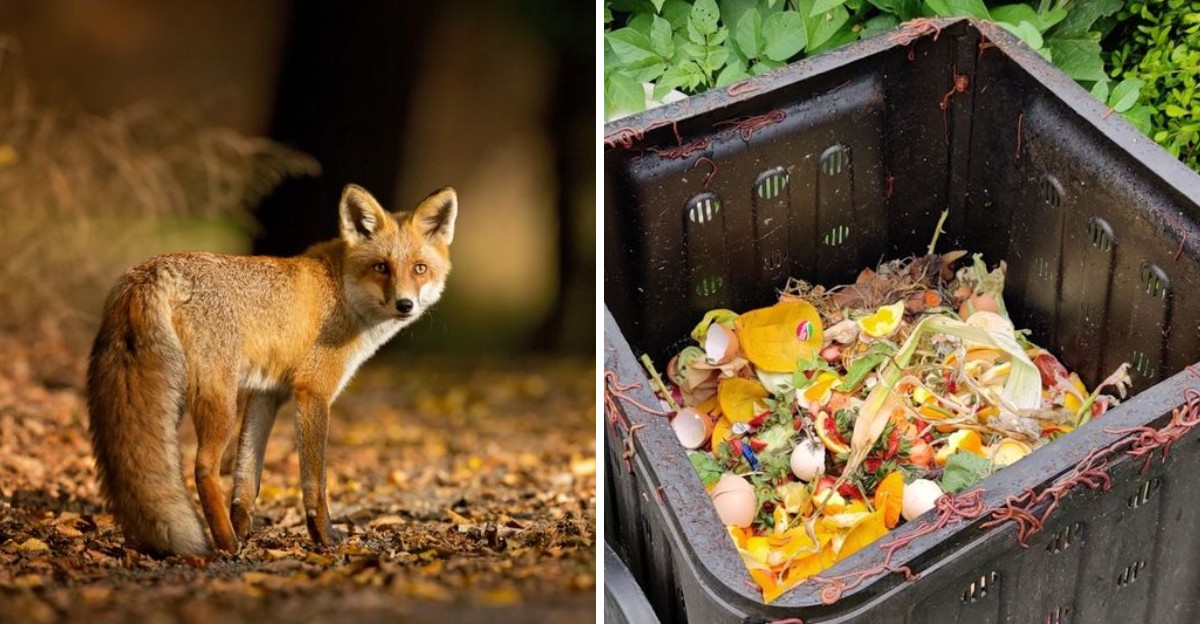
One wild Texas animal can scramble straight up a tree trunk and nap in the branches like a housecat. Its relatives hear a mouse rustling under leaves, then pounce from above with a high, graceful leap.
What surprises me most is how much their noses decide where they wander after the sun goes down. A single smelly trash bag or a fallen plum can pull them across several backyards in one night.
I have to admit I once blamed raccoons for a mess that turned out to be something sleeker. You might notice small tracks near your compost pile and wonder which neighborhood visitor left them there.
Some of the strongest lures in a typical Texas yard are sitting in plain sight right now. Do you know which smells are sending out a quiet nightly invitation from your very own garden?
1. Meaty Pet Food Bowls Left On The Porch
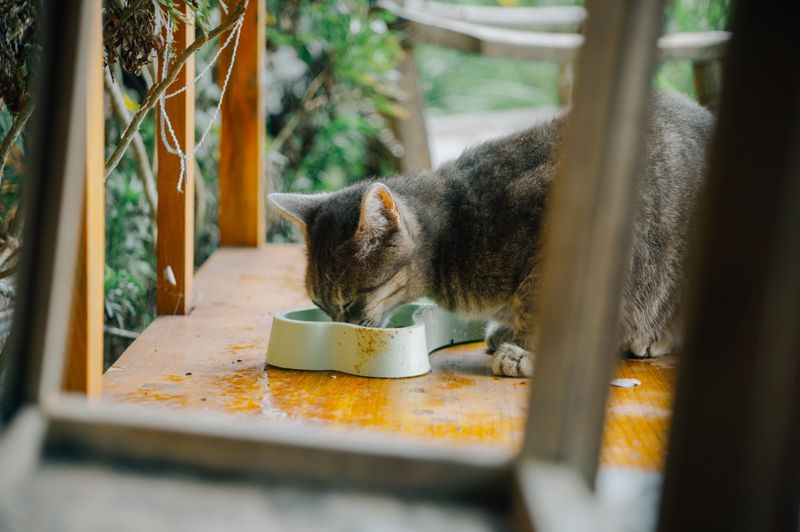
Wet cat food has a smell so loud that I swear my whole porch announces dinner to the street. A fox can pick up that savory, fishy aroma from a surprising distance on a still evening.
Red and gray foxes are opportunistic omnivores, so a protein-packed bowl looks like a free buffet to them. Raw meat scraps and greasy grill drippings send out the same tempting message once the sun sets.
Personally, I feed my cats indoors now, and the nighttime visitors on my porch dropped off quickly. You can do the same by picking up bowls before dusk and washing them so no residue lingers.
Grills deserve attention too, because the grease trap underneath smells amazing to a hungry wild nose. Scrape it out after each cookout and store the grill cover tightly so drips stay contained.
Texas Parks and Wildlife advises against feeding foxes, since fed animals can lose their natural caution around people. A bold fox hanging around patios is more likely to tangle with pets or wander near busy roads.
Fish scraps from a weekend fishing trip need special care, since their odor carries for a long time. Freeze them in sealed bags until trash day instead of tossing them straight into the outdoor bin.
I love watching foxes as much as anyone, but I prefer seeing them hunt mice in the field. Keeping meaty smells indoors lets you enjoy wildlife without turning your porch into a nightly diner.
2. Fallen Persimmons And Grapes Under Backyard Trees

Gray foxes have a real sweet tooth, and a carpet of soft persimmons under a tree drives them wild. That sugary, slightly fermented scent drifts through warm evening air and practically rings a dinner bell.
Native Texas persimmon, Diospyros texana, ripens black fruit in late summer that foxes and many birds devour. Mustang grapes climbing along fence lines are another favorite treat for gray foxes in many regions.
Gray foxes even climb trees to reach fruit, which makes them unusual among wild members of the dog family. I still grin when I think about a fox perched in branches like an oversized squirrel.
Fallen fruit starts to ferment within days, and the smell gets stronger as it softens on the ground. You need to rake up drops every day or two during ripening season to cut down on visitors.
Backyard peaches and figs count too, especially when split fruit is buzzing with wasps and beetles. Pick ripe fruit promptly instead of letting it hang until it drops onto the grass on its own.
Bag up spoiled fruit and seal it in a lidded can rather than leaving it in an open heap. A tidy orchard floor also means fewer fire ants and fruit flies swarming around your shoes.
Of course, some gardeners plant persimmons specifically to support wildlife, and that choice is perfectly reasonable.
Just place those trees away from patios so the fruity feast stays at the edge of your property.
3. Smelly Compost Piles And Open Trash Cans
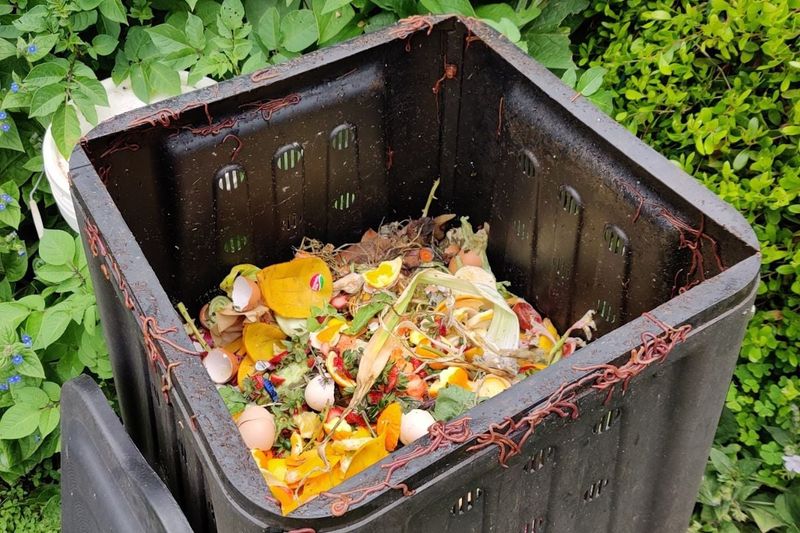
Nothing says midnight snack to a fox quite like a compost bin full of chicken bones and melon rinds.
Honestly, my nose agrees that a warm pile of kitchen scraps smells powerful on a humid summer night.
Foxes are skilled scavengers, and loose trash bags offer an easy meal without the work of hunting. Torn bags scattered across the driveway are a common sign that a curious nose went shopping overnight.
You can still compost happily, as long as meat and dairy stay out of your backyard pile. University extension guides recommend sticking with fruit peels, vegetable trimmings, coffee grounds, and yard waste instead.
Turning the pile regularly helps it heat up, which breaks food down faster and reduces strong odors. Burying fresh scraps under a layer of dry leaves or shredded paper also hides their smell nicely.
Enclosed tumblers or bins with secure lids work better than open heaps in yards with frequent visitors.
I switched to a tumbler two summers ago, and the nightly digging around my garden stopped soon after.
Trash cans need the same attention, so choose sturdy models with tight lids that latch or clip shut. Set cans out on the morning of pickup rather than the night before, when wildlife is most active.
Rinsing food containers before tossing them makes a bigger difference than most people expect, in my experience. A quick splash of water removes the greasy film that keeps a bin smelling like last night’s dinner.
4. Rabbit And Rodent Trails Through The Garden
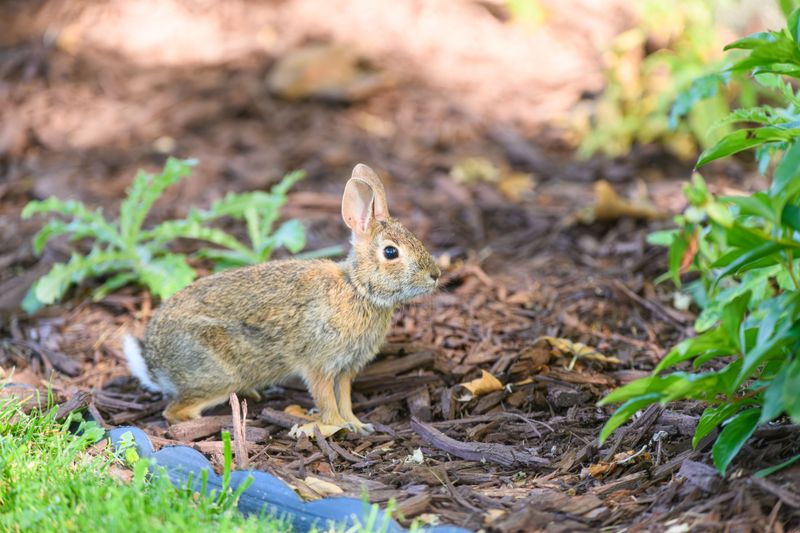
Sometimes the scent luring a fox into your yard has nothing to do with you at all. A family of cottontails nibbling your lettuce leaves a trail of odor that any hunting fox will follow.
Rabbits, mice, voles, and squirrels make up a big part of a fox diet across much of Texas. Foxes hear and smell prey moving underground, then pounce with a high arching leap to pin it down.
Personally, I rather like having a fox patrol my garden for rodents during the cooler months. It handles pest control quietly, and it asks for nothing in return except a little space to roam.
Still, if visits worry you, reducing rodent habitat is the smartest place to start your efforts. Stack firewood off the ground and trim tall grass along fences, since both spots shelter rodents nicely.
Woodpiles and open crawl spaces also attract rodents looking for shelter when winter nights turn chilly and damp.
Sealing gaps under decks and sheds keeps mice out and removes a cozy hunting ground for foxes.
Rabbit-proof fencing around vegetable beds protects your greens and reduces the prey scent drifting across your lawn. Bury the bottom of chicken wire several inches deep, since rabbits happily tunnel under loose edges.
Avoid rodent poisons whenever possible, because foxes and owls can be harmed after eating poisoned prey.
Snap traps placed inside protected boxes are a safer choice for keeping the wider food chain healthy.
5. Spilled Birdseed Beneath Busy Backyard Feeders
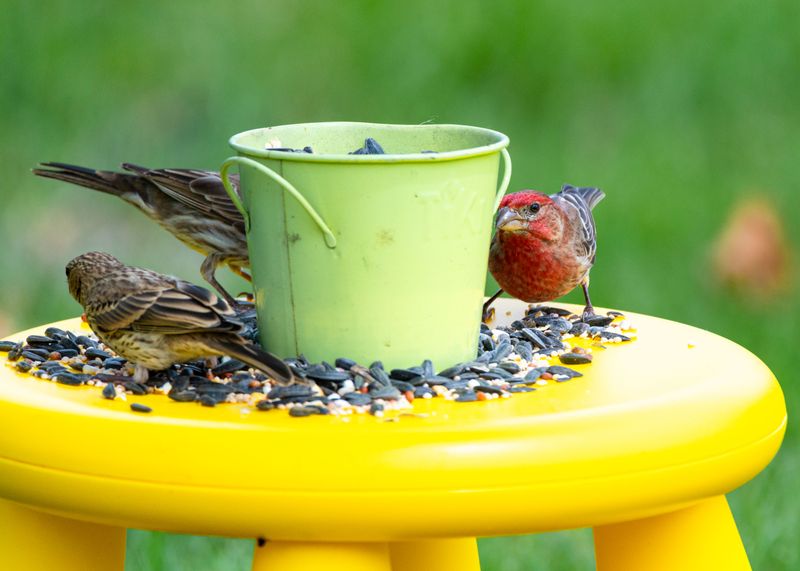
My bird feeder is a nonstop party by day, but the real action starts after the cardinals go to bed. Spilled seed piles up underneath, and mice arrive at night to clean up the generous leftovers.
Foxes rarely care much about the seeds themselves, though they notice the rodents that gather for them. Ground-feeding birds like doves add to the mix, creating a busy scent trail beneath the feeder pole.
You can keep feeding birds without worry by managing the mess that drops onto the ground below. A seed tray attached under the feeder catches most hulls and loose kernels before they hit the soil.
Hulled sunflower hearts produce far less waste than mixed blends packed with millet that many birds toss aside. I switched to no-waste blends last year and noticed much less scratching under my feeders by morning.
Raking or sweeping beneath feeders every few days also helps reduce the leftover food that draws rodents. Store your seed in metal cans with snug lids, since plastic bags invite mice into garages and sheds.
Some Texas gardeners bring feeders in at night, which is a simple step if visits become frequent.
Hanging feeders well away from shrubs also gives birds better sightlines and fewer surprises from hidden predators.
Suet cakes can attract foxes too, since they contain fat that smells rich and appealing to mammals. Offer suet mainly in cooler months and use cages that hang high enough to stay out of reach.
6. Fresh Eggs In The Backyard Chicken Coop

Foxes are famous egg thieves, and they often carry eggs away whole to bury and enjoy later. That caching habit means one clever visitor can empty a nest box faster than you might expect.
Backyard chickens have grown in popularity across Texas, and coops filled with eggs smell inviting at night. Cracked eggs and spilled feed add even more aroma, signaling a reliable food source to hungry wildlife.
Collect eggs at least once a day, and twice during peak laying season, so few sit overnight. I also clean up any cracked shells right away, because the yolk smell lingers longer than you’d think.
Lock hens inside a secure coop each evening, since foxes do most of their hunting from dusk to dawn. Hardware cloth works much better than chicken wire, which keeps hens in but rarely keeps predators out.
Bury an apron of hardware cloth along the coop edges to stop diggers from tunneling under the walls.
Many extension services suggest extending it about twelve inches outward from the base for strong protection.
Wild bird nests in shrubs and ground nests from quail are also on the menu during spring. Keeping cats indoors and leaving brushy cover intact helps native birds raise their chicks with less trouble.
Avoid tossing eggshells straight into an open compost pile, since leftover egg residue can still attract noses. Rinse and crush shells first, then mix them into the pile where they add calcium to your soil.
7. Musky Fox Urine And Territory Markings
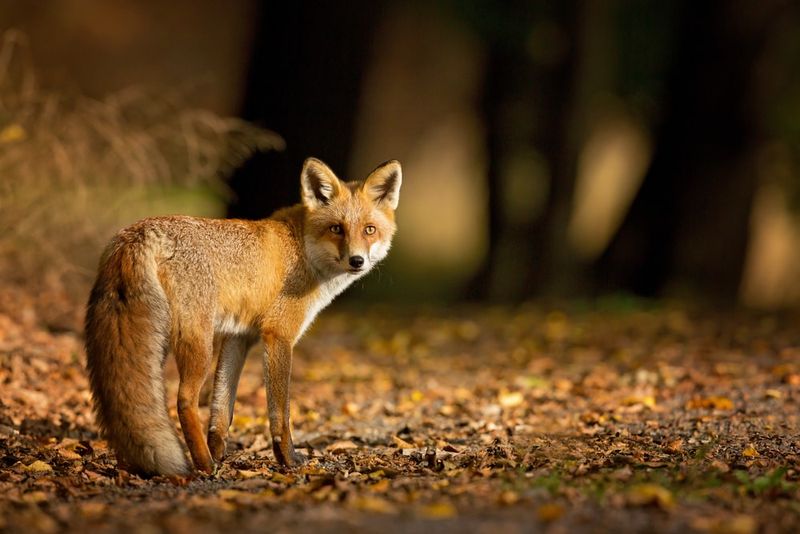
Foxes leave scent messages the way people leave sticky notes, and other foxes read every single one. Their urine has a sharp, skunky odor that many folks notice on cold mornings before they ever spot a fox.
Red foxes in particular use urine and gland secretions to mark territory boundaries and announce their presence.
When a new scent mark appears, nearby foxes often investigate quickly to learn who is passing through.
Trappers have long used fox urine and gland lures because the smell reliably draws curious foxes in. I’d skip buying these products for a garden, unless you truly want more foxes checking out your yard.
Some gardeners spread predator urine to scare off rabbits or deer, and results tend to be mixed. Keep in mind that fox urine may repel some prey while also inviting neighboring foxes to investigate.
Late winter is mating season for foxes in Texas, so territorial marking often becomes more noticeable then. You might catch that musky whiff near fence posts and stumps where marking happens again and again.
Rinsing marked spots with water and a little enzyme cleaner helps reduce the lingering smell around patios.
Clearing away the food sources mentioned earlier matters most, since marks fade when foxes stop visiting.
Personally, I find it fascinating that an animal can share so much information with a simple scent. A fox in the neighborhood usually means a healthy ecosystem, and a little understanding goes a long way.