The Gilded Garden Trend: How to Create a European-Style Garden in New York With Roses, Boxwood, and Peonies
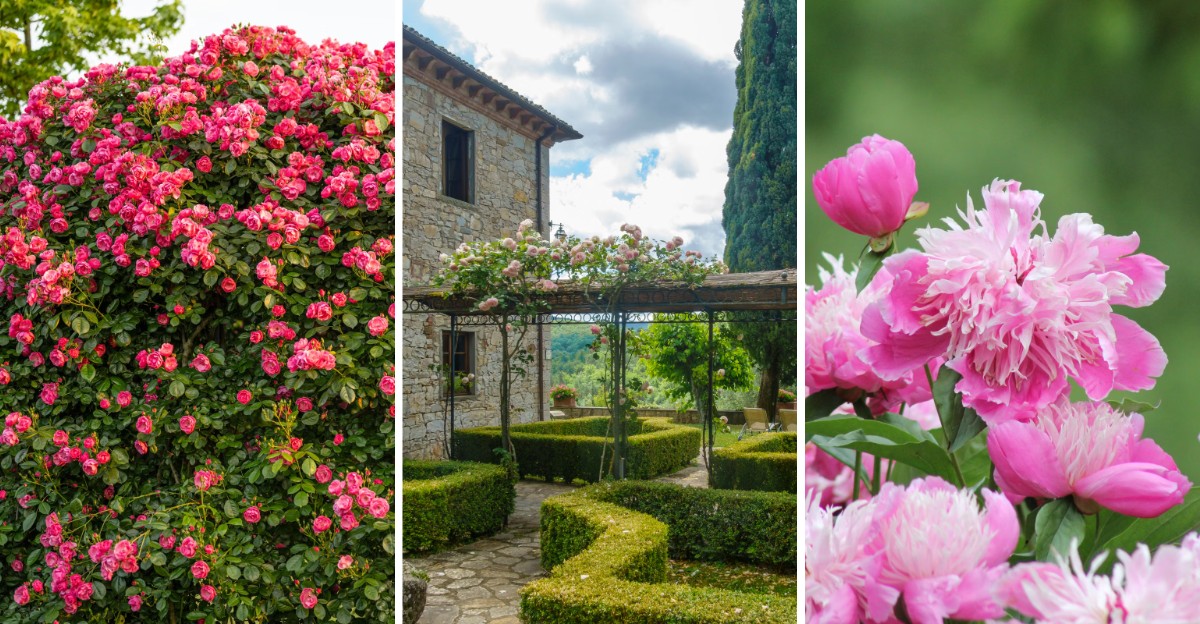
A single garden plant can outlive the person who planted it by a century or more. Some French and English estates still grow shrubs that were tucked into the soil before the American Revolution.
That staying power is part of why old European gardens feel so calm. Clipped green lines frame the space, and big soft flowers spill over the edges. I like how the whole scene looks planned and wild at the same time.
You’re in for a big surprise if you think this look needs a castle. A narrow yard in Brooklyn or a quarter acre near Rochester can pull it off. New York winters even help one of the key flowers bloom better.
Personally, I believe the trick is choosing tough plants and placing them with care. So which three classics deserve a spot by your back door, and which one comes with a warning label?
Clipped Hedges and Big Blooms Share a Very Old Secret
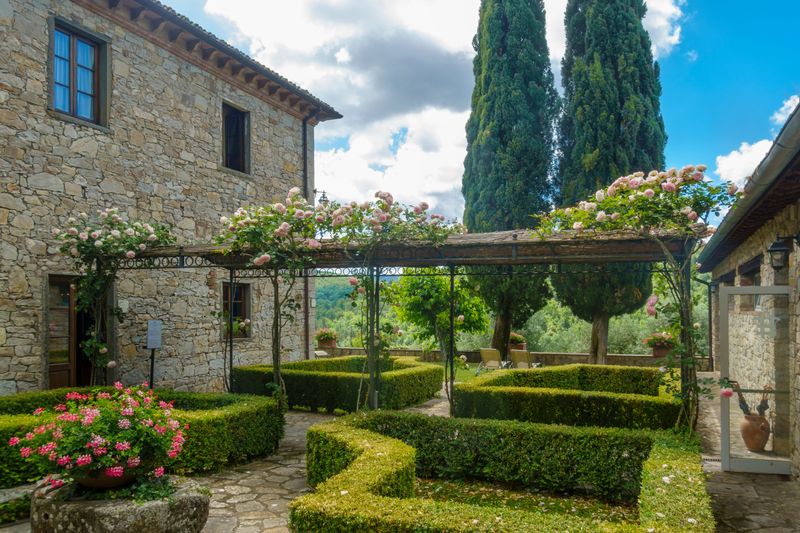
Old European gardens run on a simple idea. Green structure stays put all year, while flowers come and go with the seasons.
French gardeners loved geometry, so they built parterres with low hedges shaped into patterns. English cottage gardens went softer, letting roses and perennials tumble around those green edges.
The gilded garden trend mixes both styles into one cozy look.
I find this mix works beautifully in New York yards. The hedges give you something tidy to admire in February.
Then roses and peonies arrive in late spring and early summer to steal the show.
Your three main players each have a job. Evergreen shrubs act as the frame, much like walls in a room.
Peonies bring the first huge, ruffled burst of color in May and June. Roses carry the show forward, and many repeat-blooming types keep going into fall.
Balance is what makes the space feel elegant. Matching plants on both sides of a path or door instantly reads as formal.
Curvy borders and loose planting add the friendly, lived-in feeling.
You can start small with just one symmetrical bed. A square of low hedging with a rose in the center and peonies in the corners already tells the whole story.
Once that bed succeeds, you can repeat the pattern across the yard.
Boxwood Hedges Need a Blight Check Before You Buy
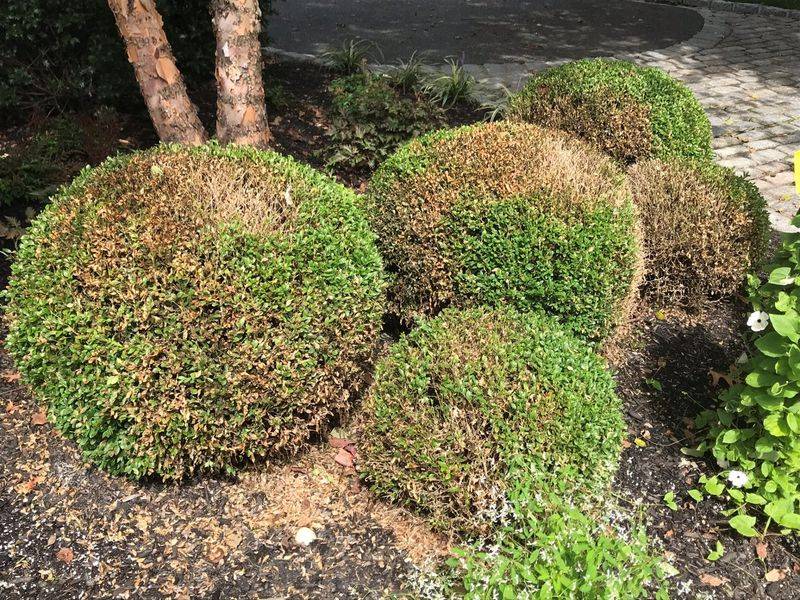
Boxwood has framed European gardens for centuries, yet it now comes with a real warning in New York. A fungal disease called boxwood blight has been confirmed in the state, including Long Island and the Hudson Valley.
Signs show up as dark brown or black leaf spots, quick leaf drop, and black streaks on stems. Cornell Cooperative Extension notes that warm, humid weather helps it spread.
Spores travel on tools, clothing, and infected nursery plants, and there is no cure once a shrub is badly hit.
So how do you get that clipped look safely? Buy only from reputable nurseries and inspect plants closely.
Some growers now offer more resistant selections, such as the NewGen series. Cold-hardy hybrids like ‘Green Mountain’ and ‘Green Velvet’ are popular in upstate gardens.
Give every shrub room for air to move. Water at the base instead of from above, and clean pruners between plants.
Plant in spring or early fall in well-drained soil.
Plenty of gardeners skip boxwood and use lookalikes instead. Inkberry holly, a native shrub, takes shearing well and handles cold winters.
Dwarf Japanese holly is another option, though it can struggle in harsh exposed sites.
Watch for another pest too. Box tree moth has been found upstate and on Long Island, and its caterpillars chew leaves fast.
Climbing and Shrub Roses That Shrug Off Harsh Winters
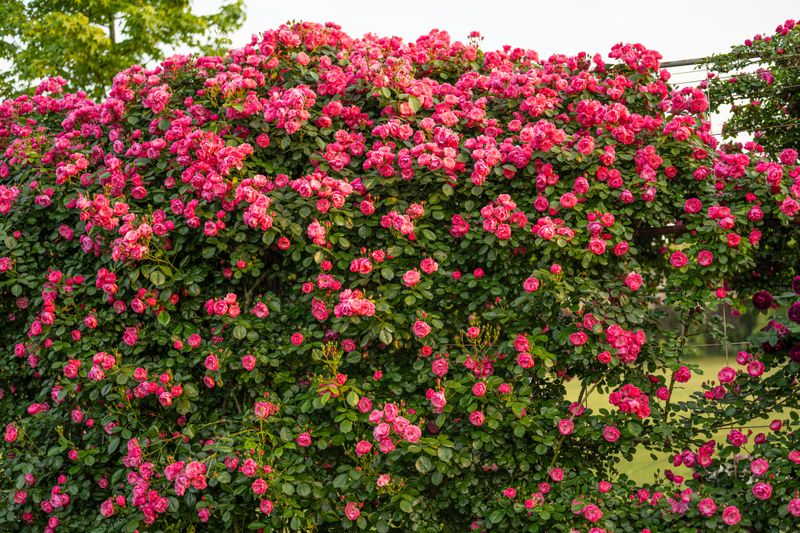
Few sights beat a rose arch in full June bloom. The real secret to that romance is picking roses that match your winter.
New York covers a wide range of USDA zones. New York City and Long Island sit mostly in zones 7a and 7b.
Much of upstate falls in zones 5 and 6, while parts of the Adirondacks drop to zone 4 or colder.
Hardy shrub roses are the easiest choice for most yards. The Knock Out series and many Canadian-bred roses handle cold well and resist black spot better than many old favorites.
They bloom in flushes from early summer until frost.
For arbors and walls, ‘New Dawn’ is a classic. Its soft pink flowers repeat through the season, and it has strong disease resistance. ‘William Baffin’ is a tougher pick for colder upstate gardens.
Hybrid teas give that elegant long-stem look. They need more babying, including mounding soil or mulch around the base in late fall.
Every rose wants at least six hours of direct sun. Rich, well-drained soil with a slightly acidic pH, around 6.0 to 6.5, keeps them happy.
Plant bare-root roses in early spring and potted ones in spring or early fall.
Morning sun matters most because it dries dew off leaves fast.
Peony Roots Planted Too Deep Will Sulk for Years
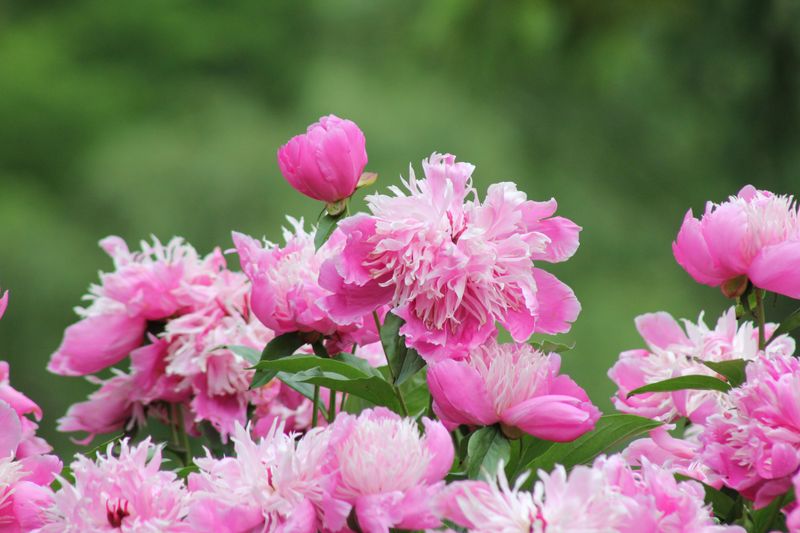
Peonies can bloom in the same spot for 50 years or more. That kind of loyalty makes them worth getting right from day one.
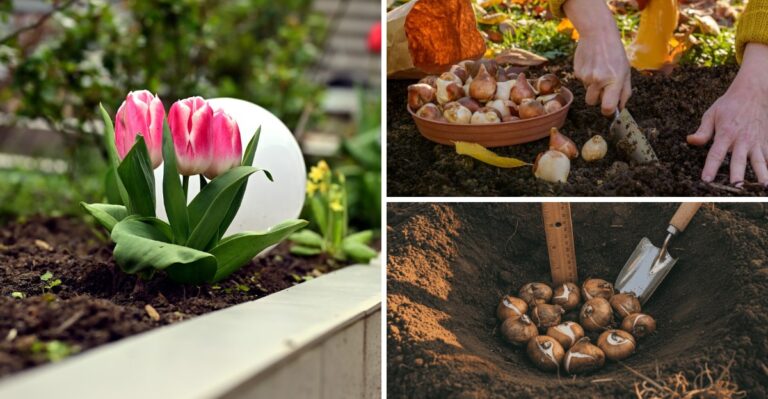
Depth is the big deal. The pink buds on the root, called eyes, should sit about 1.5 to 2 inches below the soil surface.
In colder upstate spots, closer to 2 inches works well. Go deeper and you may get leaves with no flowers.
Fall is the best time to plant herbaceous peonies. September and October give roots time to settle before the ground freezes.
Cold is actually helpful here. Peonies need a winter chill to form flower buds, and winters deliver plenty.
Gardeners farther south often struggle with this.
Pick a sunny site with six or more hours of light. Rich, well-drained soil keeps the roots from rotting.
Space plants about three feet apart so air can flow.
Be patient after planting. Many peonies take two or three years to bloom heavily.
Ants on the buds are normal and harmless, so leave them be. For heavy double flowers, a ring support set out in spring keeps blooms from flopping after rain.
Itoh peonies, a cross with tree peonies, offer sturdier stems and a longer bloom window.
Symmetrical Gravel Paths Make a Small Yard Feel Like an Estate

Walk through any famous French garden and your eyes land on one thing first. It is the path, straight and balanced, pulling you forward.
You can borrow that trick in a tiny space. Run a central walkway from your back door to a focal point at the far end.
Line both sides with matching plants so the layout feels intentional.
Pea gravel is a European favorite for a reason. It crunches pleasantly underfoot and drains fast after storms.
Crushed bluestone, common in the Northeast, looks crisp and handles freeze and thaw cycles well.
Add a steel or stone edging so the gravel stays put. Lay landscape fabric underneath to reduce weeds.
Garden rooms are another clever idea. Low hedges can split a yard into a peony bed, a seating nook, and a rose corner.
Each section feels like a small surprise.
Keep the plan simple on paper first. Graph paper and a pencil help you test circles, squares, and crosses before you dig.
I like to repeat the same plant in a rhythm. Three rose bushes on the left mirrored by three on the right looks grand without costing a fortune.
Plant the green edges before the flowers, since the frame guides everything else.
Stone Urns and Iron Obelisks Bring the Old-World Charm Home
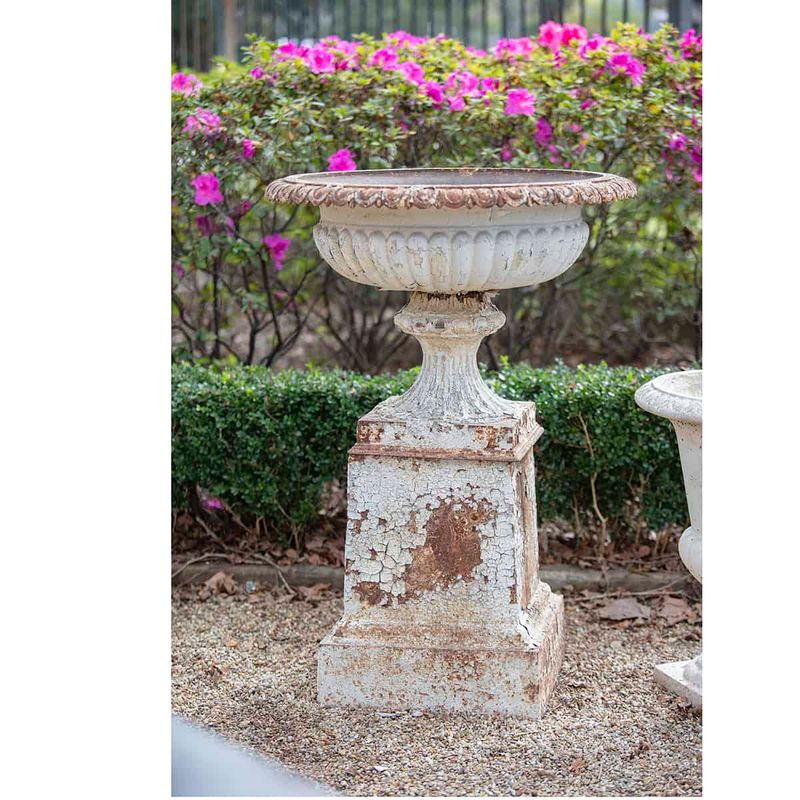
A weathered urn at the end of a path can do more work than ten new plants. Old European gardens leaned on these pieces to add history and a sense of place.
Start with one strong focal point. A stone urn, small fountain, or simple birdbath gives the eye somewhere to rest.
Place it where your main path ends for the biggest effect.
Pairs of containers at a doorway feel instantly formal. Fill them with a clipped evergreen shrub or a compact rose.
In colder parts of upstate, choose frost-proof containers so freeze and thaw cycles do not crack them.
Black iron obelisks are perfect for climbing roses. They add height in the middle of a bed and look handsome even in winter.
Trellises against a fence or garage work the same way.
Fountains add gentle sound that softens city noise. Small recirculating models need only an outdoor outlet.
Clean them often and drain them before hard freezes.
A bench is my favorite addition. Tuck one under a rose arch and you suddenly have a reason to sit outside after dinner.
Secondhand shops and estate sales often hide wonderful pieces. A little moss and rust make them look like they have belonged there for decades.
Lavender and Catmint Soften the Edges Around Your Roses
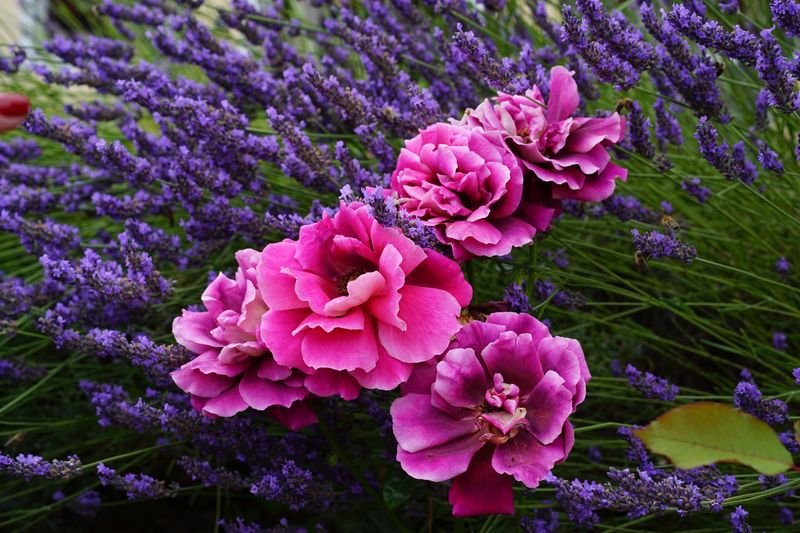
Roses look lonely standing alone in bare mulch. European gardeners solved that ages ago with frothy companions at their feet.
Catmint, or Nepeta, is a star partner. Its blue-purple flowers bloom for weeks and hide the bare lower stems of roses. ‘Walker’s Low’ is hardy across most of the state and shrugs off dry spells.
Lavender brings that Provence feeling and a lovely scent. Hardy English lavender types like ‘Munstead’ and ‘Hidcote’ handle many winters.
They need sharp drainage, so heavy clay soil can be tricky.
Lady’s mantle adds chartreuse froth that glows next to pink flowers. Hardy geraniums, also called cranesbill, fill gaps with low mounds of color.
Want a native touch? Foxglove beardtongue and wild bergamot give bees and butterflies a feast while fitting the cottage mood.
Leave space between companions and roses for airflow. Crowded beds stay damp, which invites black spot and powdery mildew.
I like to plant in groups of three or five. Repeating the same companion along a border ties the whole garden together.
Skip anything labeled aggressive spreader, like some mints. Check the state’s invasive species list before buying unfamiliar plants.
Japanese barberry, an old hedge favorite, is now prohibited for sale in the state.
A Little Seasonal Care Keeps Roses, Peonies, and Hedges Glowing
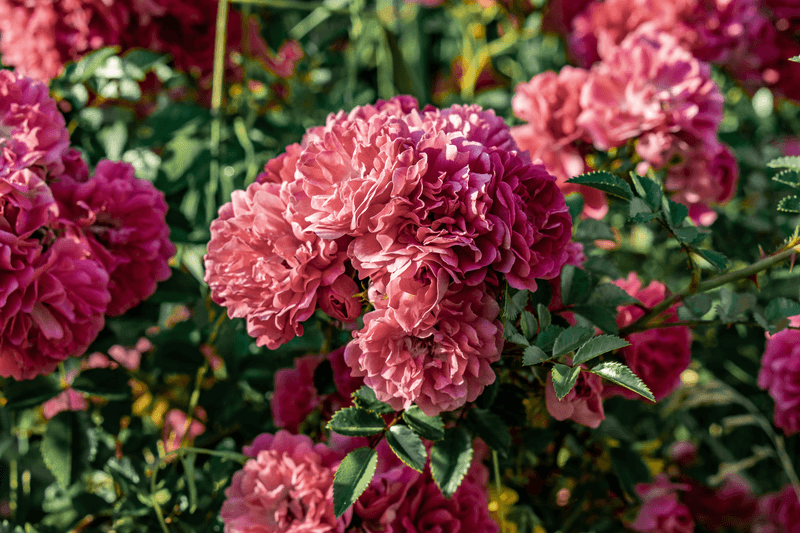
Gardens like this reward small, regular habits more than big weekend marathons. Following the calendar makes everything easier.
Early spring is rose pruning time. Wait until forsythia blooms, which is a handy signal across the state.
Remove weak or winter-damaged canes and open the center for air.
Clean up peony foliage every fall. Cutting stems to the ground helps reduce botrytis, a fungal problem that blackens buds.
Hedges look best with light shearing after new growth hardens in late spring or early summer. Avoid heavy trimming in late summer, since tender new shoots may get damaged by frost.
Water deeply about once a week during dry spells. An inch of water per week is a solid rule.
Soaker hoses keep leaves dry and cut down on disease.
Mulch with two to three inches of shredded bark or compost. Keep it a few inches away from stems and trunks.
Remove faded peony flowers for a tidy look. Trim repeat-blooming roses to encourage more buds, then stop in early fall so plants can harden off.
My best advice is to walk your garden weekly with coffee in hand. Spotting a leaf spot or a hungry caterpillar early saves a lot of trouble later.
Your gilded garden will grow richer every single year.