8 Mistakes New York Shoppers Make Buying a Poinsettia in Cold Weather
A holiday plant can suffer chilling injury after just a few minutes in air colder than fifty degrees. That means one short walk from a New York shop to your car might quietly ruin it.
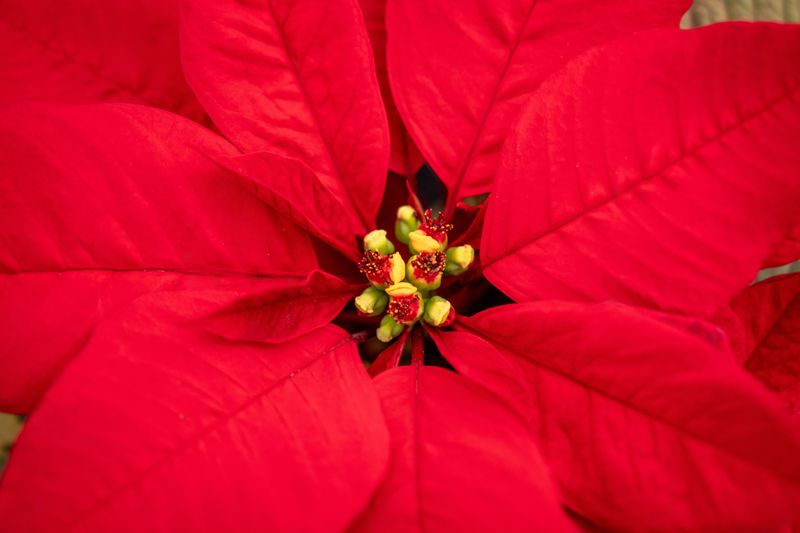
Its wild ancestors grow as tall shrubs on warm hillsides in southern Mexico, far from our snowy winter sidewalks. Those famous red petals are not petals at all, but colorful leaves called bracts surrounding tiny flowers.
Truth be told, I learned this lesson the hard way after carrying one home uncovered in December wind. The leaves looked fine that evening, then drooped and dropped by the weekend, which felt deeply unfair to me.
You might notice similar trouble even when you buy from a trusted New York shop with healthy stock. So which small mistakes are quietly costing shoppers their festive color, and how easy are they to fix?
1. Carrying An Uncovered Poinsettia Through Winter Wind
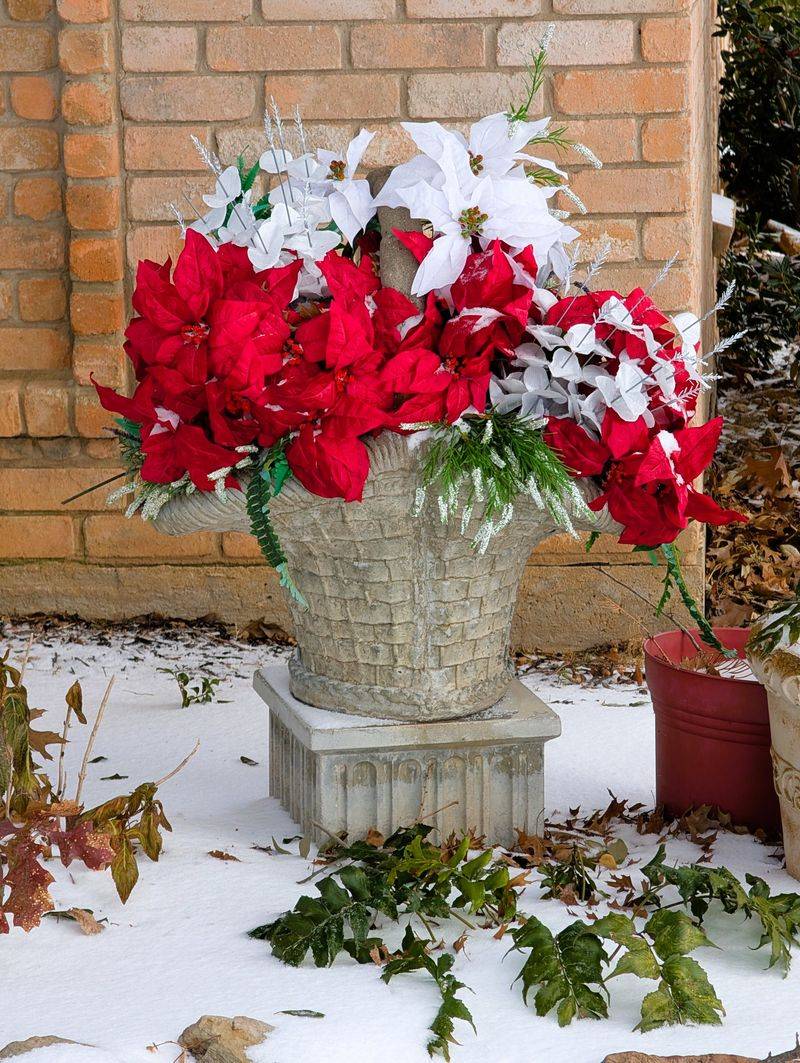
Wind on a frosty sidewalk feels sharp on your cheeks, and a tropical plant feels it even more. Chilling injury can start below fifty degrees, so a bare poinsettia may suffer during one quick block.
In my experience, the damage hides at first, which makes this mistake sneaky and frustrating for new buyers. Leaves often curl, darken, or drop a day or two later, long after you forgot the walk.
Most garden centers offer paper or plastic sleeves at checkout, and you should happily accept one every time. A sleeve shaped like a cone slips over the plant and blocks wind from bruising the soft leaves.
On truly bitter days, I like to add a large shopping bag over the sleeve for extra coverage. Two light layers trap a small pocket of warmer air around the bracts while you hurry along.
Hold the pot upright and close to your body instead of swinging it by the sleeve at your side. Your own warmth helps a little, and steady carrying keeps those brittle stems from snapping at the joints.
Fun fact for curious readers, the plant was named after Joel Poinsett, a diplomat who shared it in the 1820s. He sent cuttings home from Mexico, and growers slowly turned it into a holiday favorite across America.
Plan your route so the plant spends the fewest possible minutes outside in winter air during the trip. If you take the subway or bus, pick up your plant last so it heads straight home.
2. Leaving A Poinsettia Waiting In A Cold Parked Car
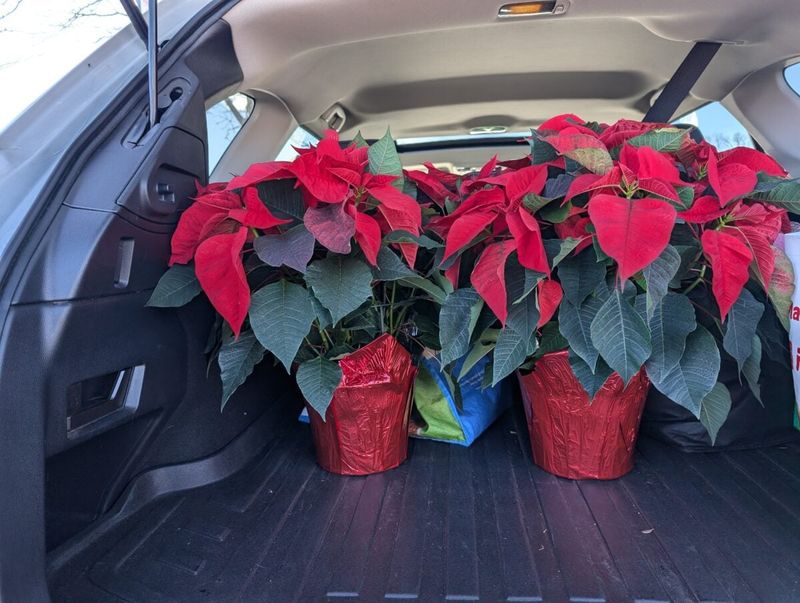
Funny thing is, a parked car can turn into a little refrigerator faster than most of us expect. Once the engine stops, the cabin temperature slides toward the outside air within several short minutes.
Many shoppers grab their poinsettia first, then run into the grocery store or the pharmacy for a few extras. Meanwhile, that tropical plant sits on the seat while chilly air slowly seeps into its tender leaves.
University extension experts warn that even brief exposure below fifty degrees can cause leaf drop and damaged bracts. A car sitting in a snowy lot easily drops far below that mark during one quick errand.
You need to make the poinsettia your final stop, then drive straight home without detours or long breaks. I treat it like a carton of ice cream in reverse, rushing it home before conditions turn harmful.
Warm the car before loading the plant, and set it on the floor or seat away from cold windows. The floor near the heater vent offers gentle warmth, but keep blowing hot air from hitting the leaves.
Avoid the trunk on cold days, since it rarely gets heat and often holds frigid air like a box. A snug spot inside the passenger area, wedged with a towel, keeps the pot from tipping over.
If you must stop somewhere, bring the sleeved plant inside with you rather than leaving it behind alone. Cashiers may smile at your leafy companion, and your poinsettia stays comfortable during the extra minutes.
3. Buying A Poinsettia Displayed Near A Drafty Store Entrance
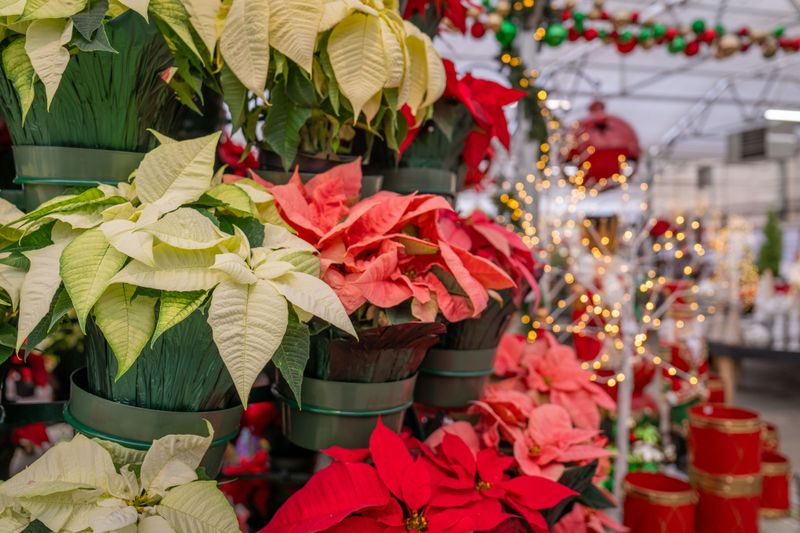
Sliding doors that whoosh open all day can blast freezing air across the plants stacked beside them. Stores love placing bright poinsettias near entrances, yet that cheerful spot may hold the most stressed plants inside.
If you ask me, the best shopping happens a few aisles deeper, where temperatures stay steady and comfortable. Plants sitting there have usually avoided the repeated chills that come with every customer walking through the door.
Look carefully at the leaves near the edges of an entrance display for curling, droop, or dark patches. Those signs often point to cold stress, even when the colorful bracts on top still look perfectly lively.
Outdoor sidewalk displays deserve even more caution during winter, since the plants face open air for hours. Some city corner shops set poinsettias outside, but cold nights can harm them before you even notice trouble.
Ask a staff member which plants arrived most recently from the grower, and where they have been kept. Friendly garden center workers often know these details and gladly point you toward the freshest, best protected stock.
Another clue comes from the overall feel of the display area as you stand near it for a moment. If your own hands feel chilly there, the tropical plants nearby probably feel that same uncomfortable draft too.
Choosing a poinsettia from a warm, bright interior bench gives you a healthier head start at home. That small detour inside the store can add extra weeks of rich color to your holiday decorations.
4. Skipping A Close Look At Poinsettia Flowers And Lower Leaves
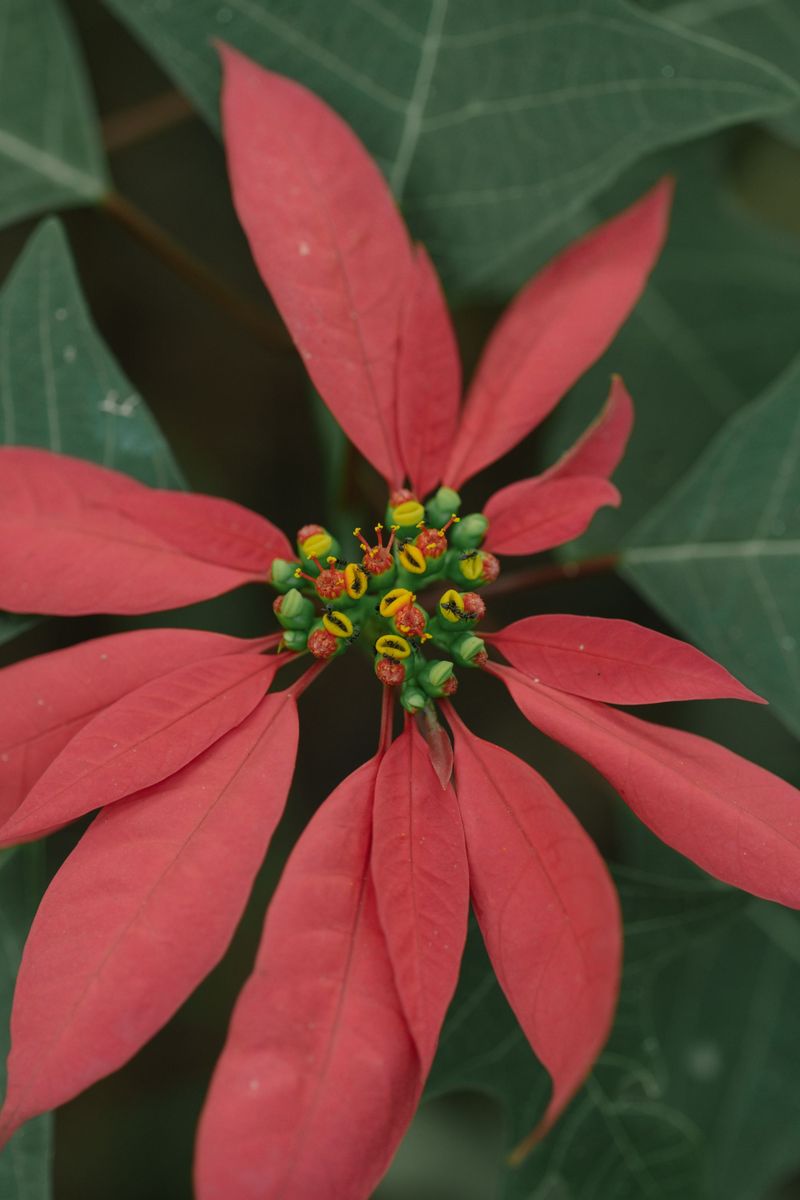
Here’s what caught my attention years ago, the real flowers are those tiny yellow knobs in the center. Botanists call them cyathia, and they reveal far more about freshness than the big red bracts do.
Fresh plants show tight, greenish or yellow buds with little or no yellow pollen dusting the colorful bracts. Once those flowers open widely and shed pollen, the plant is closer to the end of its show.
Many shoppers glance only at the top color and miss the leaves hiding lower on the stems. I like to tilt the pot gently and check whether green foliage reaches all the way to the soil.
Bare lower stems often mean the plant dropped leaves from stress, low light, or poor watering at some point. A poinsettia like that usually struggles more once it faces a dry apartment and cold winter windows.
Check underneath the leaves too, since whiteflies and other small pests sometimes ride home on holiday plants. Tiny white insects fluttering up when you brush the foliage are a clear signal to pick another pot.
Good bracts should look fully colored with no green edges, curled tips, or brown spots along the margins. Strong, sturdy stems that hold the bracts upright also suggest a plant that grew in healthy greenhouse conditions.
Spending one extra minute on this inspection can save you weeks of disappointment later in the season. You might notice that the healthiest plants are not always the biggest ones on the display table either.
5. Ignoring Wilted Or Soggy Poinsettia Soil At The Store

A quick finger poke into the soil tells you a surprising amount about how a plant was treated. Busy holiday stores sometimes struggle to water hundreds of poinsettias correctly during the rush of shopping season.
Soil that feels bone dry and light usually means the plant wilted at least once on the shelf. Repeated wilting stresses the roots, and the plant may drop leaves soon after arriving in your warm home.
On the other hand, soggy soil that smells sour can point toward root rot starting below the surface. Poinsettias dislike sitting in water, and damaged roots often show up later as yellow leaves and sudden drooping.
My garden taught me that the ideal feel resembles a wrung-out sponge, moist but not dripping wet. Lift the pot as well, since a comfortably watered plant feels noticeably heavier than one that dried out.
Peek at the bottom of the decorative wrap to see whether water has pooled inside it already. Standing water trapped in that foil is a warning sign that the roots have been sitting too long.
After you get home, water only when the top of the soil feels dry to your touch. Pour slowly until water drains from the bottom holes, then empty the saucer so roots can breathe again.
Choosing a plant with healthy soil moisture means fewer surprises during the first weeks of care at home. That small habit matters even more in winter, when indoor heating dries pots faster than you expect.
6. Keeping The Foil Wrap And Plastic Sleeve On Your Poinsettia
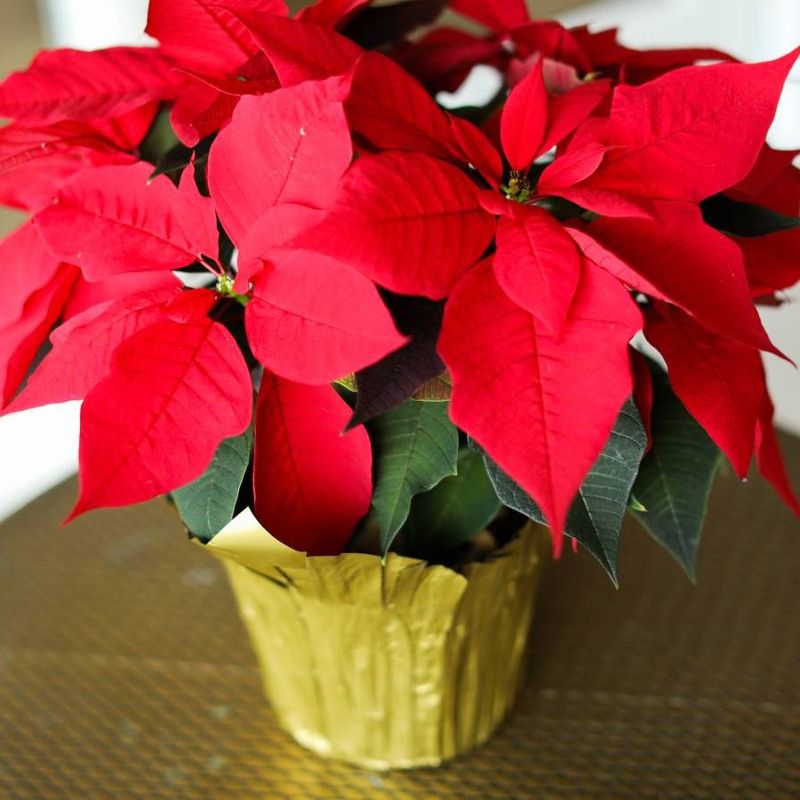
Shiny gold foil looks festive on a pot, yet it quietly creates one of the biggest care problems. Water slips through the drainage holes and collects inside that wrap, leaving roots soaking in a hidden puddle.
I believe the foil exists mostly for store appeal, not for the long term health of your plant. Many extension specialists suggest poking holes in it or removing it before watering, then setting the pot on a saucer.
The plastic or paper sleeve deserves quick attention too, because it should come off soon after you arrive. Plants left sleeved for long periods often suffer drooping leaves, since the trapped plant gases encourage leaf problems.
Slide the sleeve upward and off rather than pulling it down, which can snap the brittle bract stems. Scissors work well for tight sleeves, as long as you cut carefully away from the leaves and stems.
If you love the decorative look, try a slightly bigger ceramic pot with gravel lining the bottom. The nursery pot sits above the gravel, so extra water drains away from the roots without leaving messy puddles.
Fun fact for skeptics, poinsettias are far less dangerous to pets and kids than old rumors suggest. Researchers found that nibbling may cause mild stomach upset or skin irritation, so placing them out of reach still helps.
Removing that wrapping might feel like taking off a holiday bow too early, but your poinsettia will thank you. Healthy roots keep the bracts bright, which matters more than shiny foil sparkling on the table.
7. Setting A Poinsettia Against A Frosty Window Or Hot Radiator
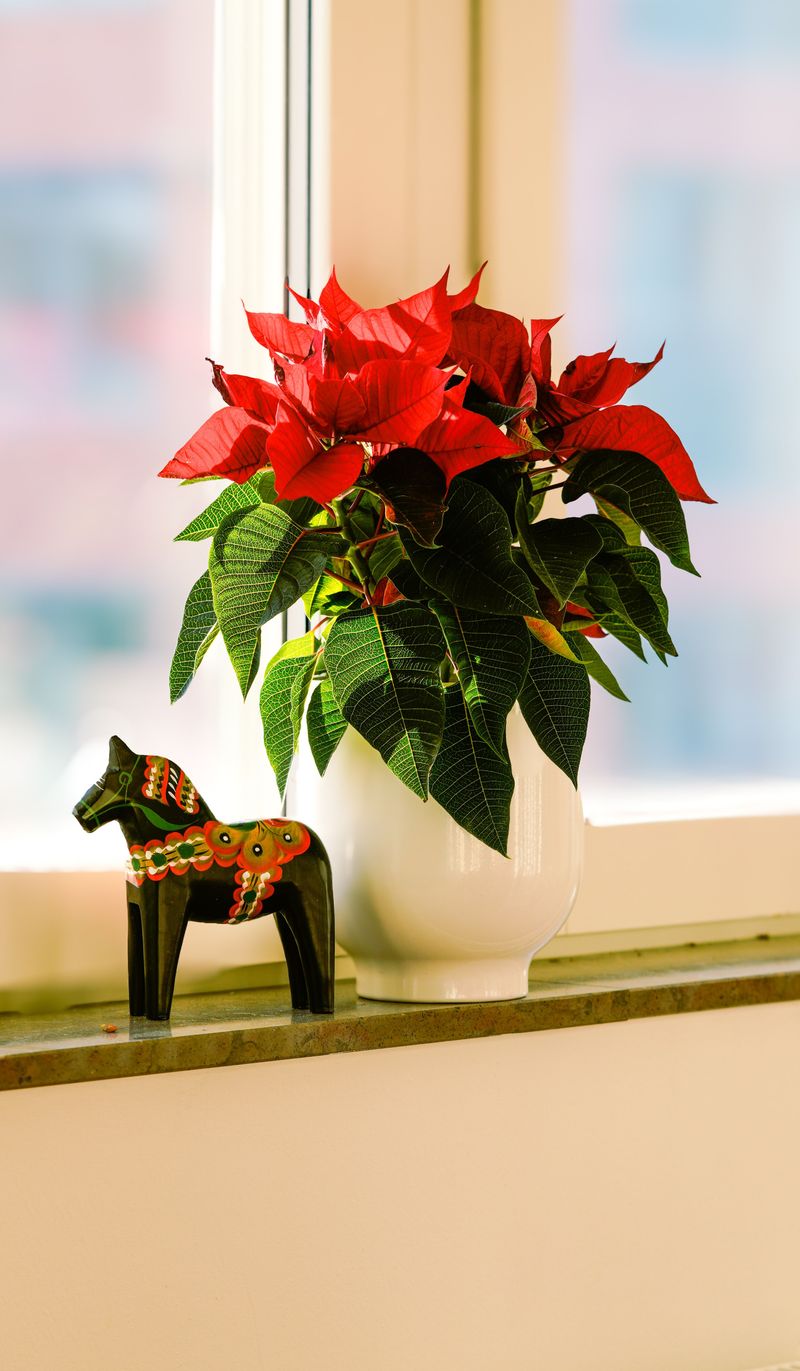
Old apartment radiators clank and hiss all winter, and a poinsettia parked beside one will dry out quickly. Hot, dry air pulls moisture from leaves and soil, which often leads to wilting and early leaf drop.
Frosty windowpanes cause the opposite trouble, chilling leaves that brush against the cold glass on winter nights. In my own home, I keep the plant a few inches back so no foliage touches the window.
Poinsettias enjoy bright, indirect light for several hours each day, so a sunny room still makes sense. An east, south, or west window works nicely, as long as you avoid direct contact with the glass.
Many growing guides recommend daytime temperatures around sixty to seventy degrees for the longest lasting color. Slightly cooler nights are fine, but sudden swings near doors and heating vents often stress the plant.
Drafts sneak in from places you might overlook, like a balcony door or a leaky window frame. Hold your hand near your chosen spot on a windy evening and feel whether cold air slips through.
Winter heating also lowers indoor humidity, which can leave leaf edges crispy or curled over time. Grouping houseplants together or using a tray of damp pebbles under the pot can help raise moisture a bit.
Finding that sweet spot usually takes just a little experimenting during the first few days at home. Once your poinsettia settles in comfortably, its bracts can hold their color well into the new year.
8. Feeding Fertilizer To A Poinsettia While The Bracts Are Colorful
Generosity sometimes backfires with houseplants, and holiday poinsettias prove that point every single December. Shoppers often bring home a bottle of fertilizer, thinking extra food will keep those red bracts glowing longer.
Most growers and extension specialists advise skipping fertilizer while the plant holds its full holiday color. The greenhouse already fed it well, and extra nutrients now offer little benefit during this showy stage.
Too much fertilizer can build up salts in the potting soil, especially when the plant uses water slowly. Those salts may burn roots and leaf edges, leaving brown margins that spoil the festive look you wanted.
Truth be told, I find this mistake charming because it comes from such a kind and caring instinct. Patience works better here, so let the plant rest while you simply enjoy its color and water carefully.
If you hope to keep your poinsettia beyond the holidays, feeding can begin later once new growth appears. Many guides suggest a balanced houseplant fertilizer in spring, after the bracts fade and stems get trimmed back.
Plants can spend summer outdoors in a sheltered spot once nights stay reliably warm across New York. Bring them inside before cool autumn nights arrive, since frost harms these tropical shrubs very quickly.
Getting new bracts to color again requires long, uninterrupted dark nights starting in early fall each year. That project takes dedication, but watching your own plant blush red again feels like a delightful gardening victory.