The Arizona Elderberry Harvest You Should Never Eat Straight Off The Branch
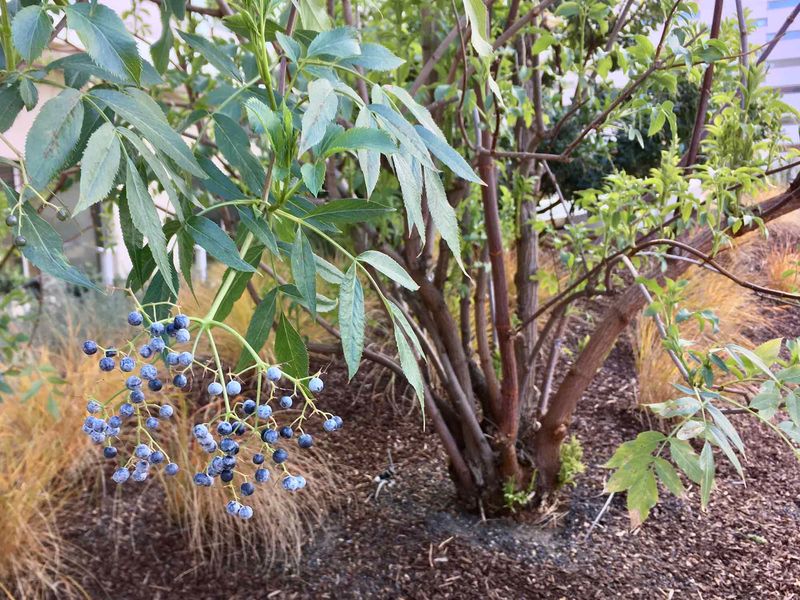
Those dusty blue berries hanging in clusters look ready for a snack, but they are not. Wild elderberries need one simple step before they reach your mouth.
Arizona gardeners and foragers often spot them along washes and in yards. Here is how to handle them with care and still enjoy the harvest.
Identify Arizona Blue Elderberry Without Guessing
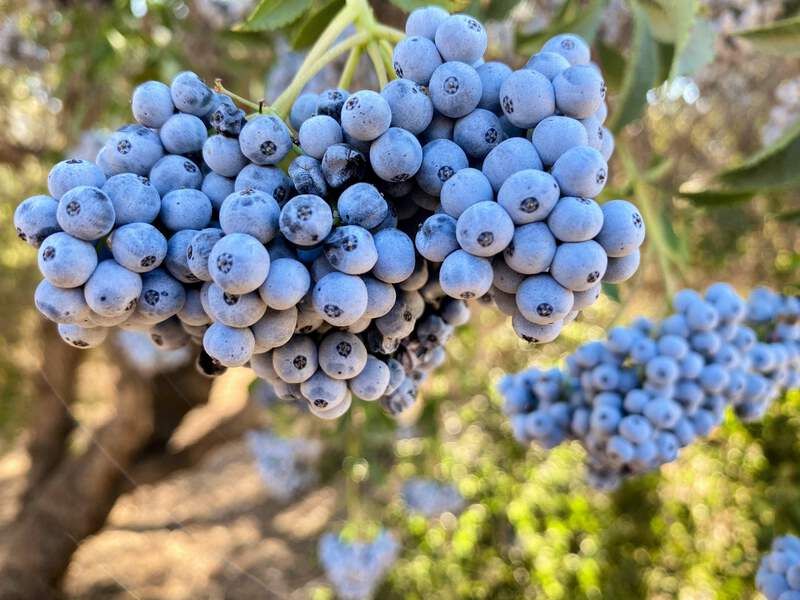
Start by knowing which plant you are looking at. This guide covers blue elderberry, and Arizona sources use several scientific names for it, including Sambucus cerulea, Sambucus nigra subsp. cerulea, and Sambucus mexicana.
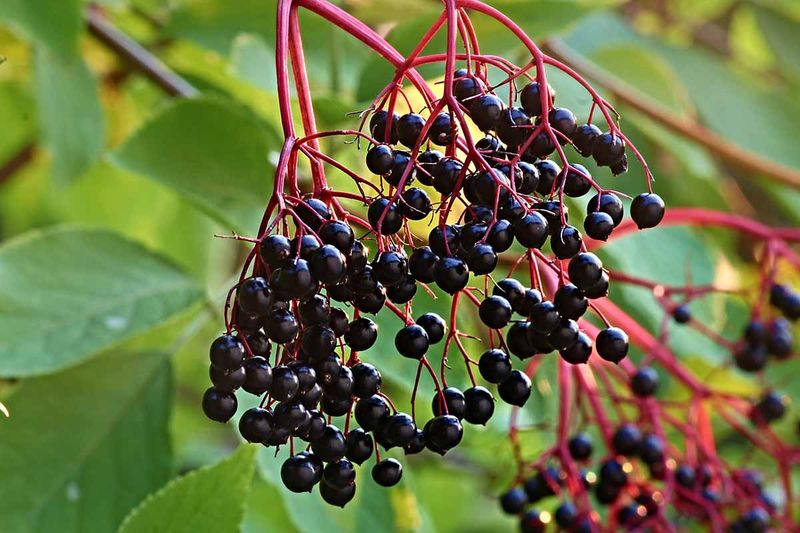
A University of Arizona flora describes the fruit as dark purplish to black. It also warns that unripe fruit and leafy parts can be poisonous, so the name overlap is worth respecting.
The Yavapai County plant guide notes blue berries with a whitish coating. That guide also makes clear that identification depends on plant features, not fruit color alone.
Check the leaves, the growth habit, and the full plant description before you decide anything.
Please do not nibble a berry to test your guess. Tasting is never a safe identification method, and a good plant guide or a local expert will serve you far better.
Why Raw Elderberries Are Not Ready to Eat
Here is the plain recommendation: do not eat wild elderberries raw straight from the branch. NCCIH guidance says raw or unripe berries and other plant parts can contain cyanide-producing compounds.
These are linked to nausea, vomiting, and diarrhea.
That advice is general elderberry guidance. I am applying it cautiously to positively identified blue elderberry, and it should not be stretched to every plant that carries the name elderberry in Arizona.
The Arizona flora lists overlapping names and cautions about unripe fruit and herbage. Those sources do not show that every raw berry causes severe poisoning, and they set no single dangerous dose.
So the takeaway is calm and practical. Skip the trailside snack, and give the berries the cooking they need first.
What the California Elderberry Report Does—and Does Not—Show
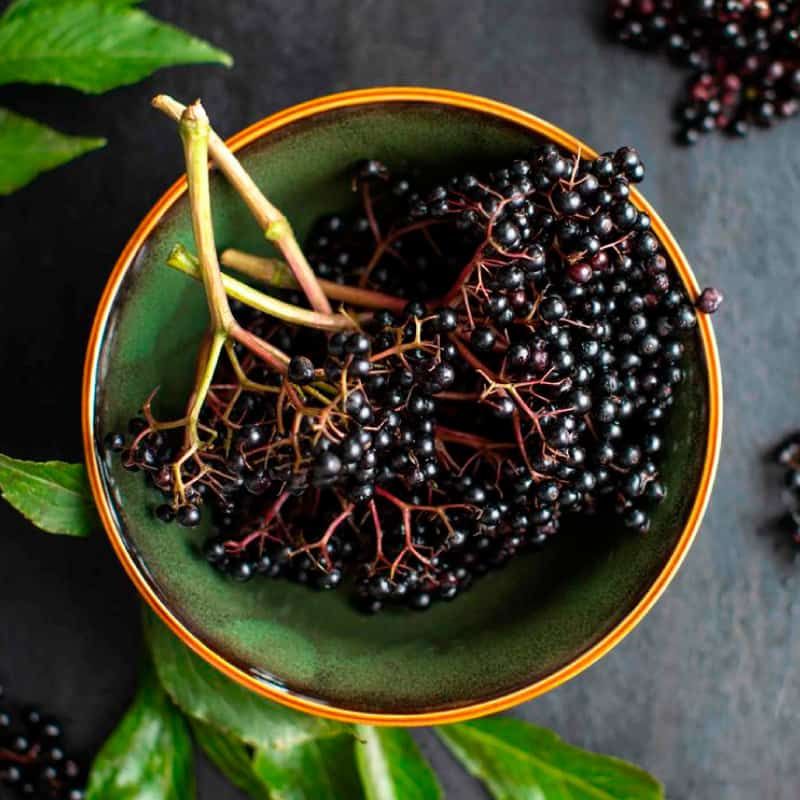
You may run into a famous 1983 case, so it helps to read it correctly. In a CDC report from California, several people became ill after drinking juice made by pressing elderberry bunches together with leaves and branches.
Measured serum cyanide levels were normal. The report does not establish what caused the illnesses, and it does not prove cyanide poisoning from ripe berries alone.
That detail should calm the story rather than inflame it. The case is a reason for care, not a verdict on every berry.
Keeping leaves and branches out of your food is still a sensible precaution. Treat it as good kitchen habit, not as a cause the report demonstrated.
Harvest Ripe Fruit and Remove Other Plant Material
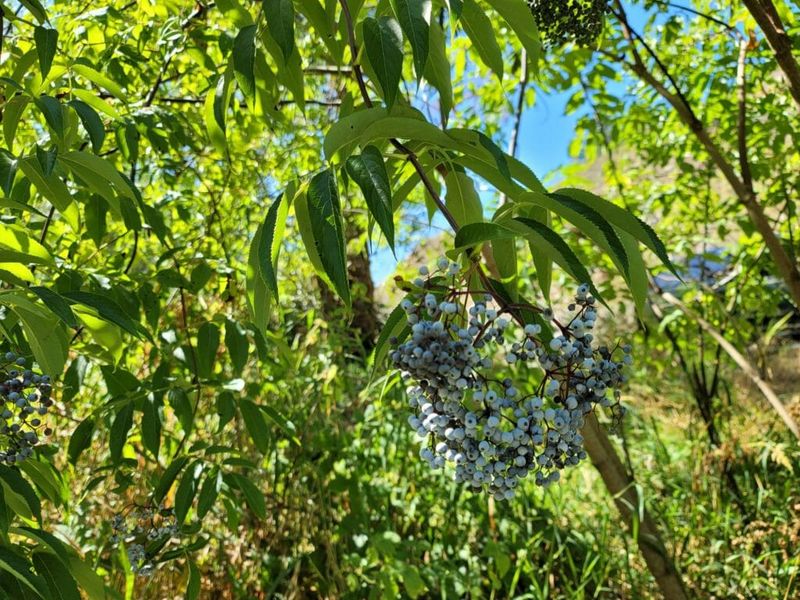
Once you are sure of the plant, sorting comes next. Choose ripe fruit, then remove leaves, stems, and unripe berries before you prepare anything, as OSU Extension guidance advises.
A bowl for good berries and a separate pile for scraps keeps the job tidy. Pull berries off the stems by hand and look through them as you go.
Ripe fruit in Arizona descriptions is dark purplish to black, but color alone does not prove what a plant is. Confirm identity from the whole plant, using the University of Arizona flora or a local guide.
I am not giving a harvest season, since the sources do not. This sorting advice fits positively identified blue elderberry and should not be applied to every elderberry type.
Cook Berries Before Eating Them
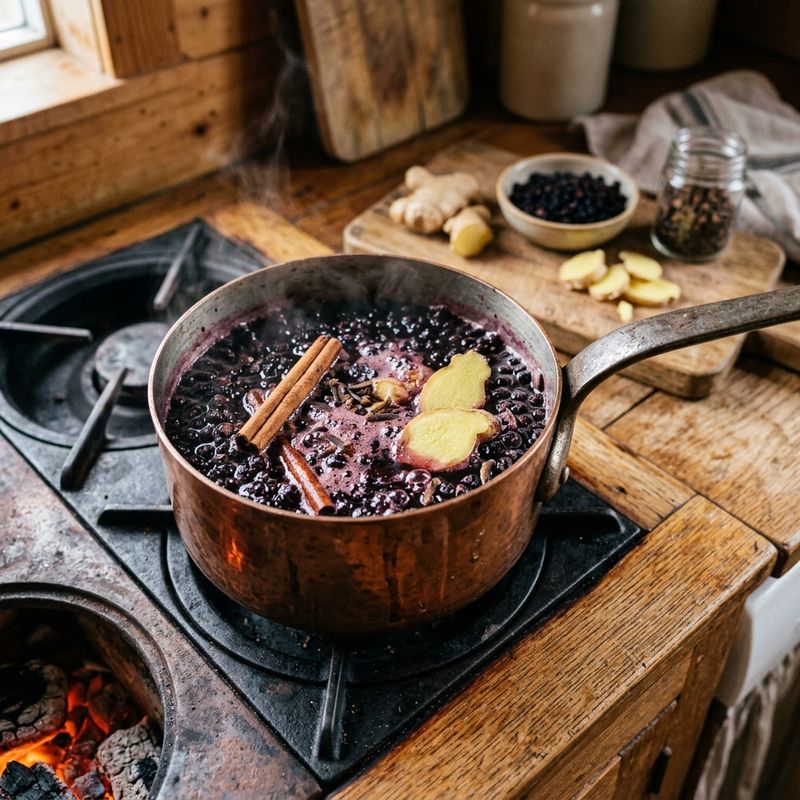
Cooking is the practical safety step in the cited guidance. NCCIH says cooking eliminates the toxin, and OSU Extension says cooked berries are safe to eat.
That promise applies to positively identified, ripe berries after you have sorted out leaves, stems, and unripe fruit. It does not mean every Arizona elderberry has identical processing needs.
Notice what the sources do not say. They give no special health benefit for cooked elderberry foods, and I have not tested any particular recipe for you.
Choose a recipe from a trusted extension source and follow it as written. Cook first, then enjoy.
Freezing or Drying Raw Berries Does Not Replace Cooking
Storage and preparation are different jobs. OSU Extension says raw berries stored by freezing or drying still need cooking before consumption.
A freezer bag of berries is simply a saved harvest. It is not a ready snack, and neither is a tray of dried ones.
Say you dry a batch for later. When you open that jar, treat the berries as raw and cook them first.
No processing times are given here because the sources do not supply them. This applies to elderberry guidance in general, so check your plant type before relying on it.
Follow a Tested Method for Preserving Elderberries
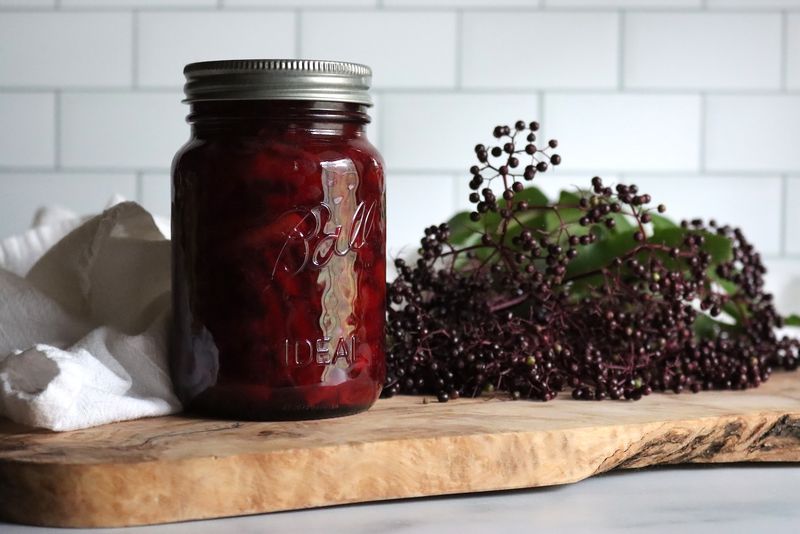
Preserving cooked elderberry foods calls for a tested recipe. Methods vary by elderberry type, so OSU Extension says to follow a tested method rather than assuming any canning method is safe.
This is different from freezing or drying raw berries. Here you are putting up prepared food, and the method matters.
I am not offering canning times, acidity claims, or recipe details, because the research gives none. Look for a tested recipe that names the type of elderberry you have.
Do not promise yourself or anyone else that elderberry foods prevent or cure illness. A careful jar on the shelf is reward enough.