What It Means When A White-Tailed Kite Hovers Over Your California Yard
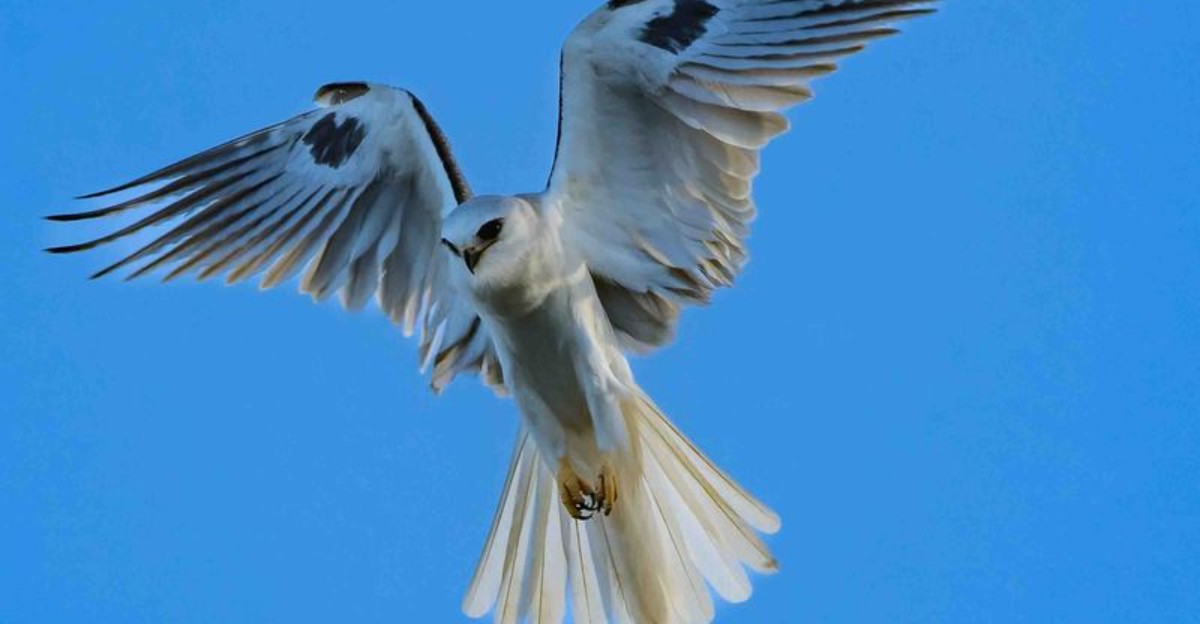
A bird can hang in one spot in midair, facing the wind, with its wings beating fast and its head held almost perfectly still.
The first time I saw it over my California garden, I honestly stopped watering mid-row. The hose kept running onto my boots.
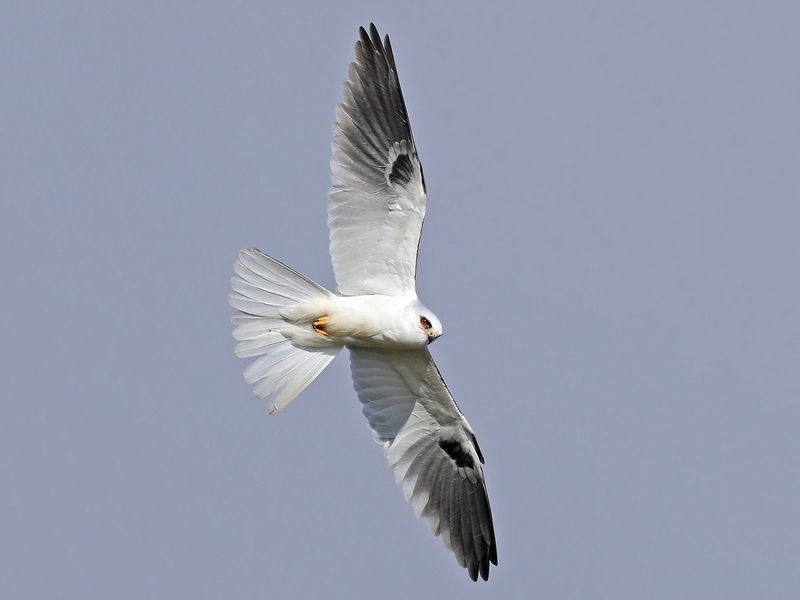
This hunter is snowy white underneath, with black shoulder patches and glowing red eyes. Back in the 1930s and 1940s, people feared it might vanish from the state. Now it shows up over pastures, parks, and even suburban edges.
I love that something so elegant also has a job to do. You might be standing under one right now and not realize it is working for you.
So what is it staring at down there in your grass? The answer says a lot more about your yard than you might expect.
That Hovering White Raptor Has Its Eyes Locked on Something
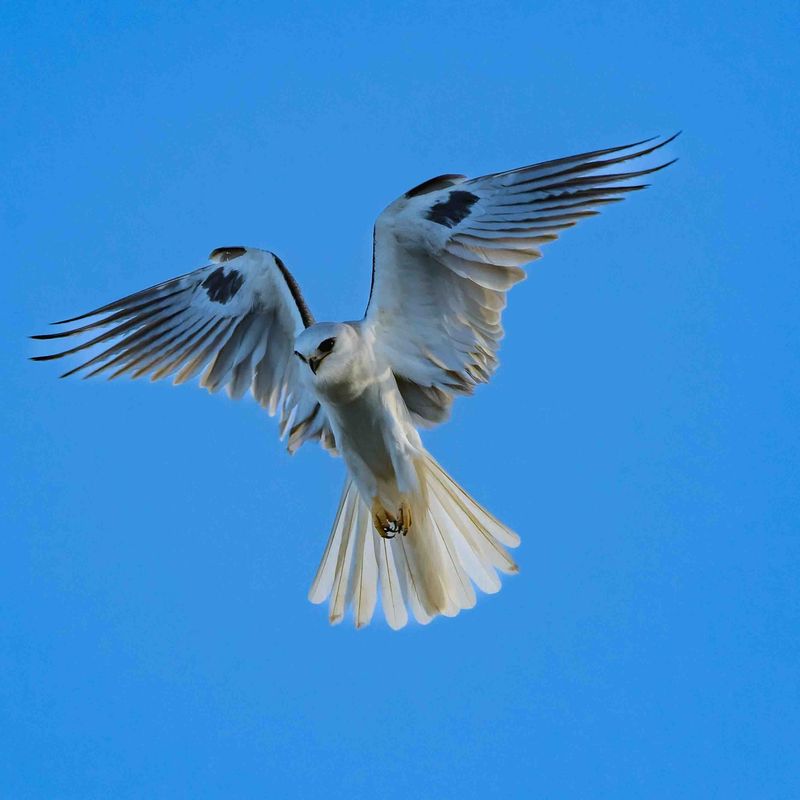
Few birds can pull off a stunt like this one. Birders call it kiting, and it looks like the bird is hanging from an invisible string.
A white-tailed kite faces into the breeze and flaps quickly while keeping its head steady. That stillness lets it scan the ground with remarkable focus. It usually hovers somewhere between about 30 and 80 feet up, though heights vary with wind and terrain.
So the short answer is simple. When a kite hovers over your yard, it is hunting, and something below has caught its attention. It is not admiring your roses or checking out your pets.
Watch closely and you will often see a pattern. The bird hovers, shifts a little, hovers again, then raises its wings into a tall V shape. From there it drops almost straight down, feet first, toward the grass.
Sometimes the dive ends with a catch. Plenty of times it misses and climbs back up to try again. I find the misses oddly reassuring, since even skilled hunters have off days.
Keep a little distance and enjoy the show. Moving slowly and quietly gives you the best chance to see the whole sequence unfold.
Voles And Mice Are Almost Certainly On The Menu
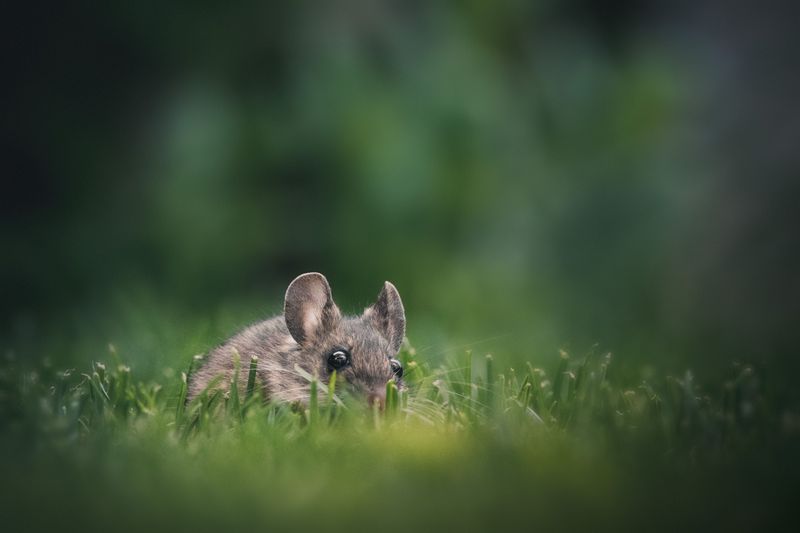
Rodents make up the bulk of what these kites eat. Studies cited by Cornell Lab of Ornithology and others show small mammals account for around 95 percent of their prey.
Voles are the top pick. In much of California, that means the California vole, a chunky little rodent with a short tail and small ears. House mice and harvest mice also land on the menu fairly often.
Why voles? These rodents are active during daylight hours, which lines up nicely with the kite’s daytime hunting schedule. They also travel along shallow runways through grass, making them easier to spot from above.
Once in a while, kites take shrews, pocket gophers, small birds, lizards, frogs, or large insects. Those are extras, though, not the main meal.
Here is a useful takeaway for your garden. If you see a kite returning to the same patch again and again, there is a decent chance voles or mice are living there. Check for narrow grassy trails, small holes, and chewed stems near the base of plants.
That bird may be pointing out a rodent problem you had not noticed yet. Think of it as a free inspection from above.
A Kite Overhead Can Be Free Rodent Patrol For Your Garden
Honestly, I cheer a little every time one swoops. Voles can chew through bulbs, girdle young fruit trees, and nibble roots in vegetable beds.
A single kite eats several rodents a day. During nesting season, a pair feeds hungry chicks too, so the demand climbs even higher. That adds up to real help for gardeners, orchard growers, and farmers.
Kites will not solve a major infestation alone. Still, they are part of a natural team that includes barn owls, red-tailed hawks, gopher snakes, and foxes. Each one takes a share.
You can support this team with a few simple choices:
Skip rodent poisons, especially anticoagulant baits. Raptors that eat poisoned rodents can get sick, and California has restricted many of these products for that reason.
Use snap traps in covered boxes, hardware cloth around bulbs, and trunk guards on young trees instead. These methods target the problem without risk to wildlife.
Keep some open, low grass where kites can actually see prey. Dense shrubs give rodents too many hiding spots.
A bird doing pest control for free is a pretty sweet deal. Protecting it just makes good gardening sense.
How To Tell A White Tailed Kite From Other Hovering Birds
Not every hovering bird is a kite. American kestrels and red-tailed hawks hover too, so a quick ID check helps.
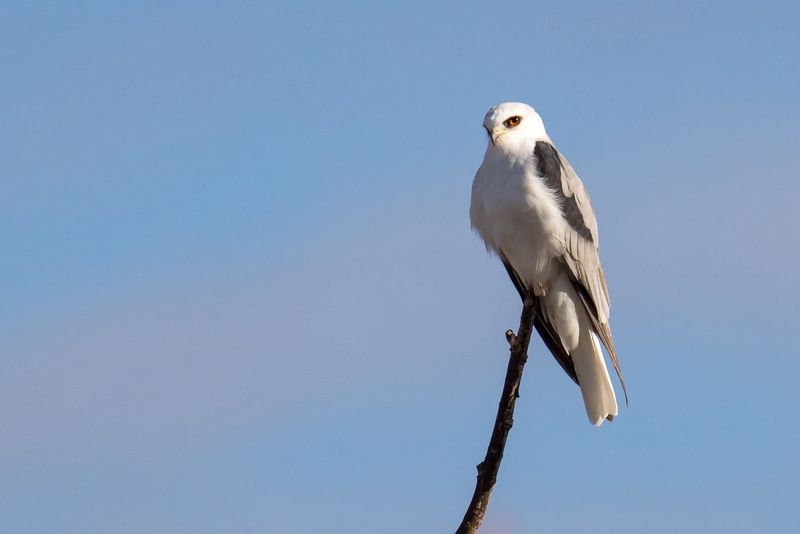
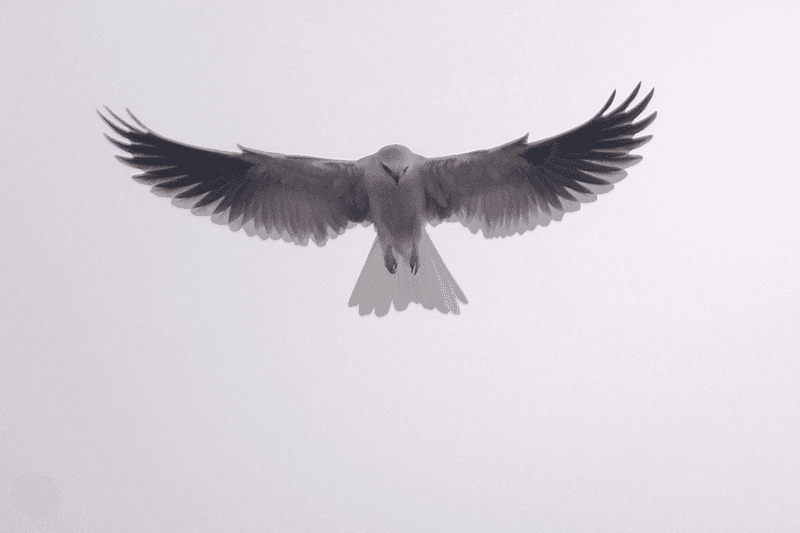
White-tailed kites are mostly white below with a pale gray back. The giveaway is a bold black patch on each shoulder, easy to see when the bird perches. Adults also have striking red-orange eyes.
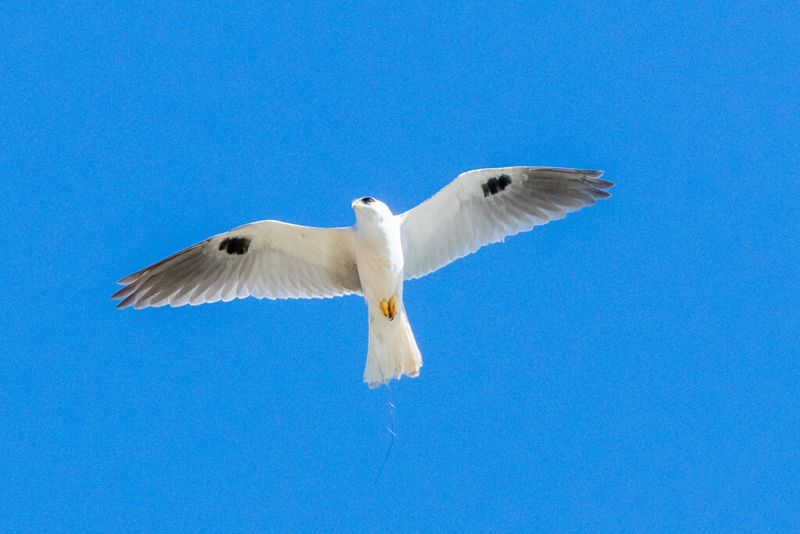
In flight, look for long, pointed wings and a bright white tail. Kites are slim and graceful, a bit gull-like at a glance. Juveniles show rusty streaks on the chest and back during their first months.
American kestrels are much smaller and colorful, with rusty backs and face stripes. Red-tailed hawks are bulky, with broad wings and a brick-red tail on adults. Both hover more briefly and less steadily than kites.
Sound can help too. Kites make soft whistles and raspy chirps, often near their nests.
A pair of binoculars makes a huge difference here. Try free apps like Merlin Bird ID from Cornell to confirm what you saw. Logging your sighting on eBird also helps scientists track how these birds are doing across California.
Open Grassland Nearby Is Probably What Drew This Hunter In
Kites are picky about real estate. They like open country with low grass, plus a few trees for perching and nesting.
Think grasslands, meadows, marsh edges, pastures, and farm fields. Many suburban yards sit right next to these spaces, especially near open space preserves, creeks, or vacant lots. Your yard may simply be part of a larger hunting range.
Oaks, willows, cottonwoods, and other trees near open ground give kites lookout posts. Nests are usually built near the tops of trees, sometimes 20 to 50 feet up or more.
Want to welcome them? Native plantings help. Native bunchgrasses like purple needlegrass, plus scattered native oaks, create the mix of open ground and perches kites prefer.
Avoid planting invasive grasses such as pampas grass or fountain grass. They crowd out native habitat and can spread into wild areas.
Leaving a corner of your property a little wild also helps. Rodents and insects thrive there, and that brings the whole food web along. I keep one sunny patch unmowed in spring, and it has become my favorite place to watch the sky.
Spring Sightings Might Mean A Kite Nest Is Close By
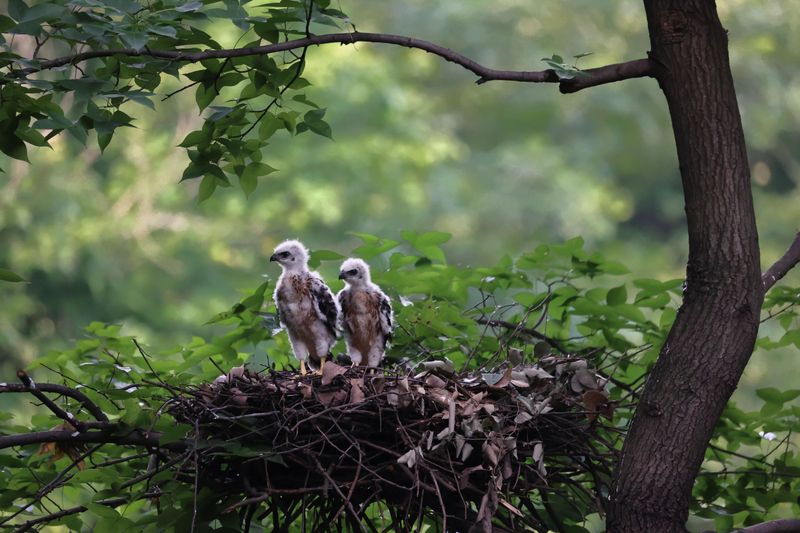
Timing tells a story. In California, white-tailed kites typically nest from roughly February through August, with peak activity in spring.
During this stretch, you might see courtship flights or one kite passing food to another in midair. Males often deliver prey to females near the nest. Spotting that is a real treat.
Frequent hovering near the same trees could mean a nest is nearby. Give the area plenty of space. Getting too close can stress the adults and put eggs or chicks at risk.
Plan big tree trimming outside nesting season when possible. Fall and early winter are usually safer choices. If you must prune in spring, check carefully for nests first.
Legal protection matters here too. White-tailed kites are covered by the federal Migratory Bird Treaty Act. California also lists them as a Fully Protected species, so harming them or disturbing active nests is against the law.
In fall and winter, kites sometimes gather in communal roosts. Dozens may settle into the same group of trees at dusk. If you notice that near your home, you are lucky. It is a lovely sight on a cool evening.
These Graceful Hawks Came Back From The Brink In California
Did you know? In the 1930s and 1940s, white-tailed kites were so scarce in California that people feared losing them.
Shooting, egg collecting, and habitat loss pushed numbers way down. Legal protection helped turn things around. Kites also adapted well to farmland and irrigated fields, where rodents were plentiful.
By the late 1900s, populations had rebounded across much of the state. Globally, the species is now rated Least Concern. That is a genuine conservation win worth celebrating.
The story is not finished, though. Some local populations, including parts of Southern California and the Bay Area, have declined in recent decades. Urban growth, fewer grasslands, and rodenticide exposure are among the likely pressures, and researchers continue studying the causes.
Kite numbers also rise and fall with vole populations. A boom year for voles often brings more kites, while a crash can mean fewer sightings.
So a kite above your yard is more than a pretty moment. It is a small sign that the landscape around you still offers what these birds need. Your choices about poisons, mowing, and native plants can help keep it that way.
Make Your Yard A Kite-Friendly Spot With A Few Easy Changes
Ready to roll out the welcome mat? A few practical steps go a long way.
First, ditch rodent poisons. Rodenticides are a known risk to raptors that eat contaminated prey. Use traps, exclusion, and habitat changes instead.
Second, keep some open, low vegetation. A patch of native grass or a short meadow lets kites spot prey easily. Wall-to-wall dense shrubs make hunting tough.
Third, protect existing tall trees, especially native oaks. They serve as perches, roosts, and possible nest sites. Plant new natives if you have room.
Fourth, keep cats indoors. That protects ground birds and reduces competition for the same small prey.
Fifth, report what you see. Logging sightings on eBird or iNaturalist gives researchers valuable data on local kite trends.
You do not need acres of land to help. Even small yards add up when neighbors make similar choices. Share what you learn on your street or in your local gardening group.
Next time that white bird hangs motionless above your garden, smile. It means your little patch of California is still part of something wild, and you get a front-row seat.