The Strange Mounds Rising Across Your New Jersey Lawn In November
A creature smaller than a soda can may eat close to its own body weight in food every single day. Some of that hungry work happens right under your New Jersey lawn.
I spotted the first little volcano of soil by my front walk on a gray morning. By the weekend, a crooked ridge connected it to two more. The grass on top felt spongy, like walking on a mattress.
You might notice the same thing as the leaves finish falling across New Jersey. The soil is cool and damp now, and that moist ground is buzzing with underground life. Worms rise closer to the surface, and the animals that hunt them follow.
So who is really behind those bumps, and do they deserve a fight or a shrug? The answer depends on the shape, the size, and whether a hole sits on top.
Those Volcano-Shaped Soil Piles Have A Tiny Digger Below
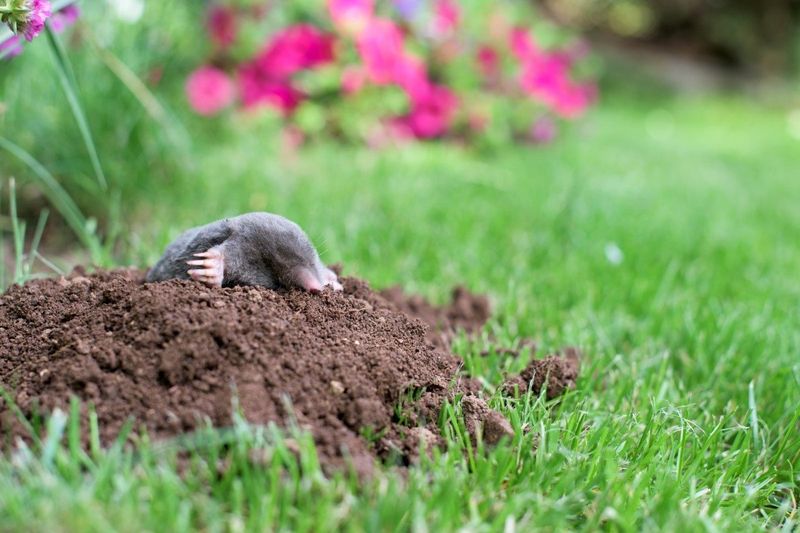
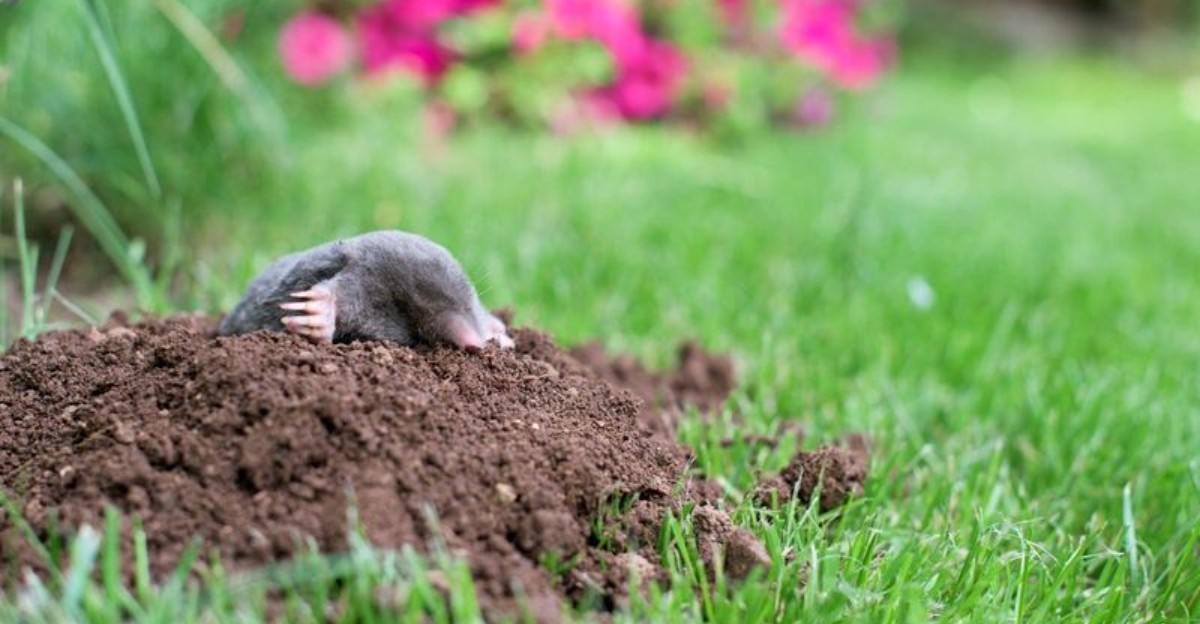
A small digging machine with paddle-shaped front feet is the most likely builder of those round dirt piles. In most yards, the culprit is the eastern mole, the most common mole species causing lawn damage in New Jersey, according to Rutgers experts.
Moles are not rodents. They are insect eaters that live almost their whole lives underground.
Their huge front claws push soil aside and shove extra dirt up to the surface, which creates the mounds you see.
A classic molehill looks like a little volcano. It is often around a foot wide and a couple of inches tall.
Unlike many other animal holes, it usually has no open hole on top because the mole plugs it from below.
You may also spot raised ridges snaking across the grass. Those are shallow feeding tunnels, and they often lead from one mound to another.
Moles stay active all year and do not hibernate. Activity often peaks in spring and early fall, but a mild, wet November keeps plenty of them digging.
When the ground gets colder, they tend to move to deeper tunnels. Once you know the shape, the mystery mostly solves itself. A cone of loose soil with no hole is the mole calling card.
Earthworms And Grubs Are The Buffet Drawing Moles In
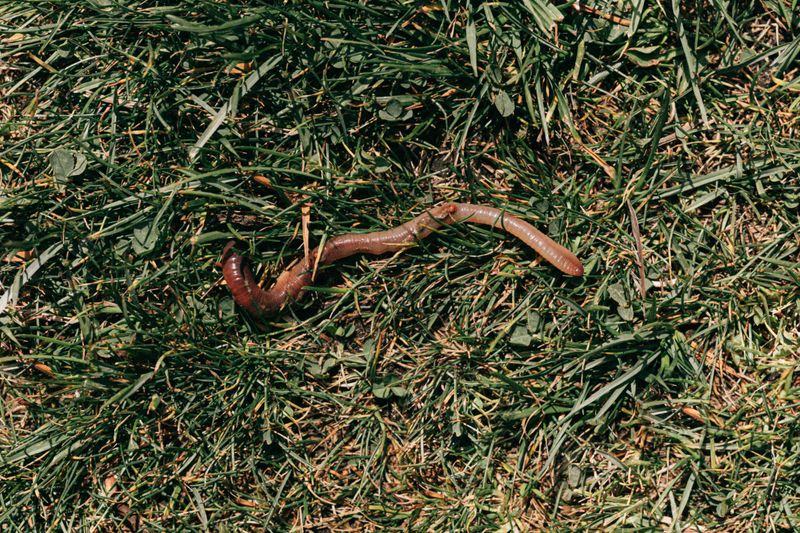
Follow the food, and the tunnels start making sense. Moles burn energy so fast that they may eat 50 to 100 percent of their body weight each day.
Their menu is mostly earthworms, along with white grubs, ants, beetles, and other soil insects. They rarely eat grass roots or bulbs.
The damage to your turf comes from all that shoving and tunneling, which lifts roots away from the soil.
Fall rains and cool temperatures bring earthworms up into the top layer of New Jersey soil. That puts dinner close to the surface, and moles follow with shallow runs that are easy to spot.
I used to think a mole problem meant my New Jersey lawn was in bad shape. It often means the opposite. Rich, moist soil full of worms is exactly what these hunters love.
Grub control can help if you have a true grub problem, since grubs also chew grass roots. Still, treating for grubs alone rarely makes moles pack up, because worms remain the bigger part of their diet.
Before buying any product, dig a small square of turf and count what you find. Several grubs per square foot is worth discussing with your county Rutgers Cooperative Extension office in New Jersey.
Tiny Mud Balls Scattered Everywhere Are Earthworm Castings
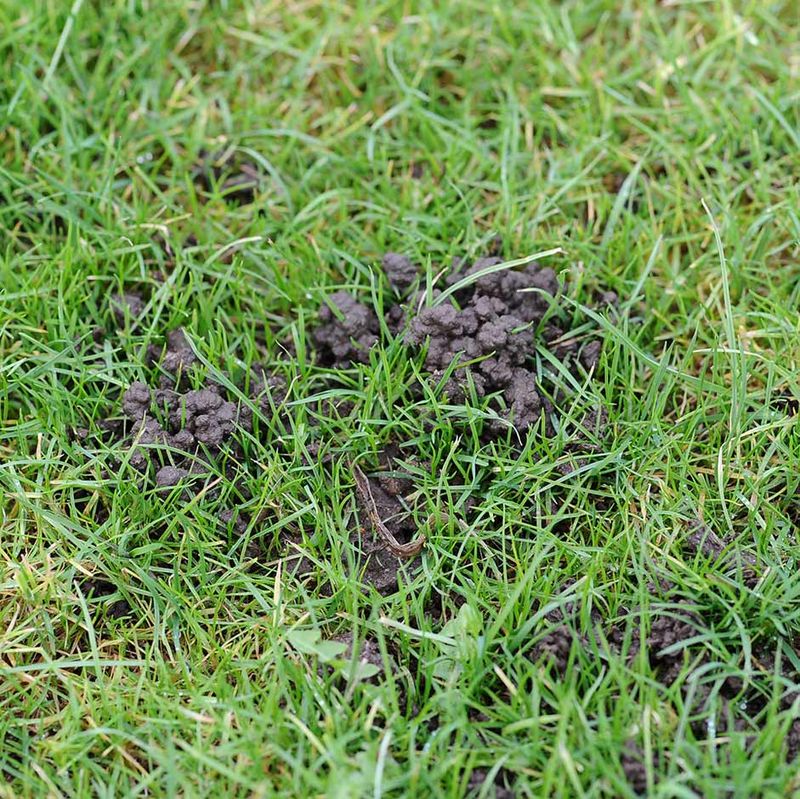
Not every bump calls for a war plan. Lots of small, dark, lumpy piles about the size of a quarter usually point to earthworm castings.
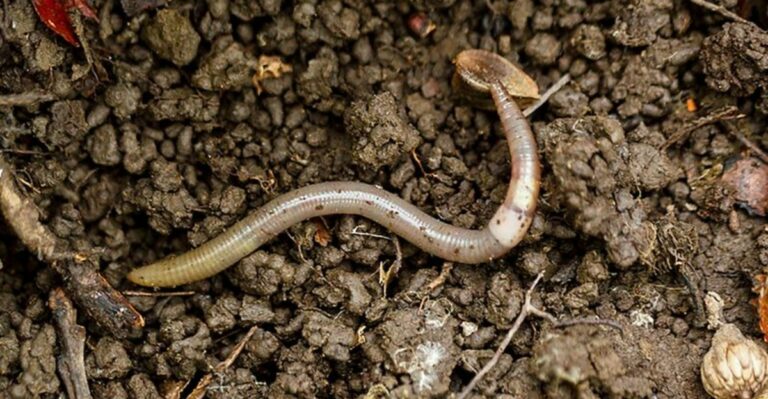
Castings are worm droppings, pushed up from below as worms feed and burrow. They look like tiny mud balls or miniature ant hills, and they crumble easily when dry.
Worms get busy in cool, moist soil during fall and winter, so November lawns can look freckled with them. After a rainy stretch, you might count dozens in a small patch.
Honestly, these little piles are a gift. They carry nutrients like nitrogen, phosphorus, potassium, and several trace minerals. Worm tunnels also help air and water move into the soil.
The only real downside is a lumpy, uneven surface that can make mowing feel bumpy. A few simple fixes help:
Let the castings dry, then break them up with a leaf rake or drag a doormat across the grass. Raise your mower height a notch. Thin heavy thatch and improve drainage in soggy spots.
Skip any chemical aimed at worms. They are among the best helpers your lawn has, even if they do attract the occasional mole.
Flat Grassy Runways And Clean Holes Point To Voles Instead
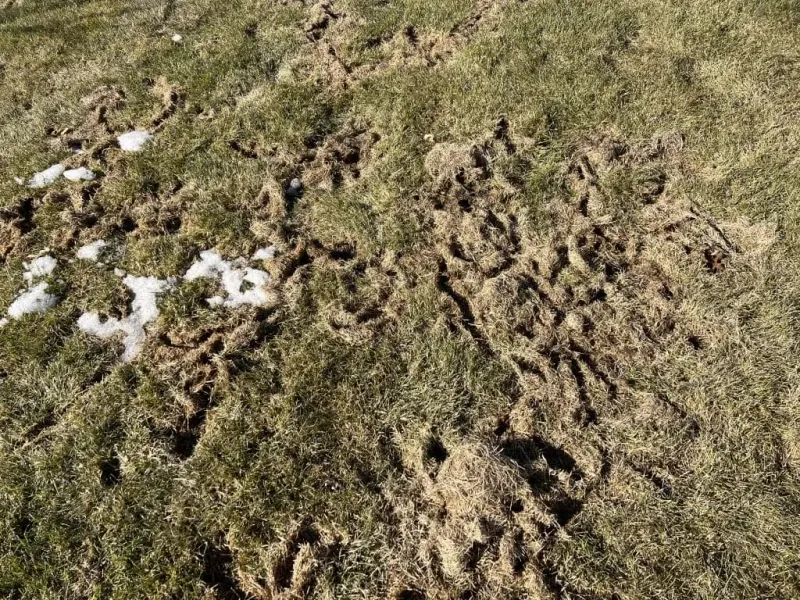
Some yards show trouble with no mounds at all, and that difference matters. Voles, often called meadow mice, make narrow surface paths rather than dirt volcanoes.
Look for winding trails about one to two inches wide. The grass along them is clipped short and worn down, almost like a tiny highway.
Small round openings sit along these paths, usually without big piles of soil around them. Voles are plump, short-tailed rodents with blunt noses. Unlike moles, they eat plants. Grass, roots, seeds, bulbs, and bark all end up on their menu.
They stay active all winter and can breed quickly, so a few voles in fall can become many by spring. Damage often looks worst when snow melts and reveals a maze of trails that formed under the white blanket.
Telling these two apart saves you money and frustration. Mole traps and grub treatments do little for voles, and vole tactics will not stop a mole.
Quick test: Raised ridges and cone-shaped piles mean moles. Flat, matted paths with neat holes mean voles.
Write down what you see now, because November clues are easier to read before snow and leaves cover everything.
Shallow Pits And Torn-Up Turf Can Mean Skunks Or Raccoons

Woke up to divots that look like someone raided the yard with a spoon? Night foragers may be the cause, not underground diggers.
Skunks dig small, shallow, cone-shaped holes, often a few inches across, with loose soil scattered nearby. They are hunting grubs and other insects. Raccoons can be rougher, rolling back strips of sod like a carpet to grab what lives beneath.
These marks differ from molehills because they are holes, not raised piles. You will see bare soil, flipped turf, and no tunnels connecting the spots.
Grub-heavy lawns attract this kind of attention most. If the digging is fresh and widespread, check under a few loose patches for C-shaped white grubs. A few calm steps go a long way:
Press flipped sod back down and water it so roots can reconnect before the ground freezes. Secure trash cans, bring in pet food, and clean up fallen fruit.
Address heavy grub populations at the right time, which is usually late summer for preventive treatment.
Skunks and raccoons can carry rabies, so give them space and avoid handling them. For animals that seem sick or bold in daylight, contact local animal control.
A Big Burrow By The Shed May Belong To A Groundhog
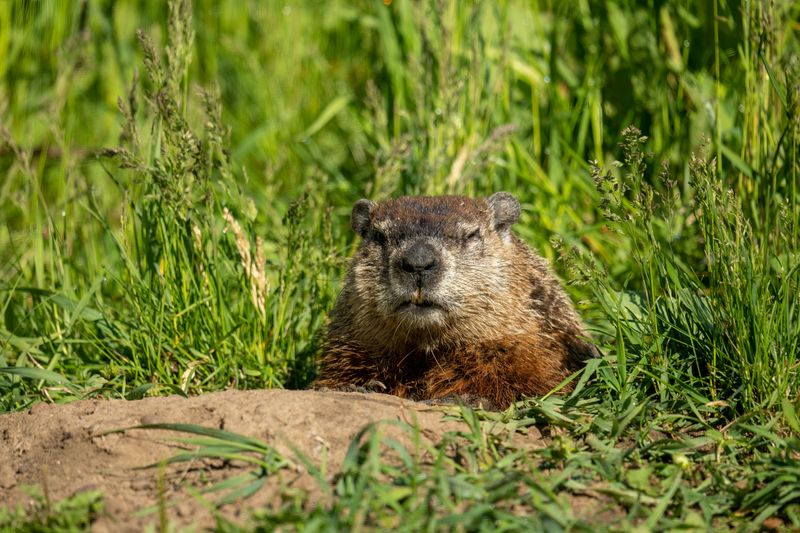
Groundhogs work on a much bigger scale than moles. One large opening, often around 10 to 12 inches wide, with a fan of dug-out dirt beside it, is a strong clue.
These chunky members of the squirrel family fatten up in fall before settling in for winter. By November, many are heading into true hibernation, so you may find a burrow without seeing the owner much.
Their favorite spots include edges of sheds, decks, patios, stone walls, and brushy borders. Burrow systems can run several feet underground and include multiple exits.
That is where the real concern comes in. Large tunnels under a foundation or patio can weaken soil support, and an open hole in the lawn can twist an ankle or trip a mower.
Late fall is a smart time to take notes rather than act. Mark entrances with a flag so nobody steps in them.
Plan to block access under structures with buried wire mesh once the animal leaves in spring.
New Jersey has rules on trapping and relocating wildlife. Before setting any trap for a groundhog, check with the state Division of Fish and Wildlife or hire a licensed wildlife control operator.
Mole Traps Work Best When You Find The Active Tunnel First
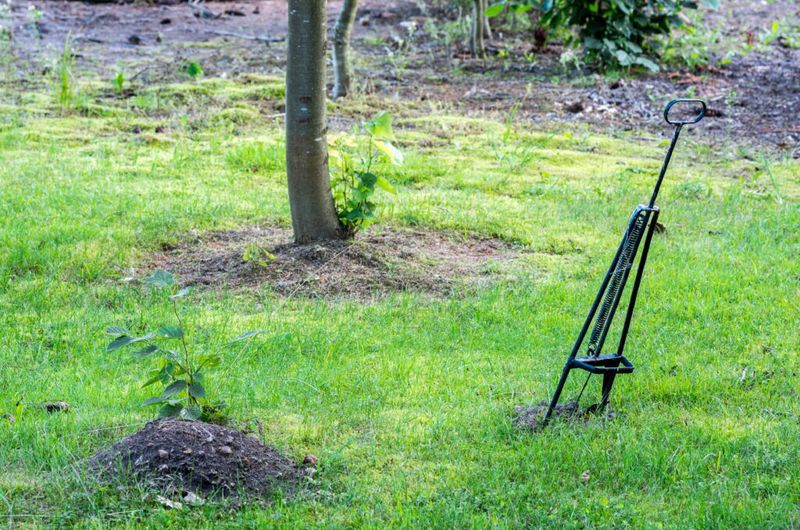
Patience pays off here. University experts often point to trapping as the most reliable way to manage moles, but only in tunnels that are actually in use.
My favorite trick costs nothing. Step lightly on a few raised ridges to flatten them, and mark each spot with a flag. Check the next day. Any tunnel pushed back up is an active runway.
Main travel tunnels tend to be straight and often follow edges like sidewalks, driveways, or fence lines. Winding ridges in the middle of the lawn are usually feeding tunnels that may be used only once.
Set traps in those busy, straight runs and follow the package directions closely. Early fall and early spring are prime trapping times, though mild November weather can still bring results while moles work near the surface.
Castor oil repellents may push moles toward other areas for a while. Results vary, and you might simply move the problem to your neighbor.
Flatten old ridges and rake molehills smooth as you go. Then press the turf back down, so roots touch soil again before winter. Grass that stays lifted can dry out and turn brown.
A Few November Chores Keep Your Lawn And Young Trees Safer
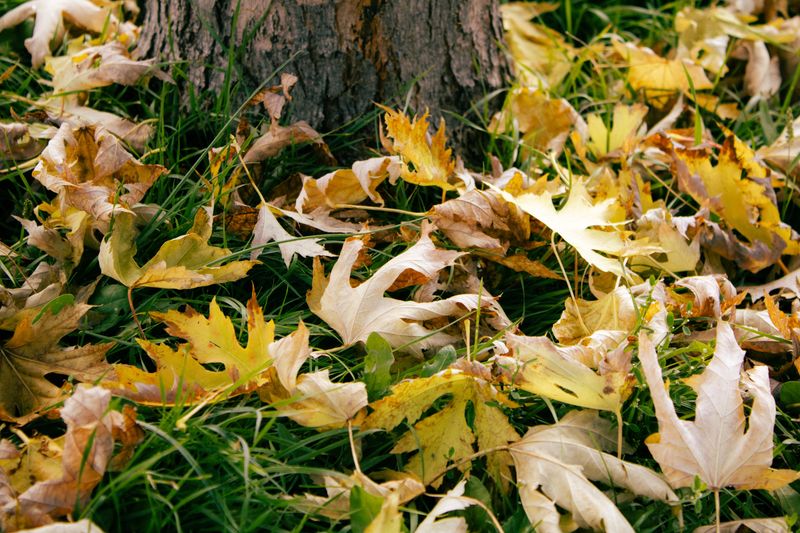
Small actions now can save you a spring full of surprises. Voles in particular get bolder in winter, when they gnaw bark on young trees and shrubs.
Start by pulling mulch a few inches away from trunks. Then wrap young trees with hardware cloth, pushing the bottom slightly into the soil and extending it above where snow may pile up.
Keep mowing until the grass stops growing, leaving it at a reasonable height. Shorter grass gives voles less cover and makes fresh mole ridges easier to spot.
Rake up thick leaf piles, clear brush, and move firewood away from beds. Clean up spilled birdseed and fallen fruit too.
Fertilizer timing matters as well. New Jersey law prohibits applying fertilizer with nitrogen or phosphorus from November 15 through March 1, so finish any late feeding before that date.
Welcome the helpers when you can. Owls, hawks, and snakes all hunt small mammals, and a nest box for owls is a fun winter project.
Above all, read the mounds before reacting. Worm castings deserve a thank-you, moles deserve a plan, and voles deserve a closer look at your trees.