Thin Ribbons Of Ice Curling From Maryland Plant Stems On Cold Mornings Aren’t Frost
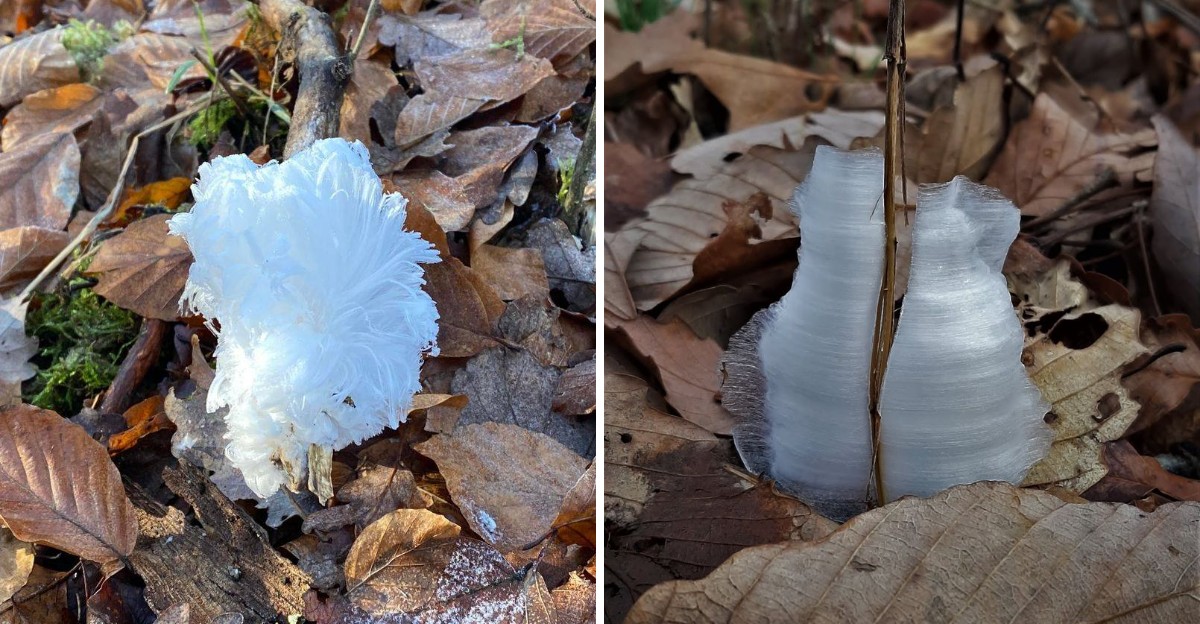
A weed stem in a frozen ditch can grow a ribbon of ice thinner than paper and curled like a party streamer. Nobody carved it. The plant pushed it out from the inside.
I didn’t expect my first sighting to happen on a dog walk in Maryland, right beside a muddy creek bank. I thought someone had dropped a tissue. Up close, it looked like spun sugar wrapped around a brown stalk.
Fair warning, these sculptures are shy. They show up on still, freezing mornings and melt soon after sunlight touches them. Even the name confuses folks, since plenty of people call it frost when it is something else.
So what turns a plain stem into an ice artist overnight? And why does it pick only a few plants in the whole field?
Those Curly Ice Ribbons on Weed Stems Start Inside the Plant
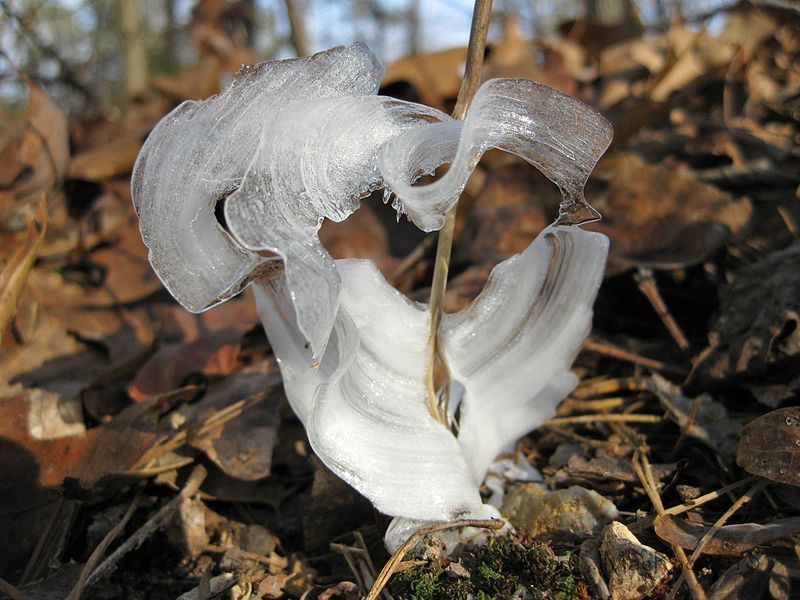
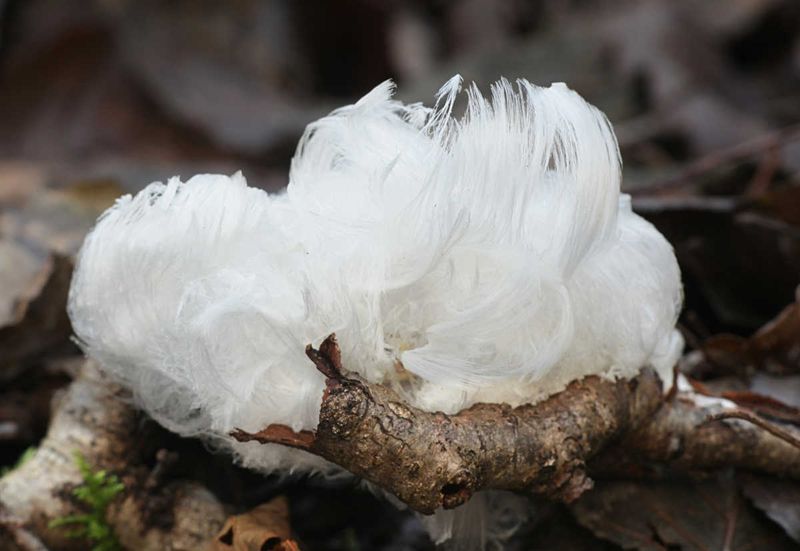
Nature hides a little factory inside certain stems, and it runs on cold nights. That swirl of white you spot near the bottom of a stalk is not dew that froze. It is water that traveled up from the soil and squeezed out through the stem itself.
Scientists and naturalists have plenty of names for it. You might hear ice flowers, ice ribbons, ice fringes, ice filaments, or rabbit ice. The fancy science term is crystallofolia, which roughly means crystal leaves.
Some people call them frost flowers, and I get why. The name sounds lovely, but it mixes up two different things. Frost forms from moisture in the air, while these ribbons come from liquid water inside the plant.
Look closely and you will often see thin lines running along each ribbon, like the grain in wood. Researchers think those stripes come from many tiny water channels in the stem, each one feeding its own strand of ice. The strands then fuse together as they grow.
The result can look like a petal, a seashell, a curl of ribbon candy, or a scrap of gauzy fabric. No two mornings make the same shapes, which is half the fun.
Frost Grows From the Air but Ice Ribbons Grow From the Stem
Grab a magnifying glass on your next freezing morning and you can settle the frost question yourself. Real frost looks fuzzy and spiky. It coats grass, car windows, and leaves with tiny feathery crystals.
That fuzz forms when water vapor in the air touches a cold surface and turns straight into ice. It builds up from the outside, one little crystal at a time. You find it almost everywhere on a clear, cold night.
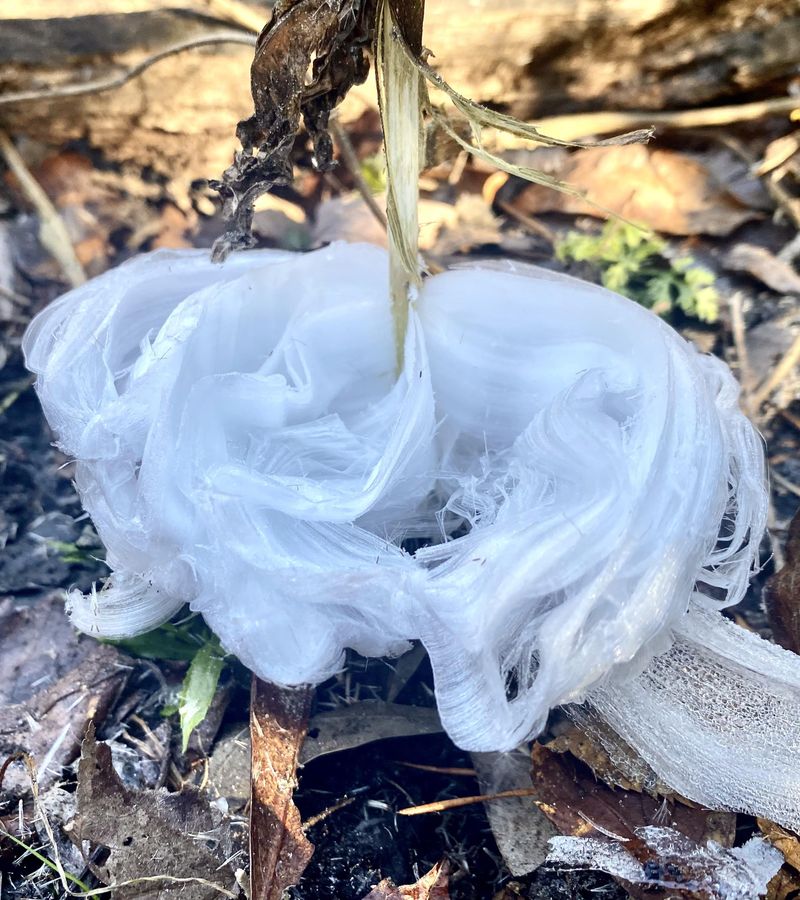
Ice ribbons play by different rules. They grow from liquid water that moves out of the plant through cracks in the stem. The process is called ice segregation, and it works a bit like a slow toothpaste tube.
Because the ice is pushed out from a single spot, the ribbons look smooth and silky instead of spiky. They also show up only on certain plants, while frost sprinkles itself across the whole yard.
Another clue is location. Frost sits on top of surfaces, but ice ribbons sprout from the lower stem, often just a few inches above the soil. If the ice seems to be bursting out of the stalk like a ruffled collar, you are looking at segregation ice, not frost.
Wingstem and Frostweed Are the Stars of the Ice Ribbon Show
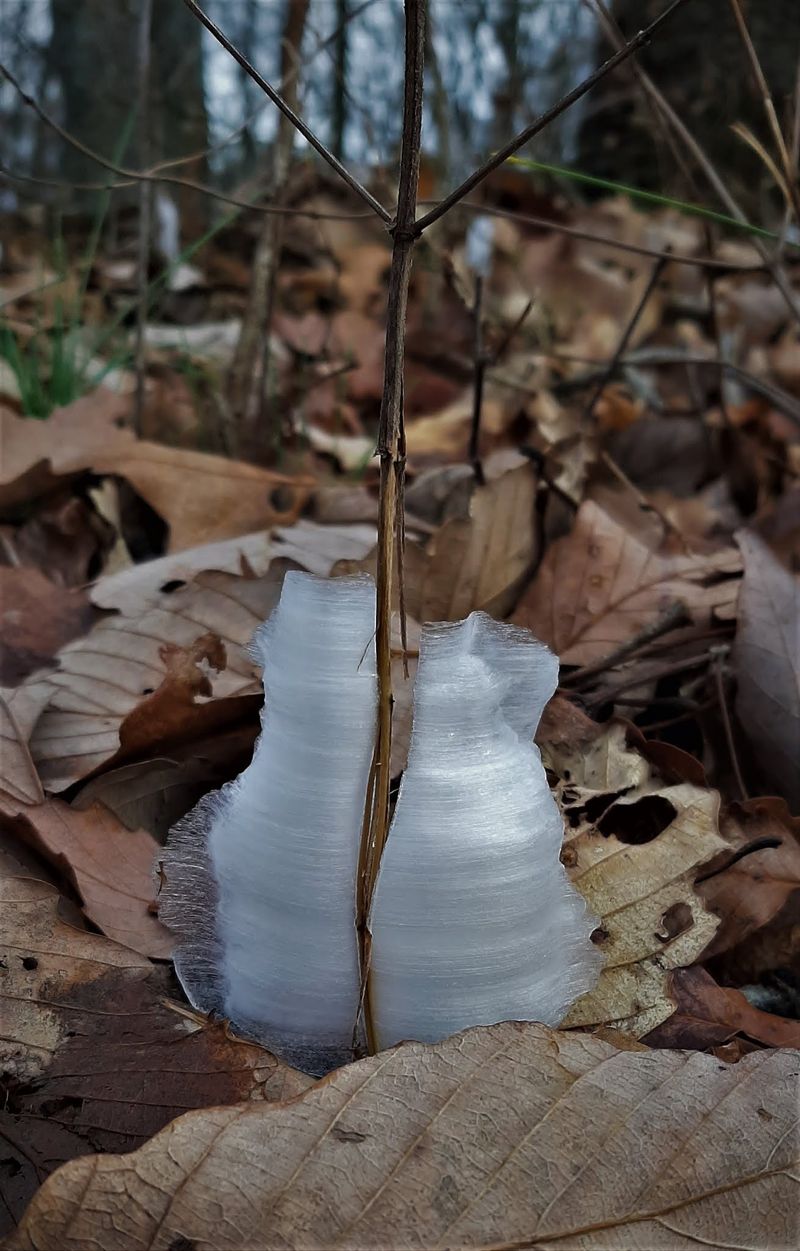
Some plants earned their nicknames honestly. White crownbeard, Verbesina virginica, goes by frostweed because it produces some of the most dramatic ice sculptures around. Its cousin wingstem, Verbesina alternifolia, is a strong performer too.
Wingstem is easy to recognize in summer by its yellow, slightly messy flowers and the thin green wings running down its stems. It grows along streams and woodland edges in much of Maryland. By late fall, the tall brown stalks are what you want to check.
Common dittany, Cunila origanoides, is another classic. It is a small, minty native with tiny lavender flowers that likes dry, rocky woods. Back in 1837, a Pennsylvania physician described frost flowers on a plant then called Maryland cunila, which was this same little herb.
Camphor-scented marsh fleabane also joins the club. Longbranch frostweed, Helianthemum canadense, is another plant known to produce ice ribbons, though they rarely match the Verbesina show.
Nobody knows for sure why these species shine while others stay plain. Researchers suspect it relates to roots that keep pulling water late in the season, along with the way the stems split. That puzzle is still open, which I find pretty thrilling.
Cold Air Plus Unfrozen Soil Makes the Perfect Ice Flower Morning
Timing the weather is the real trick. You need air that dips below freezing, often under 30 degrees Fahrenheit, while the ground underneath stays moist and unfrozen. That combination is the secret recipe.
Overnight, the roots keep drawing water up from the soft soil into the stem. Up top, the cold air begins freezing the water inside. As it freezes, it expands and splits the thin outer skin of the stalk lengthwise.
Fresh water then creeps toward the frozen edge through tiny channels, a bit like a paper towel soaking up a spill. When it reaches the cold air at the crack, it freezes on the spot. Each new layer shoves the older ice outward, so the ribbon grows and curls.
Calm nights help, since wind can dry out or break the fragile sheets. A rainy stretch followed by a clear, frosty night is a great setup. Once the soil freezes solid, the water supply shuts off.
In Maryland, these conditions can pop up from mid-fall into early spring. The first hard freezes of late fall tend to bring the best displays, because plants still have plenty of water in their stems.
Creek Banks and Roadside Ditches Are Where You Should Look at Dawn
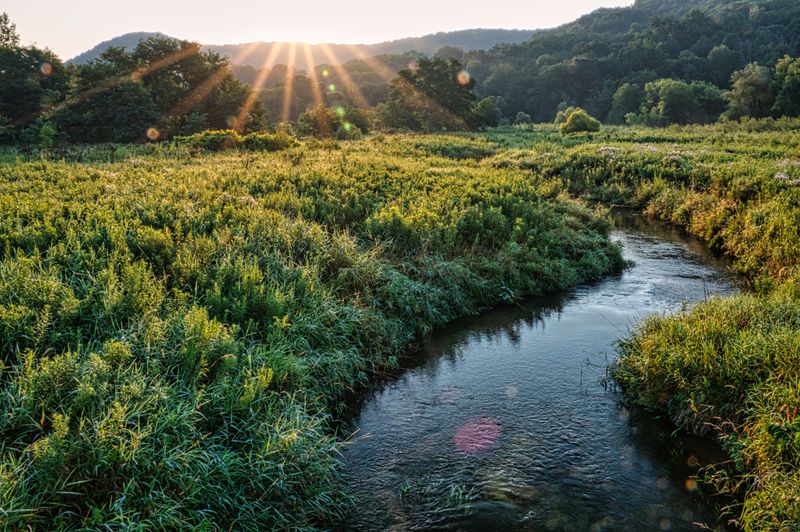
Set your alarm, pour something warm, and head out before the sun clears the trees. Ice ribbons are fleeting, so early birds win this game. A bit of direct sunshine or a mild breeze can melt them within an hour.
Low spots are your best bet. Damp ground along streams, floodplains, ditches, and soggy meadow edges keeps the soil moist and unfrozen, which feeds the ice. Wingstem and frostweed love these places anyway.
Shady patches can hold ribbons longer than sunny ones. I like checking the north side of a slope or the edge of a woodlot, where morning light arrives late.
Undisturbed ground matters too. Fields that get mowed in early fall lose the tall stalks that make ice. Look for messy patches of old wildflowers along park trails, power line cuts, and roadsides.
Bring a phone or camera and get low. Photos look best from stem level, with dark soil or leaf litter behind the white ice. Be careful near busy roads and stay on trails in parks and preserves.
Mountain valleys in western Maryland often freeze earlier than the Eastern Shore, so the season can start sooner out there.
Ice Flowers Won’t Hurt Your Fading Native Plants
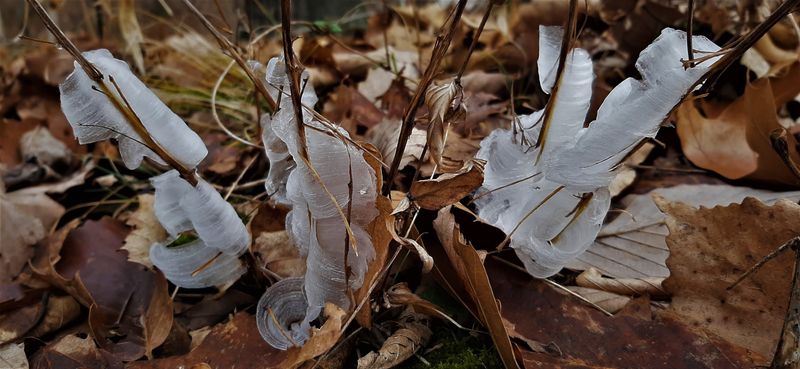
Relax if you spot a split stem with ice pouring out. Those cracks look dramatic, but they cause little trouble. The ice usually forms on herbaceous plants whose top growth is already fading back for winter.
Plants like wingstem and frostweed are perennials. Their stems wither each fall, while the roots rest safely underground and send up new shoots in spring. A cracked stalk in December is simply part of that normal cycle.
Many ice ribbon plants are also valuable natives. Wingstem and frostweed flowers feed bees, butterflies, and other pollinators in late summer and fall. Their seeds help songbirds, and standing stems can shelter overwintering insects.
Winter ice is a different story in other forms. Heavy ice storms can bend and snap tree limbs and shrubs. Rock salt and harsh de-icers splashed onto garden beds can harm roots and soil.
So save your worry for those real problems. Gently brush heavy ice off shrubs only if it slides free easily, and choose plant-friendly de-icing products near walkways.
Ice ribbons, on the other hand, ask for nothing but your attention. Admire them, snap a photo, and let them melt on their own schedule.
Leave a Few Wingstem Stalks Standing This Fall for a Winter Surprise
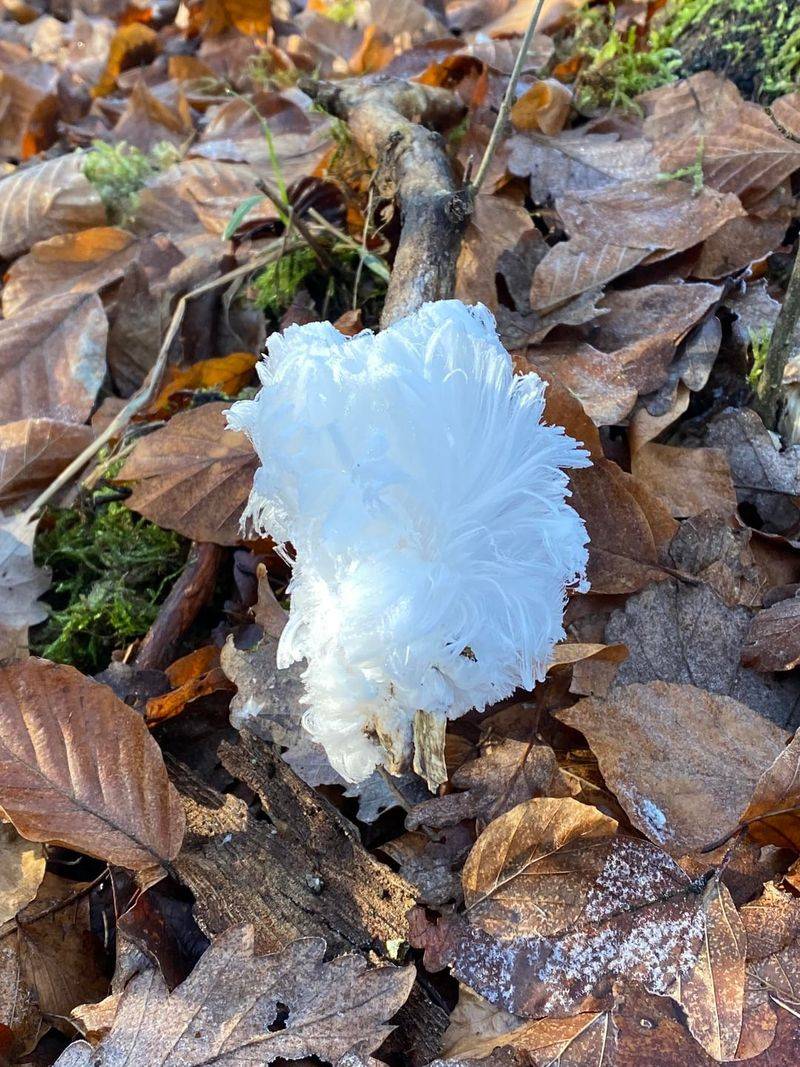
Tidy gardeners, I am looking at you with love. Cutting everything to the ground in October feels satisfying, but it erases the stage for winter ice art. A few standing stalks can turn a gray morning into a treasure hunt.
Consider planting wingstem or common dittany if your yard has the right spot. Wingstem enjoys moist, partly shady areas near rain gardens or low corners. Dittany prefers dry, rocky, well-drained ground and stays short.
Frostweed is less common in the state, so check with a local native plant nursery or the Maryland Native Plant Society before hunting for it. Buying from reputable native growers keeps wild populations safe.
Once established, skip the fall cleanup on those plants. Wait until early spring to trim old stems, which also helps beneficial insects tucked inside them.
Keep an eye on forecasts during late fall. A night in the upper 20s after some rain is your cue to check the garden at sunrise.
Start a little ice journal with dates, temperatures, and photos. Over a few seasons, you will learn exactly when your own backyard puts on its quiet, sparkling show.