How New York Gardeners Turn Fallen Leaves Into Free Mulch And Compost
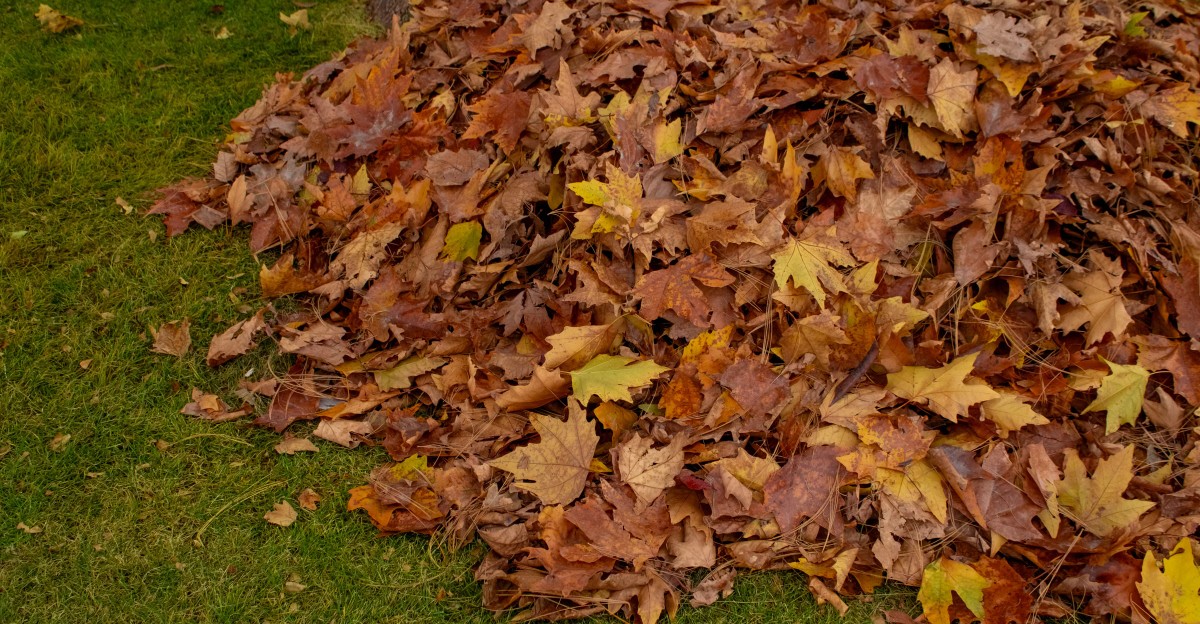
Every October, I watch the maples around my New York neighborhood drop their leaves, and I used to see a chore.
Turns out preparation wins over frustration, because once I learned what those leaves could do, my whole fall routine changed.
I watched prepared gardeners across New York turn a pile of brown scraps into mulch, compost, and rich soil without spending a dime. A little evidence gave me the push to try it myself.
I am surprised by how much these simple methods gave back to my garden. After I tested a few of them, I skipped the bagged mulch and the paper bags at the curb.
You build your soil a little at a time, and you might notice darker beds and happier worms by spring. I never get tired of watching free leaves become something useful, and the ideas below show you how to start.
1. Turn A Shady Corner Into A Leaf Mold Pile
Gardeners in Britain sometimes call leaf mold black gold, and one handful of the dark crumbly stuff explains why.
It smells like a forest floor after rain, and it costs nothing except a little patience. Many New York gardeners have discovered the same thing in their own backyards.
Leaf mold forms when fungi slowly break down leaves, rather than the bacteria that power a hot compost pile. That slower process creates a spongy material that holds water beautifully and loosens heavy soil over time.
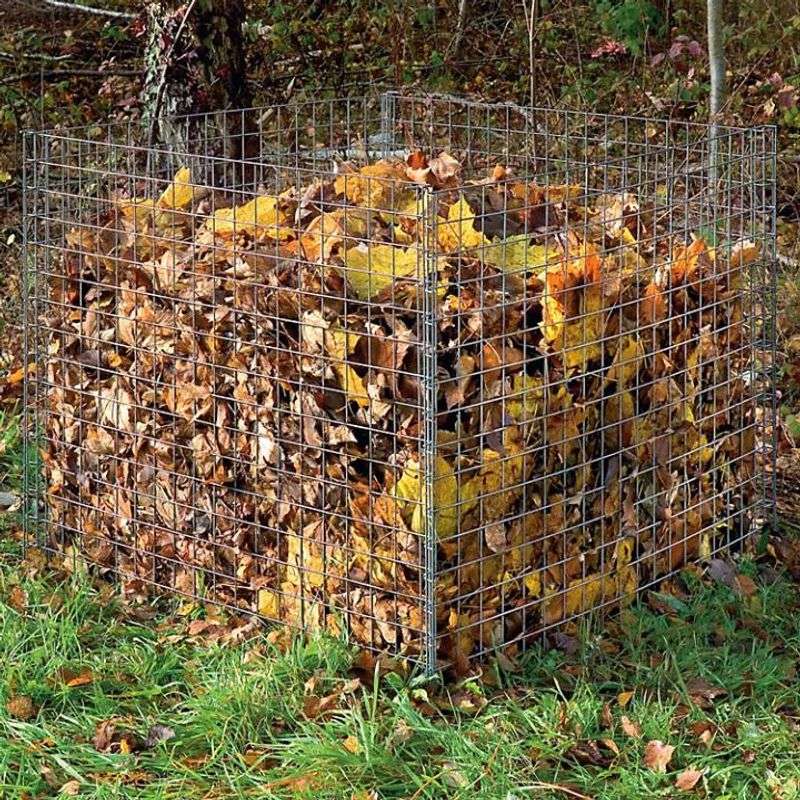
Start by shredding your leaves with a mower, because chopped pieces break down roughly twice as fast as whole ones. Pack them into a wire mesh bin, a simple pallet bay, or sturdy plastic bags poked with air holes.
Moisture matters more than anything else here, so keep the pile about as damp as a wrung-out kitchen sponge. Tuck it into a cool, shady spot where nobody will disturb it for a good long while.
I check mine every few weeks and add water from the hose whenever the top layer feels dry and papery.
Turning it is optional, though a quick stir now and then can speed things along a little. A New York autumn often brings plenty of rain, so the pile may need less water than you expect.
Expect finished leaf mold in about one to two years, depending on the leaves and your climate.
Softer maple leaves usually finish faster than tough oak leaves, which can take noticeably longer to soften. Whether you garden upstate or in the city, New York leaves can become a wonderful free soil booster.
2. Spread Shredded Leaves Around Perennials As Mulch
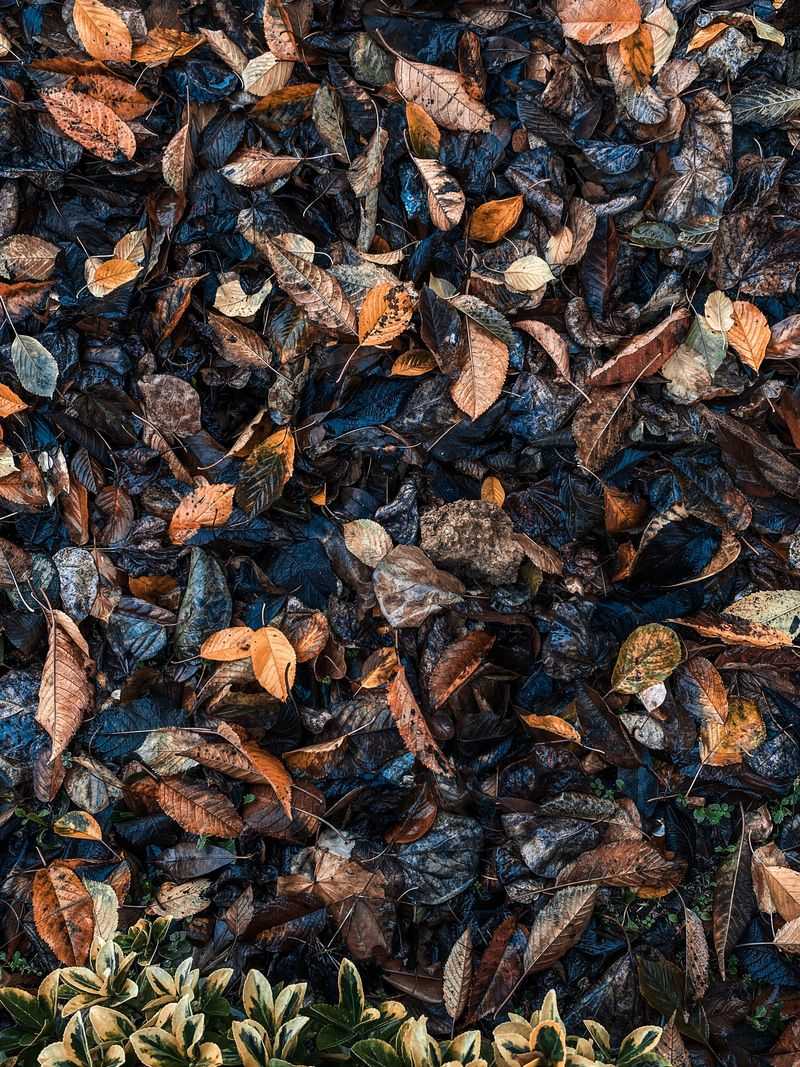
Walk through any healthy woodland and you will find a soft carpet of old leaves protecting the ground underneath. Your flower beds would love that same cozy treatment, and the free supply lands right in your yard.
Shredded leaves make a light, airy mulch that slows evaporation and keeps soil temperatures steadier through the seasons. They block sunlight from reaching many weed seeds, which means less bending and pulling for you next year.
Aim for a layer about two to four inches deep around established perennials and shrubs. Keep the mulch a few inches away from stems and trunks so trapped moisture does not cause rot or invite rodents.
Whole leaves can mat together into a soggy sheet that sheds water instead of letting it soak in. A quick pass with the mower chops them into small flakes that settle nicely and stay put in wind.
As the pieces break down, they release small amounts of nutrients and feed the earthworms tunneling below. I top up my beds each autumn, and the soil underneath gets darker and easier to dig every single year.
Skip leaves that show signs of disease, such as anthracnose spots or fire blight damage on fruit trees. Tossing questionable leaves in the trash keeps those problems from spreading across your healthy garden beds next season.
3. Mow Fallen Leaves Straight Into Your Lawn
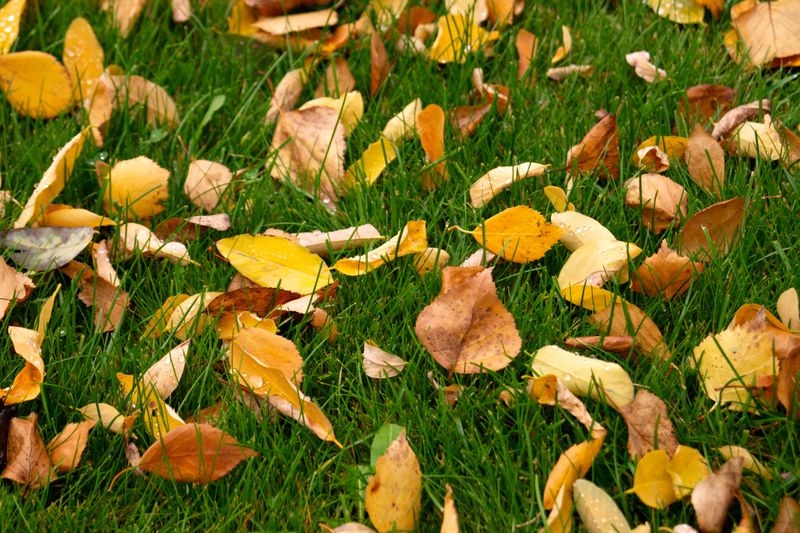
Raking is optional, and I say that as someone who once spent entire weekends filling paper bags with leaves. Your lawn mower can handle most of that job in a fraction of the time.
Mulch mowing simply means running the mower over dry leaves until they turn into tiny, confetti-sized bits. Those pieces slip down between grass blades, where worms and microbes pull them into the soil over winter.
Researchers at Michigan State University found that mowing leaves into turf did not harm the lawn in their studies. Some homeowners even notice fewer dandelions the following spring, although results vary from yard to yard.
Dry leaves shred much better than wet ones, so wait for a sunny afternoon before firing up the engine. Two or three passes usually do the trick, and a mulching blade makes the work go even faster.
Watch the depth, though, because a thick layer of whole leaves can smother grass and block air movement. If you still see green blades poking through after mowing, your lawn is getting a healthy snack rather than a heavy blanket.
Heavy leaf falls under big oaks or maples may need a little extra help between mowing sessions. Rake the surplus into your garden beds, and you get free mulch there too without any extra trips.
4. Mix Brown Leaves With Green Grass Clippings For Compost
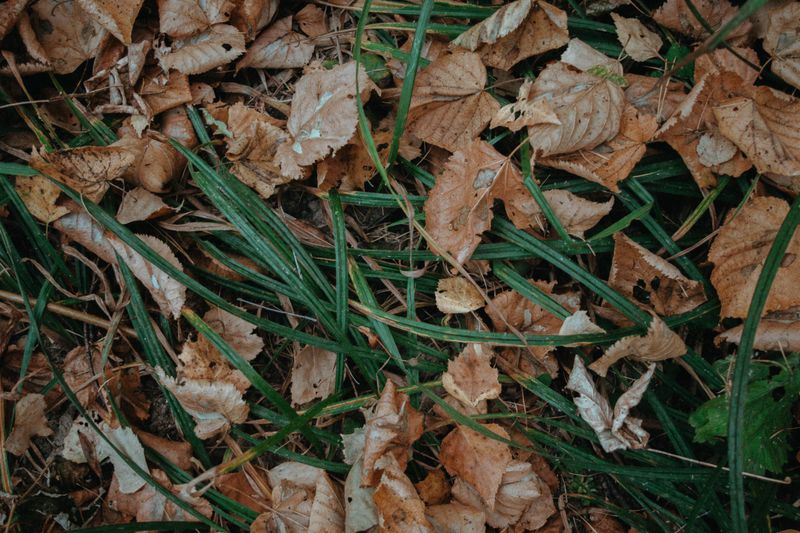
Compost piles behave a lot like picky eaters, and fallen leaves happen to be their favorite brown side dish.
Pair those leaves with fresh green scraps, and the microbes inside will start working with real enthusiasm. Many New York gardeners rely on this simple pairing every autumn.
Leaves count as brown material because they are rich in carbon and fairly low in nitrogen. Grass clippings, coffee grounds, and vegetable peels supply the nitrogen that tiny decomposers need to grow and multiply quickly.
Most extension experts suggest a carbon to nitrogen ratio of around thirty to one for a happy pile.
In plain terms, that often means several scoops of shredded leaves for every scoop of fresh kitchen scraps. A New York kitchen produces plenty of peels and coffee grounds to keep that balance going.
Build your pile in layers, starting with four to six inches of chopped leaves on the bottom. Add an inch or two of green material next, then sprinkle each layer with water as you stack.
Turning the pile with a pitchfork every week or two brings in fresh air that keeps decomposers busy. A well-tended heap can turn into usable compost in a couple of months, though cooler piles take longer.
I love sticking my hand into the middle of an active pile and feeling the warmth rising from inside.
That gentle heat tells you the microbes are thriving, and your future garden soil is cooking along nicely. In New York, a cool autumn day makes that warmth feel even more rewarding.
5. Bury Shredded Leaves In A Garden Trench
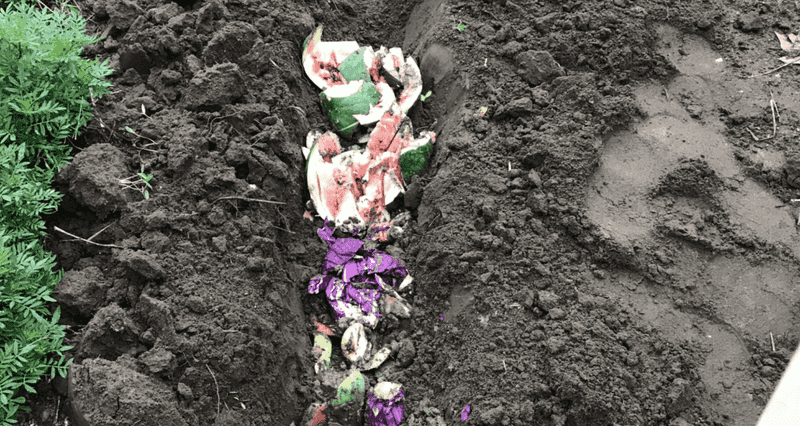
Some gardeners lovingly call trench composting the lazy method, and honestly, I mean that as a compliment. You dig a hole, drop in leaves, cover them up, and let the earthworms handle everything else.
Start with a trench about ten to eighteen inches deep in a bed you plan to plant next year. Fill the bottom with four to six inches of shredded leaves mixed with kitchen scraps or grass clippings.
That green material matters, because leaves alone can borrow nitrogen from surrounding soil as they break down. Mixing in fresh scraps balances things out, so nearby plant roots are less likely to go hungry later on.
Shovel the soil back over the top and give the area a good soak with the garden hose. Burying everything also keeps scraps away from curious raccoons and neighborhood dogs, which my own garden appreciates a great deal.
Autumn makes a smart time for this project, since materials can soften quietly underground through the cooler months. By spring, much of that buried buffet should be turning into dark, rich soil ready for new seeds.
Give the trench time before planting directly over it, because the surface can sink as material settles. I mark my trenches with a small stake so I remember exactly where the hidden treasure sits.
6. Layer Leaves Over Logs To Build A Hugelkultur Bed
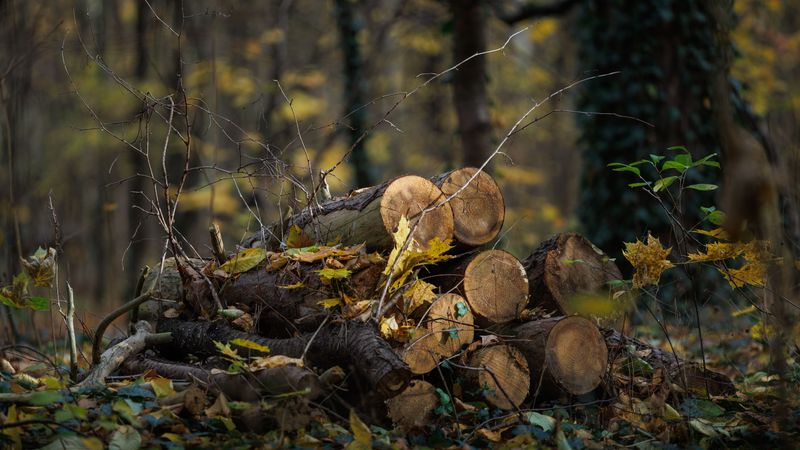
Hugelkultur sounds like a tongue twister, but the German word simply means hill culture or mound culture. The idea copies a forest floor, where fallen trees slowly soften and feed everything growing around them.
Building one starts with old logs and thick branches stacked at the bottom of a shallow trench or bare patch. Smaller twigs fill the gaps next, and then a generous blanket of shredded leaves goes on top.
Add some green material like grass clippings or manure over the leaves to help balance their carbon. Finish with a layer of compost and topsoil, soaking each layer thoroughly with water as you build upward.
Over the years, that buried wood acts like a sponge that soaks up rain and releases moisture slowly. Many gardeners report watering established mounds less often, though results depend on climate, wood type, and mound size.
Avoid using wood from black walnut trees, since it contains juglone, a compound that can harm many vegetable crops. Cedar and other rot-resistant woods also break down very slowly, so softer hardwoods usually work better for this project.
I built my first mound from storm-fallen branches, and the squash vines sprawled across it happily the next summer. Seeing a pile of yard debris become a productive bed still makes me grin every time I walk past.
7. Stash Bagged Leaves For Summer Compost Piles
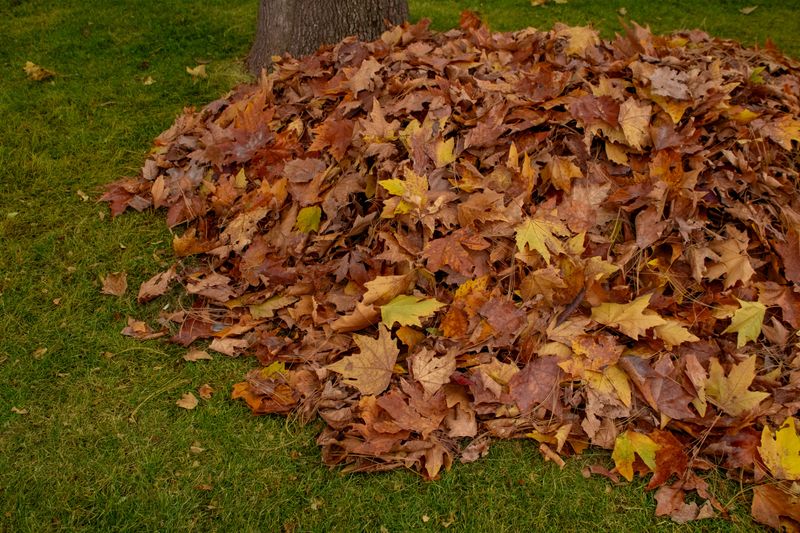
Every summer, compost piles drown in juicy grass clippings and melon rinds while brown material runs short. Saving a few bags of autumn leaves solves that problem better than any store-bought fix I have tried.
Fresh green scraps alone tend to turn slimy and smelly because they hold too much nitrogen and moisture. Tossing in dry leaves soaks up extra liquid and brings the pile back toward a healthier balance.
Collect your leaves on a dry day and stuff them into large paper or plastic bags. Shredding them first lets you fit far more into each bag, which saves room in a crowded garage.
Stack the bags somewhere out of the way, like behind a shed or along a fence line. A tarp over the top helps keep rain out, so the leaves stay crisp until you need them.
I keep a bag open right beside my compost bin all summer long for easy grabbing. Each time I dump kitchen scraps, a big handful of leaves goes on top to cover them and discourage fruit flies.
Some neighbors happily give away their bagged leaves if you ask politely during autumn cleanup. Just check that nobody sprayed herbicides on the lawn, since those chemicals can linger in compost and affect sensitive plants.
8. Blend Leaf Mold Into Homemade Potting Mix
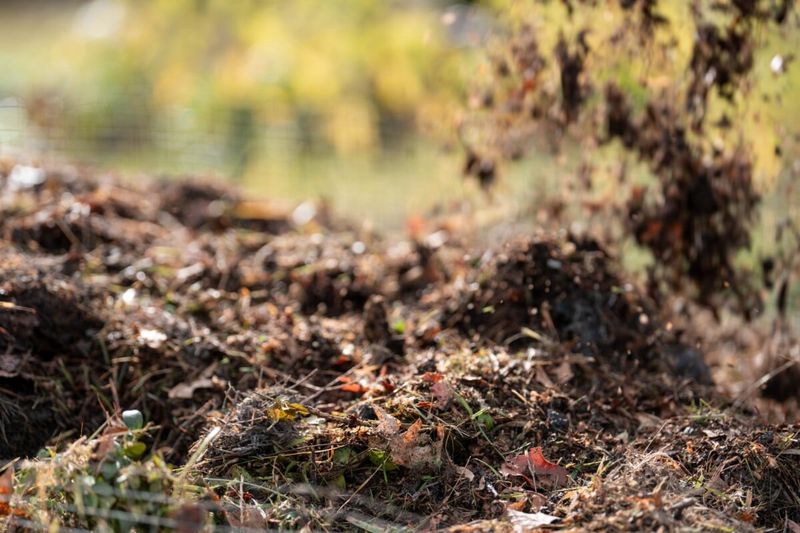
Seed-starting mix from the garden center can get pricey, especially when you grow dozens of tomato and pepper seedlings. Your patient leaf mold pile can quietly replace a good chunk of that bagged mix for free.
Well-rotted leaf mold holds moisture nicely while still letting air reach tender young roots. It also tends to carry very few weed seeds, which makes it a clean choice for delicate seedlings.
Many gardeners prefer leaf mold that has aged at least two years for potting work. Older material has a finer, smoother texture that fills small pots and seed trays without big lumpy pieces.
Keep leaf mold to about a quarter or a third of your total potting mixture. It continues to break down over time, so too much can cause the soil level in pots to shrink noticeably.
Since leaf mold is fairly low in nutrients, plan to feed hungrier container plants with compost or fertilizer later. I mix mine with compost and a little perlite, and my seedlings seem to love the result.
Using homemade leaf mold also reduces how much peat moss you need, which helps protect slow-growing peat bogs. Sifting it through a piece of hardware cloth first removes stray twigs and leaves a lovely, fluffy texture.
9. Blanket Empty Vegetable Beds With Chopped Leaves
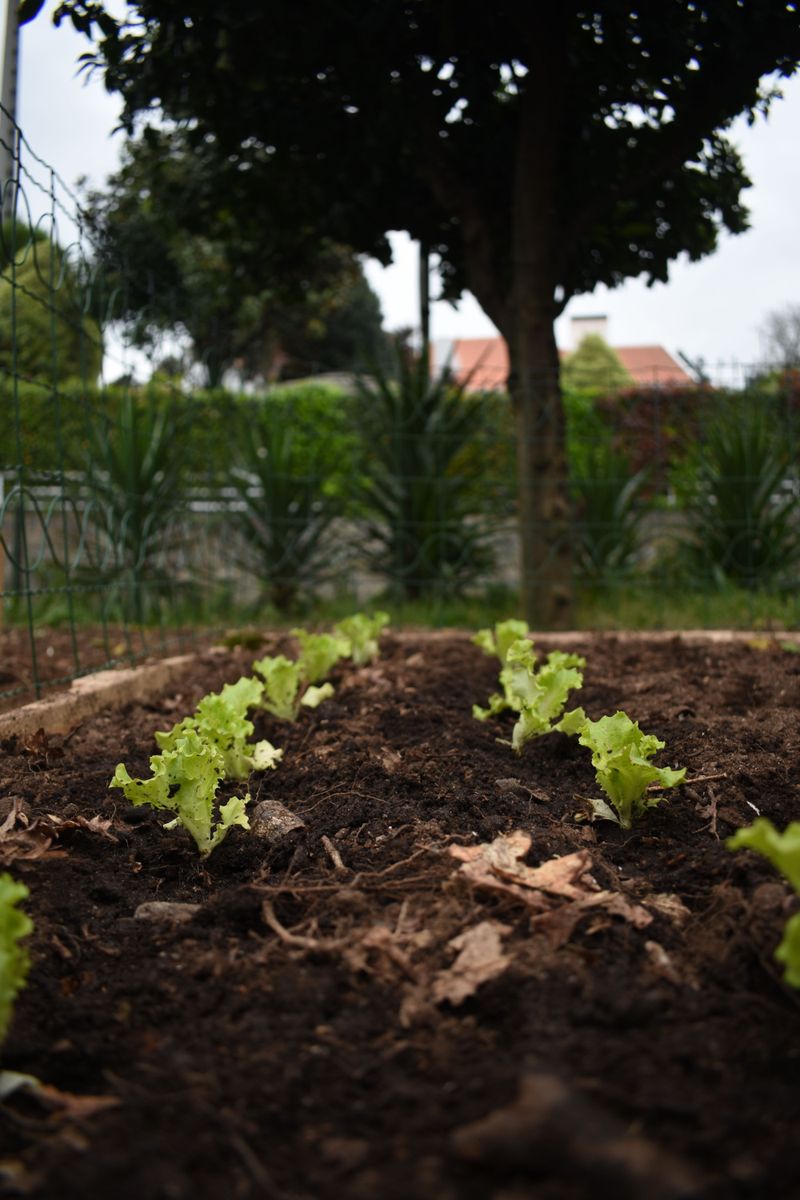
Bare soil left alone over winter can wash away, crust over, and lose some of its hard-earned organic matter. A cozy quilt of chopped leaves protects your vegetable beds until planting time rolls around again.
After you pull the last summer crops, spread three to six inches of shredded leaves across each bed. Moisten the layer with a hose so it settles down and resists blowing around in gusty weather.
That leafy cover softens raindrop impact and reduces erosion during wet stretches of the colder months. It also moderates temperature swings at the soil surface, which helps worms and microbes stay active a bit longer.
Garlic and other overwintering crops appreciate the extra insulation tucked gently around their emerging shoots. I plant my garlic cloves in autumn, then pile chopped leaves over the row like a fluffy winter coat.
Come spring, you can rake the remaining leaves aside so the sun warms the soil before planting. Another option is mixing the softened pieces lightly into the top few inches as an easy soil boost.
Every year my beds feel a little looser and smell a little earthier after this simple routine. Watching those humble fallen leaves turn into better harvests might be my favorite garden trick of all.