The Midnight Intruder Moving Into Minnesota Attics As The Cold Sets In
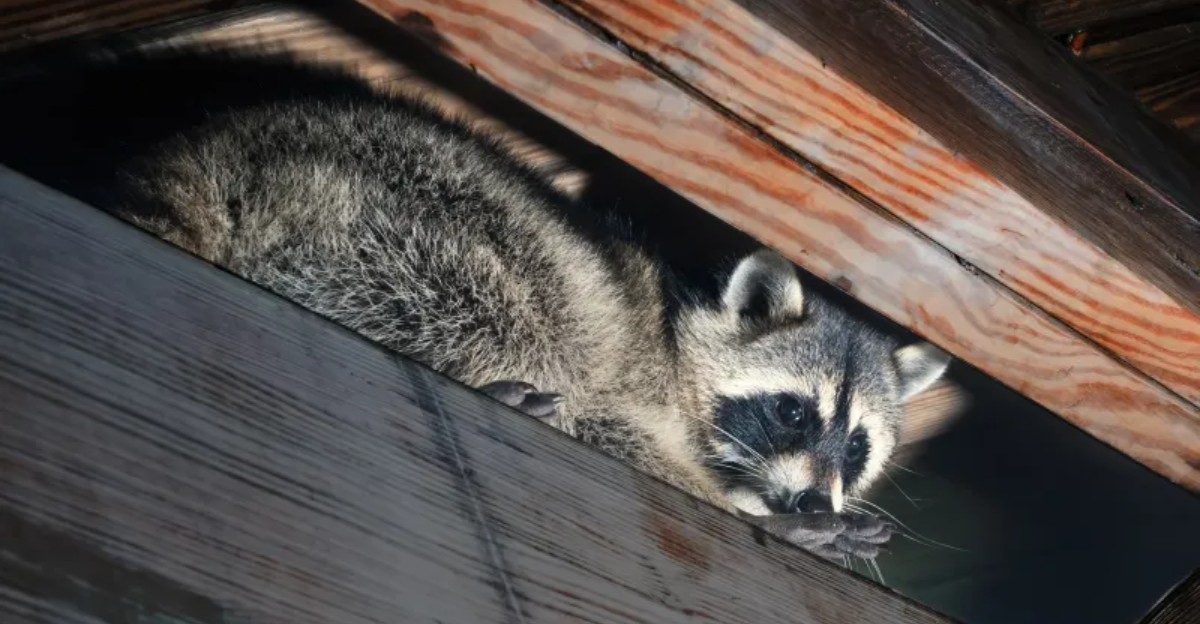
A healthy adult can fit through a gap about four inches wide, and it can peel back loose soffit like a lid.
I found that out the hard way one October night in Minnesota. The thumping overhead was too heavy for a squirrel and far too regular for the house settling.
It sounded like someone dragging a backpack across the ceiling at 2 a.m., and every old Minnesota homeowner I later told the story to nodded like they already knew the ending. The culprit sleeps through much of the coldest weather but does not truly hibernate.
On milder winter nights, it wakes up hungry and goes looking for food. Mothers also pick snug, dry spaces early so they have a den ready for spring babies.
You might notice the clues long before you see the animal. A torn vent screen, a muddy handprint on the gutter, or a smell drifting from the insulation all mean something. So who exactly is pacing above your bedroom after dark?
Those Heavy Footsteps Above Your Ceiling Belong to a Masked Climber
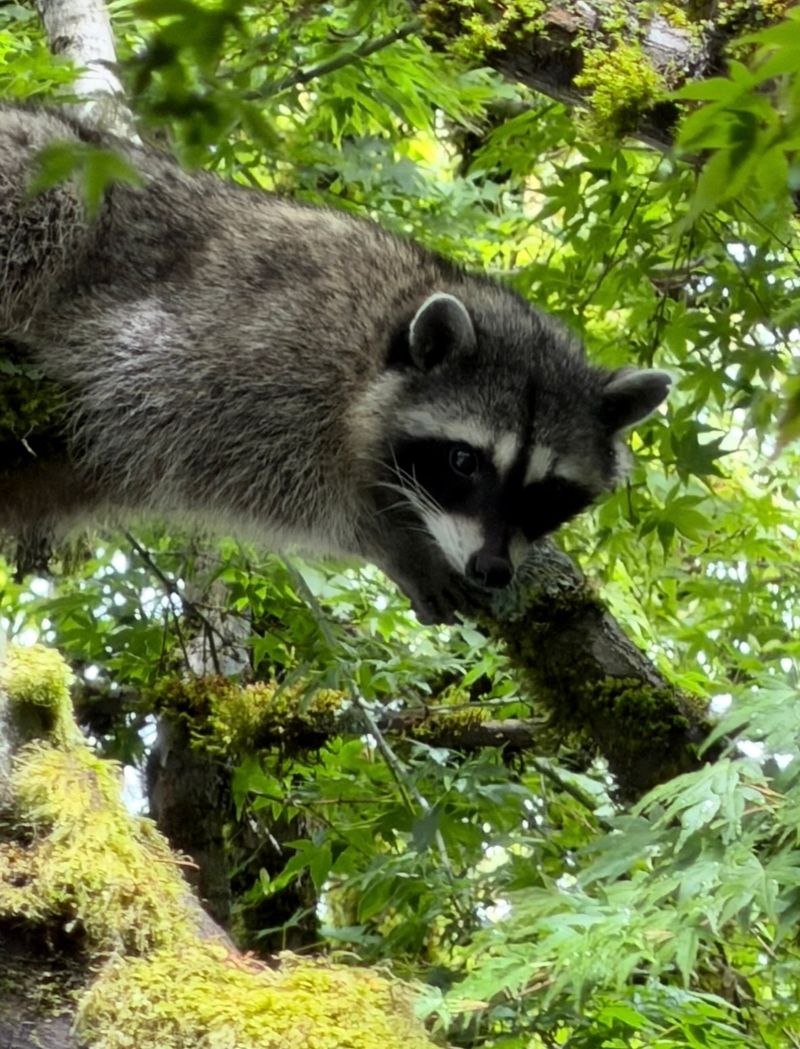
Mice make light, quick scurrying sounds, and squirrels race around during the day. The slow, heavy thud that starts after dark and stops before dawn usually points to a raccoon.
Raccoons are mostly nocturnal, so their schedule matches those midnight noises. An adult raccoon in Minnesota often weighs 15 to 25 pounds, and some big males top 30 pounds by fall. That weight explains why the footsteps sound like a small dog walking across drywall.
Other attic guests in the state do exist. House mice, deer mice, flying squirrels, and big brown bats all move indoors as the weather cools. Still, raccoons cause the loudest racket and often the biggest repair bills.
I keep a little notebook by the bed when strange sounds start. Writing down the time, the type of noise, and where it seems to come from helps a ton.
A pattern of heavy walking at night, plus chattering or soft growling, makes a raccoon the strongest suspect.
Check outside the next morning for proof. Look for bent gutters, scuffed paint on downspouts, and dirty smudges near roof vents. Those marks turn a guess into a solid clue you can share with a wildlife professional.
Raccoon Torpor Explains Why Your Attic Looks So Inviting
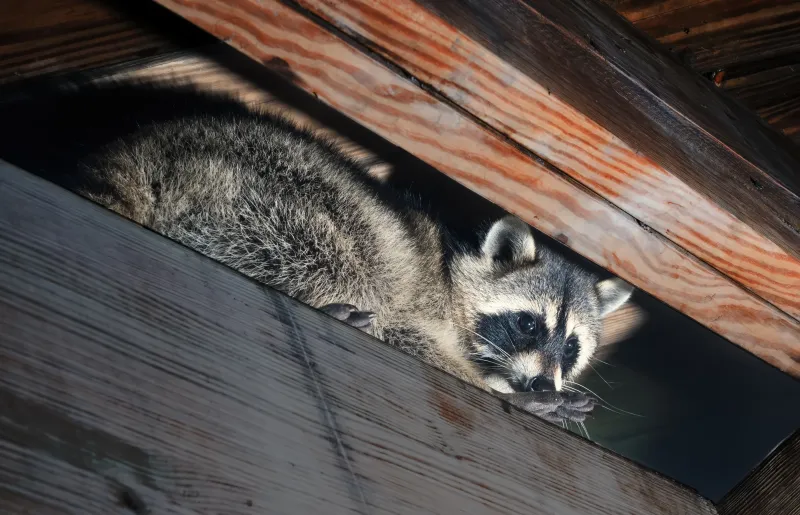
Raccoons do not hibernate the way bears are famous for. Instead, they slip into short stretches of deep rest called torpor during bitter cold spells.
During torpor, a raccoon lives off the fat it packed on during summer and fall. Some lose a large share of their body weight by spring. When temperatures rise a bit, they wake, wander out to eat, and head back to the den.
An attic beats a hollow tree for that lifestyle. It stays dry, blocks the wind, and soaks up warmth rising from your living space. Thick insulation makes a soft bed, and the roof keeps owls and coyotes far away.
Timing matters here too. Raccoons often mate in late winter, around February and March in Minnesota. A pregnant female wants a safe den lined up before babies arrive in spring.
So that fall visitor may be scouting a nursery, not just a winter crash pad. I find that both fascinating and a little alarming.
Spotting signs early gives you the best chance to act before a whole family settles in above your head.
Droppings, Smells, and Shredded Insulation Tell Different Stories
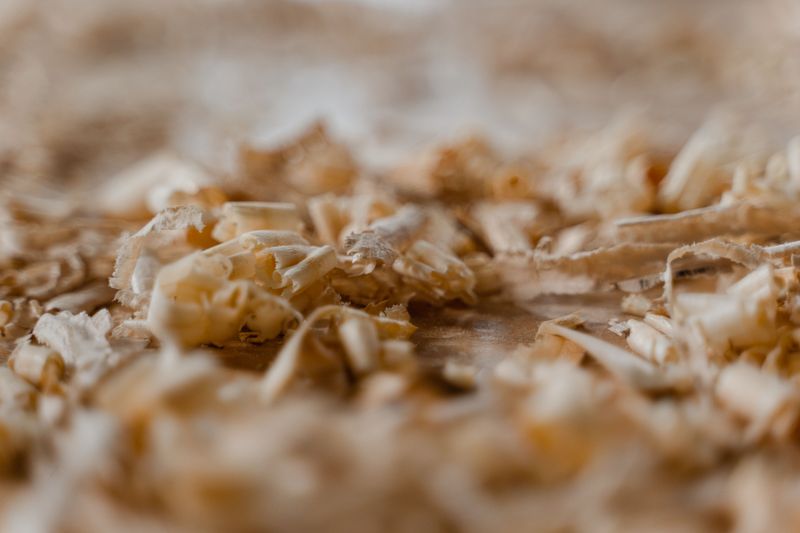
A flashlight and a little courage reveal more than any guessing game. Different attic guests leave very different calling cards.
Raccoon droppings are fairly large, dark, and blunt at the ends, roughly the size of a small dog’s. Raccoons also use one spot again and again, called a latrine.
Flattened or torn insulation, chewed ductwork, and paths through the fluff are common too. Dirty smudges near the entry point and a musky odor can add to the evidence.
Mouse droppings look like dark grains of rice. You may also see gnawed wood, chewed wire coating, or shredded paper nests tucked in corners.
Their sounds are light, fast, and often inside walls. Fresh droppings look shiny and soft, while old ones turn dry and gray.
Bats leave small, crumbly droppings that collect below roosting spots. They sparkle a bit because of insect wings, and they crush into powder.
A sharp, ammonia-like smell can hint at bat or mouse activity. Please skip touching anything with bare hands. A quick look is plenty.
Peek from the attic hatch, snap photos, and back out. Those pictures help experts identify the animal fast and plan the right next step without stirring up dust or droppings.
That Raccoon Latrine Carries a Health Risk Worth Respecting
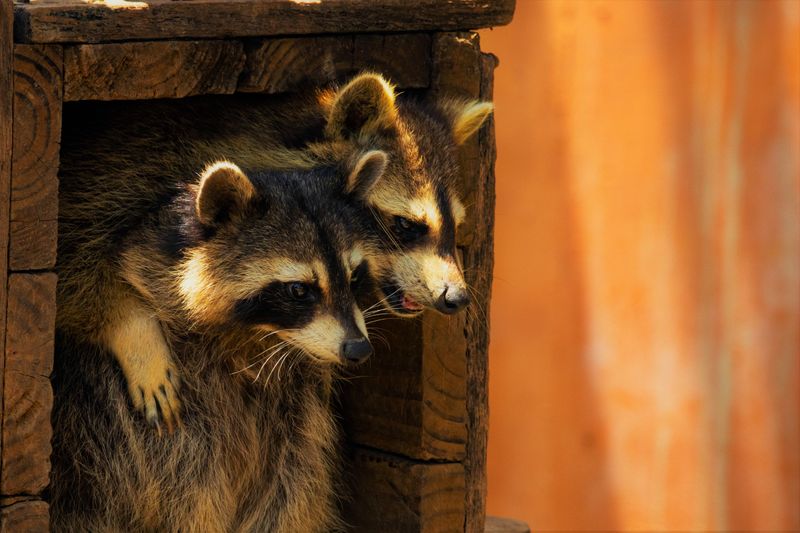
Cute masks hide some serious germs. Raccoon droppings can carry eggs of a roundworm called Baylisascaris procyonis, and health agencies including the CDC warn about it.
Human infections are rare, yet they can be severe, especially for young children who put things in their mouths. The eggs survive for years in soil and dust. Dogs can pick up the parasite too.
Other attic guests bring their own issues. Deer mice can carry hantavirus, which spreads through dust from droppings and nests.
Bats can carry rabies, so anyone with possible bat contact should call a doctor or the Minnesota Department of Health for advice.
Fire safety belongs on this list as well. Mice and squirrels chew on wiring, and damaged wires raise fire concerns. Raccoons can tear apart vent ducts, letting warm, moist air leak into the attic.
Small cleanups call for gloves, a well-fitted N95 mask, and wet methods rather than sweeping. Large latrines or heavy contamination are best left to trained crews. Paying for safe removal costs far less than a health scare.
One-Way Doors Let Attic Raccoons Leave Without a Fight
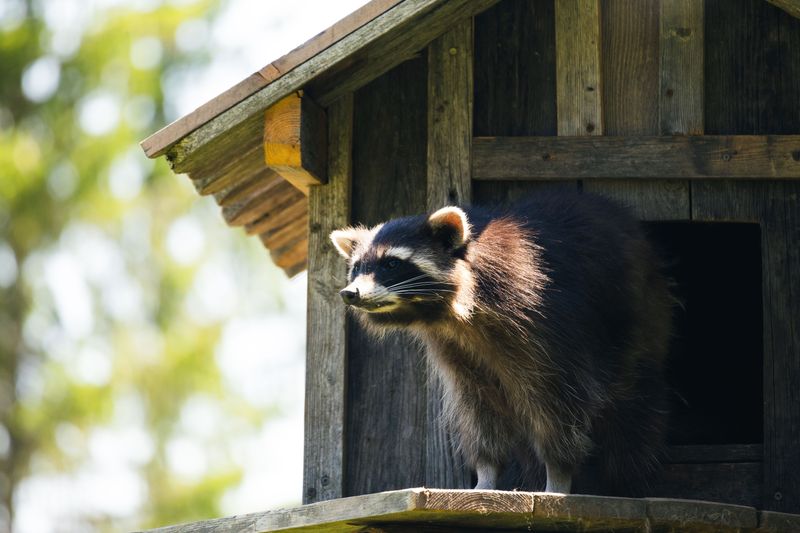
My favorite fix sounds almost too simple. A one-way door lets the animal walk out for its nightly snack but blocks the trip back in.
Wildlife pros mount these sturdy metal doors over the main entry hole. Once the raccoon leaves, it finds the route closed. Many companies leave the door up several nights, then seal the opening permanently.
Babies change everything. In spring, a mother may leave kits behind, and she will tear through new spots to reach them.
A careful technician checks for young first and may remove them by hand so the mother can relocate them.
Bats follow similar rules with special exclusion tubes. Minnesota guidance advises avoiding exclusion in summer while pups cannot fly. Fall, before bats settle into winter roosts, often works better for that job.
Trapping and moving raccoons yourself gets tricky fast. The Minnesota DNR has rules about nuisance wildlife, and relocated animals often struggle in unfamiliar territory.
A licensed company or a call to your local DNR office keeps the process legal and far more humane.
Gaps Around Soffits, Vents, and Chimneys Need Sealing Now
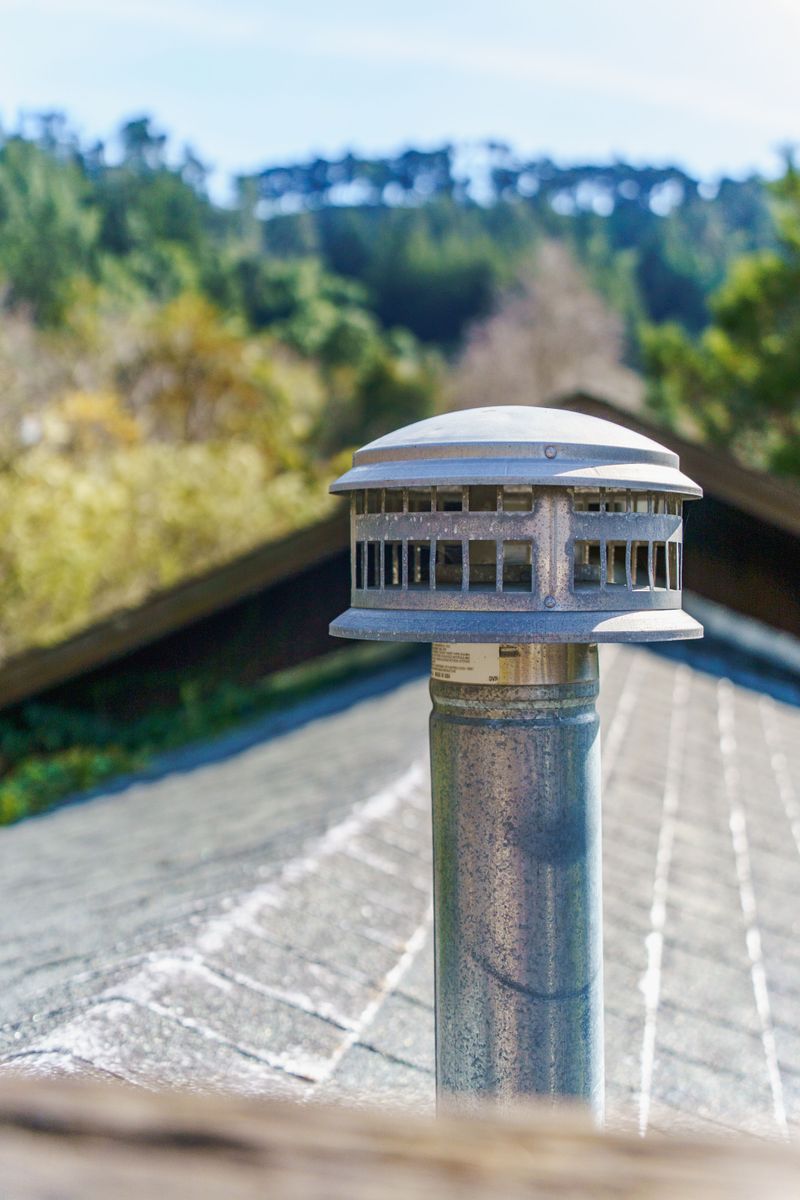
A walk around the house with binoculars might be the smartest twenty minutes you spend this fall. Start high and work your way down.
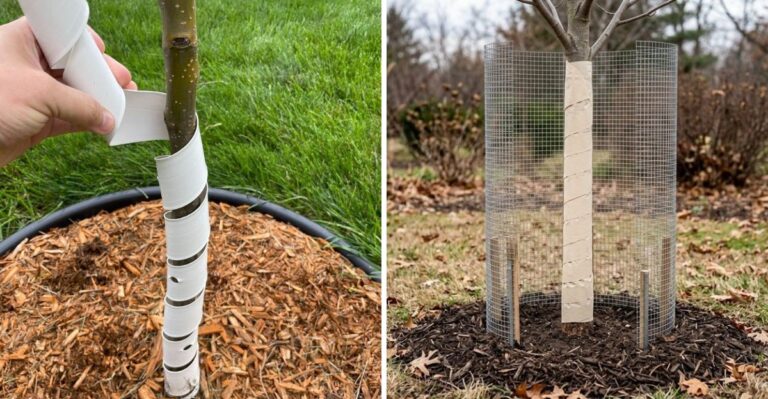
Raccoons love weak soffits, loose fascia boards, uncapped chimneys, and flimsy roof vents. Their strong, nimble paws pull and pry until something gives. A chimney cap and heavy-gauge steel mesh over vents block many common routes.
Smaller guests need smaller fixes. Mice slip through holes about the size of a dime, so check where pipes, cables, and dryer vents enter the house. Steel wool packed into gaps, then covered with caulk or metal flashing, works well.
Bats can squeeze through openings close to a half inch. Look along rooflines, around attic windows, and where siding meets trim. Faint staining near cracks may mark a favorite doorway.
Trim tree branches so they sit several feet from the roof. Keep trash cans latched and bring pet food inside.
Every snack you remove makes your yard less tempting, and every sealed gap turns a cozy invitation into a polite no thanks.
A Quiet Attic Starts With a Simple Fall Checklist
Peace and quiet above your ceiling comes from small habits, repeated every year. I tie mine to raking leaves so I remember.
Each fall, scan the roof and gutters for damage. Check vent screens, the chimney cap, and spots where the roof meets walls. After big storms, take another quick look, because loose shingles open new doors.
Inside, peek into the attic once or twice a season. Fresh droppings, flattened insulation, or daylight shining through a crack all deserve attention. Catching trouble in October beats discovering a raccoon family in April.
Restoration counts too. After animals leave, damaged insulation may need replacing and contaminated areas cleaned. Many Minnesota wildlife companies handle exclusion, cleanup, and repairs together.
Some situations call for calling in experts right away. A possible bat exposure, an animal acting strangely, or babies in the attic all qualify. The Minnesota DNR website lists guidance for handling nuisance wildlife.
Raccoons simply follow instinct, searching for a warm, safe spot. Give them fewer chances, and they will find a hollow tree instead of your house.