Where To Put Your Pots Before A Texas Freeze
During the February 2021 storm, parts of Texas sat below freezing for several days straight. Plenty of potted plants on porches suffered while the same kinds planted in the yard bounced back.
That stuck with me. A pot holds far less soil than a garden bed, so cold air reaches the roots from every side. In the ground, roots get a thick blanket of earth.
I still remember hauling a heavy planter across my patio at dusk while the wind howled. You learn fast that location matters more than any fancy product. A few feet can change everything for a tender plant.
The tricky part is that many tropical favorites start sulking well above 32 degrees. So where should your containers spend the coldest nights of the year? The best spot might already be sitting right behind your back door.
1. Container Roots Feel The Cold Before Your Leaves Do
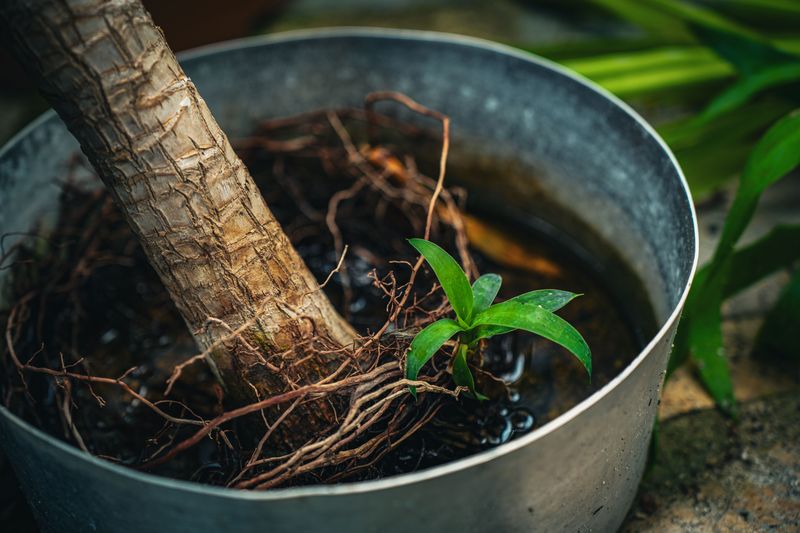
Roots are the soft spot in every container plant. Leaves and stems on many plants can handle a light chill, but roots are usually far less cold hardy than the top growth.
In the ground, soil holds heat and shields roots from sudden temperature swings. A pot works differently.
Air touches the sides, the top, and sometimes the bottom, so the soil inside cools quickly on a frosty night.
Texas AgriLife Extension experts point out that many tropical plants show stress once nights drop into the 40s and low 50s.
Hibiscus, mandevilla, and many succulents can show damage before a hard freeze ever arrives.
Pot material plays a role too. Thin terracotta loses heat fast and can crack when wet soil freezes and expands. Plastic and thick-walled containers hold up a bit better, but none of them match the protection of real earth.
So the first rule is simple. Treat every potted plant as more tender than the same plant growing in a bed. If a label says a plant is hardy to 20 degrees, assume the pot version may struggle well above that number.
Knowing this gives you a head start. You can plan your moves before the forecast turns ugly.
2. Your Garage Or Living Room Is The Safest Spot For Potted Plants
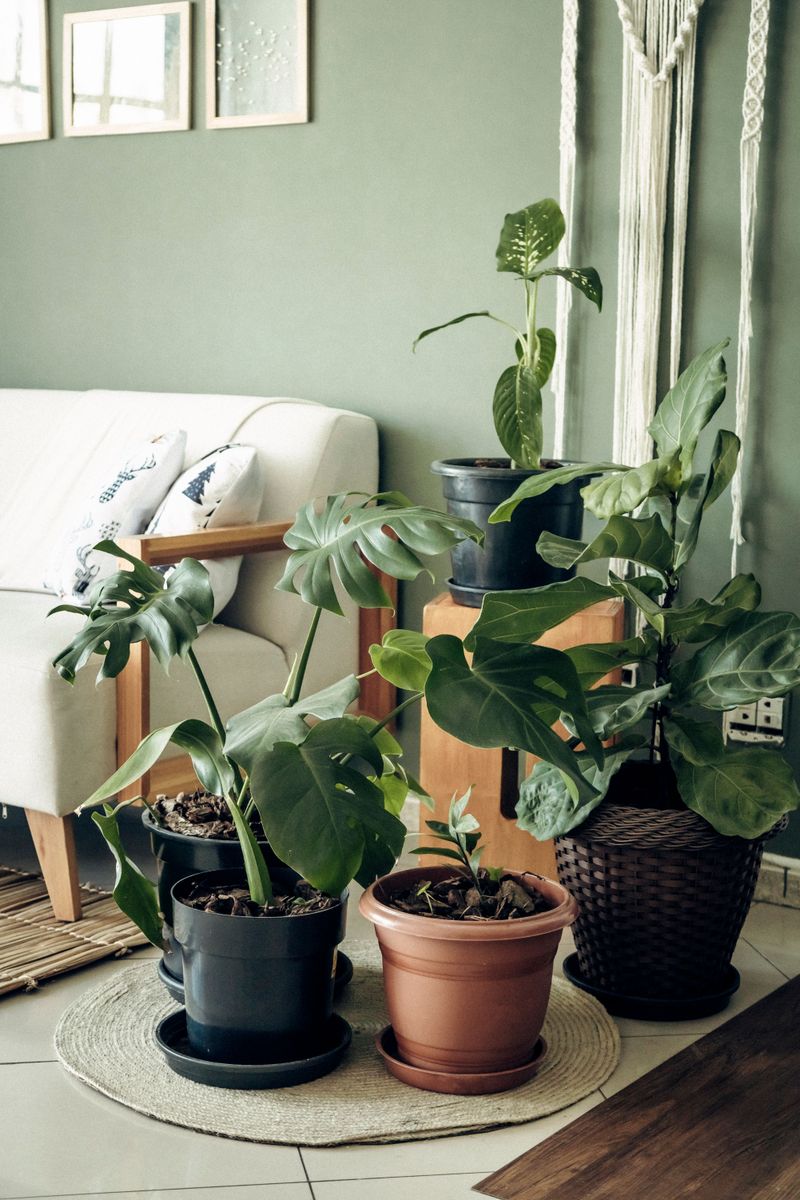
Honestly, nothing beats a roof and four walls. When a true freeze is headed your way, moving containers indoors is the most reliable protection you can give them.
An attached garage is a favorite choice for many Texas gardeners. It usually stays warmer than the outside air, especially if it shares a wall with the house.
For a quick cold snap of a night or two, plants do fine there even without much light.
For longer stays, a bright room inside your home works better. Place plants near a sunny window but away from heater vents, which dry out leaves fast. Citrus, bougainvillea, and tender succulents appreciate that extra light.
Before carrying anything inside, check for hitchhikers. Look under leaves for aphids, mealybugs, and spider mites, and peek into the soil for ants or slugs. A quick rinse with the hose a day or two ahead helps.
Personally, I keep an old shower curtain handy to protect floors from drips. Group the plants on trays so cleanup stays easy.
Once the freeze passes and days warm up, move them back outside. Most outdoor plants grow happier with fresh air and full sunlight again.
3. Huddle Your Pots Against A South-Facing Wall
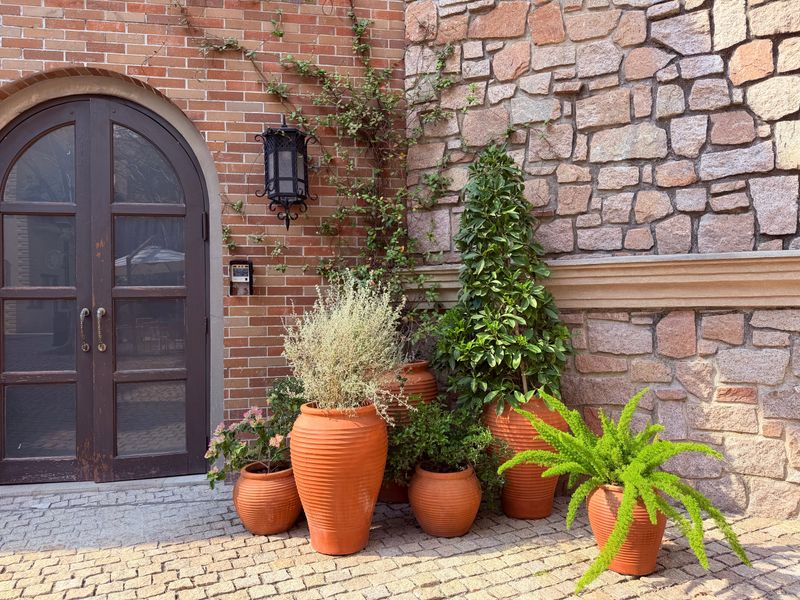
Some pots are just too big to budge. A huge planter full of wet soil can weigh more than a grown adult, so sometimes staying outside is the only option.
In that case, location still matters a lot. A south-facing wall soaks up sunshine during the day and gives off a little warmth after dark. Brick and stone hold heat especially well.
Move smaller containers close to that wall and pack them together tightly. Grouped pots shelter one another from wind and lose heat more slowly than lone pots scattered across a yard. Put the most tender plants in the middle of the cluster.
Next, fill the gaps. Shredded leaves, pine straw, or hay tucked between and around the pots adds a cozy layer of insulation for the roots.
A covered porch or the space under an eave helps even more, since overhead cover reduces heat loss to the open sky.
Wind is a sneaky enemy here. North winds during Texas cold fronts can pull heat away fast, so the side of the house facing away from them is a smart pick.
Wheeled plant caddies make these moves much easier on your back.
4. Wrapping Terracotta Pots In Burlap Keeps Roots Cozier
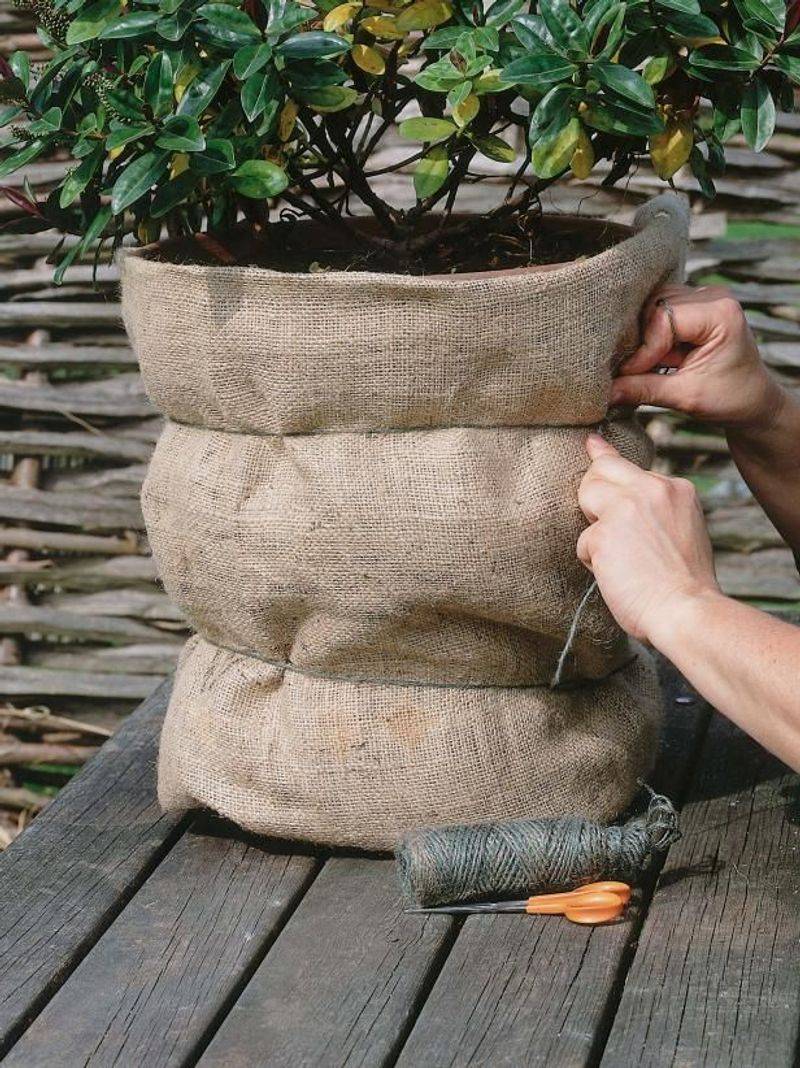
Ever wrapped a scarf around your neck on a windy morning? Pots benefit from the same trick.
Wrapping the outside of a container slows heat loss from the soil. Burlap, old blankets, bubble wrap, or even moving pads all do the job. Wrap the sides snugly and tie them with twine so the wind cannot tug them loose.
Bubble wrap is surprisingly handy. The trapped air pockets work as insulation, and the material shrugs off rain. Layering burlap over it makes it look a little tidier.
Do not forget the top of the pot. A few inches of mulch on the soil surface helps hold warmth in the root zone. Lifting pots onto bricks or pot feet also keeps them off frozen concrete.
For extra-tender plants, some gardeners use old incandescent holiday lights under the cover.
Those older bulbs give off gentle heat, while LED lights stay too cool to help. Keep any lights away from fabric that touches them closely, and use outdoor-rated cords for safety.
A wrapped pot will not turn a tropical plant into a tough one. Still, it can buy precious degrees on a borderline night, and that often makes the difference.
5. Skip The Plastic Sheet And Grab A Frost Cloth Instead
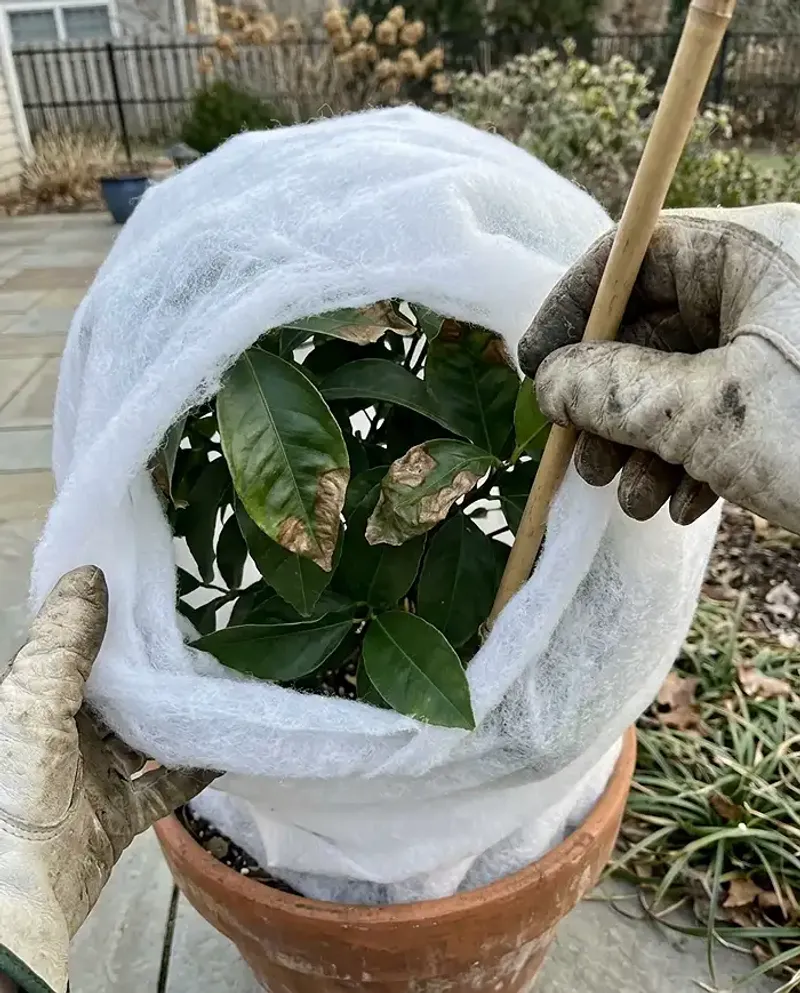
Plastic sheeting looks like an easy fix, and plenty of us have grabbed it in a hurry. Unfortunately, plastic resting directly on leaves can pass cold right through to the plant tissue.
Breathable fabric works better. Frost cloth, old bedsheets, and lightweight blankets trap warm air while letting moisture escape. Garden centers across the state sell frost cloth by the roll, and it lasts for years.
The way you drape the cover matters most. Let it hang loosely over the plant and reach down to the ground or patio. Weigh the edges with bricks or rocks to hold in warmth rising from below.
A cover with an open bottom acts like an umbrella. Heat simply drifts out underneath, and the plant gets little benefit. Sealing that gap is the key detail many folks overlook.
If you have only plastic, build a frame first. Stakes, tomato cages, or a few chairs can hold it off the foliage.
Once daytime temperatures climb above freezing, lift the covers so plants get sunlight and fresh air. Put them back before sunset if another cold night is on the way.
6. A Good Soak With The Watering Can Helps Pots Hold Heat
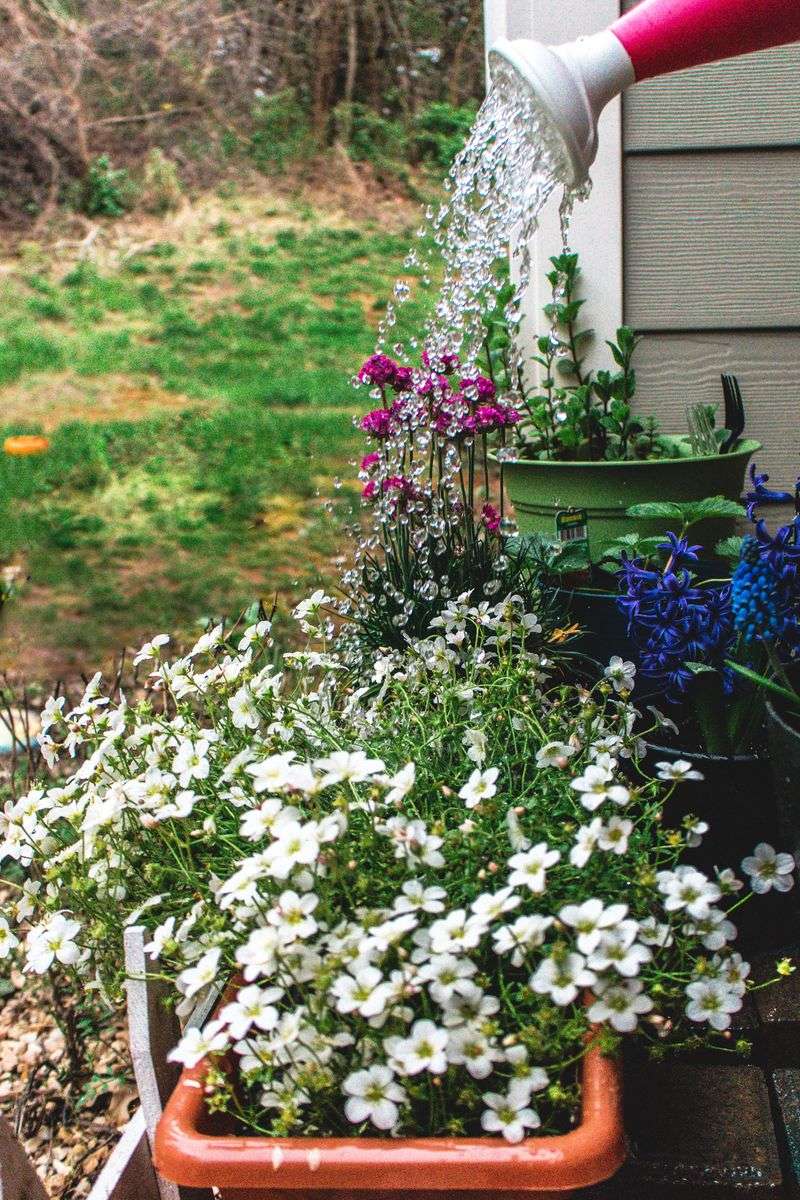
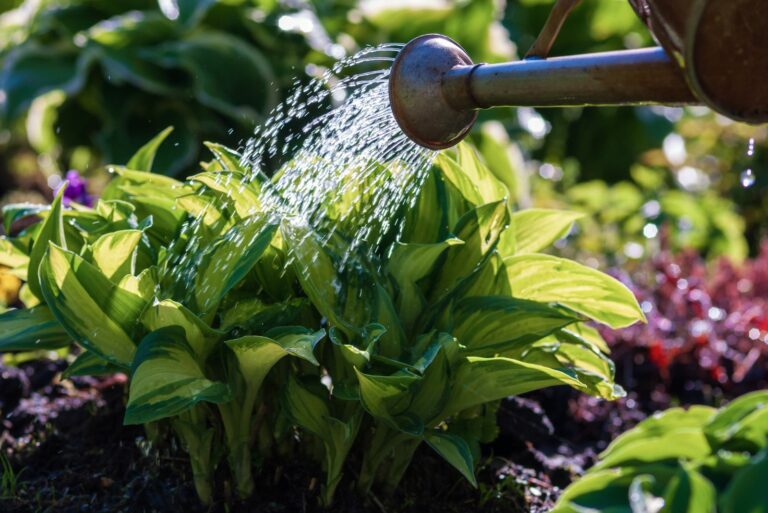
Here comes a tip that surprises a lot of new gardeners. Watering before a freeze actually helps your plants.
Moist soil holds and releases heat better than dry soil. As the night gets colder, that stored warmth seeps out slowly around the roots. Dry soil cools faster and leaves roots more exposed.
Thirsty plants also cope poorly with cold. Freezing weather often brings dry, windy air, which pulls moisture out of leaves. A well-watered plant has reserves to handle that stress.
Timing makes a difference. Water a day or two ahead, or early on the day before the freeze. That gives the water time to soak in and the extra to drain out of the pot.
Watch for soggy saucers, though. Standing water under a pot can freeze solid and chill roots from below. Empty saucers after watering, or pull them away for the night.
Succulents and cacti are a little different. They handle cold better when their soil stays on the dry side, so give them only a light drink. A quick check with your finger tells you plenty about each pot.
7. Hold Off On Pruning Those Brown Hibiscus Leaves After The Freeze
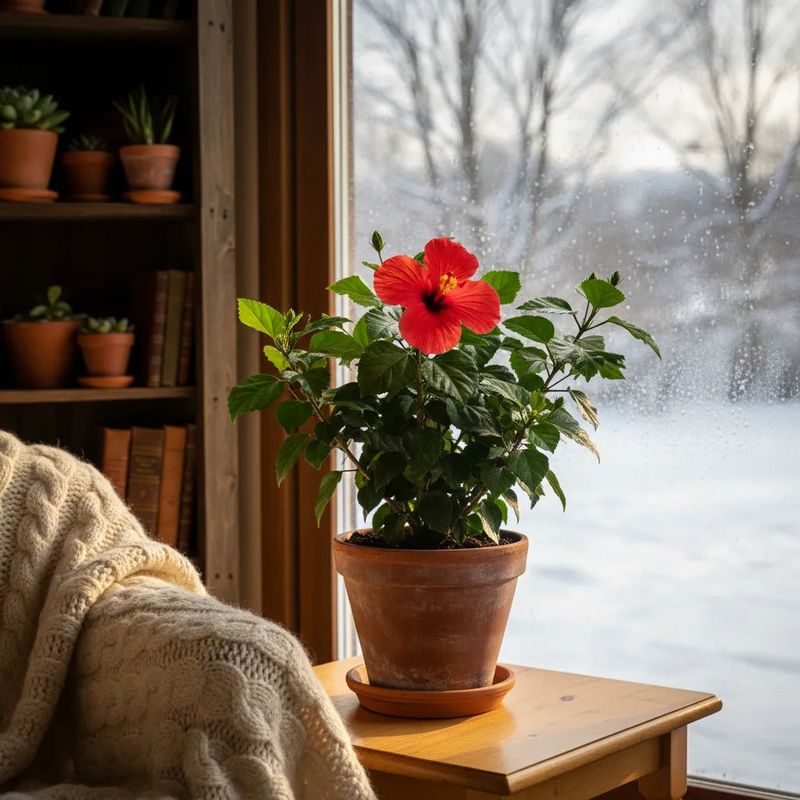
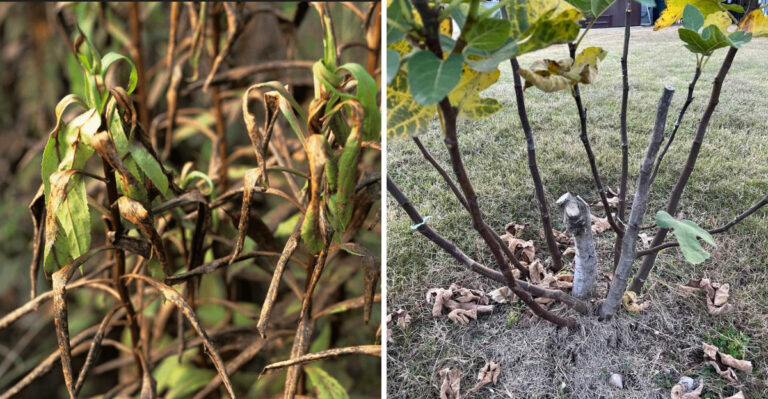
The morning after a hard freeze can look rough. Mushy leaves and droopy stems make you want to grab the pruners right away.
Please wait. Damaged foliage gives a bit of cover to the living tissue below, and more cold nights often follow in Texas winters. Pruning too soon can also push fresh growth that the next frost will burn.
Patience pays off. Wait until the last frost date for your area has passed and you spot new buds. In much of South Texas that may arrive in February, while the Panhandle often stays chilly into April.
Scratch tests help. Gently scrape a stem with your thumbnail, and green tissue underneath means that part is still alive. Brown, dry tissue can be trimmed once the weather settles.
Mushy, smelly leaves are the one exception. Those can be picked off sooner to reduce the chance of rot.
Keep a little notebook this year. Write down which spots kept your pots safest and which plants bounced back.
Next winter, you will know exactly where every container should go, and that planning makes a cold front much less stressful.