What Pennsylvania Law Says About Burning Leaves In Your Yard
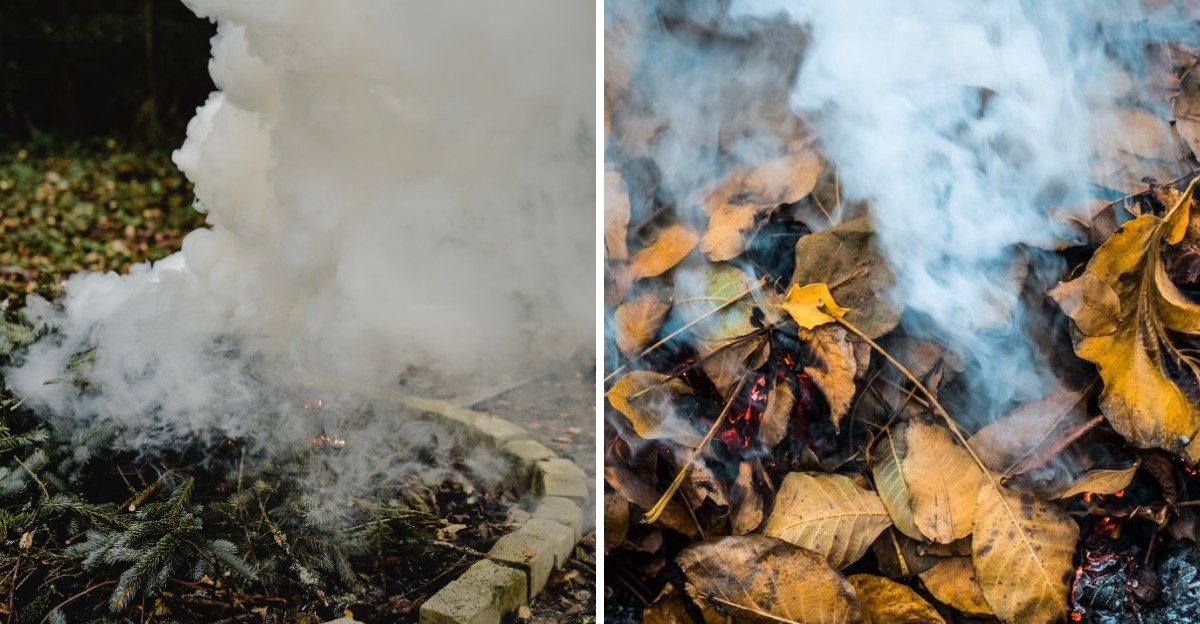
A pile of crunchy maple leaves can be perfectly legal to burn in one town and against the rules a few miles away. That patchwork surprised me the first time I looked into it.
State environmental rules in Pennsylvania focus heavily on smoke, and some valley regions face much tighter limits than rural hillsides.
Your township or borough can add its own rules on top. Some ban leaf fires outright, while others allow them only on certain days or hours.
I love the smoky smell of autumn as much as anyone. Still, I can’t imagine getting a fine for a chore that should feel cozy and relaxed. You deserve to know the rules before that first match comes out.
So where does your yard land on this map of smoke, permits, and local rules? The answer could change how you handle your leaves this fall.
1. Your Leaf Pile Might Sit Inside A Special Smoke Zone
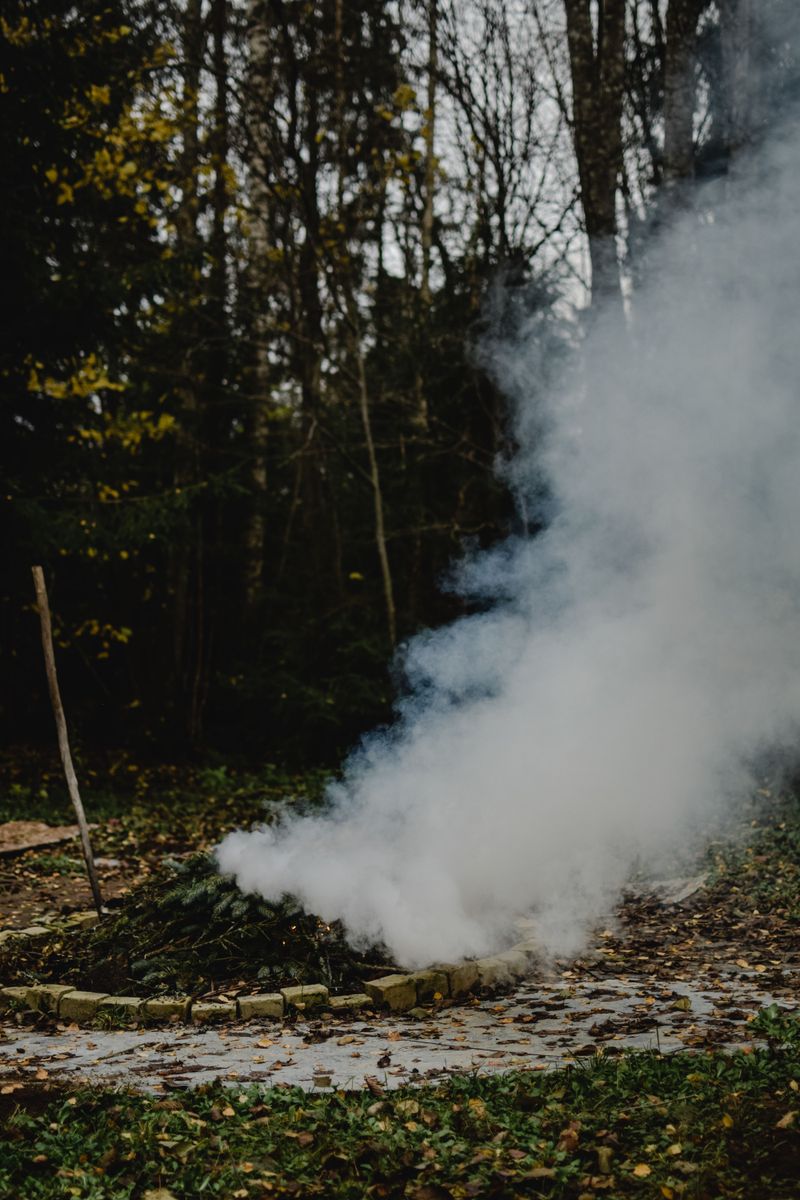
Geography plays a bigger role here than most people expect. State air quality rules, found in Title 25 of the Pennsylvania Code, Section 129.14, single out areas called air basins.
Air basins are mostly valley regions and metro areas where smoke tends to hang low instead of drifting away.
Places around Allentown, Bethlehem, Easton, Harrisburg, Johnstown, Lancaster, Reading, Scranton, Wilkes-Barre, York, Erie, and the Pittsburgh region fall under this rule. In these zones, open burning is largely prohibited.
Only a handful of exceptions exist. These include fires for fire training, frost prevention for crops, recreational or cooking fires, and certain permitted activities. A pile of yard leaves in your backyard usually does not qualify.
Why the strict treatment? Cool air often settles in valleys on calm fall mornings, trapping smoke close to homes like a lid on a pot. That pattern, called a temperature inversion, can make air quality worse for hours.
Not sure if your address falls inside an air basin? Your county or the Pennsylvania Department of Environmental Protection regional office can tell you quickly. A two-minute phone call beats guessing and hoping for the best.
2. Smoke Drifting Into The Neighbor’s Yard Can Still Break State Rules
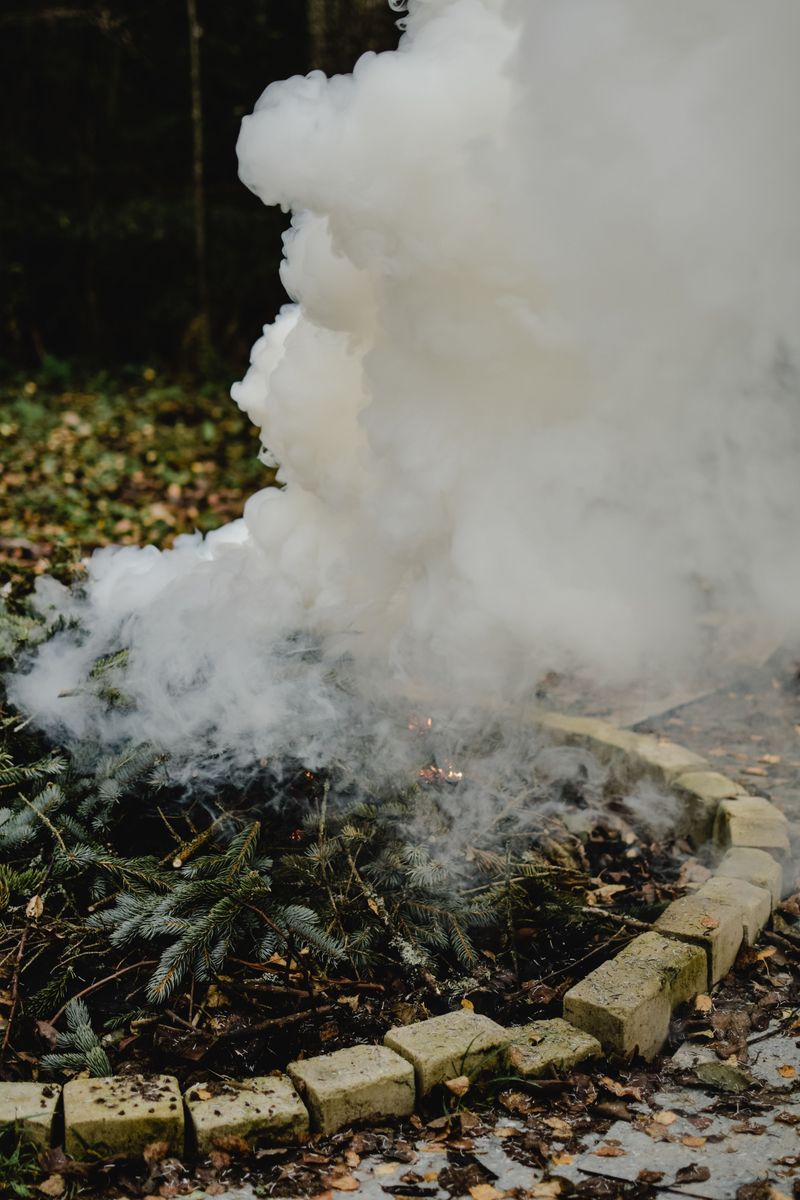
Living outside an air basin feels like a free pass. Sadly, the state code still sets limits on smoke wherever you live.
Under the same section of the Pennsylvania Code, outdoor burning cannot create a nuisance.
That means smoke should not cause visible air pollution beyond your property line, carry bad odors to nearby homes, or harm people, plants, animals, or property.
So if your smoldering leaf pile sends a gray cloud across the fence into a neighbor’s open kitchen window, you could be in violation.
Complaints often trigger a visit from local officials or a call from the Department of Environmental Protection.
Personally, I find this rule pretty fair. My yard chores should not ruin someone else’s afternoon on the porch or force a child with asthma indoors.
Some quick ways to stay considerate if burning is allowed where you live: Check the wind direction before lighting anything.
Keep piles small so they burn fast and clean. Skip burning on still, damp days when smoke lingers low.
A friendly heads-up to nearby neighbors also goes a long way. Many folks simply want a chance to close their windows and bring in the laundry first.
3. Township Burning Ordinances Often Have The Final Say
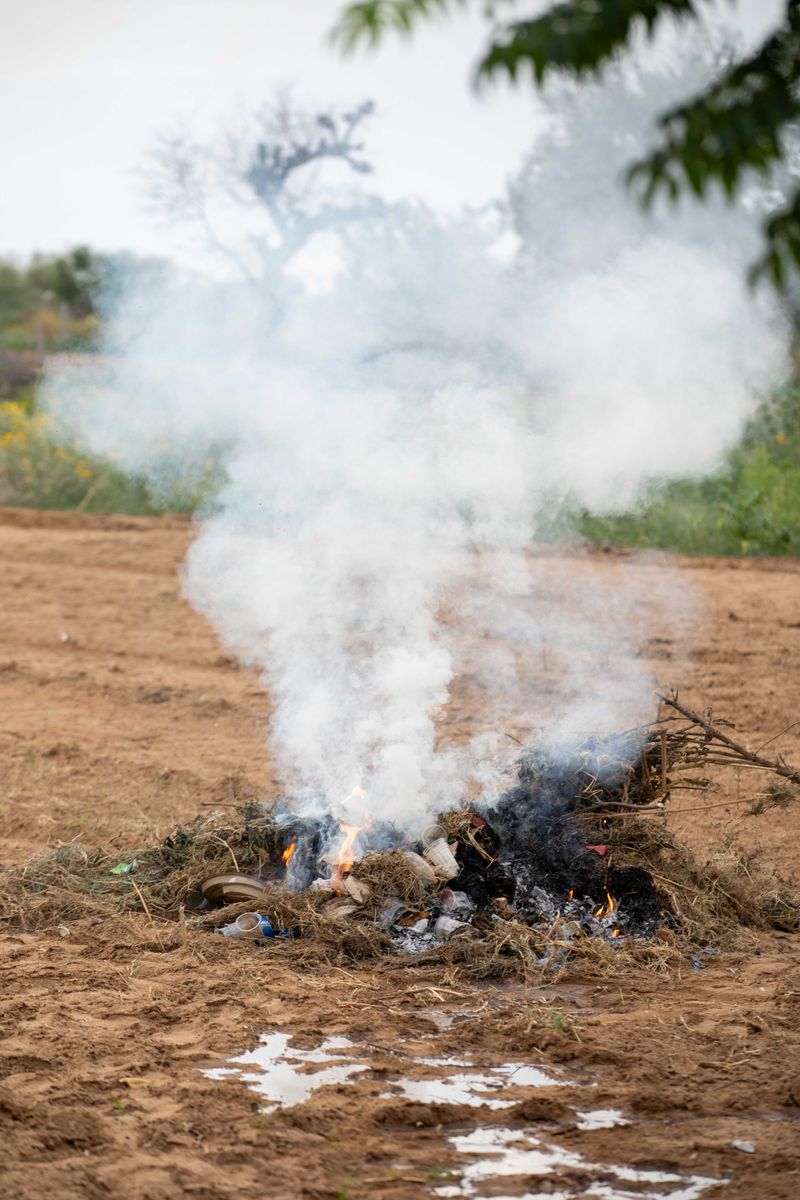
Ask ten Pennsylvania townships about burning leaves and you might hear ten different answers. Local governments have the power to make rules stricter than state law, and plenty of them do.
Your borough, township, or city ordinance is usually the rule that matters most day to day. It may ban leaf burning completely, allow it only during certain months, limit burning hours, or require a permit.
Some set distance rules, such as keeping fires a set number of feet from buildings and property lines.
Many places also restrict burning on specific days. Weekends and holidays are common no-burn times in suburban areas since more people are outside enjoying their yards.
Fines vary widely too. Depending on the municipality, a violation can lead to a warning, a citation, or repeated penalties for ongoing problems.
The easiest move is checking your municipality’s website. Search for terms like open burning ordinance or yard waste rules along with your township name. Most local codes are posted online.
Calling the township office works just as well. Staff members field these questions every fall, so you will not be the first person asking.
4. Plenty Of Towns Have Banned Leaf Fires Altogether
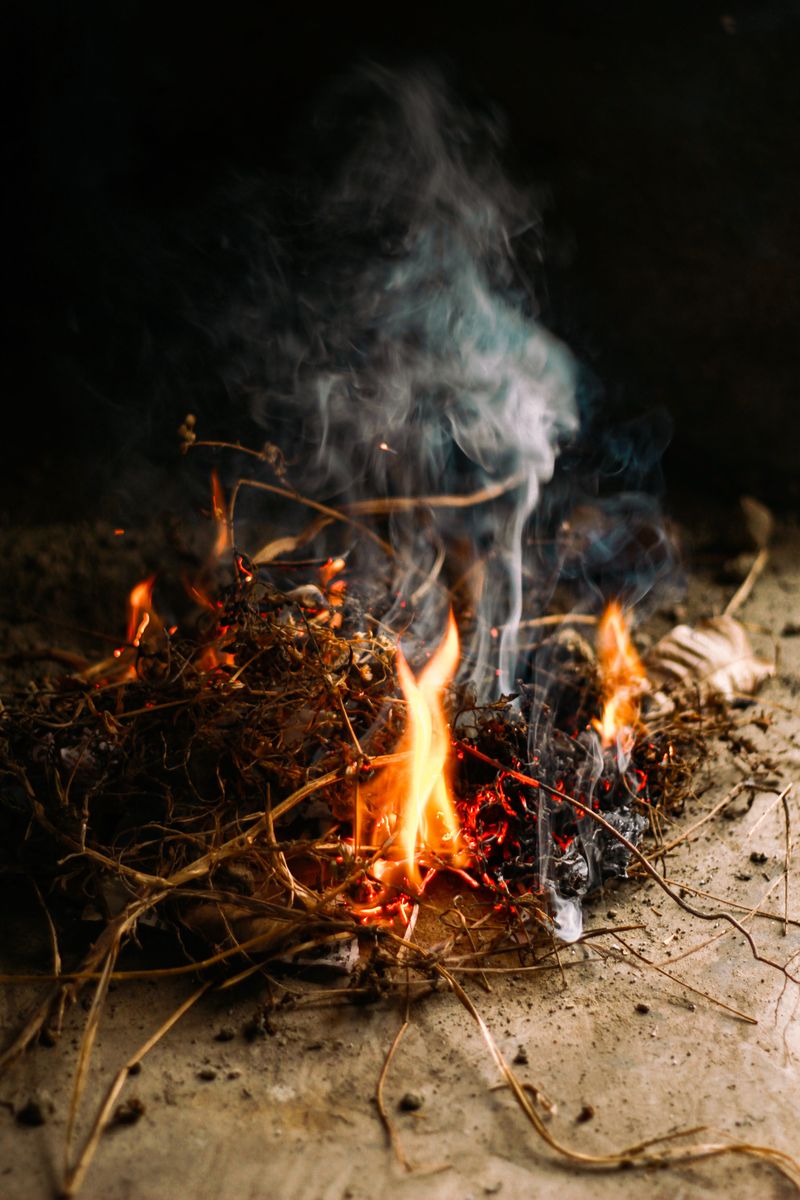
Raking up a mountain of oak leaves only to learn you cannot burn them is a classic autumn letdown. Across Pennsylvania, a long list of communities say no to leaf fires.
Manheim Township in Lancaster County, Honey Brook Township in Chester County, and North Fayette Township near Pittsburgh all prohibit outdoor burning of leaves and yard waste.
McCandless in Allegheny County states that open burning is not allowed for disposing of brush, trees, or leaves.
Penn Township in Westmoreland County allows some limited burning but specifically excludes leaves and grass clippings. That detail trips up a lot of residents who assume all yard debris is treated the same.
Notice a pattern? Bans show up most often in growing suburbs where homes sit close together. More neighbors means more people breathing the same smoke.
Rural townships tend to be more relaxed, though that varies. Some farm communities still allow burning with restrictions on timing and materials.
Moving to a new town this year? Do not assume your old rules carry over. A quick check of your new municipality’s code can save you an awkward conversation with a code officer.
5. Wet Leaf Smoke Is Rougher On Your Lungs Than It Smells
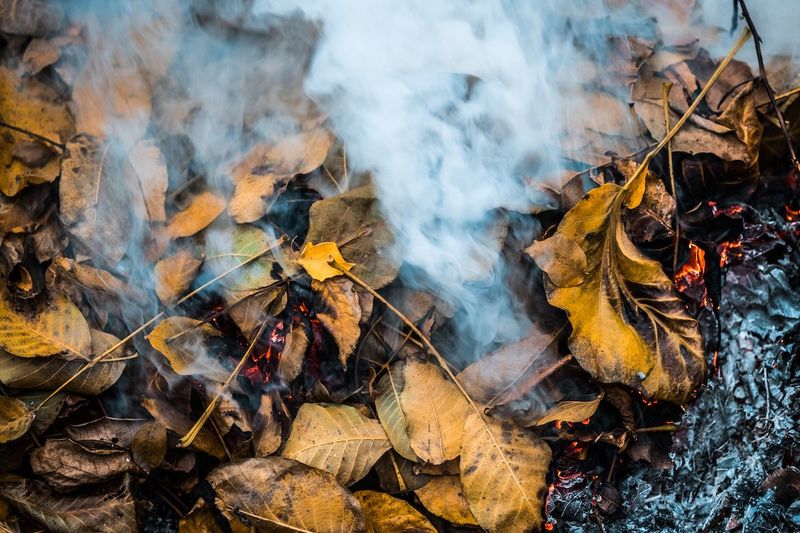
That sweet smell of burning leaves carries a lot of nostalgia. Unfortunately, it also carries tiny particles that can travel deep into your lungs.
Leaf smoke contains fine particulate matter, carbon monoxide, and various irritating compounds.
Cornell Cooperative Extension and health agencies note these can trigger coughing, wheezing, and asthma flare-ups, especially in kids, older adults, and people with heart or lung conditions.
Damp leaves make things worse. Wet piles smolder slowly instead of burning hot, which produces heavier smoke and more carbon monoxide.
Carbon monoxide reduces how much oxygen your blood can carry, which is why that thick smolder deserves respect.
Some compounds in leaf smoke, called hydrocarbons, include substances linked to cancer with long-term exposure. A single fire will not likely cause lasting harm, but repeated smoky seasons add up for families nearby.
Fall weather also plays a role. Cool, calm evenings keep smoke near the ground, right where people breathe.
If you notice a neighbor with breathing trouble, that alone is a strong reason to skip the burn pile. Your lungs and theirs will thank you on those crisp October mornings.
6. Spring Burn Bans Protect Pennsylvania Forests From Runaway Debris Fires
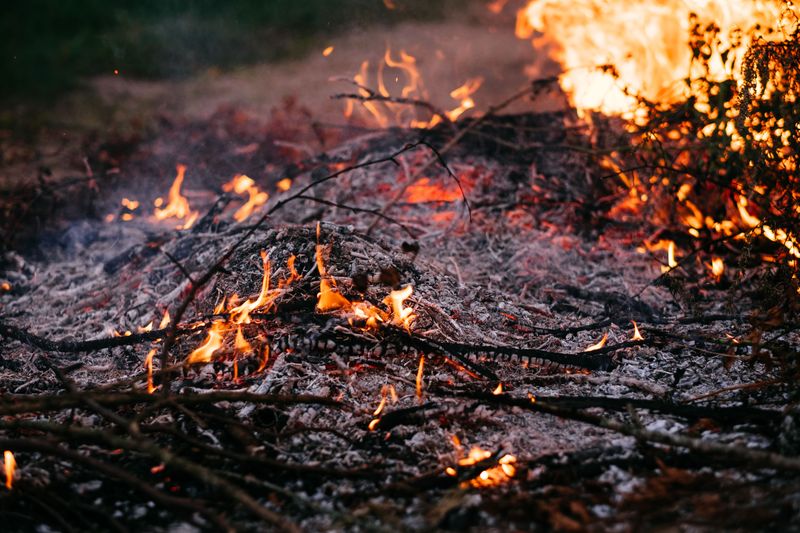
Wildfire is not just a western problem. The Pennsylvania Department of Conservation and Natural Resources reports that people cause nearly all wildfires in the state, and debris burning ranks as a leading cause.
Spring is actually the riskiest time, not fall. From March through May, dry leaves cover the forest floor, trees have not leafed out yet, and sunlight reaches the ground freely. Gusty winds and low humidity let a backyard fire escape fast.
Under state forest fire law, you can be held responsible for firefighting costs and damages if your fire spreads. Those bills can be steep.
DCNR and counties sometimes issue burn bans during dry spells, even in areas where burning is normally allowed.
Fall droughts can bring bans too. If burning is legal where you live, a few smart habits matter:
Burn only dry leaves in small batches. Keep a hose and rake nearby. Stay with the fire until it is fully out and cold to the touch.
Skip burning on windy days or when humidity is low. DCNR posts current wildfire danger levels online, and checking them takes less than a minute.
7. Shredded Leaves Make Free Mulch For Your Lawn And Garden Beds
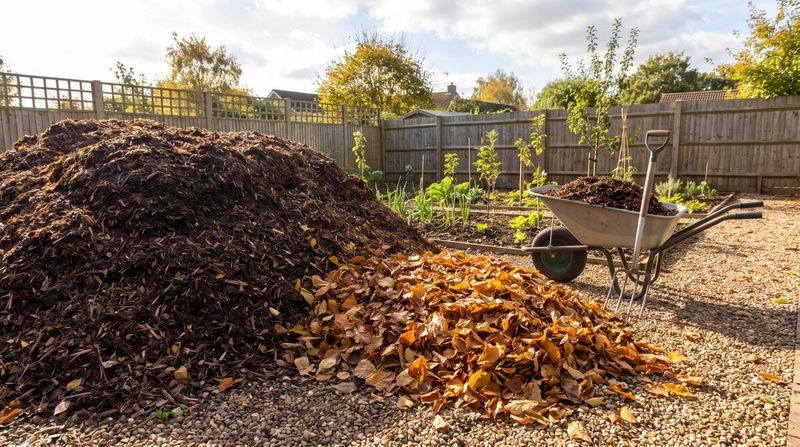
Here comes my favorite part. Those leaves you wanted to torch are actually one of the best free garden supplies you can get.
Mowing leaves right on the lawn chops them into small bits that settle between grass blades.
Penn State Extension and other university programs note that shredded leaves break down over winter and feed the soil. A thin layer is fine, as long as you can still see grass peeking through.
Thicker piles can go into garden beds as mulch. Shredded leaves hold moisture, protect roots from freeze and thaw cycles, and slowly add organic matter. I love tucking them around perennials once the ground starts to cool.
Composting is another winner. Mix brown leaves with green materials like kitchen scraps or grass clippings, keep the pile slightly damp, and turn it now and then. By next season, you will have dark, crumbly compost.
Some gardeners also save bags of dry leaves for spring compost piles when browns run short.
Fun fact: many native moths and fireflies spend winter in leaf litter. Leaving a few leaves under shrubs gives these helpful critters a cozy hideout.
8. Curbside Leaf Pickup And Paper Bags Can Save Your Weekend
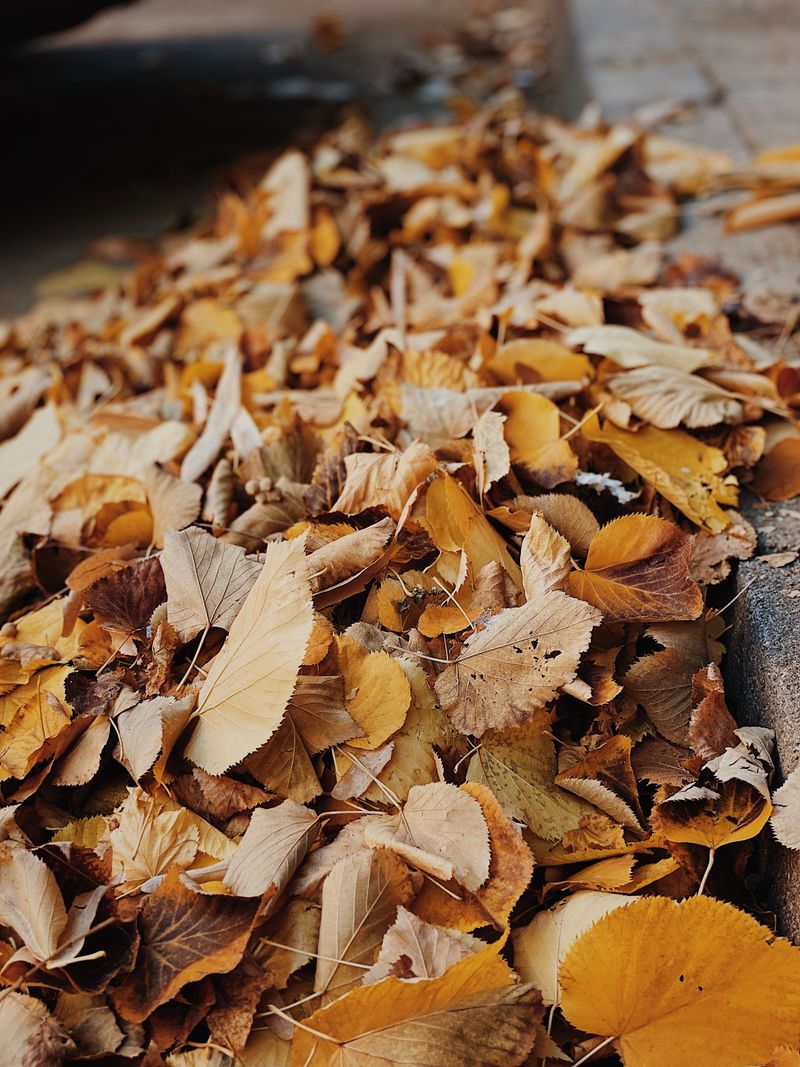
Short on time or space for compost? Your town may already offer an easy fix. Many Pennsylvania municipalities run fall leaf collection programs.
Some send vacuum trucks to scoop loose piles from the curb, while others pick up leaves packed in biodegradable paper yard waste bags. Plastic bags are often refused since they do not break down at compost sites.
State law also plays a part. Under Pennsylvania’s Act 101, larger municipalities must offer leaf collection or yard waste programs, and leaves are banned from regular landfill trash in many areas.
Drop-off sites are another option. Townships and counties often run yard waste centers where residents can unload leaves for free or a small fee.
Before you rake, check your local schedule. Collection dates usually run from October through early December, and missing the last pickup can leave you with a soggy pile until spring.
My simple fall plan looks like this. Mulch what the lawn can handle, compost or bag extra for garden beds, and send the rest to curbside pickup.
That mix keeps your yard tidy, your neighbors breathing easy, and you on the right side of local rules.