Is Fall A Good Time To Buy A Crape Myrtle In Pennsylvania?
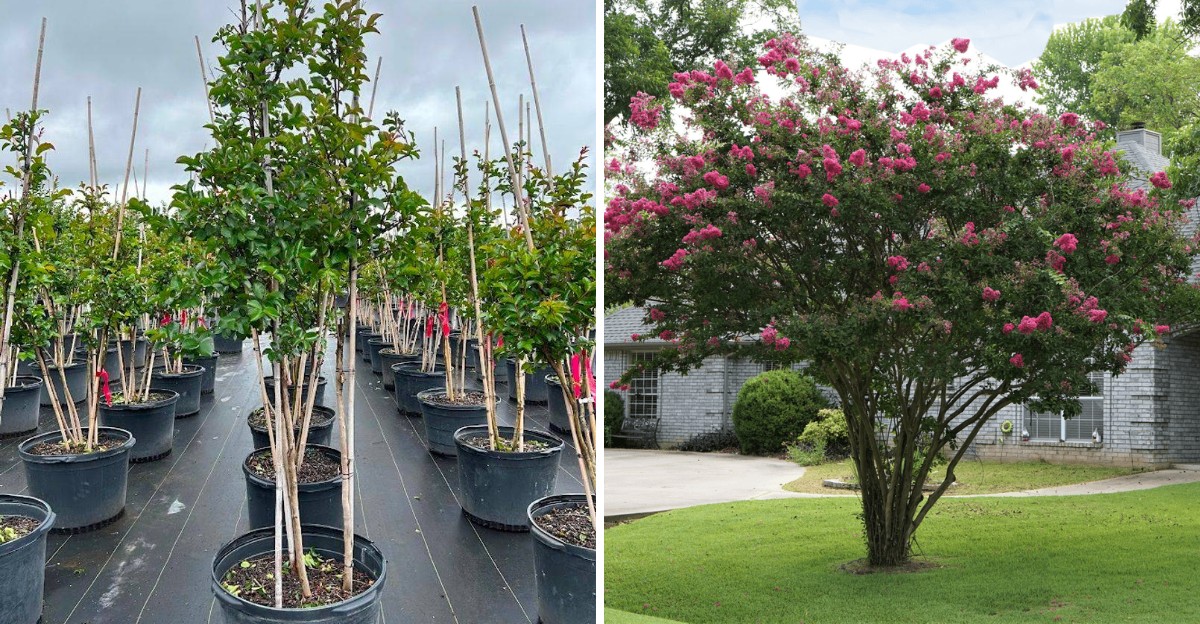
Nursery tags on certain summer-blooming shrubs drop in price right when their flowers fade. That bargain can be real, or it can be a trap with peeling bark and a Southern accent.
What I find interesting is how this heat lover keeps showing up in Pennsylvania yards from Philadelphia to Lancaster. Breeders have quietly made some types much tougher than their reputation suggests.
A few can even shrug off winters that would leave older varieties sulking until June.
You might be surprised by how much the calendar matters here. A plant bought in September can behave very differently from one bought in early November.
Your zip code, your soil, and even the label on the pot all play a part.
So should you grab that marked-down beauty, or walk right past it? The answer depends on a few clues most shoppers overlook.
1. Those Fall Clearance Crape Myrtles Come With A Catch
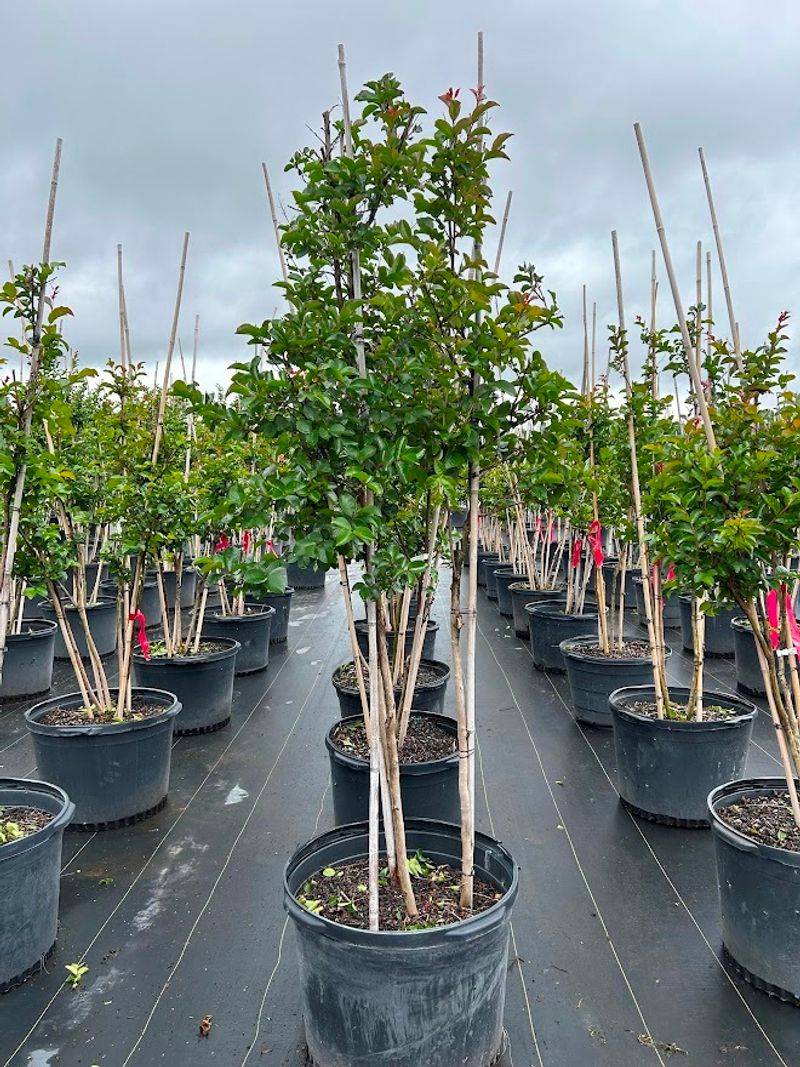
Bargain hunters, I see you, because I am one of you. Garden centers across the state often mark down crape myrtles in September and October, and the savings can be tempting.
The catch is simple. Crape myrtles are warm-climate shrubs, and many extension experts, including those at Penn State, generally favor spring planting for marginally hardy plants.
Spring gives roots a full growing season before their first cold snap.
That does not mean fall is off the table. Early fall, roughly September into early October, can work well in southeastern Pennsylvania where soil stays warm for weeks.
Warm soil lets new roots keep growing even as the air cools.
Late fall is a different story. A crape myrtle planted in November has little time to settle in before the ground freezes.
Its roots stay confined to the original root ball, and that makes winter much harder on it.
My honest take is this. Fall is a fine time to buy a crape myrtle in Pennsylvania if you pick the right variety, plant early, and live in a milder pocket of the state.
If any of those pieces are missing, buying now and planting in spring may be the smarter move.
Knowing which situation you are in is the real secret to getting your money’s worth.
2. Early Fall Planting Gives Crape Myrtle Roots A Head Start
Timing is everything with this shrub. If you plant in fall, aim for at least six weeks before the ground typically freezes in your area.
For much of southeastern Pennsylvania, that means planting by late September or early October. In cooler central regions, earlier in September is safer.
Soil temperatures stay warmer than air temperatures well into autumn, and roots keep growing as long as soil stays above about 40 degrees.
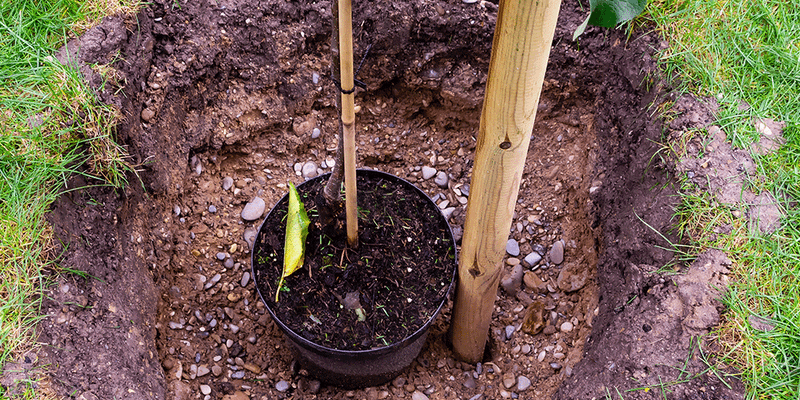
Start by digging a hole two to three times as wide as the root ball but no deeper. Set the plant so the top of the root ball sits level with or slightly above the surrounding ground.
Loosen circling roots gently with your fingers before backfilling.
Water deeply right after planting. Then keep the soil evenly moist, but not soggy, until the ground freezes.
A good soaking once a week is often enough unless rain does the job for you.
Skip the fertilizer at planting time. Feeding now can push soft new growth that frost will quickly damage.
A handful of compost mixed into the backfill is plenty.
If your calendar has already slipped into late October or November, keep the plant in its pot in a sheltered, unheated garage or tucked against the house with mulch piled around the container. Plant it as soon as spring soil warms up.
3. Cold-Hardy Crape Myrtle Varieties Make All The Difference
Here’s a story I love. Back in the mid-1900s, researchers at the U.S.
National Arboretum began crossing the common crape myrtle with a Japanese relative, Lagerstroemia fauriei, which brought better cold tolerance and mildew resistance.
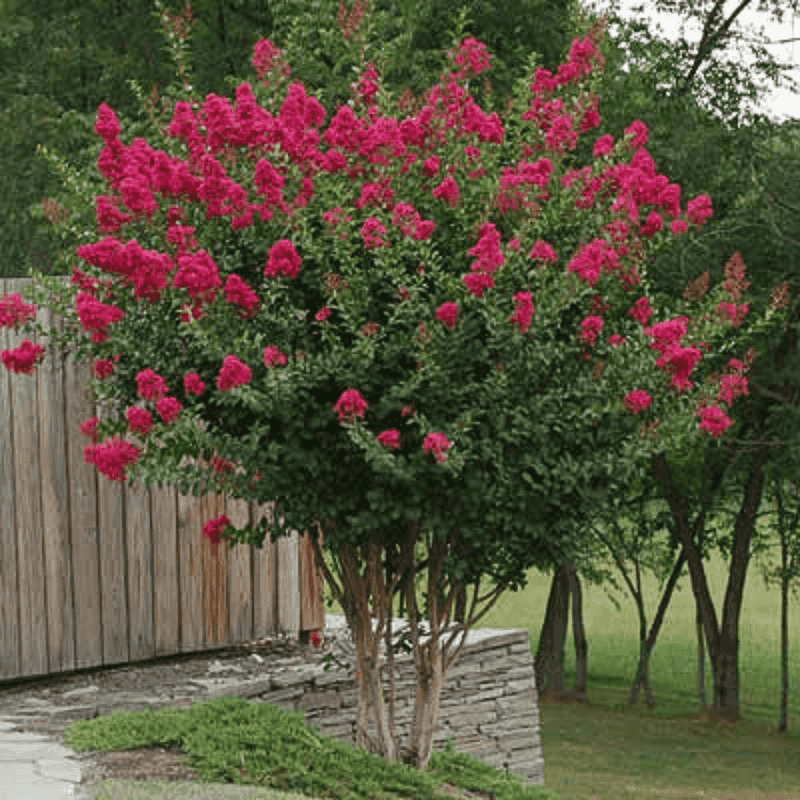
Many of those hybrids carry Native American tribal names, like ‘Tonto,’ ‘Pocomoke,’ ‘Acoma,’ and ‘Hopi.’ Several of them are rated hardy to Zone 6, which covers a good chunk of Pennsylvania.
Most of the state falls in USDA Zones 5b through 7b under the 2023 map. Philadelphia and the southeast sit mostly in Zone 7, while Lancaster and Harrisburg areas hover around 6b to 7a.
Higher ground in the north and central mountains drops into Zone 5 and colder.
Newer series have joined the lineup too. The Bellini and Delta Jazz types are marketed for strong cold tolerance, and some growers rate certain selections into Zone 6.
When you shop, read the tag carefully. Look for a stated hardiness of Zone 6 or lower, and ask the nursery staff where the plant was grown.
A shrub raised farther north often handles our winters better than one shipped up from Georgia.
Choosing the right cultivar is the single biggest step you can take toward a happy plant.
4. Find The Sunniest, Best-Drained Spot For Your New Shrub
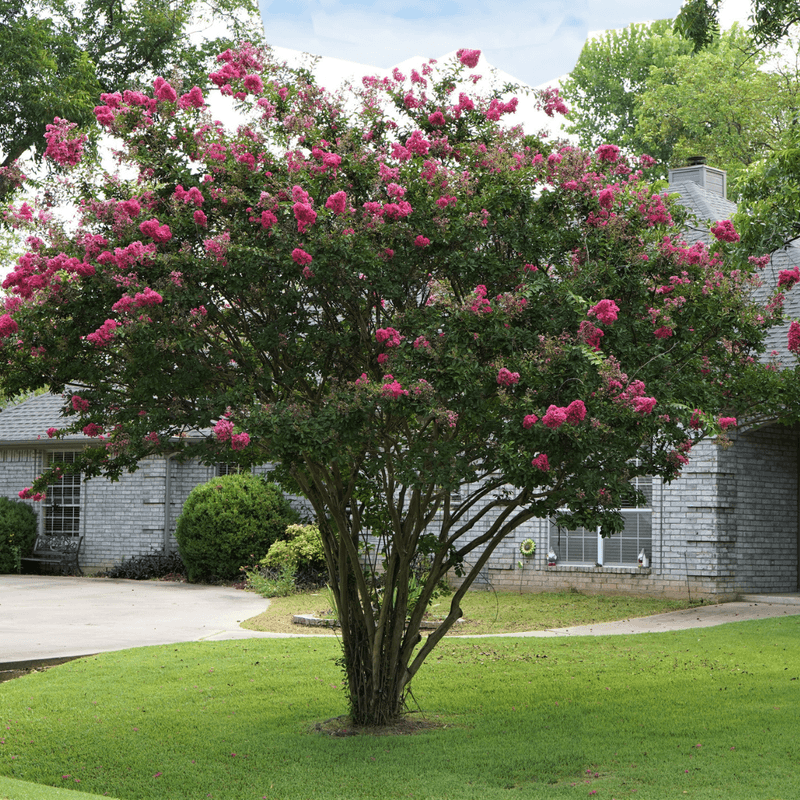
Sunshine is the fuel that runs a crape myrtle. Give it at least six hours of direct sun every day, and more is even better.
In shade, blooms shrink, and powdery mildew often moves in. I have watched a crape myrtle in a half-shaded corner put out three sad flower clusters all summer while its sunny twin down the street glowed pink for weeks.
Drainage is the next big deal. Pennsylvania has plenty of heavy clay soil, and crape myrtles really dislike sitting in cold, wet ground over winter.
Soggy roots are more likely to rot and stems may not harden properly before cold weather.
A simple test helps. Dig a hole about a foot deep, fill it with water, and see how fast it drains.
If water still stands after several hours, consider a raised bed or a gently mounded planting area.
Microclimates matter too. A south-facing wall stores heat during the day and releases it at night.
Spots near paved driveways or brick buildings can run a few degrees warmer than open lawn.
Avoid low areas where cold air settles on frosty nights. Those frost pockets can turn a borderline-hardy plant into a spring disappointment, even in a milder part of the state.
5. A Blanket Of Mulch Helps Young Crape Myrtles Through Winter
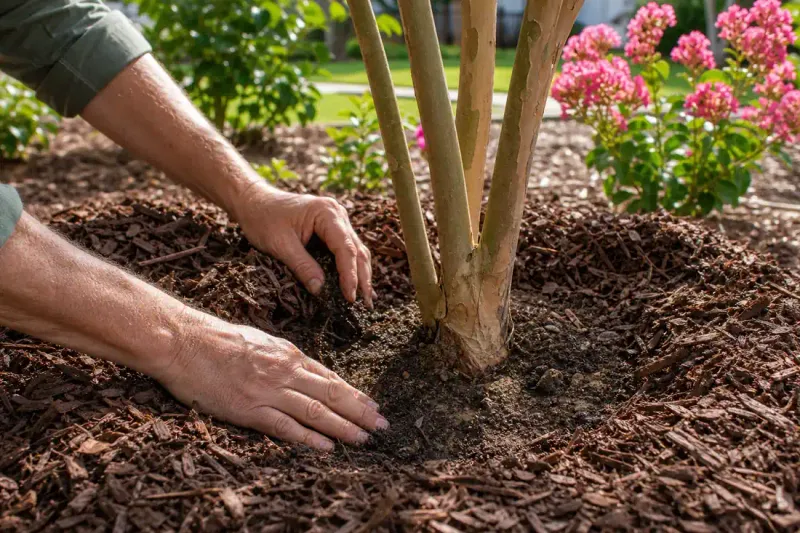
Mulch is cheap insurance. After the first hard freeze, spread two to four inches of shredded bark, wood chips, or chopped leaves over the root zone.
That layer evens out soil temperatures and slows the freeze-and-thaw cycles that can heave young roots. Pull the mulch back a few inches from the trunk, though.
Mulch piled against stems holds moisture and can invite rot and hungry rodents.
For first-winter plants in colder pockets, some gardeners add extra protection. A loose burlap wrap or a frost cloth can shield stems from drying winter winds.
Skip plastic, which traps heat on sunny days and moisture at night.
Watering matters right up until the ground freezes. A well-hydrated plant handles cold better than a thirsty one, especially a shrub that just went in.
Fun fact for curious gardeners: crape myrtles bloom on new wood. Even if a harsh winter knocks stems back to the ground, a hardy root system can often send up fresh shoots that flower the same summer.
That bounce-back habit is why many northern growers treat them almost like a woody perennial. Protecting the roots in that first winter gives your plant the best shot at a strong comeback.
6. Pruning Shears Should Stay In The Shed This Fall
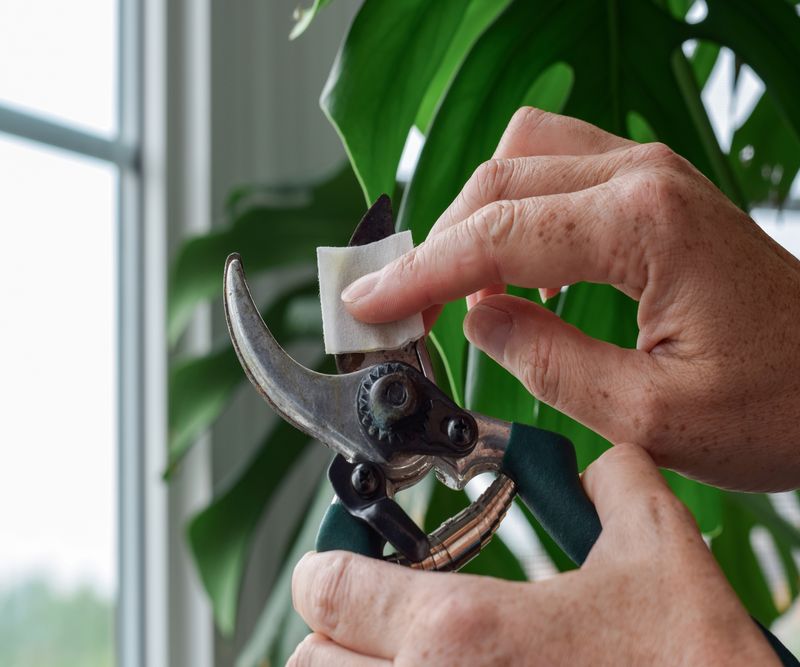
Put those pruners down, friend. Cutting a crape myrtle in fall can trigger tender new growth that has no chance to toughen up before freezing nights arrive.
The better window is late winter or very early spring, usually February into March in Pennsylvania. By then you can also see which stems survived the cold.
Anything brown and brittle under the bark can come off, while green tissue stays.
Feeding follows a similar rule. Stop fertilizing by midsummer, generally around July.
Late feeding pushes soft shoots that frost bites first.
There is another habit to skip entirely, often called crape murder. That is the practice of chopping big trunks down to stubs every year.
Extension specialists across the country discourage it because it creates weak, knobby growth and ugly scars.
Instead, prune lightly. Remove crossing branches, suckers at the base, and any thin twiggy growth inside the canopy.
Leaving the natural shape shows off the smooth, peeling bark that makes this shrub so pretty in winter.
A little restraint now pays off next season. Your plant will thank you with sturdier stems and plenty of those crinkly flower clusters come July.
7. Late Spring Leaf-Out Fools Plenty Of New Crape Myrtle Owners
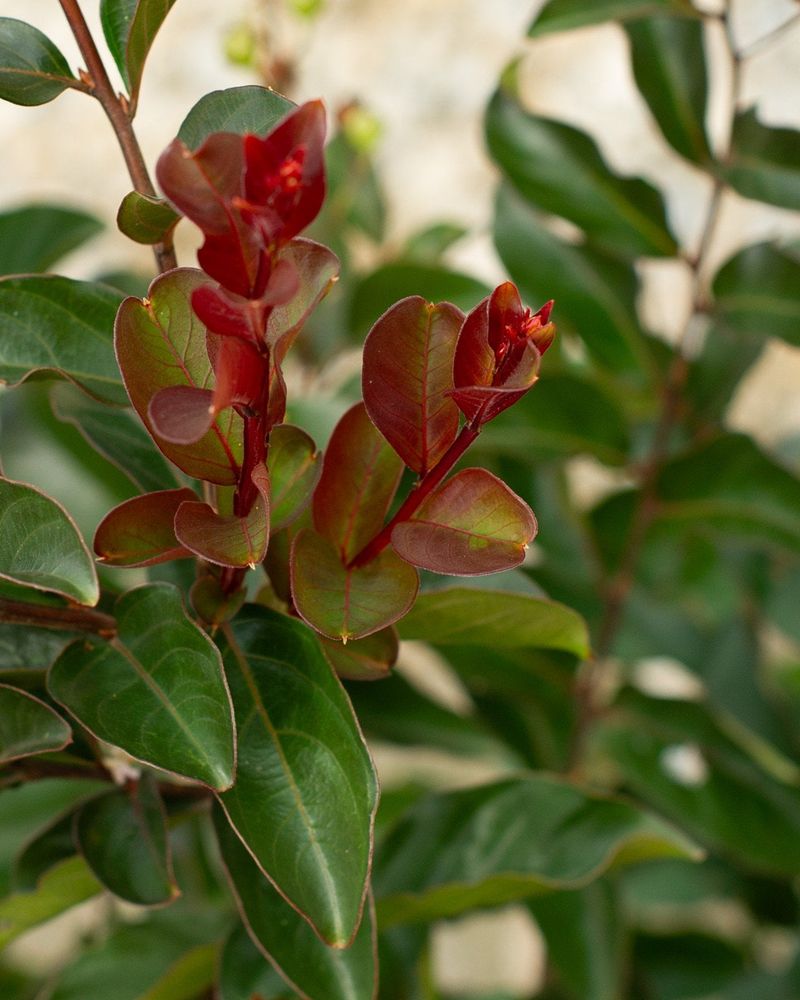
Every spring, someone in my local gardening group panics. Their neighbor’s lilacs are fully leafed out, and the crape myrtle still looks like a bundle of bare sticks.
Relax, because this is normal. Crape myrtles are among the last woody plants to wake up, often not leafing out in Pennsylvania until mid to late May.
Some fall-planted shrubs take even longer in their first year.
Before you pull anything out, try the scratch test. Gently scrape a little bark with your fingernail.
Green and moist underneath means the stem is alive, while brown and dry means that section took winter damage.
If upper stems are lost but the base shows green, cut back to healthy wood. Hardy roots frequently send up new shoots by early summer, and many plants still bloom since flowers form on fresh growth.
Give the plant until about mid-June before making any final decisions. Patience is a real gardening skill with this shrub.
Once leaves appear, water during dry spells through the first summer. Steady moisture in that first growing season helps the root system grow outward into surrounding soil, which builds the toughness it needs for future winters.
8. Smart Shoppers Can Still Score A Healthy Crape Myrtle This Fall
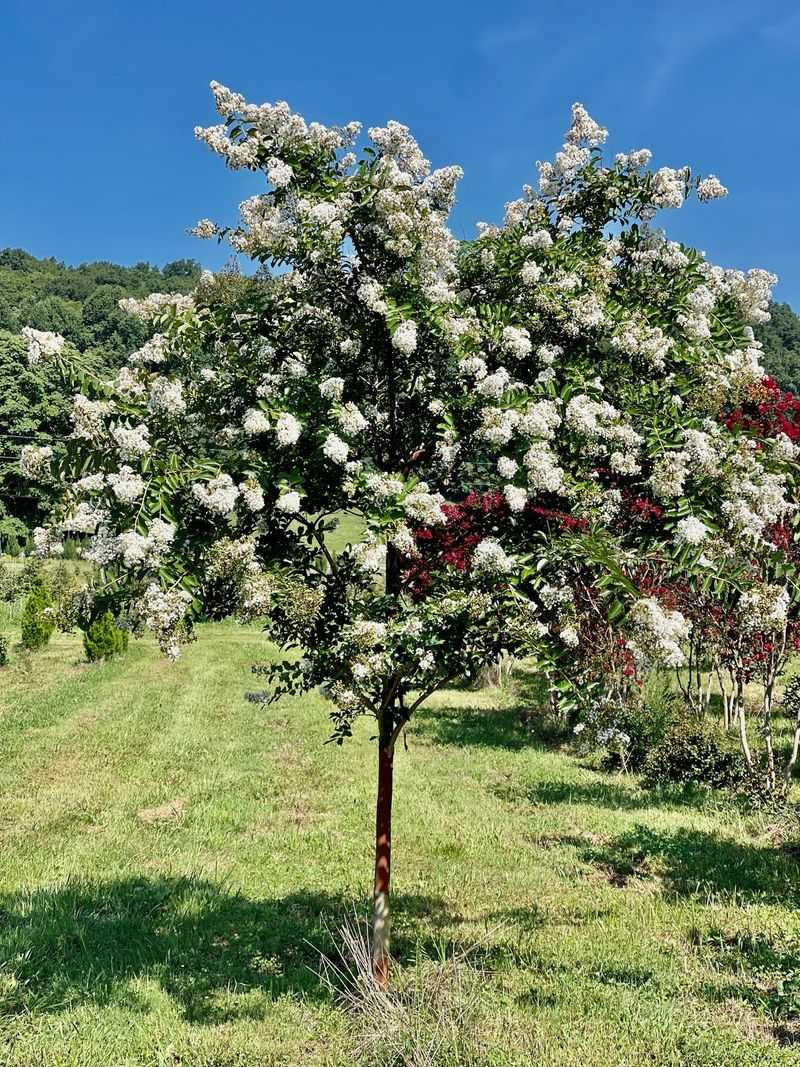
So here is where I land. Fall can be a good time to buy a crape myrtle in Pennsylvania, as long as you shop with a clear plan.
Check the plant before it goes in your cart. Look for healthy leaves without heavy white powdery mildew, firm stems, and roots that are white or light tan rather than mushy.
Tip it out of the pot gently if the nursery allows it.
Read the hardiness label next. Zone 6 or colder ratings give you the most breathing room in most of the state.
Smaller shrubs often settle in faster than large, heavy specimens.
Then match your purchase to the calendar. If it is September or early October and you live in a milder zone, plant right away.
If frost is already settling in or you garden in the colder north, keep it potted in a protected spot and plant next spring.
Local nurseries are a great resource. Staff usually know which varieties thrive near you, and Penn State Extension offers solid regional advice too.
With the right variety, a sunny well-drained spot, and some winter care, that fall find can turn into months of summer color, eye-catching bark, and bright autumn leaves for years to come.