Frost Advisory, Freeze Watch, or Freeze Warning and What North Carolina Gardeners Should Do for Each
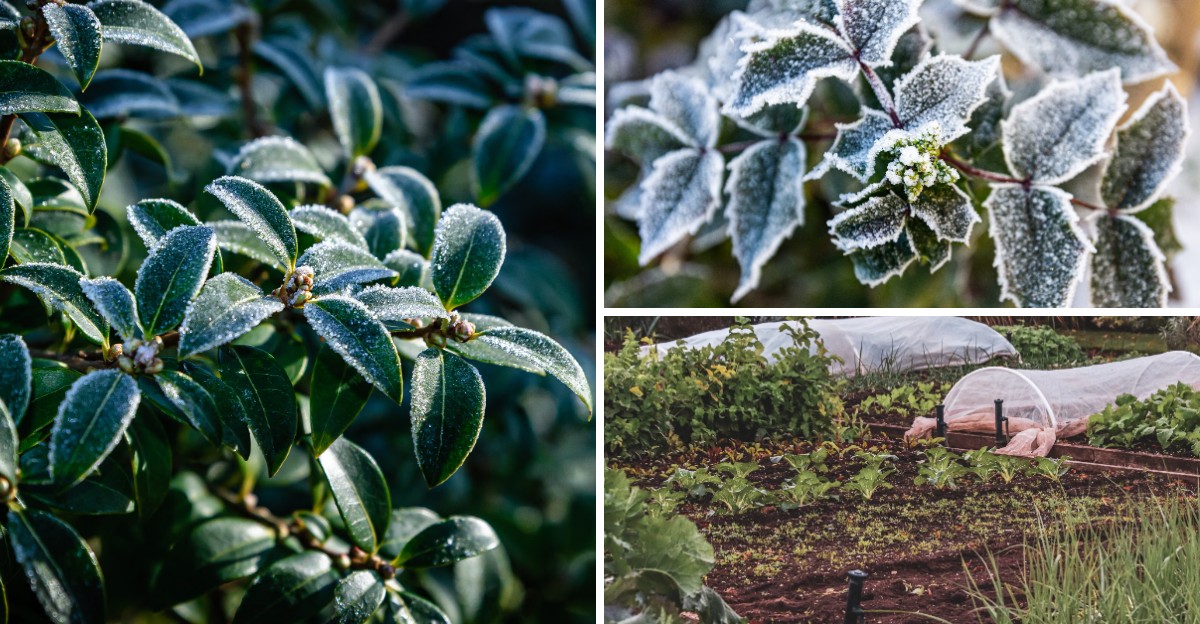
Frost can coat your tomato leaves even when the thermometer never drops to 32 degrees.
On clear, calm nights, plant leaves can lose heat faster than the air around them.
That is why the weather service starts sounding the alarm at 36 degrees, not just at freezing. I know how frustrating it can be when a single chilly night undoes weeks of careful watering.
Here in North Carolina, those nights love to sneak in during April and October, right when gardens look their best. The tricky part is the wording.
An advisory, a watch, and a warning sound alike, yet each one asks something a little different of you and your plants. The real question is whether you know which alert means grab a sheet, and which one means start moving pots tonight.
1. Those Three Cold Weather Alerts on Your Phone Mean Different Things
Weather alerts follow a clear ladder, and once you learn the rungs, cold nights feel much less stressful. The National Weather Service uses three main terms for gardeners during the growing season.
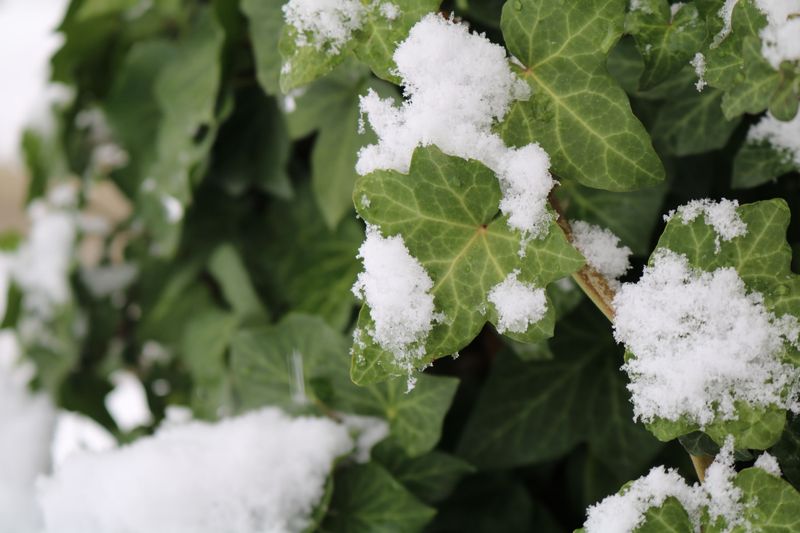
A Frost Advisory means lows between 33 and 36 degrees are expected, usually on clear and calm nights. The air may stay above freezing, but ice crystals can still form on leaves, car windows, and grass.
A Freeze Watch is the early heads-up. It means temperatures of 32 or lower are possible within the next 24 to 36 hours, though not certain yet.
A Freeze Warning is the serious one. It means widespread temperatures of 32 or below are expected, often for several hours. When forecasters mention readings under 28 degrees for a long stretch, that is called a hard freeze, and it can hurt even sturdier plants.
I like to think of it this way. An advisory says cover your tender stuff, a watch says get ready, and a warning says act today.
Each alert comes with its own to-do list. Knowing the difference helps you save time, energy, and maybe your whole pepper crop.
2. Grab the Old Bedsheets When a Frost Advisory Hits
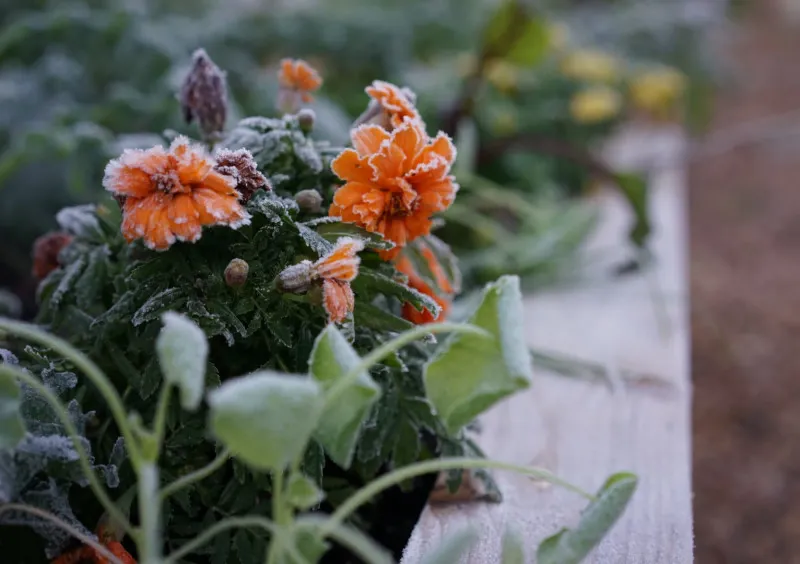
Old bedsheets finally earn their keep on frost advisory nights. A light cover is often all your tender plants need when lows hover in the mid-30s.
Frost cloth works best, but sheets, light blankets, and even towels do the job. The secret is letting the cover reach all the way to the ground. Soil releases stored warmth overnight, and a cover that touches the ground traps that heat around your plants.
Water your beds well during the day before the cold night. Moist soil holds heat better than dry soil, which gives roots a little extra comfort.
Potted plants are more exposed because their roots sit above ground in chilly air. Slide them into a garage, a shed, or snug against a south-facing wall.
Focus on the most sensitive plants first. Tomatoes, peppers, beans, squash, cucumbers, basil, and fresh flowers or buds are the usual worries.
In the morning, pull the covers off once temperatures climb above freezing. Leaving them on through a sunny day can trap too much heat. Shake off any frost, fold them up, and keep them handy, because one chilly night often brings a friend.
3. A Freeze Watch Is Your Signal to Gather Frost Cloths and Buckets
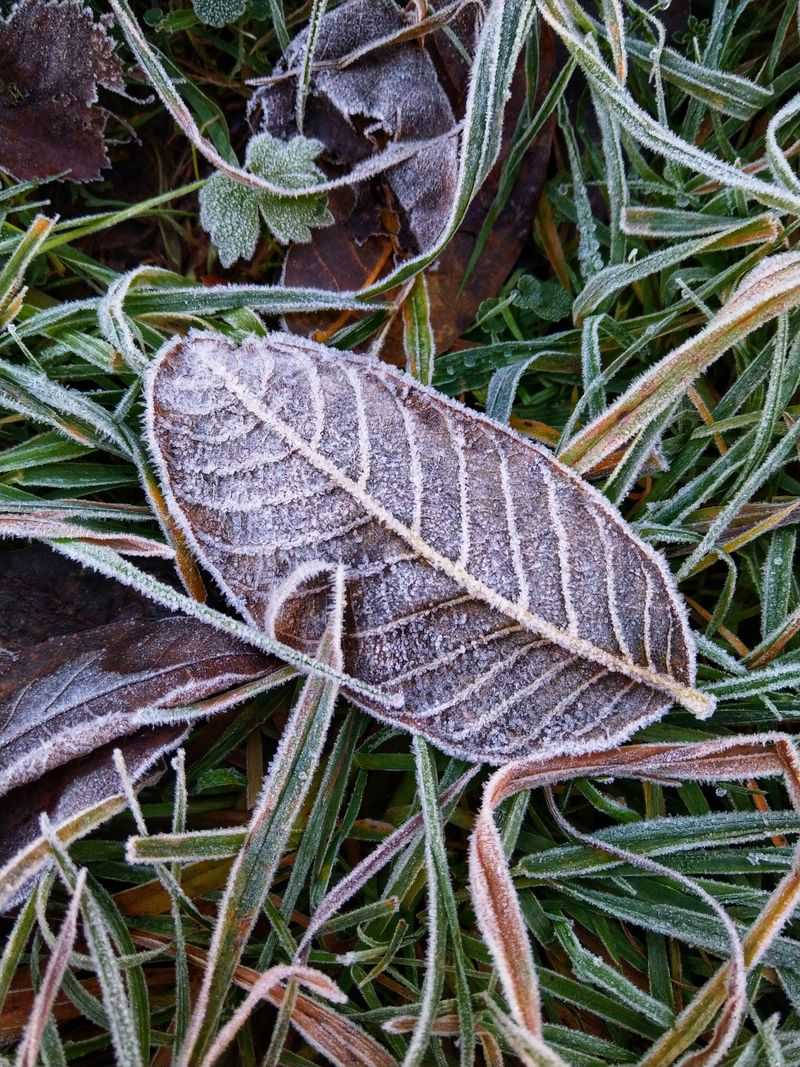
Think of a freeze watch as a friendly tap on the shoulder. Nothing is certain yet, but freezing temperatures are possible within a day or so.
Use this window to get organized instead of scrambling in the dark. Pile up frost cloths, sheets, blankets, and overturned buckets or pots near the garden. Clothespins, bricks, or rocks help hold covers in place when the wind picks up.
Plan where your potted plants will go. Clear a spot in the garage or near a bright window so moving day is quick.
A fresh layer of mulch around tender perennials and young shrubs helps too. A few inches of shredded leaves or pine straw insulates roots and softens swings in soil temperature.
Check the forecast often. Watches can be upgraded to warnings or dropped when conditions change.
I find watches are the perfect time to walk the garden with a notebook. Jot down which plants need covers, which need moving, and which can tough it out. Collards, kale, and spinach shrug off a light freeze, so they can wait at the bottom of the list.
4. Ripe Tomatoes and Peppers Should Come Indoors Before a Freeze Warning Night
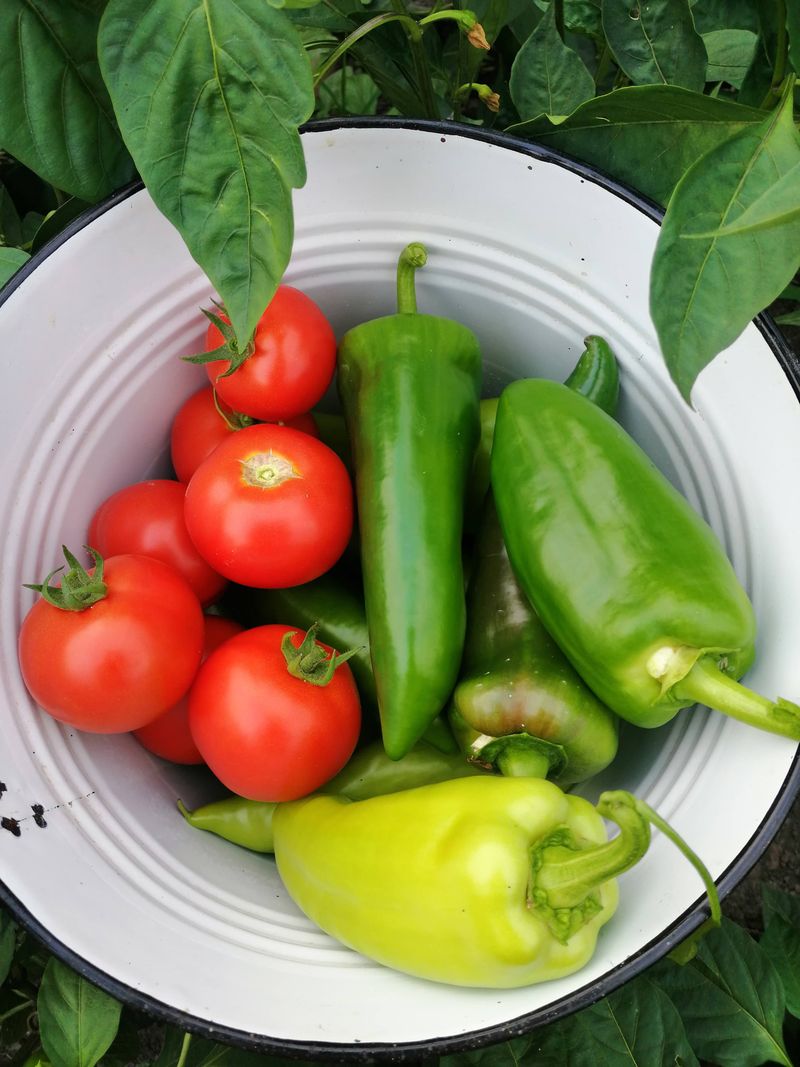
Nothing stings quite like finding mushy peppers the morning after a freeze. When a warning goes up, the most reliable move is simply picking what you can.
Warm-season crops handle 32 degrees poorly. Tomatoes, peppers, eggplant, okra, squash, cucumbers, beans, melons, and sweet potatoes often show damage after one freezing night.
Harvest ripe fruit first, then the larger green tomatoes. Green tomatoes with a little color change at the bottom can finish ripening on the counter in a cool spot.
Sweet potatoes deserve special attention. Dig them before a hard freeze, because cold soil can damage the roots and shorten their storage life.
After harvesting, cover the remaining plants with frost cloth or sheets that reach the ground. Skip plastic resting directly on leaves, since it can pass cold right through to the foliage. Bring every sensitive container plant inside, no exceptions.
Cool-season crops tell a different story. Broccoli, cabbage, lettuce, and peas manage brief dips into the upper 20s, while kale and collards handle even colder weather.
Many gardeners swear collards taste sweeter after a frosty night, and that matches what plenty of us notice at the table.
5. Garden Hoses and Outdoor Spigots Need Attention Too
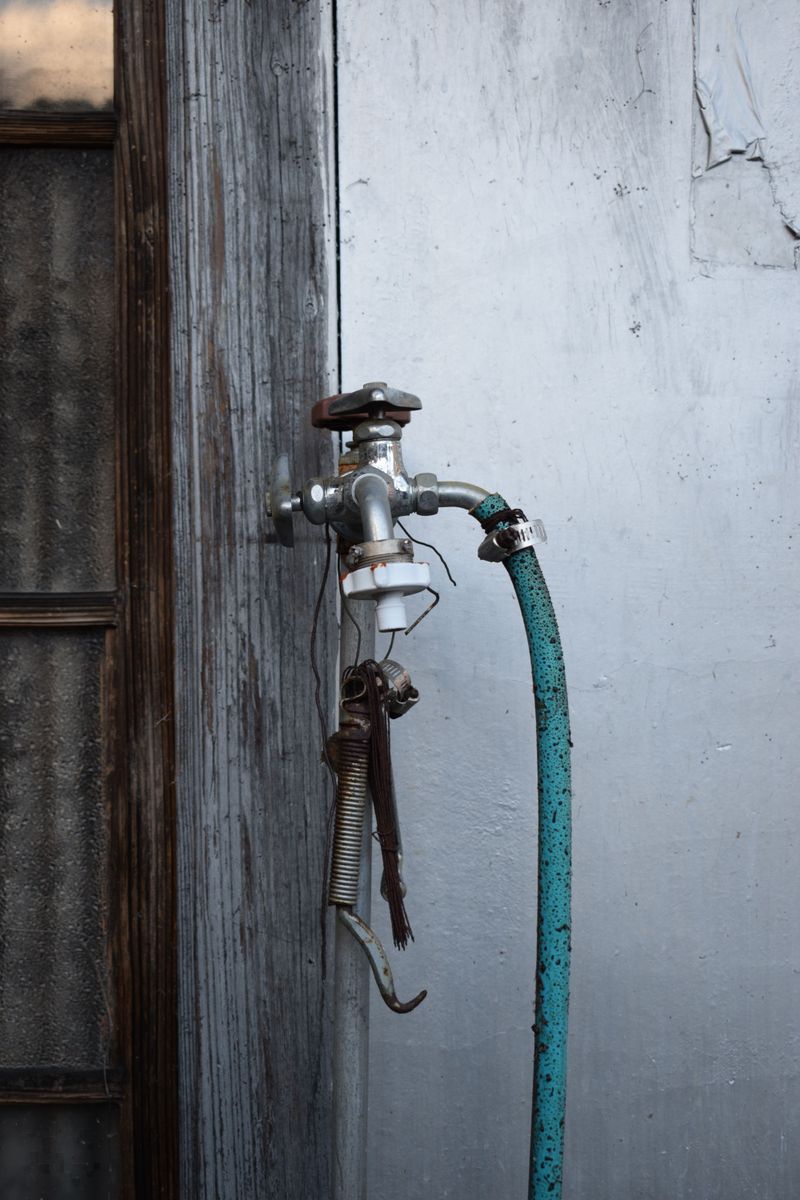
Plants get most of the attention, but your water lines can take a beating during a freeze. Water expands as it turns to ice, and that pressure can crack hoses, faucets, and pipes.
Start during a freeze watch. Disconnect garden hoses from outdoor spigots, drain them, and coil them in a garage or shed. A hose left attached can trap water inside the faucet and cause a split you might not notice until spring.
Slip a foam faucet cover over each outdoor spigot. A wrapped towel secured with tape works in a pinch. In-ground sprinkler systems are pricey to repair. Drain or winterize them before the first hard freeze, or call your installer if you are unsure how.
When a freeze warning arrives, open cabinet doors under sinks on outside walls. Let faucets on exterior walls drip slowly overnight so water keeps moving. Peek at pipes in crawl spaces, unheated basements, and garages too.
Rain barrels count here as well. Empty them or divert the downspout before temperatures plunge, since ice can bulge or crack the barrel. A few minutes of prep beats a soggy repair bill.
6. Mountain Gardens and Coastal Beds Get Frost on Different Schedules
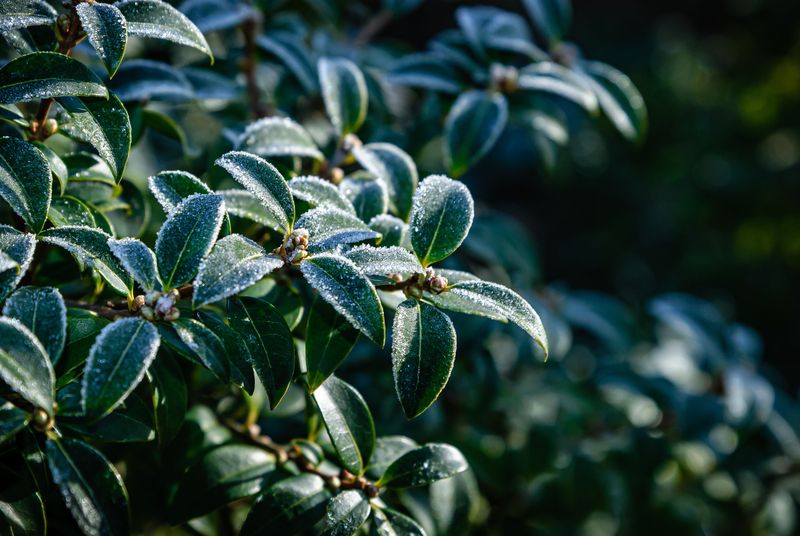
Geography plays a huge role in when these alerts show up. A gardener in Boone and a gardener in Wilmington can live weeks apart on the frost calendar.
West of the Blue Ridge, the growing season usually wraps up in mid-to-late October. East of the Blue Ridge, it typically runs into early November, and the coast often stays mild a bit longer.
Around Charlotte, the average last spring freeze lands near the end of March. The first fall freeze usually arrives in November, while frost advisories and freeze warnings tend to cluster in April and October.
Spring alerts can be the sneakiest. Fruit trees often bloom early in North Carolina, and a late cold snap can damage blossoms on peaches, apples, and blueberries.
Small spots in your own yard matter too. Cold air sinks into low areas, so plants at the bottom of a slope often frost first.
The North Carolina State Climate Office offers county maps of average first and last freeze dates. I recommend bookmarking your county and treating those dates as a rough guide, not a promise. Weather loves to break the averages.
7. Hold Off on Pruning Those Frost-Nipped Leaves
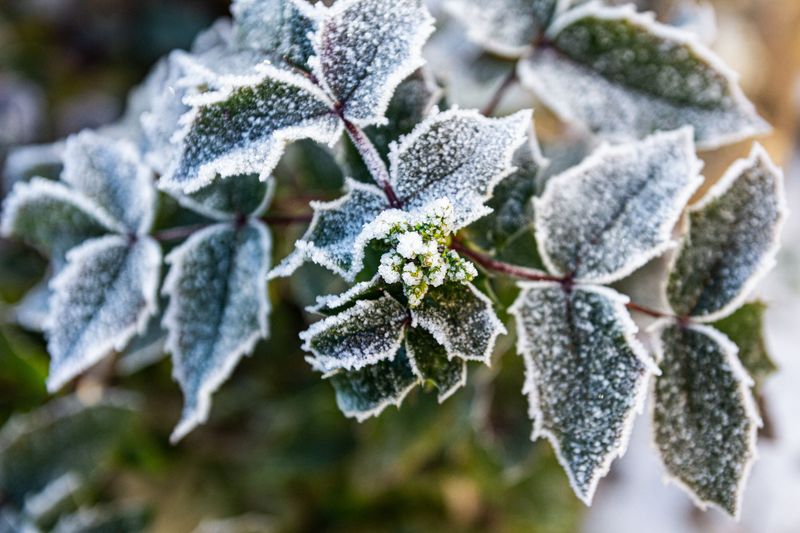
Patience feels hard the morning after a freeze. Brown, droopy leaves look awful, and the urge to grab the pruners is real.
Wait anyway. Damaged foliage acts like a blanket for the healthy tissue underneath, and it can shield buds from the next cold night.
Pruning too early can also wake a plant up. Fresh, tender shoots that pop out after a cut are easy targets for the next frost, which sets the plant back even more.
For shrubs and perennials, hold off until frost danger has passed in spring. By then, you can see which stems leaf out and which stay brittle.
A simple scratch test helps later on. Gently scrape a twig with your thumbnail. Green underneath means the stem is alive, while brown and dry means it is ready to trim. Annual vegetables are the exception.
Once tomatoes or basil turn black and mushy after a freeze, the season for those plants has ended. Pull them out and add them to the compost pile, as long as they show no disease. Then you can enjoy a bit of tidying with a clear conscience.
8. A Simple Cold Night Kit Keeps Your Garden Ready All Season
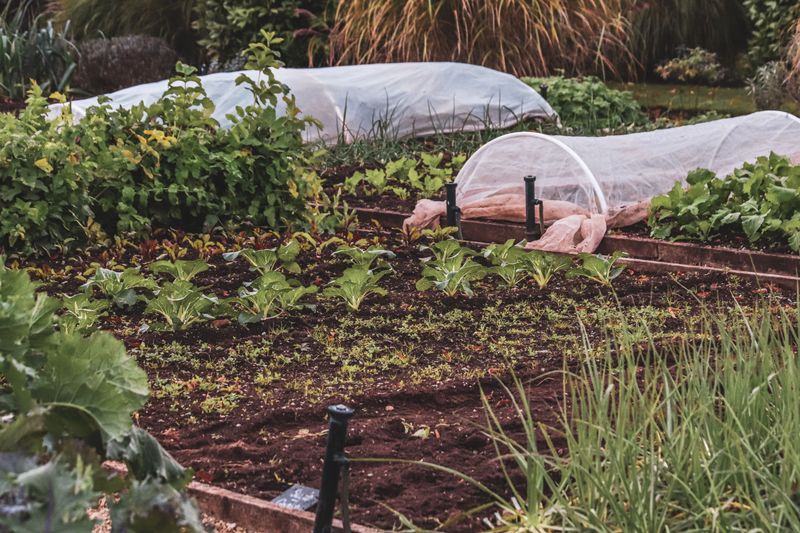
Here is my favorite takeaway from years of cold scares. Gardeners who keep supplies in one place handle alerts calmly.
Pack a bin with frost cloth, a few old sheets, clothespins, foam faucet covers, and an outdoor thermometer. Toss in garden gloves and a flashlight for those late evening runs outside.
Sign up for weather alerts on your phone so you hear about watches early. Pair that with your county freeze dates for a smart planning window. Plant timing is your best long-term defense.
Wait until frost danger passes before setting out tomatoes and peppers, and plant fall greens that handle chilly nights well. Kale, collards, spinach, and parsley make the cool months feel productive instead of nerve-wracking.
Group your container plants together during the season. Moving a cluster takes less time than chasing pots across the patio.
Keep a simple garden journal too. Write down the date of each frost, what you covered, and what came through fine. After a season or two, you will know your yard better than any forecast.
That knowledge turns every advisory, watch, and warning into a quick checklist instead of a panic.