The One Thing North Carolina Japanese Maples Need Before This Week’s First Freeze
Frozen soil can leave a tree thirsty even when the ground looks soaked. Roots simply cannot pull water from ice, so a tree can dry out in the middle of a wet winter.
That surprises a lot of gardeners in North Carolina, where the first freeze often arrives after a dry, sunny autumn. Fall is frequently one of the driest stretches of the year here, and thin, lacy leaves have already lost plenty of moisture by then.
I know how frustrating it can be to watch a prized tree leaf out in spring with crispy, brown branch tips. Most of us blame the cold itself, and the cold usually gets all the credit.
The real culprit often shows up weeks earlier, quietly, below the mulch line. The fix costs almost nothing, takes about an hour, and it happens with a tool you already own.
1. Those Japanese Maple Roots Are Thirstier Than They Look
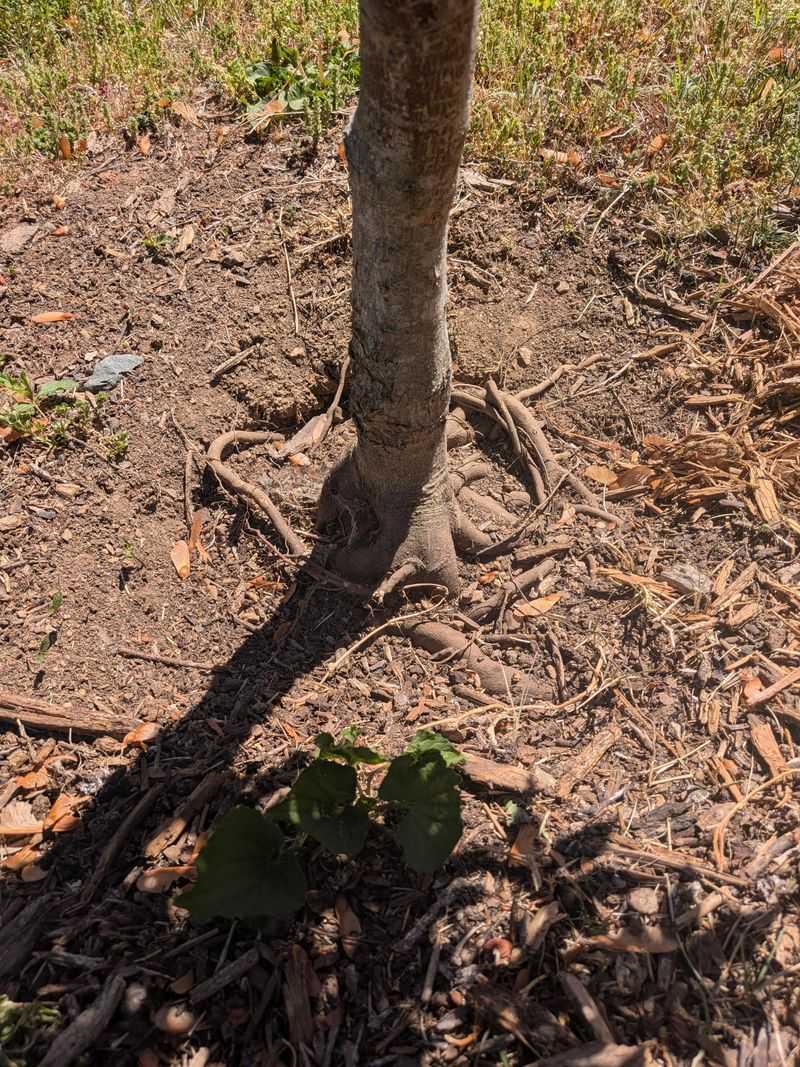
Leaves are falling, and the tree looks like it is shutting down for the year. Underground, though, a Japanese maple keeps working well into fall.
Roots continue to grow as long as soil temperatures stay above roughly 40 degrees. In much of the Piedmont and coastal plain, that can last deep into December. Those busy roots still need moisture to stay healthy.
Autumn in the Southeast is often dry. A few warm, breezy weeks with little rain can pull the top several inches of soil bone dry, even under a tree that looks fine.
Here’s something you might not expect. Japanese maples have fairly shallow, fibrous root systems, so they feel dry spells faster than deep-rooted oaks nearby.
When a freeze hits soil that is already parched, the tree enters winter with low reserves. Bark and twigs keep losing a little water on sunny, windy days all season long.
With frozen or cold, dry soil, the roots cannot refill what is lost. That slow drain is called winter desiccation, and it explains a lot of spring twig damage.
So before you worry about blankets or covers, check the ground. Push a finger or a screwdriver a few inches down near the drip line and see how it feels.
2. A Slow, Deep Soak Is the Best Gift Before the Freeze
My favorite pre-freeze chore takes almost no effort. Set a hose at a slow trickle near your Japanese maple and let it run.
The goal is moisture that reaches eight to twelve inches deep, where most feeder roots live. A quick spray from a nozzle only wets the surface and runs off.
A good rule from many extension sources is about ten gallons per inch of trunk diameter for established trees. Younger trees need less volume but more frequent checks.
Move the hose around the tree in a few spots. Water out toward the drip line, the edge of the canopy, rather than only against the trunk.
Timing matters too. Water a day or two before the cold arrives, and do it in the morning or early afternoon so the surface is not icy overnight.
Moist soil also stores and releases heat better than dry soil. That small buffer can help protect roots during a hard night in the low twenties.
Skip this step if the ground is already soggy from recent rain. Too much water in heavy clay can starve roots of oxygen, which causes its own troubles. One slow soak, done right, gives your tree a full tank for winter.
3. Spread a Mulch Blanket Under Your Maple Canopy
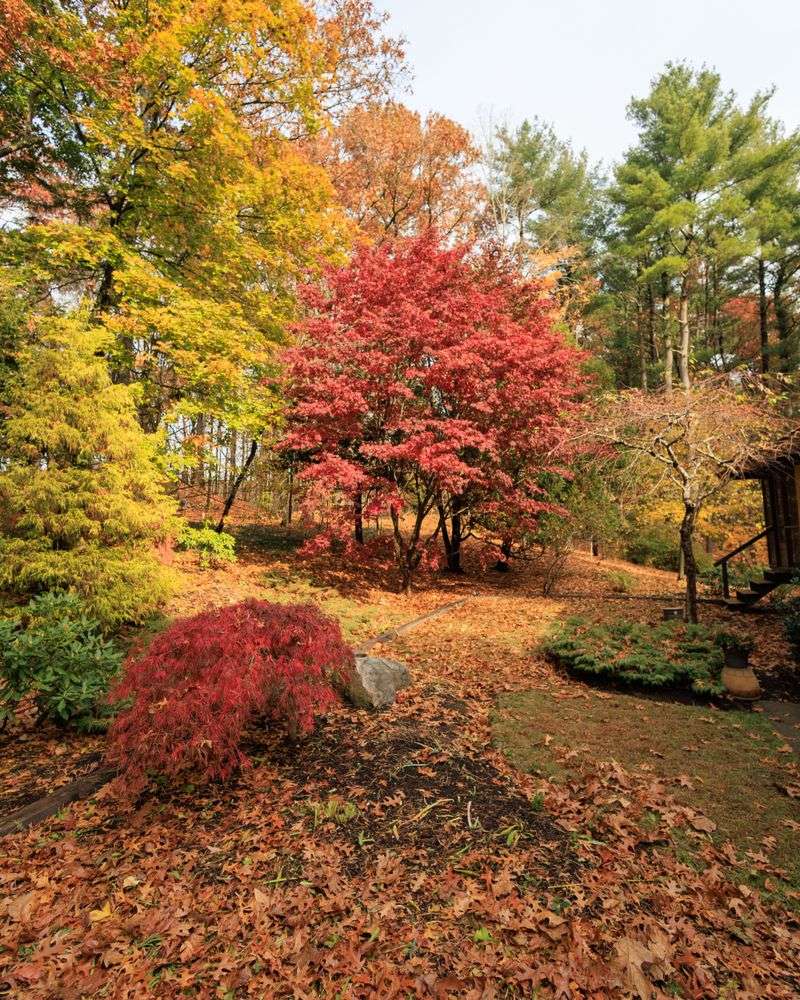
Water goes in first, and mulch goes on second. Together they make a team that keeps roots steady through cold snaps.
A layer of two to three inches of shredded bark, pine straw, or wood chips works well. Pine straw is a classic choice across the Carolinas, and it is easy to find each fall.
Mulch slows evaporation, so the water you just added stays in the root zone longer. It also evens out soil temperature swings between sunny afternoons and frosty nights.
Those swings matter. Repeated freezing and thawing can heave shallow roots and loosen young plantings in heavy clay soils.
Spread the mulch out wide, ideally to the drip line. A small donut hugging the trunk does very little for the roots that need it most.
Keep the mulch pulled back two or three inches from the bark itself. Volcano mulching, the big pile against the trunk, invites rot, rodents, and girdling roots.
Fallen leaves from the maple can help too. Shred them with a mower and tuck them under your mulch for a free, slow-feeding layer. Think of it as a cozy comforter rather than a heavy coat.
4. Potted and Newly Planted Japanese Maples Need Extra Care
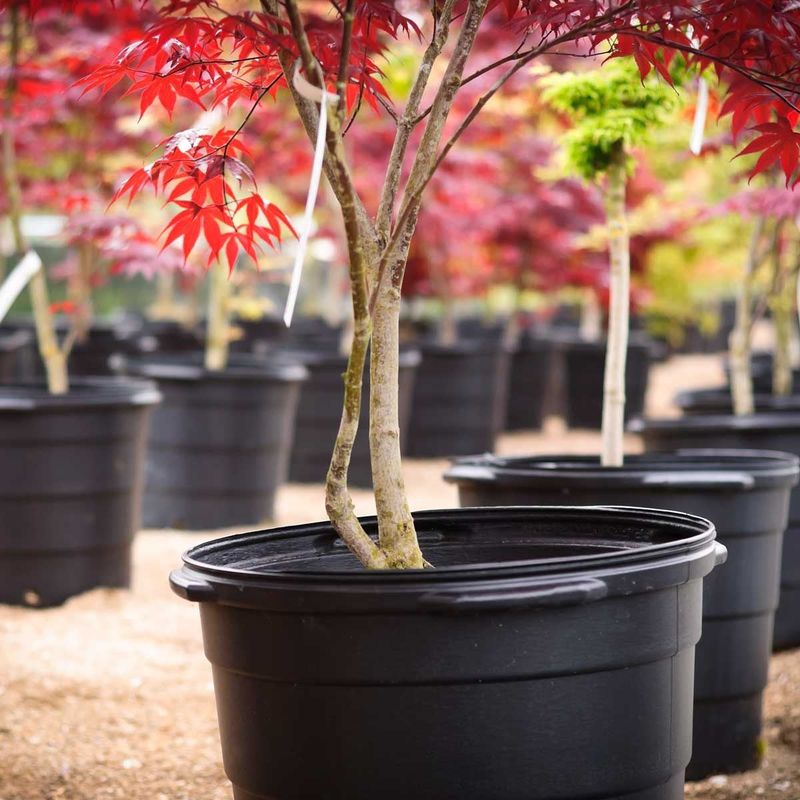
A maple in a pot lives a tougher winter than one in the ground. Its roots sit above soil level, with only a thin wall of plastic or clay between them and the cold air.
Roots are much less cold hardy than branches. Many Japanese maple roots can suffer damage somewhere in the low to mid twenties, while the tops handle far colder.
Water container trees well before the freeze. Damp potting mix holds warmth better, and dry mix can freeze harder and faster.
Group pots together against a house wall, or slide them into an unheated garage or shed during the coldest nights. Bring them back out once the snap passes, since they still need a winter chill.
Heavy pots that cannot move can be wrapped in burlap, old blankets, or bubble wrap. Mounding mulch or leaves around the base also helps.
Trees planted within the last year or two deserve similar attention. Their roots have not spread far, so they dry out quickly and lean heavily on you for water.
Check these youngsters every couple of weeks through winter. During dry, mild stretches, give them another slow drink.
5. Put the Fertilizer Bag Away Until Spring Buds Swell
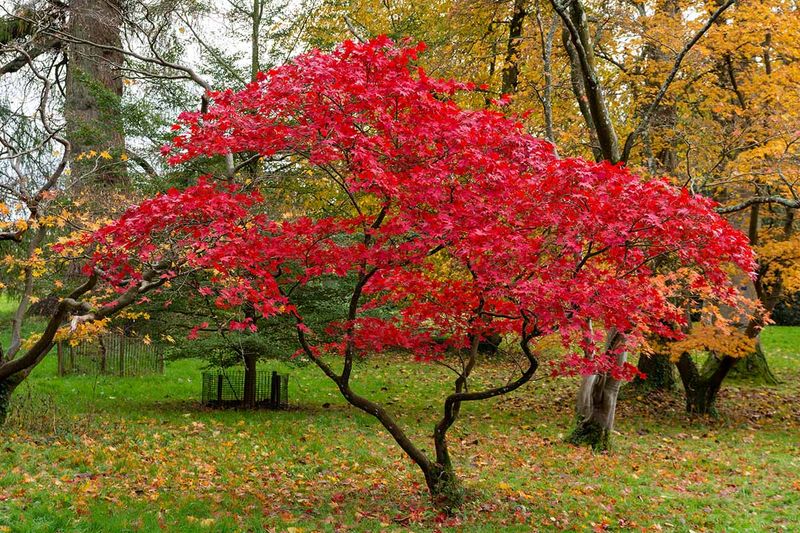
Feeding a tree right before winter feels generous. For Japanese maples, it is mostly the wrong kind of kindness.
Quick-release nitrogen in late fall can nudge a tree to push soft new growth. That fresh tissue has no time to harden off, and the first freeze can scorch it.
Japanese maples are also light feeders by nature. Many growers say established trees in decent soil need little or no fertilizer at all.
Too much feeding can cause long, floppy shoots and weaker fall color. Leaf scorch can show up in summer too, especially in our hot, humid weather.
If a soil test shows a real need, wait until early spring. Apply a slow-release product around the time buds begin to swell, following label rates.
Your local N.C. Cooperative Extension office offers soil testing through the state lab. It is an easy way to learn what your yard actually lacks before buying anything.
For now, compost or shredded leaves under the mulch are plenty. They break down slowly and feed soil life without forcing tender shoots. Patience pays off here. A rested tree uses stored energy to produce a beautiful spring flush.
6. Hold Off on Big Japanese Maple Pruning Cuts for Now
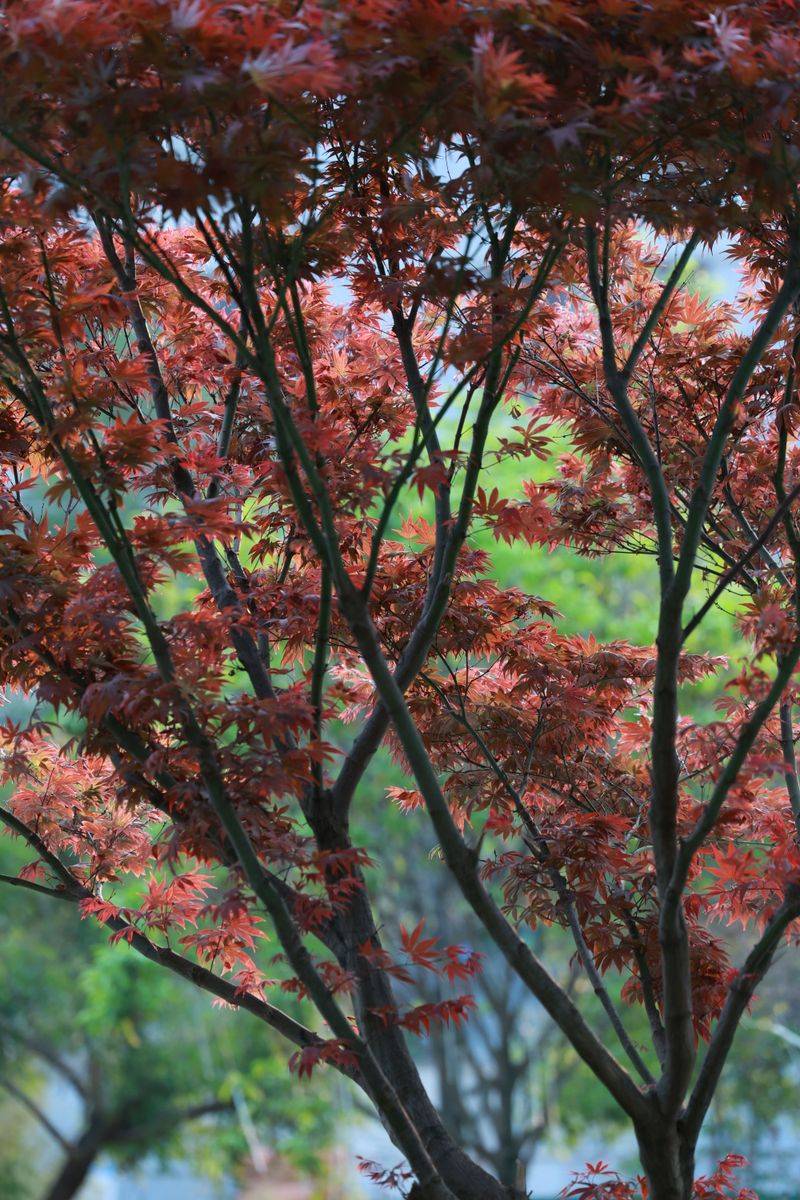
Bare branches make the shape of a maple easy to see. That view often tempts gardeners to grab the loppers in late fall.
Major pruning right before a freeze adds stress at a bad moment. Fresh wounds have little time to start sealing, and cold can damage tissue around large cuts.
Small fixes are fine anytime. Snip out broken, diseased, or rubbing twigs with clean, sharp pruners.
Save structural shaping for later. Many experts suggest midwinter to late winter, when the tree is fully dormant and you can still see every branch clearly.
Japanese maples bleed sap if cut as spring approaches. The sap flow looks dramatic, though it rarely harms the tree.
A fun bit of history: gardeners in Japan have bred and shaped these trees for centuries. Hundreds of named cultivars exist, from weeping laceleaf types to upright red forms.
That long tradition favors light, thoughtful cuts over heavy chopping. Remove no more than about a fifth of the canopy in a year.
Set a reminder for January or February. Your tree, and your future self, will thank you for waiting.
7. Keep Checking Soil Moisture Under Your Maple All Winter
One deep watering before the freeze is the big win. A little follow-up through winter makes it last.
Winters across the state rarely stay frozen for long. The mountains see longer cold spells, while the Piedmont and coast often swing back to mild days within a week.
During dry, sunny, windy stretches, soil can dry out again by January. When temperatures rise above 40 degrees and the ground is not frozen, give the tree another slow soak.
A simple monthly check is enough. Pull back the mulch and feel the soil a few inches down. Watch for spring clues too. Brown, crispy twig tips or scorched new leaves often point back to winter drought rather than cold alone.
Late spring frosts can also nip early leaves on some cultivars. Keep a light sheet handy to drape over small trees on those nights, removing it the next morning.
Disconnect hoses once you finish each watering so faucets do not freeze. Drain them and store them somewhere handy.
A watered, mulched, unfertilized, lightly pruned maple heads into winter in great shape. Come April, those first unfolding leaves will show the difference.