Why North Carolina Gardeners Should Cut Back Tropical Milkweed After the First Frost
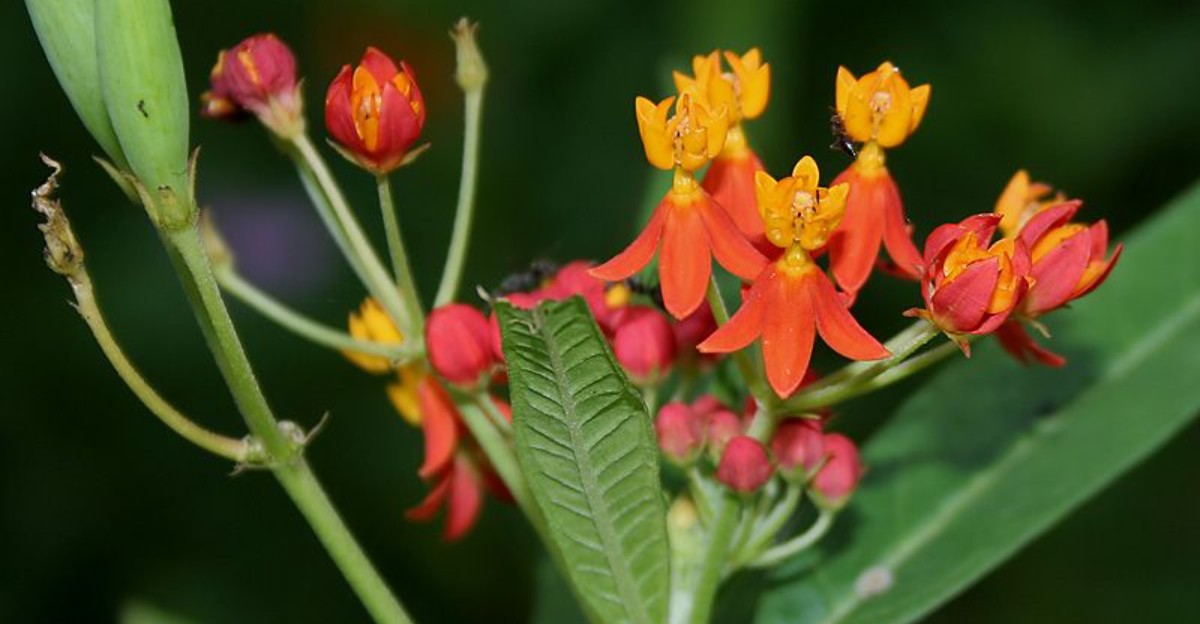
A butterfly-feeding garden plant can turn into a winter hangout for a parasite that rides on monarch wings. That surprised me the first time I read the research.
The parasite is a tiny protozoan called OE. Its spores cling to leaves, and hungry caterpillars swallow them with every bite. Infected adults can come out weak, small, or with crumpled wings.
Here in North Carolina, one popular orange-and-red bloomer keeps growing long after our native cousins go quiet for the year. Mild fall weather near the coast can stretch its season even further. I tend to think most of us plant it with nothing but good intentions.
So what should you do when that first frosty morning finally shows up? The answer is simpler than you might expect, and your pruners are already in the shed. It might be the kindest favor you give the monarchs all year.
1. That Leafy Orange Milkweed Hides a Problem Monarchs Can’t See
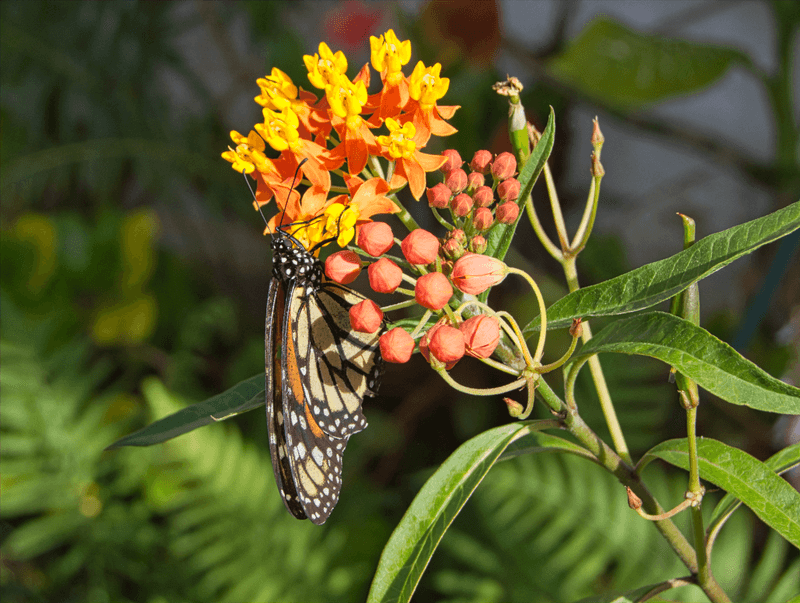
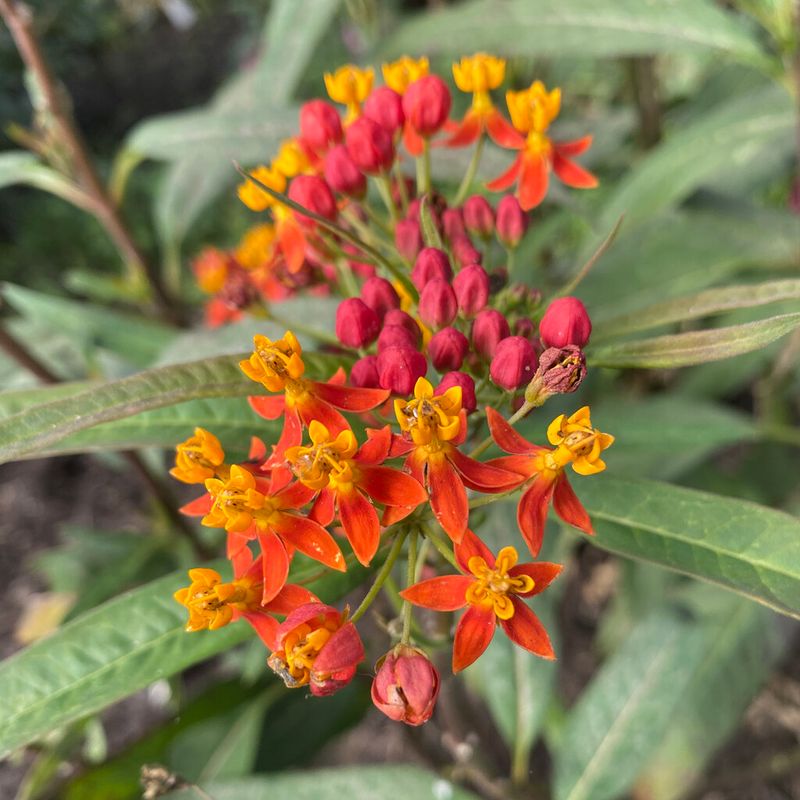
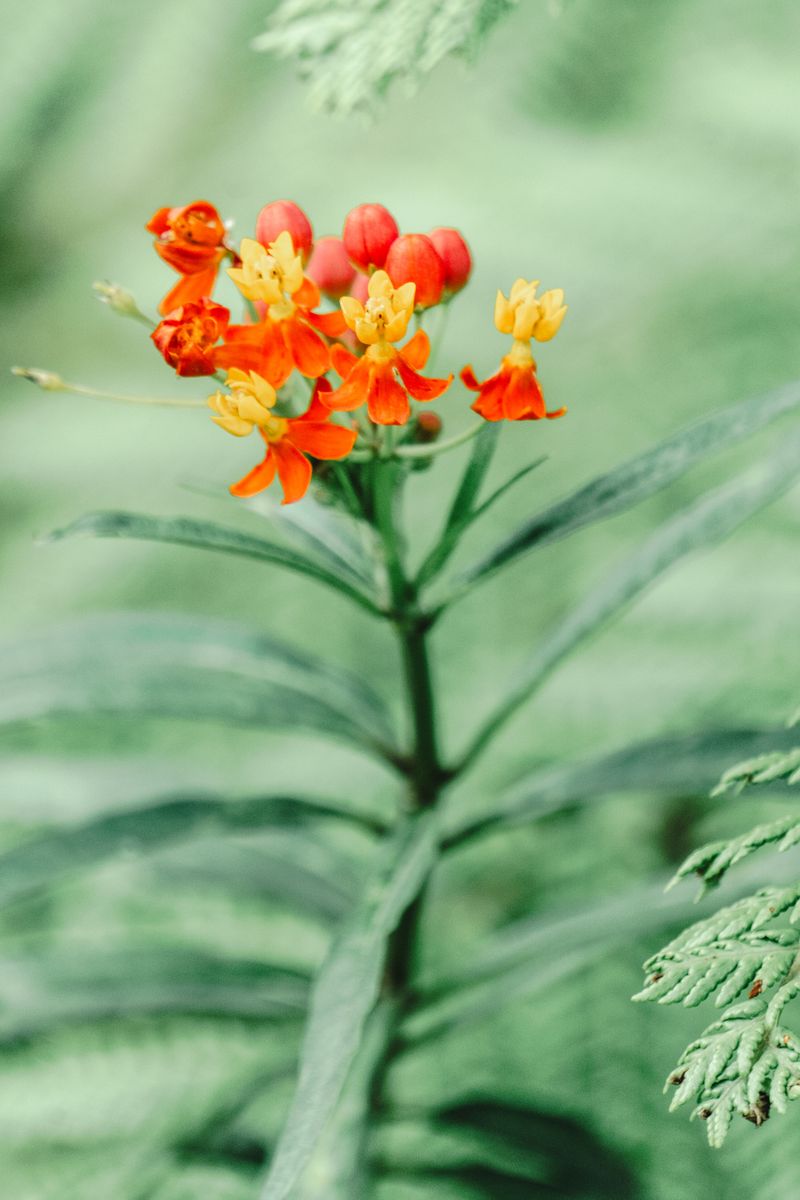
Tropical milkweed, or Asclepias curassavica, is one of the showiest plants a butterfly lover can grow. Its red and gold flowers look like tiny crowns, and monarchs adore them.
The trouble starts with its stamina. This plant comes from warm parts of the Americas, so it does not slow down in fall the way our native milkweeds do. Green leaves can hang on well into cool weather, especially in sheltered yards.
Those lingering leaves give a parasite called Ophryocystis elektroscirrha, or OE, a place to wait. Infected adult monarchs shed microscopic spores from their scales when they land to lay eggs or sip nectar.
The spores stay on the foliage until a caterpillar eats them. Native milkweeds help reset this cycle naturally. Their tops wither in fall, the old leaves drop, and fresh, clean growth appears in spring.
Researchers at the University of Georgia and groups like the Xerces Society have linked year-round tropical milkweed to higher OE infection rates in monarchs.
You cannot see OE with your eyes, which is what makes it so sneaky. A plant can look perfectly healthy while carrying a heavy spore load. That hidden risk is the main reason a fall trim matters so much.
2. A Hard Frost Is Your Cue to Grab the Pruners
Frost works like a natural alarm clock in the garden. When those first icy crystals coat your plants, it signals that the growing season is winding down for many tender species.
Across much of the state, the first fall freeze arrives somewhere between mid-October and mid-November. Mountain gardens usually see it first, the Piedmont follows, and the coast often waits the longest.
Your local weather records or county Extension office can give you a closer date for your area. By the time frost shows up, most migrating monarchs have already moved south through the Carolinas.
Peak travel usually happens from September through October. A few late fliers may still pass by, but cutting back now mostly protects next year’s butterflies.
The goal is to copy what native milkweed does on its own. Once frost nips the leaves, tropical milkweed often looks a bit tired anyway, with droopy or blackened tips. That makes it an easy time to clean it up without feeling guilty.
I like to wait for a dry afternoon after the frost. Damp stems are slippery, and working in mild weather makes the job far more pleasant. A quick cleanup takes only a few minutes per plant.
3. Cut Tropical Milkweed Stems Down to About Six Inches
A little math goes a long way with this chore. Experts at the Xerces Society and Monarch Joint Venture suggest cutting tropical milkweed back to roughly 6 inches above the soil.
Shorter stems mean fewer leaves for OE spores to sit on through winter. Some gardeners trim to 6 to 10 inches, which still works well. The key is removing nearly all the old foliage.
Use clean, sharp bypass pruners for smooth cuts. Wiping the blades with rubbing alcohol before and after helps keep your tools tidy. Make each cut just above a leaf node if you can spot one.
Bag the clippings instead of tossing them on the compost pile. Leaves carrying spores can blow around or end up back in your beds next spring. Putting them out with yard waste is a simple fix.
In spring, any plants that survived winter will push out fresh, spore-free shoots. Those clean leaves give the first monarch caterpillars of the season a healthier meal.
If your plant does not return, that is fine too, since many gardeners treat it as an annual here. Repeat the trim every fall to keep things in good shape.
4. Monarch Caterpillars Pick Up Parasite Spores From Old Leaves
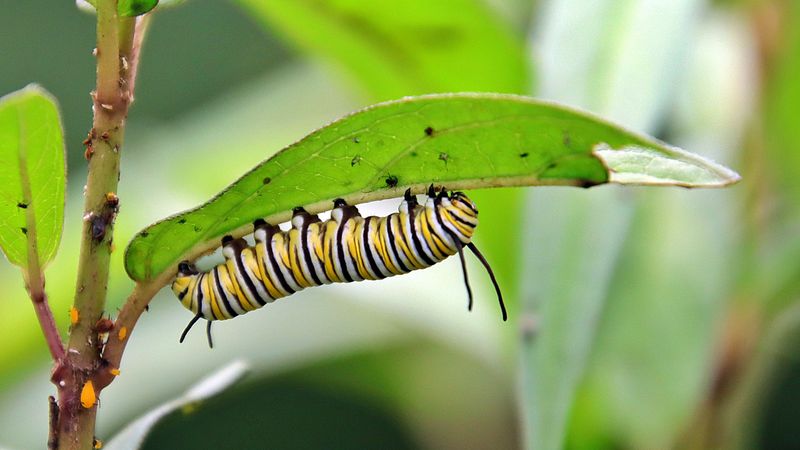
Ever watched a monarch caterpillar munch? These striped eaters can strip a leaf in minutes, which is wonderful until those leaves are carrying OE spores.
Caterpillars swallow the spores while feeding. The parasite then multiplies inside the young insect as it grows and forms its chrysalis. By the time the butterfly emerges, new spores cover its body and wings.
Heavily infected monarchs often struggle to break free from the chrysalis. Some come out with crumpled wings that cannot open properly. Others look normal but are smaller, live shorter lives, and fly weaker than healthy butterflies.
Research from the University of Georgia’s Project Monarch Health has tracked these effects for years.
Scientists found that monarchs with high OE levels tend to have lower body mass and less mating success. For a butterfly facing a long flight, those losses add up.
Fun fact for curious kids and grown-ups alike: OE spores are smaller than a grain of pollen. A single infected butterfly can leave thousands of them behind on one plant.
Cutting back old stems breaks this chain. Fewer contaminated leaves mean fewer spores reaching the next round of hungry caterpillars.
5. Year-Round Milkweed Can Confuse Migrating Monarch Butterflies
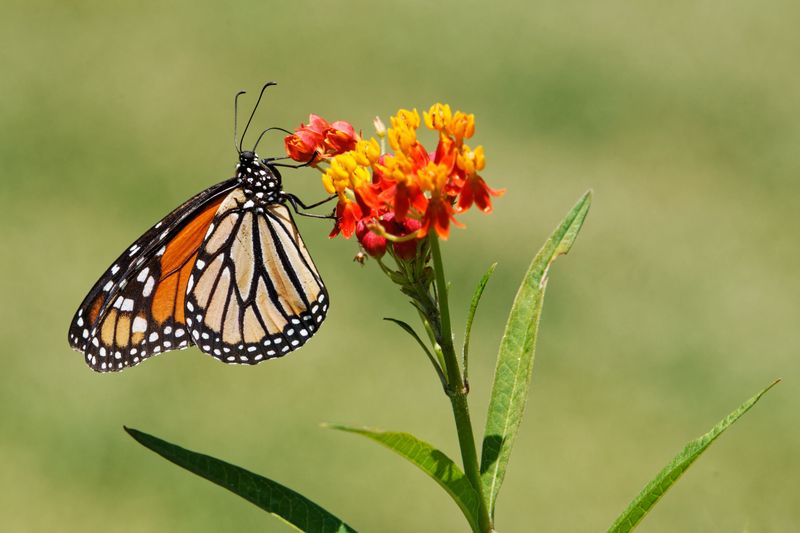
Monarchs born in late summer are special. Instead of breeding right away, most of them enter a state called reproductive diapause, which pauses egg-laying and saves energy for the trip to Mexico.
Shorter days, cooler nights, and aging milkweed help trigger that pause. Fresh, tender milkweed in late fall sends a mixed message. Some scientists suspect it may nudge a few butterflies to keep breeding instead of heading south.
This idea has strong support along the Gulf Coast and in Florida, where winter-breeding monarch groups now live year-round.
Those resident butterflies show much higher OE infection rates than migrating ones. Researchers are still studying how much tropical milkweed contributes in cooler states.
For most of our gardens, the bigger concern is the parasite rather than migration confusion. Still, trimming plants back removes any tempting late-season egg-laying spots. It keeps your yard in step with the natural fall rhythm.
I find it oddly comforting to know that a pair of pruners can support such an epic journey. Monarchs from the eastern U.S. may fly more than 2,000 miles to reach their mountain forests in Mexico. Every healthy traveler counts.
6. Coastal Gardens Need Extra Attention in Mild Winters
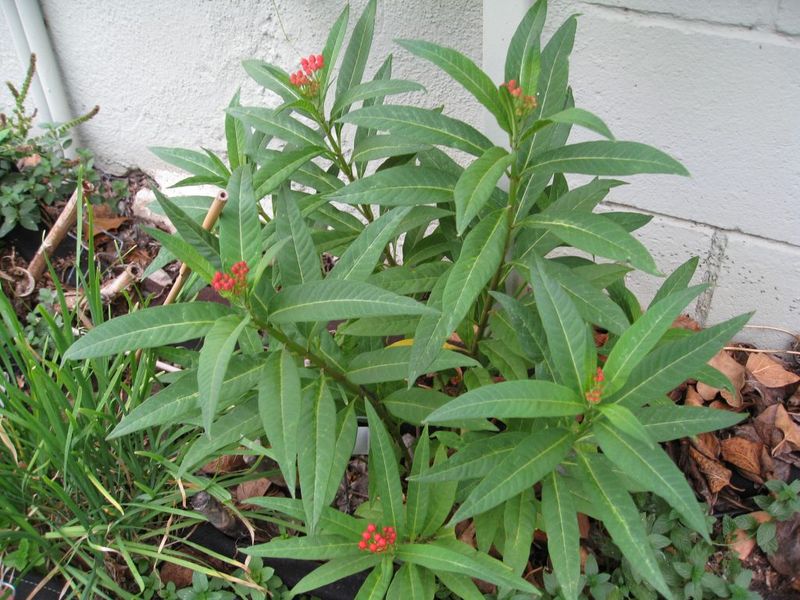
Gardeners near Wilmington or the Outer Banks know winter can feel more like a long autumn. Mild temperatures there sometimes let tropical milkweed stay green right through the cold months.
That is where trimming matters most. A light frost may only singe the leaf tips while the rest of the plant keeps growing. Without a hard freeze, those leaves can hold spores until spring.
Up in the mountains, the story changes. Hard freezes usually knock tropical milkweed to the ground, doing much of the cleanup for you. Piedmont gardens fall somewhere in between, so check your plants after each cold snap.
If yours still looks lush in December or January, cut it back anyway. The Xerces Society recommends trimming tropical milkweed in mild southern areas from October through February.
Keep checking, since stubborn plants may sprout new leaves during a warm spell. Potted plants deserve a quick look too.
Containers on a sunny porch or near a warm wall can stay surprisingly green. Trim them the same way, or move them indoors as a houseplant away from butterflies.
A short winter walk through the yard can catch problems early. Your monarchs will thank you come spring.
7. Seed Pods and Milky Sap Deserve a Careful Hand
Snap a milkweed stem and you will see where the plant gets its name. A sticky white sap oozes out right away.
That sap contains cardenolides, the same compounds that make monarchs taste bad to birds. It can irritate skin and is especially rough on eyes. Wear gloves, keep your hands away from your face, and wash up when you finish.
Protective glasses are a smart idea if you are cutting lots of stems. Gardeners have reported painful eye irritation after accidentally rubbing their eyes with sappy fingers. A little caution saves a trip to the doctor.
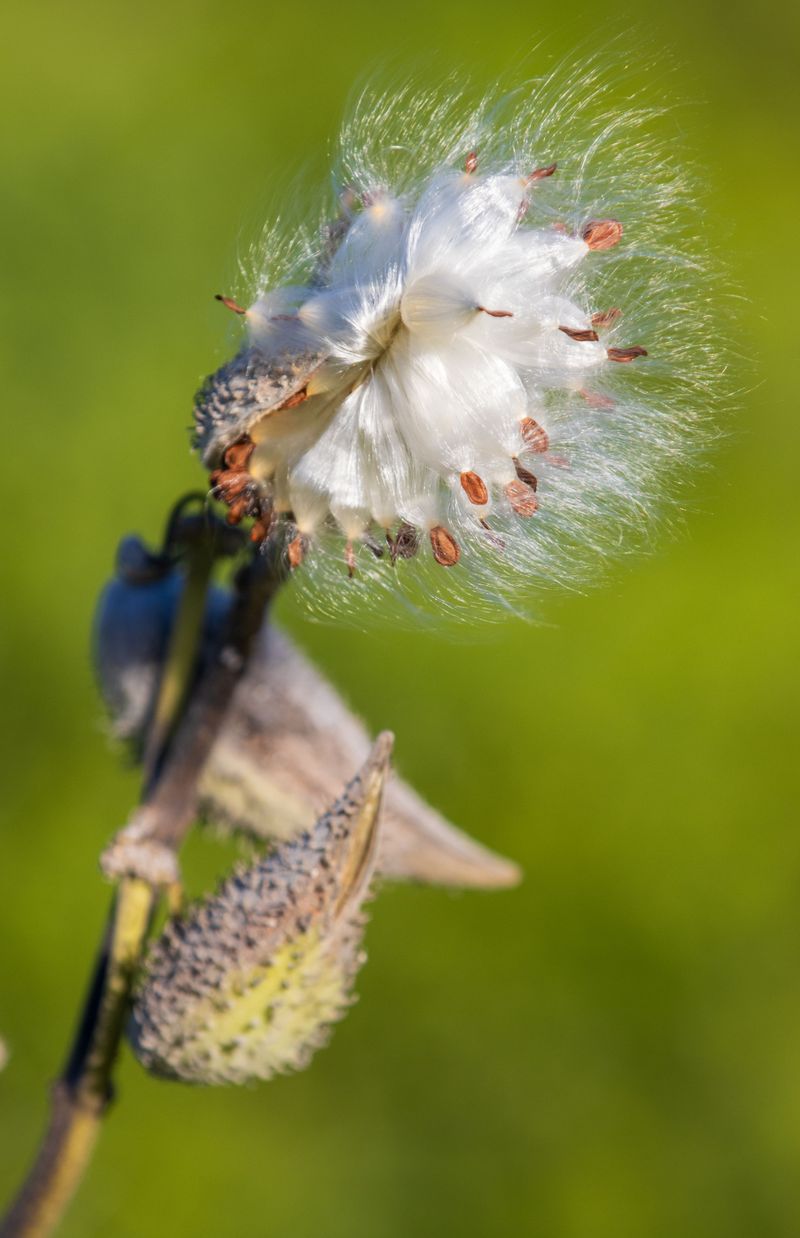
Fall is also seed pod season. Tropical milkweed forms slim pods that split open and release silky, fluffy seeds on the breeze. Those seeds can sprout in places you did not plan for.
Snip pods off while you trim and bag them with the clippings. Some gardeners slip a small mesh bag over pods earlier in the season to catch seeds before they fly. That keeps this nonnative plant from spreading into nearby fields.
Keep pets and small children away from the clippings too. Milkweed can upset the stomach if chewed, so tidy cleanup is the safest route.
8. Native Milkweeds Like Butterfly Weed Make the Switch Easy
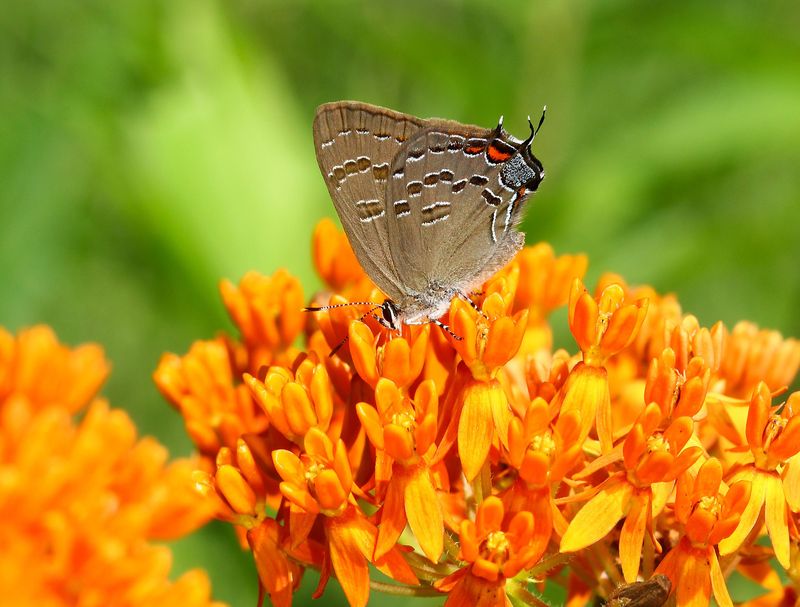
Swapping to natives might be the most satisfying garden change you make this year. North Carolina has several milkweeds that fit our seasons perfectly.
Butterfly weed, Asclepias tuberosa, is a sunny orange star for dry, well-drained spots. Swamp milkweed, Asclepias incarnata, loves moist soil and shows off pink blooms.
Common milkweed, Asclepias syriaca, does well in the Piedmont and mountains but spreads by roots, so give it room.
All three go quiet in fall on their own. Their leaves fade and drop, which naturally clears away old spores. Fresh shoots appear in spring right when monarchs return.
The North Carolina Native Plant Society and NC State Extension both suggest native milkweeds for pollinator gardens.
Many local nurseries and native plant sales carry them each spring. Seeds often need a cold period before they sprout, so fall sowing works nicely.
Pair your milkweed with late bloomers like asters and goldenrod. Migrating monarchs need plenty of nectar to fuel their trip south. A yard full of fall flowers becomes a welcome rest stop.
Keep trimming any tropical milkweed you already have after frost. Little by little, your garden can become a healthier home for monarchs.