How Georgia Gardeners Prune Fig Trees After Leaf Drop For More Fruit Next Year
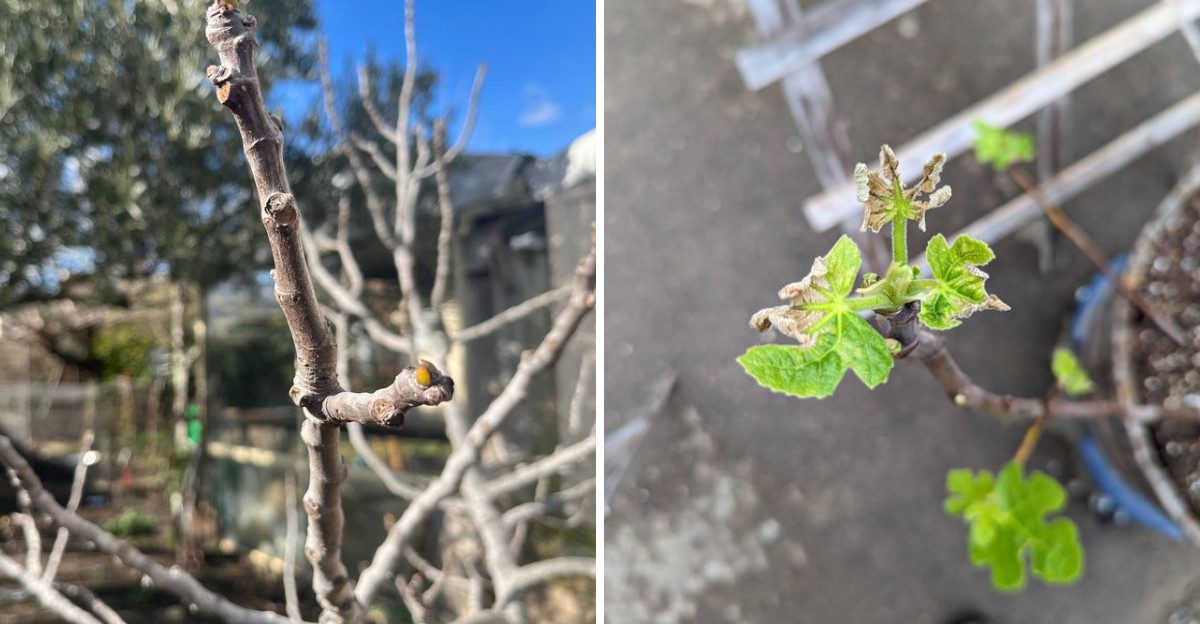
One tree in a Southern backyard can produce two separate crops in a single year. The first ripens on old branches in early summer.
The second, and usually the bigger one, forms on shoots that do not even exist yet.
That second detail changes everything about winter chores. Every cut you make in the cold months shapes where those future shoots appear and how many of them grow.
I like how a bare tree shows its whole skeleton once the last big leaves hit the ground.
Here in Georgia, those bare branches tempt plenty of gardeners to grab the loppers right away. I get it, because a naked tree looks like an open invitation.
I learned the hard way that rushing in can backfire. A few weeks of patience can mean a fuller basket in August.
Knowing when to make those cuts and which branches to leave alone can make a real difference in next summer’s harvest.
1. Those Bare Fig Branches Are Hiding Next Summer’s Main Crop
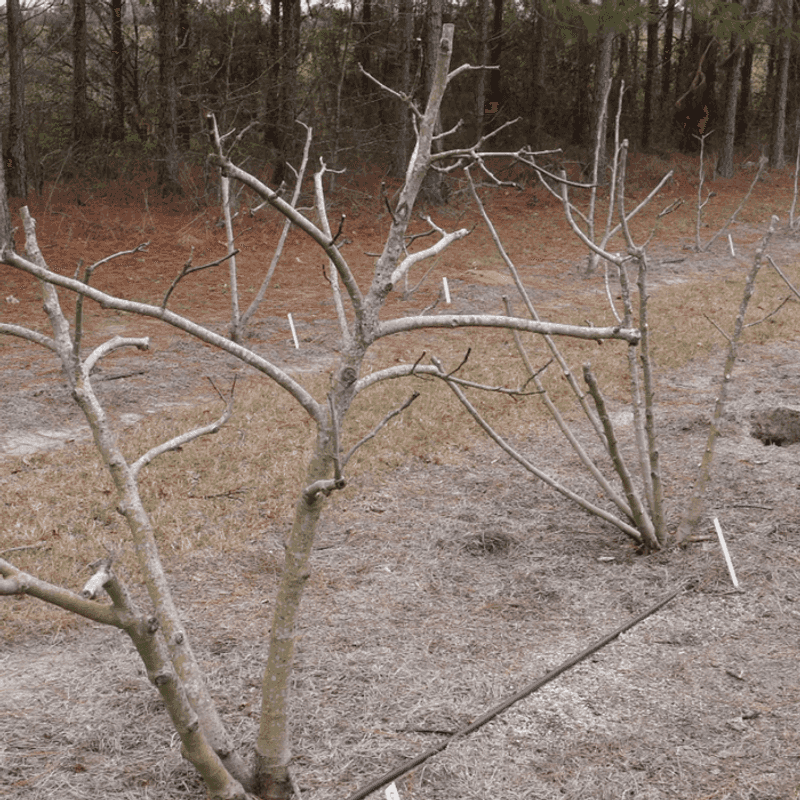
Fig trees play a sneaky little trick on us. Most varieties grown in the South set two kinds of fruit, and they grow in very different places on the tree.
The early crop, called the breba crop, forms on last year’s wood and ripens in early summer. The main crop, which is usually much larger and sweeter, forms on brand new shoots that grow during spring and summer.
Popular backyard picks like Celeste and Brown Turkey lean heavily on that main crop.
So what does that mean for you with pruners in hand? Cutting back older branches in winter can remove some breba figs.
It can also push the tree to send out fresh, healthy shoots where the main crop will form.
I find that once you see the tree this way, the whole job makes more sense. You are not just trimming a tree.
You are deciding where next year’s fruit will hang.
Take a slow walk around your bare tree before cutting anything. Notice the fat buds at the branch tips and the overall shape.
A few minutes of looking now helps you avoid hasty cuts later.
2. Late Winter Beats Leaf Drop for Big Fig Pruning Cuts
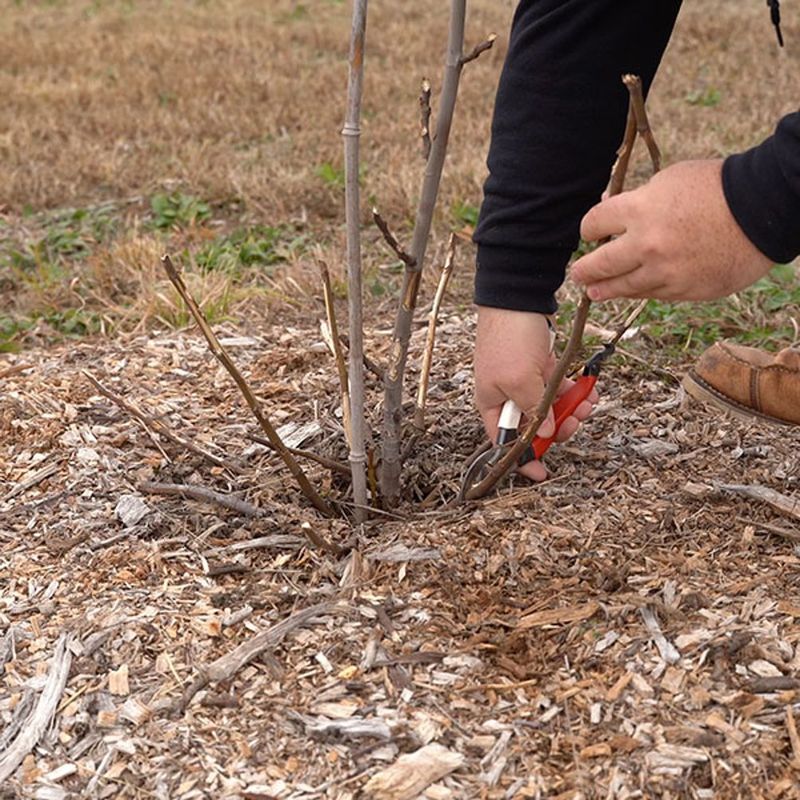
Patience pays off with figs. Leaf drop in late fall tells you the tree is going dormant, but University of Georgia Extension advice points to late winter as the best time for real pruning.
Why wait? Cuts made in late fall or early winter can leave tender tissue open to cold injury.
A sudden hard freeze after an early pruning job may damage the very branches you just shaped.
For most of Georgia, the sweet spot lands around February to early March, just before new growth starts. In South Georgia, you can often work a little earlier.
Gardeners in the mountains and upper Piedmont usually do better waiting until the worst freezes seem to be over.
Right after leaf drop, light tidying is fine. Snapping off a broken branch from a storm or clearing a limb that blocks a walkway will not hurt much.
Save the shaping, shortening, and thinning for later.
I like to mark my calendar for a mild, dry afternoon in February. Dry wood is easier to cut cleanly, and the buds are easy to spot before they swell.
Your future self, holding a bowl of ripe figs, will thank you.
3. Start Your Fig Cleanup With Broken and Frost-Damaged Wood
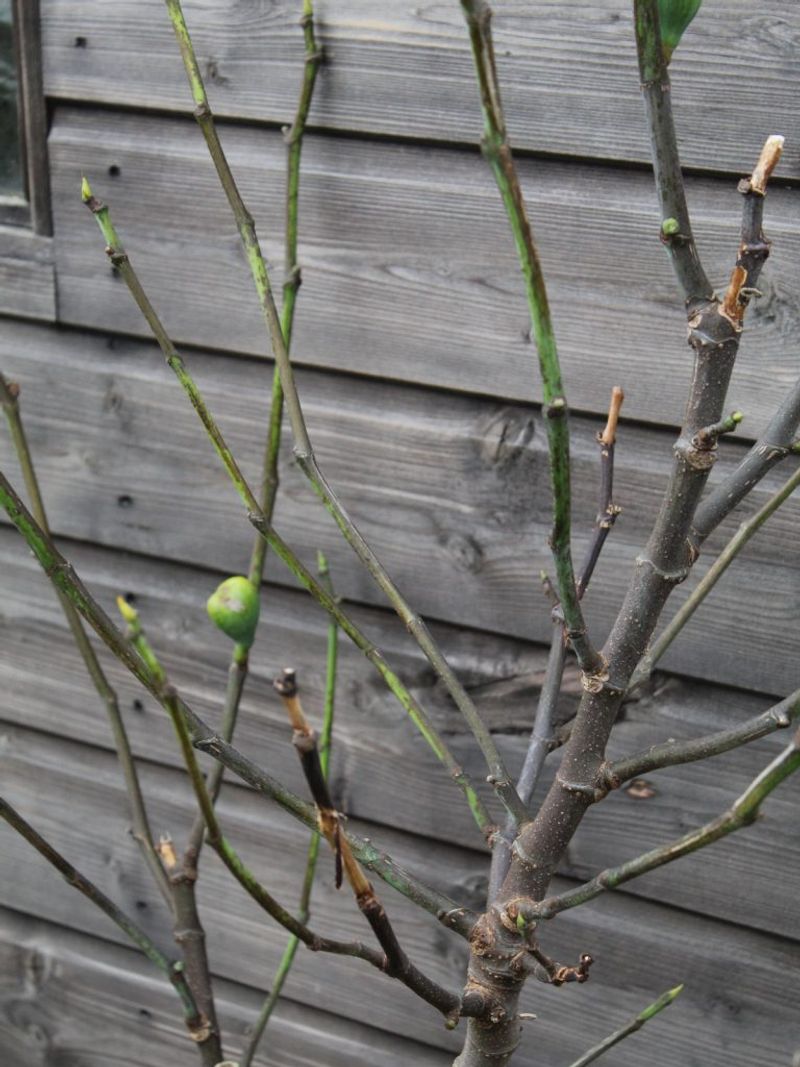
A quick scratch test tells you a lot. Use your thumbnail to scrape a bit of bark on a suspicious branch.
Green tissue underneath means it is alive, while brown and dry tissue means it is time for that piece to go.
Start every pruning session with the obvious stuff. Remove broken limbs, frost-damaged tips, and any wood that looks diseased or cracked.
These branches will not produce good fruit, and they can invite rot and insects.
Cut back to healthy wood, just above a bud or to the point where the branch joins a larger limb. Avoid leaving stubs sticking out, since those heal slowly and can decay.
A sharp pair of bypass pruners handles most fig branches, and loppers work well for thicker ones. Clean and disinfect your blades with a suitable household disinfectant between trees if you spot signs of disease.
One more tip from personal experience: wear gloves and long sleeves. Fig branches ooze a milky sap that can irritate skin, especially when sunlight hits it.
Some people get itchy rashes, so a little coverage saves a lot of grumbling later.
4. Thinning Crowded Fig Limbs Lets Sunlight Reach the Fruit
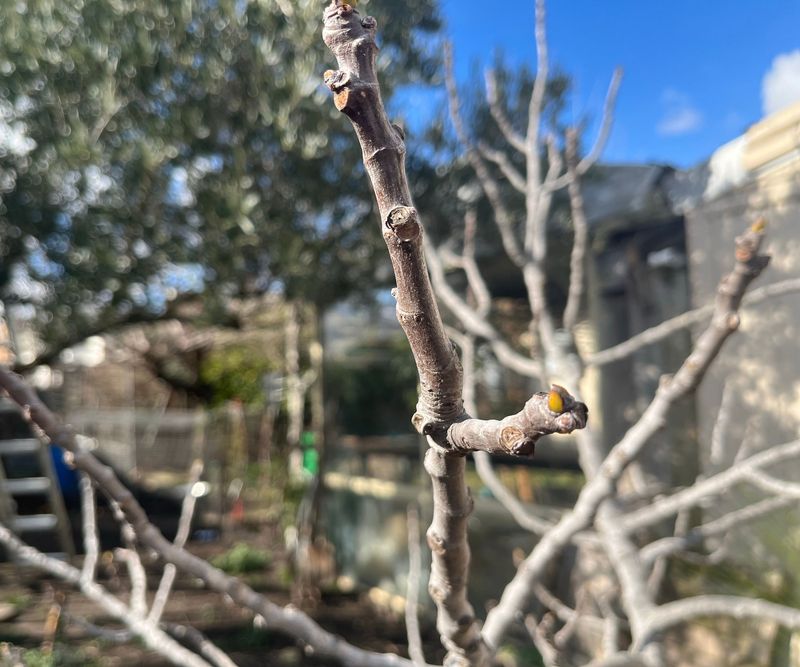
Sunshine is the secret ingredient in sweet figs. A tangled, shady canopy usually means fewer figs, slower ripening, and more trouble with fungal problems like fig rust.
Look for branches that cross, rub together, or grow straight toward the center of the tree. Choose the stronger one in each crowded pair and remove the other.
Your goal is an open, airy shape where you could almost toss a ball through the middle.
Many Southern gardeners grow figs as a multi-stemmed bush instead of a single-trunk tree. That shape suits our climate well, keeps fruit within easy reach, and gives you backup trunks if cold weather damages one.
Keep the bush manageable by shortening a few of the tallest branches. Cutting them back to an outward-facing bud encourages new shoots to grow out and away from the center.
Do not get carried away, though. Figs bounce back well, but removing more than about a third of the tree in one year can trigger lots of leafy growth with less fruit.
I treat thinning like a haircut, not a buzz cut, and the tree rewards that restraint every summer.
5. Suckers at the Base of Your Fig Tree Need a Decision
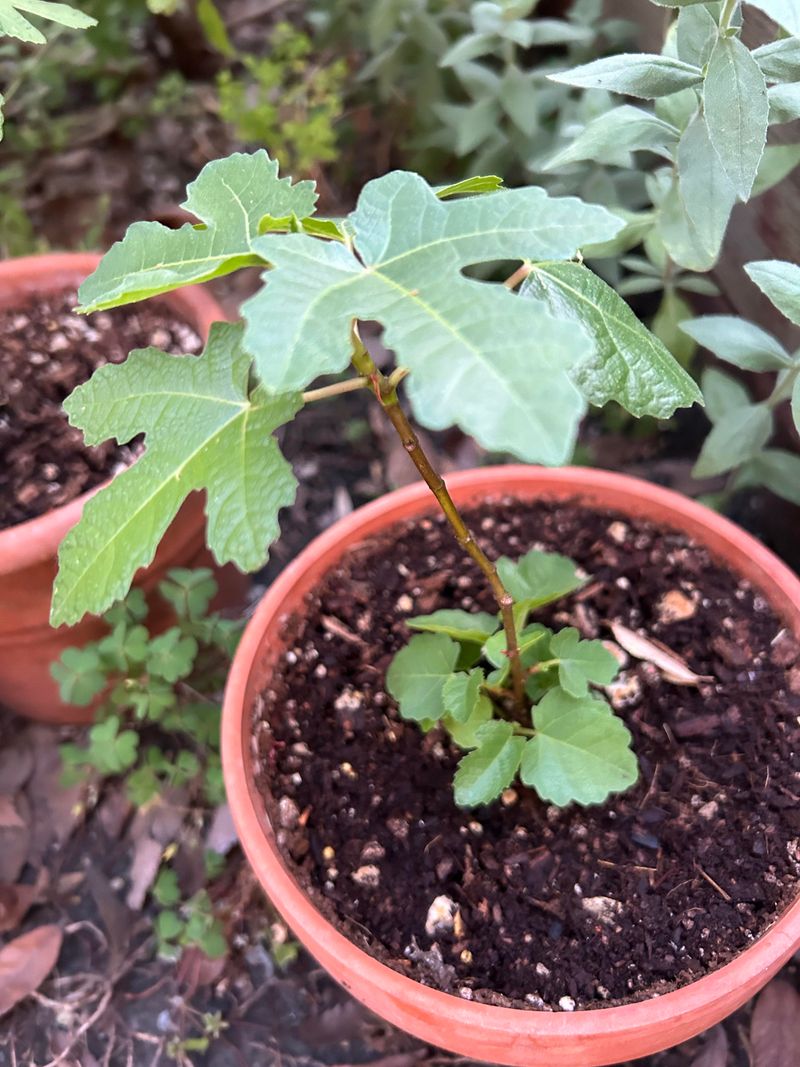
Ever notice skinny shoots popping up around the base of your fig? Those are suckers, and figs are famous for sending them up.
Most of the time, they steal energy and crowd the bush. Clip them off at ground level or just below the soil line during your winter pruning session.
Pulling them by hand can also work when they are small and the soil is soft.
Suckers are not all bad, though. If an older trunk is weak, damaged, or simply too tall, a strong sucker can replace it.
Leave one or two healthy ones and let them grow into fresh trunks over the next couple of seasons.
Water sprouts are a related nuisance. These fast, upright shoots grow from the main branches and tend to make the canopy crowded.
Remove most of them, unless one fills an empty gap nicely.
Fun fact: suckers make easy new fig plants. Dig one up with a chunk of roots in late winter, pot it, and you may have a gift for a friend by spring.
I love that a pruning chore can turn into a free tree for somebody down the street.
6. Cold North Georgia Winters Change How Hard You Cut Back Figs
Geography matters a lot with figs. Georgia stretches from roughly USDA zone 7a in the mountains to zone 9a near the coast, and figs feel every bit of that difference.
In the warmer southern half of the state, figs often grow into large shrubs or small trees with little cold damage. Light thinning and size control are usually all they need each winter.
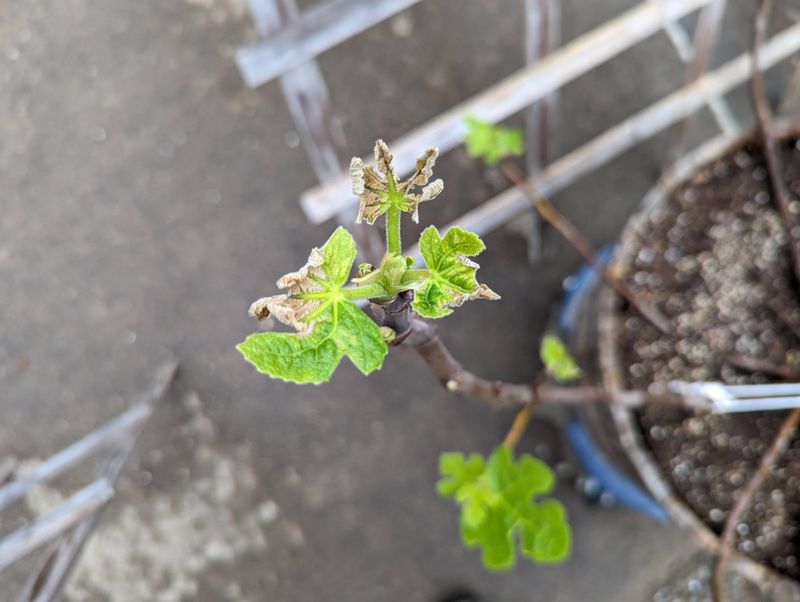
Up north, a cold snap can brown branch tips or even freeze a fig back close to the ground. The roots often survive and push out new shoots in spring.
Since the main crop grows on new wood, those plants can still bear fruit the same summer, though the harvest may be later and smaller.
So wait until growth starts in spring before deciding what to remove after a harsh winter. Branches that look rough in February sometimes leaf out just fine in April.
Planting cold-tolerant varieties like Celeste, Brown Turkey, or Hardy Chicago helps in cooler spots. Placing your fig near a south-facing wall gives it extra warmth too.
Thick mulch over the root zone adds a cozy blanket that protects the base through chilly nights.
7. Rake Up Those Fallen Fig Leaves Before Spring Arrives
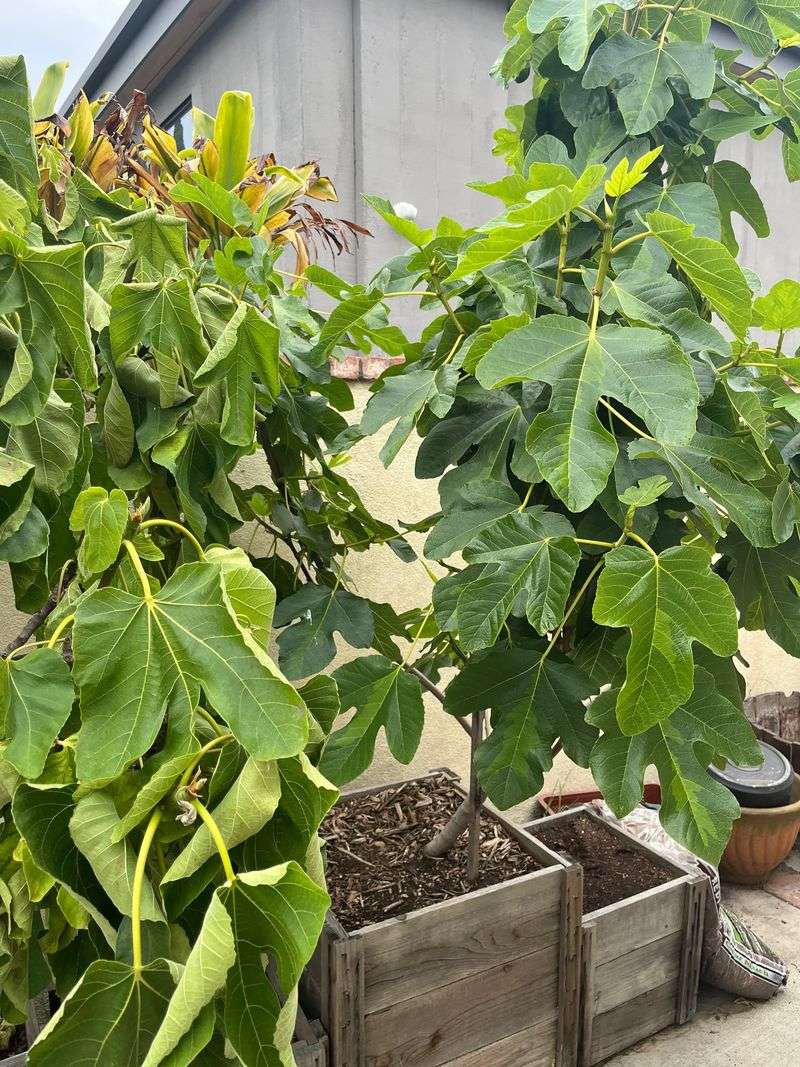
Those giant fallen leaves are more than a mess. Fig rust, a common fungal disease in humid Southern summers, causes yellow-brown spots and often makes leaves drop early.
The fungus can linger on old leaves under the tree.
Rake up and remove fallen fig leaves after they drop. Bagging them or tossing them in the trash is safer than adding them to a home compost pile if rust was a problem.
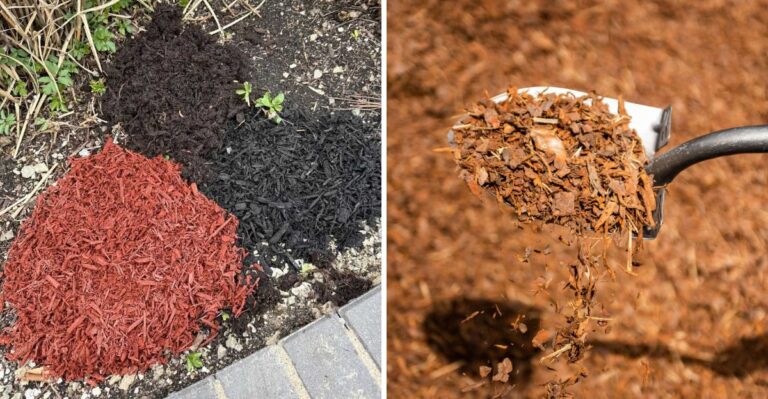
Once the ground is clean, spread a fresh layer of mulch two to four inches deep. Pine straw or shredded bark works great.
Keep the mulch a few inches away from the trunks to avoid moisture problems.
Go easy on fertilizer. Figs often grow well in average Georgia soil, and too much nitrogen leads to lush leaves and fewer fruit.
A light feeding in late winter or early spring is plenty for most backyard bushes, especially on sandy soils.
Put all these steps together and you have a simple routine. Clean up after leaf drop, prune in late winter, mulch well, and feed lightly.
I think that small effort is a fair trade for a summer of sticky, sweet fingers.