Left Garden Pots Full of Soil Outside? Here’s What a Michigan Hard Freeze Can Do
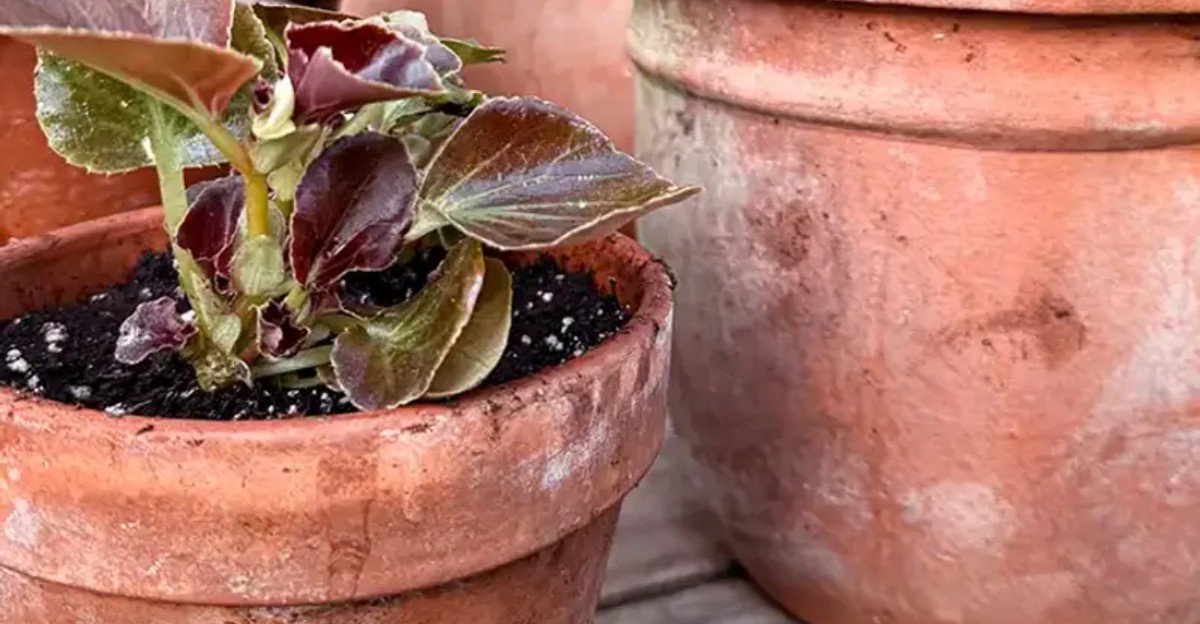
Water grows by about 9 percent when it turns to ice. That tiny stretch can split a clay pot like a cracked eggshell.
In Michigan, a hard freeze usually means temperatures of 28°F or lower for several hours. Our winters rarely stay frozen, either. They swing from icy nights to sunny thaws, again and again, and each swing tests whatever is sitting on your patio.
I know how frustrating it can be to tug a favorite pot out of a snowbank in March and find a long crack down the side. I’ve done it, and I grumbled for a week. Soggy soil was the troublemaker all along.
The soil inside matters too, and so do the tiny living things in it. So which of your pots are at real risk, and which ones will shrug off the cold just fine?
1. That Crack in Your Clay Pot Started Long Before Spring
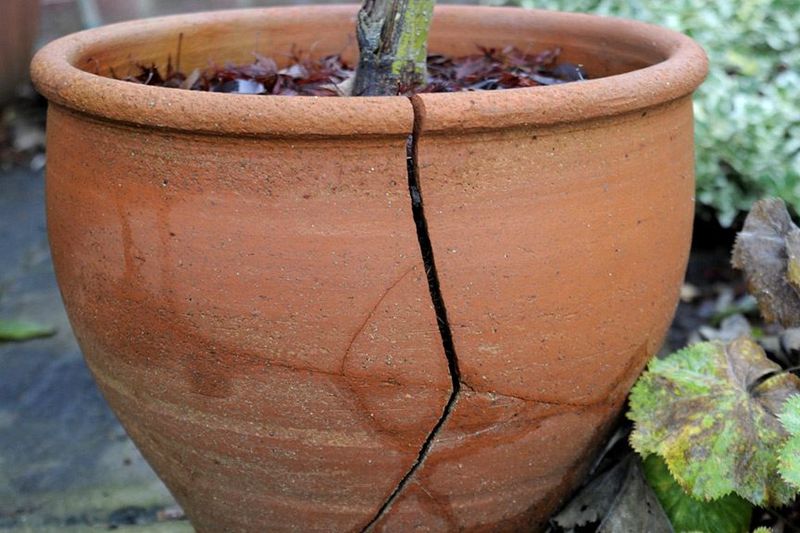
Terracotta looks solid, but it behaves more like a stiff sponge. Unglazed clay soaks up water through thousands of tiny pores, and wet soil inside keeps feeding it moisture all fall.
When the temperature drops below freezing, that trapped water turns to ice and expands by roughly 9 percent. The pressure pushes outward from inside the clay walls.
One cold night may not do much, but Michigan winters bring many freeze-thaw cycles, and each one widens tiny gaps a little more.
That’s why damage often shows up slowly. You might notice flaking on the surface first, a problem called spalling. Later, a hairline crack appears near the rim or base, and one day the pot splits apart.
Glazed ceramic pots are a bit tougher, though they can still suffer. Water sneaks in through unglazed bottoms, drainage holes, or small chips, then freezes in the same way.
Here’s a quick check you can do now. Look for white crusty salt lines, chips, or soft flaky spots on your clay pots. Those are signs the pot already holds moisture, so it deserves a dry spot indoors before the next deep cold snap arrives.
2. Frozen Potting Soil Pushes on Pot Walls Like a Slow Squeeze
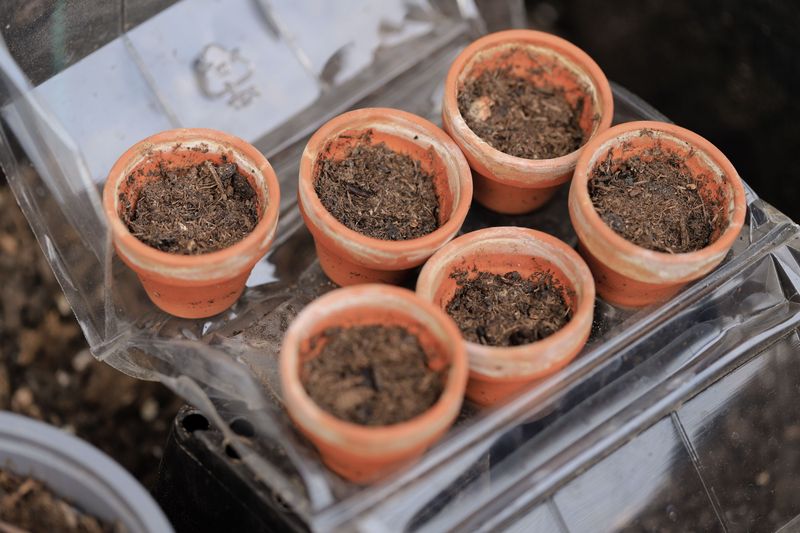
Even after the flowers are gone, potting mix holds a surprising amount of water. Fall rain, melting snow, and a clogged drainage hole can turn a container into a soggy block.
When that wet soil freezes, the whole mass swells. Ice forms first along the outer edges, where the cold hits hardest, and then the center freezes and presses outward against a wall that is already locked in place. Something has to give, and often it’s the pot.
Shape makes a big difference. Containers that narrow at the top, like urns or curvy jars, are the worst offenders because the expanding ice can’t slide upward. Straight-sided or flared pots let frozen soil rise a little and relieve pressure.
Plastic and resin pots handle this better than clay, but they aren’t immune. Cheap, thin plastic turns brittle in deep cold and can crack, especially if you bump it while it’s frozen.
My simple rule is this. If a pot has a narrow mouth or is made of clay or thin plastic, don’t leave it full of wet soil outside. Sturdy fiberglass, thick resin, and many concrete planters usually ride out winter much more safely.
3. Emptying Pots and Stashing Them in the Garage Solves Most Problems
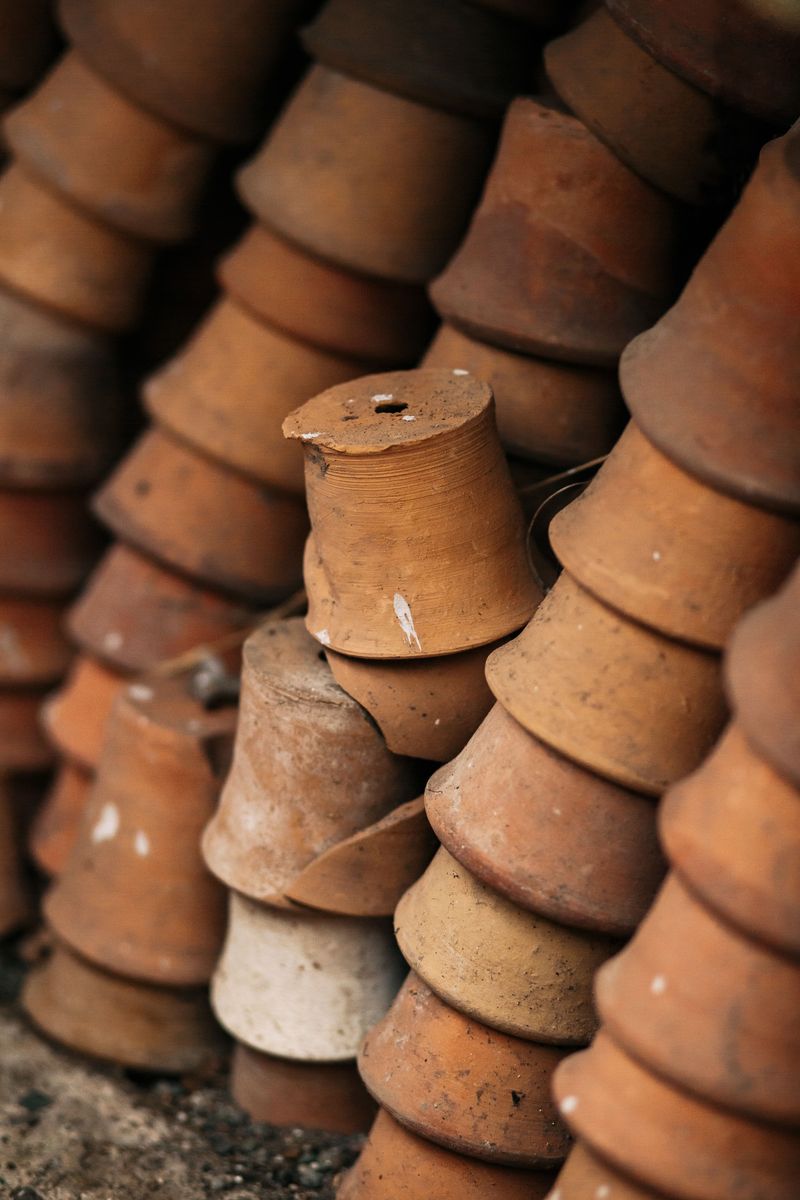
Honestly, the easiest fix is the one most experts suggest. Dump the soil, brush out the pot, and store it somewhere dry. Without water, there’s nothing to freeze and expand.
An unheated garage, shed, or basement works well. Clay and ceramic pots don’t need warmth, only protection from moisture, so a cold but dry space is fine. Store them upside down or on their sides so condensation can’t pool inside.
Before you put them away, give pots a quick scrub with warm soapy water. Some gardeners rinse with a mild bleach solution, about one part bleach to nine parts water, to reduce leftover disease spores. Let everything dry fully before stacking.
What about the old soil? Spread it over garden beds or toss it in the compost pile. Many Michigan State University Extension experts suggest refreshing container mix each year because old potting soil breaks down and loses airy texture.
Nesting clay pots tightly can cause them to stick or crack, so tuck a sheet of newspaper between them. That small step saves a lot of wiggling and worry next spring when you pull them out again.
4. Pot Feet and No Saucers Help Heavy Planters Stay Outdoors
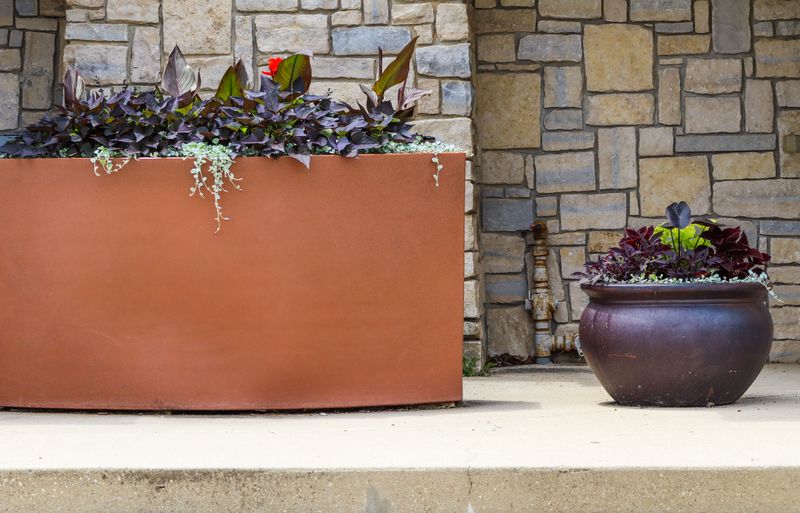
Some planters weigh as much as a small refrigerator. Nobody wants to wrestle those into the garage, and that’s okay. A few smart moves can keep them in better shape outside.
Start by pulling away any saucers. A saucer full of water becomes a sheet of ice that seals the drainage hole and soaks the base of the pot. Remove it and let water escape freely.
Next, lift the planter. Pot feet, flat bricks, or wood blocks raise the container off the ground. That gap stops the bottom from freezing to the patio and helps meltwater drain out instead of pooling.
Covering the soil is another helpful trick. A waterproof tarp, a plastic lid, or a sheet of plywood over the top keeps rain and snowmelt from soaking in. Drier soil means less ice and less pressure on the walls.
Location matters a little too. A spot under a roof overhang or against the house stays drier and a bit warmer. Just avoid placing pots where roof runoff drips directly onto them, since that steady water supply makes the freezing problem much worse.
5. Freeze-Thaw Cycles Leave Container Soil Packed and Soggy
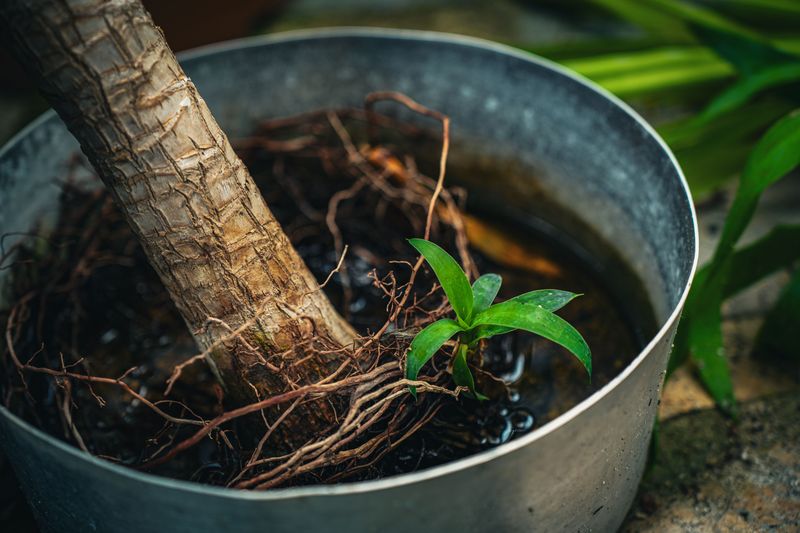
Spring comes, you poke a finger into last year’s pot, and the soil feels like a brick. Sound familiar? Winter weather is partly responsible. Each time soil freezes and thaws, water expands and shrinks inside it.
That movement shifts particles around and can break apart the small crumbs that give potting mix its fluffy texture. Ground soil can sometimes benefit from this, but container mix is a different story.
Potting mixes rely on airy ingredients like peat, coir, bark, and perlite. Over a winter of soaking and freezing, organic bits break down faster, and the mix settles. The result is less air space, slower drainage, and roots that struggle to spread.
You can usually spot the trouble quickly. Water sits on the surface for a long time, or the soil has pulled away from the pot sides in a hard plug.
Luckily, this is easy to fix. Loosen old mix with a trowel, blend in fresh potting soil and some compost, and fluff it well. For many gardeners, replacing about a third to half the mix each spring keeps containers healthy and roots happy.
6. Tiny Soil Microbes Nap Through Winter Better Than You’d Guess
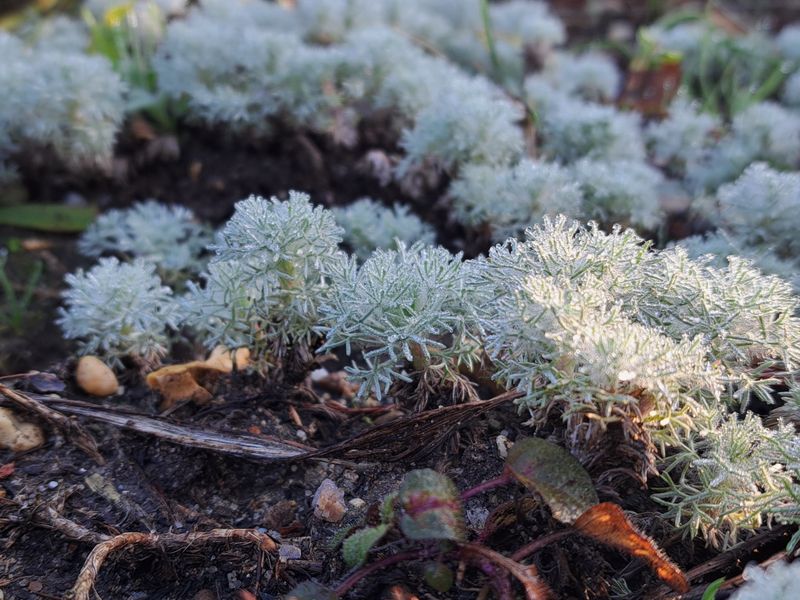
Bacteria and fungi are tougher than they look. Some soil microbes survive far colder places than any Michigan backyard, so a freeze doesn’t erase them.
When soil gets cold, most microbial activity slows way down. Some cells do burst when ice forms inside them, but plenty of beneficial organisms go dormant. Certain bacteria form protective spores, and many fungi hang on in roots and bits of organic matter.
The real challenge is exposure. Soil in pots freezes faster and deeper than soil in the ground because cold air surrounds the container on every side. Repeated swings between frozen and thawed are harder on soil life than one steady stretch of cold.
Snow actually helps. A fluffy layer acts like insulation and keeps soil temperatures steadier. Mulch on top does something similar. So if you reuse old container soil, don’t worry that it’s lifeless.
Mixing in a few scoops of finished compost in spring adds fresh organisms and food for the survivors. Within a few warm weeks, that underground crew wakes up and gets back to work breaking down organic matter and feeding your plants.
7. Hardy Perennials in Containers Need Extra Root Protection
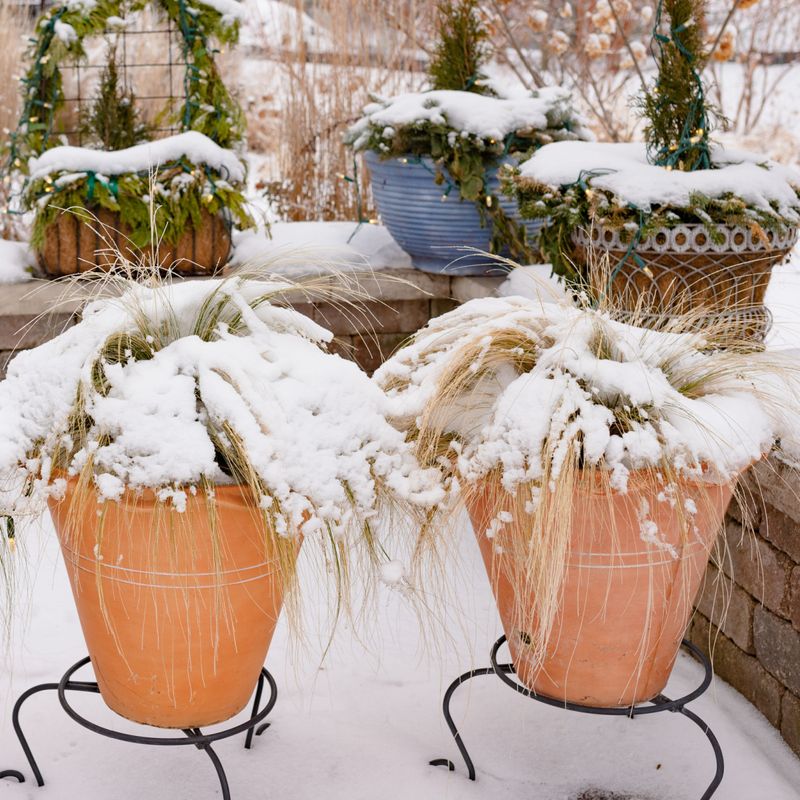
Plant roots are surprisingly delicate. A perennial that handles minus 20 degrees in the ground may struggle in a pot at much milder temperatures because roots are less cold-hardy than stems and buds.
Michigan spans roughly USDA zones 4a through 6b, so winter lows differ a lot from the Upper Peninsula to the southern counties. A good rule from many extension services is to choose container perennials rated at least two zones colder than where you live.
Want to keep those potted plants outside? Group containers together against a house wall where they shelter each other. Add three to four inches of shredded leaves or straw over the soil, and pile more around the pot sides if you can.
Another classic trick is burying the whole pot in a garden bed or compost pile for winter. The surrounding ground keeps roots far warmer and steadier.
Water also matters. Give plants a good drink in fall before the soil freezes, since moist soil holds heat better than dry soil. After that, avoid overwatering during winter, because soggy, frozen roots can rot as quickly as they freeze.
8. A Quick Pot Inspection Now Saves Money and Heartache in Spring
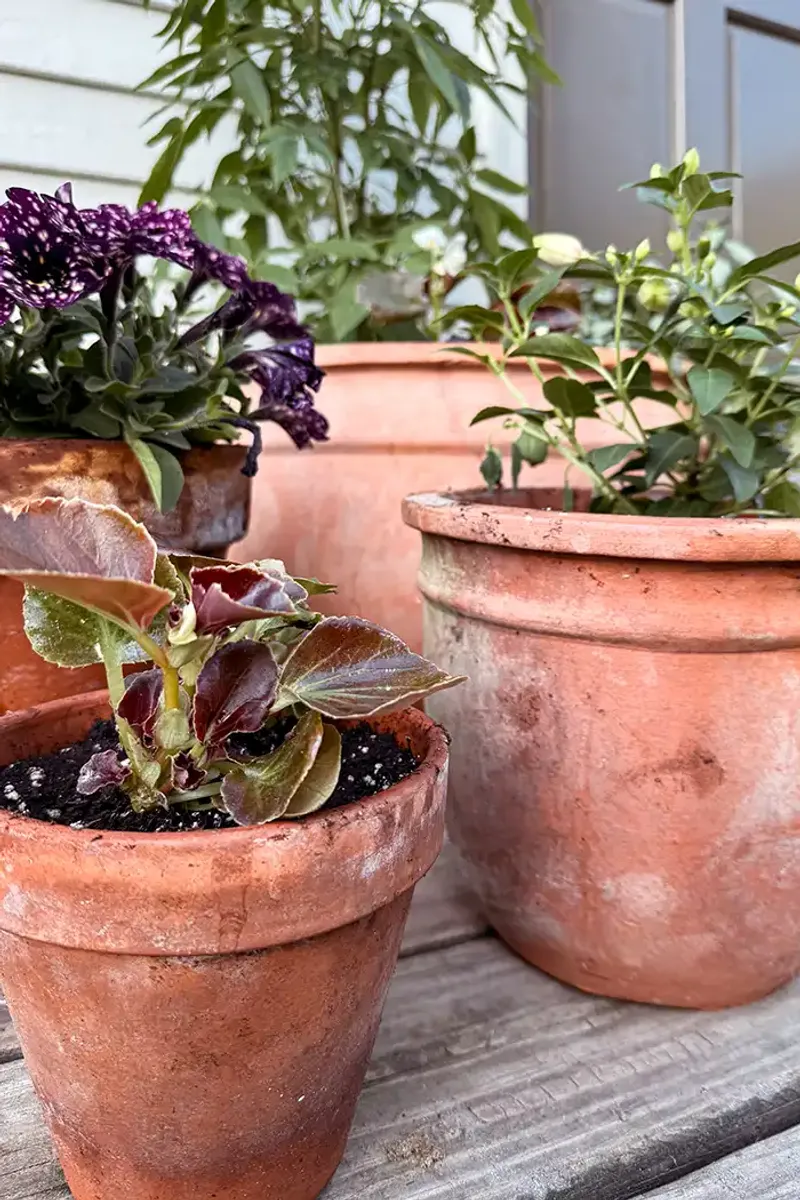
A little fall walk-around might be the best gardening chore you do all year. Ten minutes with your containers can save you from buying replacements in May.
Sort pots into three groups. Fragile clay, ceramic, and thin plastic go inside, empty and dry. Durable fiberglass, thick resin, wood, and concrete can usually stay out. Anything with hardy plants still growing gets mulch and a sheltered spot.
Check drainage holes on every pot that stays outdoors. Clear any clogs with a stick and make sure water can escape. Then lift those pots onto feet and pull the saucers.
Timing helps too. Many parts of southern Michigan see their first hard freeze in October or early November, while the Upper Peninsula often gets one much sooner. Try to finish before the ground stays frozen.
Small cracks can sometimes be patched with outdoor epoxy, though repaired pots should spend winter indoors. And keep notes on which containers held up well.
Over a few seasons, you’ll learn exactly which pots match your yard, and winter will feel a lot less stressful for you and your garden.