The Maryland Snake That Puffs Up Like A Cobra Is Putting On A Harmless Act
Some snakes flip belly-up, let their tongue dangle, and give off a foul musk when a curious gardener gets too close. Flip one right-side up, and it rolls onto its back again like a stubborn actor refusing to leave the stage.
Truth be told, the first time I heard about this, I laughed out loud. Then I learned the same snake can flatten its neck into a wide hood and hiss like a leaky tire.
This reptile lives right here in Maryland, often near sandy fields, woodland edges, and quiet backyards. Plenty of folks spot that hood and assume the worst, which makes sense when your heart is pounding in the tomato rows.
I get it, because snakes and surprises rarely mix well. So what is this dramatic little bluffer, and why does it work so hard to look scary when it has almost nothing to back it up?
That Hooded Snake In Your Flower Bed Has A Big Secret
Spotting a snake with a spread neck in the garden makes most of us freeze mid-step. That wide, flat hood looks like it belongs in a nature film set far away, not beside your hostas.
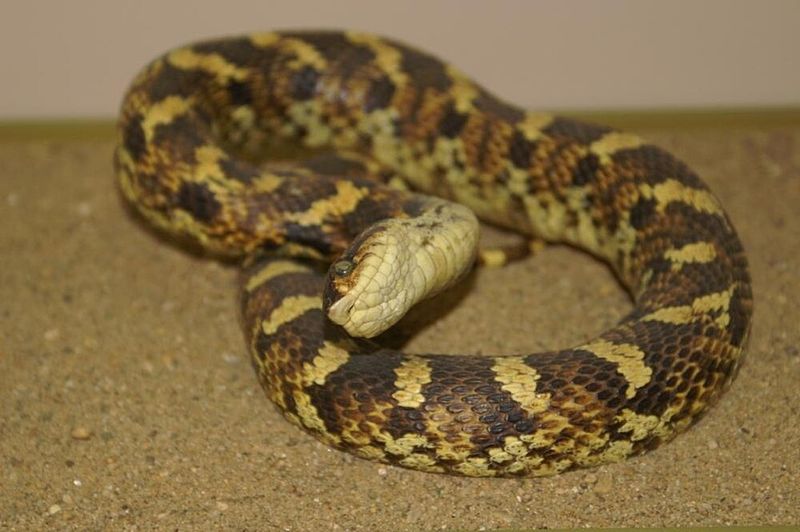
The performer is the Eastern hognose snake, a native species found in many parts of the state. It is not a cobra, and it carries no dangerous venom for people. Its hood is pure showmanship, made by stretching loose skin and ribs along the neck.
I’ll say this much, the act is convincing. Hognose snakes puff up with air, hiss loudly, and make their bodies look bigger than they really are. Many people mistake them for copperheads or water snakes, and some even call them puff adders or spreading adders.
Those old nicknames sound scary, but they describe the costume, not the creature. Bites from hognose snakes are very rare and usually happen only when someone handles one roughly.
So when you see that hood rise, take a slow breath and step back. You are watching one of the most theatrical bluffs in the reptile world. Enjoy the show from a few feet away, and let the snake finish its scene.
Hissing And Fake Strikes Are A Hognose Snake’s Best Bluff
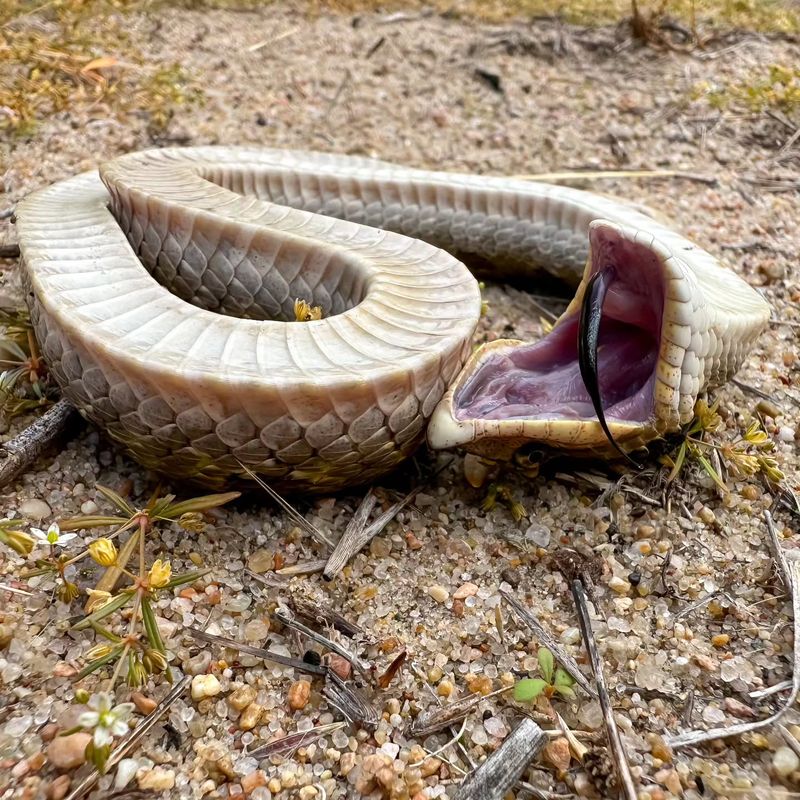
Okay, confession, I once jumped a foot backward from a hissing snake that never even opened its mouth. That is exactly the reaction a hognose is hoping for.
When it feels cornered, this snake gulps air and spreads its neck into a hood. Then it lets out a long, loud hiss. If the threat keeps coming, it may lunge forward in a bluff strike, often with its mouth closed.
The goal is simple. A fox, hawk, or startled person should decide this snake is too much trouble. Predators that back off leave the snake safe without any real fight.
Here is a practical point for gardeners. That lunge is a warning, not an attack. The snake is trying to create space, so give it some.
Move your hands away, keep pets nearby on a leash, and let the snake slide off on its own time. Poking it with a rake or hose will only push it into more drama.
Fair warning, the hiss can sound surprisingly fierce for such a stocky little reptile. Once you know it is mostly air and attitude, the noise feels less like a threat and more like a stage cue.
When The Cobra Act Fails, The Hognose Plays Possum
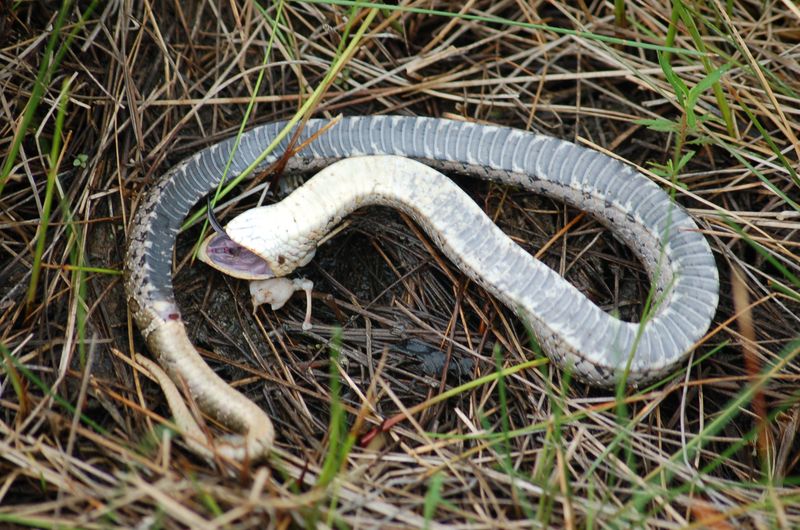
Few backyard moments beat watching a snake fake its own exit. If puffing and hissing do not work, the hognose rolls onto its back and goes limp.
Scientists call this behavior thanatosis. The snake writhes a bit, opens its mouth, lets its tongue hang loose, and lies still. Some will release a stinky musk, and a few even show a drop of blood near the mouth.
Many predators lose interest in prey that seems spoiled or lifeless. That is the whole idea behind the act.
Not going to lie, the funniest part comes next. Turn the snake right-side up, and it often flips back onto its back. It seems to believe a proper possum must stay belly-up no matter what.
Please do not keep flipping it for fun, though. The performance takes energy and causes stress. Walk away, wait quietly at a distance, and the snake will usually peek around, roll over, and crawl off after a few minutes.
Kids especially love this story, so it makes a great lesson in wildlife tricks. Just remind them that watching beats touching every single time.
That Upturned Snout Is The Easiest Way To Spot A Hognose
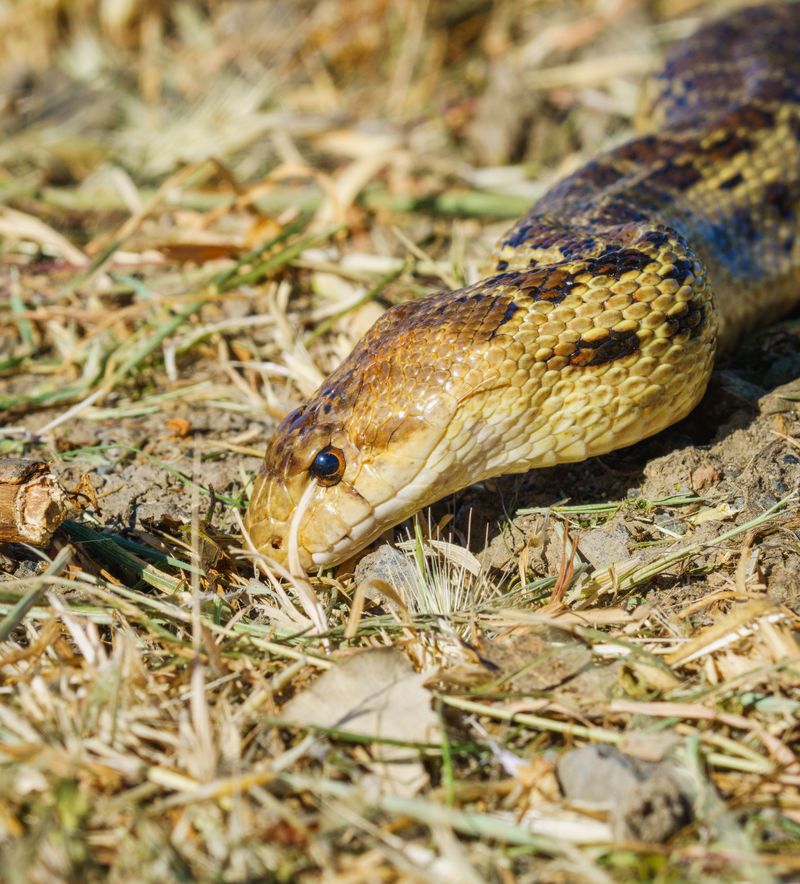
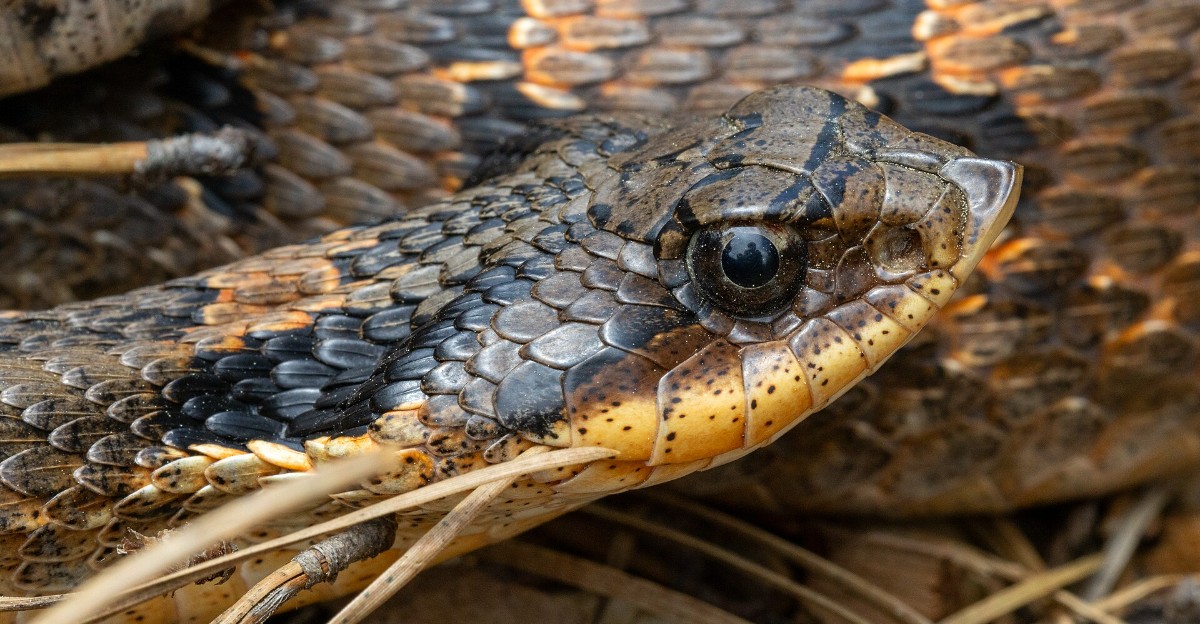
Look at the nose first. A hognose snake has a pointed, slightly upturned snout, a bit like a tiny shovel or a pig’s nose.
That snout is a digging tool. The snake uses it to push through loose soil and sniff out buried toads. Few other snakes in the region share this feature, so it is a handy clue.
Color is less helpful. Eastern hognose snakes can be yellow, tan, brown, gray, olive, orange, reddish, or even plain black. Many have dark blotches along the back, which can lead to confusion with copperheads.
Body shape gives another hint. These snakes are thick and fairly short, often around two to three feet long as adults. Their heads look wide, especially when the hood is spread.
I’m a sucker for a good field mark, and the snout wins every time. If you see that upturned tip, you can relax a bit.
Still, when in doubt, keep your distance. Copperheads do live in parts of the state, and safe identification happens with eyes, not hands. A quick phone photo from several feet away works well for checking with a local nature center.
Toads In Your Garden Are The Hognose Snake’s Favorite Meal
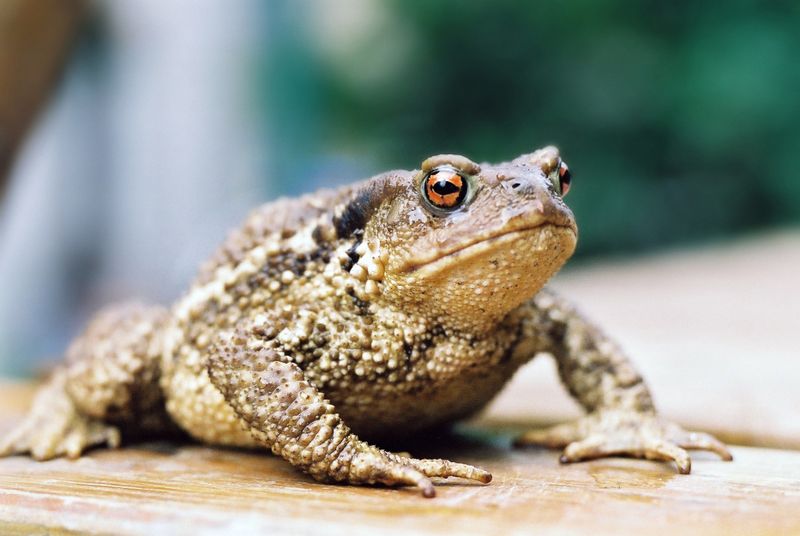
Toads hop through many gardens munching beetles and slugs, and the hognose follows the toads. This snake is a toad specialist, more than almost any other in the eastern United States.
Toads puff themselves up when threatened, which makes them hard to swallow. Hognose snakes have enlarged teeth at the back of the mouth that help deflate and grip that puffy prey. They also tolerate toad toxins that bother many other animals.
Their saliva contains a mild venom that helps subdue toads. For people, it is not considered a medical concern, which is part of why the species is considered harmless.
Frogs, salamanders, and the occasional insect also land on the menu. Toads remain the main draw, though.
I didn’t expect this connection to change how I see my garden. A yard with healthy toad numbers can attract a hognose, which tells you the local food web is working.
So if a snake turns up near your raised beds, consider it a sign of a lively ecosystem. Keeping toads around, with shallow water dishes and shady cover, helps both the amphibians and the dramatic snake that tracks them.
Sandy Soil And Sunny Field Edges Are Prime Hognose Territory
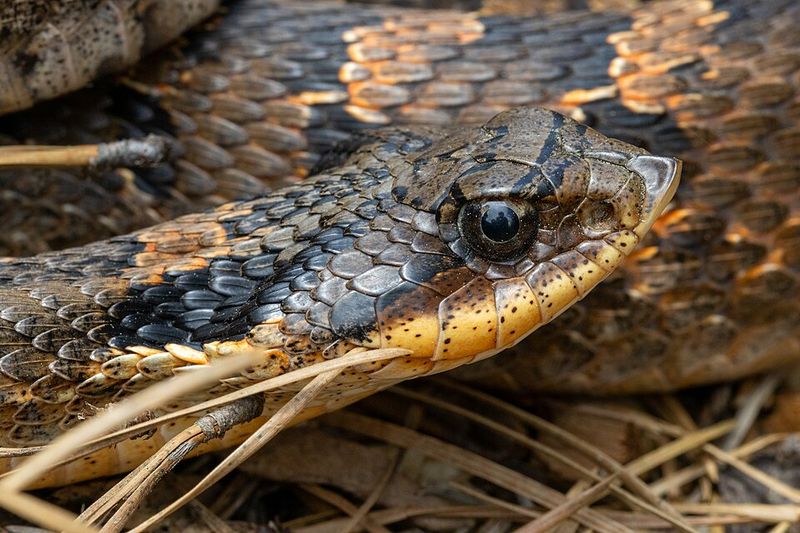
Sand matters to this snake more than you might guess. Eastern hognose snakes prefer loose, sandy or well-drained soils where digging is easy.
In Maryland, you are most likely to find them on the Coastal Plain, including the Eastern Shore and southern counties, where sandy ground is common. They also turn up in old fields, pine woods, forest edges, and some open yards near natural areas. Heavy clay spots in other regions are less inviting.
They are active during the day, mostly from about April through September. Spring and early fall bring the most sightings, when snakes move around to find mates, food, or winter shelter.
Young snakes hatch in late summer, so you might spot a tiny hognose in August or September. Even the babies can perform the full hood and flip routine.
Every fall, many of these snakes burrow into sandy soil to spend the cold months underground. Digging up sunny, sandy patches late in the season could disturb a resting snake.
Knowing these habits helps you predict encounters. If your yard borders fields or pinewoods with soft soil, keep an eye out on warm, bright afternoons.
Give That Dramatic Snake Some Room And Let It Stay
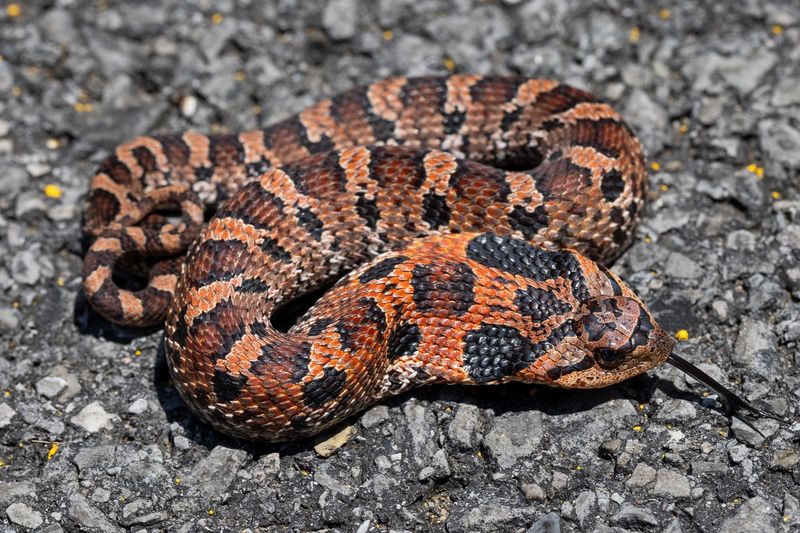
Trust me on this one, the best thing you can do for a hognose is nothing at all. Step back, enjoy the show, and let it leave in peace.
Eastern hognose snakes have declined in parts of their range due to habitat loss, road traffic, and people harming them out of fear. Maryland protects native reptiles under state wildlife rules, so collecting or keeping wild snakes may require permits. Check with the Maryland Department of Natural Resources before handling or moving any snake.
A few simple habits make your yard friendlier. Leave some leaf litter and brushy corners, reduce pesticide use, and keep a patch of loose, undisturbed soil. Those steps help toads, insects, and the snakes that rely on them.
Watch your mower height and check tall grass before cutting during warm months. A quick walk-through can spare a basking snake.
If one ends up in a garage or shed, open the door, give it time, and keep pets away. It will usually find its own way out.
Learning to read this bluff turns a scary moment into a backyard story worth sharing. That hooded little actor deserves an audience, not a shovel.