This Cheap Wire Trick Keeps Winter Bark Chewers Off Young Indiana Trees
A single hungry rabbit can strip a ring of bark off a young apple tree in one snowy night. Voles can do the same thing under the snow, where you can’t even see them working.
I learned the hard way that a tree can look fine all winter and then sulk in spring. Those tiny tooth marks near the soil line told the whole story. Guilty as charged, I had blamed the cold.
Here in Indiana, deep snow buries the clover and grass these critters usually eat. Thin, smooth bark on young maples, fruit trees, and redbuds suddenly becomes the easiest meal in the yard. Honestly, who can blame a starving bunny?
Truth be told, the fix costs less than a fancy coffee per tree. It comes off a hardware store roll, and it works better than any spray I’ve tried. Want to see how simple it really is?
Those Tooth Marks on Young Tree Bark Tell a Winter Story
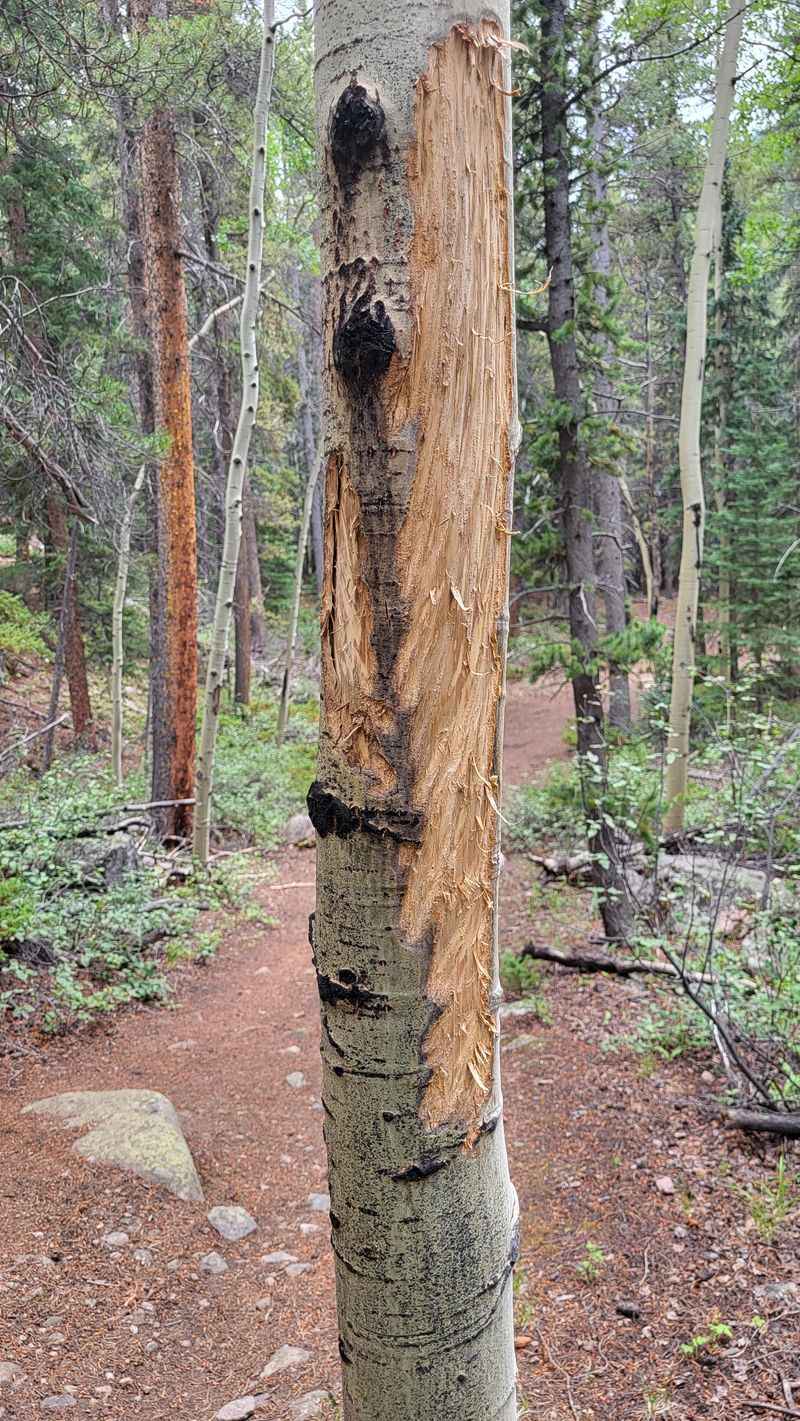
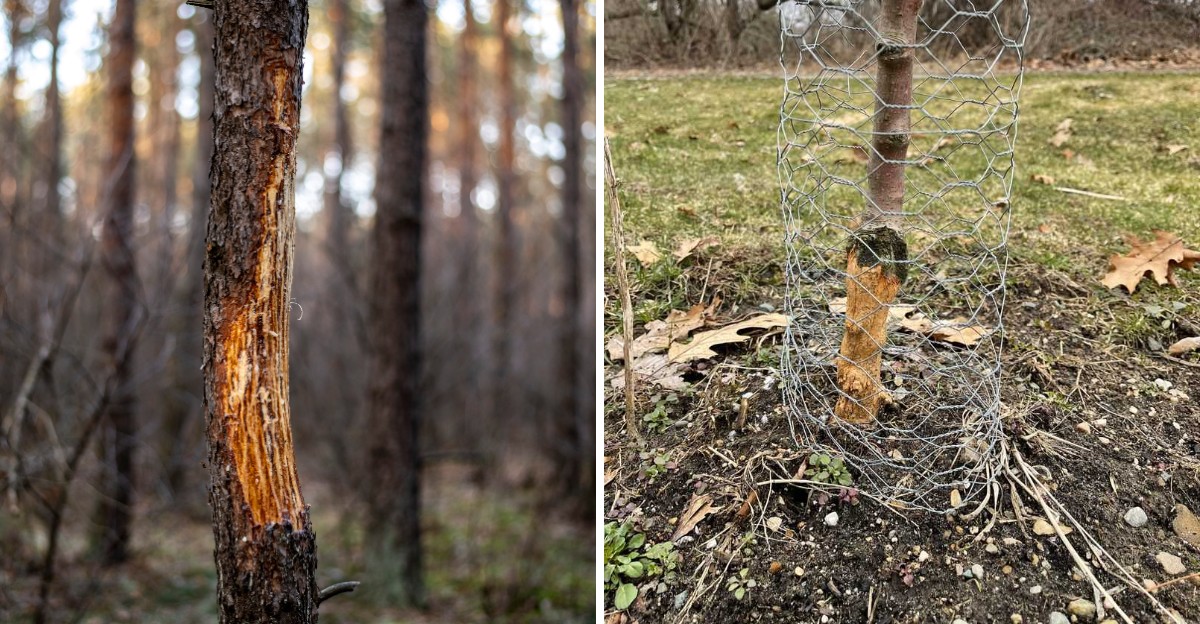
Late winter walks can reveal a surprise at the bottom of a young trunk. Pale, chewed patches of bark sit right where snow used to be. That damage usually comes from cottontail rabbits, meadow voles, or mice.
Each critter leaves its own signature. Rabbits make clean, angled cuts and often chew higher on the trunk, sometimes standing on packed snow to reach. Voles leave tiny, rough grooves near or below the soil line, often hidden under snow or mulch.
Purdue Extension and other Midwest experts point to winter food shortages as the main reason. Grass, clover, and weeds disappear under snow, so the soft inner bark of young trees becomes an easy option. Fruit trees, maples, redbuds, and many ornamentals are favorites.
The real trouble starts when chewing goes all the way around the trunk. Experts call this girdling. It cuts the thin living layer just under the bark that carries sugars from the leaves down to the roots.
A fully girdled tree may leaf out in spring and then fade by summer, because the roots run out of fuel. Partial damage is less serious, but it still invites decay and slows growth. Spotting the culprit helps you choose the right protection.
A Hardware Cloth Cylinder Is the Hero Your Saplings Need
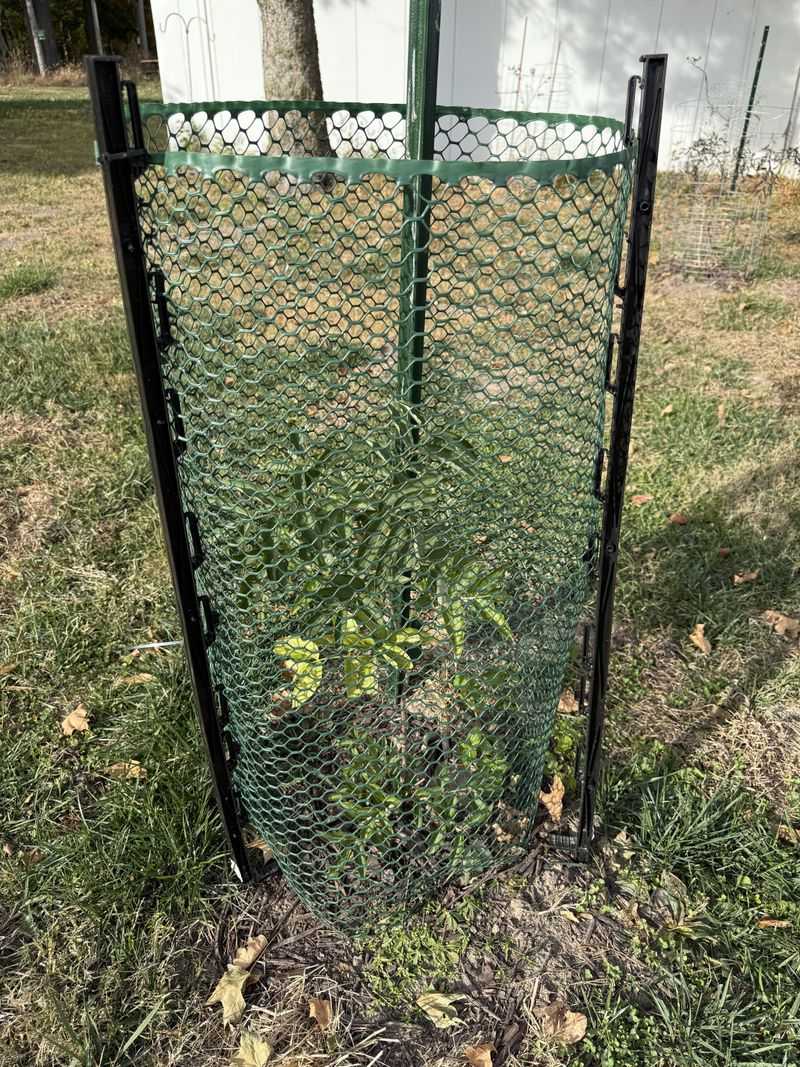
Galvanized hardware cloth is the star of this whole trick. It’s a stiff wire mesh sold in rolls at most farm and hardware stores. A small roll can protect several trees for many winters.
Extension specialists often recommend quarter-inch mesh. Openings that small keep out tiny voles and mice, not just rabbits. Half-inch mesh can still work for rabbits, but young voles may squeeze through.
So why not grab cheap chicken wire instead? It does stop rabbits, and plenty of gardeners use it. The larger holes, though, let small rodents slip right inside, where they can feed in total privacy.
Plastic spiral wraps are another option you’ll see in stores. They help with sunscald, yet determined voles can chew through or slip under them. Wire simply holds up better against sharp little teeth.
I’m a sucker for gear that lasts, and galvanized mesh fits that bill. A well-made cylinder can be reused season after season if you store it dry. Wear sturdy gloves when cutting, since the trimmed edges are sharp and pokey. A pair of tin snips makes the job easier than ordinary scissors ever could.
Sink the Wire Into the Soil and Leave Room Around the Trunk
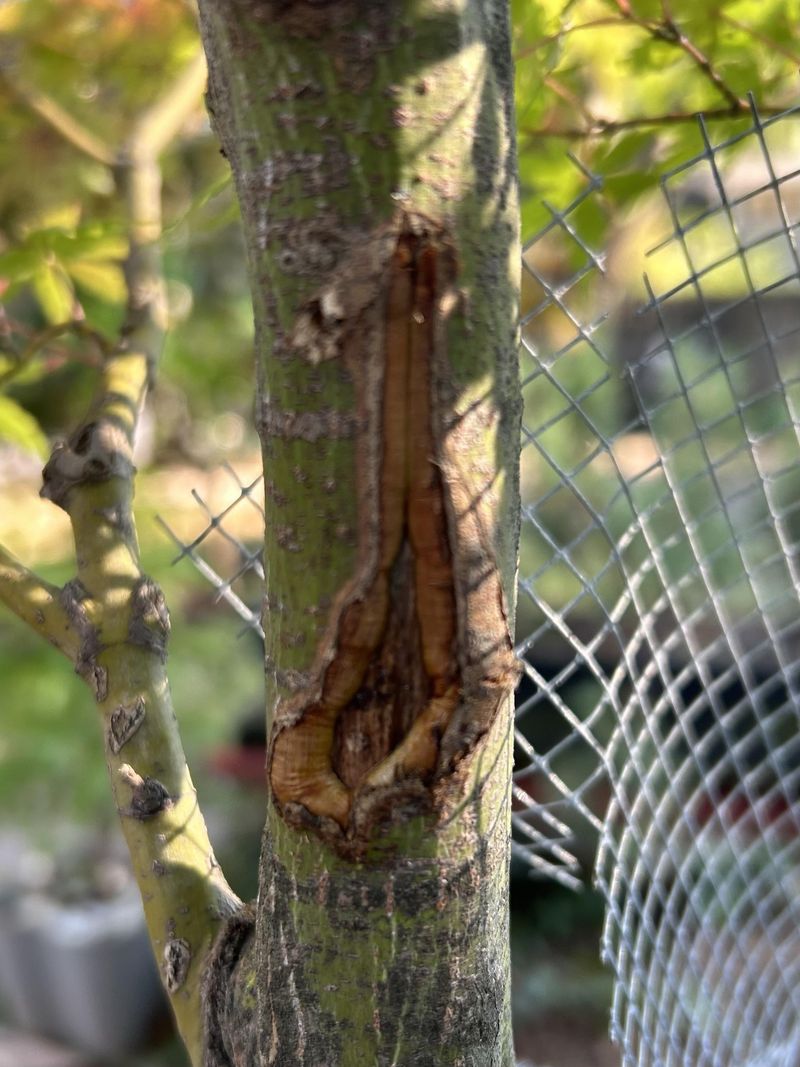
Getting the measurements right turns a flimsy fence into a real fortress. Start by cutting a piece of mesh wide enough to form a loose tube. Aim for an inch or two of space all around the trunk.
That gap matters more than you’d guess. A rabbit pressing against tight wire can still nibble through the openings. Extra room also prevents the mesh from rubbing bark or pinching the trunk as it grows.
Next, bury the bottom edge about two to three inches into the soil. Voles are tunnelers, and a guard sitting on top of the ground is an open invitation. Scratch a shallow trench with a trowel, set the wire in, and firm the soil back.
Height comes next. Most guides suggest a guard about 18 to 24 inches tall, and taller where deep snow is expected, so the top edge stays above the snow line.
Close the seam with zip ties or bend the cut wire ends around each other. A short stake or two keeps the cylinder upright through wind. Fifteen minutes per tree, and you’re done for the season.
Late Fall Is When Tree Guards Belong Around Indiana Trunks
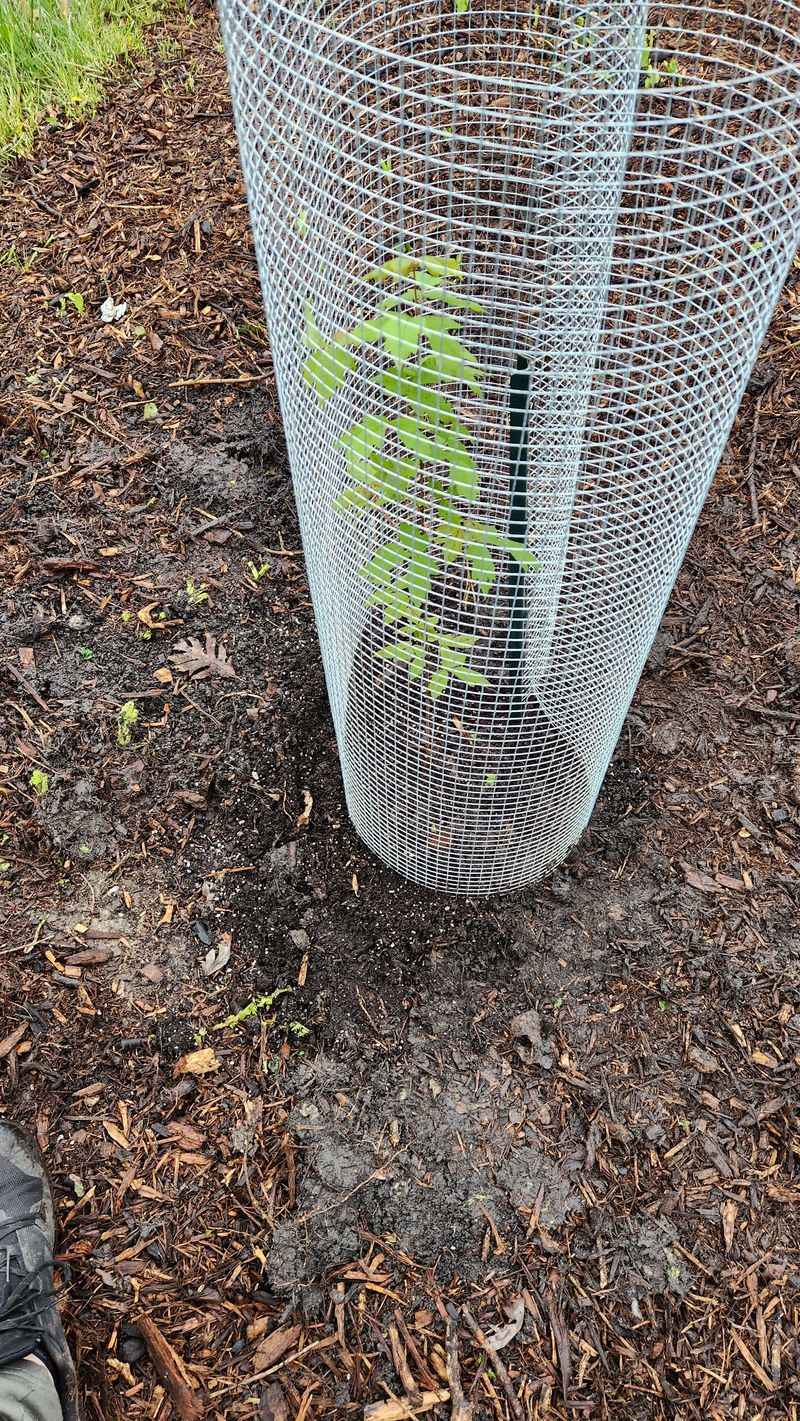
Every fall, I try to wrap up my guards before the first lasting snow. In Indiana, that usually means late October through mid-November. Southern counties may have a little more wiggle room than the north.
Early installation beats waiting for trouble. Once snow covers the ground, feeding pressure jumps quickly. Rodents may already be nesting under leaves and mulch by then.
Spring timing deserves just as much attention. Many gardeners pull guards in April, after the snow melts and green food returns. Rabbits and voles lose interest in bark once fresh grass shows up.
Why not leave them on all year? Wire left in place can trap moisture, hide insects, and sometimes cut into a growing trunk. Removing guards also gives you a chance to inspect the bark closely.
Some growers in heavy rabbit areas leave roomy wire cylinders up longer on fruit trees. That works if the mesh stays loose and you check it often. Either way, mark your calendar for both dates. A reminder on your phone can spare a tree a lot of grief.
Deep Snowdrifts Can Hand Rabbits a Ladder Over Your Guard
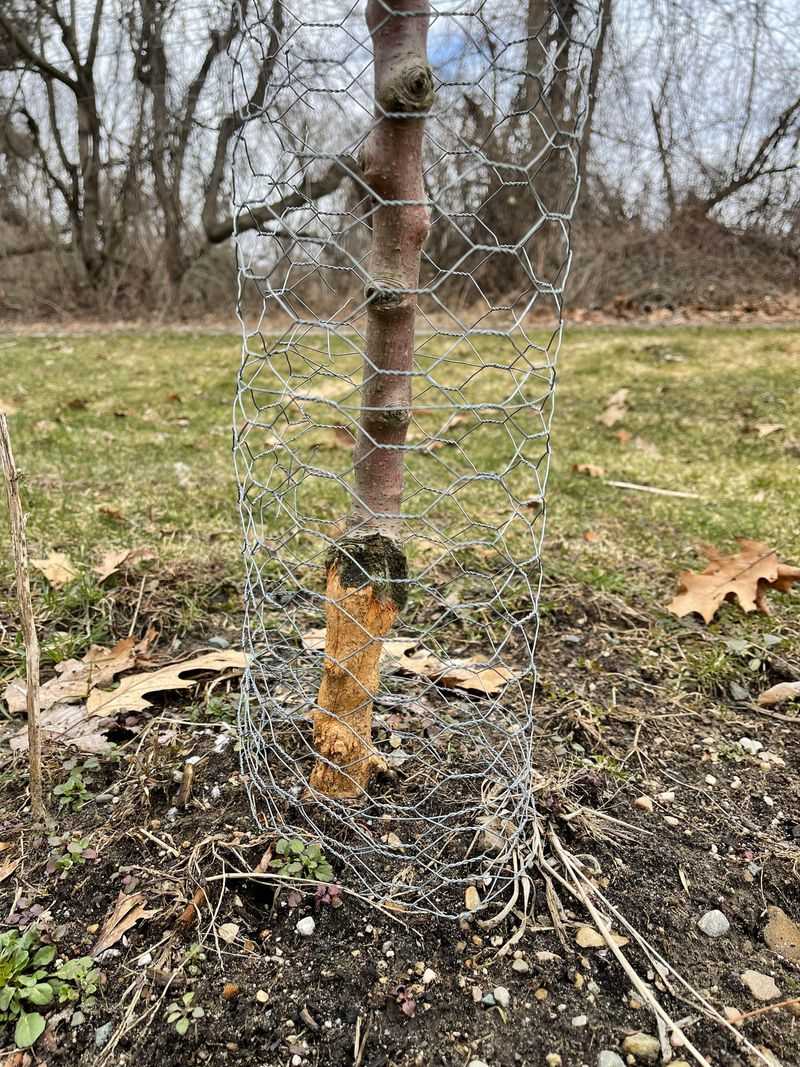
Okay, confession: one February I discovered chew marks above a perfectly good guard. A big drift had piled against it, and the rabbits simply walked right up. That was a humbling lesson.
Snow acts like a free step stool for cottontails. Each new layer lifts them higher on the trunk. A 24-inch guard can lose most of its height after a heavy storm.
After any big snowfall, take a quick stroll around your trees. Brush or shovel snow away from the outside of each cylinder. Keeping the top edge well above the snow line restores your protection.
Look inside the guards too. Snow pushed into the cylinder can give voles cover right next to the bark. Also check that wind or plows haven’t tipped the wire against the trunk.
Fresh tracks tell you who’s visiting. Rabbit prints show two long hind feet ahead of two small front prints. Tiny tunnels or runways in melting snow point to voles. Spotting these early gives you time to fix weak spots before real damage happens. A few minutes after each storm is a small price for a healthy tree.
Piled Mulch Around the Trunk Invites Voles to Move In
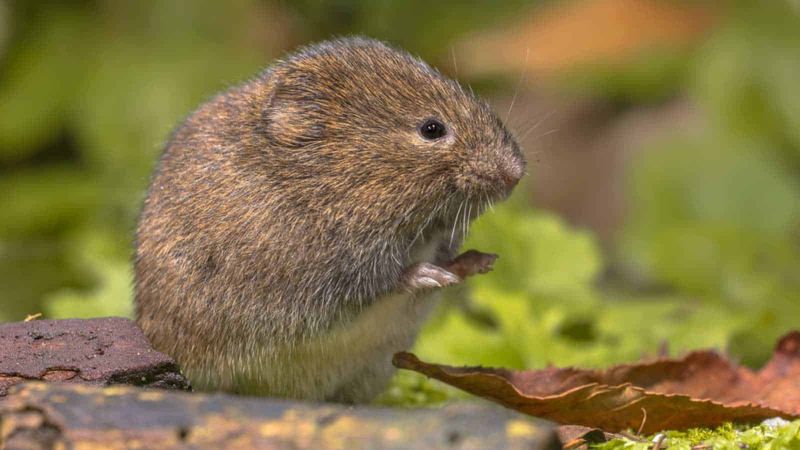
Mulch volcanoes look tidy, but voles love them. A thick mound against the trunk creates a warm, hidden apartment. From there, they can chew bark without ever stepping into the open.
Pull mulch back several inches from the trunk before winter. A flat ring two to three inches deep still protects roots and holds moisture. The bare zone near the bark leaves voles feeling exposed to owls and hawks.
Tall grass and weeds around young trees cause similar problems. Mow or trim the area in fall so rodents lose their cover. Purdue and other extension services list good habitat control as a key part of vole management.
Sunscald is another winter worry worth mentioning. Bright winter sun can warm the south or southwest side of thin bark, then a quick freeze cracks it. Light-colored tree wrap helps, but remove it in spring.
Repellent sprays can add a layer of defense too. They often need reapplying after rain or snow, so they work best as a backup. Wire stays the most reliable choice. Combined, these habits make your yard far less inviting to winter nibblers.
Chewed Bark Is Not Always the End for Your Young Tree
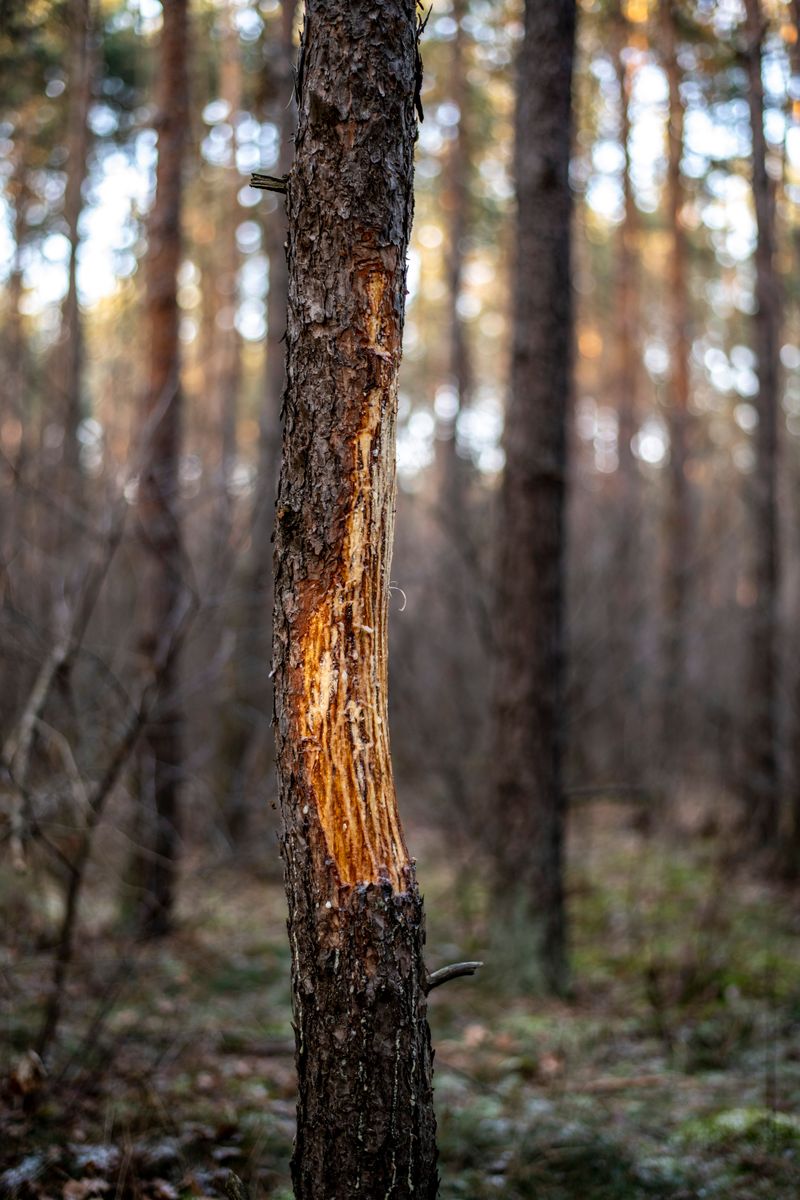
Spring discovery of chewed bark feels awful, but don’t grab the saw yet. Partial damage often heals over time. Trees can recover if a good strip of living bark still connects roots and branches.
Check how far the chewing goes around the trunk. If less than about half is damaged, the tree has a fair chance. Keep it watered during dry spells and avoid heavy fertilizer, which can stress it more.
Skip wound paints and tar. Extension experts say these products rarely help and can trap moisture. Simply trimming ragged bark edges with a clean knife helps the tree seal itself.
Complete girdling is tougher. Skilled orchardists sometimes try bridge grafting on valuable fruit trees, but it takes practice. For many young trees, replanting may be the practical choice.
Fair warning, the cheapest fix is still prevention. A roll of hardware cloth and a few zip ties protect years of growth. I’ll say this much: once you’ve seen girdling up close, you’ll guard every new sapling. Put the wire on this fall, check it after storms, and enjoy watching your trees grow strong each spring.