Why California Citrus Gets Sweeter After The First Cool Nights
Fruit grown in steamy tropical countries often stays green on the outside even when it tastes perfectly ripe. Bright color shows up mainly where nights turn chilly, which explains a lot about California backyards.
Cool evenings also seem to nudge flavor, though the real story is more interesting than simple cold magic. Sour acids slowly fade as the season rolls on, while sugars keep building quietly inside every juicy segment.
I have to admit that I used to pick fruit the moment it looked pretty and orange. My taste buds complained loudly, and my patience finally improved after a few sour lessons in the yard.
You might notice your own tree changing as soon as the first crisp evenings roll across California. So what is really happening inside that fruit, and how can you time your harvest just right?
1. Cool Nights Turn Green Citrus Peels Orange
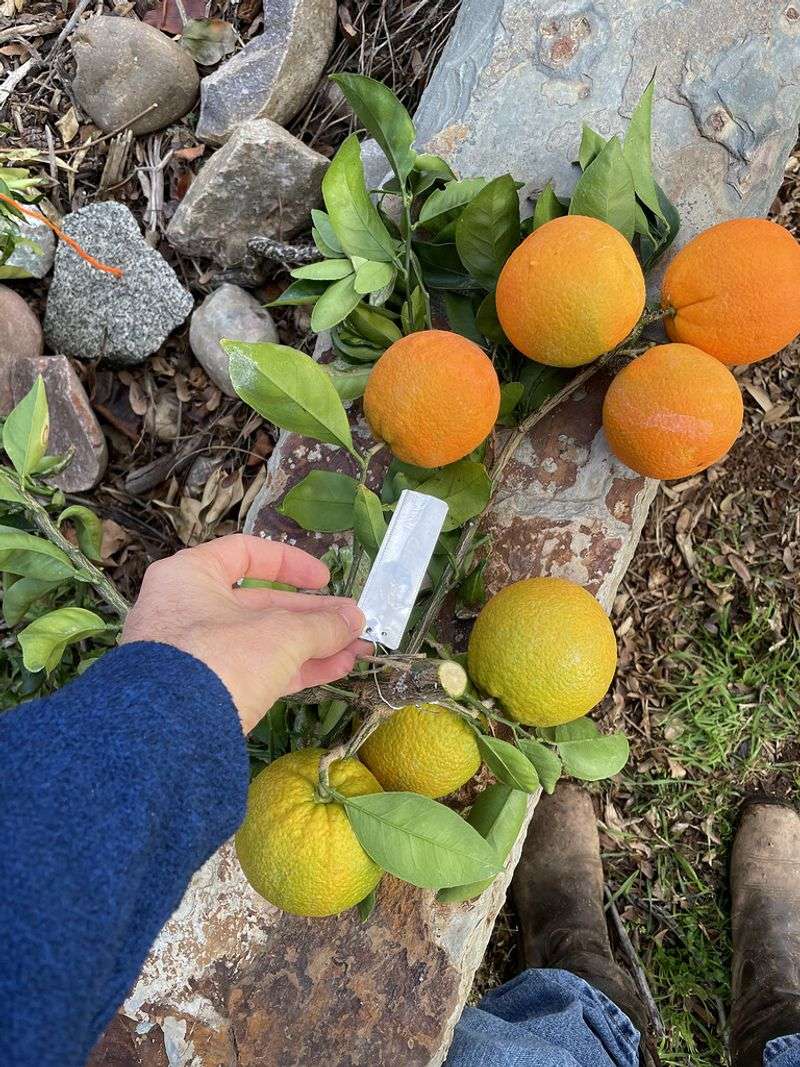
Your oranges are hiding their true colors all summer long, tucked behind a layer of green chlorophyll. Once nights dip below roughly 55 degrees Fahrenheit, that green pigment starts breaking down in the rind.
Underneath, orange and yellow carotenoid pigments finally get their moment in the spotlight. I love watching a tree shift from patchy green to glowing orange over just a few chilly weeks.
Warm days still matter, because the leaves need sunshine to make the sugars that fill each fruit. The color change is mostly a peel event, so it reflects weather more than what happens inside.
Gardeners near the coast often see slower, gentler coloring because their nights stay mild and fairly even. Inland valleys usually get sharper day and night swings, which tends to bring brighter rinds a little sooner.
You can track this shift yourself by snapping a quick phone photo of the same branch every week. Comparing pictures over a month is surprisingly fun, and it helps you learn your own yard’s rhythm.
Keep in mind that greenish fruit is not automatically sour, especially on varieties grown in warmer neighborhoods. Plenty of tasty oranges ripen while still wearing a few green patches near the stem end.
Personally, I treat that first orange blush as a friendly reminder rather than a harvest signal. It tells me the season is turning, and the real tasting adventure is about to begin very soon.
2. Orange Rind Color Can Fool Your Taste Buds
Bright orange skin looks like a promise, but citrus experts warn that rind color is a poor sweetness test. I learned this the hard way after biting into a gorgeous fruit that made my whole face pucker.
Peel color depends largely on temperature, while flavor depends on the balance between sugars and acids inside. Those two processes run on separate schedules, so a pretty rind can show up weeks before good flavor.
Growers measure ripeness using a sugar to acid ratio rather than judging by looks alone. University extension advice suggests home gardeners simply taste a sample fruit before picking the whole tree.
You can make this easy by choosing one fruit from the sunny side and one from the shady side. Sunny fruit often ripens a bit faster, so the comparison teaches you a lot about your tree.
Watch for heft too, since a ripe fruit usually feels heavy for its size when it holds plenty of juice. A light, hollow feeling can hint that the fruit needs more time or has started drying out.
Fun fact for curious kids in the family, oranges in tropical places are often sold green and fully ripe. Without cool nights, the chlorophyll mostly stays put even after the sugars reach tasty levels.
So go ahead and admire those glowing rinds, but let your mouth make the final decision. Your taste buds are a far better tool than your eyes for this particular job.
3. Sour Citric Acid Fades As Citrus Ripens
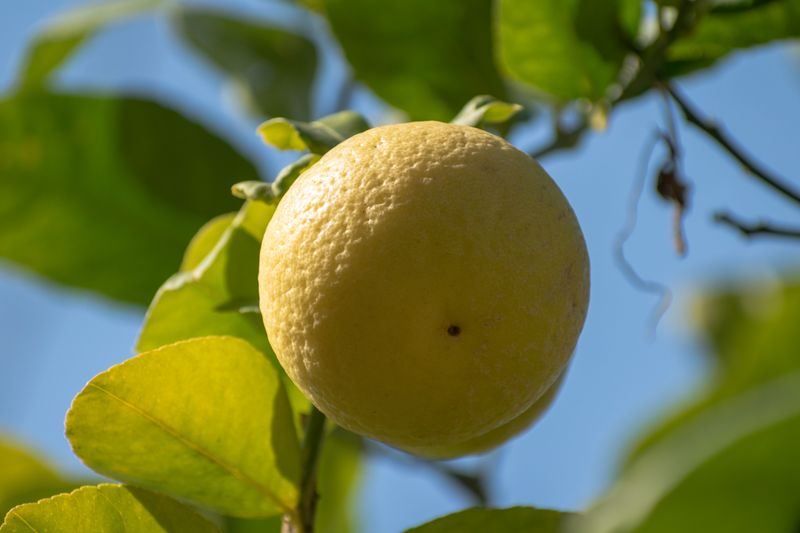
That mouth-puckering zing in early fruit comes mostly from citric acid, and it slowly fades as the season moves along. I think of it like turning down the volume on a loud radio, one notch every week.
Research on citrus shows acid levels drop as fruit matures, while sugars hold steady or slowly rise. That shift changes the ratio, so the same fruit tastes noticeably sweeter even without a giant sugar jump.
Cooler weather is often linked to this smoother flavor, though scientists still study exactly how temperature affects acid breakdown. Enzymes inside the fruit handle the chemistry, and their activity responds to the season in complex ways.
You might notice that a navel picked in early winter tastes sharp compared with one picked months later. Both fruits came from the same tree, yet the later one simply had more time to mellow.
Lemons are a fun exception, since gardeners usually want that tangy acid to stay bold and bright. Meyer lemons are milder by nature, which is why so many backyard cooks love them for desserts.
For sweet oranges and mandarins, patience pays off because each passing week usually softens the sour edge. A quick taste test every seven to ten days helps you catch that sweet spot.
I like keeping a small notebook by the back door to jot down flavor notes. After a couple of seasons, you will know exactly when your favorite tree hits its best balance.
4. Steady Sugar Buildup Happens On The Branch
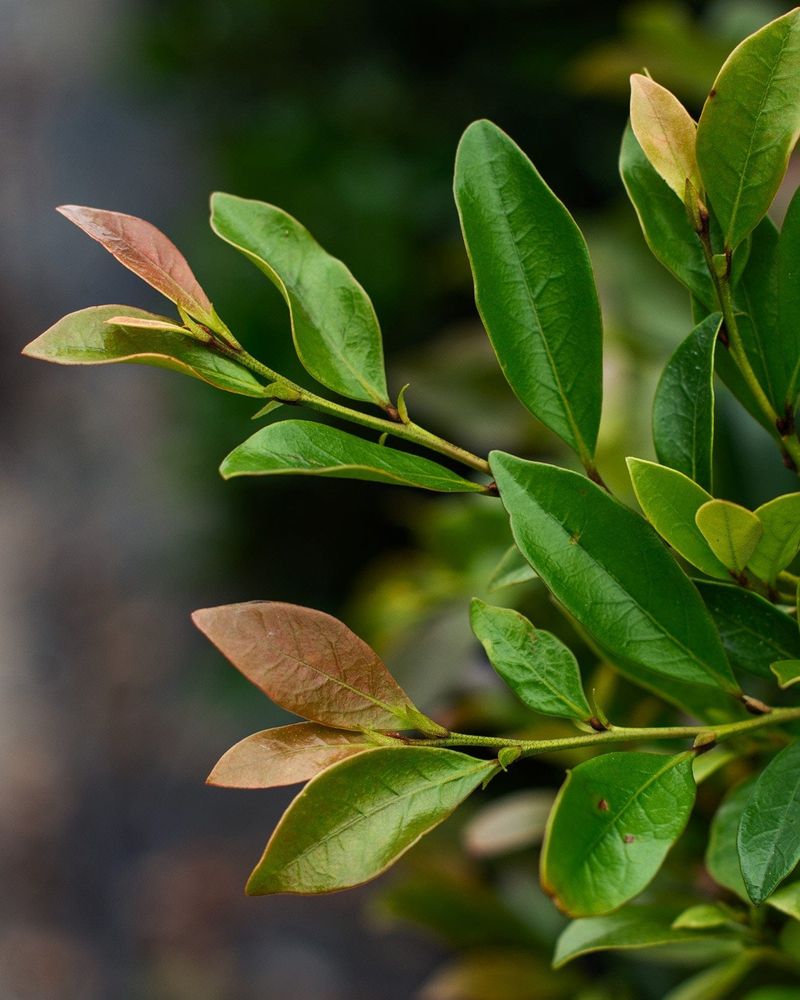
Every bit of sweetness in your fruit started as sunlight landing on a glossy green leaf. Leaves turn that light into sugars, then send them down the branches into the ripening fruit.
Sucrose, glucose, and fructose are the main sugars, and they collect slowly over many months of growth. Cool nights may slow the tree’s nighttime energy use, though sunny days do most of the heavy lifting.
Healthy foliage matters more than many gardeners realize, so protect those leaves from pests and nutrient problems. Yellowing leaves often point to a nitrogen or micronutrient shortage that can hold back fruit quality.
Extension specialists generally suggest feeding citrus with a balanced citrus fertilizer during the active growing months. Follow label rates carefully, because too much nitrogen can push leafy growth while thickening the rind on fruit.
You can help sugar production by thinning crowded interior branches so more sunlight reaches inner leaves. A tree that breathes and glows in the light usually rewards you with richer flavor.
I have to admit my favorite tree sits near a sunny wall that reflects extra warmth. Its fruit tastes noticeably sweeter than the shaded tree by the fence, and the difference surprised me.
Think of the leaves as tiny kitchens cooking up dessert all season long for your harvest. Keep them clean, fed, and sunny, and the fruit becomes the delicious final course you have waited for.
5. Picked Citrus Stops Getting Sweeter Off The Tree
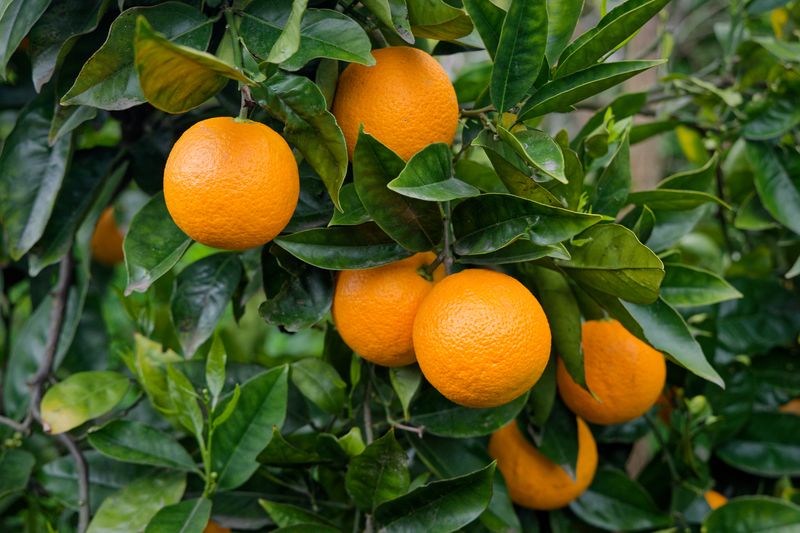
Unlike bananas sitting on your counter, citrus does not keep ripening after you snip it from the branch. Scientists call this kind of fruit non-climacteric, which simply means its flavor mostly stops changing once picked.
That fact changes everything about harvest timing, because a sour fruit in your bowl will stay sour. I once left a basket of early oranges on the counter for a week, hoping for magic that never arrived.
The peel might soften or shift color slightly, but the sugar and acid balance inside stays pretty much the same. Any extra sweetness you seem to taste is usually just water loss concentrating the juice a little.
Leaving fruit on the tree acts like free storage, since many varieties hold well for weeks after ripening. Navels and Valencias are especially good at hanging around while their flavor keeps improving.
Use clippers rather than pulling, since yanking can tear the peel near the stem and invite rot. Cut the stem close to the fruit so it does not poke holes in its neighbors inside the basket.
Once picked, store citrus in the refrigerator crisper drawer to keep it juicy for several weeks. Room temperature works for a few days, though fruit tends to dry out faster on the counter.
You might find it helpful to pick only what you can eat within a week or two. The tree is honestly the best pantry you could ask for during citrus season.
6. Blood Oranges Need Chilly Nights For Red Flesh
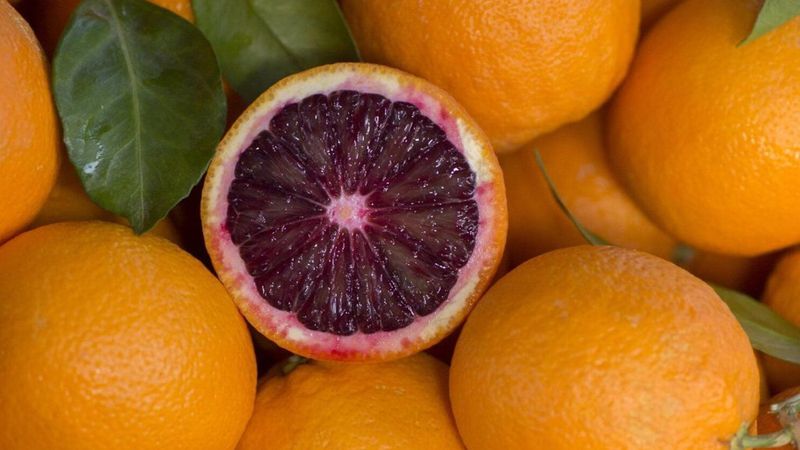
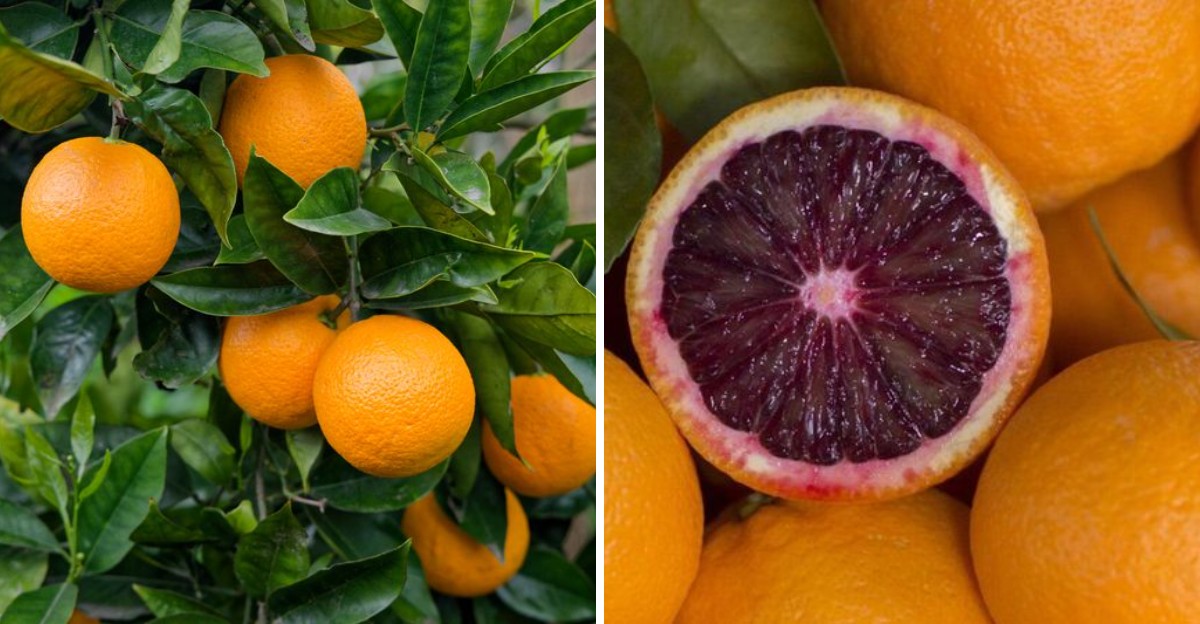
Slice open a Moro blood orange in late winter and the deep crimson flesh looks almost like jewelry. That dramatic color comes from anthocyanins, the same family of pigments found in blueberries and red cabbage.
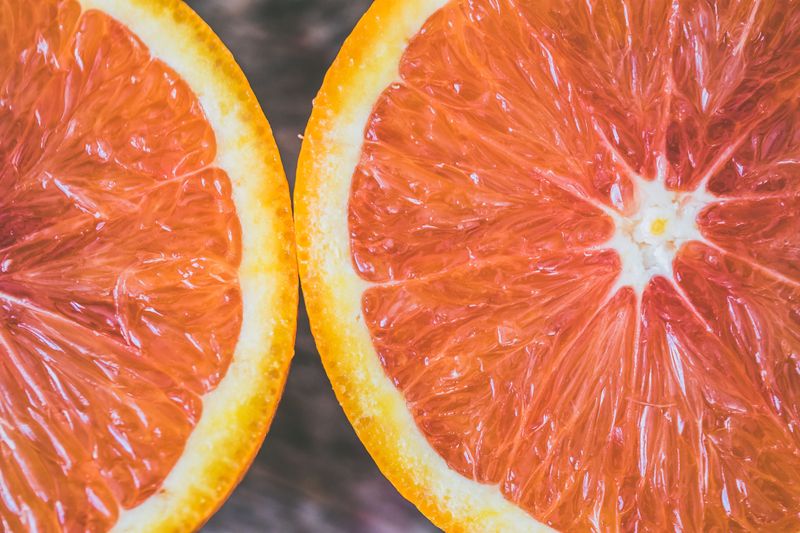
Blood oranges generally need cool nights paired with warm days to develop strong red coloring inside. In very warm climates, the same varieties often produce pale fruit with only faint streaks of red.
Moro is usually the most richly colored, while Tarocco and Sanguinelli tend to show lighter blushes. Personally, I love how each fruit is a little surprise until the knife reveals its inside.
Research has also found that cold storage can boost anthocyanin levels in harvested blood oranges. Studies often mention temperatures in the low forties to low fifties Fahrenheit for that color bump.
Timing matters too, because blood oranges usually reach peak color and flavor from midwinter into early spring. Picking too early often gives you an ordinary-looking orange with a hint of berry flavor.
Many inland California gardens see a nice day and night temperature swing that supports good color. Coastal gardeners can still grow them, though they may see lighter streaks in some seasons.
Plant your tree in the sunniest spot available, with well-drained soil and room for air movement. Then wait for those chilly winter nights, and enjoy the reward when the first ruby slice lands on your plate.
7. Mandarins Can Puff Up When Left Too Long
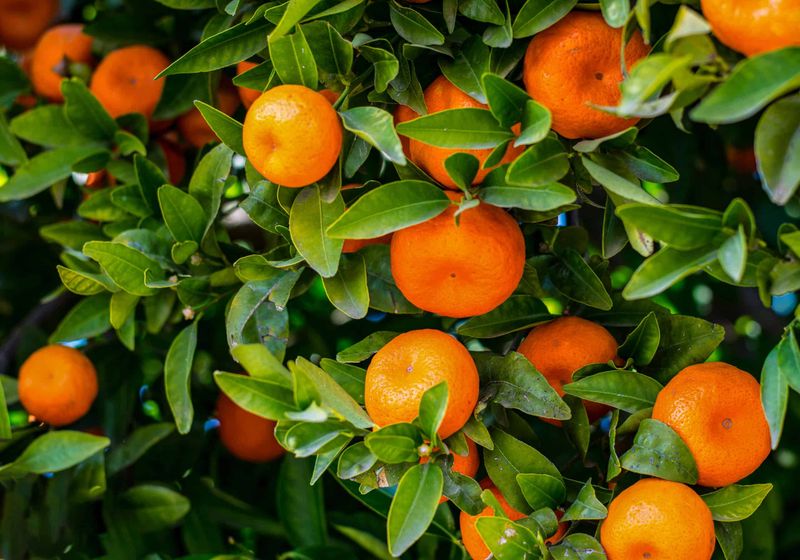
Mandarins are the speedy sprinters of the citrus world, often ready to eat well before navels in many yards. Satsumas especially can ripen in late fall, which makes them a favorite first treat of the season.
Leaving them too long can backfire though, because many mandarins develop a puffy, loose peel. That gap between peel and flesh makes the fruit bruise easily, and the flavor can turn flat.
Some varieties also suffer from granulation, where the juice sacs dry out into a gritty, pulpy texture. I was pretty disappointed the first time I peeled a gorgeous fruit and found dry, chewy segments inside.
The fix is simple, so harvest mandarins soon after they taste sweet rather than letting them hang for months. Check a fruit or two each week once the peel colors and the aroma turns fragrant.
A gentle squeeze tells you a lot, since firm fruit with snug skin is usually at its best. If the peel feels baggy and spongy, those fruits should be picked and eaten soon.
Varieties like Gold Nugget and Tango tend to hold on the tree longer than satsumas do. Reading the nursery tag or extension variety guides helps you plan your harvest schedule before fruit even forms.
Mixing early and late mandarins in your garden stretches the season nicely across winter and spring. Your snack bowl stays full, and nobody in the house complains about running out.
8. Valencia Oranges Can Regreen In Warm Weather
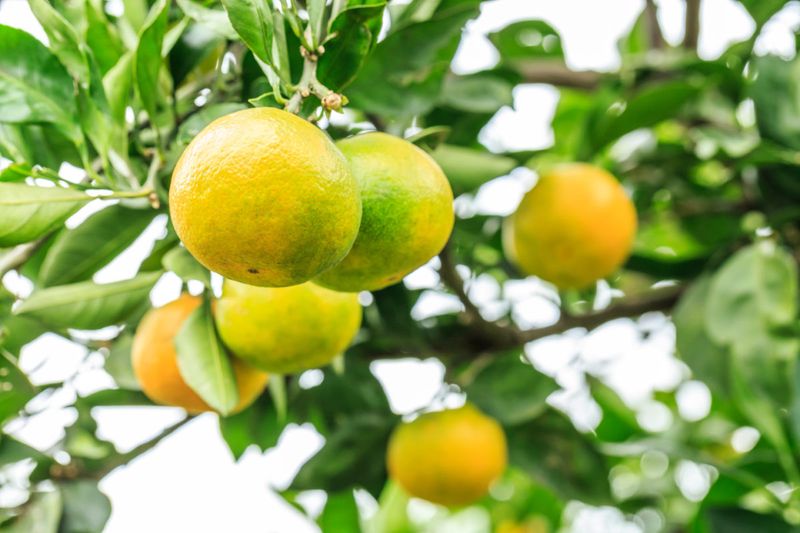
Valencias pull a sneaky trick that confuses plenty of new citrus growers every single summer. Ripe orange fruit can slowly turn greenish again as hot weather returns and chlorophyll creeps back into the peel.
Gardeners call this regreening, and it affects the rind without harming the juicy flesh inside. Honestly, I panicked the first time I saw it, thinking my tree had some mysterious disease.
The fruit is still perfectly good to eat, and it often tastes wonderfully sweet by that point. Regreening is basically the reverse of the cool night color change, proving how much temperature shapes peel color.
Valencias are famous as summer juice oranges, usually ripening in spring and holding well into the warm months. Their long hang time on the tree gives acids plenty of time to soften gradually.
Because fruit can stay on the branch so long, you may see ripe oranges beside new blossoms. Seeing two crops at once on one tree is completely normal for this variety, so do not worry.
If you grow Valencias, judge ripeness by taste and juice rather than how bright the rind looks. A slightly green, heavy fruit can easily beat a perfectly orange one in a blind taste test.
I love sharing this quirky fact with visiting friends who think green fruit must be sour. Handing them a sweet regreened Valencia usually wins the argument in one juicy bite.