9 Common Reasons Your Pennsylvania Trees Didn’t Change Color This Fall
The golden yellow in autumn leaves was hiding inside them all summer, covered by a thick coat of green. Red is different, because many trees build those red pigments fresh each fall from sugars trapped in the leaves.
That fresh chemistry depends heavily on weather and tree health, so one odd season can quietly change the whole show. Across Pennsylvania, some hillsides glowed this fall while other trees stayed green or faded straight into dull brown.
I spent weeks squinting at my backyard maple, wondering why it skipped its usual scarlet coat this year.
You might notice the same puzzle in your own yard, especially if trees down the street looked brighter than yours.
A little digging through Penn State Extension research gave me answers that were more interesting than I expected.
So what quietly stole the color from so many Pennsylvania trees, and could your yard have the same culprit?
1. Summer Drought Leaves Maple Leaves Crispy And Brown
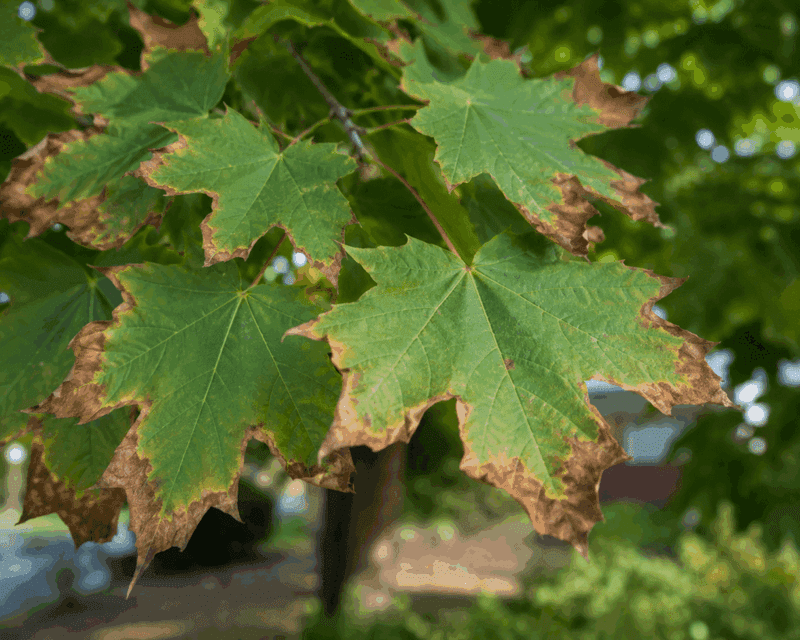
Nothing sounds sadder than crunchy maple leaves skittering across the driveway in early September, weeks ahead of schedule. Long dry spells push trees into survival mode, and they often shed leaves early to save precious water.
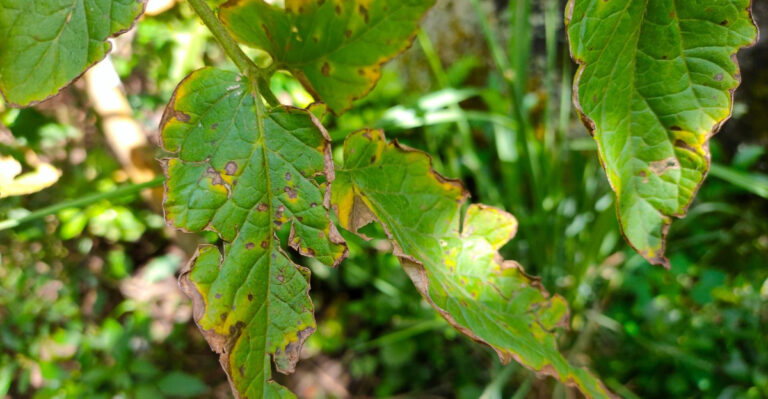
Drought watches have popped up across parts of Pennsylvania in recent years, and stressed trees showed it first. Leaves on thirsty trees often turn brown along the edges, a symptom arborists like to call leaf scorch.
Oddly enough, a mild dry spell in late summer can sometimes brighten reds by concentrating sugars in leaves. Severe drought flips that benefit around, leaving the tree too weak to finish its normal color change.
Young trees and street trees struggle most, since their roots reach less water than established woodland trees. I learned this the hard way with a red maple I planted beside my hot blacktop driveway here in Pennsylvania.
Your best move is deep, slow watering about once a week during dry stretches, soaking the whole root zone. A soaker hose or a bucket with tiny holes works nicely for newer trees in your yard.
Keep watering until the ground freezes, because trees enter Pennsylvania winters healthier when their roots stay evenly moist. A ring of wood chip mulch, two to three inches deep, helps hold that moisture in place.
2. Warm Autumn Nights Keep Red Pigments From Forming
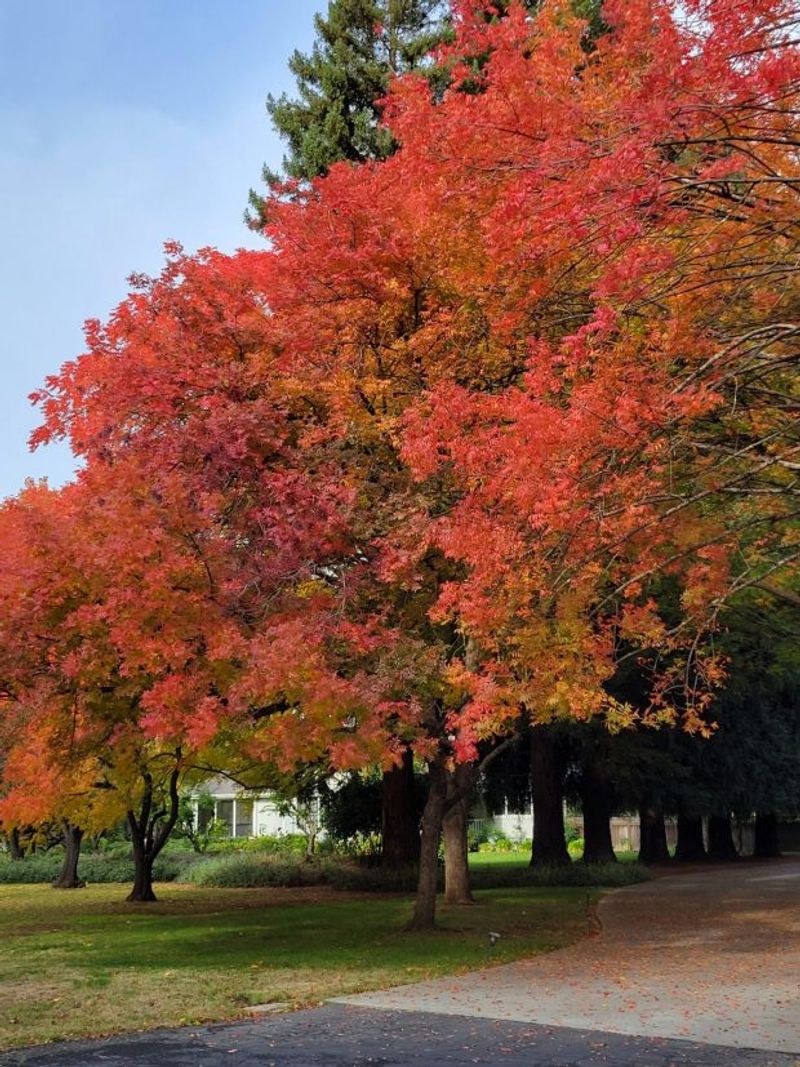
Those red leaves need chilly nights the way a mug of cocoa needs a brisk evening outside. Cool temperatures, ideally above freezing but below about 45 degrees, trap sugars inside leaves where red pigments form.
Warm nights let those sugars drift away into branches and roots before the leaves can use them. Fewer trapped sugars means less anthocyanin, the pigment behind the scarlet shades on red maples and sumacs.
Penn State foliage experts often point out that sunny days paired with crisp nights produce the brightest displays. When autumn nights stay muggy, trees tend to hold green longer and then fade without much drama.
I remember one October when I wore shorts on Halloween, and my sugar maple barely blushed orange. Yellows still showed up, since those carotenoid pigments sit in the leaf all season regardless of temperature.
You cannot control the thermometer, of course, but you can learn which trees handle warm falls better. Species leaning on yellow pigments, like hickories and tulip poplars, stay fairly reliable even in mild autumns.
Keep a simple notebook of night temperatures and peak color dates for your own trees each year. After a few seasons, you will spot patterns that make the next autumn show much easier to predict.
3. A Hard Freeze Turns Green Leaves Brown Overnight
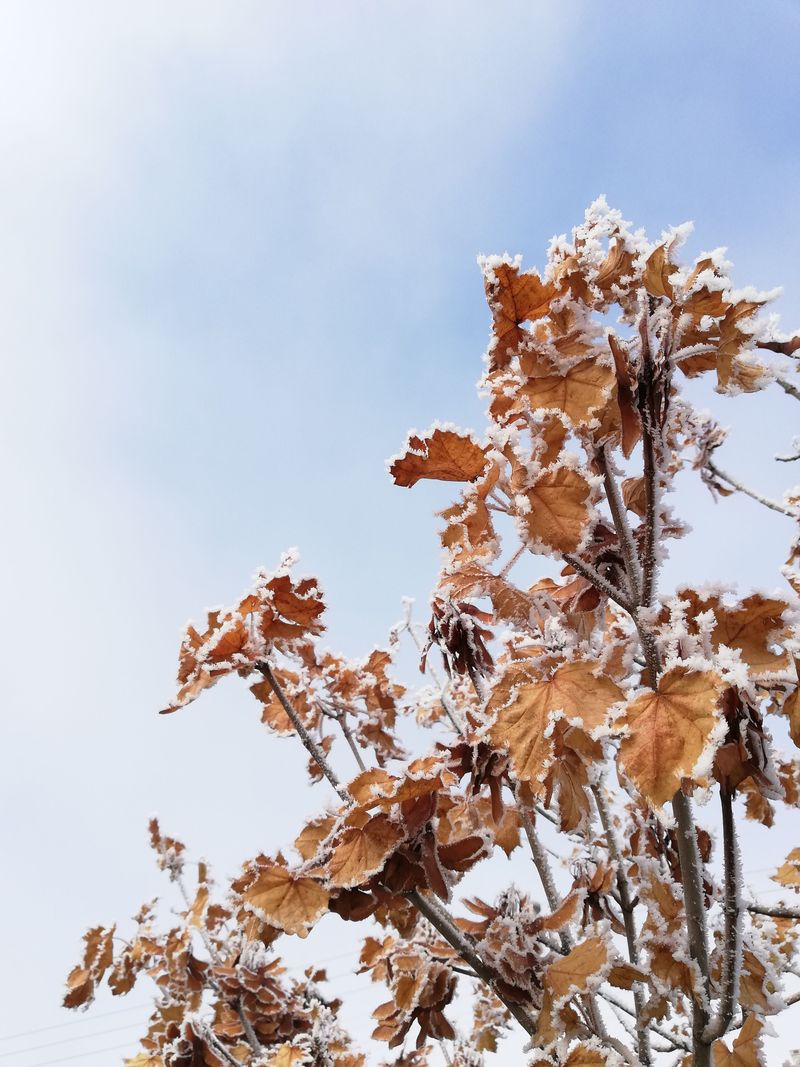
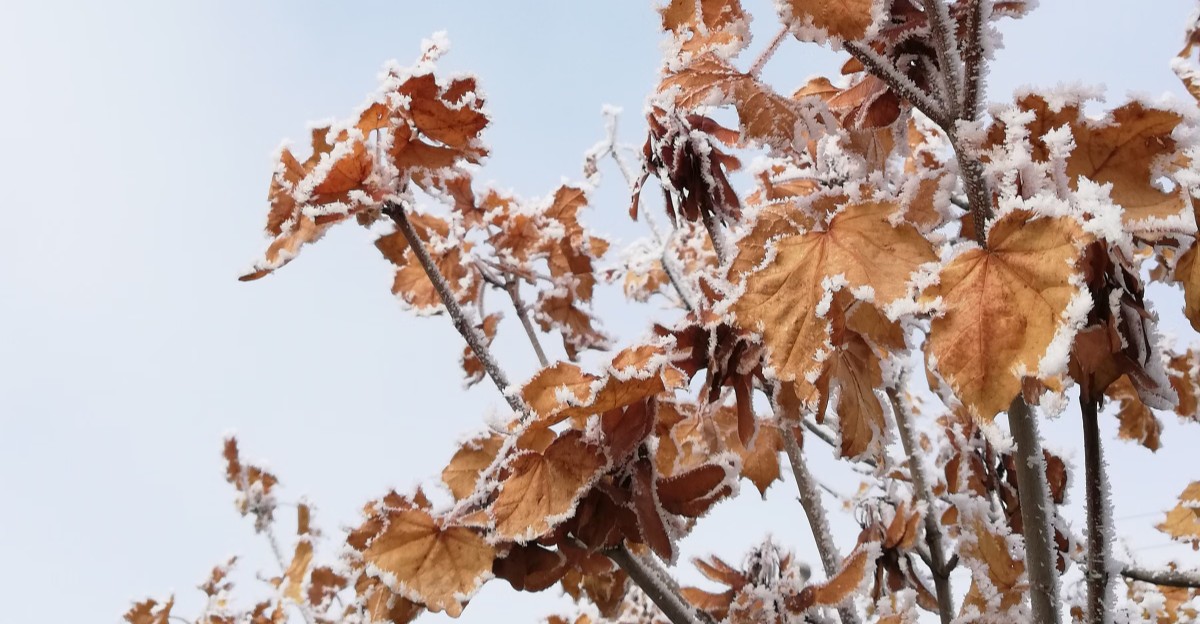
Frost gets credit for painting leaves, but a hard freeze usually does the opposite and browns them overnight. A light frost is mostly harmless, while temperatures in the mid twenties can damage tender leaf tissue quickly.
Leaves hit by a sudden hard freeze often shrivel up and hang on branches like crumpled brown paper bags. They skip the slow color change because the cells inside get damaged before pigments have time to develop.
Valley spots and low backyards often feel this first, since cold air sinks and pools like water. I have watched my creekside dogwood turn brown while trees uphill kept glowing for another full week.
Higher elevations in the northern counties usually reach peak color earlier, so they face earlier freeze risk too. Timing matters a lot, because a freeze after peak color does far less harm than one before it.
Your trees will usually recover just fine, since buds for next spring formed during summer and sit well protected. Avoid pruning the damaged branches now, and wait until late winter when the tree is fully dormant.
Rake up the frozen leaves and add them to your compost pile or chop them with the mower. They still break down into rich organic matter that feeds your soil, even without any pretty colors.
4. Cloudy Rainy Weeks Mute Fall Leaf Colors
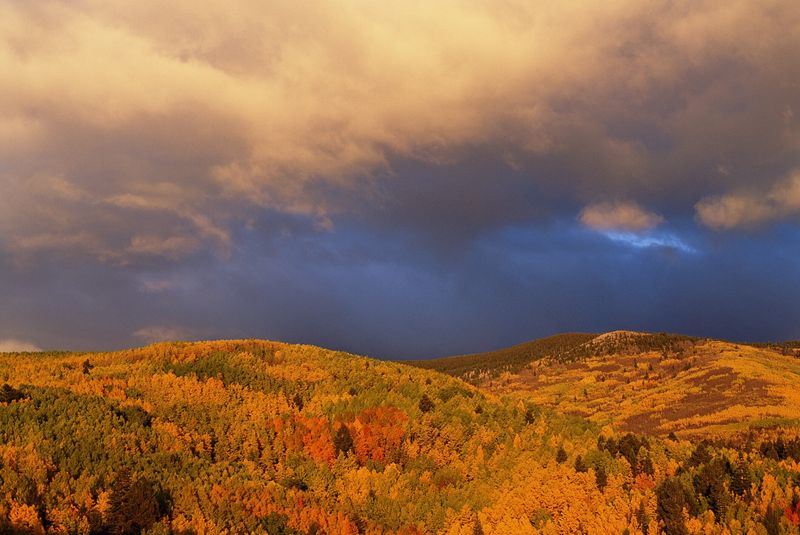
Gray skies can rob a hillside of its sparkle faster than almost anything else in autumn. Leaves need bright sunshine to make sugars, and those sugars become the raw material for red pigments.
Week after week of drizzle means fewer sugars, which usually means muted reds and more yellow or brown. Wet weather can also keep chlorophyll hanging around longer, so many leaves stay a stubborn green into late October.
Persistent damp weather encourages leaf fungi too, and spotted leaves often drop before they color up at all. Strong rainstorms and gusty wind can then knock leaves down early, cutting the display short before it peaks.
Foresters often say the dream recipe pairs a healthy wet spring with sunny, dry autumn days afterward. I find that comforting, since it means one soggy fall rarely says anything bad about my trees.
You can help by keeping gutters and downspouts from dumping water right at the base of your trees. Soggy soil around roots for long periods can lead to root problems, especially in heavy clay soils.
Take photos of your trees each fall and note the weather, sunny or gloomy, beside each picture. Over time, you will see how much of the show depends on skies rather than anything you did wrong.
5. Shady Branches Turn Yellow Instead Of Red
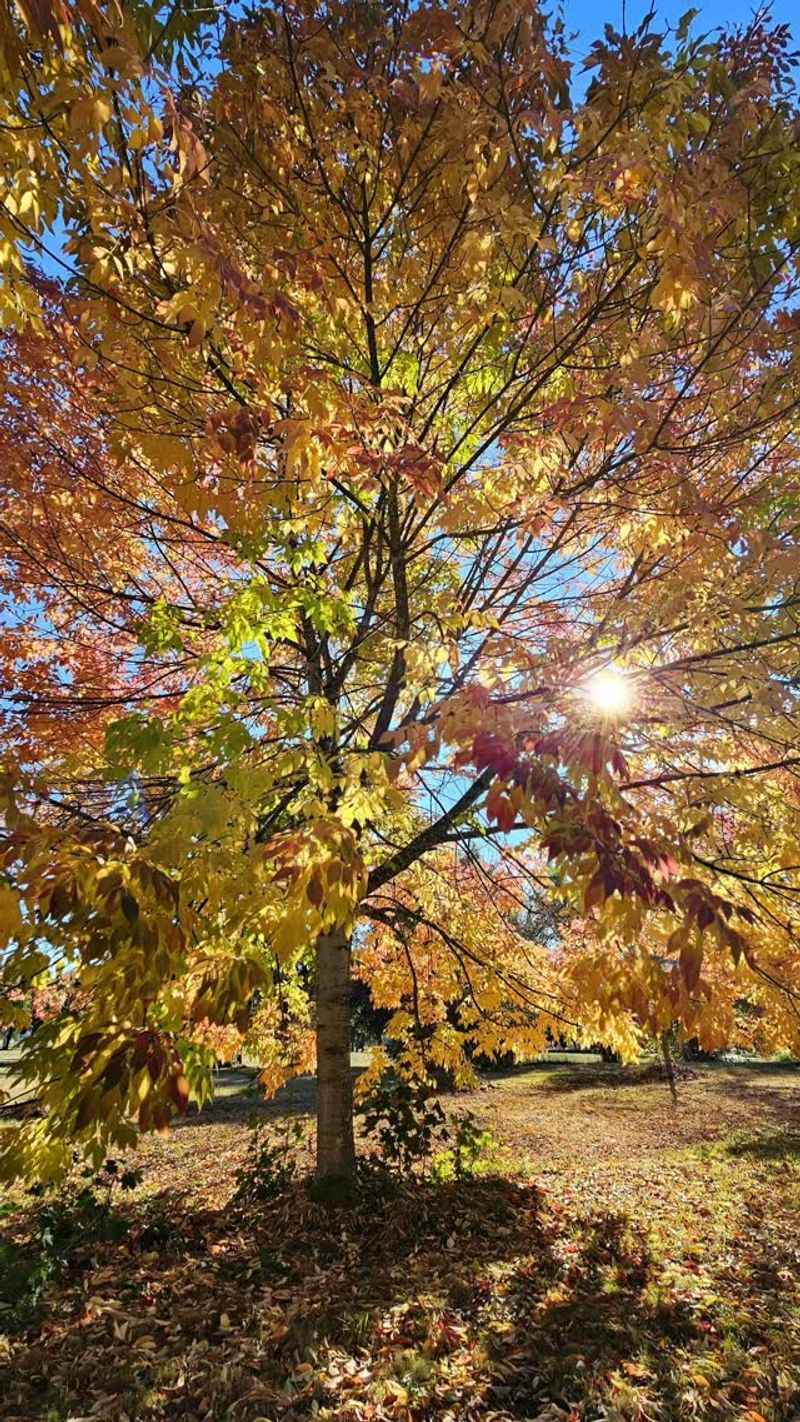
Ever notice a sugar maple glowing red on its sunny side while the shady side stays plain yellow? Sunlight drives red pigment production, so leaves tucked in shade often skip the red stage and show yellow instead.
Outer leaves catch the most light and color first, while inner leaves lag behind and look washed out. I was surprised to spot that difference along a single branch of my own red maple last October.
Trees planted under taller neighbors or beside the north wall of a house often face this exact problem. Over the years, growing trees and new buildings can slowly steal light that young trees once enjoyed.
If you are planting this fall, choose spots with at least six hours of direct sun for color-loving species. Native options like black gum and sassafras reward sunny locations with especially strong red and orange tones.
Fall is a great time to plant in Pennsylvania, since warm soil helps roots settle in before winter arrives. Water new trees weekly until the ground freezes, and keep mulch a few inches away from the trunk.
For existing trees, a certified arborist can thin crowding branches nearby to let more light reach the canopy. Skip topping trees, which weakens them and often creates messy regrowth that blocks even more light later.
6. Leaf Spot Fungus Makes Sycamore Leaves Drop Early
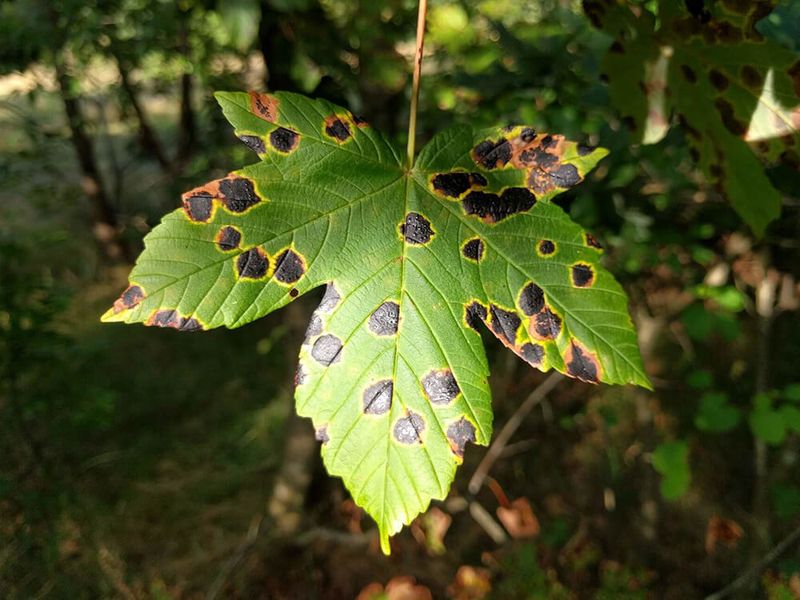
Brown blotches showed up on my sycamore leaves back in June, and by September the tree looked half bare. Anthracnose, a fungal disease that loves cool wet springs, often causes this early leaf drop on sycamores and maples.
Tar spot on maples leaves black, raised patches that look like someone flicked paint across the leaves. These diseases rarely harm a mature tree seriously, but they can steal much of the fall color show.
Leaves weakened by fungus usually drop early or turn brown before they can develop bright autumn tones. A tree with fewer healthy leaves also stores fewer sugars, which can mean a duller display the following year.
Fall cleanup makes a real difference, since many leaf fungi spend winter on fallen leaves under the tree. Rake infected leaves and bag them or compost them in a hot pile instead of leaving them on the lawn.
Good airflow helps too, so prune crowded interior branches during late winter dormancy for drier spring leaves. Avoid sprinklers that soak the foliage, and water at the base of the tree whenever possible.
Spraying fungicides on large trees is rarely practical or necessary for homeowners dealing with these common leaf problems. Penn State Extension favors sanitation and patience first, since healthy trees usually bounce back the next season.
7. Spotted Lanternflies Crowd Maple Trunks And Drain Sap
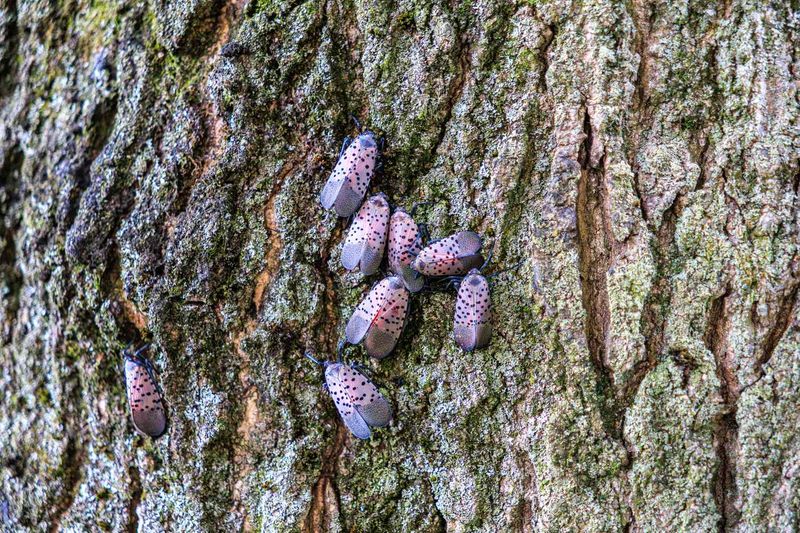
Few sights make a gardener groan louder than spotted lanternflies lined up along a maple trunk in September. These invasive planthoppers suck sap from many trees, and heavy feeding can stress maples and leave sticky honeydew everywhere.
That honeydew grows black sooty mold, which coats leaves and blocks some of the sunlight they need. Stressed leaves under that grimy film often fade early instead of building strong, clear fall color.
Spongy moth caterpillars chewed through oak leaves in parts of the state during outbreak years, leaving trees partly bare. Trees often push out a second set of leaves afterward, which uses stored energy and weakens the autumn display.
Scrape lanternfly egg masses off trunks and patio furniture this fall and winter, sealing them in a bag with hand sanitizer. Penn State Extension also suggests circle traps on infested trees, which catch nymphs without trapping birds as often.
I check my trees weekly during summer, and catching problems early has saved me plenty of frustration since then. A healthy, well-watered tree handles insect feeding far better than one already struggling with drought or compacted soil.
If you live in a quarantine county, check vehicles and firewood before traveling so you avoid spreading hitchhiking lanternflies. Report new sightings in uninfested areas to the state agriculture department through its online reporting tools.
8. Heavy Lawn Fertilizer Keeps Tree Leaves Green Late
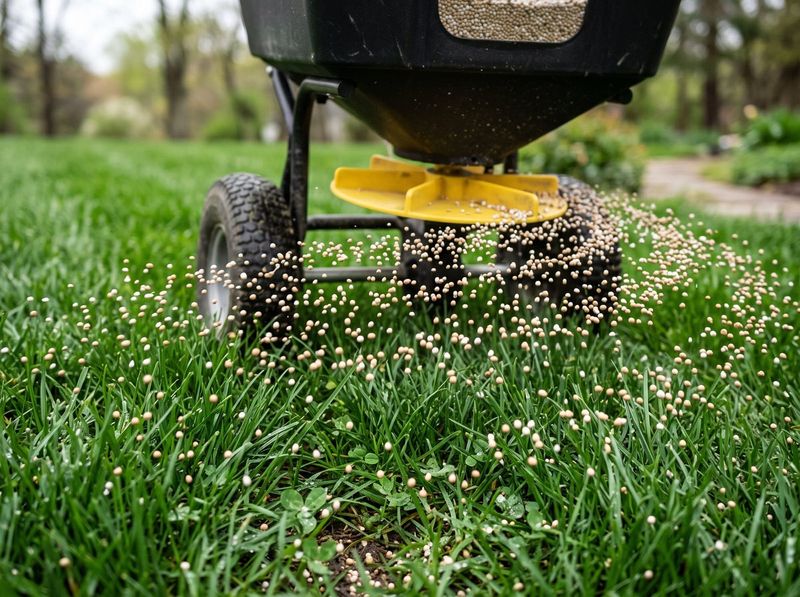
Generous lawn feeding near trees can backfire, because extra nitrogen keeps leaves busy growing when they should slow down. High nitrogen levels encourage leafy green growth, which can delay fall color and mute those bright reds.
Trees growing in heavily fertilized lawns often stay green later than trees in nearby natural areas. I noticed my lawn-surrounded maple lagging behind the woodland maples at a local park by almost two weeks.
Late summer fertilizer is a common culprit, since it pushes soft new growth right before the season changes. That tender growth also faces a higher risk of cold injury once the first hard freezes arrive.
The opposite problem exists too, since trees short on nutrients can color early and drop leaves too soon. A soil test from Penn State Extension costs little and tells you what your yard actually needs.
Most established trees in decent soil need little or no fertilizer, especially when they share space with lawns. Leaving shredded fallen leaves as mulch under trees returns nutrients slowly, just the way forests feed themselves.
Pull back lawn fertilizer from the area under the tree canopy, or switch to slow-release products applied in spring. Your trees will likely reward that restraint with clearer, more natural color changes in future seasons.
9. Oaks And Tulip Poplars Are Wired For Gold And Brown
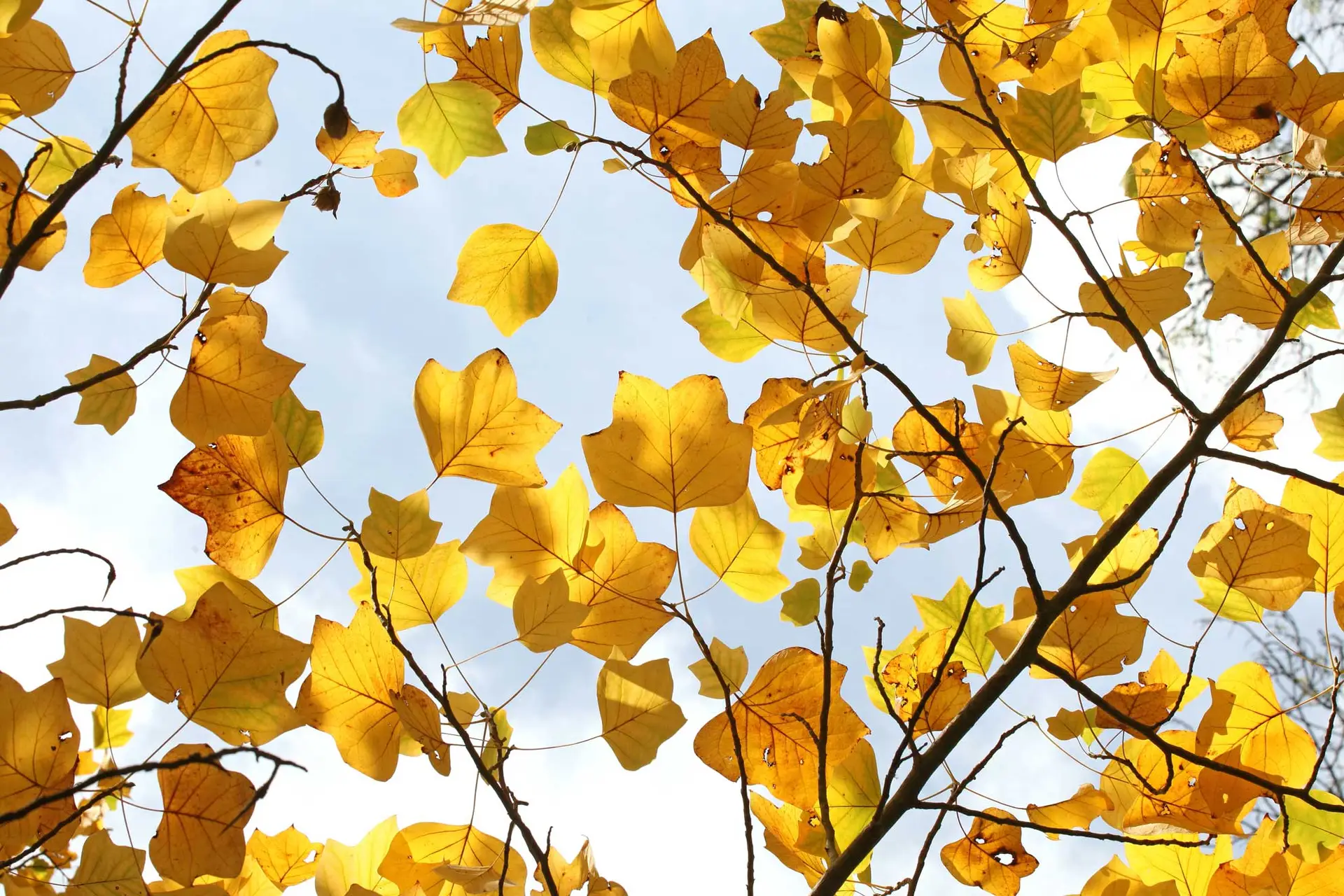
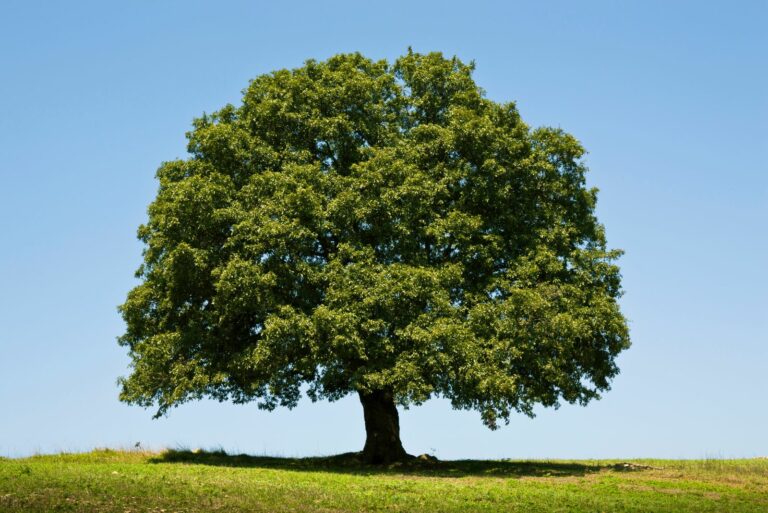
Some trees are simply wired for yellow, and no amount of perfect weather will turn them fiery red. Tulip poplars and hickories glow gold, while many oaks settle into warm russet and leathery brown shades.
Even within one species, individual trees vary a lot, especially red maples grown from seed. Two red maples planted side by side might turn different colors, one scarlet and the other yellow, purely because of their different genes.
Nursery cultivars like October Glory and Red Sunset red maples were selected partly for their dependable red fall color. Buying a named cultivar gives you better odds than picking a random seedling with unknown color habits.
Some popular yard trees like Norway maple are invasive in the state and often hold green leaves very late. Please skip planting them, and choose native options like black gum, which turns brilliant red in most autumns.
I adore the quiet bronze of my white oak, even though it rarely steals the spotlight in October. Brown leaves often cling to oaks and beeches through winter, a habit called marcescence that adds texture to snowy yards.
Before blaming the weather, check what species you actually own using a simple app or a Penn State tree guide. Knowing your tree’s natural palette helps you enjoy its season instead of wishing it were something else.