Why Your Florida Fig Tree Is Dropping Leaves in November (Blame the Humidity)
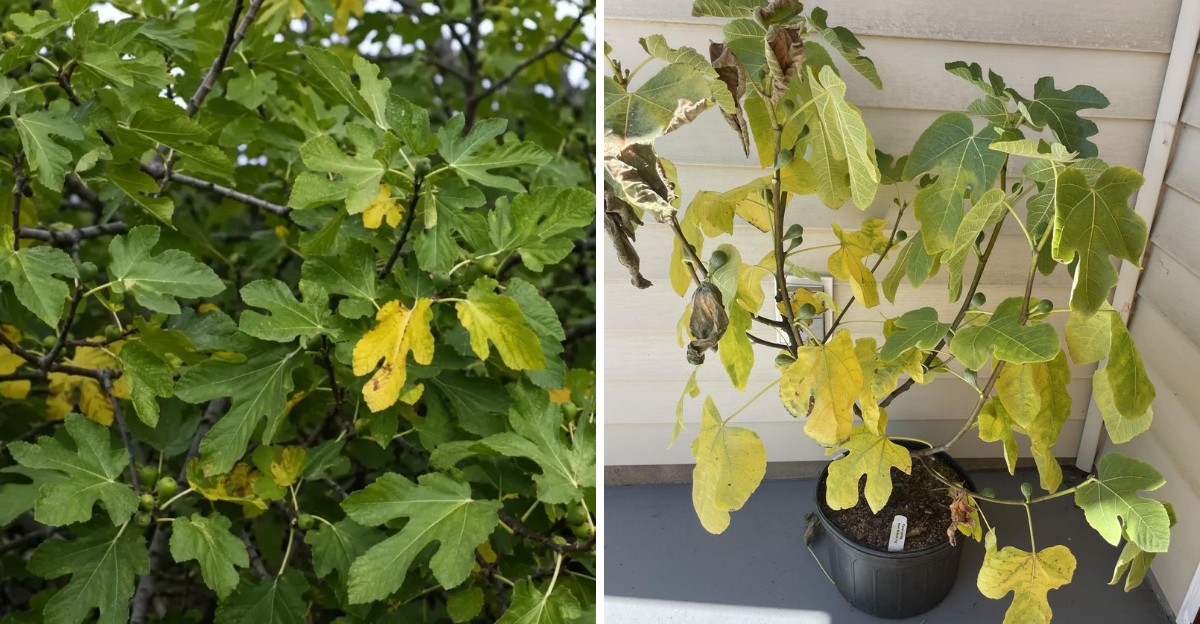
Orange dust can stain your fingertips when you rub the underside of a sick leaf in late fall. That powder is made of fungal spores, and muggy Florida air helps them spread from branch to branch.
Our beloved backyard fruit tree actually comes from dry Mediterranean hillsides, where summers bake and the air stays crisp. Moving it into the steamy Florida climate is a bit like asking a desert hiker to live in a sauna.
I have to admit that my heart sinks a little each time a yellow leaf floats past my kitchen window. You might notice the same thing happening right now, with bare twigs showing up weeks before you expected them.
Some of that shedding is perfectly healthy, while some of it is a quiet cry for help. I had to see it to believe it, but one quick rub of a leaf can reveal which story your tree is telling.
1. Shorter Days Send Fig Trees Into Winter Rest
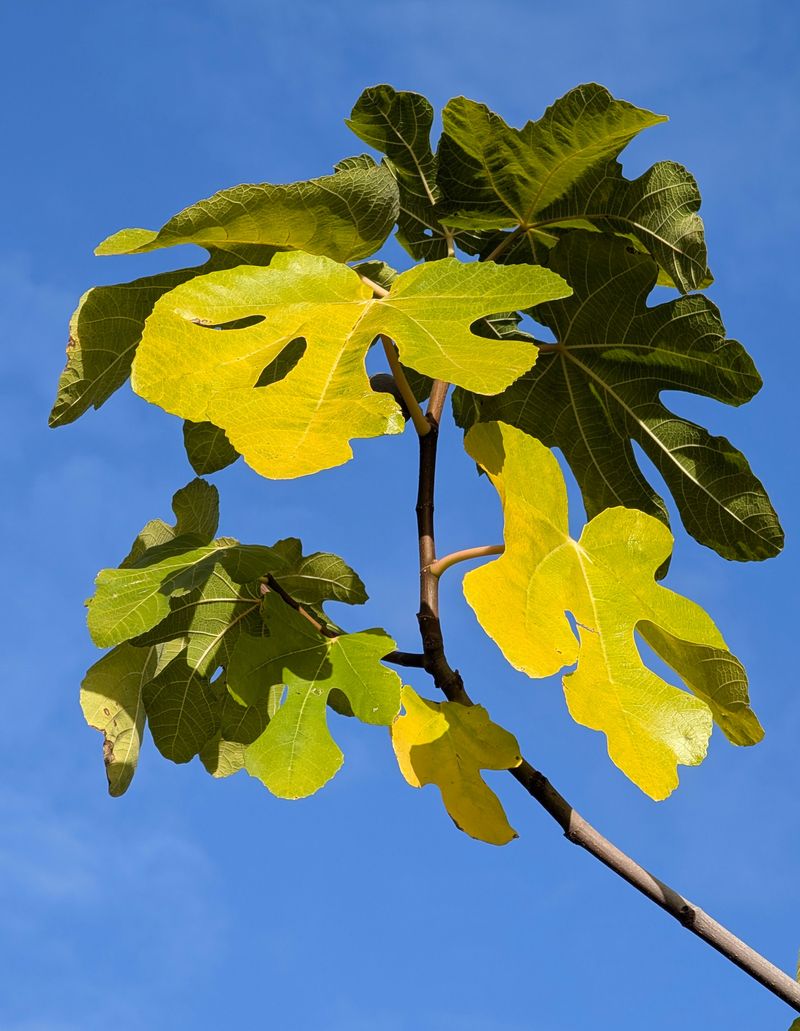
Every autumn, your fig tree quietly checks the calendar by measuring how long the nights last. Common figs, known to botanists as Ficus carica, are deciduous, so dropping leaves in late fall is normal.
I love how calm this process looks when it goes right, with leaves fading to butter yellow first. They loosen gently and fall a few at a time, rather than crashing down in one dramatic weekend.
Cooler nights and weaker sunshine tell the tree to stop making new growth and save its stored energy. That rest period helps it push out fresh leaves and a healthy fruit crop once warm weather returns.
In the northern half of the state, trees often go bare by December and stay leafless for weeks. Down south, where winters run warm, some figs hold onto a few tired leaves almost all year.
You can help the tree settle in by easing off fertilizer now, since late feeding pushes tender shoots. Those soft shoots get nipped easily when the first chilly front rolls through your neighborhood later.
Rake up fallen leaves anyway, because tidy ground gives fungal spores fewer places to hide over winter. Personally, I toss mine in a yard waste bag instead of the compost pile when disease shows up.
Healthy dormancy usually looks tidy and gradual, while trouble often shows up as spots or sudden browning. Keep that difference in mind as we look at the less friendly reasons leaves hit the ground.
2. Orange Fig Rust Spots Thrive In Muggy Air
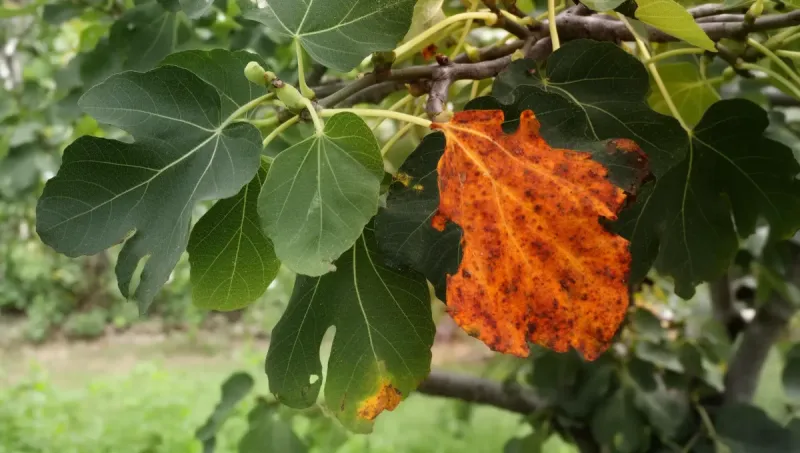
Tiny yellow freckles on the top of a leaf may look harmless, but they often mean rust has arrived. Flip that leaf over, and you might find raised reddish brown bumps packed with powdery orange spores.
Fig rust is caused by a fungus called Cerotelium fici, and it ranks among the most common fig problems. University of Florida experts note that it thrives in warm, wet weather and spreads fast during humid spells.
Heavy infections turn leaves yellow and brown, and the tree may drop most of them by late fall. I believe this is the biggest reason so many backyard figs look bare long before winter truly begins.
Early leaf loss matters because a bare tree in fall sometimes pushes new growth during a warm stretch. That fresh flush is easily damaged by cold, which can weaken the tree heading into spring.
Your best move right now is cleanup, so gather fallen leaves and bag them instead of leaving them. Spores linger on old foliage, and removing it lowers the amount of fungus waiting for next season.
Next summer, water at the base of the tree in the morning so the leaves stay as dry as possible. Light pruning also opens the canopy, letting breezes sweep through and carry away some of that clinging moisture.
Copper fungicides labeled for figs can help when sprayed early in the season, before rust gets going. Spraying a tree that is already shedding in late fall rarely changes much, so save your effort.
3. Fig Leaf Blight Spreads Webs On Damp Leaves
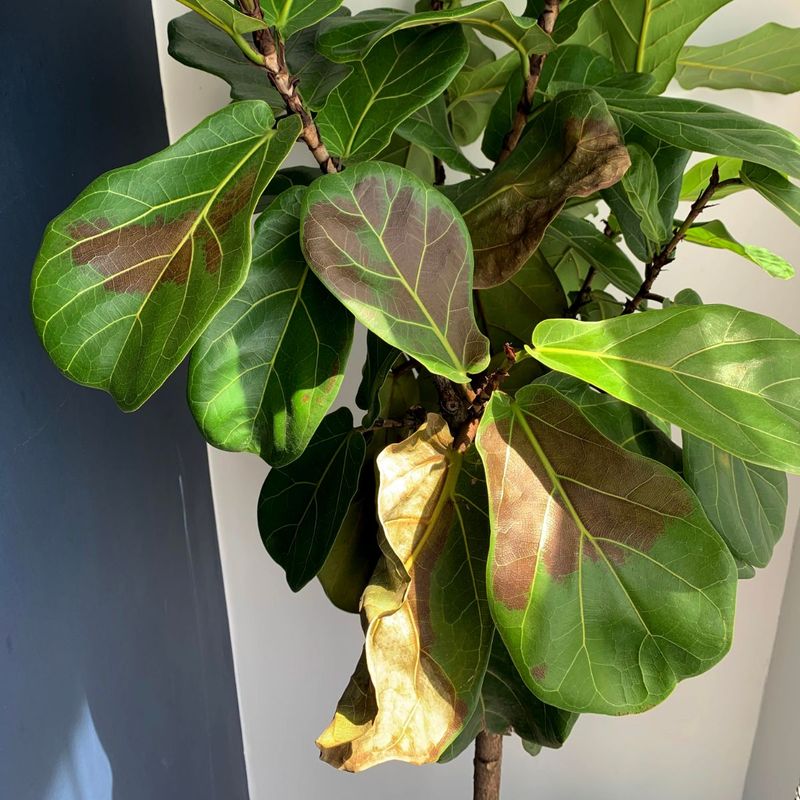
Strange brown leaves dangling from twigs by thin threads can look like something from a spooky movie. Those threads belong to a fungus, and they point to a humid weather problem called fig leaf blight.
Plant scientists link the disease to a fungus long known as Pellicularia koleroga, which loves damp, still air. Warm summers along the Gulf and Atlantic coasts give it plenty of chances to spread through crowded branches.
Symptoms usually begin as pale, water soaked patches that slowly turn yellowish before drying to a papery tan. You might also spot a thin, silvery web of fungus on the undersides of those damaged leaves.
What surprises me most is how stubbornly the leaves hang on, matted together instead of falling cleanly. Eventually they do drop, and a badly affected tree can look ragged and thin by late autumn.
Pruning out infected twigs is one of the simplest fixes, so clip them and bag them right away. Wipe your pruners with a household disinfectant between cuts so you avoid carrying spores to healthy wood.
Spacing matters too, because figs planted tightly against fences or other shrubs trap moisture around their leaves. Giving your tree a little elbow room lets sunshine and breezes dry the canopy after summer storms.
Since blight and rust often show up together, cleaning the ground under your tree helps with both problems. I like to finish with a fresh layer of mulch, keeping it a few inches away from the trunk.
4. Root-Knot Nematodes Attack Fig Roots In Sandy Soil
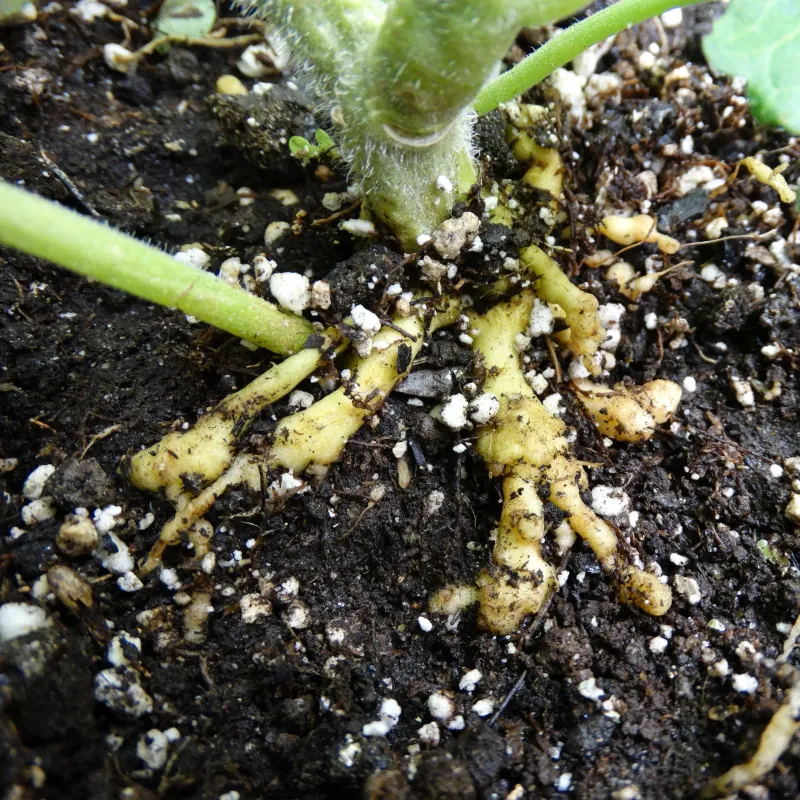
Microscopic worms can quietly sabotage a fig tree from below while you stare at the leaves for answers. Root-knot nematodes are a major fig pest in sandy soils, and Florida yards have sand in abundance.
Belonging to the genus Meloidogyne, these pests burrow into young roots and cause knobby swellings called galls. Those lumpy roots struggle to soak up water and nutrients, so the whole tree slowly loses strength.
Above ground, you might notice stunted growth along with leaves that yellow and drop earlier than nearby healthy trees. Wilting on hot afternoons, even when the soil feels moist, is another clue that the roots are struggling.
Honestly, nematodes frustrate me more than most pests, because no home spray can fully clear them from soil. Management is about helping the tree grow enough healthy roots to outpace the damage over time.
University extension experts suggest a thick layer of organic mulch, which encourages roots to spread near the surface. Rich, moist mulch supports beneficial soil life and helps those shallow roots keep feeding despite the pests below.
Planting figs near a building or wall is another old trick, since roots can reach cooler, protected soil underneath. Southern gardeners have used that approach for generations with surprisingly good results on stubborn sandy lots.
If you suspect nematodes, your county extension office can explain how to submit a soil sample for testing. Knowing for sure beats guessing, and it keeps you from blaming humidity for a problem underground.
5. Waterlogged Soil Suffocates Fig Tree Roots
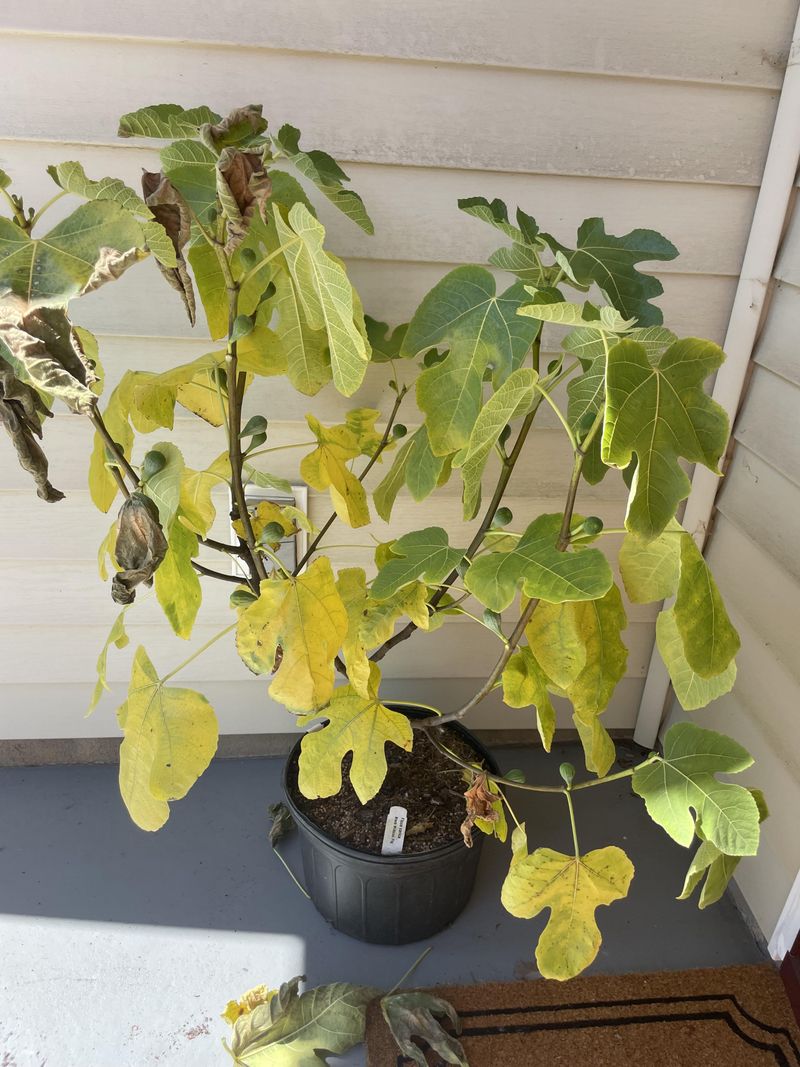
Soggy soil can drown roots faster than many gardeners expect, even in a season known for drier weather. Roots need air pockets in the soil, and standing water pushes that oxygen out surprisingly quickly.
Figs dislike wet feet more than most fruit trees, and long soggy stretches can invite root rot fungi. Once roots start to rot, the tree cannot support its canopy, so leaves yellow and fall early.
You might notice limp, dull leaves that look thirsty, which tricks plenty of people into watering even more. A sour smell rising from the soil or the bottom of a pot is a strong warning sign.
Low spots in the yard and heavy clay pockets hold water long after a tropical storm passes through. Hurricane season runs through November, so a late soaking can leave roots sitting in mud for days.
Before grabbing the hose, push a finger two inches into the soil and feel for moisture first. My rule is simple, so I wait until that top layer feels dry before giving the tree another drink.
Potted figs need drainage holes that stay clear, so lift containers onto pot feet or bricks after storms. Empty any saucers too, since a puddle under the pot keeps the lower roots soaking all night.
For in-ground trees stuck in low areas, consider moving them to a raised mound during winter dormancy. Bare winter months are the best time to transplant figs, because the tree handles the shock much better.
6. Dry Season Soil Leaves Fig Trees Thirsty
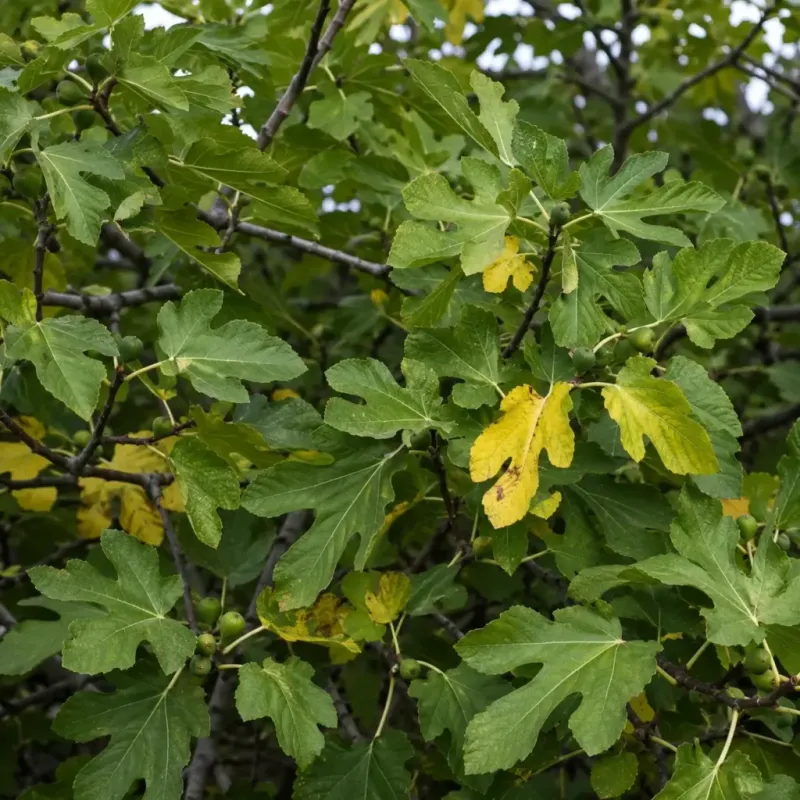
Right as the rainy season fades, many backyards slip into a surprisingly dry stretch that catches figs off guard. Florida’s dry season usually begins around October or November and often lasts until late spring arrives.
Sandy soil makes things trickier, because water drains through it about as quickly as it goes through a colander. Figs also have shallow, spreading roots, so the top layer of soil matters more than you might guess.
When moisture runs low, the tree protects itself by dropping leaves, since fewer leaves lose less water. I can’t help but admire that survival strategy, even though it leaves my tree looking a bit scraggly.
Drooping leaves on sunny afternoons that perk back up by morning are a classic sign of thirst. Crispy brown edges that crumble when touched also suggest the roots have gone too long without a drink.
Young trees planted within the last year or two need the most attention during these dry weeks. A deep soaking once or twice a week usually works better than a quick daily splash from the hose.
Mulch is your best friend here, so spread a few inches of pine straw or wood chips. That cozy blanket slows evaporation and keeps the shallow roots cooler on bright, breezy autumn days.
Keep watering lightly even as dormancy begins, because a tree resting in parched soil wakes up weaker. Balance is the goal, giving enough moisture to sustain roots without sliding back into soggy territory.
7. Sudden Cold Fronts Shock Tender Fig Leaves
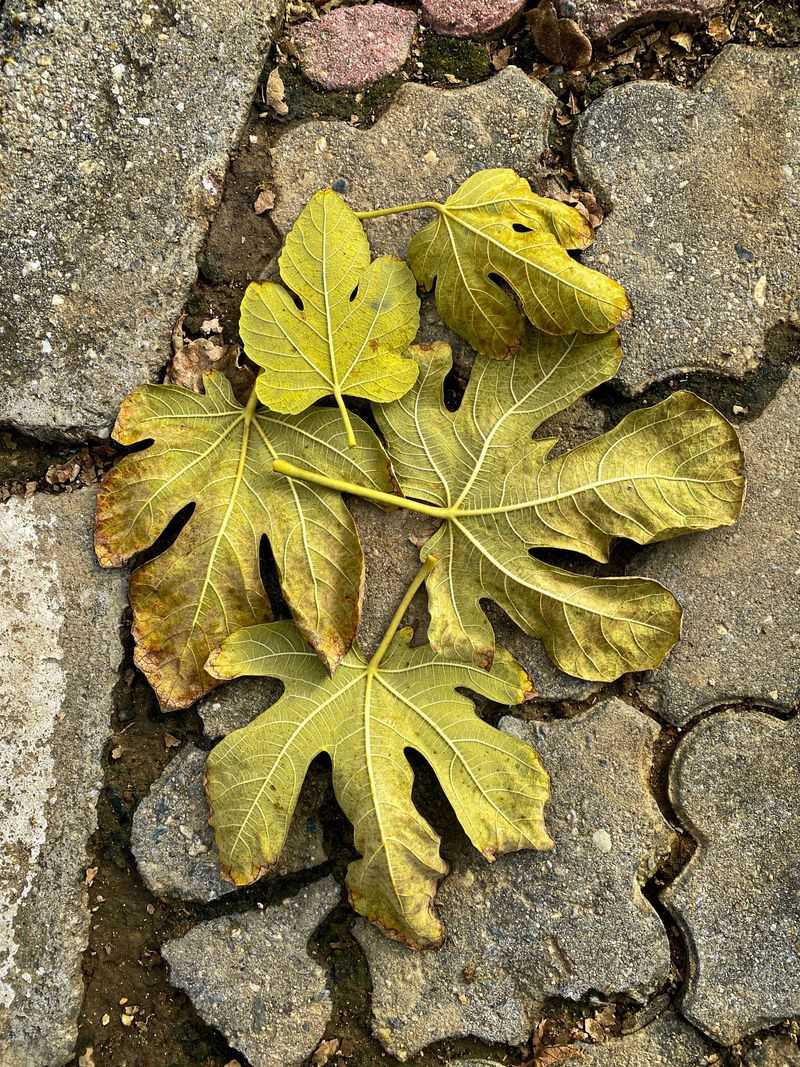
A sudden temperature drop after a strong cold front can leave fig leaves limp and droopy within a day. Figs react strongly to abrupt changes, and a big swing from warm afternoons to chilly nights adds stress.
Early cold fronts start sweeping across the state in fall, bringing drier air along with cooler temperatures. Those quick shifts often speed up leaf drop on trees that were already getting ready for dormancy.
Frost is the bigger threat, and North Florida can see its first frost in late fall some years. Frosted leaves usually darken and wilt within a day or two, then drop from the branches soon after.
Thankfully, established figs are tougher than they look and can handle temperatures in the upper teens once dormant. Young trees and tender new shoots are much more vulnerable, especially after a warm spell triggers fresh growth.
Potted figs feel the shock most, since their roots sit above ground with very little insulation from chilly air. I like rolling containers next to a sunny wall or into the garage when a hard freeze looms.
For young in-ground trees, a frost cloth draped to the ground traps warmth rising from the soil overnight. Remove the cover the next morning once temperatures climb, so the tree does not overheat under the fabric.
Resist the urge to prune frosted twigs right away, since damaged wood offers some protection to inner branches. Waiting until new buds swell in late winter shows you exactly which parts survived and which need trimming.
8. Pale Fig Leaves Signal Hungry Soil
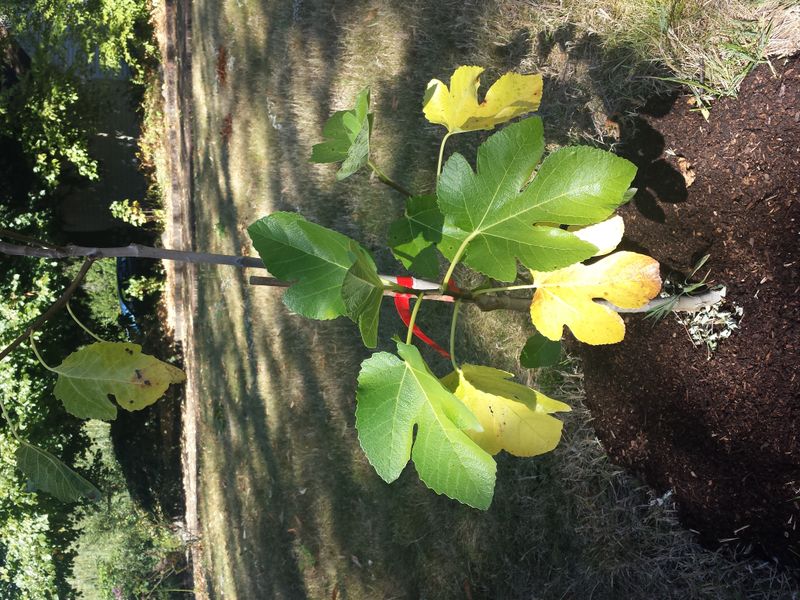
Pale, washed out leaves can whisper that your fig has been running on an empty stomach for months. Hungry trees often shed their oldest leaves first, moving stored nutrients to newer growth near the branch tips.
Sandy soils hold onto nutrients poorly, so frequent summer rains wash fertilizer away faster than many people realize. By fall, a tree that skipped feeding may show yellowing between the veins or along the leaf edges.
Nitrogen shortages tend to turn whole older leaves light green or yellow, starting low on the tree. Potassium trouble often shows up as scorched leaf margins, while magnesium shortages leave a yellow band between green veins.
I believe nutrient issues get blamed less than they should, because the symptoms blend in with seasonal fading. Nematode damage and soggy roots can also block uptake, so a hungry look may have hidden causes underground.
Holding off on fertilizer this late in the year is smart, since feeding now can spark tender growth. Soft shoots like that struggle with cold snaps and drain energy the tree needs for spring.
UF extension guides suggest feeding young figs a balanced fertilizer a few times during the growing season instead. Mature trees usually need less, and too much nitrogen can produce lush leaves with very little fruit.
Winter is a great time to work compost into the mulch layer, giving the soil a slow nutrient boost. A soil test through your county extension office can also reveal what your tree is truly missing.