Who Is Responsible When A Neighbor’s Fence Falls In Texas?
Texas has no general statewide rule forcing city neighbors to split the cost of a shared backyard fence. That surprised me more than finding a possum asleep in my compost bin. Most of us assume the fence between two yards belongs to both houses equally.
In many Texas neighborhoods, though, ownership depends on where the posts actually sit, what your HOA papers say, and who caused the damage. A strong spring storm can flatten old wooden pickets in minutes, and then the awkward talks begin.
I care about this because my tomato beds hug the back fence line. One fallen panel can crush plants, let dogs wander, and turn a friendly wave into a cold stare.
You deserve to know your rights before anyone starts pointing fingers over the rubble.
So who really pays when those boards hit the grass?
1. That Fallen Wooden Fence Panel Might Not Be A Shared Bill
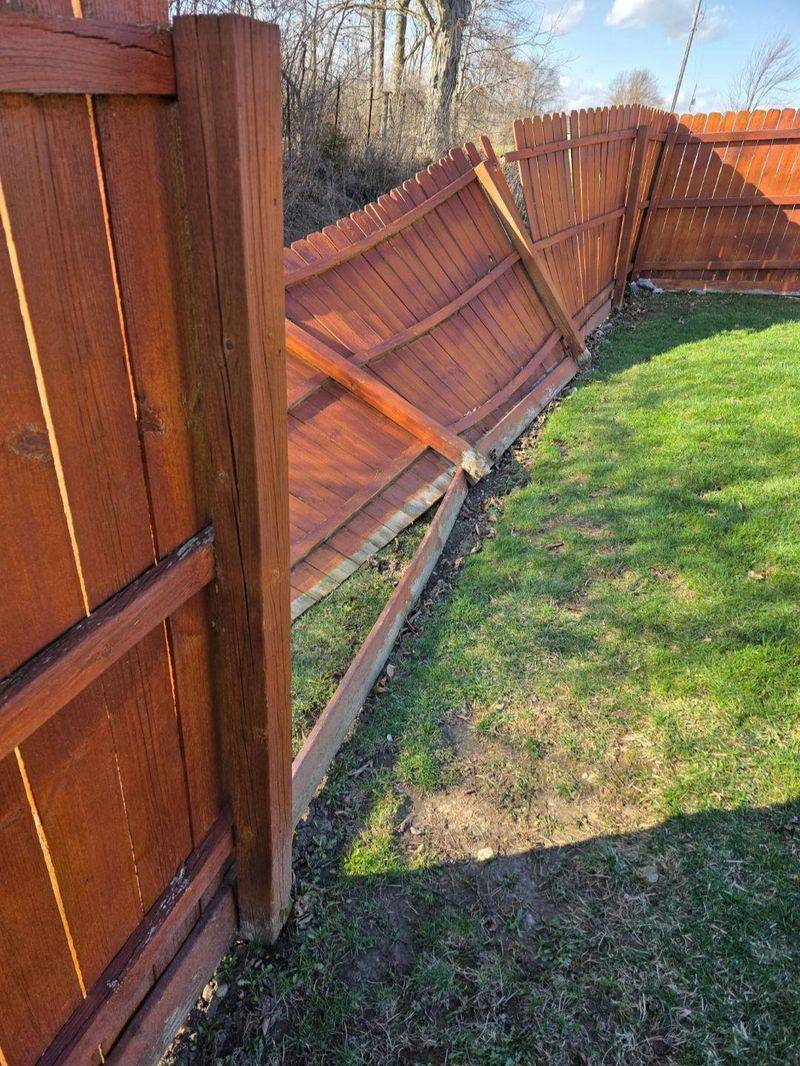
Most folks staring at a toppled fence assume the cost gets split down the middle. Sadly, the law in Texas rarely works that way for typical neighborhood lots.
For most residential properties, no statewide statute requires adjoining owners to share the expense of building or fixing a boundary fence.
Responsibility usually follows ownership, written agreements, HOA rules, and fault. If none of those point at your neighbor, you may have little power to make them chip in.
That can feel unfair, especially if both yards enjoy the privacy. Still, enjoying a fence is not the same as owning it or agreeing to pay for it. Courts generally look at facts and paperwork, not who seems to benefit more.
Here is a helpful way to frame it. Ask three questions before you get upset: Who owns the fence? Did anyone sign an agreement about it? Did someone or something on one property cause the fall?
Your answers shape everything that follows. They also help you stay calm while the boards lie in your flower bed.
A friendly, informed chat almost always goes better than an angry knock on the door, and it keeps the next growing season peaceful for both yards.
2. Find Out Which Side Those Fence Posts Really Sit On
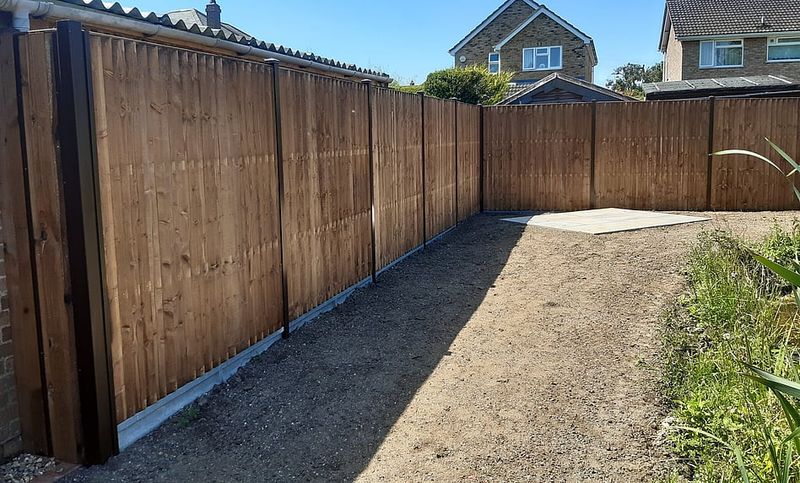
A few inches of dirt can decide who pays. Fence ownership usually comes down to where the posts are planted compared to the legal property line.
If the fence sits fully on your land, it is generally yours, along with repair duties. If it sits fully on your neighbor’s land, it is generally theirs.
When it straddles the line, it may be treated as a shared boundary fence, though that still does not automatically mean a forced cost split.
So how do you know? Start with your property survey, often included with your closing documents.
Look for metal pins or survey markers at lot corners. Your county appraisal district map can give a rough idea, but it is not a precise survey.
If things are unclear, hiring a licensed surveyor is the most reliable step. It costs money, yet it can prevent a much pricier dispute later.
One quirky detail I love: builders often place the nice, smooth side of a fence facing outward.
That does not prove ownership, though. The posts and the survey matter far more than which side looks prettier from your patio chair.
3. Your HOA Papers May Hold The Real Fence Rules
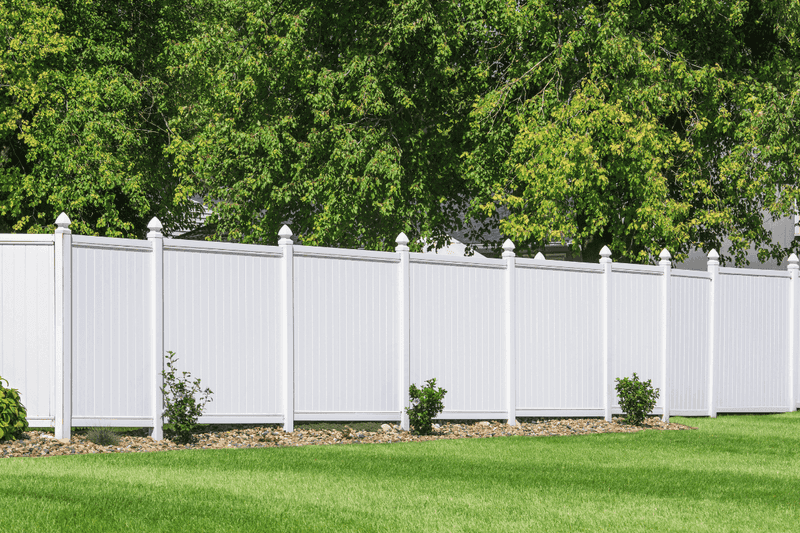
Plenty of Texas subdivisions come with a thick packet of deed restrictions that nobody reads until trouble shows up. Those pages can matter a lot when a fence comes down.
HOA covenants sometimes spell out who maintains perimeter fences, interior lot fences, and walls along streets.
Some associations handle certain border fences themselves. Others require owners to repair damaged fences within a set time, or face fines.
Many HOAs also control materials, height, stain color, and which side faces out. Rebuilding without approval could land you in a second argument, this time with the board.
Here is my practical advice. Pull out your declaration of covenants, conditions, and restrictions, often called CC&Rs. Search for words like fence, wall, boundary, and maintenance.
Then email the HOA management company and ask directly who handles your specific fence.
Get that answer in writing. A quick email reply can be very useful if your neighbor later insists the repair was your job alone.
Not in an HOA? Check your city code too. Many Texas cities set fence height limits and require permits for new fences, so a call to the permit office before rebuilding is smart.
4. A Neighbor’s Oak Tree Crushing the Fence Changes Things
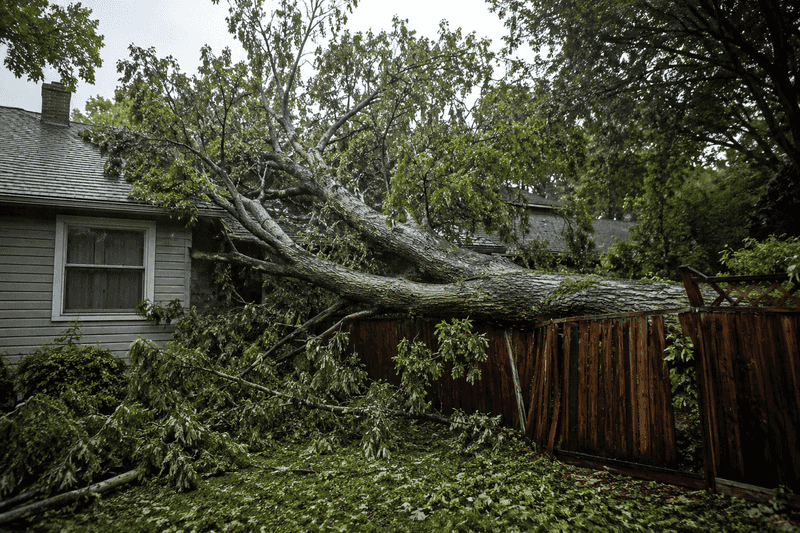
Fault can flip the whole story. When a fence falls because of something your neighbor did, or failed to do, they may owe you for the repair.
Common examples include a car backing into it, a large dog chewing through boards, or a neighbor digging and weakening the posts.
Trees get trickier. If a healthy tree drops a limb during a severe storm, that is often treated as an act of nature, and each owner may handle their own losses.
However, if the tree was clearly dead-looking, rotten, or leaning, and the owner knew or should have known, negligence may come into play. That can shift responsibility toward the tree owner.
So grab your phone and document everything quickly. Take wide photos and close-ups of the damage, the tree, and any rot or cracks. Note the date and weather.
Personally, I would also save older photos showing the tree’s condition before the fall. A picture of a hollow trunk from last summer can carry real weight.
Then share what you found calmly. Many neighbors will offer to pay once they see clear evidence, no lawyer required.
5. Old Rotted Pickets And Storm Winds Usually Fall On The Owner
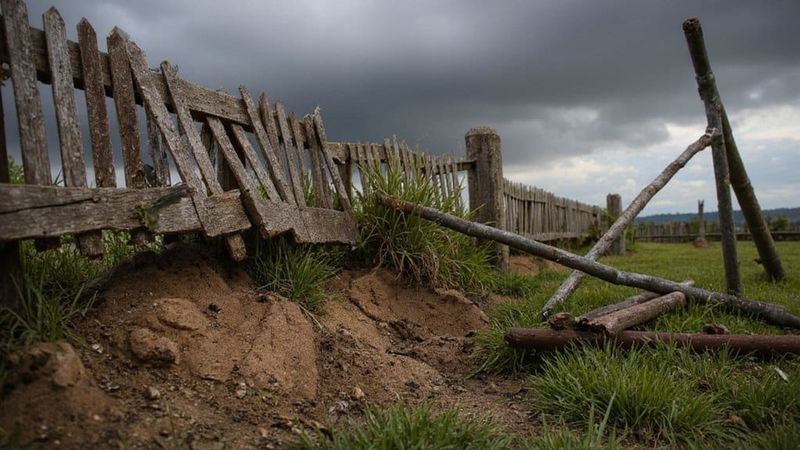
Hot sun, heavy rain, termites, and fierce thunderstorms wear wooden fences down fast. Many Texas wood fences last somewhere around 10 to 20 years, depending on the lumber and care.
When age or ordinary weather brings one down, the owner usually carries the cost. For a fence sitting right on the line, neighbors often split repairs by choice.
Without an agreement, though, one side generally cannot force the other to pay.
Insurance can soften the blow. Many homeowners policies cover fences under other structures coverage when damage comes from a covered event like wind or a falling tree.
Wear, rot, and termite damage are commonly excluded. Call your agent and ask a few clear questions. Does my policy cover fences? What is my deductible?
Does wind or hail have a separate deductible? In coastal counties, windstorm coverage may come from a separate policy, such as through the Texas Windstorm Insurance Association.
A smart tip from my own yard: a fence repair often costs less than a typical deductible. Get a contractor quote first, then decide whether filing a claim makes sense for you.
6. A Signed Fence Agreement Beats A Friendly Handshake
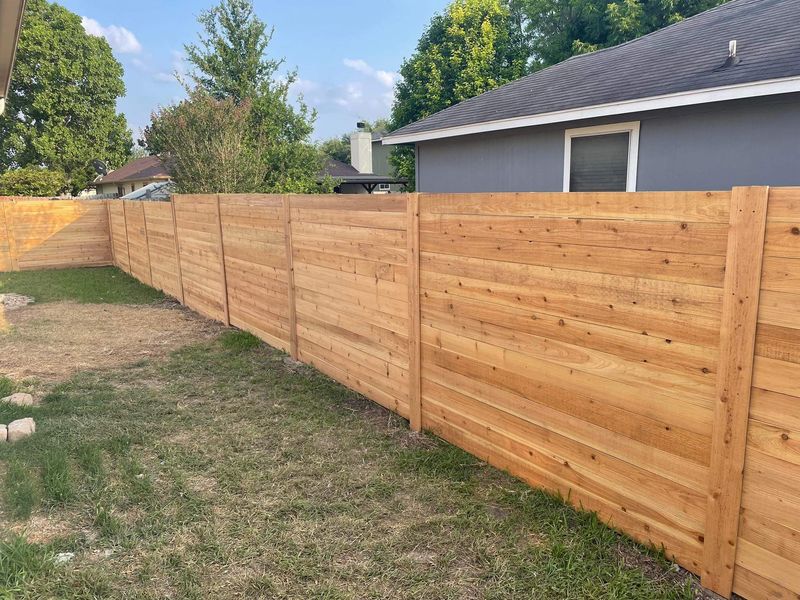
Handshake deals feel warm and neighborly. Then a house sells, memories fade, and suddenly nobody remembers promising to split anything.
A written fence agreement fixes that. It does not need fancy legal language to be useful. List who owns the fence, where it sits, how repair and replacement costs get divided, and who picks materials or contractors.
Add a few practical details too. Who stains it? Who handles storm cleanup? What happens if one person wants to upgrade to metal or taller boards?
Both owners should sign and date it, and each should keep a copy. For bigger projects, an attorney can review it, and some agreements can even be recorded with the county so they carry over to future buyers.
I truly believe this little document saves more friendships than any apology. Money talks get easier when the rules already exist on paper.
Got a fence repair coming up right now? That is the perfect moment to draft one. Split a quote, agree on a contractor, and write it down before anyone pays a deposit.
Keep receipts as well, since they prove who paid what if questions pop up later.
7. Ranch Fences And Livestock Follow Different Texas Rules
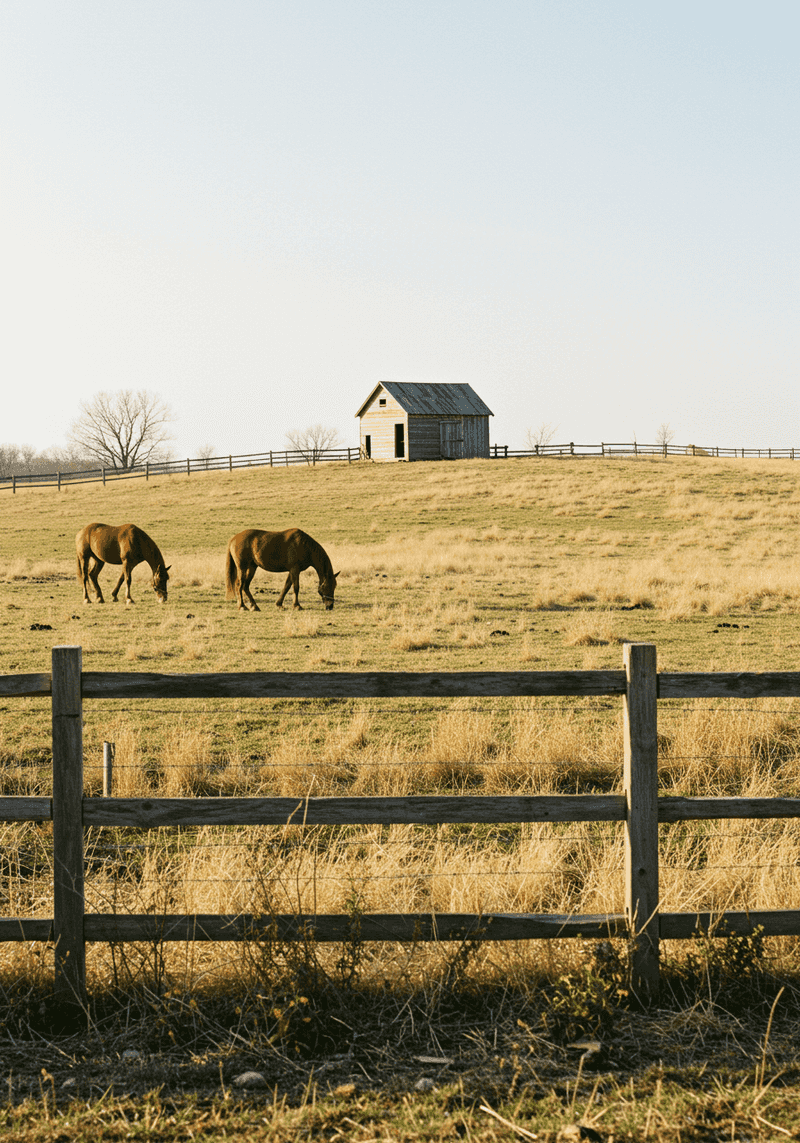
Out in the country, fence talk sounds a little different. Barbed wire, cattle guards, and miles of posts bring their own legal history.
Texas law on partition fences between adjoining lands mostly comes up in rural settings. It deals with situations like a neighbor attaching to an existing fence or removing one, often with notice requirements.
It rarely controls a cedar privacy fence between two subdivision homes. Livestock rules add another layer. Texas has a long open range tradition, where livestock owners were not always required to fence animals in.
Today, many counties have adopted stock laws that require keeping certain animals contained, and state law restricts livestock roaming on highways.
Fun fact: fence cutting wars broke out in Texas in the 1880s when barbed wire spread across former open range. That history still shapes how rural neighbors think about fences.
If you own acreage, check your county’s stock law status and talk with neighbors before changing a shared line.
Texas A&M AgriLife Extension offers helpful guides on rural fence and livestock law for landowners who want clearer answers.
8. Checking Your Fence Posts Each Season Saves Money And Friendships
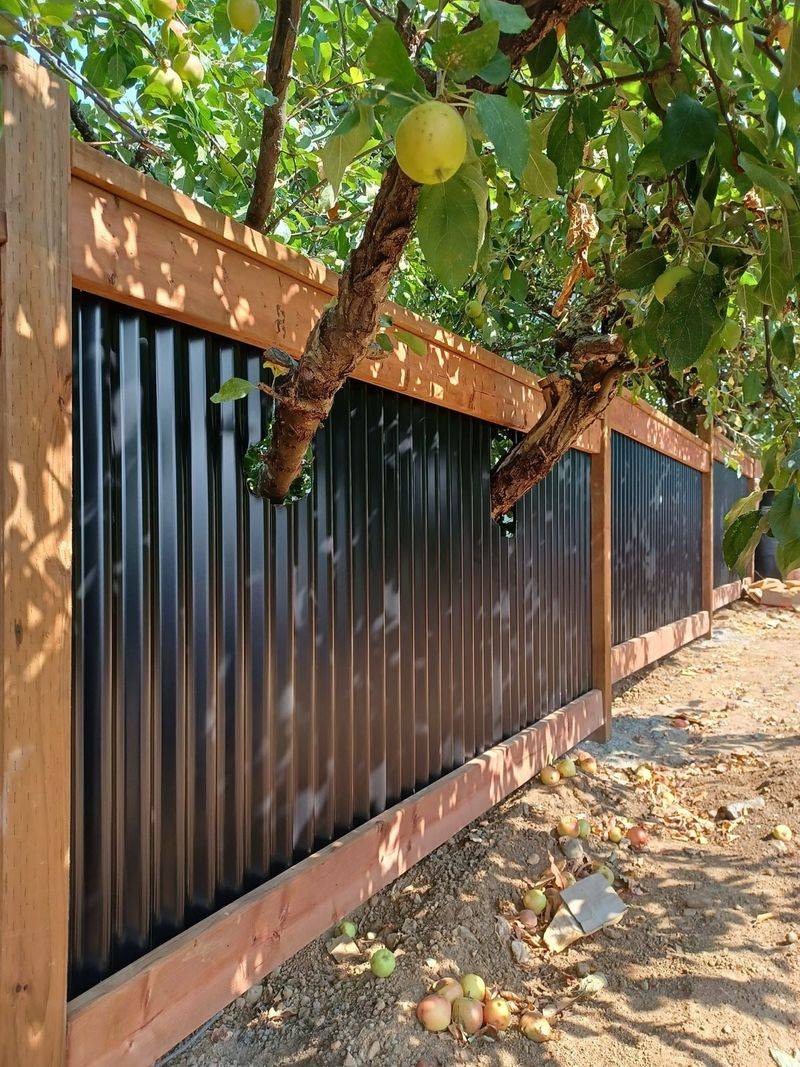
A quick walk along your fence line can save hundreds of dollars. I do mine whenever I am out weeding the beds, so it barely feels like a chore.
Push gently on each post. Poke the base with a screwdriver, and if it sinks in easily, rot has started. Look for loose pickets, rusty nails, leaning sections, and termite mud tubes near the ground.
Keep soil, mulch, and climbing vines from piling against the boards. Moisture trapped there speeds up decay. Trim tree limbs that hang over the fence before storm season arrives in spring.
Safety matters too. Under general negligence principles, an owner who knows a fence is in poor shape could face liability if it falls and injures someone. Fixing a wobbly section early protects kids, pets, and passing neighbors.
So here is my takeaway. Know where your posts sit, read your HOA rules, review your insurance, and put any shared deal in writing.
If a dispute gets serious, consult a Texas real estate attorney or try local mediation through a dispute resolution center. A sturdy fence and a friendly conversation keep your garden growing peacefully.