What Texas Rosemary Needs This Fall As The First Cold Fronts Head South
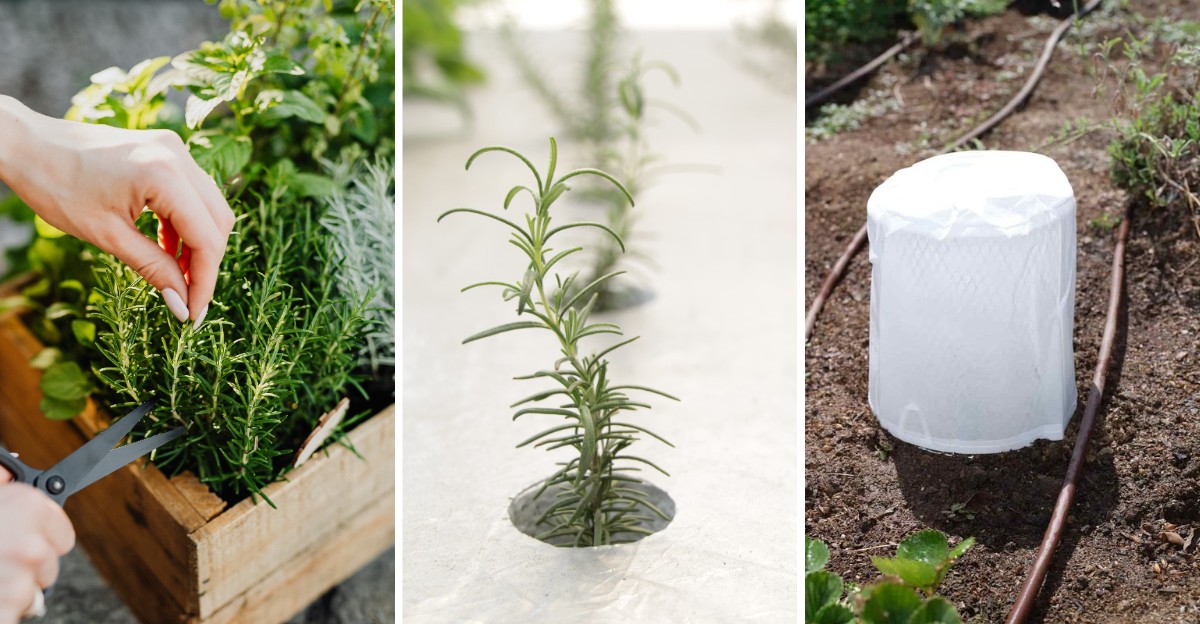
You watched your rosemary laugh off summer, but autumn brings a trickier test. Blue northers can drop temperatures fast across Texas, surprising tender new shoots overnight.
Rain also returns, and cooler soil stays soggy far longer than you expect. Roots sitting in that wet ground invite fungal issues you can’t spot early.
Meanwhile, the fertilizer you sprinkled in August pushes soft growth frost easily nips. Small adjustments right now give you fragrant sprigs well into winter.
Ease off watering, and you’ll coax tougher, oilier leaves bursting with flavor. Swap bark mulch for pea gravel, which keeps crowns dry and warm. Timing your pruning matters, because late cuts leave fresh tissue open to cold.
Texas cooks like you can snip holiday sprigs while neighbors settle for store-bought jars. Get these moves right while you still have the upper hand on winter.
1. Check The Drainage Before Fall Rains Arrive
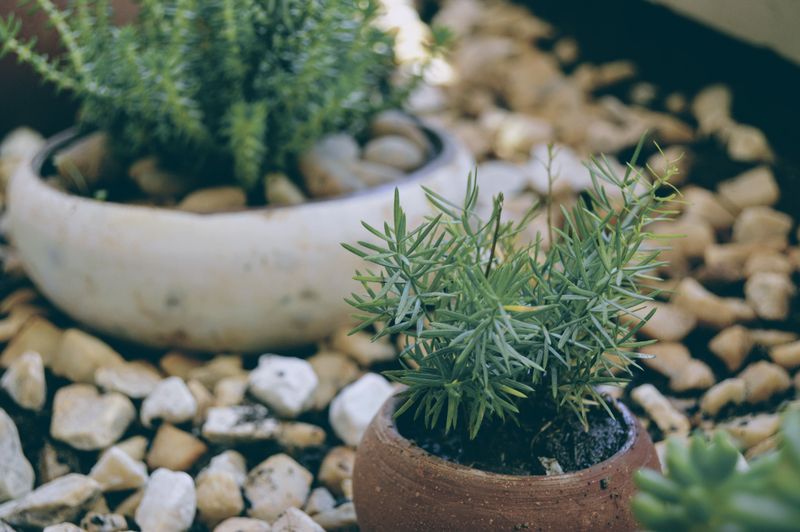
Here’s a secret Texas gardeners learn the hard way: wet feet hurt this herb more than heat. Rosemary grew up on rocky Mediterranean hillsides where rainwater drains away fast and roots stay dry.
Fall brings some of the heaviest rains of the year to much of Texas. September and October storms can dump several inches of water in one stormy afternoon, soaking the ground.
When roots sit in soggy soil for days, they start to rot. You might notice leaves turning gray or brown from the bottom up, even though the soil feels moist.
To test your spot, dig a hole about one foot deep and fill it with water. If it still holds water after a few hours, your drainage needs some serious help.
Heavy black clay, common around Dallas, Waco, and Austin, is usually the main troublemaker. Mixing in expanded shale or fine gravel opens up the soil and lets water escape.
Raised beds or small mounds of soil also work wonders in low, soggy yards. Lifting the root zone just six to eight inches can keep it high and dry during storms.
For potted plants, check that the drainage holes are open and not clogged with roots or debris. Pull saucers out from under pots so water can’t pool at the bottom.
Fixing drainage in September gives you time to act before the stormy season settles in. Your rosemary will reward you with healthy white roots that handle winter weather much better.
2. Ease Off The Watering Can As Nights Cool
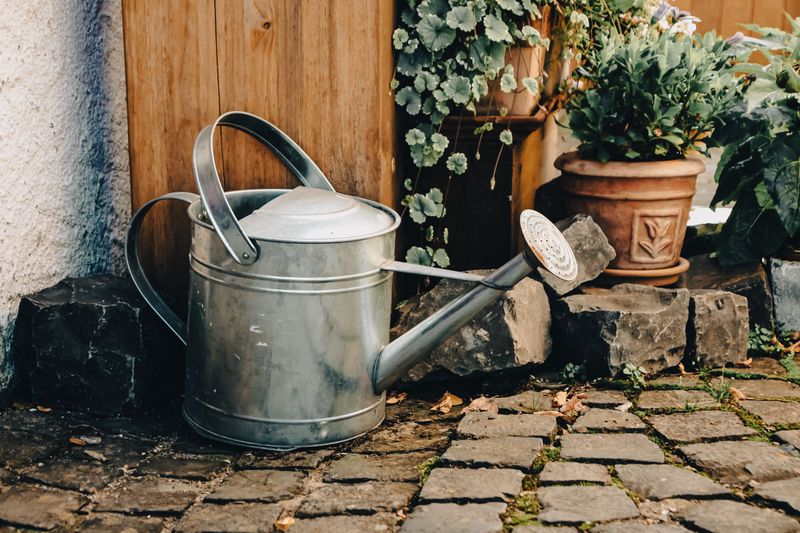
All summer long, you probably hauled the hose out like a firefighter on a mission. Now it’s time to hang up the helmet, at least a little bit.
Cooler nights and shorter days mean rosemary drinks far less water than it did in July. The plant slows its growth, and the soil stays damp much longer after each drink.
Overwatering in fall is a frequent reason Texas rosemary declines. Sprinkler systems set on a summer schedule are often the sneaky culprit.
Take a minute this week to reset your sprinkler timer for the cooler season ahead. Your water bill and your herbs will both thank you by Thanksgiving.
Your Texas Garden Changes Every Week. Your Plan Should Too.
Gardening in Texas changes quickly throughout the season. Every Friday you’ll receive a simple weekly plan showing exactly what to plant, prune, fertilize, harvest, and protect so you never miss the right timing.
Wondering how to tell when your thirsty-looking shrub actually needs a drink? Push a finger two inches into the soil, and only water if it feels dry.
Established in-ground plants usually need water only every ten to fourteen days once fall arrives. If a good soaking rain rolls through, you can skip the hose for even longer.
Potted rosemary dries out faster than garden plants, so peek at containers every few days. Terra cotta pots lose moisture quicker than plastic ones, which rosemary actually enjoys.
Water in the morning so leaves and soil have all day to dry. Evening watering on cool nights can invite fungus and mildew to move right in.
Think of it like this: your rosemary would rather be a little thirsty than soaking wet. A slightly dry plant bounces back quickly, but rotted roots rarely recover.
3. Skip The Fertilizer Until Spring Returns

Feeding a plant sounds like the kind thing to do, but rosemary sees it differently in fall. A scoop of extra fertilizer right now can do far more harm than good.
Fertilizer, especially the high-nitrogen kind, pushes out a flush of soft, tender new growth. That fresh growth is juicy and weak, and it freezes easily when the first cold snap hits.
Instead, rosemary wants to slow down and quietly toughen up its woody stems before winter. Plant experts call this hardening, and it helps them handle chilly nights much better.
Here’s a fun fact: rosemary actually grows best in soil that isn’t very rich. Its strongest flavor and scent come from plants that have to work a little for their meals.
Too much food can make the needle-like leaves taste bland and leave the whole plant floppy. In other words, spoiling your rosemary could cost you flavor in your holiday roast potatoes.
Watch out for lawn fertilizer too, since it can drift or wash into nearby herb beds. Many Texans feed their grass in September, so keep spreaders away from your rosemary.
If your plant looks pale, a light layer of compost is a gentler choice than chemical fertilizer. Compost feeds the soil slowly without sparking a sudden burst of new shoots.
Save the fertilizer bag for March, when warm weather returns and fresh growth is welcome. Your rosemary will wake up rested, sturdy, and ready to take off like a rocket.
4. Give It A Light Trim For Better Airflow

Think of early fall as your rosemary’s long-overdue appointment at the neighborhood barber shop. It doesn’t need a buzz cut, just a neat little trim to tidy things up.
After a long summer, many plants grow thick and crowded in the middle. Dense branches trap moisture during humid fall weather, which can lead to fungus and leaf spots.
A light trim opens up the plant so breezes can flow through the branches. Better airflow helps leaves dry faster after rain or morning dew, especially along the humid Gulf Coast.
Use clean, sharp pruners and snip off no more than one-third of the plant. Focus on crossed branches, brown twigs, and any stems crowding the center.
Avoid cutting into old, bare wood that has no green needles on it. Rosemary rarely sprouts new growth from those woody sections, so the bare spot may stay bare.
Timing matters too, so finish trimming by late September or early October. That gives any fresh shoots time to firm up before the first chilly nights arrive.
Now for the best part: those clippings are pure kitchen gold. Bundle them with string and hang them upside down in a dry spot to make dried herbs.
According to legend, ancient Greek students wore rosemary in their hair, believing it boosted memory during exams. Your trimmed sprigs might not help with math tests, but they sure smell nice.
You can also toss fresh sprigs on the grill or tuck them into olive oil. A little haircut now means a healthier shrub and a tastier fall dinner.
5. Move Potted Plants Into Full Sun
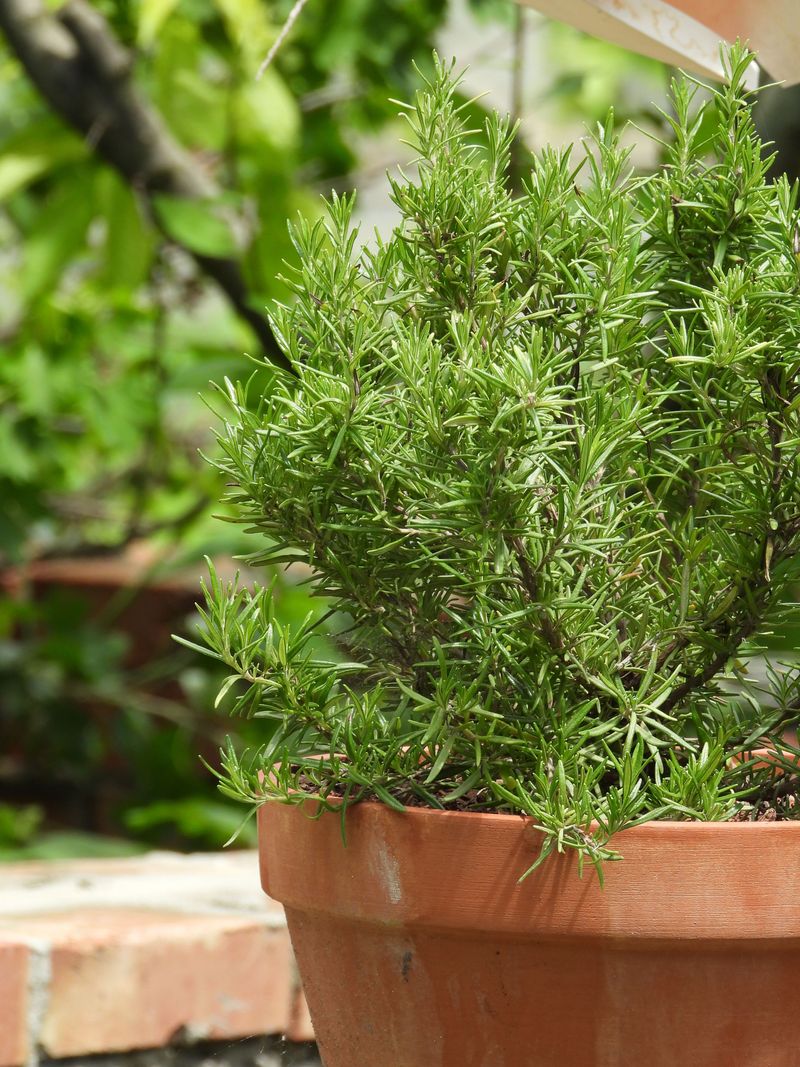
Rosemary is a sun worshipper, and fall is when it starts chasing every last ray. As the sun sinks lower in the sky, shady spots grow bigger around your yard.
That corner of the patio that baked in July might sit in shade by October. Trees, fences, and even your house can block light once the angle changes.
Rosemary needs at least six to eight hours of direct sunlight to stay strong and healthy. Plants stuck in shade grow leggy, lose flavor, and become more likely to catch fungus.
Potted plants have a big advantage here because you can simply pick them up and move them. Spend a Saturday watching where sunlight lands from morning to late afternoon.
A south-facing spot is usually the winner for fall and winter in Texas. Placing pots near a south wall adds warmth, since bricks soak up heat and release it at night.
Heavy pots can be a real back-breaker, so a rolling plant caddy is a smart helper. It lets light and air through, so it won’t hold icy condensation against the leaves like plastic can.
Make the move gradually if your plant has been sitting in partial shade. September sun can still scorch tender leaves, so inch it toward brighter light over a week.
Bright light in fall helps rosemary build sturdy stems and store energy for winter. Give it a sunny seat, and it will keep your kitchen stocked with aromatic sprigs until spring.
6. Add A Thin Layer Of Gravel Mulch

Many gardeners reach for a bag of wood mulch in fall, but rosemary would politely decline. Given the choice, it prefers a rocky blanket over a fluffy, woody one.
Wood chips and shredded bark hold lots of moisture right against the plant’s base. That’s great for thirsty flowers, but it can cause crown rot in rosemary during a wet fall.
Gravel does the opposite by letting water drain quickly while keeping the crown dry. Pale stones also bounce extra sunlight back up onto the leaves, which sun-loving rosemary adores.
On top of that, gravel holds a bit of daytime warmth and gives it back after sunset. Think of it as a tiny heating pad for the roots on crisp October nights.
Pea gravel, decomposed granite, or crushed limestone all work well in Texas gardens. Decomposed granite fits right in with the rugged look of Hill Country yards and xeriscapes.
Spread a layer about one to two inches deep in a wide circle around the plant. Keep it thin, since a heavy pile can smother roots or trap too much heat next summer.
Pull away any old wood mulch first so it doesn’t mix with the stones. Leave a small gap of bare ground right around the main stem for extra airflow.
Potted rosemary can wear a gravel topping too, and it looks sharp on a patio. It’s a cheap little upgrade that makes your herb feel like it’s vacationing on a rocky Greek island.
7. Plant New Rosemary While The Soil Stays Warm
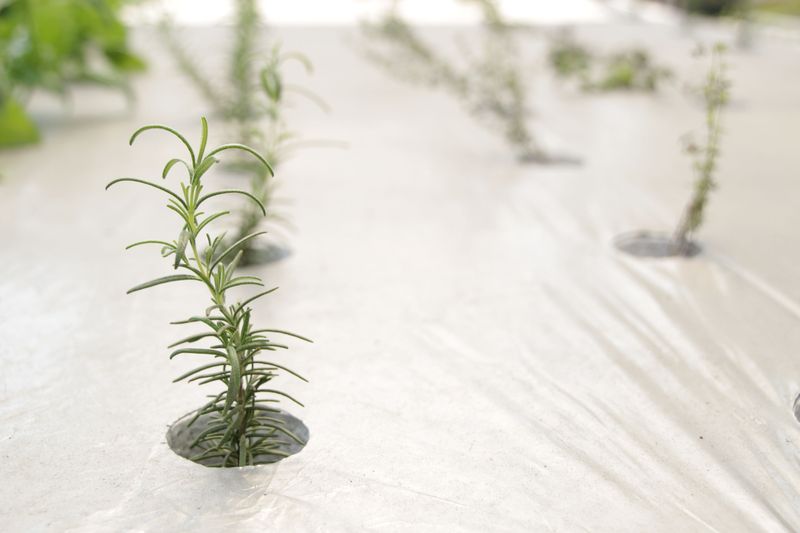
Ask any seasoned Texas gardener, and you’ll hear it: fall is for planting. The air cools off, but the soil stays warm for weeks, which roots love.
Planting rosemary in September or October gives it months to settle in before summer. In North Texas and the Panhandle, consider spring planting or plan to cover young plants during their first winter.
Choosing the right variety makes a huge difference, especially in North Texas and the Panhandle. Some rosemary types struggle once temperatures dip below about twenty degrees.
Here’s a sweet slice of local history to share at your next garden club meeting. The tough ‘Arp’ variety was named after the small town of Arp in East Texas.
Another cold-hardy favorite, ‘Madalene Hill,’ honors a famous Texas herb expert. Both can handle cold snaps far better than many common grocery store rosemary plants.
In Houston, San Antonio, and South Texas, most varieties do just fine outdoors. Upright types like ‘Tuscan Blue’ make great hedges, while trailing kinds spill nicely over walls.
When planting, set the root ball slightly higher than the surrounding soil. Water it in well, then check every few days for the first month while roots spread out.
Space plants about two to three feet apart, since rosemary can grow into a big, bushy shrub. Crowded plants compete for sunlight and trap humid air between their branches.
Local nurseries often restock herbs in early fall, so the selection is fresh and plentiful. Grab a healthy plant now, and you’ll be snipping homegrown sprigs for Thanksgiving stuffing.
8. Keep A Frost Cloth Ready For Surprise Freezes
Remember the February 2021 freeze? Plenty of Texans do, and many lost rosemary shrubs that had thrived for years.
Rosemary is fairly tough, but most varieties get damaged when temperatures drop into the teens. Early cold fronts sometimes race south from the Plains and send temperatures tumbling overnight.
That’s why September is the perfect time to prepare, while the weather is still calm. Stores can sell out of frost cloth quickly once a hard freeze shows up in the forecast.
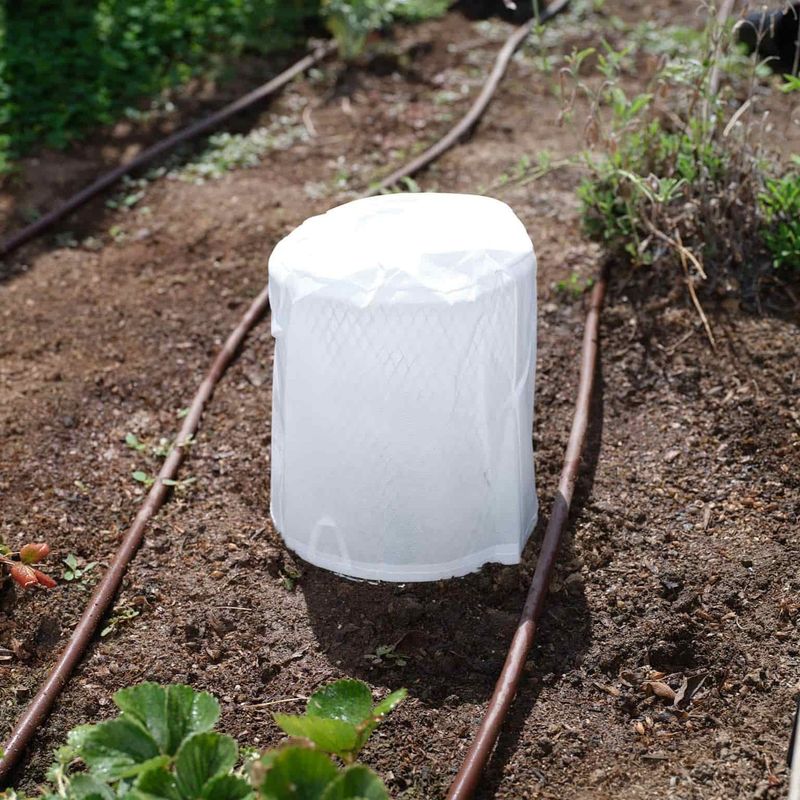
Frost cloth is a lightweight fabric that traps warmth rising from the ground. It lets light and air through, so it won’t trap moisture and heat around your plant like plastic can.
When a freeze is coming, drape the cloth over the plant all the way to the ground. Weigh down the edges with bricks or rocks so wind can’t sneak underneath.
Water the soil a day before the freeze, since moist ground holds heat better than dry ground. Just don’t soak it, because soggy roots and frozen soil make a rough combo.
Potted rosemary is easier to protect because you can roll or carry it into a garage. Bring it back outside once the cold snap passes so it doesn’t miss the sunshine.
Old bedsheets or blankets work in a pinch if you run out of frost cloth. Remove them in the morning, since heavy fabric can crush branches once it gets wet.
Uncover garden plants during the day when temperatures climb above freezing. Stash the folded cloth somewhere handy, and you can laugh at the next blue norther.