The Mistake That Lets Scorpions Move Into Texas Homes Every Fall
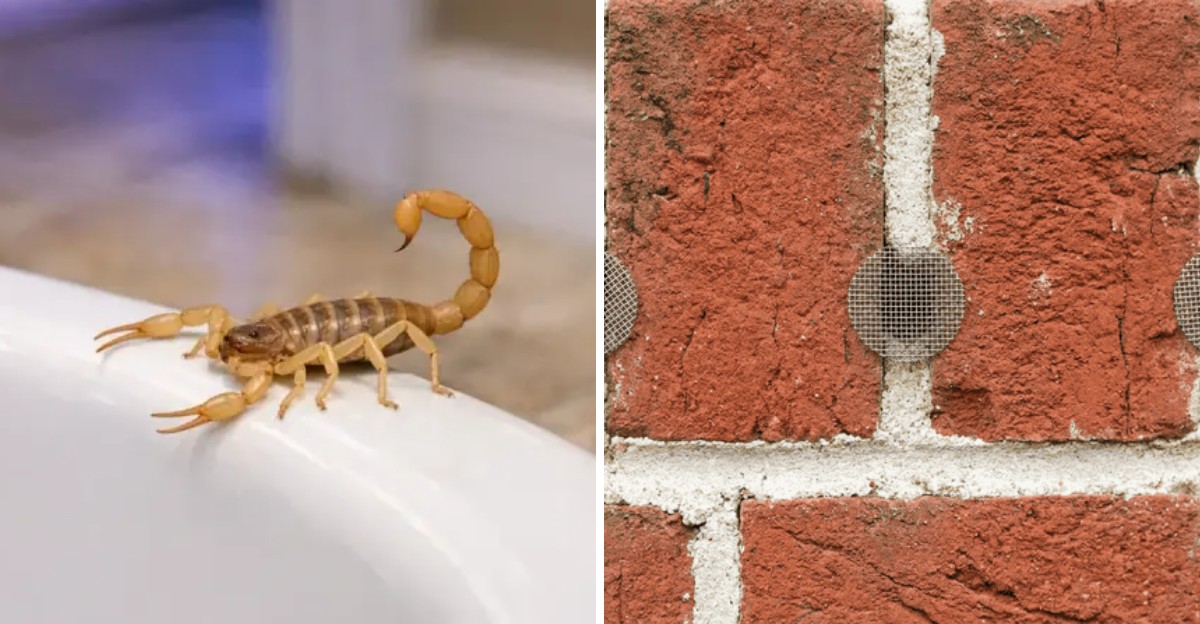
A striped bark scorpion can slip through a crack about as thin as a credit card. That fact alone made me look at my back door a little differently.
These eight-legged night hunters glow a ghostly blue-green under a blacklight. Nobody warned me that fall, not summer, is when many Texas families start finding them in bathtubs, closets, and shoes.
Cooler nights and autumn rains push them to look for steady shelter. Personally, I used to blame the season for every indoor surprise. Then I started noticing a pattern around my own foundation, my woodpile, and my porch light.
The most interesting part? One small, easy-to-miss habit does most of the inviting. Once you spot it, you may never see your house the same way again.
Those Tiny Gaps Around Your Doors Are Wide Open To Scorpions
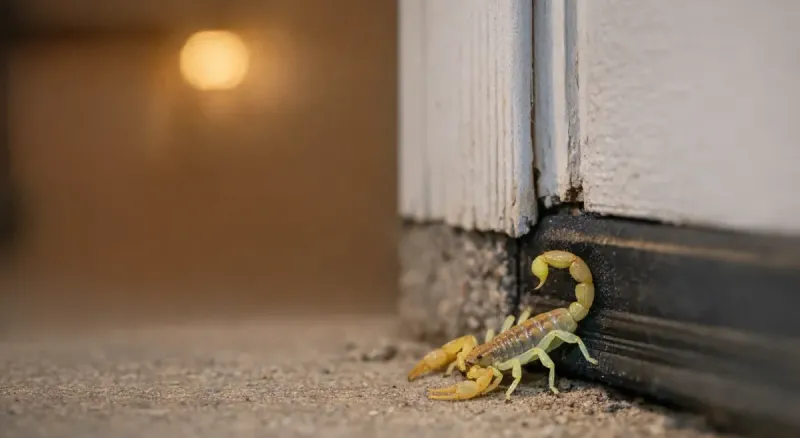
Grab a flashlight and kneel by your front door tonight. If you can see a sliver of porch light under the door, a scorpion can see a doorway.
The big mistake is leaving small gaps unsealed as fall arrives. The striped bark scorpion, the most common species in Texas, has a flat body built for squeezing into tight spots.
Texas A&M AgriLife Extension notes that these scorpions slip in through cracks around doors, windows, pipes, and foundations.
Most of us notice big holes. It is the tiny openings that cause trouble, like worn weather stripping, a missing door sweep, or a gap where a cable enters the wall.
Here is a quick test I like. Slide a credit card along the edges of your doors and window frames. If it fits, a young scorpion probably fits too.
Garage doors are another sneaky entry point. The rubber seal along the bottom often cracks with age and sun, leaving a gap at the corners.
Fixing these spots costs very little compared to a professional treatment. A tube of caulk and a new door sweep can make a real difference in a single afternoon, and your toes will thank you later.
Cooler Nights And Fall Rains Send Bark Scorpions Searching For Shelter
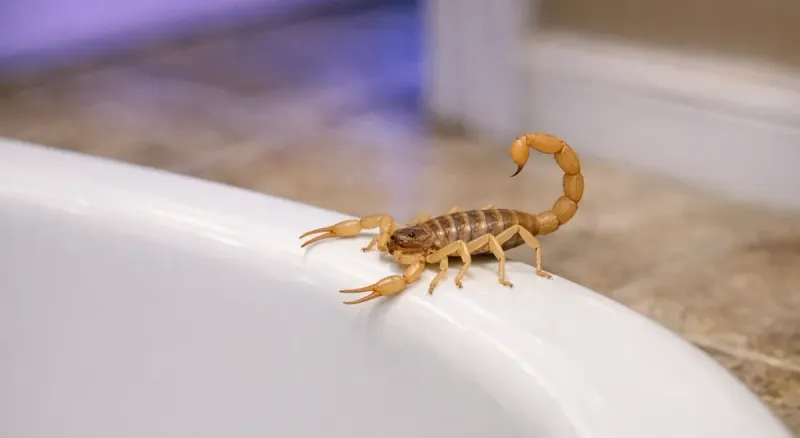
Scorpions are cold-blooded, so outside temperatures shape their daily lives. As fall nights drop, they start hunting for places that stay steady and comfortable.
Your house fits that wish list nicely. Walls, attics, and crawl spaces hold warmth longer than open ground, and the indoor climate barely changes from day to day.
Rain plays a part too. Fall storms across much of Texas can soak the soil, leaf piles, and rocks where scorpions usually hide.
When their hiding spots turn soggy, they move, and a nearby foundation is often the closest dry option.
I find it helpful to think of scorpions as practical renters. They are not chasing you. They simply want shelter, moisture without flooding, and a decent supply of insects to eat.
Activity also varies by region. Central and West Texas tend to see more scorpions, while the Gulf Coast and East Texas see fewer, though bark scorpions show up statewide.
Knowing this timing gives you an edge. Late summer and early fall are smart moments to seal, clean up, and check your yard, before the first cool snap sends visitors looking for a new address under your roof.
Firewood Stacked Against The House Makes A Cozy Scorpion Hotel
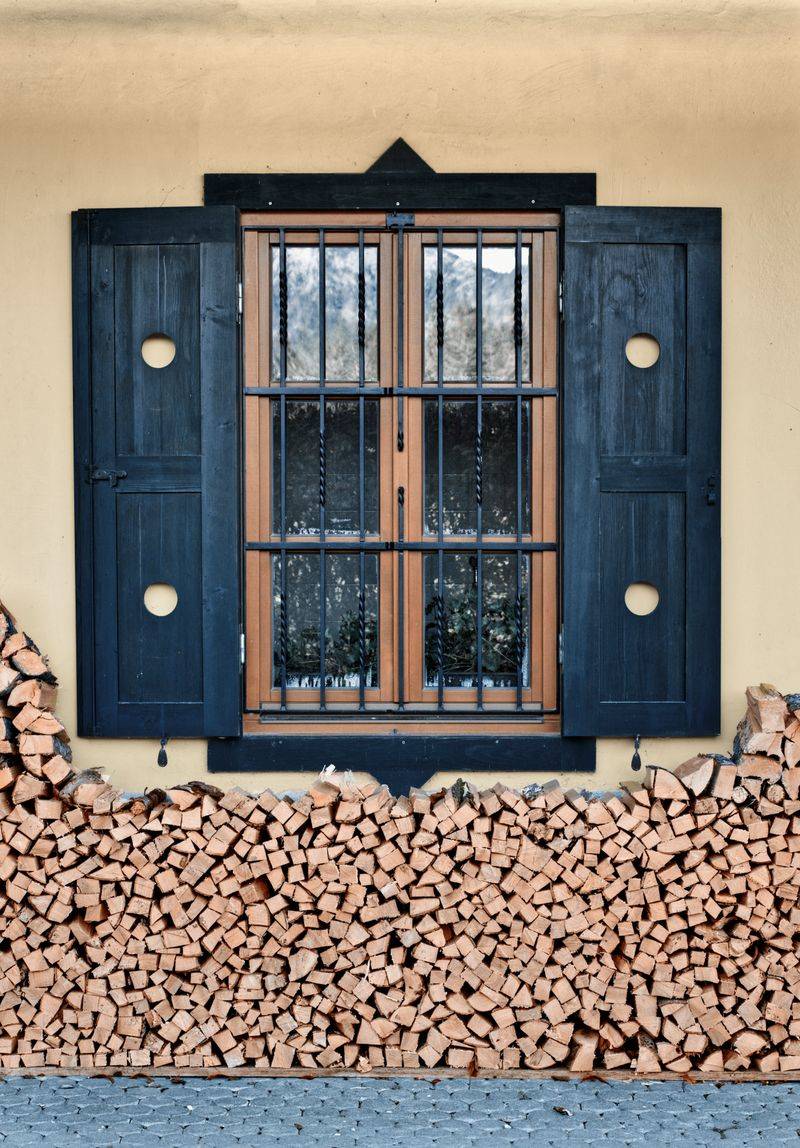
Nothing says autumn like a neat stack of firewood by the back wall. Sadly, scorpions agree, and they love it for very different reasons.
Woodpiles, rock borders, leaf heaps, and stored lumber create dark, protected hiding places. When that clutter sits right against your foundation, it acts like a waiting room with a door into your home.
Extension experts recommend moving firewood away from the house and keeping it raised off the ground. A distance of at least a few feet, and farther if you have room, helps break that easy path.
Bring wood indoors only when you plan to burn it. Give each log a quick look first, ideally while wearing gloves. Other common hideouts include:
Piles of bricks or landscape stones, old boards and flowerpots, thick layers of mulch near the walls, and bags of soil or compost stacked by the porch.
You do not need a bare yard. Just shift the hiding spots away from your walls and keep fall cleanup steady.
Rake leaves, tidy the shed area, and lift stored items onto shelves so the ground stays clear and far less inviting.
Crickets Under The Porch Light Are A Scorpion Buffet
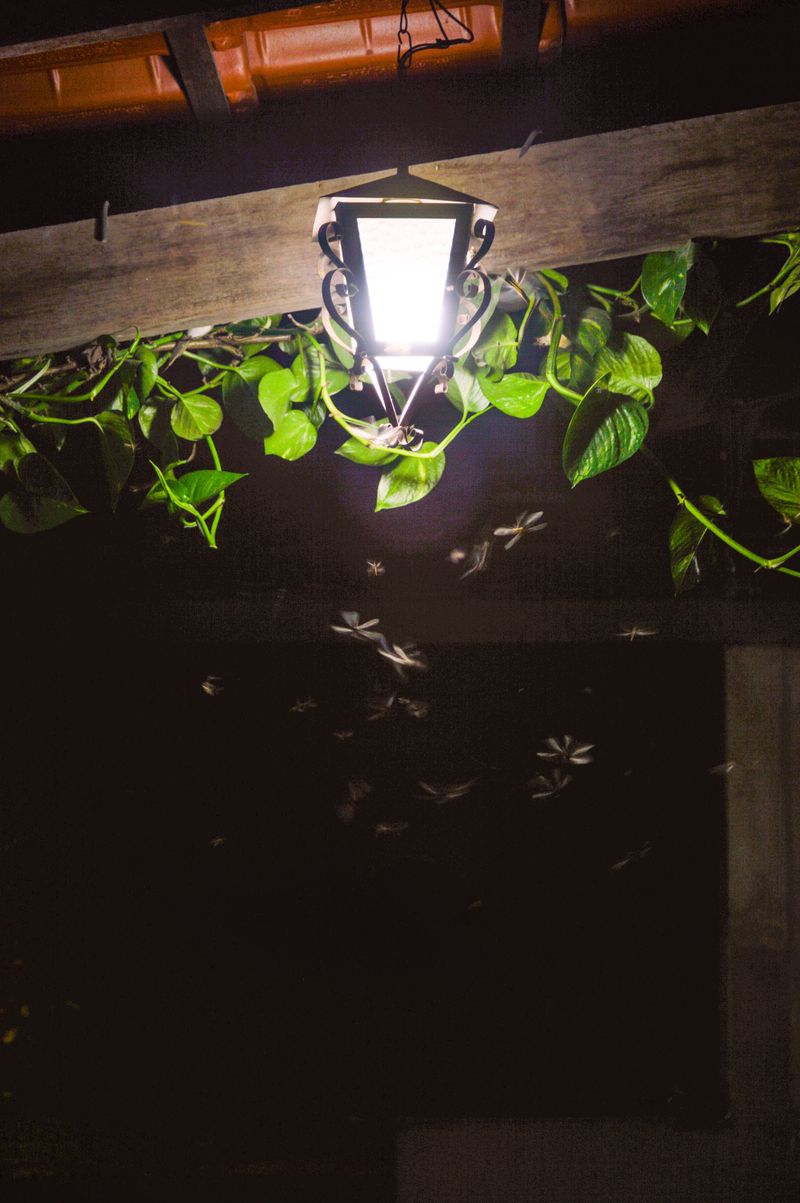
Follow the food, and you will usually find the scorpion. These hunters eat crickets, roaches, spiders, and other small insects.
Bright white porch lights draw flying insects like a magnet. Those insects attract crickets and spiders, and soon your doorstep becomes a snack bar that scorpions visit every night.
Switching to yellow bug lights or warm LED bulbs can help, since many insects are less drawn to those colors. Motion sensor lights help too, because the area stays dark most of the evening.
Inside the house, the same rule applies. If you have a cricket or roach problem in the garage or kitchen, scorpions have a reason to stay. A few simple habits cut down on that menu:
Keep trash cans sealed and away from doors. Store pet food in tight containers. Sweep up crumbs in garages and patios, and clear clutter where crickets gather.
I was surprised how much quieter my porch got after one bulb swap. Fewer moths meant fewer crickets, and fewer crickets meant fewer late-night visitors.
It is a small change with a surprisingly big ripple effect across your whole yard and home.
Caulk, Door Sweeps, And Screened Weep Holes Keep Scorpions Out
Sealing your home is the single strongest step you can take. Sprays help, but a tight house works around the clock with no refills.
Start at ground level and walk slowly around the outside. Fill foundation cracks with a quality caulk, and seal gaps around pipes, outdoor faucets, dryer vents, and cable lines.
Next, check every exterior door. Install new door sweeps and replace weather stripping that looks flattened or cracked. If light shows through, there is still a gap.
Windows and screens need attention too. Patch torn screens and make sure they fit snugly in their frames.
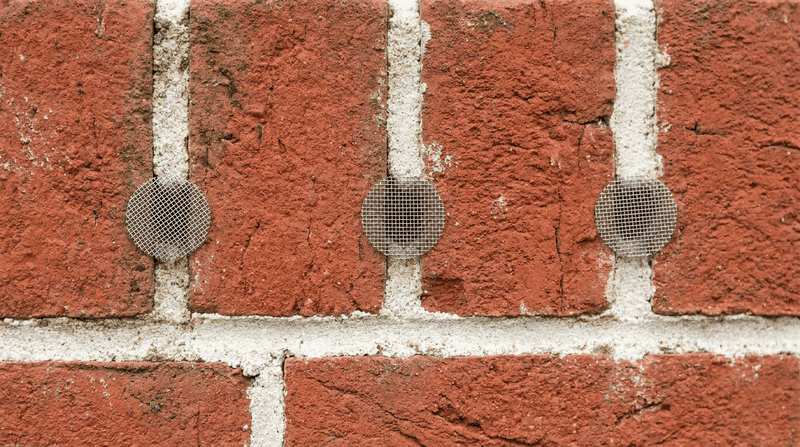
Brick homes need a special touch. Those small vertical openings near the bottom, called weep holes, let moisture escape, so do not caulk them shut. Instead, cover them with stainless steel mesh or special weep hole inserts.
Inside, look under sinks and behind appliances where plumbing comes through the wall. Expanding foam or caulk works well there.
Doing this in late summer or early fall is ideal. You will block scorpions, plus spiders, roaches, and drafts in one project. Your heating bill may even shrink a bit this winter.
Overgrown Shrubs And Leaky Faucets Help Scorpions Reach Your Walls
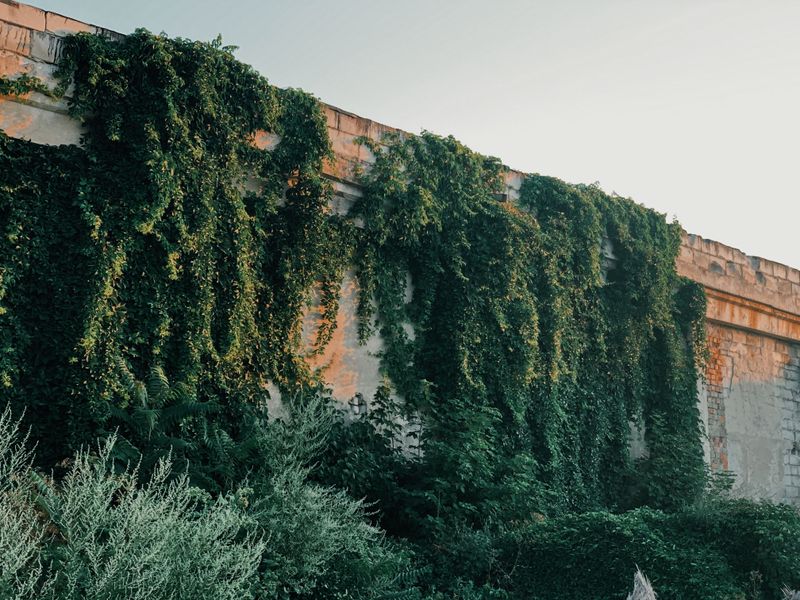
As a gardener, this one stung a little. My lovely shrubs were acting like ladders for scorpions.
Bark scorpions are excellent climbers. Branches touching your siding or hanging over the roof give them a free ride up to eaves, vents, and attic gaps.
Trim plants so they sit at least a foot away from walls. Cut back tree limbs that brush against the roof, and keep vines from climbing exterior walls.
Moisture matters as well. Scorpions and the insects they eat both seek damp spots, especially during dry spells.
Fix dripping outdoor faucets and leaky hoses. Point downspouts away from the foundation, and adjust sprinklers so they water plants, not the side of your house.
Mulch is another factor worth watching. A thick layer pressed against the foundation stays damp and dark. Try a gravel strip or a thinner mulch layer right next to the house.
Fall is a fine time in most of Texas for light shaping and cleanup. Save heavy pruning of spring bloomers until after they flower.
Your garden will still look lovely, just with more breathing room and fewer sneaky bridges.
A Blacklight Flashlight Makes Glowing Scorpions Easy To Spot
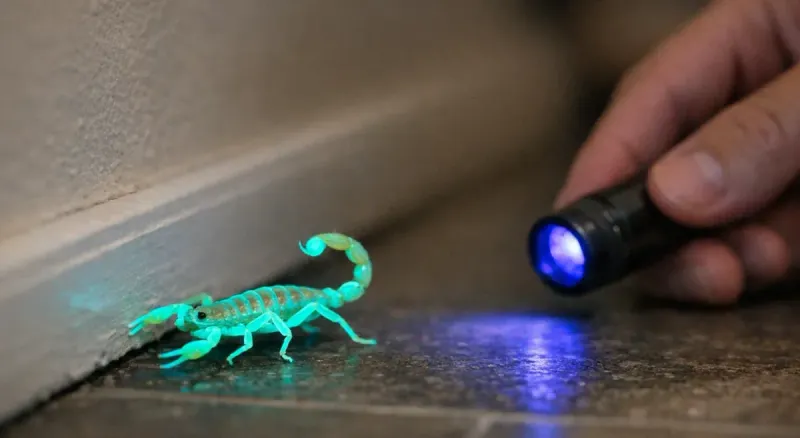
Here is a fun twist that turns pest control into a nighttime adventure. Scorpions glow bright blue-green under ultraviolet light.
Scientists believe the glow comes from compounds in the outer layer of their exoskeleton. Nobody knows for certain why it happens, but it sure makes them easy to find.
Pick up an inexpensive UV flashlight and walk around your home about an hour after dark. Check foundation edges, fences, rock borders, woodpiles, and the walls near doors.
Wear closed shoes and gloves. Use long tongs or a jar if you plan to remove one, and never grab a scorpion by hand.
Each sighting tells you something. Several scorpions near one corner may point to a gap, a damp area, or a hiding spot you missed.
Most Texas scorpion stings feel like a strong bee sting. Still, call Poison Control at 1-800-222-1222 for advice, and seek medical care quickly for young children, older adults, or anyone with allergies or severe symptoms.
If you keep finding scorpions after sealing and cleaning, a licensed pest control professional can help. Pair their work with your habits, and fall evenings can feel cozy again.