8 Ways to Protect Young Saplings From Buck Rubs in New York
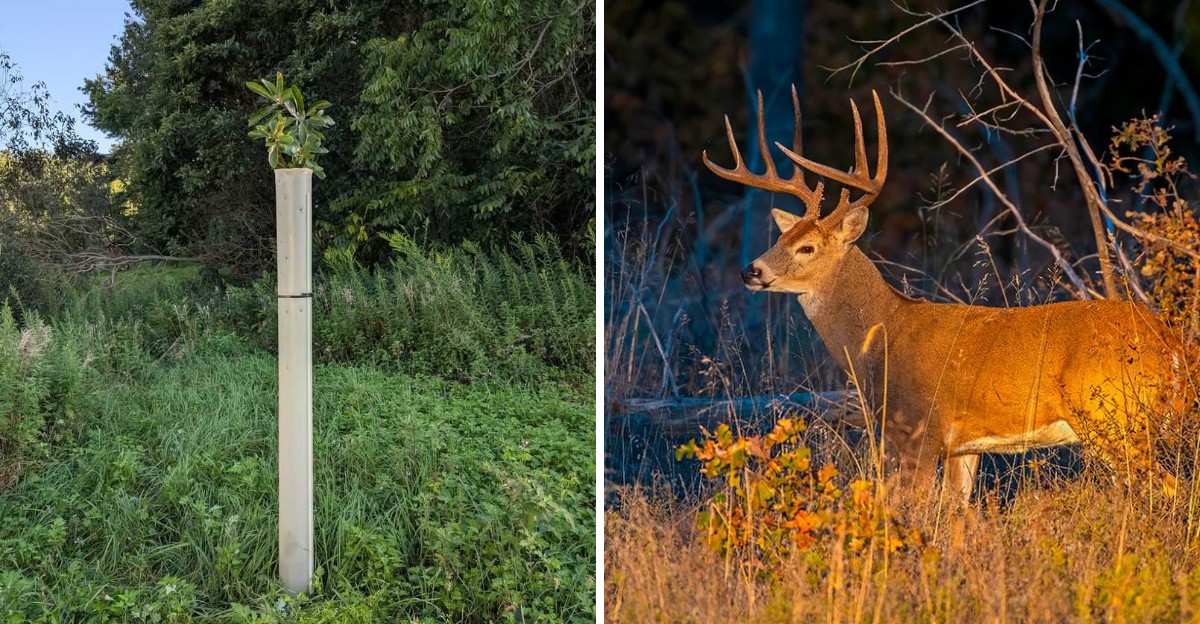
Some woodland visitors leave hundreds of shredded trunks behind each fall, and researchers count them like signposts along trails.
Those scraped stems are messages, not meals, which explains why your favorite young maple can look skinned overnight.
Across New York, the worst of this damage usually shows up from late summer into early winter. Smooth bark between broom handle and soda can thickness seems to attract the most attention from these visitors.
I skipped protection on two little redbuds one fall, and I still wince at those shredded ribbons of bark. You build trust in a young tree for years, so watching it get scraped raw in minutes stings.
Turns out a few cheap tricks can save New York saplings before the next autumn rampage begins. Which of these clever fixes will you try first in your own backyard this coming year?
1. Welded Wire Cages Keep Antlers Off Young Trunks
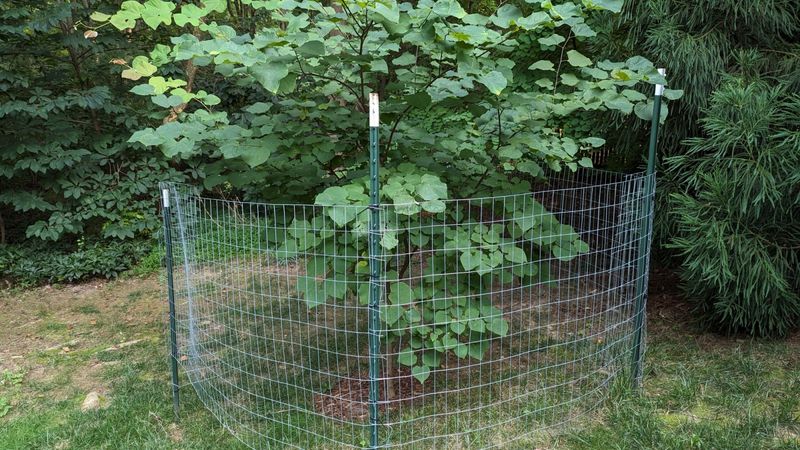
Nothing frustrates a rutting buck quite like a ring of stiff wire standing between his antlers and your tree. I love how this plain-looking cage turns a tempting target into something he simply walks past.
Welded wire fencing or sturdy hardware cloth works well, and most farm stores sell rolls in useful heights. Cut a piece about six to nine feet long, giving you a circle roughly two to three feet wide.
Wrap the wire into a cylinder around the sapling and fasten the ends with heavy zip ties or tie wire. Leave plenty of space between the mesh and the bark so the trunk can thicken without rubbing.
Height matters more than most people expect, so aim for a cage at least four to five feet tall. Bucks usually rub from knee height up to chest height, which puts that zone safely behind the wire.
Drive two steel posts into the ground beside the cage and clip the wire firmly to each one. A determined buck can shove a loose cage right into the trunk, which defeats the whole purpose.
After I tested this setup on a row of young oaks, the rub marks shifted to nearby fence posts instead. You might notice the same thing, and honestly, scraped posts are much easier to forgive than bark.
Check the cages after heavy storms and again before late summer, when bucks begin shedding velvet. Most cages last for years, and you can reuse them once the trunks grow thick and rough.
2. Tall Tree Tubes Shelter Seedlings From Rubbing Bucks
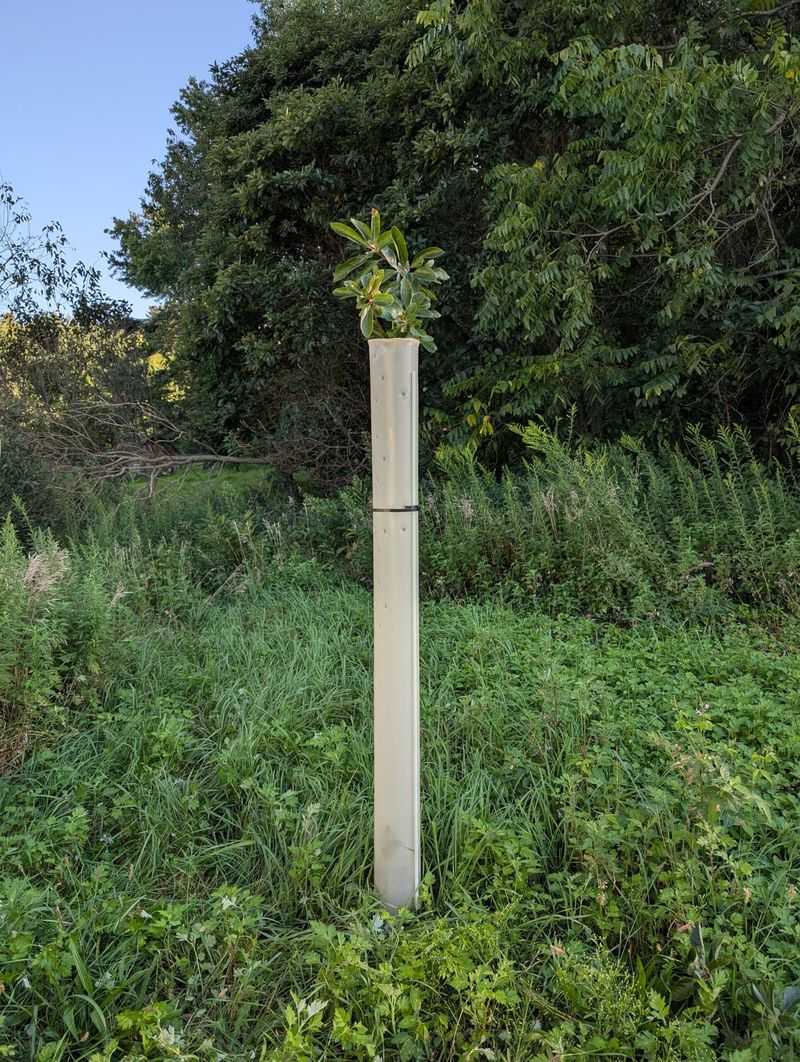
Those tall plastic tubes poking out of farm fields look odd, but they are tiny greenhouses with a bonus job. Inside, a seedling enjoys warmer, calmer air while its tender bark stays hidden from antlers.
Foresters call them tree shelters, and research has shown they can speed early height growth for many hardwoods. The young tree stretches toward the open top, which helps it climb past browsing range sooner.
Pick tubes at least four to five feet tall if bucks and does roam your area regularly. Shorter versions leave the growing tip exposed the moment it peeks over the rim, inviting hungry nibbles.
Push the bottom edge a couple of inches into the soil to block voles and keep the tube steady. Then tie it to a sturdy stake, since a wobbly tube can rub the bark itself.
I get a little giddy each spring when a leader finally pokes out the top of a tube. You can also spot tubed seedlings easily in tall grass, which makes mowing and weeding far less risky.
Leave the shelter in place until the trunk nearly fills it, then slit it open and remove it carefully. Waiting too long can trap moisture against the bark and leave the stem weak or misshapen.
Vented tubes allow the stem to harden off better before winter, which many extension foresters recommend. Since rub season peaks in autumn, the tube does its best guarding work just when bucks get restless.
3. Trunk Guards Wrap Smooth Bark In A Protective Sleeve
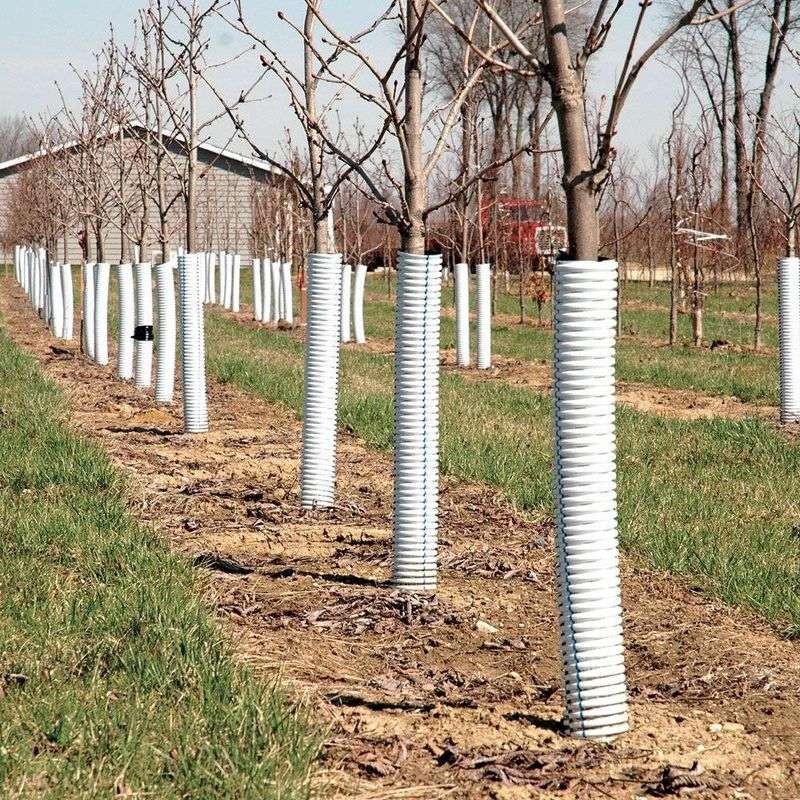
Slipping a plastic sleeve around a skinny trunk feels a bit like dressing a toddler in a winter coat. Fussy work, sure, but that snug layer keeps antler tines from peeling back the soft bark.
Right under that bark sits the cambium, a thin living layer that builds new wood and new inner bark each year, and just outside it runs the phloem, which carries food. Once a buck scrapes it away around the trunk, the tree above often struggles or declines.
Solid wall guards three to four feet tall are a strong choice for saplings with slender, smooth trunks. Several forestry suppliers sell UV-stabilized models rated to last five years or more in sun and weather.
Short spiral guards mostly stop rabbits and voles, so they rarely offer enough height against a rubbing buck. Look for guards that reach from the soil line up to the lowest branches whenever possible.
Corrugated drainage pipe makes a thrifty homemade option, and I am surprised how well it holds up. Slice it lengthwise, then ease it around the trunk without scraping the bark during the installation process.
Choose light-colored or ventilated guards when possible, since dark plastic can trap heat against thin bark. Loose fit matters too, because a tight wrap can girdle the very trunk you hoped to save.
Take guards off during summer if they hold moisture, then slide them back on before bucks shed their velvet in late summer. A quick check each month keeps insects and mold from setting up house underneath the plastic.
4. An Eight Foot Deer Fence Surrounds The Whole Planting

A healthy whitetail can clear a typical backyard fence with room to spare, and they seem to enjoy proving it. Most wildlife agencies suggest a woven-wire barrier around eight feet tall for reliable exclusion of hungry deer.
For a small orchard or windbreak in New York, a tall fence often beats guarding trees one by one. Every sapling inside gets protection from both rubbing and browsing, which saves plenty of fiddly maintenance.
Woven wire lasts for decades when it hangs on sturdy wood or steel posts set deep in the ground. Polypropylene deer mesh costs less and blends into the scenery, though it needs more frequent repairs.
High-tensile electric fencing offers another path and often costs less per foot than a tall woven wire. Some extension guides describe baited wires smeared with peanut butter that teach deer to respect the line.
A double fence of two shorter lines set a few feet apart works, since deer dislike jumping into cramped spaces. You might notice them pacing along the outside edge at dusk, clearly puzzled by that awkward landing zone.
Check local rules before building, because some towns limit fence height near roads or in front yards. A quick call to your code office now beats tearing out posts after a neighbor complains.
The upfront cost stings, I admit, yet I watched prepared neighbors enjoy unscarred trees for years afterward. Patrol the fence line after storms, since one fallen branch can open a doorway for curious deer overnight.
5. Smelly Repellent Sprays Give Bucks Second Thoughts
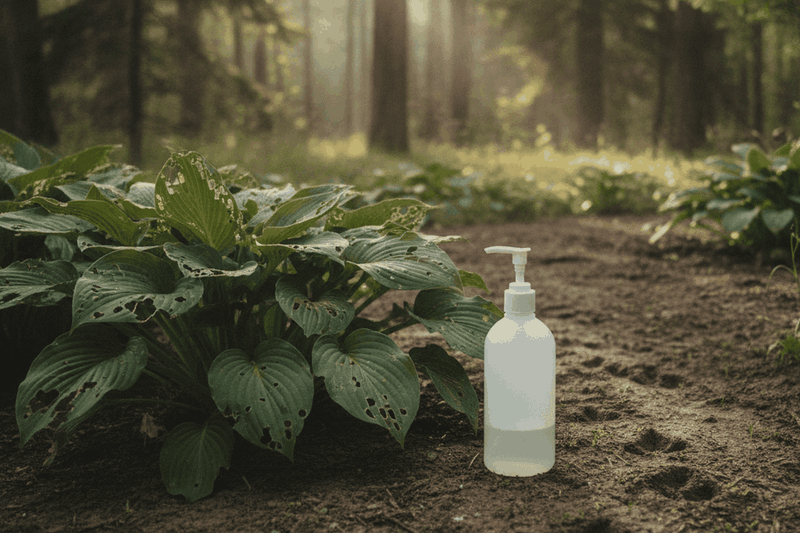
Rotten egg is not a perfume most gardeners would choose, yet deer find it even more off-putting than we do. Many top-rated repellents rely on putrescent egg solids, which seem to signal danger to a nervous, sniffing whitetail.
I’ll be honest though, because these sprays usually work best against hungry browsing rather than antler rubbing. A buck rubbing a trunk is not trying to eat it, so a bad taste rarely changes his mind.
Scent-based products still have a place, especially when you spray bark and lower limbs before rut season. Research comparing repellents often finds odor products outperform taste-only formulas for general deer deterrence in field trials.
Reapply every few weeks and after heavy rain, since the smell weakens as the weather wears it down. Cold weather also slows how well some sprays dry, so apply on mild afternoons whenever you can.
Rotating between two products with different active ingredients helps prevent deer from getting used to one smell. Pair an egg-based spray with a garlic or capsaicin product, and switch between them every month or so.
Read every label carefully, because some formulas are approved for edible plants while others are not. Wear gloves too, unless you want your hands smelling like a forgotten picnic for the next two days.
Think of repellents as a helpful sidekick to cages or guards, not the main line of protection. Together, they make your yard feel less welcoming to every curious whitetail wandering through on autumn evenings.
6. Three Sturdy T Posts Crowd Out A Rubbing Buck
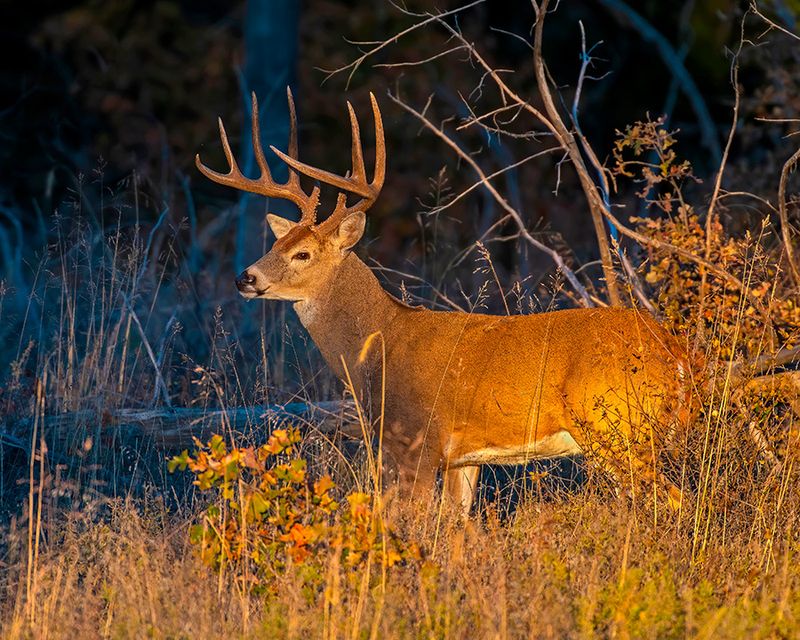
Three metal posts and twenty minutes of hammering might be the cheapest rub protection I know. Pound them around a sapling in a tight triangle, and a buck suddenly has no room to swing.
Rubbing takes leverage, since he needs to press his forehead and antlers firmly against the trunk. Posts set about a foot from the bark get awkwardly in the way of that scraping motion.
Use steel T-posts at least five feet tall, driving them deep enough that a shove cannot topple them. Farm supply stores in New York usually stock them, especially in late summer before hunting season.
This trick shines for trees between one and four inches thick, the size bucks seem to prefer. Larger trees with rough bark often draw less attention, so you can save posts for youngsters.
For extra insurance, string a few strands of wire or twine between the posts at knee and chest height. That simple web makes the gap feel even tighter to an antlered visitor looking for a target.
A little evidence gave me confidence here, since my staked dogwoods came through last fall without a scratch. You might feel silly staring at a tree in a metal triangle, but results beat looks.
Pull the posts once the bark turns rough and the trunk outgrows that favorite rubbing size bucks love. Store them in the shed, because next year’s batch of saplings will need the same help.
7. Motion Activated Sprinklers Startle Deer Near Saplings
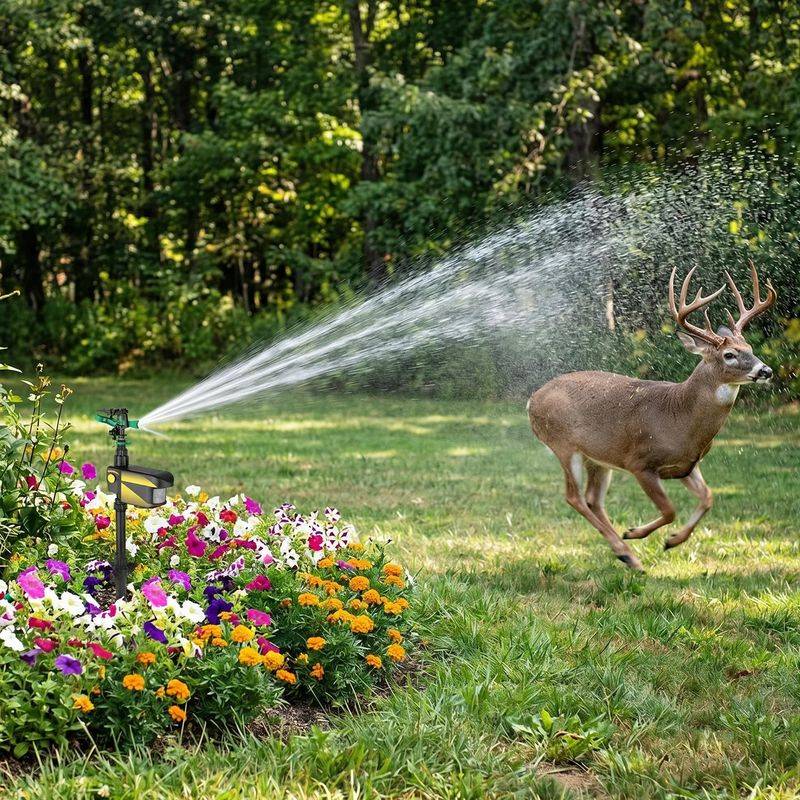
Few things make a cautious deer bolt faster than a sudden hiss of water out of nowhere at dusk. I laughed out loud the first time my motion sprinkler sent a curious yearling bounding into the woods.
Most models use an infrared sensor to detect body heat and movement, then fire a short burst of spray. Aim one toward your most vulnerable saplings, keeping the sensor clear of swaying branches and tall grass.
Water sprinklers have a seasonal catch in New York, since hoses freeze once nights turn bitterly cold. Rub season runs well into late fall, so plan on draining the system before hard freezes arrive.
Motion lights and battery noisemakers can fill that gap during colder weeks without any plumbing worries. Solar models are handy, though short autumn days may leave them with weaker charges by midnight.
Deer are clever about patterns, and they often learn that a harmless gadget poses no real threat. Moving devices every week or two keeps the surprise fresh and slows down that frustrating habituation process.
Shiny streamers and hanging pie pans offer a budget option, though their effect usually fades even faster. I treat them as fun extras rather than serious protection for my most valuable young trees.
Scare devices tend to work best alongside a physical barrier like a cage or a trunk guard. You build layers this way, and each layer makes your yard a little less inviting to restless bucks.
8. Thorny Native Shrubs Steer Bucks Away From Favorite Trees
Bucks can be surprisingly picky about rubbing, often choosing smooth, springy stems that bend nicely under pressure. Aromatic trees like cedars and pines also attract rubbing, possibly because their scent carries a strong message.
Knowing those preferences lets you plan smarter before a single new sapling goes into the ground. My damage dropped noticeably once I stopped planting rub favorites along the wooded edge of the yard.
Place smooth-barked youngsters such as maples and cherries closer to the house, where human activity discourages visitors. Trails and travel corridors along woodland edges and hedgerows usually see the heaviest rubbing every autumn.
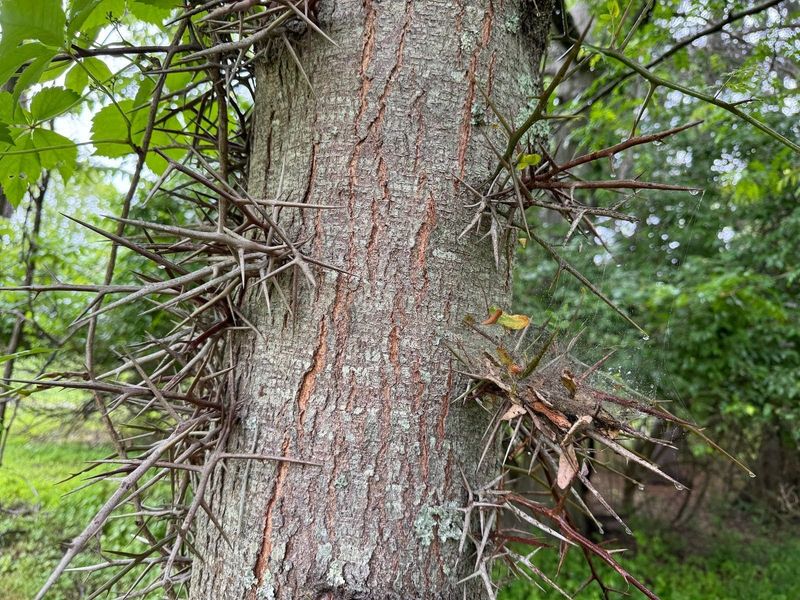
Thorny natives can help shield favorite trees, and hawthorns or native roses form prickly hedges that discourage close approach. Choose species suited to your hardiness zone, which ranges roughly from 3 to 7 across New York.
Skip multiflora rose and Japanese barberry, even though deer avoid them, because both are invasive and spread aggressively. Your local Cornell Cooperative Extension office can suggest native alternatives that suit your soil and site.
Planting slightly larger nursery stock can also help, since trunks with thicker bark handle rubbing better. Rub season still shows up every fall, so pair smart plant choices with guards for the first few years.
No plant is truly deer-proof, and hungry or restless deer will eventually test almost anything growing in your yard. Still, a thoughtful layout tilts the odds your way, and that small advantage feels wonderful by spring.