Why Boyce Thompson Arboretum Is Worth the Fall Drive From Phoenix
A copper mining tycoon named William Boyce Thompson started a desert garden in 1924, and it still thrives today. His project near the town of Superior became the oldest and largest botanical garden in Arizona.
The gardens sit beneath a jagged volcanic peak, and a creek winds through the grounds year round. Thousands of plants from deserts around the world share the trails with roadrunners, lizards, and hummingbirds.
I have to admit that summer visits leave me wilted and cranky before lunch arrives. October changes everything, because cooler mornings finally make long walks pleasant again for gardeners across Arizona.
You might notice ideas here that could make your own yard work harder for wildlife and pest control. So which corners of this place deserve your time on a crisp autumn morning?
1. An Easy Hour East Of Phoenix
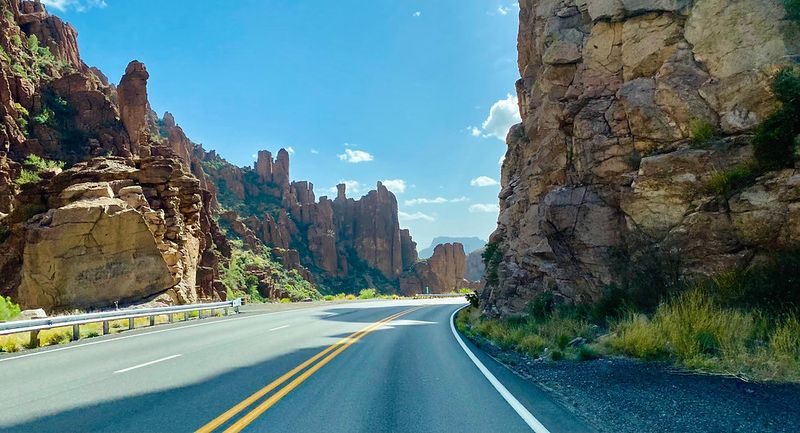
Roughly an hour of driving separates the Phoenix freeways from a garden that feels like another world. Head east on US 60, and the city slowly gives way to rugged hills and saguaro slopes.
Personally, I love how the scenery starts changing long before you reach the entrance gate. The road climbs gently past Florence Junction, and the mountains ahead look sharper with every passing mile.
Fall mornings make this trip especially pleasant, since daytime highs usually settle into comfortable ranges by October. You can walk for hours without feeling baked, which is rarely possible during the long summer months.
Arriving early gives you softer light for photos and better chances to spot active birds and lizards. Most wildlife moves around in the cool hours, then tucks into shade once the afternoon sun warms up.
Pack water, a hat, and sturdy shoes, because some trails include rocky stretches and gentle climbs. I also bring a small notebook to jot down plant names that might suit my own yard later.
2. Picketpost Mountain Towers Over The Trails
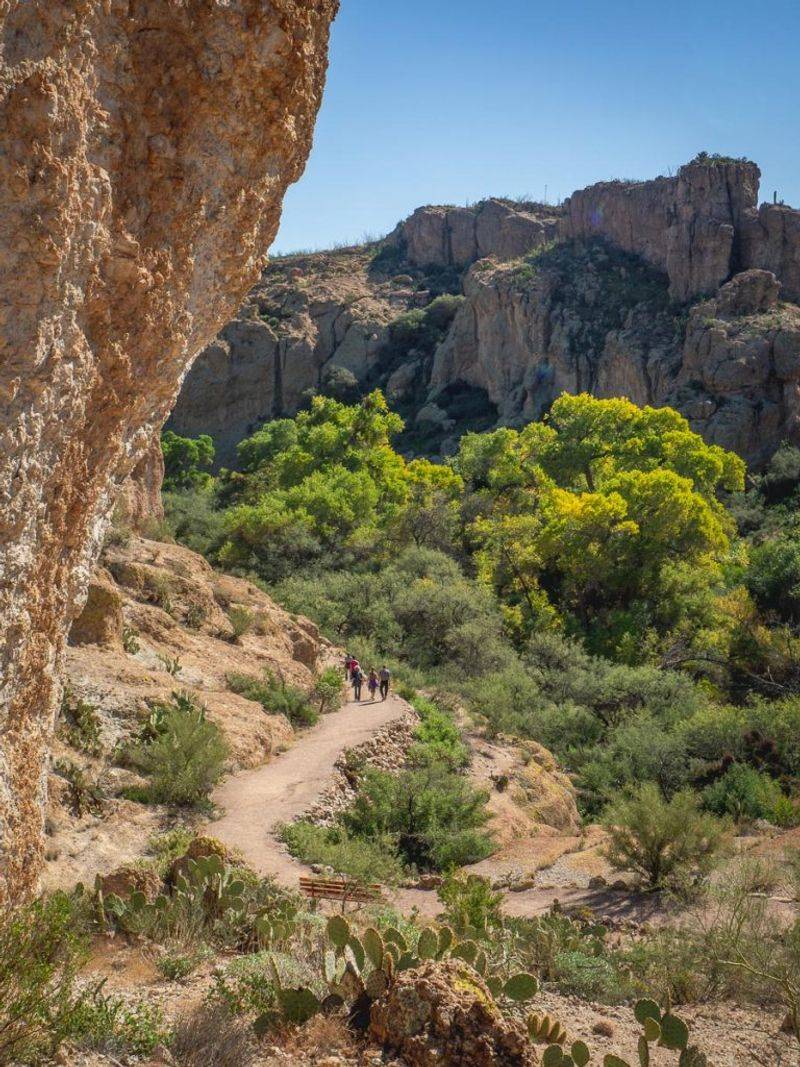
Few gardens anywhere come with a backdrop as dramatic as the massive volcanic cliffs of Picketpost Mountain. The peak rises sharply above the arboretum and changes color as sunlight moves across its rocky face.
I can’t imagine a better setting for learning about plants that handle heat and thin desert soils. Every trail seems to frame the mountain differently, so you keep stopping for one more photo along the way.
The main loop trail runs about a mile and a half, with side paths branching off toward themed gardens. Signs along the way explain plant origins, which turns a simple walk into an easy outdoor lesson.
Rocky outcrops near the trail warm up quickly on fall mornings and attract sunbathing lizards looking for heat. Watching them hunt insects shows how natural predators help keep bug numbers in check without any sprays.
For your own yard, a few boulders placed in sunny spots can offer similar basking places for lizards. Those little hunters eat crickets and other insects that often attract scorpions toward homes in the first place.
3. Historic Smith Building And Its Desert Story
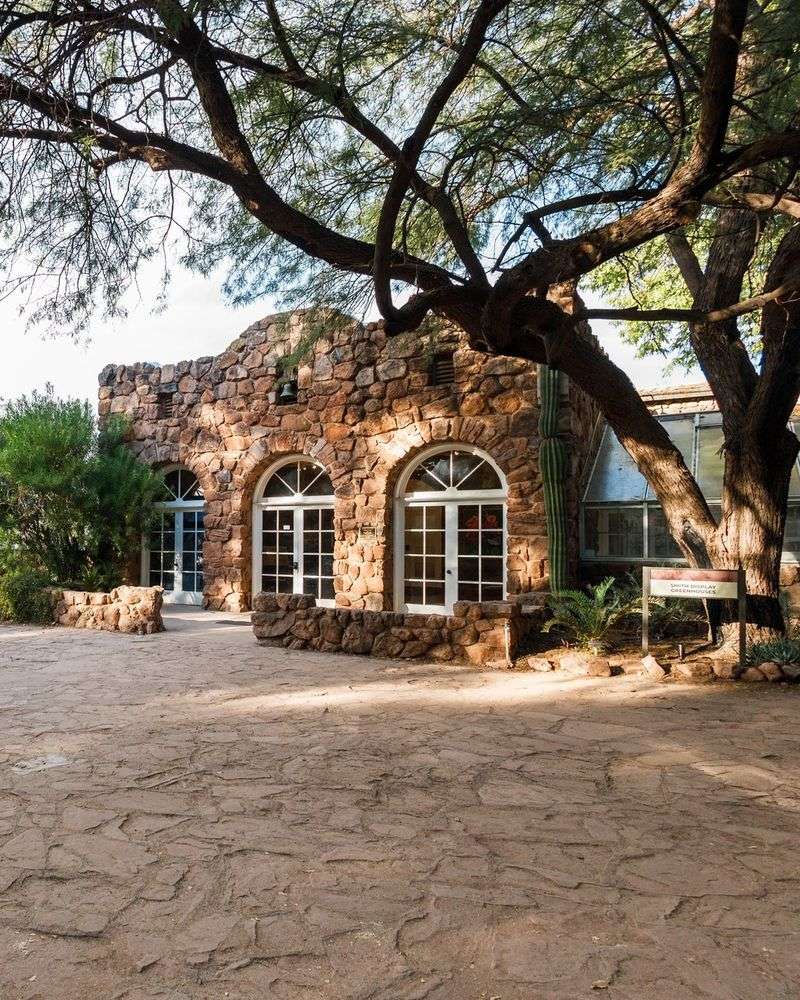
Long before water-wise landscaping became popular, researchers here were already testing which plants could survive desert conditions. William Boyce Thompson wanted to study useful plants for dry regions, and his dream grew into this place.
The historic Smith Building near the entrance hints at that early era with its sturdy stone walls. I like how the old architecture reminds visitors that this garden began as serious science, not just decoration.
Today the arboretum works with the University of Arizona and Arizona State Parks to support research and education. That partnership helps explain why the plant labels and displays feel so thoughtful and well organized.
Wandering through the grounds, you notice plants grouped by world deserts, from Australia to South America and beyond. Comparing them side by side shows how different species solved the same problems of heat and scarce water.
Personally, I find this history makes every plant choice feel more meaningful during a visit. You are walking through a living experiment that has been running for a century, and it still teaches gardeners plenty.
4. Agave And Cactus Gardens Feed Bats And Birds

Tall agave flower stalks can tower over a garden path like giant asparagus spears reaching toward the sky. Nectar-feeding bats visit those blooms at night, carrying pollen from one plant to the next while they feed.
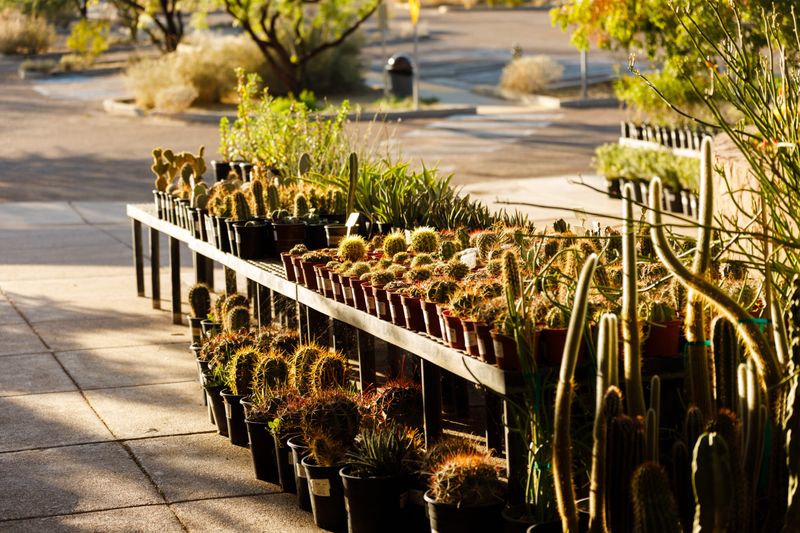
The arboretum’s cactus and succulent gardens show how much wildlife these spiny plants actually support each year. Barrel cactus fruits feed birds and small mammals, while prickly pear fruits ripen into sweet treats by late summer.
What surprises me most is how many creatures shelter among the spines without getting hurt at all. Cactus wrens build nests in cholla, and the prickly branches help keep larger predators from reaching their eggs.
Bats deserve extra credit, because insect-eating species gobble mosquitoes and moths around homes after sunset. Planting native agaves and other night-blooming plants can make your yard more welcoming to these helpful visitors.
October is a fine time to plant cacti and agaves, since roots establish while temperatures stay mild. Choose well-draining soil, water sparingly, and give each plant room to reach its full mature size over time.
5. Velvet Mesquite Trees Shade The Native Gardens
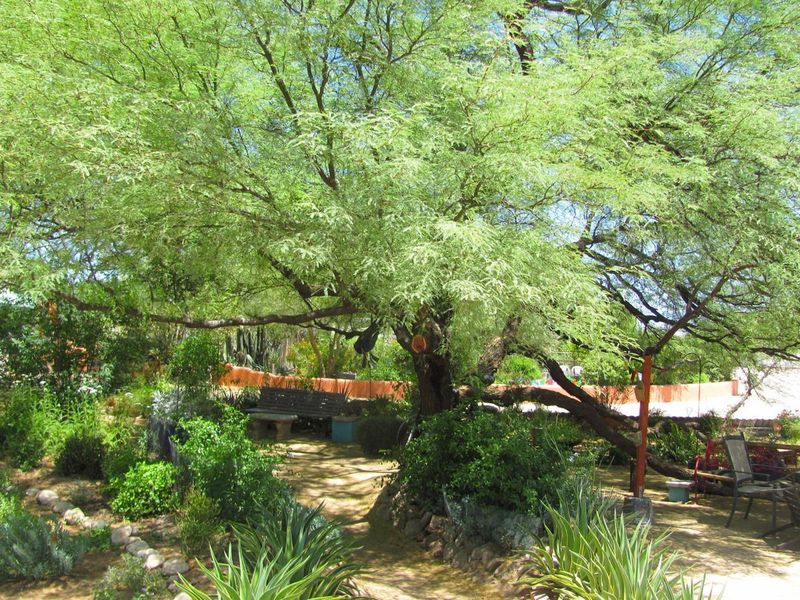
Feathery green branches of the velvet mesquite cast lacy shade that feels surprisingly cool on a sunny afternoon. Prosopis velutina grows wild across the Sonoran Desert, and the arboretum shows how well it handles local conditions.
I believe this tree belongs in far more desert yards than it currently does today. Once established, it gets by on modest water and still provides shade for patios, plants, and sleepy pets.
Spring catkins buzz with native bees, and the sweet pods feed quail, rodents, and coyotes later in summer. That steady food supply turns a single mesquite into a small neighborhood hub for desert wildlife.
Birds such as verdins and phainopeplas often perch in mesquite branches while hunting insects nearby. Those birds help keep caterpillars and other plant pests under control in a natural and gentle way.
Fall is an excellent planting window for mesquite in the low desert, giving roots months to settle. Water deeply but infrequently, and prune lightly to encourage a strong structure that resists summer monsoon winds.
6. Hummingbird And Butterfly Garden Buzzes In Fall
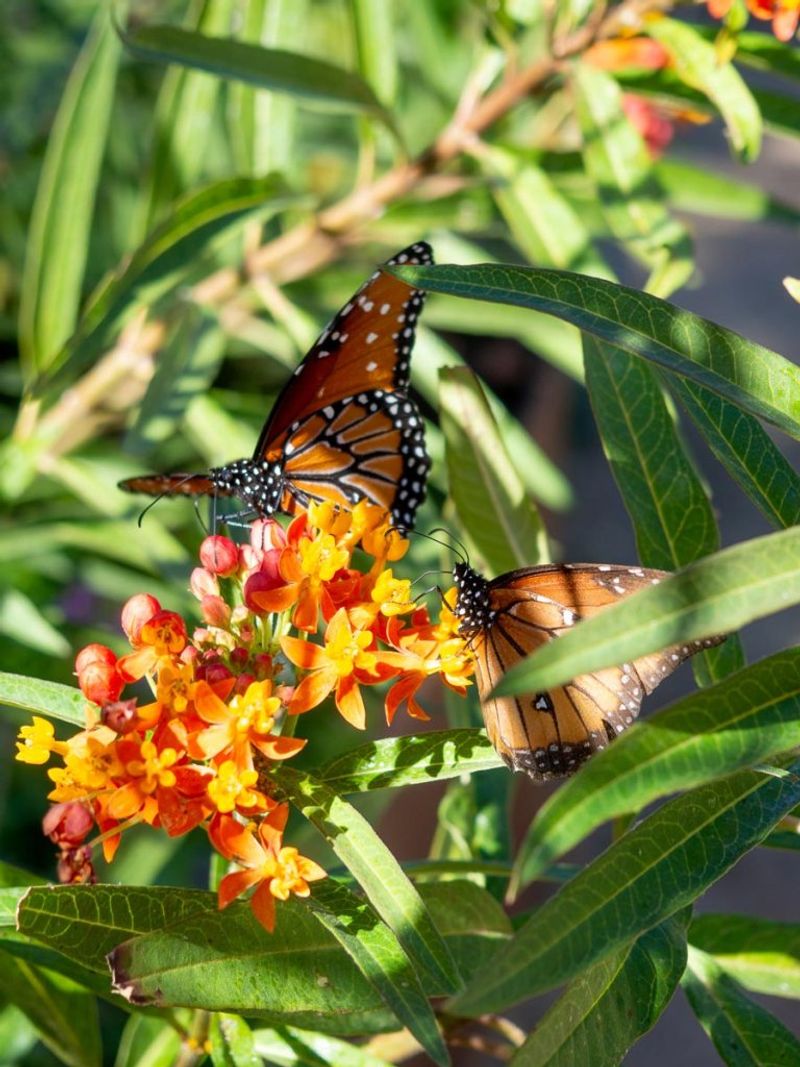
Tiny wings hum past your ear before you even spot the hummingbird darting toward a red tubular flower. The arboretum’s hummingbird and butterfly garden stays lively in fall, when many desert bloomers put on a second show.
You might notice queen butterflies drifting between flowers, along with occasional monarchs passing through on migration. Native plants like desert milkweed support these insects, while red flowers such as chuparosa tempt hungry hummingbirds.
I love how this garden proves that beauty and habitat can share the same small space. Many featured plants need little water once established, which makes them practical choices for busy homeowners.
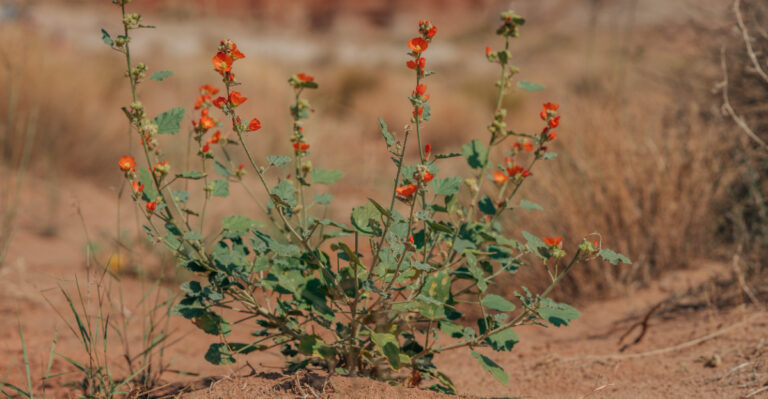
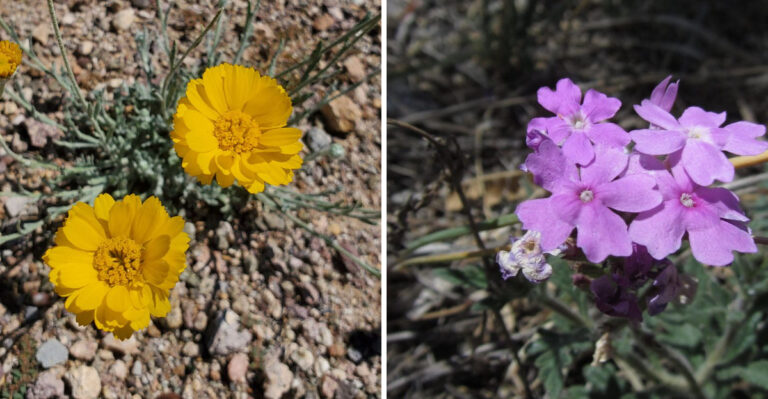
Penstemon, salvia, and desert marigold appear often in water-wise yards because pollinators visit them so eagerly. Watching which flowers draw the most visitors here can guide your own shopping list for the coming season.
October is a smart month to plant many of these perennials, since cooler weather reduces transplant stress. Group them in sunny spots near windows, and you can enjoy hummingbird visits from the comfort of home.
7. Ayer Lake Attracts Birds And Turtles
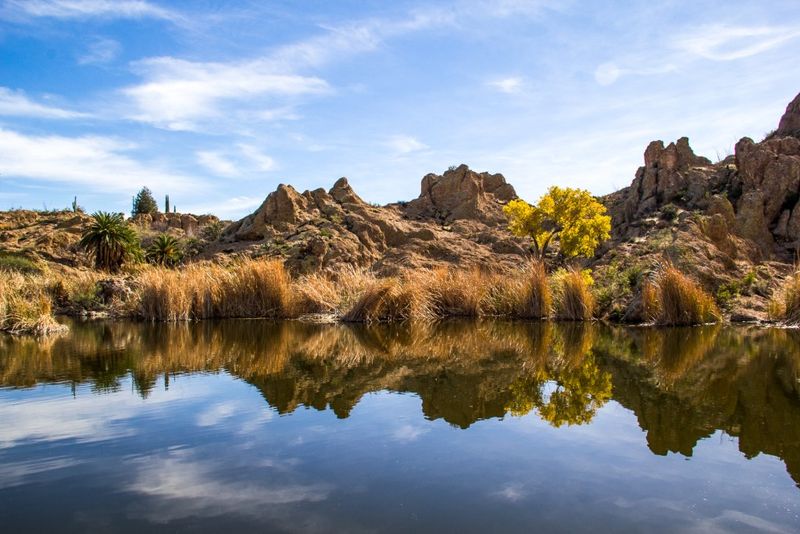
Turtles basking on warm rocks are probably the last thing most people expect to see in the desert. Ayer Lake, a small reservoir tucked against the cliffs, gives the arboretum a calm and surprisingly green corner.
Birders love this spot, and the arboretum has recorded hundreds of bird species across its grounds over the years. Fall migration brings warblers and other travelers that pause near water before continuing their long journeys south.
Personally, I could sit on a shady bench here for an hour and lose track of time. The reflections of rocky cliffs on the still water make a peaceful break from walking the longer trails.
Water attracts life, and that lesson translates nicely to backyard gardens on a much smaller scale. A shallow birdbath refreshed every few days can draw songbirds that feed on insects around your plants.
Keep backyard water clean and moving if possible, since standing water can breed mosquitoes quickly in warm weather. A small solar fountain or regular scrubbing helps keep the birds happy while discouraging those biting pests.
8. Giant Eucalyptus Trees Line Queen Creek
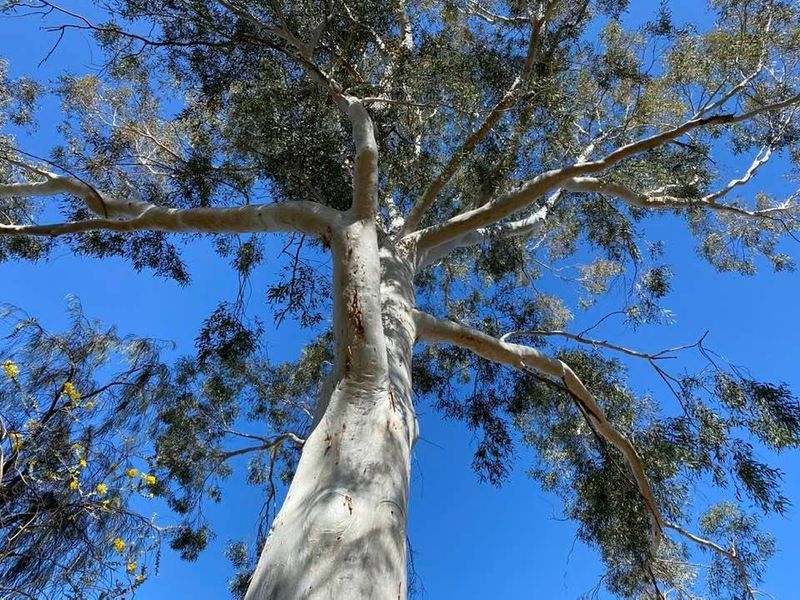
Craning your neck to see the top of a eucalyptus here can leave you a little dizzy. The arboretum’s Australian collection includes towering trees with peeling bark and a fresh, medicinal scent drifting through the air.
Queen Creek flows near these giants, and the shaded path along its banks feels several degrees cooler. I like how the smooth trunks shine almost white in the morning sun, especially after a recent rain.
These trees show how Australian species adapted to heat and drought on another continent far away. Seeing them beside native desert plants makes for an interesting comparison of strategies for surviving dry seasons.
Many eucalyptus species grow very large, so they suit open landscapes better than most small city lots. Their fallen leaves and bark also pile up quickly, which means extra raking for homeowners who plant them.
For backyard shade, native trees like mesquite or palo verde usually fit desert yards more comfortably. Still, walking beneath these Australian giants is a memorable highlight that deserves a slow stroll and a deep breath.
9. Chinese Pistache Trees Turn Red Toward November
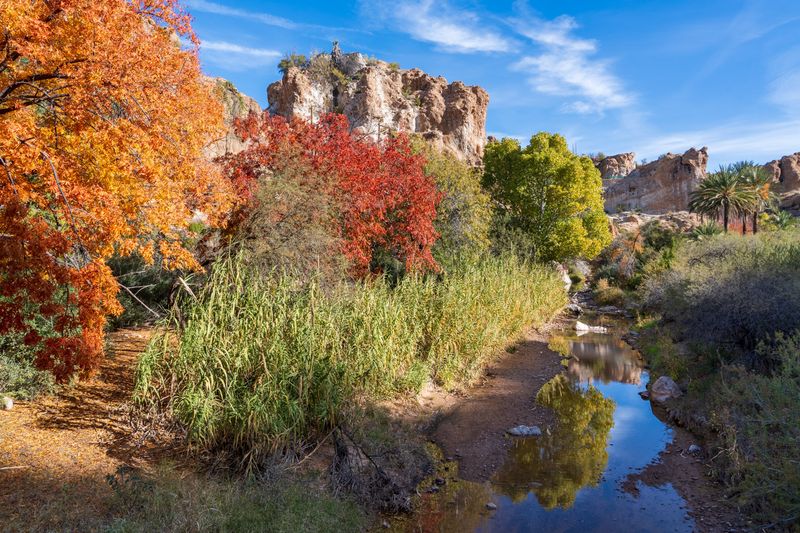
Bright red leaves against a backdrop of cactus and rock look almost unreal the first time you see them. Chinese pistache trees at the arboretum are famous for that fiery autumn display in a desert setting.
Timing matters, because the strongest color usually arrives in late November and sometimes lingers into early December. October visits let you watch the first hints of change, then plan a return trip for the peak.
You’re in for a treat when sunlight hits those leaves and makes them glow like stained glass. Cottonwoods and sycamores along the creek add golden tones later in the season, too.
Pistacia chinensis tolerates heat and moderate drought once established, which explains its popularity in desert landscapes. Female trees produce small berries that birds eat, adding a bonus for wildlife-minded gardeners.
If you want one at home, give it full sun and deep, occasional watering during its first few years. Fall is a solid planting season, and the tree may reward your patience with autumn color of its own.
10. Fall Plant Sale Sends You Home With Natives
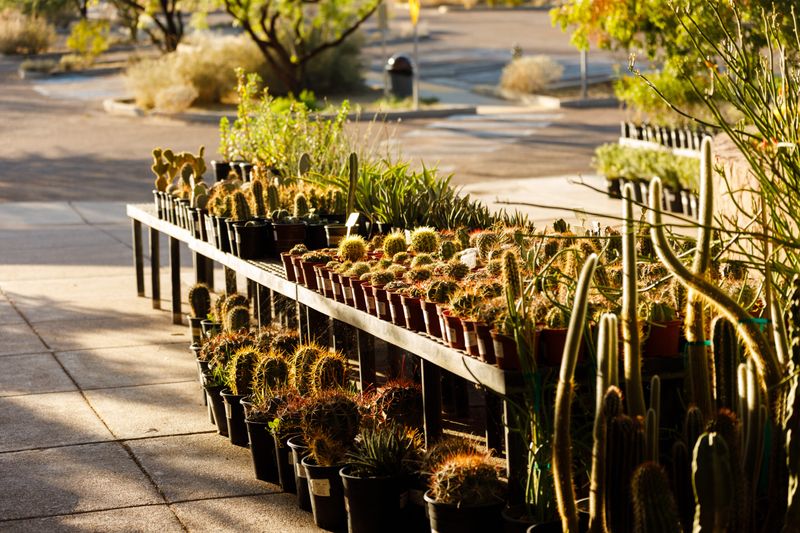
Leaving with a trunk full of plants might be the best souvenir any garden visit can offer you. The arboretum often holds a fall plant sale, timed for the season when desert planting conditions turn friendly.
Shopping here feels different, since you have just seen many of these plants growing happily on the trails. That firsthand look helps you picture mature sizes and choose species that fit your yard properly.
Native shrubs, wildflowers, and cacti usually fill the tables, along with knowledgeable volunteers ready to answer questions. I have to admit I rarely leave without at least one penstemon or a small agave tucked under my arm.
Choosing natives means fewer water bills and more visits from bees, birds, and lizards that help manage pests. Those helpers can make your yard less inviting to scorpions by reducing the insects scorpions like to eat.
Check the arboretum’s website before your trip, since sale dates and hours can change from year to year. Then plan your drive, bring a cooler for snacks, and leave room in the car for new green friends.