Why November Is the Easiest Time to Edge Your Ohio Lawn Borders
Grass roots in a cool-season lawn keep growing well after the top blades slow down, even when frost coats your windshield. I find that sneaky detail delightful, because it changes how a simple yard chore feels.
Across Ohio, November soil usually sits in a sweet spot. It is damp from fall rain and cool from shorter days, yet it is rarely frozen solid until later in the season.
I’ve been known to put this job off until spring and grumble through every minute of it. Muddy boots, fast-growing grass, and a dozen other tasks fought for my weekend.
You may be surprised how much easier one tool feels when the timing works with you. The grass is quieter, the beds are bare, and the lines are easy to see. You can roll your eyes, but November beats April for this chore every single time.
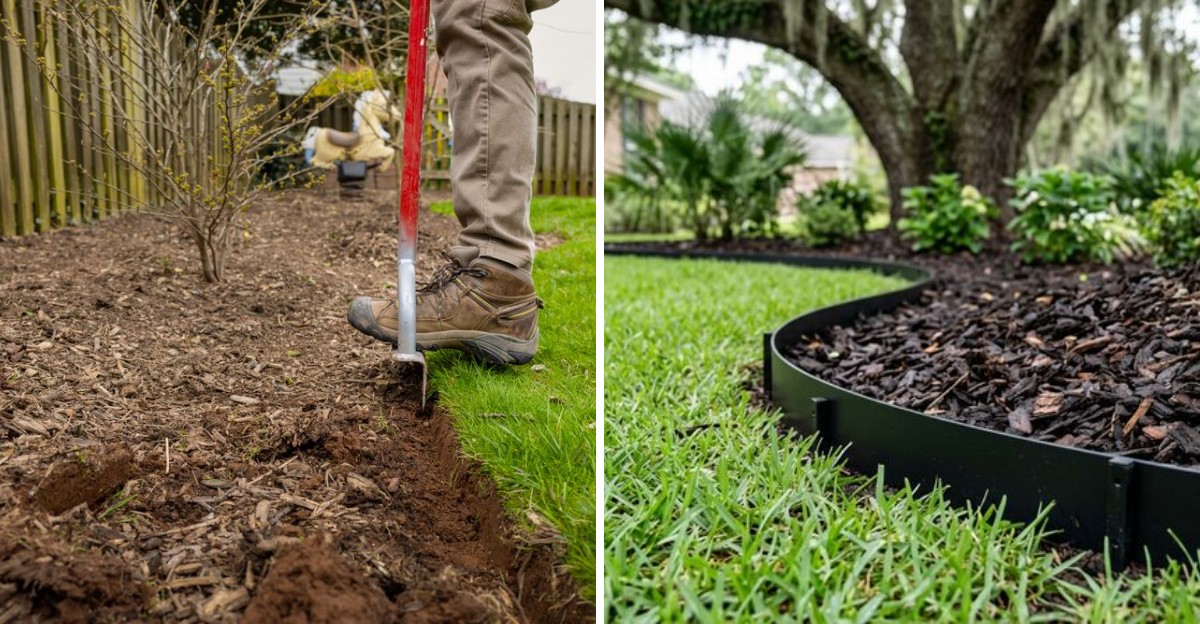
Late Fall Soil Lets a Half-Moon Edger Slice Right Through
My first November edging session felt almost like cheating. The blade sank into the turf with one firm step, and I barely broke a sweat.
Soil moisture is the big secret. Ohio usually picks up around 3 inches of precipitation in November, and cooler air means less of it evaporates.
That steady dampness softens the ground without turning it into a sticky mess.
Compare that to August. Summer soil often bakes hard, especially in the heavy clay found across much of the state.
Pushing an edger through that feels like trying to cut a brick with a butter knife.
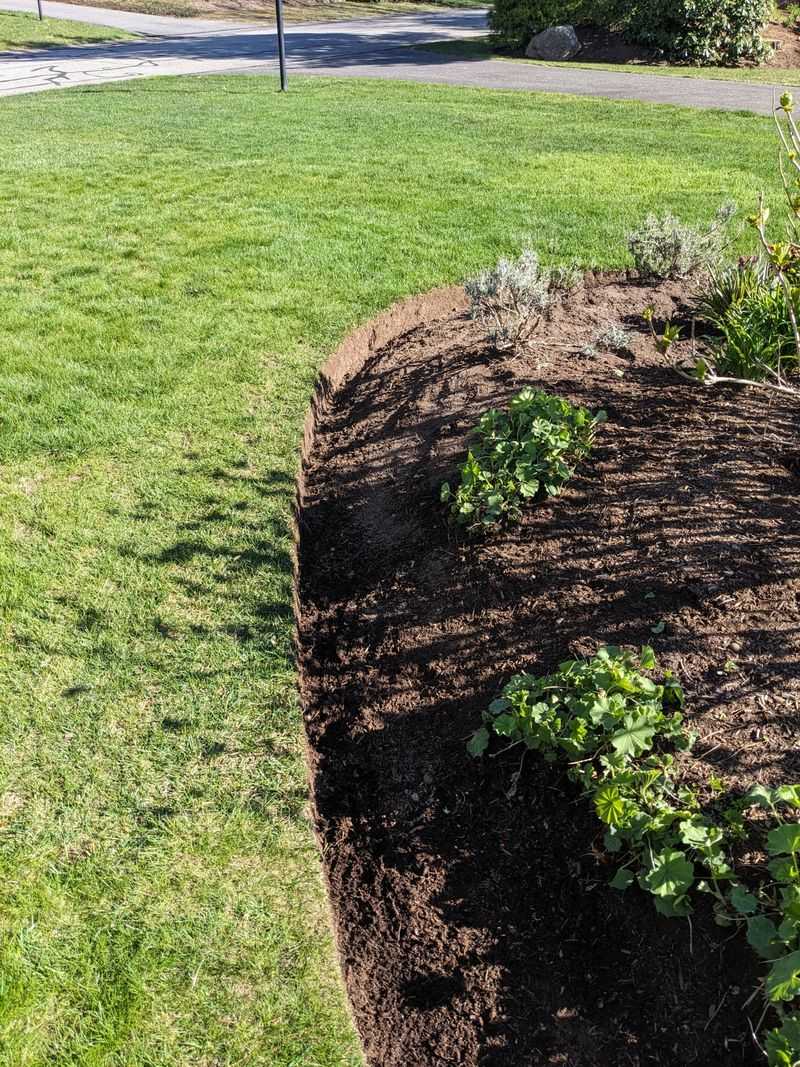
Fall ground lands right in the middle. It holds together well enough to give you a crisp, clean wall of soil along the border, yet it gives way easily under your foot.
A quick test helps before you start. Squeeze a handful of soil from your border.
If it crumbles or holds a loose shape, you are ready to go. If it drips or smears like modeling clay, give it a day or two to drain after heavy rain.
Working in that moist, crumbly window saves your back, your wrists, and the sharp edge on your tools.
Slow-Growing Bluegrass and Fescue Stay Put After You Cut
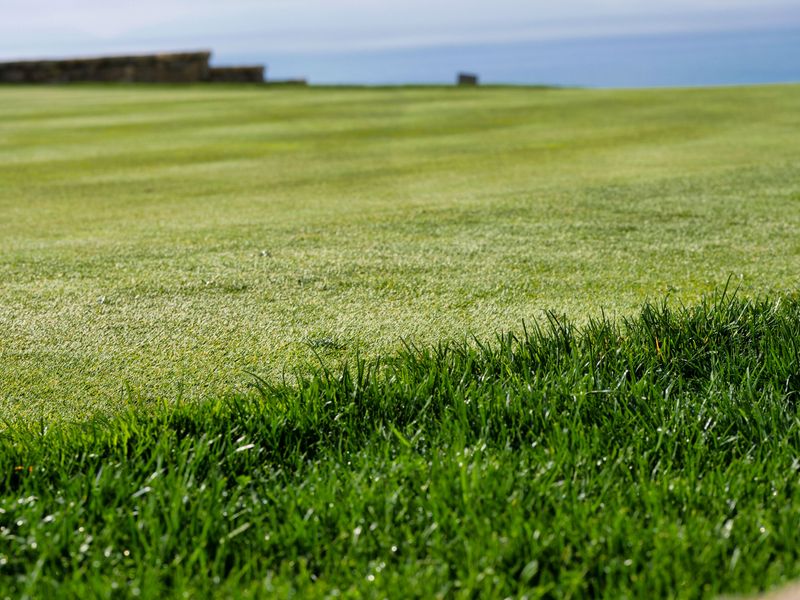
Kentucky bluegrass and tall fescue rule most Ohio lawns, and both are cool-season grasses. Their top growth slows sharply as November days shorten and temperatures slide toward freezing.
That slowdown works in your favor. In spring, those same grasses surge with new blades and runners.
Bluegrass spreads by underground stems called rhizomes, and they love to creep right back over a fresh edge within weeks.
Cut that line in November, though, and it tends to hold. The grass simply is not pushing outward very fast.
Your neat border may still look sharp when the snow melts in March.
Roots keep working below ground during this period. University turf experts note that cool-season grasses store energy and build roots in late fall.
A clean edge cut along the border does not cause major stress, because you are trimming a small strip, not the whole plant.
One friendly tip makes a difference. Keep your edge about 2 to 3 inches deep.
That depth severs most creeping stems without hacking into healthy turf further back.
Think of it as setting a boundary while the grass is too sleepy to argue.
Bare Flower Beds Make Every Border Line Easy to Spot
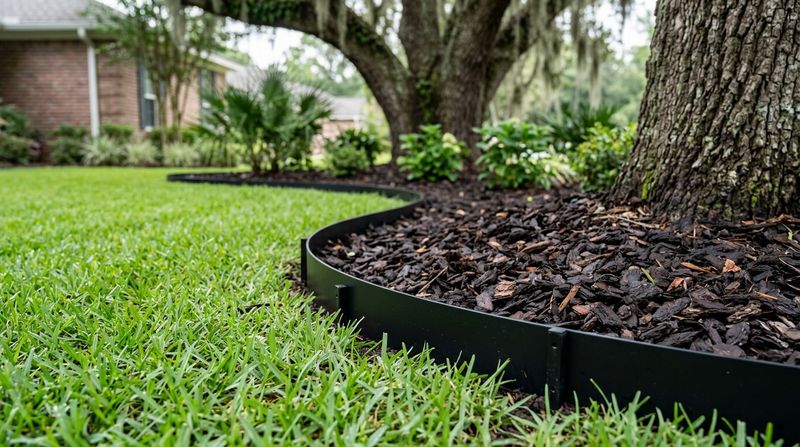
Ever tried edging around a hosta the size of a beach umbrella? Summer foliage spills over borders and hides exactly where the grass ends and the bed begins.
November clears the view. Perennials have faded or been cut back, annuals are gone, and the outline of every bed shows up plainly.
You can finally see those curves you designed years ago.
Leaf drop helps too. Once most trees in your yard are bare, you can rake or mulch the leaves, then edge without fresh debris piling up behind you.
Mulching leaves into the lawn with a mower is a smart, soil-friendly move recommended by many extension programs.
That clear view also lets you fix shapes. Maybe a bed shrank over time or a curve turned wobbly.
A garden hose laid on the ground makes a handy guide for marking smooth arcs before cutting.
Fewer weeds pop up in late fall as well. You will spend less time yanking chickweed and more time shaping clean lines.
Honestly, this is my favorite part. Standing back and seeing the full shape of the yard feels like rediscovering an old friend.
Watch the Thermometer Before the Ground Freezes Solid
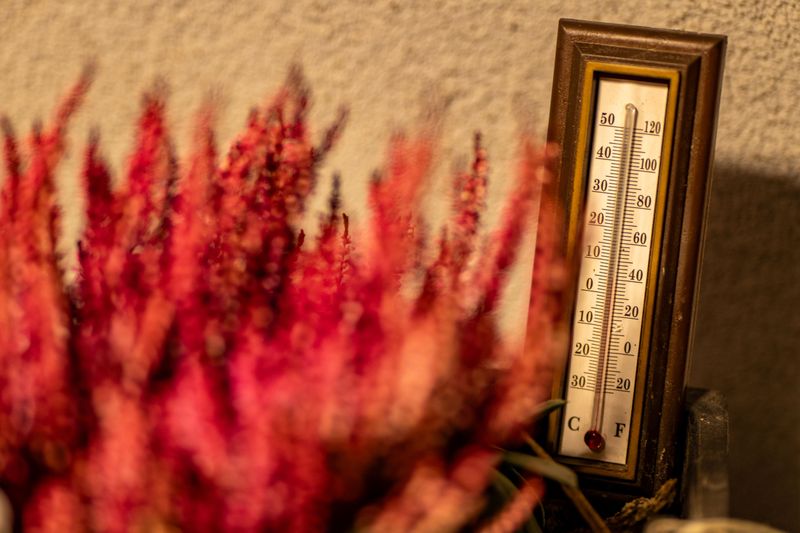
Timing inside the month matters a lot. Early to mid-November usually brings the friendliest conditions across Ohio.
Average highs in places like Columbus and Cincinnati start the month around the upper 50s to about 60 and slide into the upper 40s by late November. Cleveland and the northern snowbelt cool off faster, so gardeners near Lake Erie should aim for the first two weeks.
Frozen ground is the deal breaker. Once the top few inches lock up, a spade bounces instead of slicing, and you can tear chunks of sod loose.
Wait for a thaw if that happens.
Frosty grass needs care too. Walking on frozen blades can crack them, leaving footprint-shaped brown patches that may linger until spring.
Let morning frost melt before you start.
A simple plan works well:
Check the forecast for a dry stretch after a soaking rain. Start around late morning when the ground has warmed slightly.
Finish before a string of nights in the low 20s settles in.
Southern Ohio often stays workable into early December. Northern counties may close the window sooner.
Watching your own backyard is the most reliable guide.
Pick a Spade, Edging Iron, or Power Edger for Your Yard
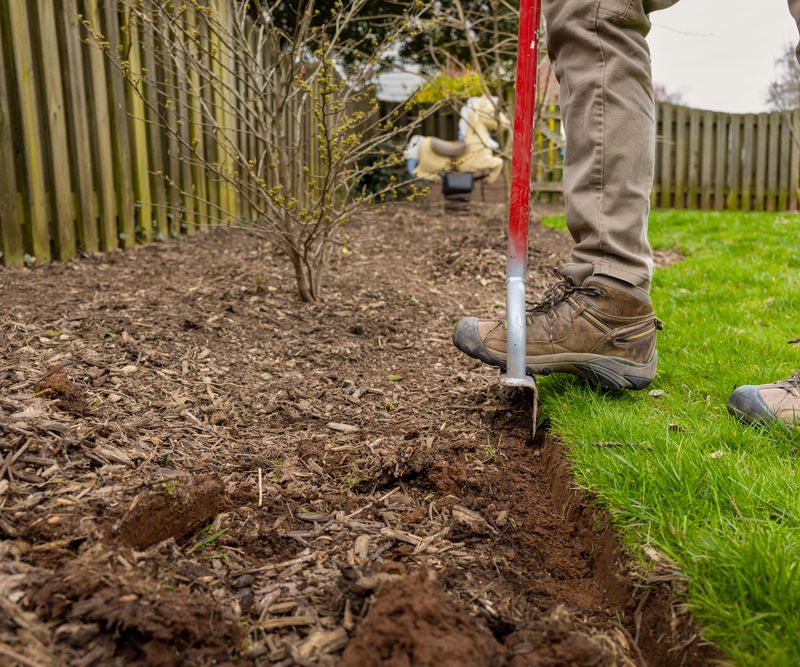
Old-school gardeners swear by the half-moon edging iron, and they have a point. Its curved blade rocks through soft November soil with satisfying control, perfect for small yards and tight curves.
A flat, sharp spade does the job nearly as well. Square spades give you a straight vertical wall, which makes a crisp trench along beds.
Longer borders call for more muscle. A power edger with a vertical blade handles driveways and long sidewalks quickly.
Cordless electric models are quieter and lighter, while gas units suit big properties or thick, tangled turf.
String trimmers turned sideways can tidy an edge, but they rarely cut a deep, lasting line. Save them for touch-ups.
Sharpening helps any tool. A few passes with a metal file on your spade or edging iron makes a surprising difference, especially in Ohio clay.
A dull blade crushes grass roots instead of slicing them.
Safety counts too. Wear sturdy boots, gloves, and eye protection, especially with powered edgers that can fling small stones.
Choose the tool that matches your yard size and your energy level. The soil will meet you halfway either way.
A Fresh Mulch Layer Helps Those Crisp Bed Edges Last All Winter
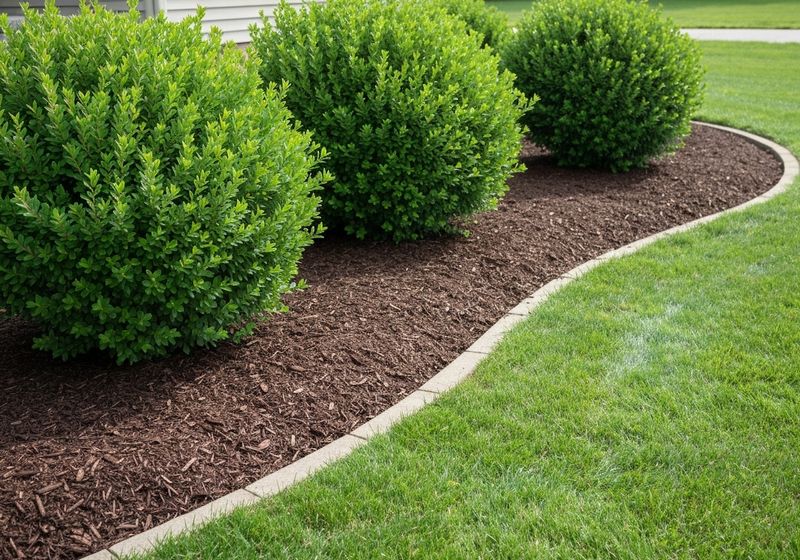
Once the trench is cut, the fun part begins. A tidy edge works like a little dam that keeps mulch, soil, and gravel from washing onto your walkways.
Winter rain and melting snow push plenty of water through Ohio yards. Without a defined border, loose material slides into the lawn or onto pavement.
A clean 2 to 3 inch drop keeps it contained.
Add shredded hardwood mulch or shredded leaves after edging, about 2 to 3 inches deep. Wait until the ground has cooled, because mulch is meant to keep soil temperatures steady and reduce heaving from freeze-thaw cycles.
Keep mulch a few inches away from tree trunks and shrub stems. Piling it against bark invites rot and rodents looking for a cozy home.
Toss the cut sod pieces into your compost pile, flipped grass side down. They break down into rich material by next season.
Fun fact: those chopped fall leaves you raked are free mulch. Many extension specialists call them one of the best soil builders around.
A little effort now keeps your borders looking sharp until spring color returns.
Spring Mowing Gets Easier Along Your Driveway and Sidewalk Edges
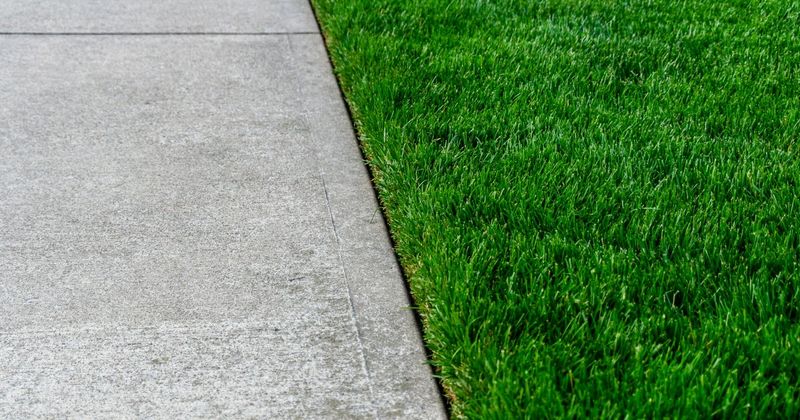
Spring in Ohio arrives with a long list of chores. Fertilizing, seeding, cleaning beds, and tuning up the mower all compete for the same few weekends.
Edging in November crosses one big job off that list early. Your borders are already defined when the grass wakes up, so you can focus on everything else.
Mowing gets smoother too. Clean lines give mower wheels a clear guide along beds, sidewalks, and driveways.
You spend less time trimming and more time enjoying the yard.
Winter can bring a bonus. Defined driveway edges help you see where pavement ends when shoveling or plowing, which may reduce scraped turf.
Placing reflective stakes along borders makes it even easier.
Plan a quick touch-up in mid to late spring. A light pass with a spade or edger refreshes the line in minutes because the deep cut is already there.
My takeaway is simple. Grab your tool on a mild, dry November day, cut those borders, and tuck in some mulch.
You will thank yourself when April rolls around and the yard already looks polished.