The Worst Vegetables for Arizona Raised Beds and the Ones That Thrive There
Tomato pollen starts failing once daytime temperatures climb past roughly 95 degrees, so blossoms often drop without setting fruit. In a Phoenix summer that threshold arrives early and lingers for months, which surprises plenty of brand new gardeners.
Arizona soil adds another twist, since much of it is alkaline and sometimes cemented by a hard layer called caliche. Raised beds help you skip that buried problem, yet they cannot change how much heat certain crops will tolerate.
I have to admit my first fall bed was full of bolted greens and lopsided heads that refused to form properly. You might notice the same pattern, where favorites from cooler regions struggle while scrappy desert crops keep on producing.
October is prime planting time across low desert Arizona, so choosing wisely right now pays off for many months ahead. Which crops deserve a spot in your bed, and which ones are better left sitting on the seed rack?
1. Head Lettuce
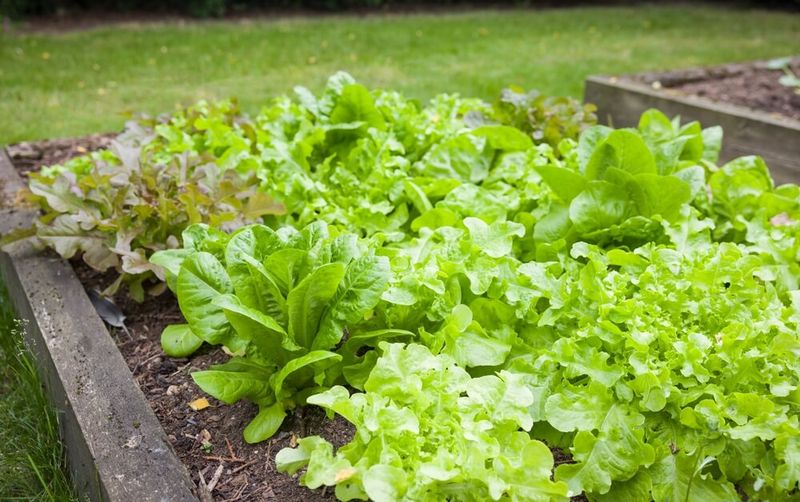
Iceberg heads need a long stretch of steady cool weather, and desert springs rarely hand them that much time. I love crisp lettuce, but watching a half-formed head shoot upward into a bitter stalk is pure heartbreak.
Warm days trigger bolting, which means the plant shifts its energy from tender leaves toward flowers and seeds. Once that central stalk appears, the leaves turn bitter and milky, and your salad plans quietly fade away.
Low desert gardeners can still sow lettuce in October, yet tight heading types often run out of cool weeks before maturing. Loose leaf varieties make a smarter swap because you can start harvesting outer leaves in about a month.
Give any lettuce bed some afternoon shade from a taller crop or light shade cloth as spring warms up. Steady moisture matters too, since drought stress pushes these shallow-rooted plants toward bolting even faster than heat alone.
Personally, I treat head lettuce as a gamble rather than a staple in hot climates like ours here. Save your best raised bed space for greens that shrug off warm afternoons and keep producing well into spring.
2. Spinach
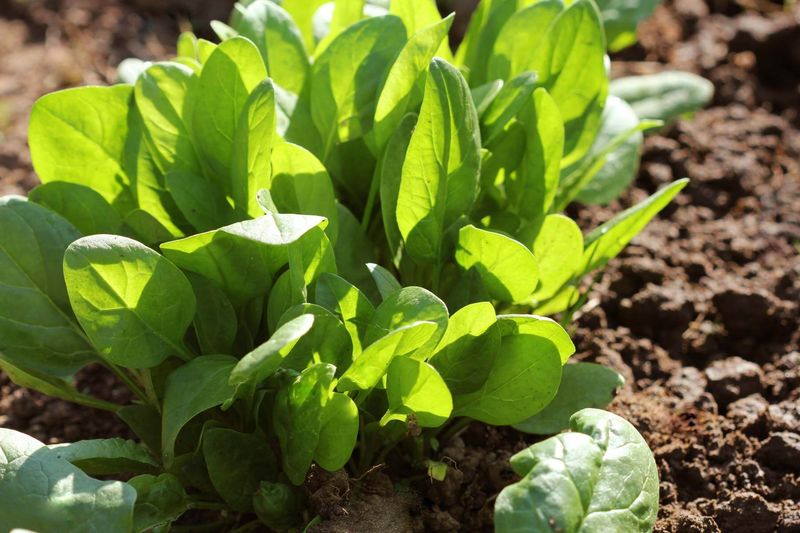
Spinach reacts to lengthening days as much as warmth, so desert plantings can flower before you fill a single bowl. You might sow a gorgeous row in fall, then watch it race toward seed after one warm February week.
Temperature swings are the real troublemaker, since chilly nights followed by sunny afternoons in the eighties confuse this fussy green. Many local growers report better luck with kale or chard, which handle those wild swings with far more patience.
If you still want spinach, sow it in late October or November once soil temperatures finally drop below seventy degrees. Seeds germinate poorly in warm soil, so early planting often leaves you with patchy rows and wasted seed packets.
Choose slow-bolting varieties and harvest outer leaves young, before the plant decides its job is finished for the season. A thin layer of mulch keeps the soil cooler and evens out moisture, which helps delay that sudden flowering.
I like spinach enough to try a small patch each year, but I set my expectations pretty low now. Treat it as a bonus crop rather than the backbone of your winter salad supply, and you’ll feel less disappointed.
3. Cauliflower
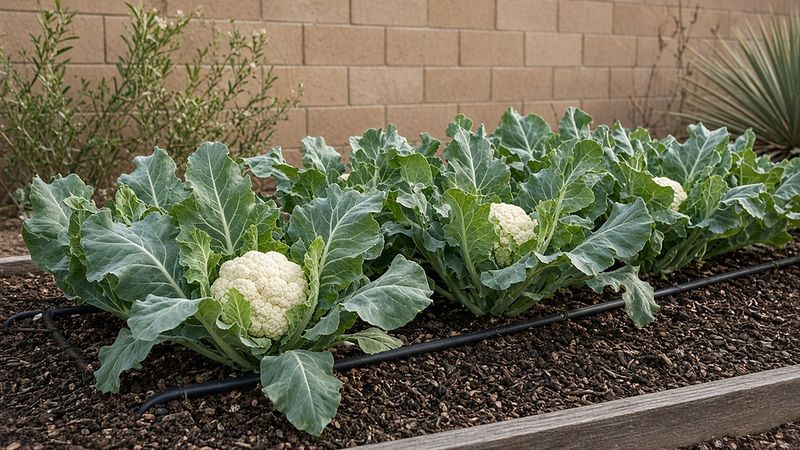
Cauliflower might be the moodiest plant in the whole cabbage family, and desert gardeners learn that lesson fast. One plant produces exactly one head, so a single stressful week can erase months of careful watering and feeding.
Sudden heat or cold snaps can cause buttoning, where the plant forms a tiny head the size of a golf ball. Warm spells can also make heads loose and ricey, with curds separating instead of staying tight and creamy white.
October is the window for transplants in the low desert, giving heads time to form during the steadier winter weeks. Planting later risks maturing into March warmth, which often brings discolored or fuzzy heads that taste a bit strong.
Steady watering matters more than anything else, because dry spells stunt young plants before they ever reach full size. Many growers fold the big outer leaves over developing heads, shading them from sunburn and keeping the curds pale.
I have to admit I admire anyone who grows picture-perfect cauliflower in the desert, because it takes real dedication. For a more forgiving brassica, consider broccoli varieties that produce side shoots, which reward you long after the main harvest.
4. Brussels Sprouts
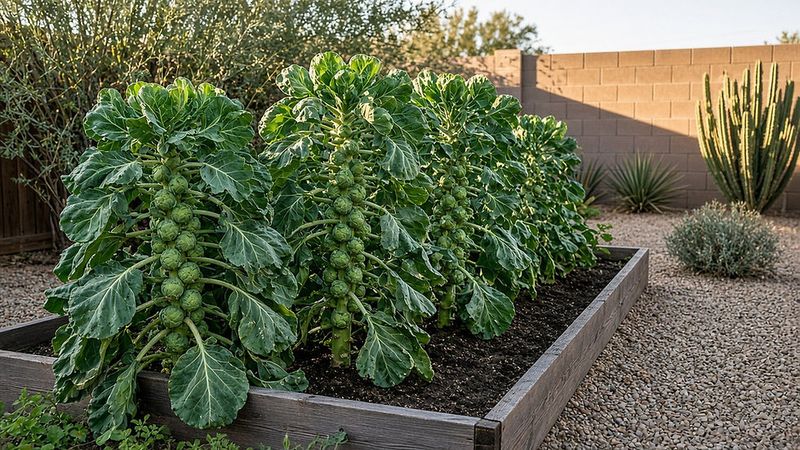
Brussels sprouts want a long, chilly season, and they sweeten best after weeks of frosty mornings in cooler climates. Desert winters are mild and short by comparison, so the sprouts often stay loose, small, and noticeably bitter.
These tall plants can take around three months or more from transplant before the little buttons finish sizing up. By the time sprouts mature in many Arizona gardens, spring heat arrives and opens them into leafy, disappointing tufts.
Honestly, I gave up on them after two seasons of feeding giant stalks that hogged my bed all winter long. You need serious patience and plenty of room, since each plant can stretch tall and wide while producing little.
Gardeners in higher, cooler parts of the state, like Flagstaff, generally have better luck with this crop than lowland growers. In hot valleys, an early fall transplant gives you the best shot, though results still vary quite a bit yearly.
If you crave roasted sprouts, buying them from a local farmers market might be the easiest path this winter. Use that precious raised bed space for kale or cabbage, which handle mild desert winters with much less drama.
5. Standard Cucumbers
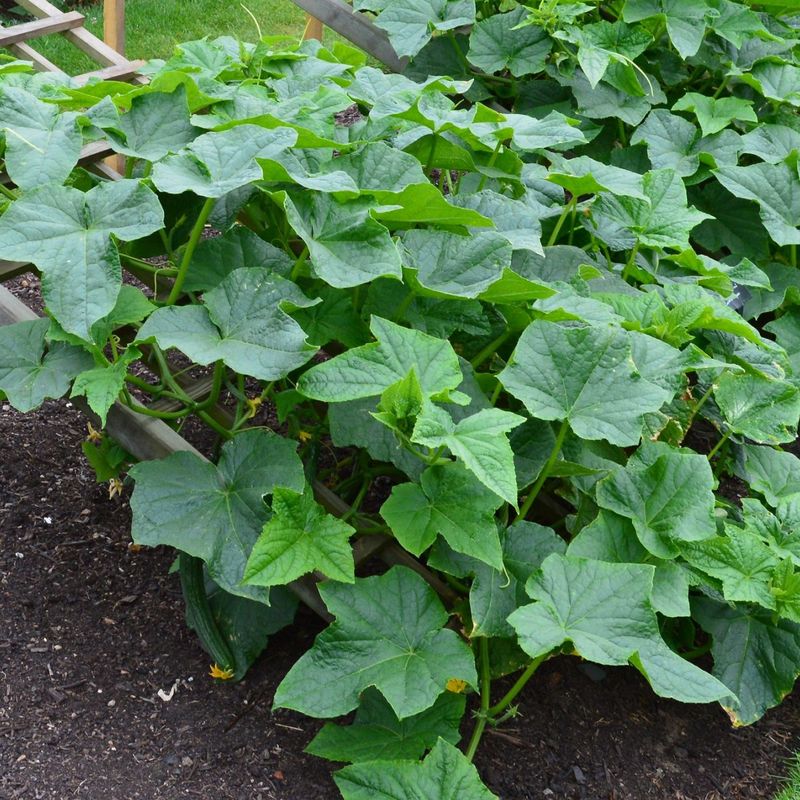
Slicing cucumbers look innocent in spring, but a desert June can turn their vines limp by early afternoon. Their fruit also tends to turn bitter when moisture runs low, which happens quickly in sun-baked raised beds.
October is not cucumber season here, so think of this entry as a warning for next spring’s planning session. Common types like the classic garden slicer handle mild heat, yet extreme temperatures cut pollination and leave misshapen fruit.
I can’t imagine fighting those struggling vines again when a far tougher cousin exists for hot gardens like ours. Armenian cucumber is technically a melon, and it loves heat that sends regular slicers into a sulking slump.
If you still want classic slicers, plant them early in spring so harvests wrap up before the hottest weeks arrive. Shade cloth around thirty to forty percent helps protect leaves and fruit during brutal afternoons from June into August.
Deep watering every few days, checked with a finger in the soil, keeps fruit crisp rather than bitter or hollow. Even so, I’d rather give that trellis space to something that thrives on summer instead of merely surviving it.
6. Swiss Chard
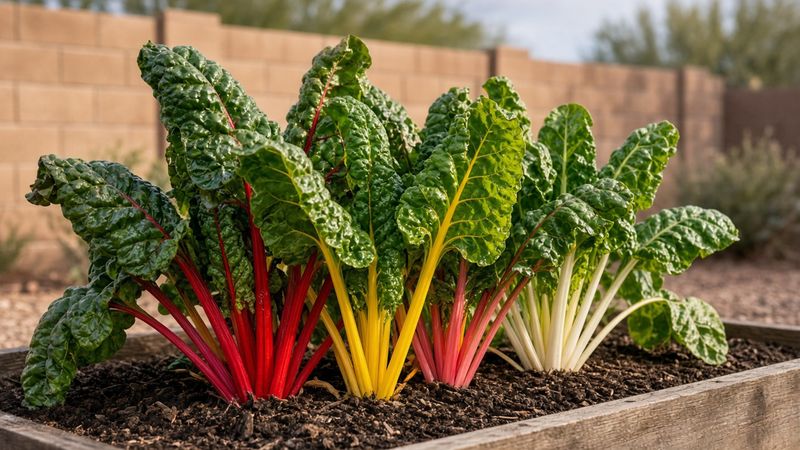
Rainbow chard stems glow like stained glass in winter sunlight, and the plants keep pumping out leaves for months. I love how one fall planting can feed my kitchen from November clear into the warmer weeks of spring.
Chard belongs to the same species as beets, which explains its tough personality and tolerance for alkaline desert soil. Plants reach about eighteen to twenty-four inches tall, so give each one enough elbow room in your raised bed.
Sow seeds or set transplants in October or November, and water every two to three days while seedlings settle in. A few inches of mulch keeps roots evenly moist and stops the bed surface from crusting under strong sunshine.
Harvest the outer leaves first and let the center keep growing, which turns each plant into a reliable salad machine. You’re in for a big surprise when chard often hangs on into early summer, long after lettuce has given up.
Yellowing leaves with green veins usually point to iron deficiency, a common issue in alkaline soils across the Southwest. A chelated iron product often fixes that quickly, restoring the deep green color within a couple of weeks.
7. Kale
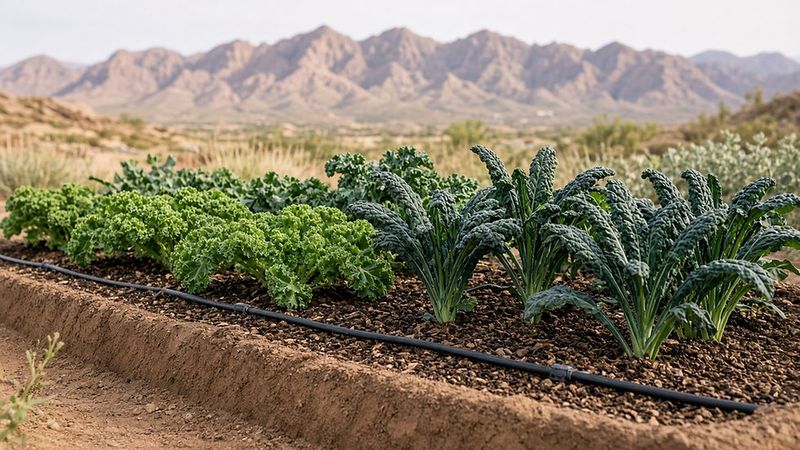
Kale laughs at the temperature swings that send spinach into a panic, which makes it a desert winter favorite. Frosty nights even sweeten the leaves, turning a sometimes bitter green into something closer to a garden snack.
Plants grow two to three feet tall and keep producing throughout the cool season when planted in October or November. Like its brassica cousins, kale handles slightly alkaline soil better than many vegetables, so your raised bed stays productive.
Personally, I grow both curly and lacinato types, because their textures work differently in soups and quick salads. Pick lower leaves regularly and the plant grows upward like a tiny palm tree, offering harvests for several months.
Watch for aphids and cabbage loopers, which show up on tender growth during mild stretches in fall and spring. Hand-picking caterpillars and spraying aphids off with water usually keeps damage low without reaching for heavy treatments.
Once spring heat builds, kale bolts and sends up yellow flowers that pollinators love to visit in big numbers. I often leave a few blooming plants for bees, then pull them before summer crops claim the bed.
8. Carrots
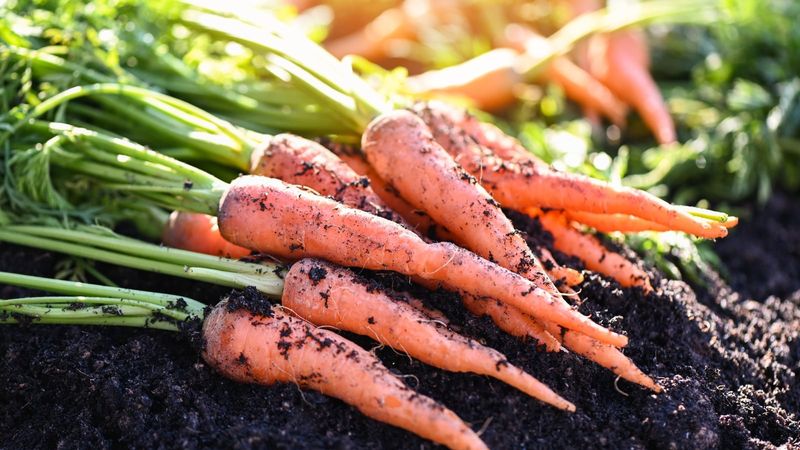
Carrots hide their treasure underground, safe from the blazing sun that scorches so many exposed desert crops. Raised beds suit them beautifully, since loose fluffy soil lets roots grow long and straight instead of forked.
Native desert soil with caliche can twist carrot roots into strange shapes, so filling beds with compost-rich mix helps. I like how a well-built bed produces smooth, sweet roots that snap cleanly when you pull them up.
October is an excellent month for sowing carrot seed across the low desert, with harvests arriving in winter months. Keep the soil surface damp until seedlings emerge, which can take one to three weeks in cooler weather.
A light board or burlap cover over freshly sown rows holds moisture, but remove it once tiny sprouts appear. Thin seedlings to about two inches apart, or roots crowd each other and stay disappointingly skinny all season.
What surprises me most is how sweet fall carrots taste after cool nights concentrate their natural sugars inside. Shorter varieties like Danvers or round Parisian types handle shallow beds well when your soil depth is limited.
9. Tepary Beans
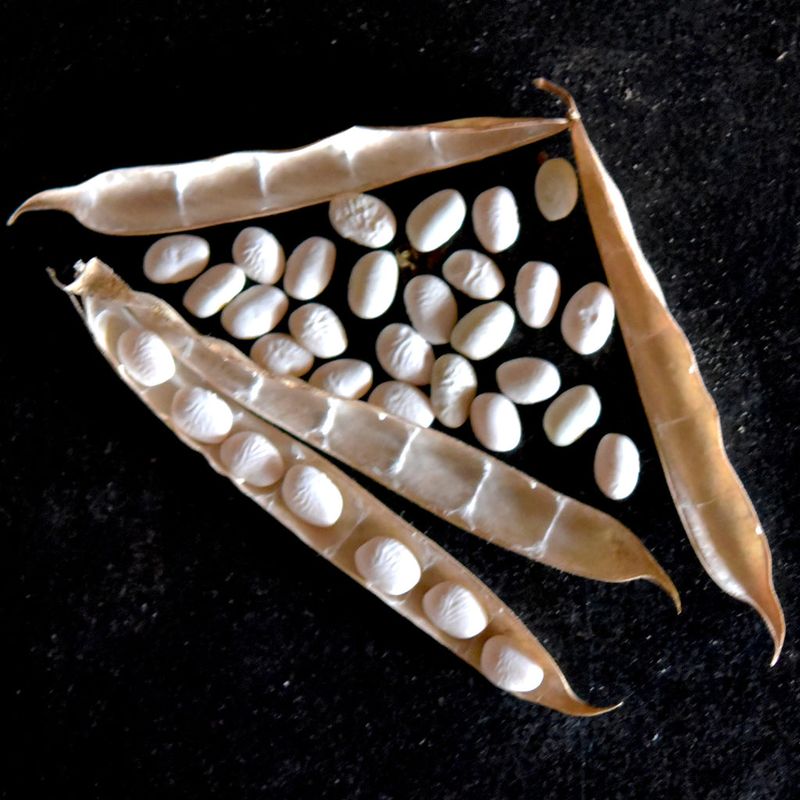
Tepary beans have grown in the Sonoran Desert for thousands of years, long before anyone built a raised bed. Tohono O’odham farmers traditionally planted them with summer monsoon rains, harvesting small beans packed with protein.
These native legumes handle heat and drought far better than common garden beans, which drop flowers in scorching weather. Too much water can actually encourage leafy growth over pods, so a lighter touch with the hose works best.
October is harvest and saving time rather than planting season, so collect dry pods as summer plantings finish. I love how the papery pods crackle when ripe, practically begging you to shell them by hand on the patio.
Store your saved seeds in a cool, dry jar and plan to plant again when summer rains return. Native Seeds SEARCH in Tucson is a well-known source for heirloom tepary varieties adapted to regional growing conditions.
Bean flowers attract native bees, and a busy bed full of insects can draw hungry lizards and even roadrunners. You might notice your garden turning into a small wildlife hub, with predators helping keep grasshoppers in check naturally.
10. Okra
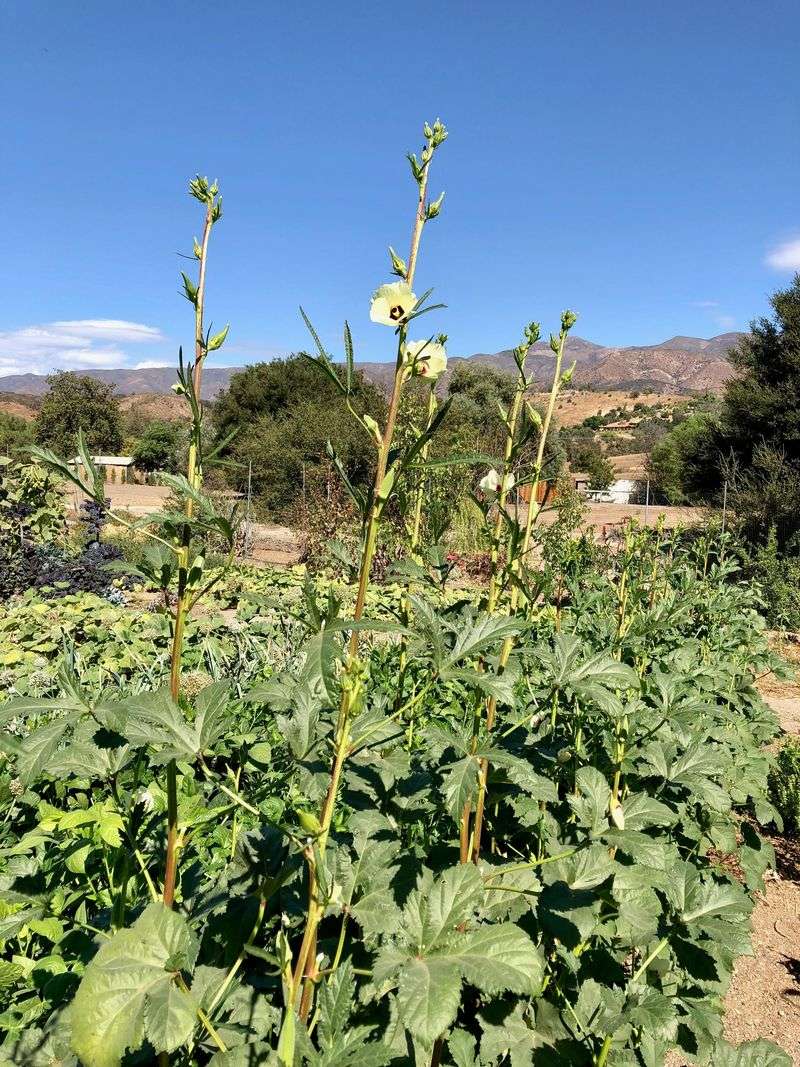
Okra shrugs off triple-digit afternoons like a seasoned desert local, pumping out pods while other crops wilt. Its creamy yellow blossoms look like hibiscus flowers, which makes sense since both belong to the mallow family.
Originally from Africa, okra thrives in long hot summers and often keeps producing well into October in Arizona. Tall plants can also shade sensitive neighbors from harsh afternoon sun, so I place them on the west side.
Pick pods when they reach about three inches long, because larger ones turn woody and tough within days. Gloves help, since many varieties have tiny spines on leaves and pods that can irritate bare skin while harvesting.
Okra deals with fairly little pest and disease pressure compared to squash and tomatoes in desert gardens like ours. Consistent watering improves pod quality, though established plants tolerate drier soil better than most summer vegetables do.
Once cooler nights slow production this fall, pull the stalks and refresh your raised bed with compost. Save a few mature pods for seed, then plan your next Arizona summer bed around this heat-proof workhorse.