What The White Grubs In Your California Soil Are And Whether They Matter
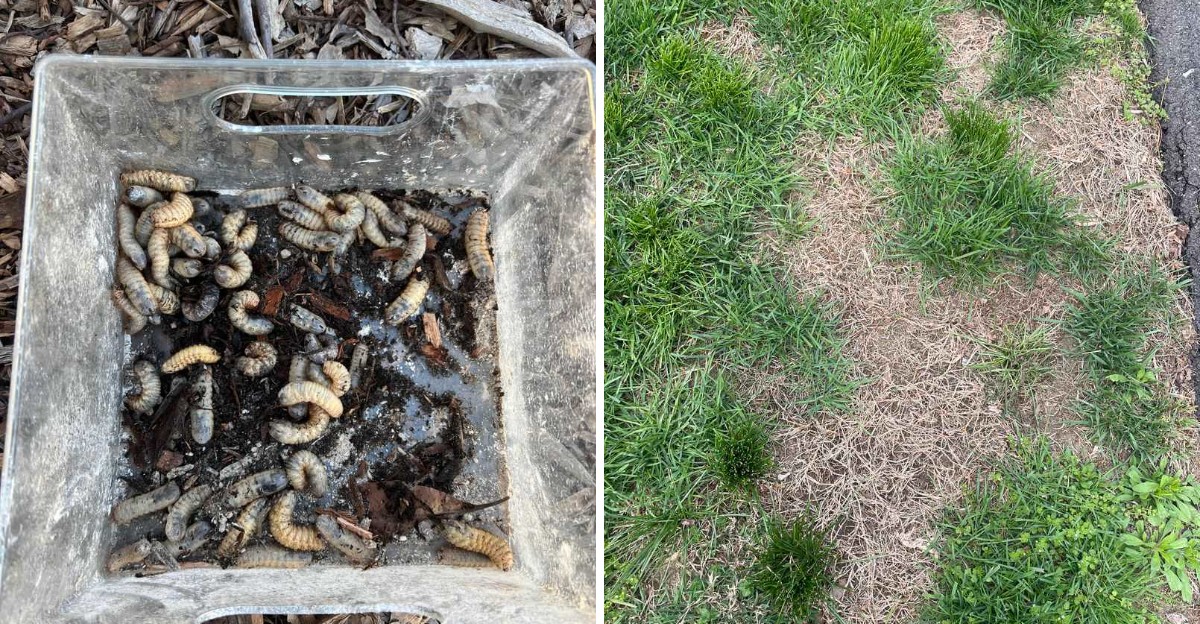
One of the chunkiest larvae in California soil gets around upside down, wiggling along on its back with its legs waving at the sky. It looks ridiculous, and that silly shuffle is a handy clue.
What I adore is that these pale, curled squatters aren’t all on the same team. Plenty spend their days munching old mulch and manure, turning scraps into rich soil. A smaller, sneakier crowd chews grass roots until a gentle tug lifts the turf right off the ground.
November digging tends to turn them up as gardeners prep fall beds, though cooling soil sends many deeper. The first one I unearthed got a full interrogation. I held it in my palm like a detective, demanding to know which side it was on. The crows wanted a verdict.
That chubby stranger you nearly tossed aside might be one of the hardest workers in your yard.
That Curled Cream-Colored Larva Has A Family Name
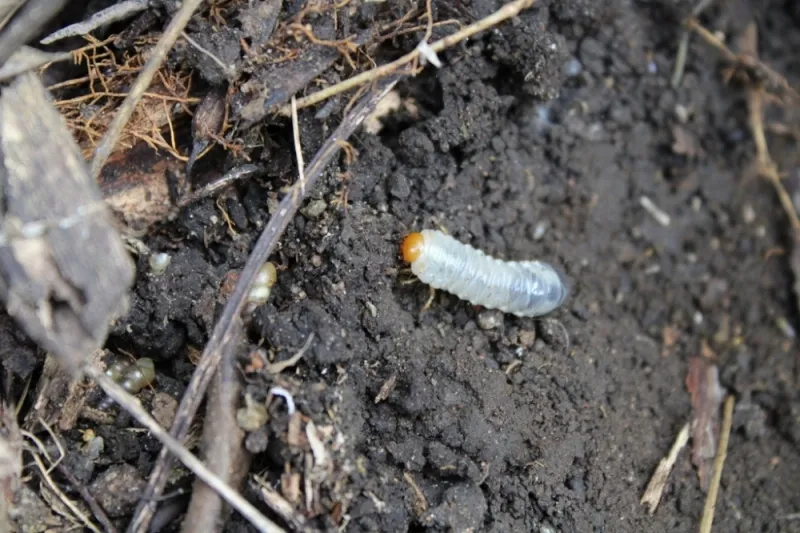
Every one of those chubby white crescents belongs to the scarab beetle family. Entomologists simply call them white grubs, and the name covers dozens of different species.
Most share the same basic look. You will spot a soft, creamy body bent into a C shape, a tan or brown head, and six short legs near the front end. The back end often looks grayish or darker because soil and food show through the skin.
Size depends on which beetle they will become. Some are barely a quarter inch long, while others stretch past two inches. I once found one in my compost bin as thick as my thumb, and it honestly looked like a tiny marshmallow with legs.
Here in the garden, that size difference is your first big clue. The giant ones usually come from beetles that eat decaying stuff, and the smaller ones are more likely to chew living roots.
Spotting a grub does not mean trouble by default. Healthy soil hosts all sorts of insects, and many grubs play a quiet cleanup role. Learning who is who keeps you from reaching for a remedy you may not need.
Masked Chafer Grubs Are The Lawn Troublemakers To Watch
Smaller grubs, roughly an inch long, are the ones that worry turf experts most. According to UC Integrated Pest Management, masked chafers are the most common white grubs damaging lawns in the state.
Their parents are tan beetles about half an inch long with a darker band across the head, like a little bandit mask. They fly around porch lights on warm summer evenings, then lay eggs in moist lawn soil.
The young grubs chew grass roots just below the surface. Since roots hold the turf in place and pull up water, damaged grass loses its grip and its drink at the same time.
You can look for a few telltale features. Masked chafer grubs stay fairly small, have a brownish head, and are found mostly in turf rather than compost piles.
Other root feeders, like black turfgrass ataenius or May and June beetle larvae, show up in some lawns too. A local UC Master Gardener office can help confirm exactly which one you found.
Bring a few grubs in a small jar of soil, and the volunteers can often identify them quickly. Knowing the species makes every next step smarter and cheaper.
Fat Figeater Grubs In Compost Are Usually Friends
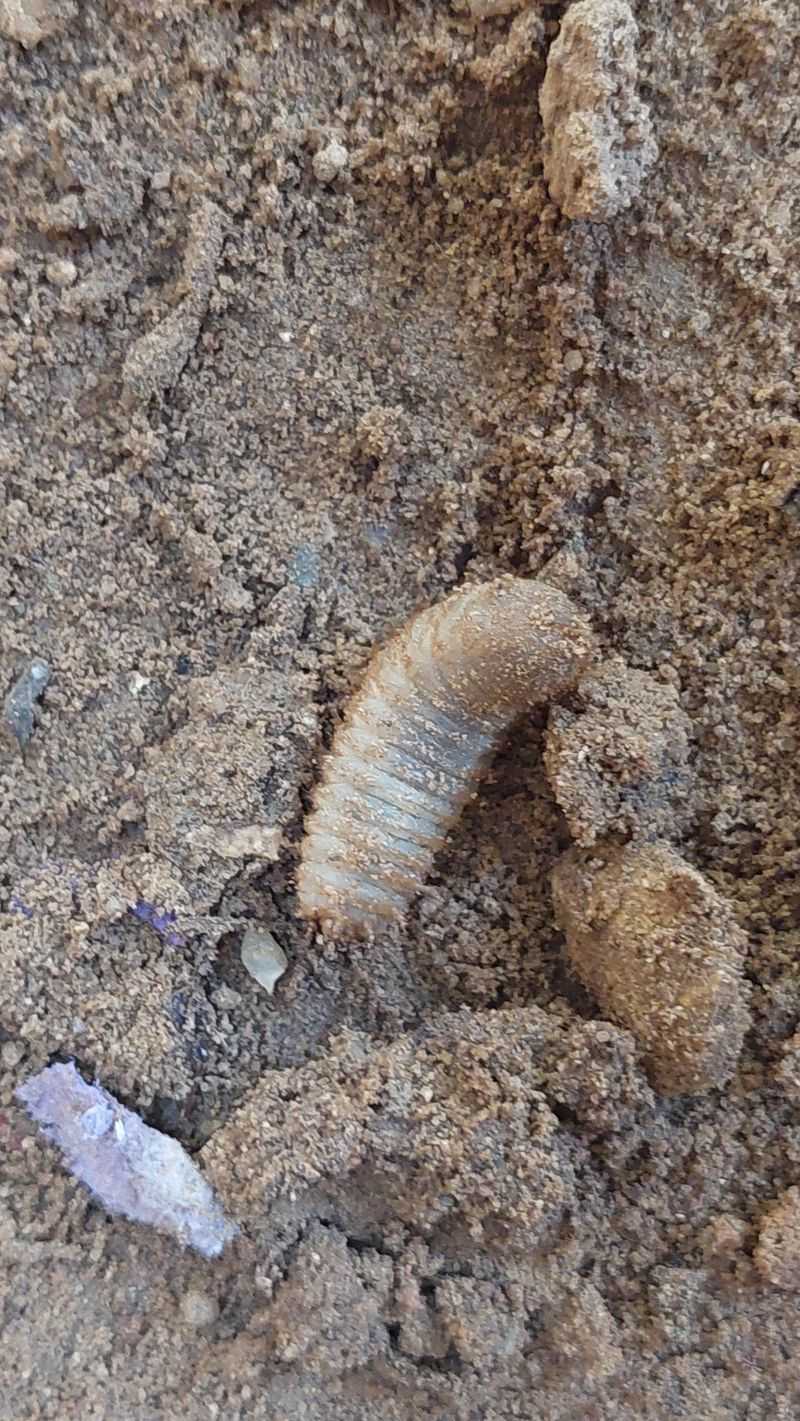
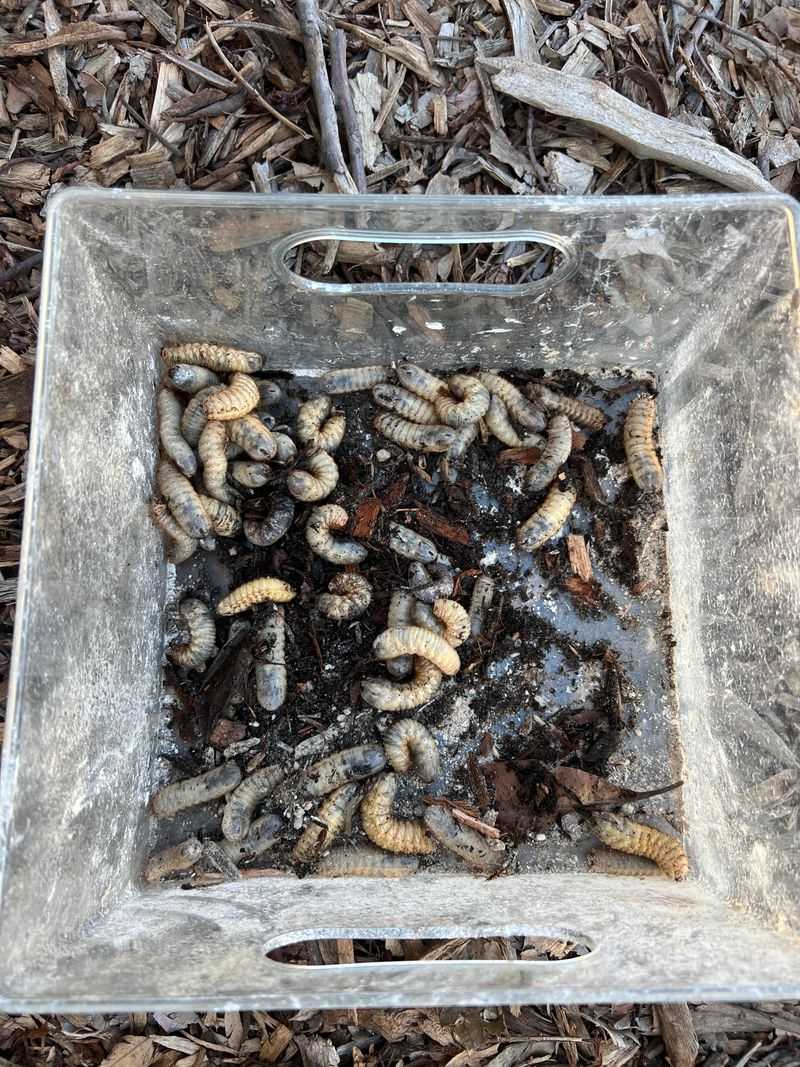
Flip open a compost bin in Southern California and you might find a crowd of huge, wrinkly grubs. Many of these belong to the green fruit beetle, often called the figeater beetle.
Fun fact time. These grubs have a funny habit of crawling on their backs, wiggling along with their legs waving in the air. It looks silly, but it is a handy way to recognize them.
UC experts note that figeater larvae feed mainly on decaying organic matter like manure, mulch, and compost. They help break that material into rich soil, so they are doing you a favor in the bin.
Grown-up figeaters are a different story. The metallic green adults love soft, ripe fruit like figs, peaches, and grapes in summer. Still, they mostly target fruit already overripe or damaged.
My advice is simple. Leave grubs alone in compost, and avoid spreading unfinished compost heavy with larvae right onto lawns. Pick ripe fruit promptly to give adults fewer snacks.
If grubs show up in raised beds full of fresh manure, you can scoop them back into the compost pile. They will happily keep munching there instead of bothering your veggies.
Brown Lawn Patches That Peel Back Like Carpet Tell The Story
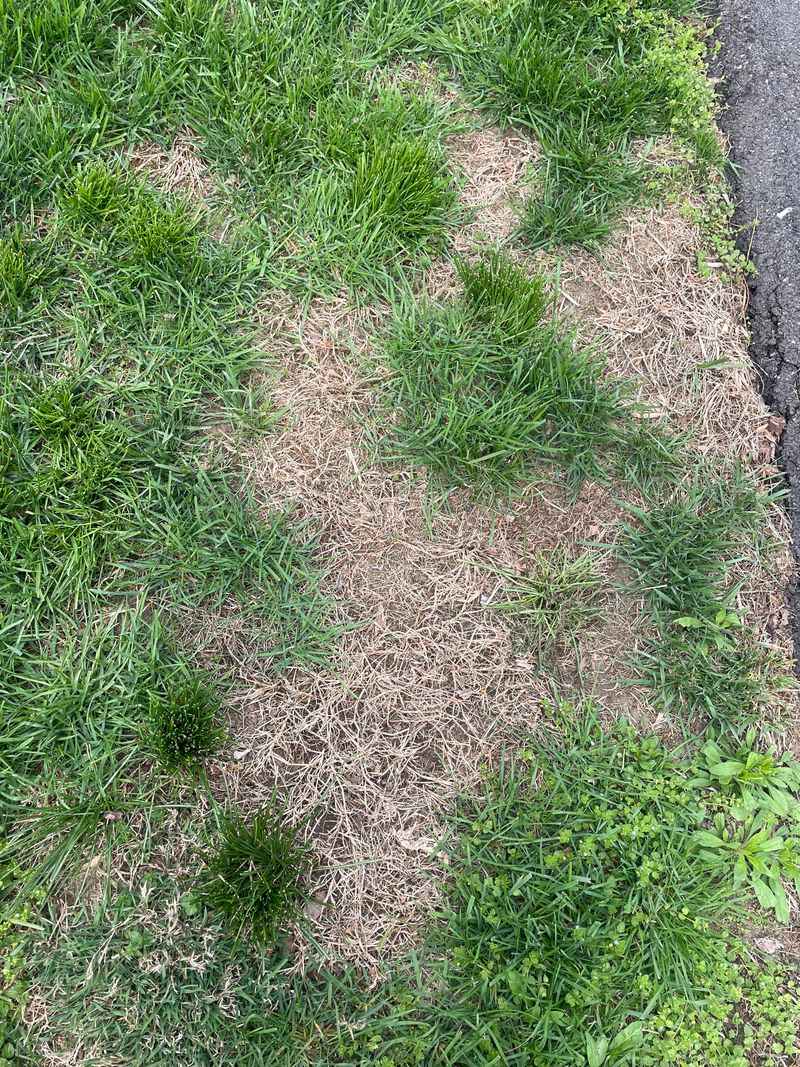
Last fall, a friend swore her sprinklers had failed. Her lawn had irregular brown blotches that would not green up no matter how much she watered.
Turned out the problem was underground. Grub damage often looks like drought stress, but the grass stays wilted even when the soil is damp.
Give the brown turf a gentle tug. If it lifts easily, like a loose carpet with few roots attached, grubs are a strong suspect. The lawn may also feel soft and spongy when you walk across it.
Hungry wildlife can tip you off first. Skunks, raccoons, and birds such as crows love grubs, so torn-up turf and little dug holes overnight often point to a buffet below.
Other causes can create brown spots too. Uneven irrigation, dog urine, fungal disease, and compacted soil all produce similar patches.
That is why checking under the turf matters before treating anything. A quick look saves money and keeps you from spraying products where no grubs exist.
Watch closely in late summer and early fall. That is when hungry young grubs feed hardest, and damage tends to show up fastest.
Grab A Spade And Count Grubs In A Square Foot Of Turf
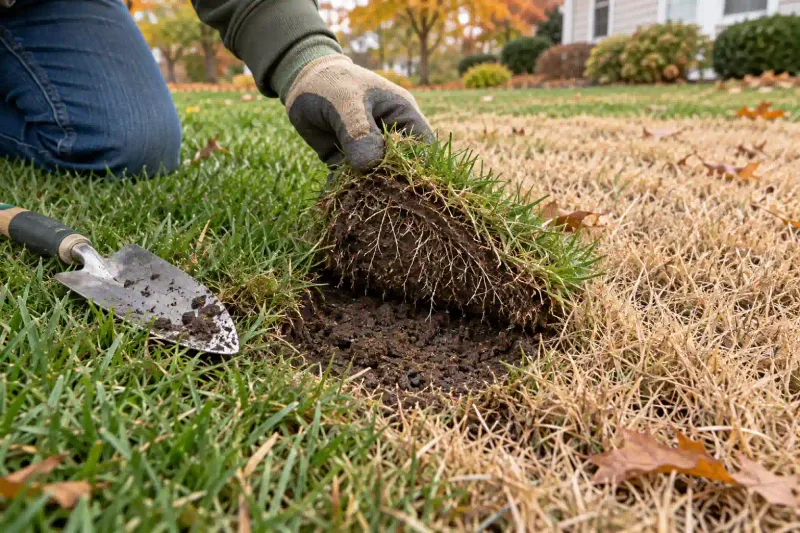
Counting grubs sounds odd, but it is the most useful test you can do. All you need is a flat spade and about ten minutes.
Pick a spot at the edge of a brown patch, where green grass meets damaged grass. Cut a square about one foot on each side and two to three inches deep, then fold the sod back like a book cover.
Now look through the roots and loose soil. Count every grub you see, and check a few different spots around the yard for a fair picture.
UC guidelines offer handy numbers. A healthy lawn can often handle around five or six grubs per square foot without obvious trouble, while counts higher than that may call for action.
If you only find one or two, relax. Press the sod back down, water it well, and it should knit back into place within a couple of weeks.
I like keeping a little note on my phone with dates and counts. Over a few seasons, that record shows whether your grub numbers are climbing, holding steady, or fading, which makes the treatment decision much easier.
Summer Beetle Flights Start The Whole Grub Calendar
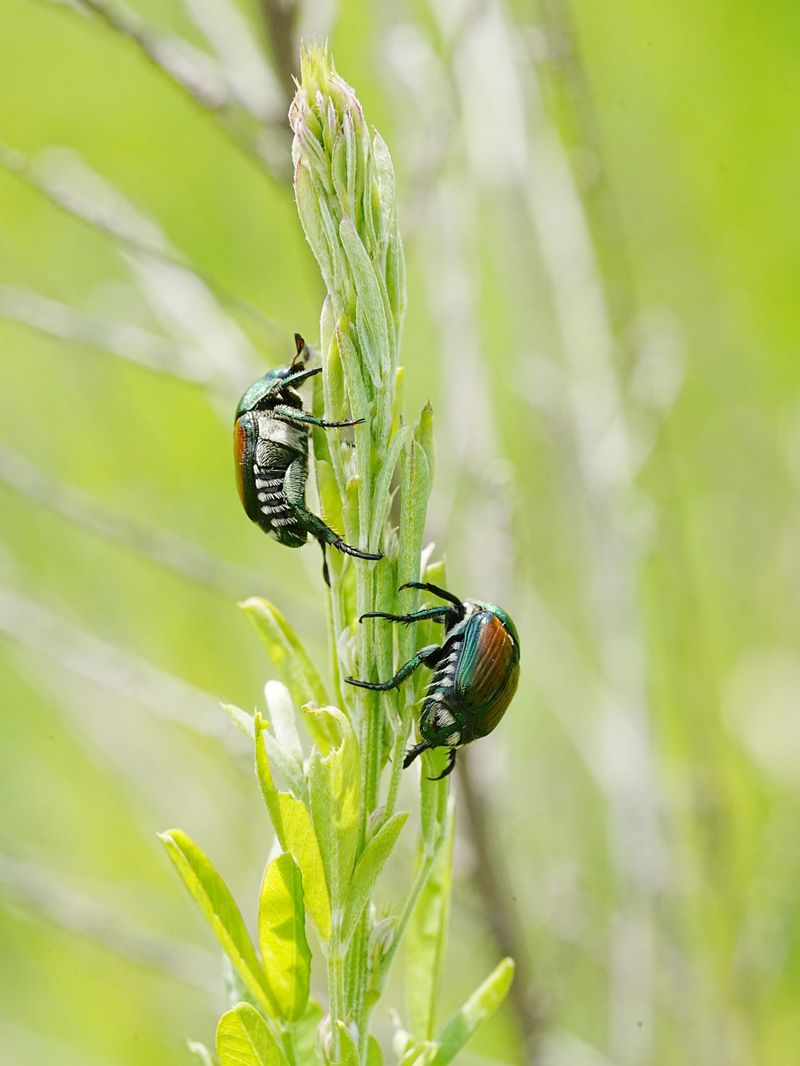
Timing is everything with these critters. Masked chafers usually complete one generation each year, and their calendar is pretty predictable.
Adult beetles take flight in early to midsummer, mostly at dusk. They mate, then females tuck eggs into moist soil under turf.
Within a few weeks, tiny grubs hatch and start feeding. By late summer and early fall, they are growing quickly and chewing the most roots, so damage often shows up then.
When soil cools in winter, the grubs move deeper and slow way down. In coastal areas with milder weather, they may stay a bit more active than in colder inland valleys or mountain towns.
Spring brings them back near the surface for a short feeding round. After that, they turn into pupae and emerge as beetles by summer to start the cycle again.
Why should you care about this schedule? Young grubs in late summer are small and easiest to control, while big spring grubs are tougher and closer to finishing their feeding anyway.
Treating at the wrong moment wastes effort. Matching your plan to the calendar gives you the best results with the least product.
Taller Mowing And Smarter Watering Help Grass Shrug Off Grubs
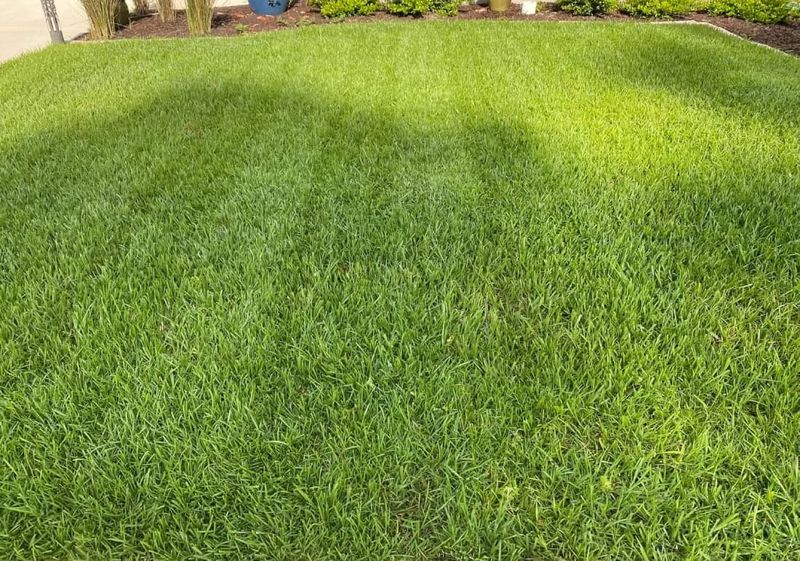
Honestly, the best grub defense is a lawn tough enough not to care. Thick turf with deep roots can lose some roots to grubs and still look green.
Raise your mower blade. Taller grass grows deeper roots, which gives it a cushion against nibbling larvae and summer heat.
Water deeply but less often instead of giving daily sprinkles. Female beetles prefer moist soil for laying eggs, so a constantly soggy lawn in summer can invite them in.
Fertilize based on your grass type and season, not on guesswork. Overfeeding produces weak, lush growth, while steady care builds sturdy roots.
Thatch matters too. If the spongy layer of dead stems above the soil grows thicker than about half an inch, dethatching helps water and air reach the roots.
Beneficial nematodes are another natural option. Species like Heterorhabditis bacteriophora hunt grubs in moist soil, and they work best on young larvae in late summer or early fall.
Apply them in the evening and keep the soil damp afterward, since sunlight and dry ground weaken them. Buy from a fresh, reputable source, because these tiny helpers are living creatures with a short shelf life.