How to Level a Bumpy Arizona Lawn Without Heavy Equipment
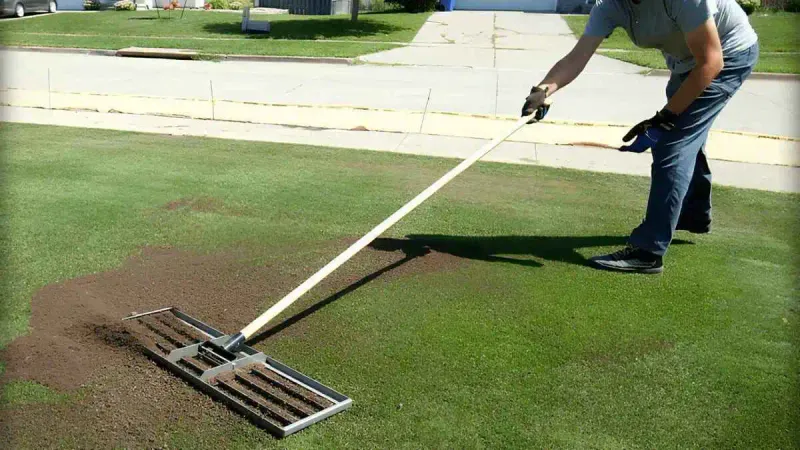
A lawn can feel like a mini obstacle course when you mow it. Bumps and dips are more than an annoyance, because they can trip your feet and scalp the grass.
In Arizona, the right fix depends on what is making the ground uneven and how big the problem is. Hand tools can handle some jobs, but others need a bigger plan.
Diagnose the Unevenness Before You Repair It
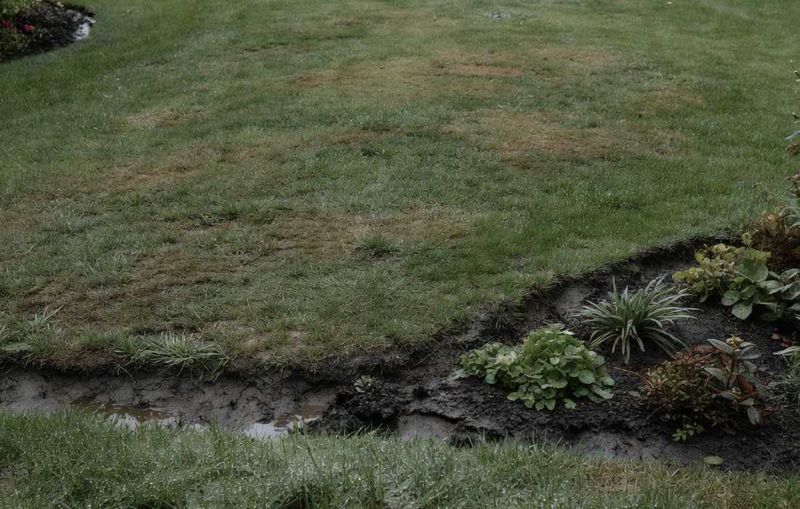
Walk your yard slowly and look at what kind of bumpy you really have. A few shallow dips, deep ruts, soil mounds, and rough patches from thin grass are four different problems.
Each one needs its own fix.
Topdressing only suits modest surface corrections. Lay a straight board across a dip and measure the gap with a ruler.
A small gap is one thing, but a wide low area or a spot where water pools may point to a grade or drainage problem.
Regional causes matter too. Iowa State Extension lists thinning turf and earthworm castings as causes of rough lawns, and it also talks about freeze-thaw heaving.
Those cold-climate causes will not match every Arizona yard, so look at your own lawn first.
Once you know the scale, the choice gets easier. University of Maryland Extension separates small surface fixes from substantial ruts and low areas.
Keep that line in mind as you read on.
Check Unusual Mounds for Signs of Pocket Gophers
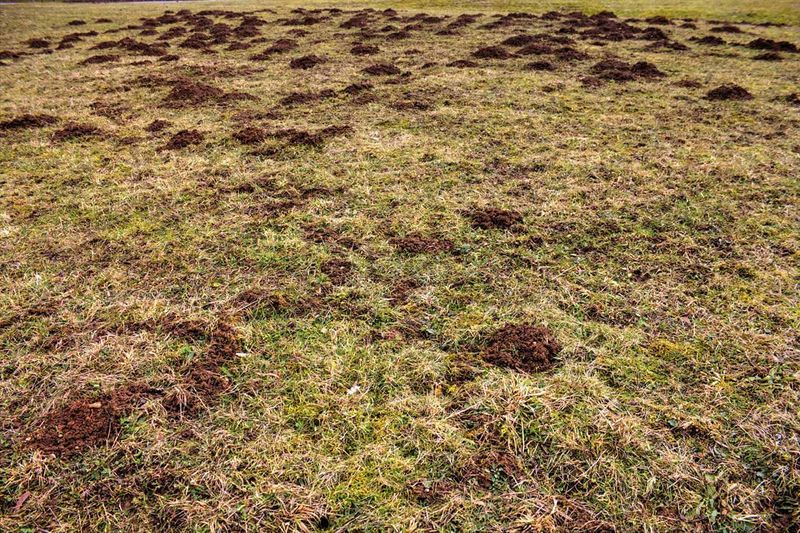
Not every bump is a settling problem. Fresh mounds of loose soil that look like little fans can be a clue that something is digging below.
A small soil plug near the mound is another clue.
University of Arizona Extension lists fan-shaped mounds and a soil plug as characteristic signs of pocket gophers. It also notes that burrow systems can be extensive.
Treat these clues as hints, not proof. They do not confirm the cause, and they do not show how far the tunnels run.
Investigate unusual mounds before you treat them like ordinary low spots.
If the mounds are new, hold off on topdressing that area. Smoothing the surface will not tell you what is happening underneath.
Learn what is going on first, then pick your repair.
Time Repairs Around Local Turf Conditions
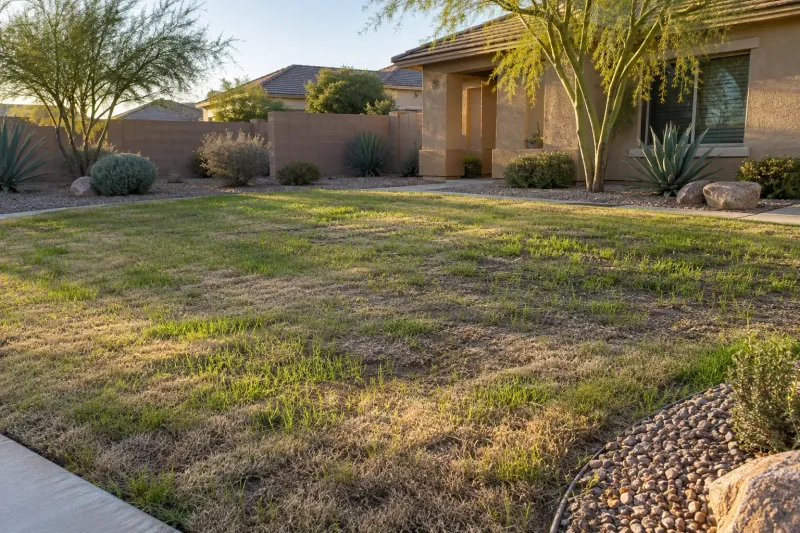
Arizona is not one turf climate, so timing depends on where you live and what grass you grow. For low-desert spots like Phoenix, Tucson, Casa Grande, and Yuma, University of Arizona Cooperative Extension calls bermudagrass well adapted.
It grows vigorously in summer, and cooler temperatures slow growth after October.
That schedule belongs to those lower-elevation places. Do not copy it automatically to other elevations, other grasses, or lawns across the whole state.
October can be confusing. In the low desert, it may be when bermudagrass is overseeded with winter ryegrass, and University of Arizona Extension calls it ideal for that job under certain temperatures.
That is not a leveling date.
Before you rake or topdress, check how far along any new seed is. Disturbing a young stand can undo your overseeding work.
When in doubt, wait and look closely.
Skip Heavy Rolling and Match the Topdressing to Your Soil
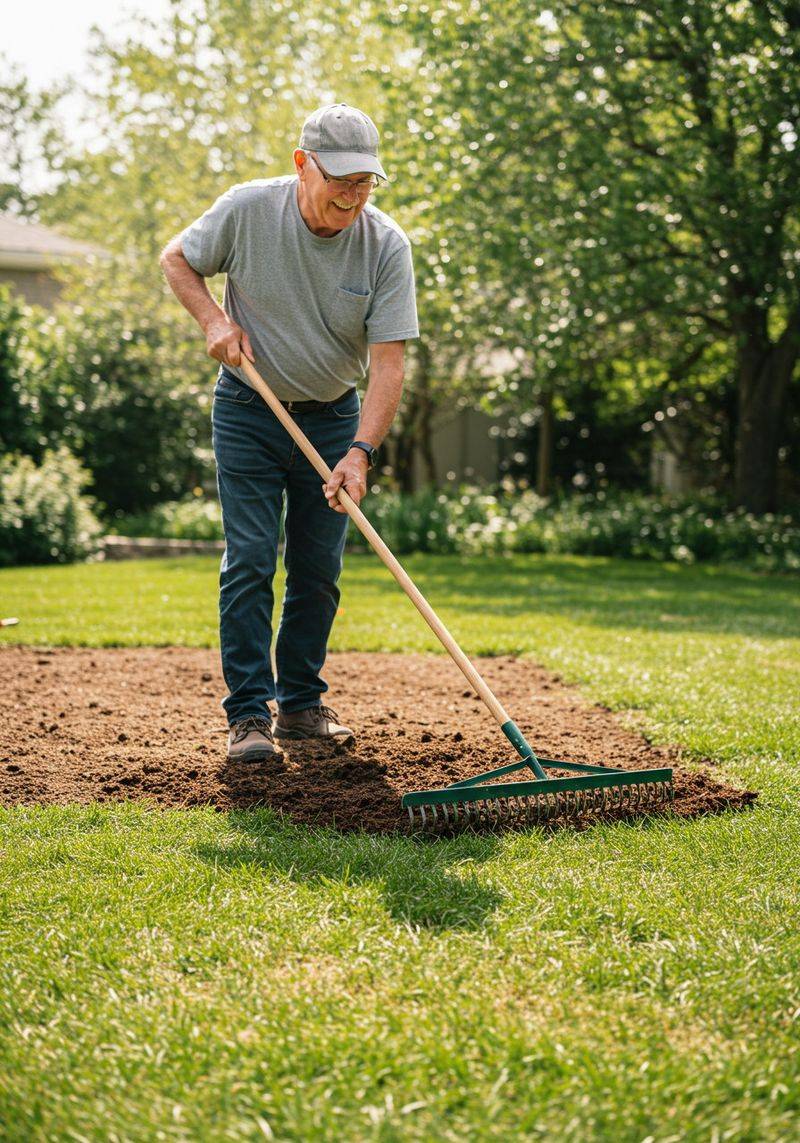
A heavy roller sounds like an easy fix, but it is a shortcut to skip. Iowa State Extension warns that rolling rough lawns can compact soil and reduce turf vigor.
Compacted soil is harder for roots to use.
Missouri Extension also discourages routine heavy rolling. It notes a narrow exception for winter heaving in its own cold climate, and that is not routine advice for Arizona lawns.
Next, think about what you spread. Missouri Extension recommends material with a texture similar to or coarser than the soil underneath.
That is not the same as saying sand is best for everyone.
For context, University of Arizona guidance on trees and shrubs warns that sandy soil over clay, or clay over sand, can cause drainage problems. That advice is for planting, not a turf topdressing trial, but it shows why matching soil matters.
Build Up Shallow Dips With Thin, Gradual Layers
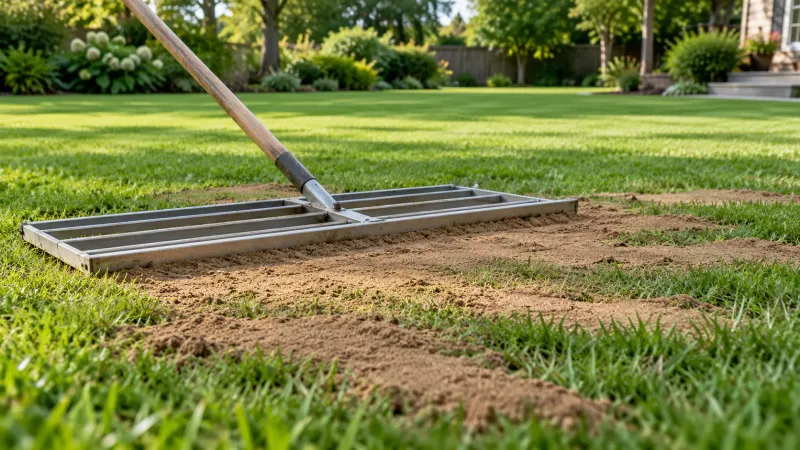
For small, shallow dips, patience wins. Spread a thin layer of soil or compost with a shovel, then work it down into the grass with a push broom or the back of a rake.
You want the grass blades still poking through.
University of Maryland Extension says roughly one quarter to three quarters of an inch of topsoil or compost can usually be applied without smothering the grass crown. That range fits shallow ruts and small adjustments.
Missouri Extension describes leveling shallow depressions gradually with layers of about one quarter to one half inch. It also says at least three fourths of the grass plant should stay exposed.
If a dip is deeper, add more layers over time instead of one deep fill. These numbers are general extension guidance, not Arizona-tested guarantees for every turf type or condition.
Never bury the grass to hurry the job.
Remove Sod and Regrade Substantial Ruts
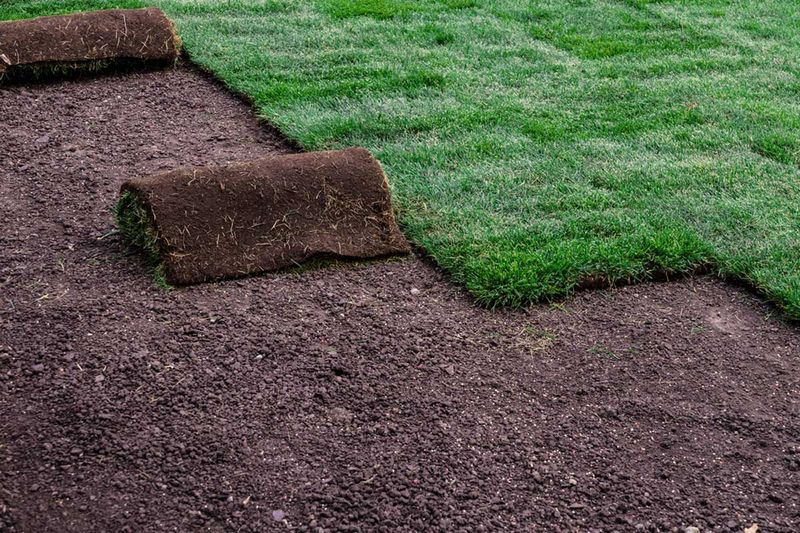
Some low spots are too big for topdressing. For substantial ruts or low areas, University of Maryland Extension recommends removing the sod, regrading the soil, and replanting.
That is a very different job from spreading material over grass.
Hand work may be manageable for a small area, but it is not easy for every yard. Cut the sod, fix the soil level underneath, and put the turf or new planting back.
Before any digging or soil-moving regrade, contact Arizona 811. The Arizona Corporation Commission says utility locations must be marked before excavation.
Privately installed irrigation lines may need separate attention.
Here is the simple rule. Investigate unusual mounds, topdress only shallow local dips, and regrade big low areas.
A smooth lawn starts with picking the right fix.